Artwork
Portrait of a Gentleman

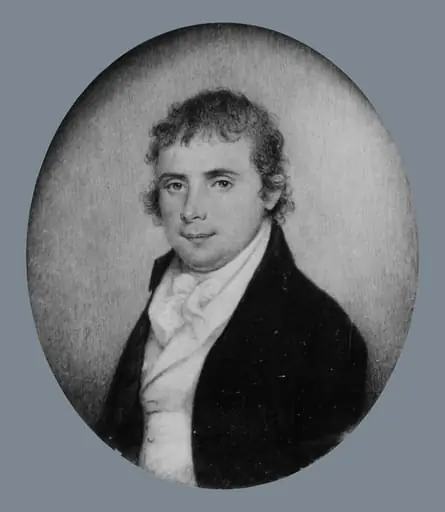
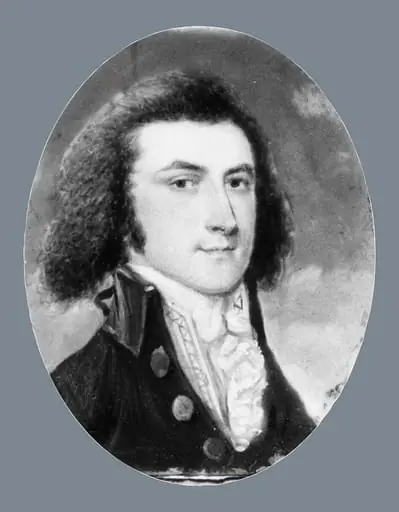
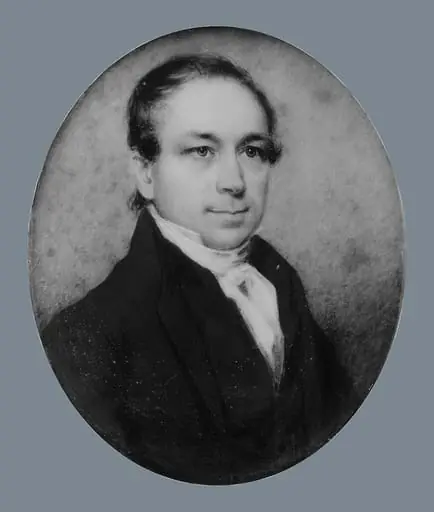
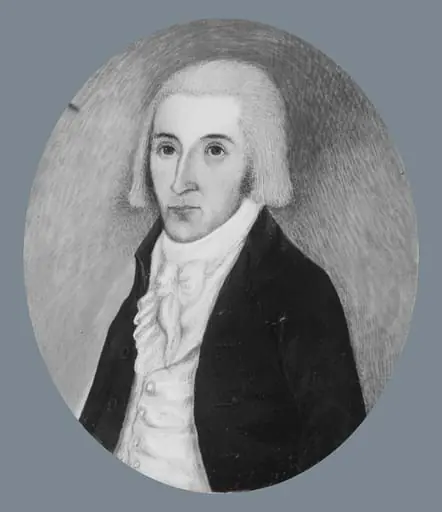
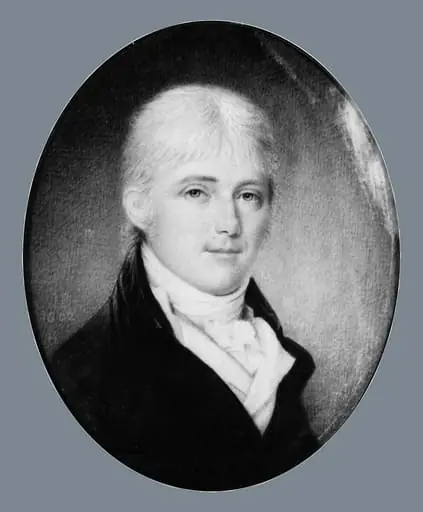
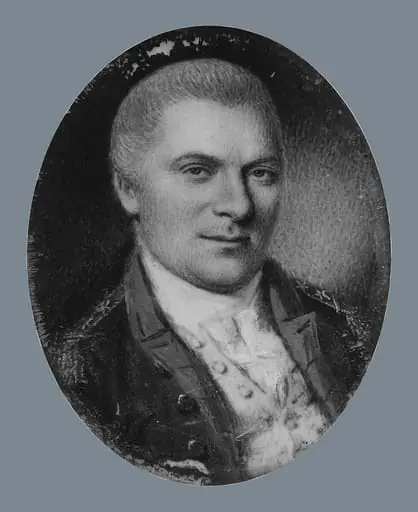
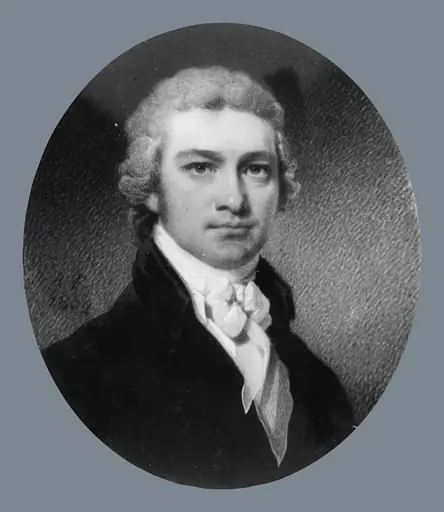
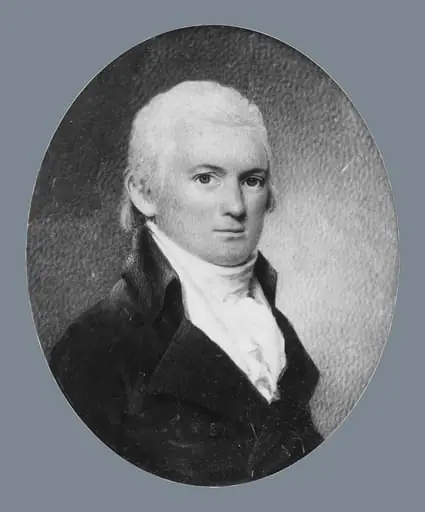
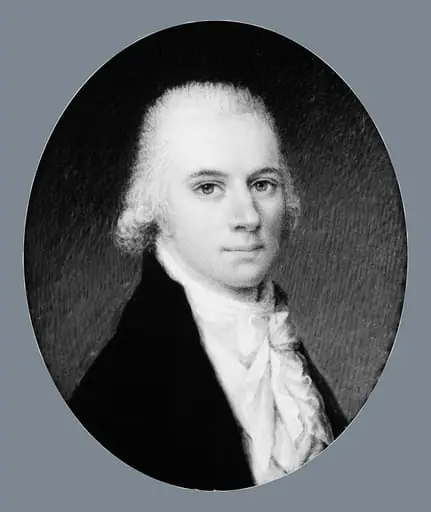
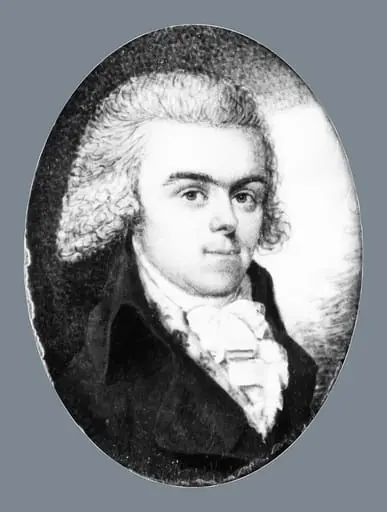
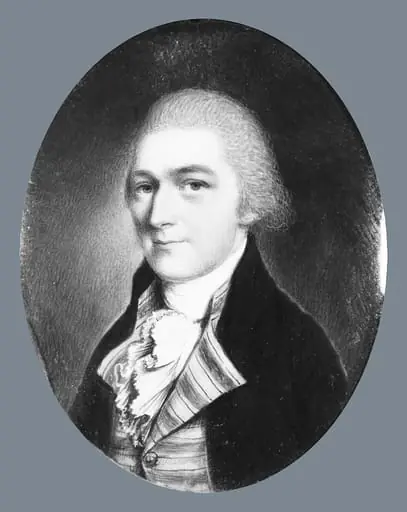
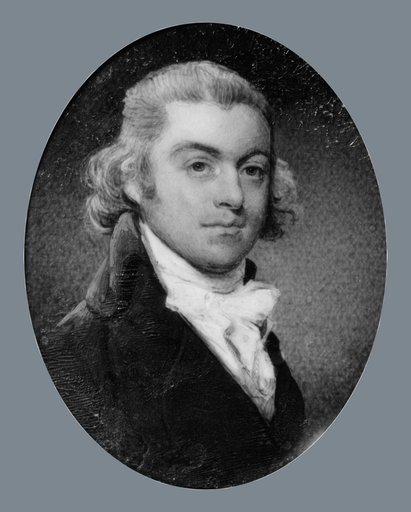
Portrait of a Gentleman is a watercolor painting by the Rococo painting artist William Franks. It dates from 1795 and is held in the collection of the Metropolitan Museum of Art.
About this work
Subject & Meaning
With no overt attributes or emblematic objects, the iconography is limited to the sitter's attire and posture, which suggest respectability and social standing.
The painting shows a solitary male sitter, identified only as a gentleman, rendered in watercolor on ivory in 1795. The Wikidata entry records the subject as a man and classifies the work as a portrait, following the conventions of the era. With no overt attributes or emblematic objects, the iconography is limited to the sitter's attire and posture, which suggest respectability and social standing. The work thus functions as a visual record of an unidentified elite man in late eighteenth-century America.
Technique & Style
Portrait of a Gentleman is executed in watercolor on ivory, a miniature format suited to intimate likenesses. The support measures approximately 7 by 5.6 centimetres, a scale consistent with portable keepsakes of the late eighteenth century. The watercolor medium on an ivory ground allows for delicate handling and fine detail typical of small-format portraiture. The work is held in the Metropolitan Museum of Art, within The American Wing.
History & Provenance
The watercolor on ivory Portrait of a Gentleman was executed in 1795 by William Franks and measures 7 by 5.6 centimetres. Classified as a portrait depicting a man, it is held in the Metropolitan Museum of Art's American Wing. The original commissioner and the chain of ownership prior to its museum acquisition are not detailed in the available records, which likewise do not specify an accession number or exhibition history.
Overview
This small watercolor, titled Portrait of a Gentleman, was created by William Franks around 1795. Executed on a thin slice of ivory, the artwork presents a direct likeness of an unidentified man. The miniature scale, comparable to a modern credit card, reflects a common format for personal portraits during the late 18th century, intended for intimate viewing or as a portable keepsake.
Artist & collection
Artist
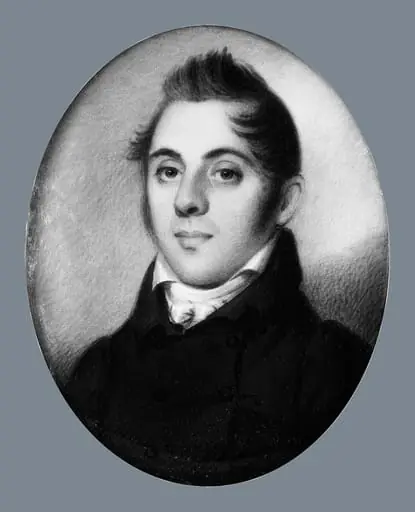
William Franks painted tiny, delicate portraits on ivory during the late 1700s. His Portrait of a Gentleman shows a man’s face no bigger than a playing card, with fine brushstrokes and soft colors. These small works…