Artwork
Portrait of a Gentleman
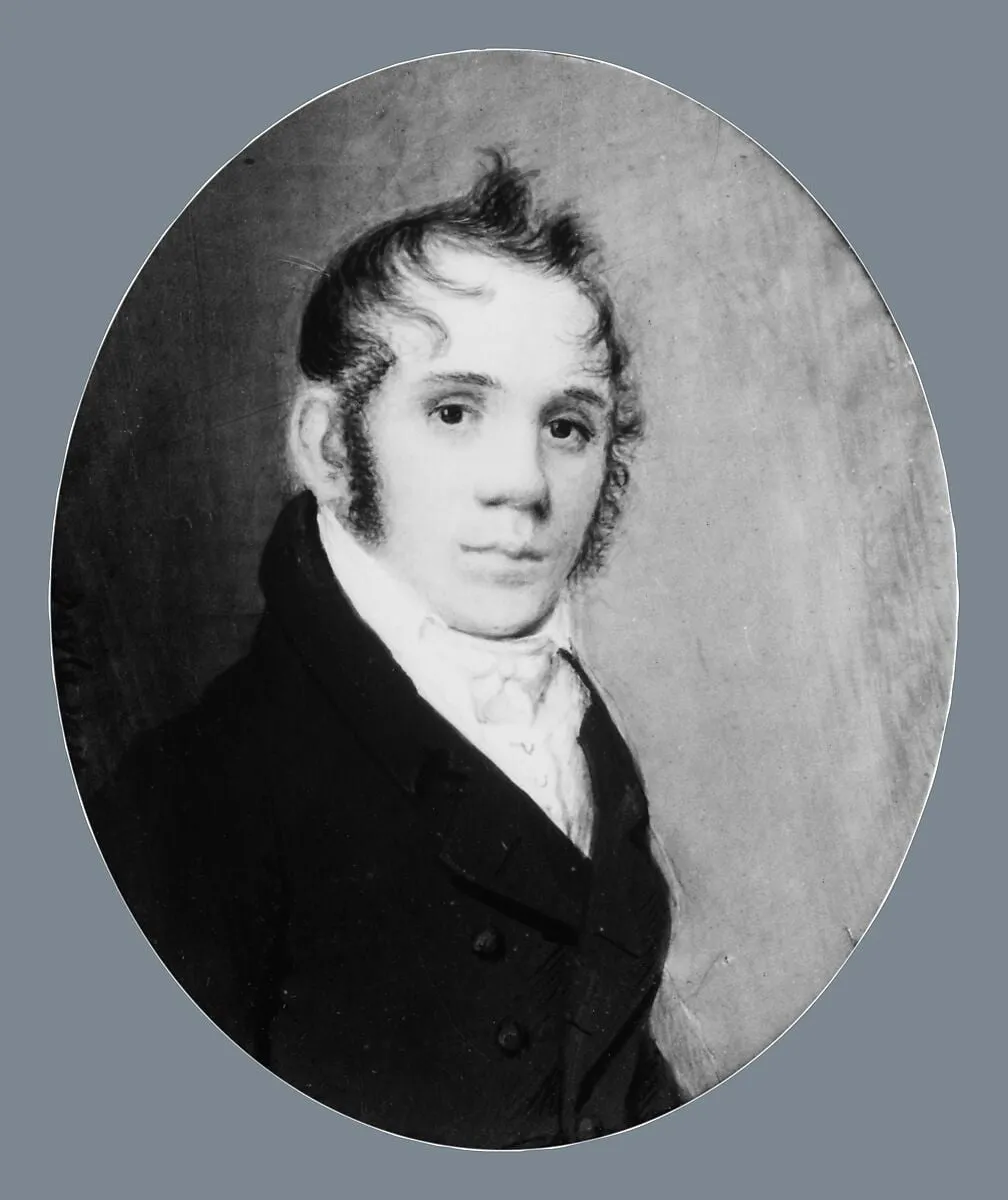
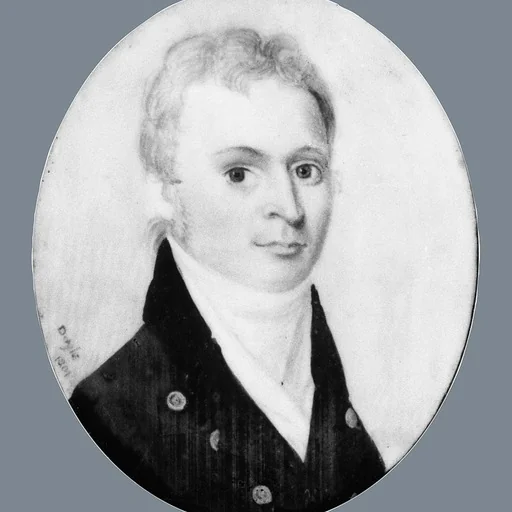
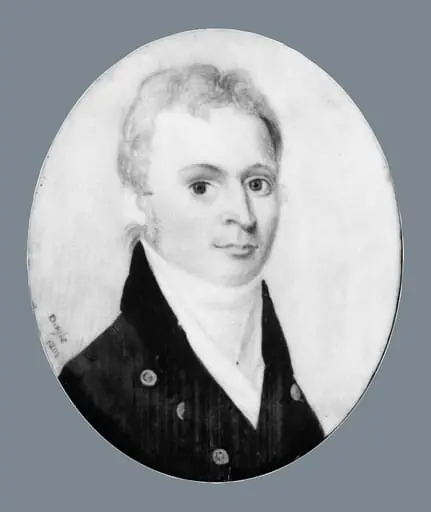
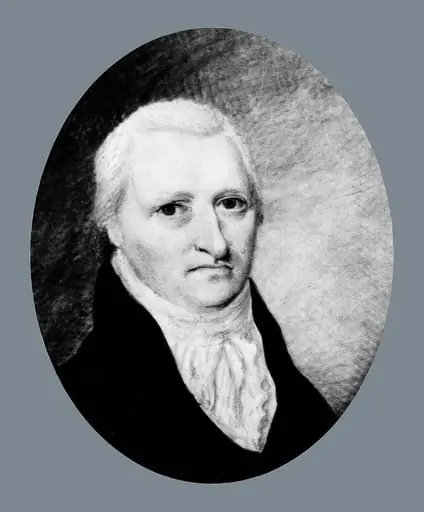
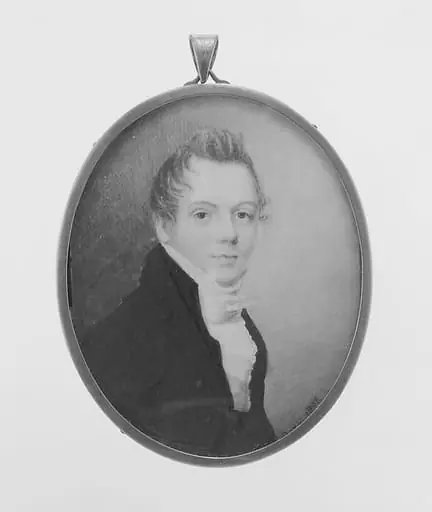
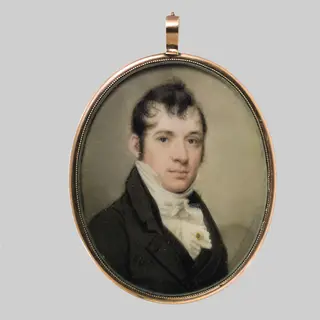
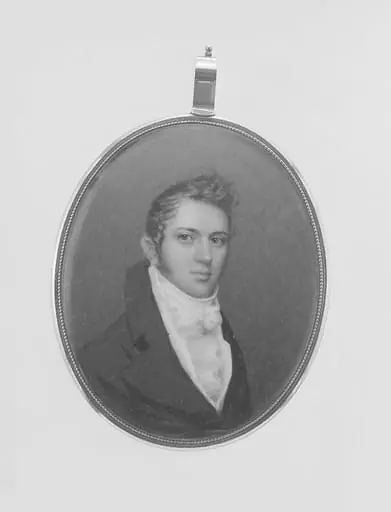
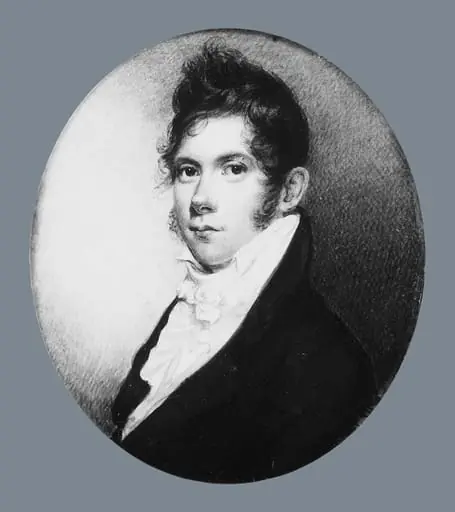
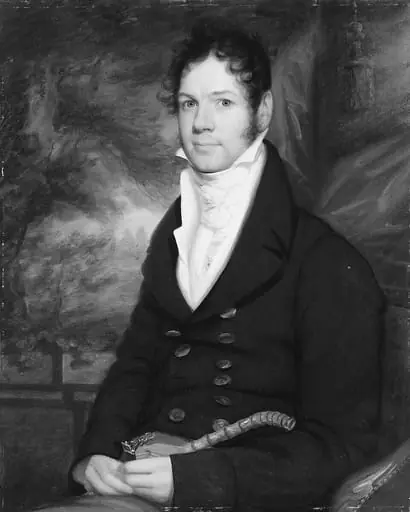
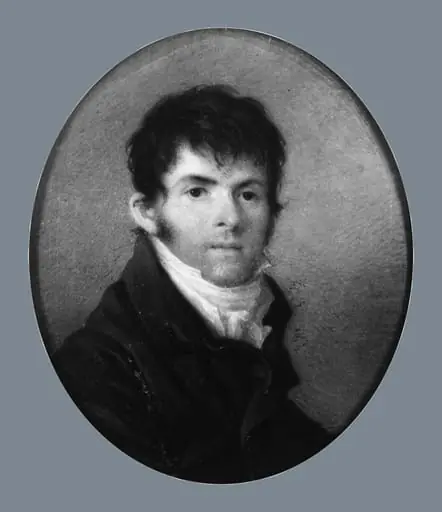
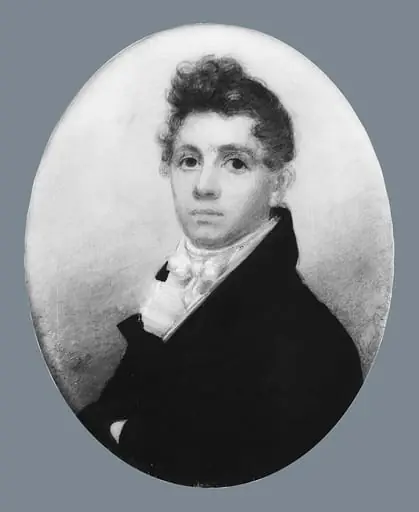
Portrait of a Gentleman is a watercolor painting by the American Folk Art artist William M. S. Doyle. It dates from 1814 and is held in the collection of the Metropolitan Museum of Art. Painted in 1814 by the American artist William M.
About this work
Subject & Meaning
Its classification within The American Wing and designation as a portrait underscore its function as a status portrait of an early‑American elite figure.
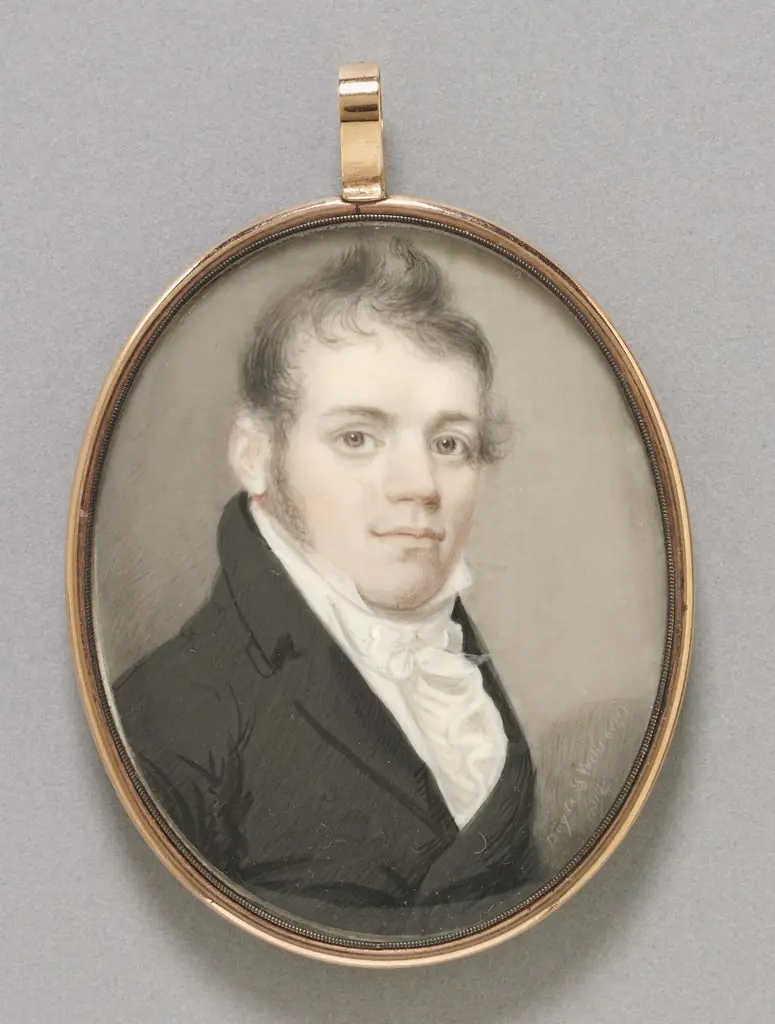
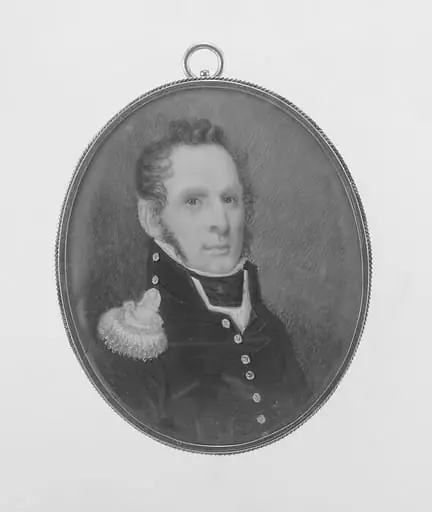
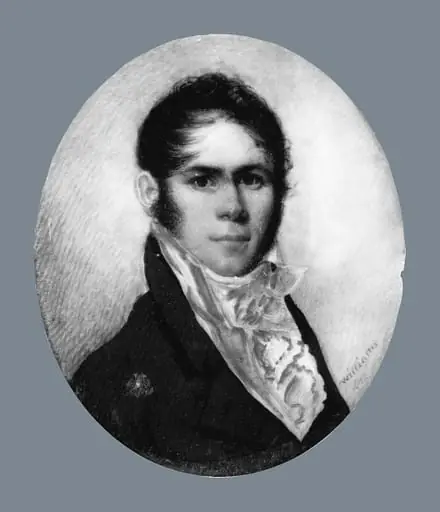
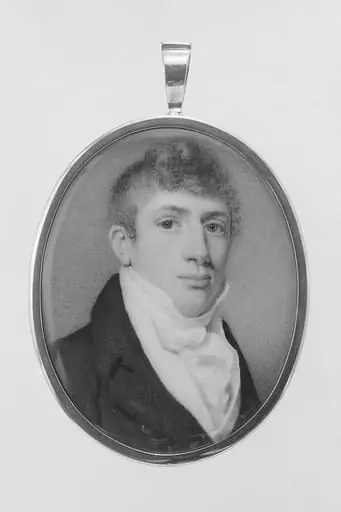
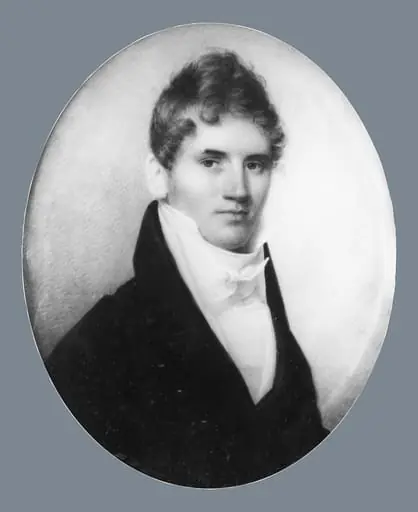
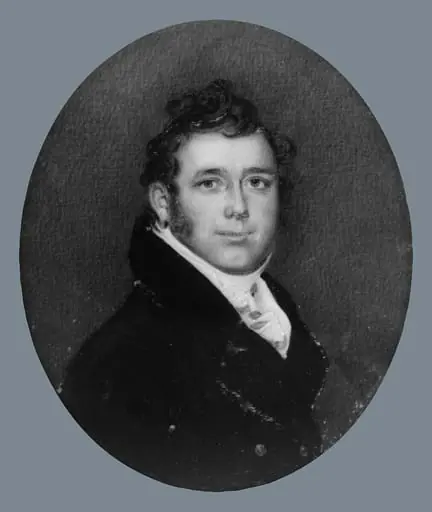
The work titled Portrait of a Gentleman, executed by William M. S. Doyle in 1814 as a watercolor on ivory, presents a seated male sitter identified as a gentleman. Its classification within The American Wing and designation as a portrait underscore its function as a status portrait of an early‑American elite figure. The depiction of a solitary man, rendered with modest detail, aligns with contemporary portrait conventions that emphasized respectability and personal identity rather than narrative symbolism.
Consequently, the painting serves as a visual record of the sitter’s social standing and reflects the cultural emphasis on individual merit in the early republic.
Technique & Style
Created in 1814 by William M. S. Doyle, this portrait is executed in watercolor on an ivory support, a medium characteristic of the American miniature tradition. The work measures 7.5 units in height and 6.2 units in width, indicating a small-scale format typical for intimate portraiture of the era. Stylistically, the piece functions as a formal depiction of a single male subject, adhering to the conventions of early 19th-century portraiture.
The use of ivory as a base material suggests a focus on luminosity and fine detail, while the watercolor technique allows for delicate tonal transitions in the rendering of the sitter's features. Held within the Met's collection, the object represents a specific approach to capturing likeness through the precise handling of pigments on a translucent, rigid surface.
History & Provenance
Created in 1814 by the American artist William M. S. Doyle, the Portrait of a Gentleman is a watercolor on ivory depicting a male subject. The work measures 7.5 by 6.2 inches and is classified within the American Wing genre of portraiture. While the specific commissioning patron and the detailed chain of ownership prior to its acquisition are not detailed in the available records, the piece is currently held in the collection of the Metropolitan Museum of Art, where it is cataloged under the accession number 37.54.1.
The artwork was executed during Doyle's early career, capturing the likeness of an unidentified gentleman in the early nineteenth century.
Overview
Painted in 1814 by the American artist William M. S. Doyle, this portrait depicts an unidentified gentleman rendered in watercolor on ivory. The composition presents a bust-length view of the sitter, who faces forward with a direct gaze. He is dressed in a dark coat that contrasts with a crisp white shirt collar, while his hair is neatly combed.
The work exemplifies the miniature portrait tradition, utilizing the smooth, translucent surface of ivory to achieve a soft, luminous quality in the flesh tones and a delicate handling of light. Doyle, active in Philadelphia during the early nineteenth century, specialized in this medium, which was favored for its portability and intimacy, often intended for private keepsakes or lockets. This specific piece reflects the stylistic conventions of the Federal period, prioritizing a restrained elegance and precise detail over dramatic expression.
As a surviving example of Doyle's output from 1814, it illustrates the continued demand for personal portraiture in miniature format in the United States during the early national era.
Artist & collection