Artwork
Self Portrait
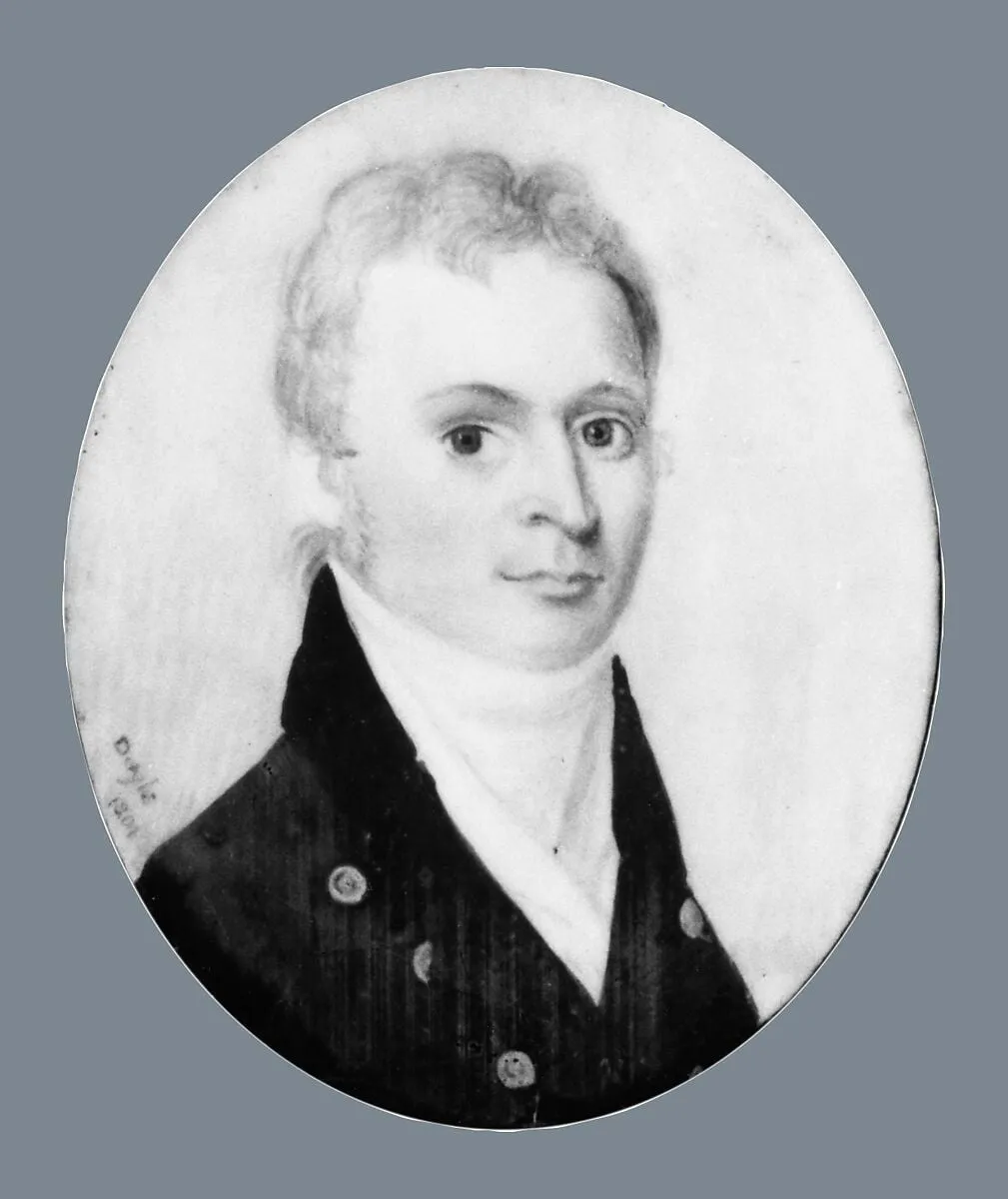
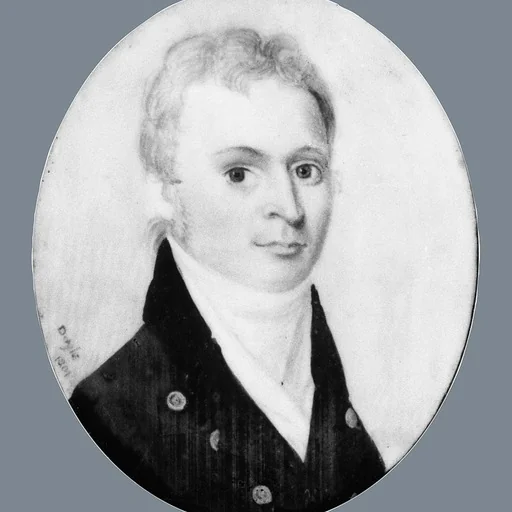
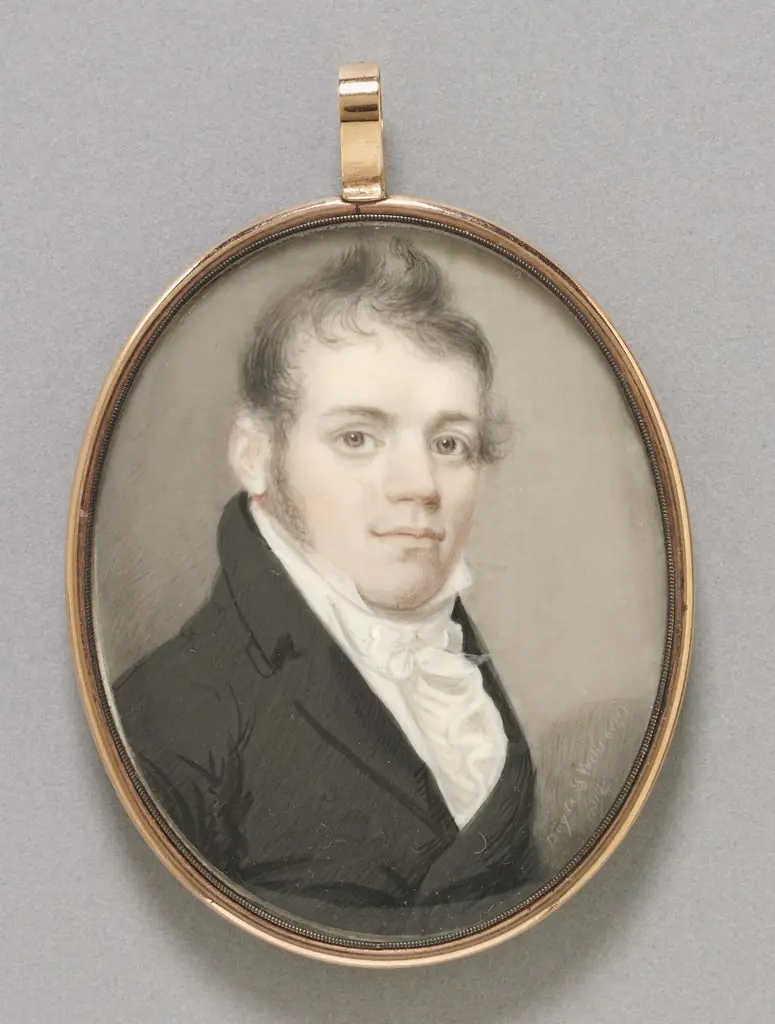
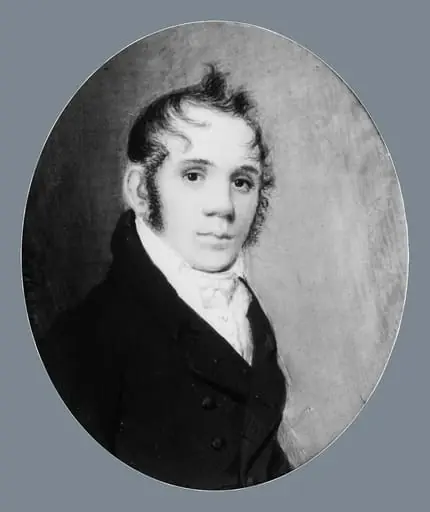
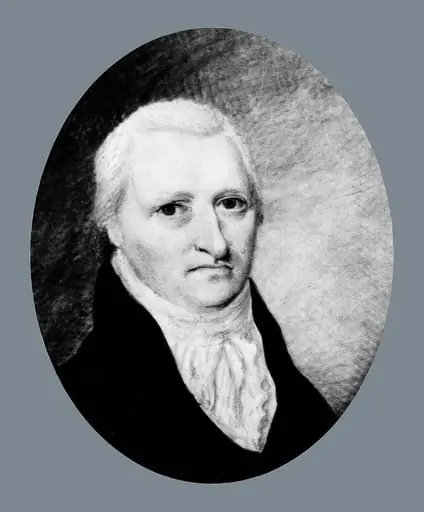
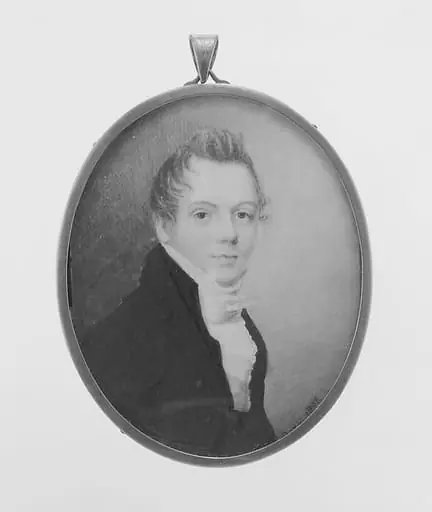
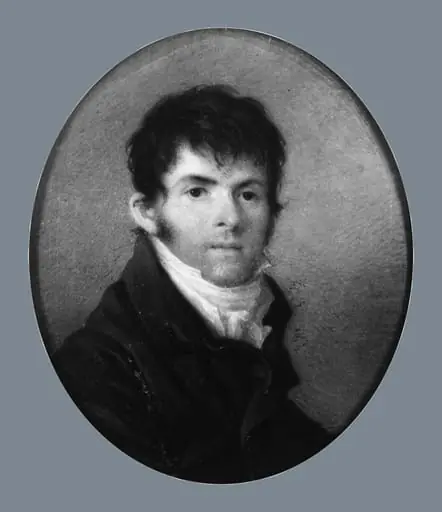
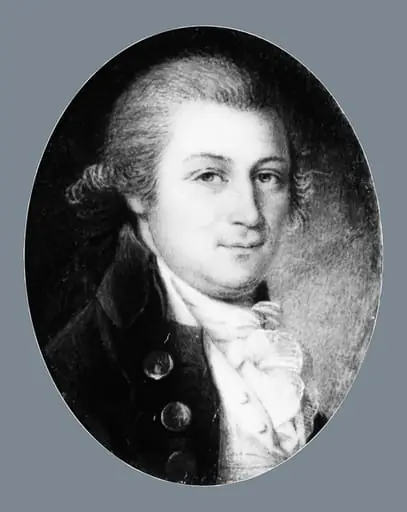
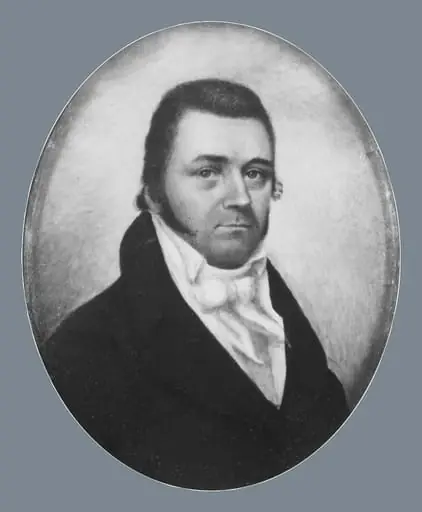
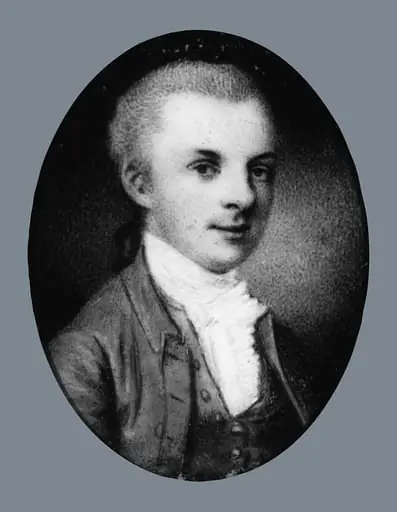
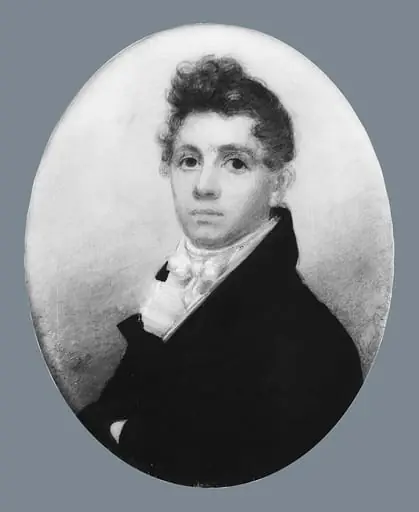
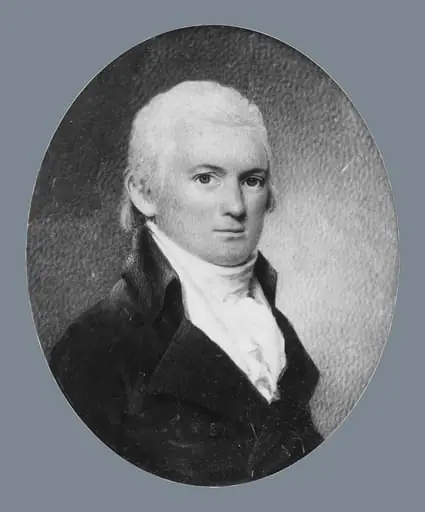
Self Portrait is a watercolor painting by the American Folk Art artist William M. S. Doyle. It dates from 1801 and is held in the collection of the Metropolitan Museum of Art.
About this work
Subject & Meaning
As the main subject, Doyle presents his own likeness without additional allegorical figures or complex symbolic attributes noted in the available records.
Executed in 1801, this watercolor on ivory functions as a self-portrait, with the artist William M. S. Doyle serving as both the creator and the primary subject. The work depicts a male figure, specifically the artist himself, adhering to the genre conventions of portraiture. As the main subject, Doyle presents his own likeness without additional allegorical figures or complex symbolic attributes noted in the available records.
The piece represents a direct visual documentation of the artist's appearance during the early nineteenth century, categorized within the American Wing collection for its significance to American art history. The iconography is straightforward, focusing entirely on the representation of the man rather than external narratives.
History & Provenance
The work titled Self Portrait was created in 1801 by the American artist William M. S. Doyle as a watercolor on ivory. It portrays the artist himself and is classified within The American Wing as a self-portrait. The piece is held in the collection of the Metropolitan Museum of Art and measures 6.4 × 5.1 cm. No evidence of a commission or subsequent ownership transfer beyond the museum's holding is documented.
While the sources confirm the work's current location and its creation date of 1801, they do not provide a specific accession or inventory number, nor do they list any exhibition history or past display locations for this self-portrait.
Overview
This miniature self-portrait by Richard Doyle, rendered in watercolor on ivory, represents an early example of this specific medium within American art. Measuring approximately the size of a playing card, the work was likely created by the artist to demonstrate his refined skill in producing intricate details on a small scale. It offers a direct gaze from the subject, whose face is softly illuminated.
Technique & Style
Executed with watercolor on a thin piece of ivory, this work showcases a meticulous approach to miniature painting. The use of ivory, more commonly associated with decorative objects or jewelry, allowed for a luminous quality in the skin tones due to its translucent properties. Doyle employed tiny brushstrokes to achieve the subtle gradations and glowing effect on the sitter's complexion, emphasizing his command of fine detail.
Context
As one of the earliest American self-portraits rendered in watercolor on ivory, this piece stands out for its innovative use of materials. While ivory was a common substrate for decorative items and small keepsakes, its application for a formal self-portrait of this nature was less conventional at the time. Its small, handheld format reflects a period when personal portraits were often carried or displayed intimately.
Artist & collection