Artwork
Seventeenth Century Lady
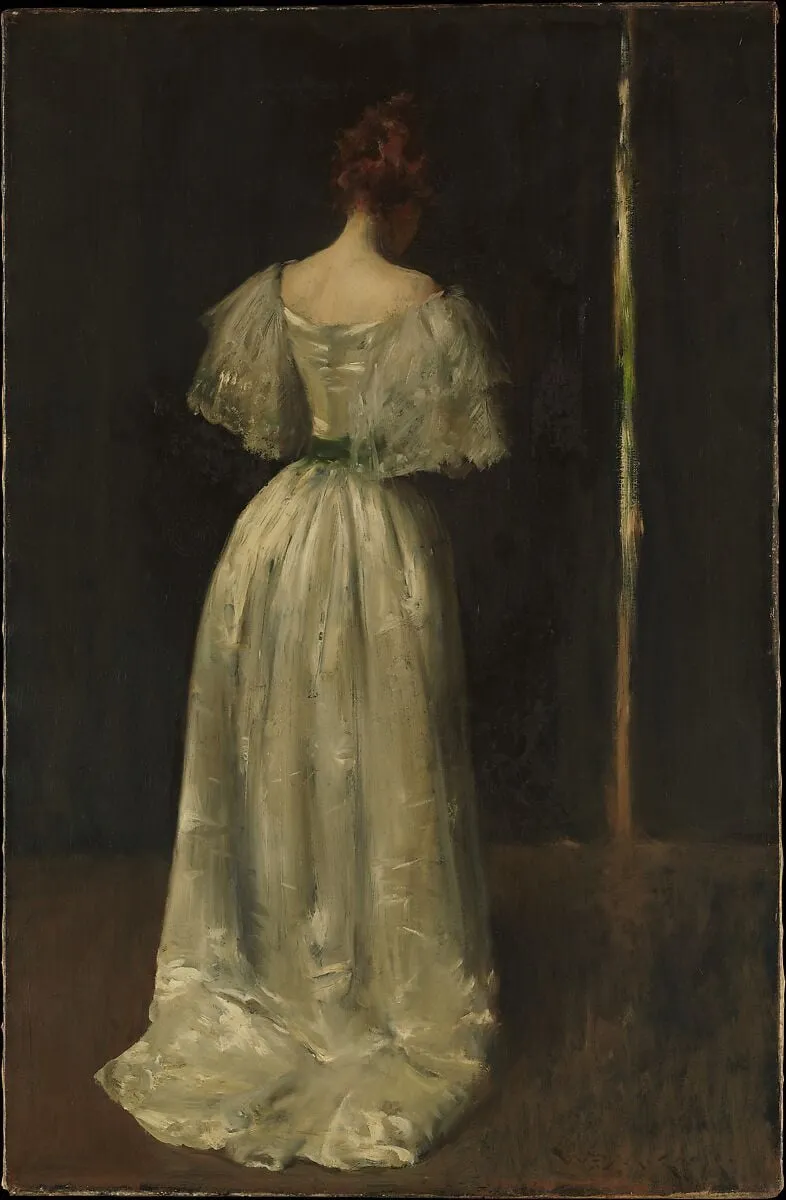
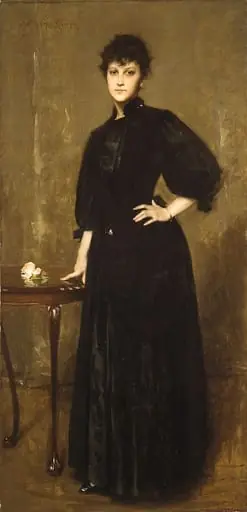
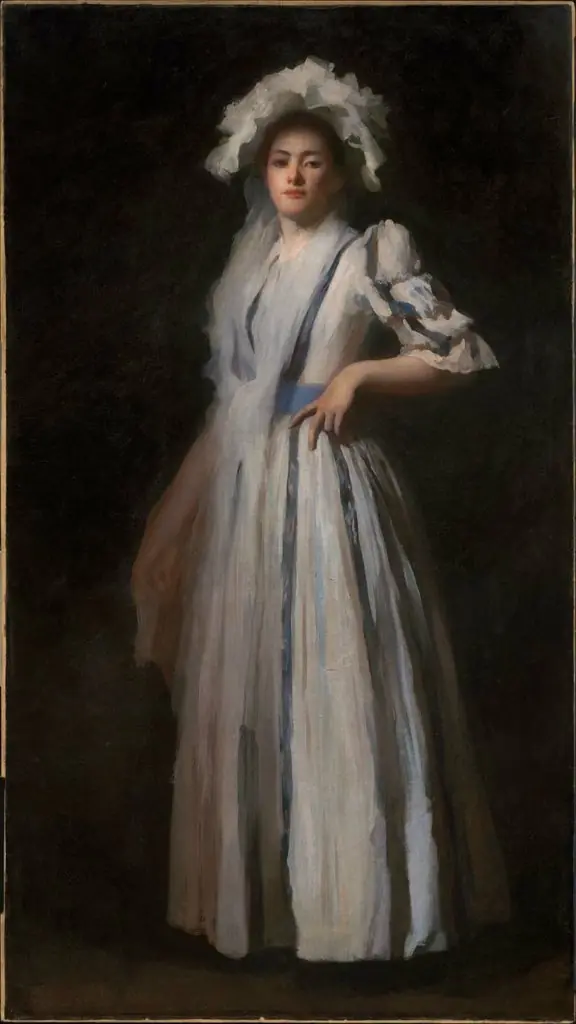
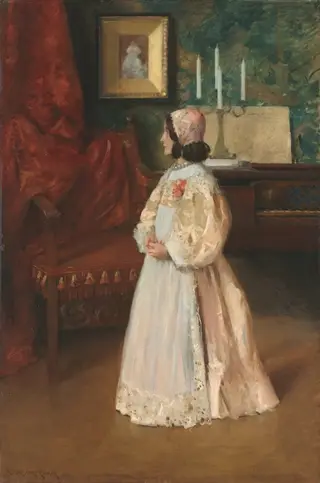
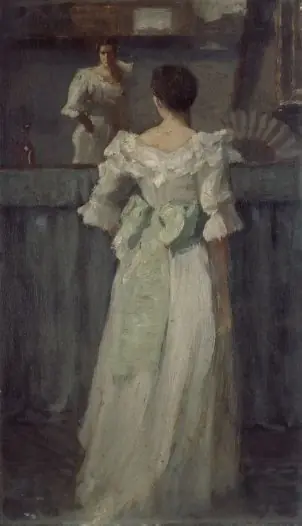
Seventeenth Century Lady is an oil painting by the American Impressionist artist William Merritt Chase. It dates from 1895 and is held in the collection of the Metropolitan Museum of Art.
About this work
You can learn more about this style by looking into the work of artist Mary Cassatt.
This painting shows a woman from the 17th century. She's dressed in old-fashioned clothes and has a quiet look. The interesting thing about this work is that it was made by an American artist who was inspired by European styles, which is evident in the way he used light and color to create a sense of depth and atmosphere. You can learn more about this style by looking into the work of artist Mary Cassatt.
Subject & Meaning
William Merritt Chase's 1895 oil painting presents a portrait of a woman, identified simply as a "Seventeenth Century Lady." The composition focuses on the figure and her attire, specifically depicting a dress that evokes the fashion of the 1600s. While the work is executed in the American Impressionist style, the subject matter serves as a historical costume study rather than a depiction of a specific named individual from that era.
The iconography relies on the visual cues of the garment to establish the temporal setting, representing an artistic engagement with historical dress through a late nineteenth-century lens.
Technique & Style
William Merritt Chase executed Seventeenth Century Lady in 1895 using oil paint on a canvas support. The work measures 92.7 cm in height and 60.3 cm in width. Classified within the American Impressionism movement, the painting depicts a woman wearing a dress. The piece is currently held in the collection of the Metropolitan Museum of Art's American Wing.
History & Provenance
William Merritt Chase created the oil-on-canvas portrait Seventeenth Century Lady in 1895. The work depicts a woman in a dress and is classified within the American Impressionism movement. It is currently held in the collection of the Metropolitan Museum of Art, where it is displayed in The American Wing. The painting measures 92.7 cm in height and 60.3 cm in width.
Seventeenth Century Lady is part of the Metropolitan Museum of Art’s collection, specifically listed under The American Wing. The work is catalogued with the accession number 06.1220, reflecting its formal entry into the museum’s holdings. Its dimensions, recorded as 92.7 cm in height and 60.3 cm in width, confirm an oil‑on‑canvas format dating to 1895.
The painting is attributed to William Merritt Chase and is recognized as an example of American Impressionism, depicting a woman in period dress. No exhibition records are documented in the available sources, so its public display history cannot be detailed beyond its permanent placement within the museum’s galleries.
Context
Created in 1895 by William Merritt Chase, Seventeenth Century Lady is a portrait that aligns with the artist's association with American Impressionism. The work depicts a woman in period dress, reflecting Chase's frequent engagement with historical costume and the aesthetic of the seventeenth century within a late nineteenth-century context. Housed in the American Wing of the Metropolitan Museum of Art, the painting exemplifies Chase's skill in oil on canvas and his contribution to the movement.
While the title references an earlier era, the piece stands as a product of its own time, illustrating the period's fascination with historical revivalism and the artist's broader practice of portraiture.
Overview
William Merritt Chase's Seventeenth Century Lady, an oil on canvas portrait created around 1895, presents a woman in historical attire. This work exemplifies Chase's engagement with the American Impressionist movement, even as it evokes a bygone era through its subject's dress and demeanor. The painting is housed within The American Wing, reflecting its significance in American art history.
Artist & collection
Artist
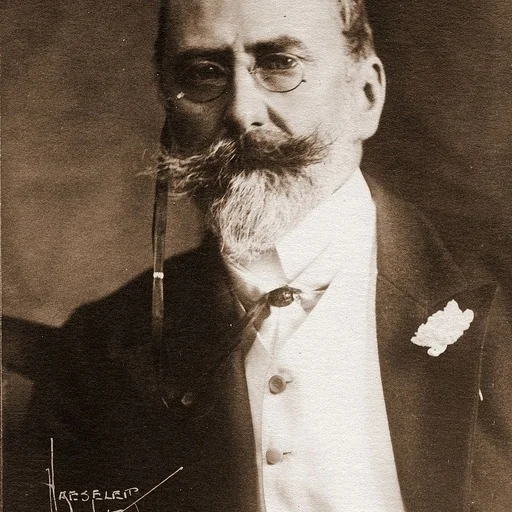
William Merritt Chase (November 1, 1849 – October 25, 1916) was an American painter, known as an exponent of Impressionism and as a teacher.