Artwork
Heart's Ease
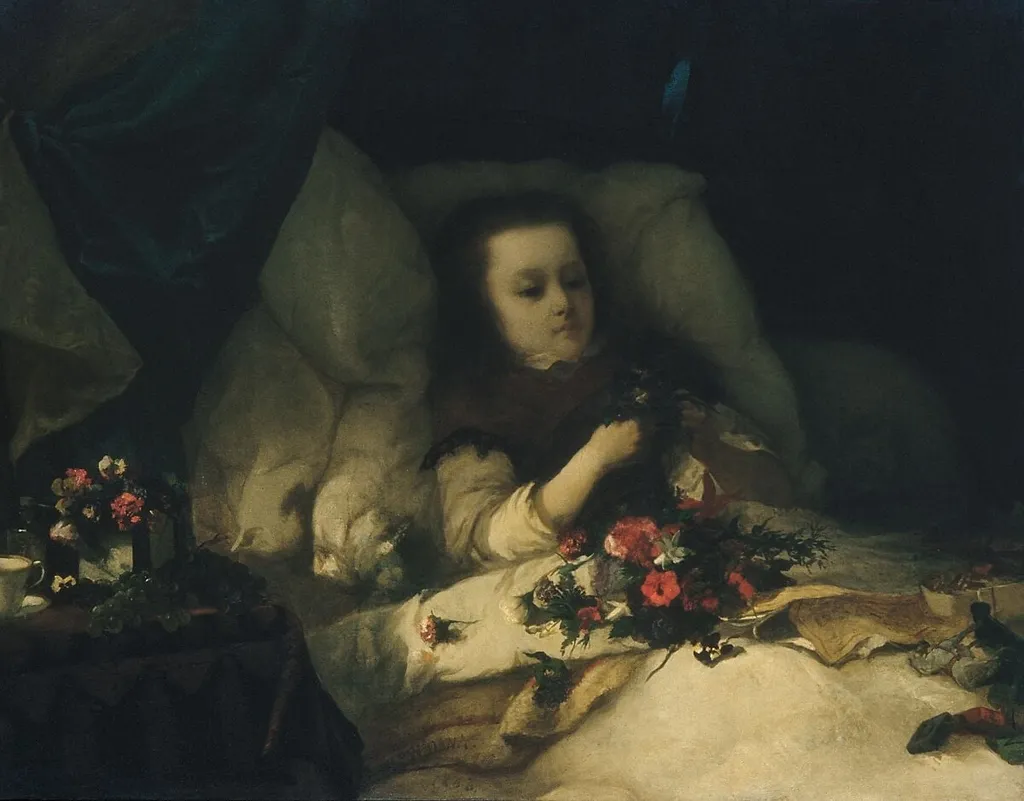
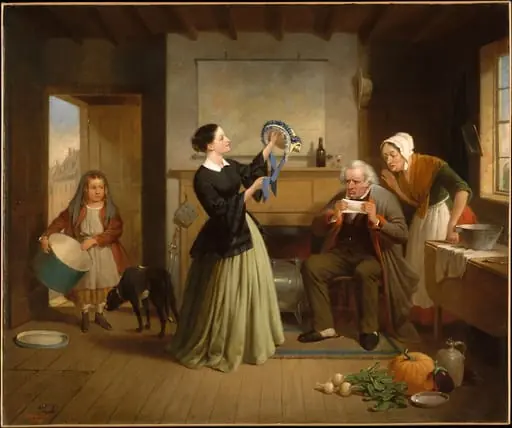
Heart's Ease is an oil painting by the American Folk Art artist William P. W. Dana. It dates from 1863 and is held in the collection of the Metropolitan Museum of Art. William P.
About this work
This painting is quiet, but the flowers have names, each one is painted carefully, almost like a botanical study.
A young girl in a white dress sits on the grass, holding a small bouquet of wildflowers. The light is soft, like late afternoon.
This painting is quiet, but the flowers have names, each one is painted carefully, almost like a botanical study. It’s from 1863, when many artists were painting grand battles or famous people. Dana chose something small instead.
If you like this, look up other paintings of girls, flowers.
Subject & Meaning
The painting depicts a young girl holding a bouquet of blue flowers, likely cornflowers or bachelor’s buttons, set against a subdued interior background. The title Heart’s Ease suggests themes of comfort and solace, reinforcing the quiet, contemplative mood of the scene.
In 19th-century American genre painting, such floral imagery often carried symbolic weight, with blue flowers conventionally evoking steadfastness or loyalty. The girl’s gentle expression and the modest presentation of the bouquet align with the period’s sentimental associations between youth, innocence, and domestic virtue.
Technique & Style
Executed in 1863, Heart’s Ease is painted in oil on canvas and measures 95.3 cm in height by 121.3 cm in width.
The handling is consistent with mid-nineteenth-century American genre practice, combining smooth, blended passages for the girl’s features and costume with broader, more visible brushwork in the still-life foreground. The palette relies on subdued earth tones enlivened by bright accents in the flowers and fabric, aligning with Dana’s approach to domestic subject matter. The composition centers a young girl holding a bouquet of blossoms, framed by a shallow interior space that emphasizes delicate light effects on surfaces and textures.
History & Provenance
The painting titled “Heart’s Ease” was created in 1863 by William Parsons Winchester Dana, an American genre painter. It is an oil on canvas measuring 95.3 × 121.3 cm, depicting a flower and a girl. The work entered the collection of the Metropolitan Museum of Art, where it remains on display in The American Wing.
Its provenance is straightforward, moving directly from the artist’s studio to the museum, which acquired it shortly after its completion. No record of prior private ownership or commission exists in the documented sources.
The work is held by the Metropolitan Museum of Art, New York, where it is accessioned as 67.187.3.
It has appeared in the museum’s galleries under The American Wing, where it is catalogued as Heart’s Ease by William P. W. Dana, oil on canvas, 1863.
Legacy
Heart's Ease, an 1863 oil on canvas by William P. W. Dana, entered the collection of the Metropolitan Museum of Art and is displayed in The American Wing, where its depiction of a girl surrounded by flowers is examined within the broader context of 19th‑century American genre painting. The work measures 95.3 cm by 121.3 cm and remains part of the museum’s efforts to document and interpret early American artistic practice. Its inclusion in the museum’s permanent displays has contributed to ongoing scholarship on domestic subjects in mid‑century American art.
Overview
William P. W. Dana, an American artist who spent a significant portion of his career in Europe, created Heart's Ease in 1863. This oil on canvas work portrays a young girl seated in a natural setting, holding a small cluster of wildflowers. The painting exemplifies Dana's preference for intimate, naturalistic scenes over the grand historical or portraiture subjects prevalent at the time, reflecting his unique blend of American sensibility and European artistic engagement.
Context
Created in 1863, a period often dominated by grand historical narratives or portraits, Heart's Ease represents a deliberate choice for a more subdued subject. Dana, an American artist living abroad, infused his work with influences from both sides of the Atlantic. This piece, sometimes associated with American folk art, reflects a broader trend of artists exploring everyday life and the quiet dignity of simple moments, offering a gentle counterpoint to the era's more dramatic artistic trends.
Artist & collection

Artist
William Parsons Winchester Dana (18 February 1833 – 8 April 1927) was an American artist who settled in France.

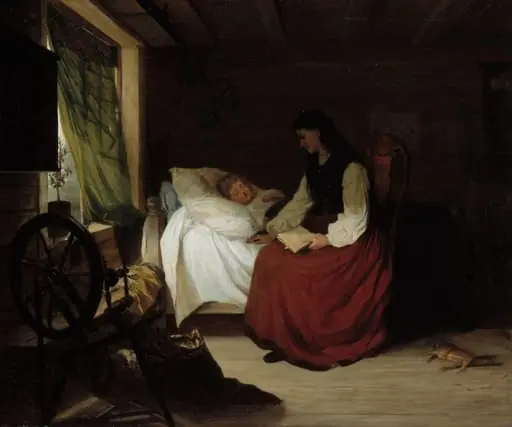
- Äiti nukkuvan lapsen vuoteen vieressä
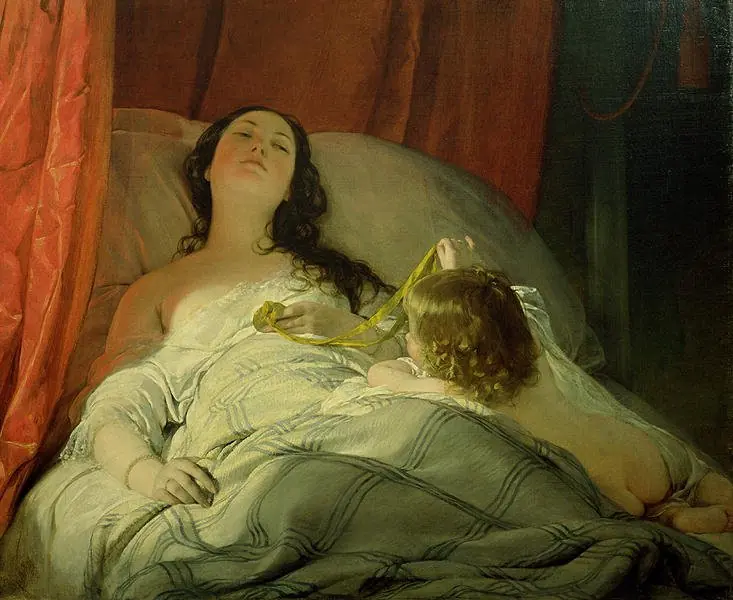 The-Drowsy-One
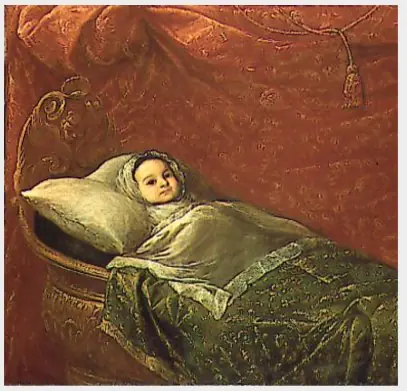 A Noble Spanish Child in its Cradle
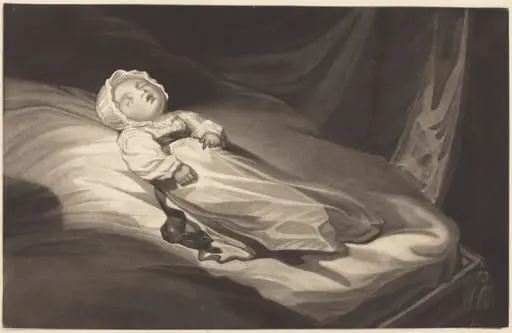 Sleeping Infant
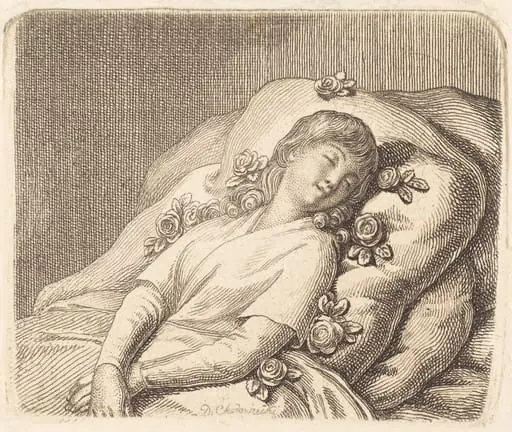 Dreaming on Roses
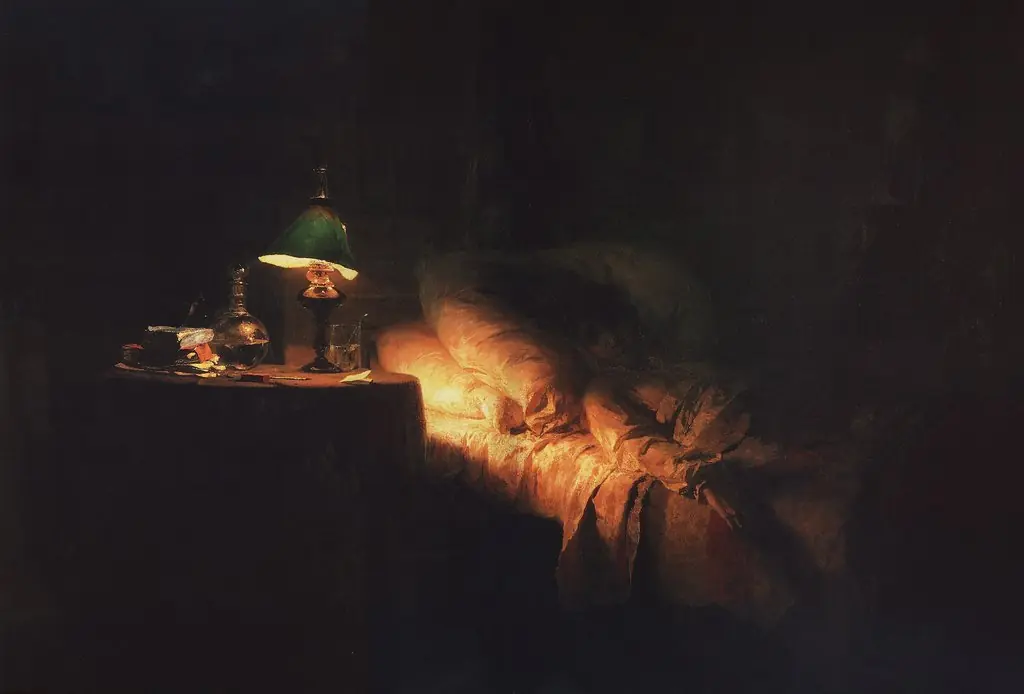 Akolik
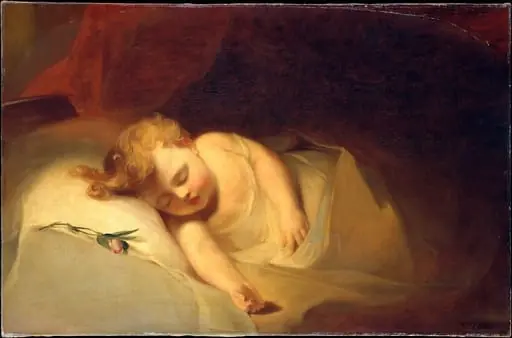 Child Asleep (The Rosebud)
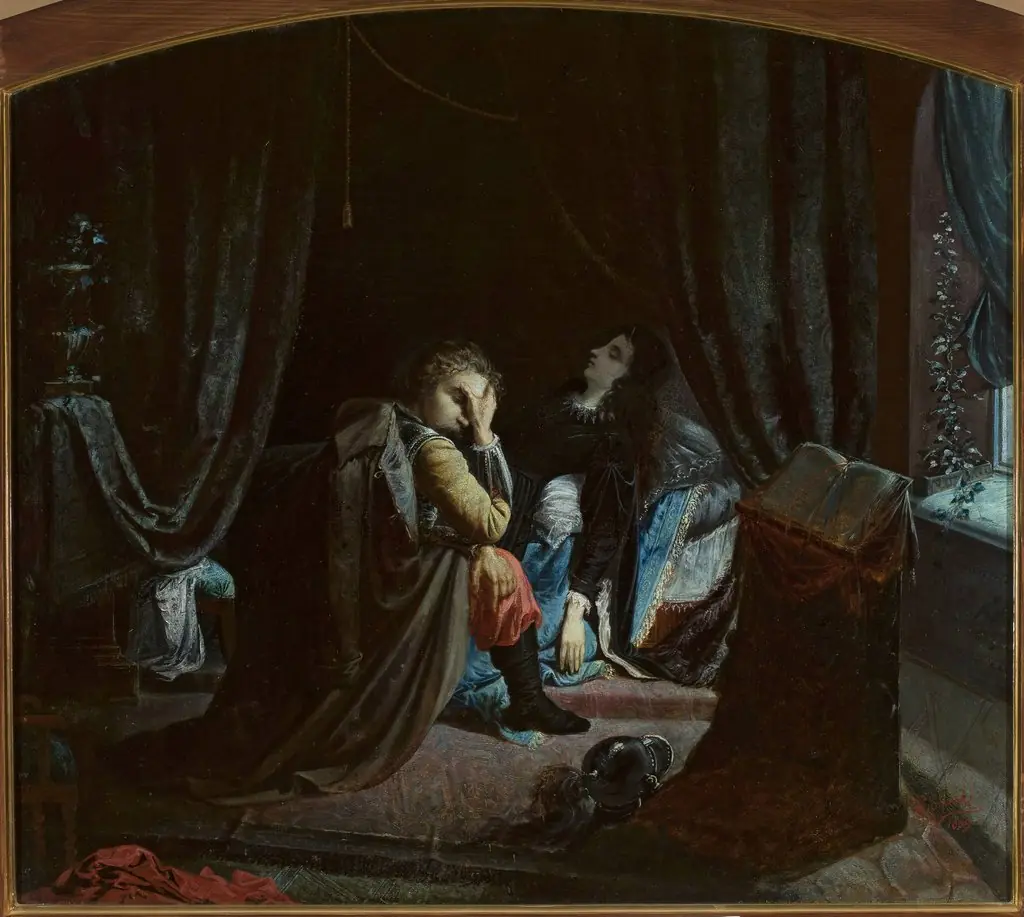 Death of Maria, illustriation to the poem by A. Malczewski
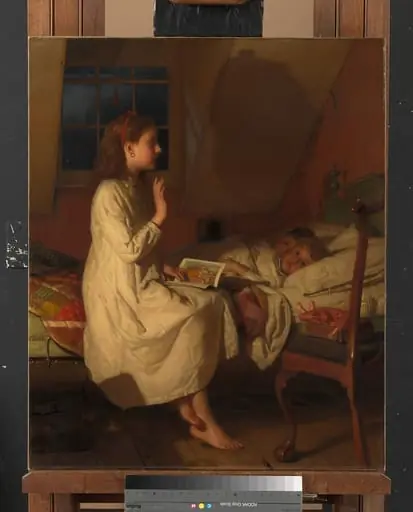 Story of Golden Locks
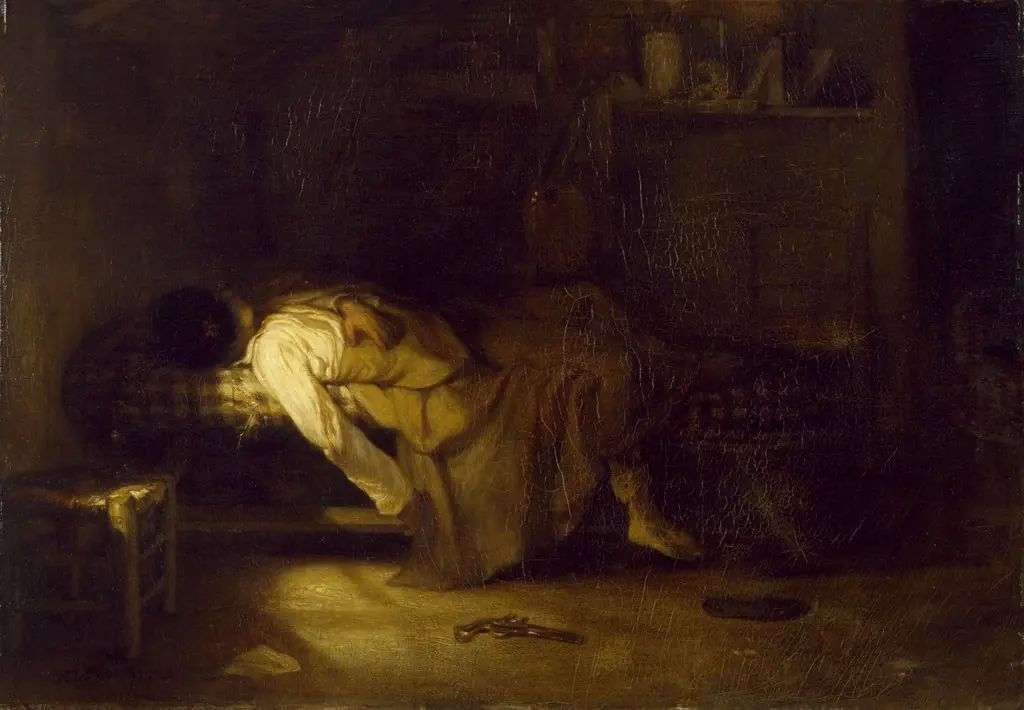 The Suicide
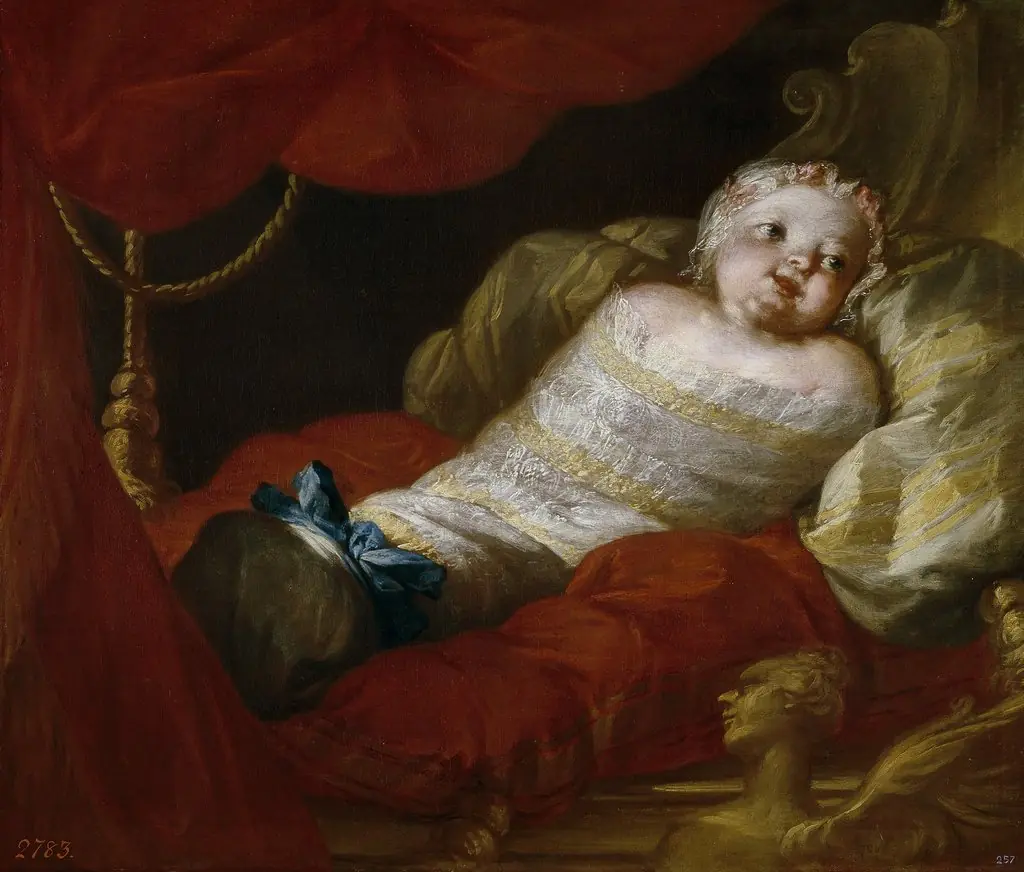 La infanta Isabel de Borbón y Sajonia princesa de Nápoles
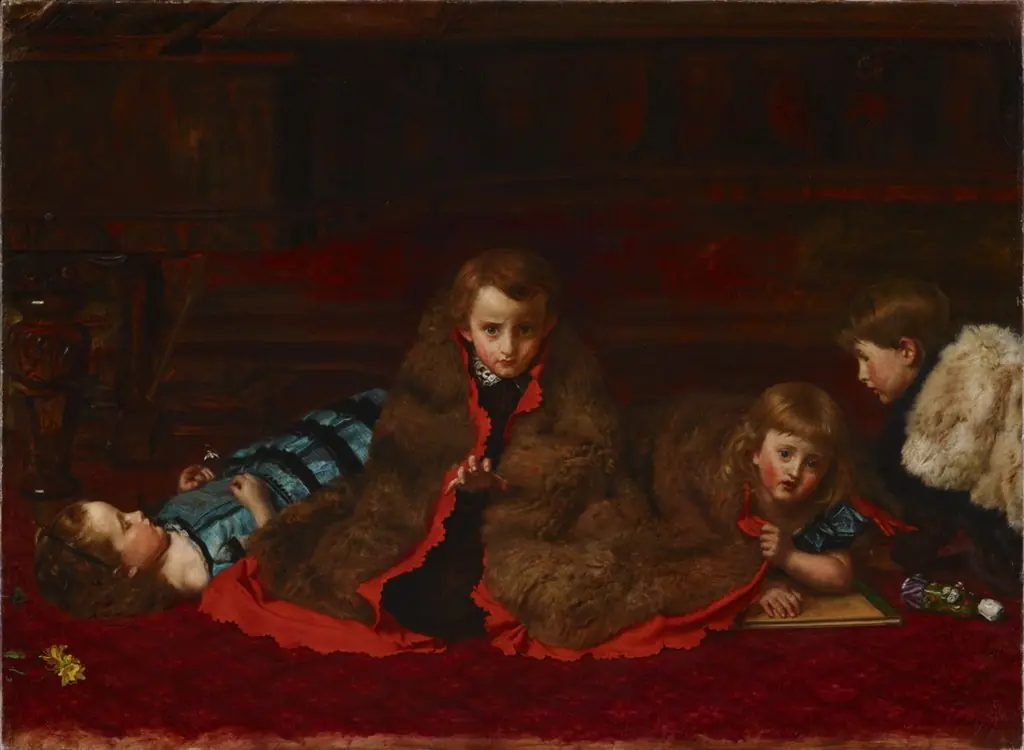 The Wolf’s Den