Artwork
Julia Parish Raymond
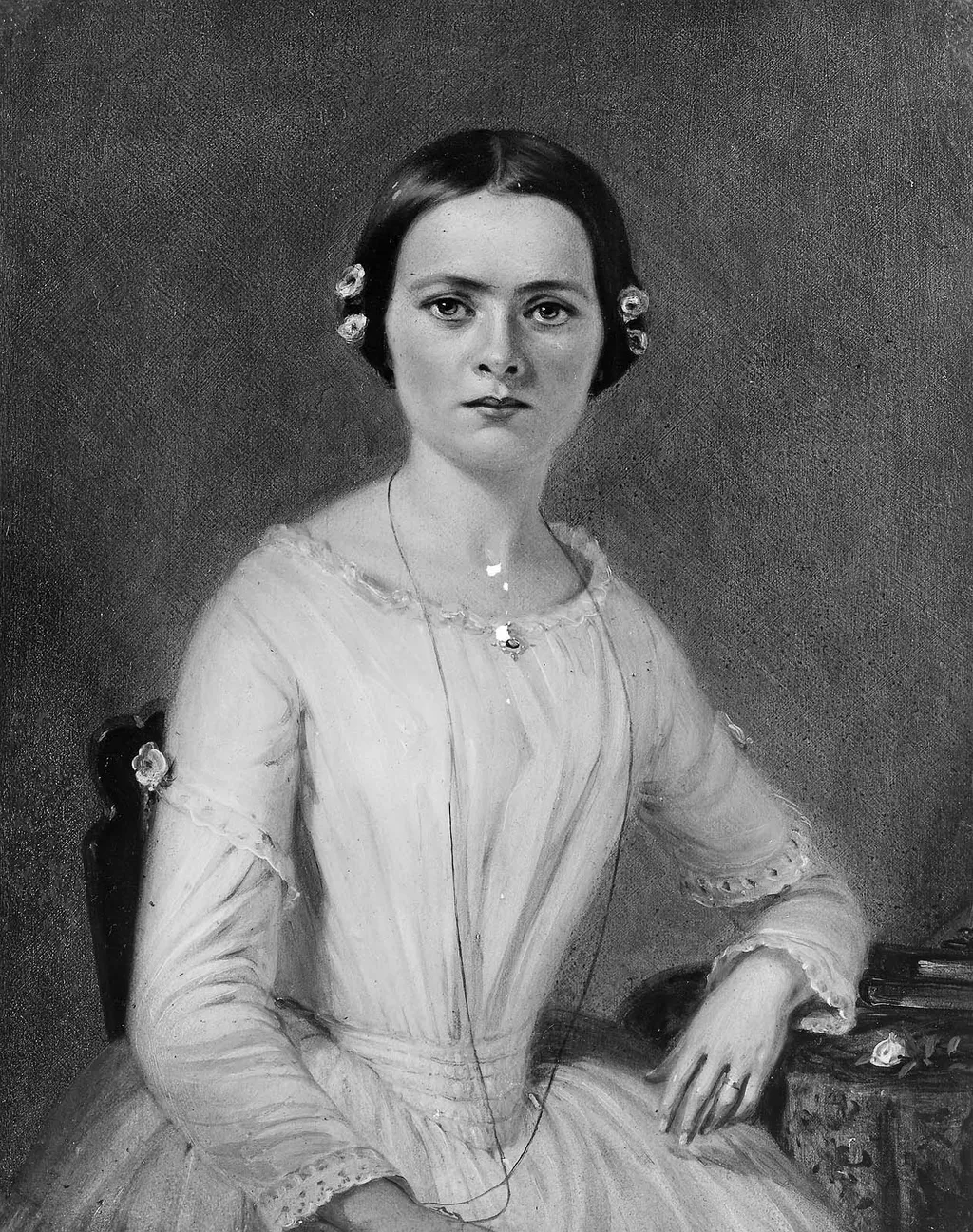
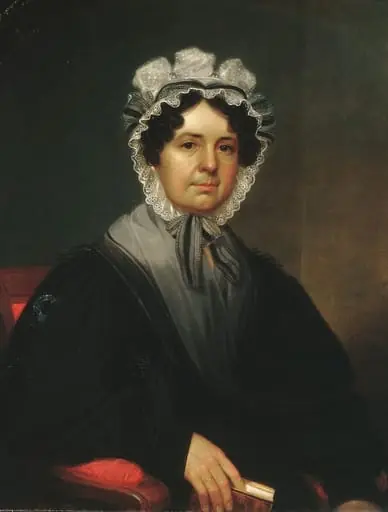
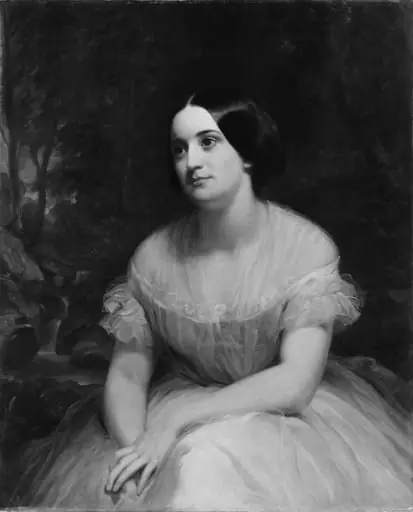
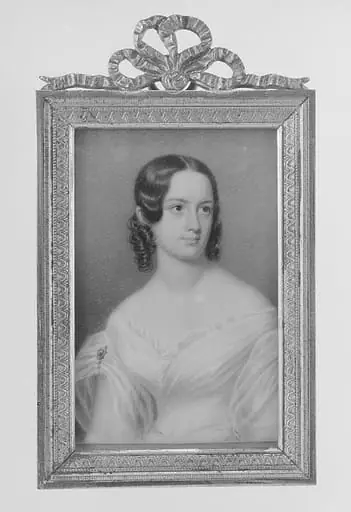
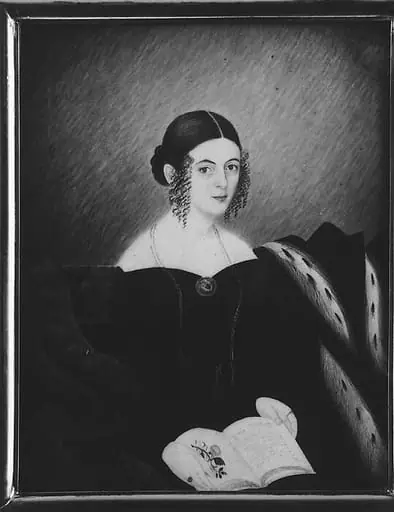
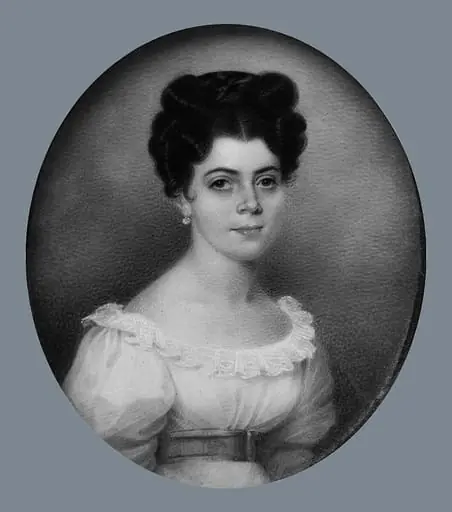
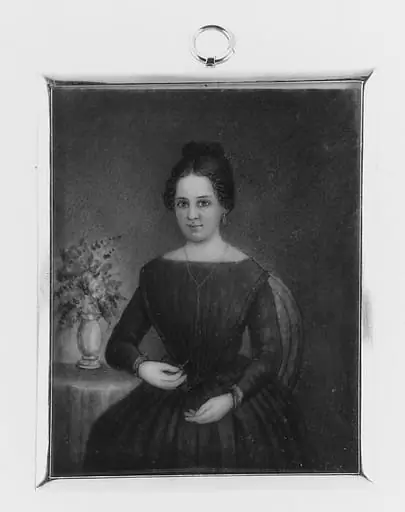
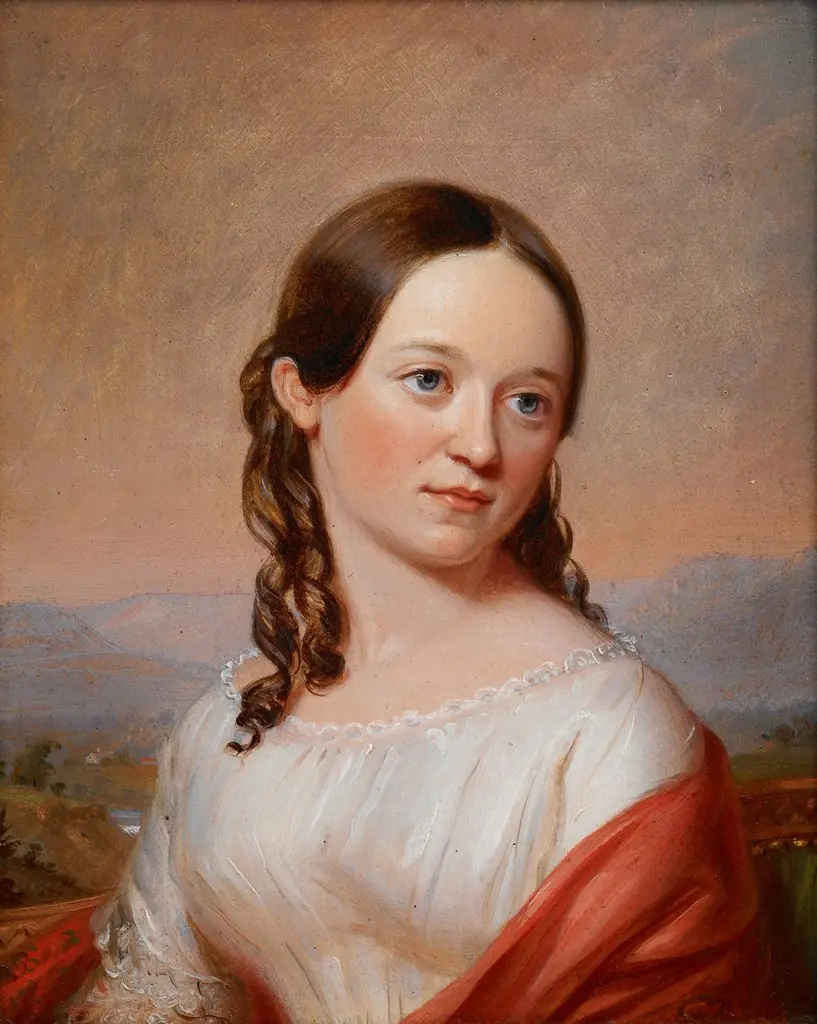
Julia Parish Raymond is an unspecified painting by the American Folk Art artist William Sidney Mount. It dates from 1851 and is held in the collection of the Museum of Fine Arts Boston.
About this work
Overview
Painted in 1851 by William Sidney Mount, Julia Parish Raymond is a portrait of a woman from Long Island, executed in the tradition of American genre painting.
Painted in 1851 by William Sidney Mount, Julia Parish Raymond is a portrait of a woman from Long Island, executed in the tradition of American genre painting. Mount, a native of Setauket, focused on quiet, everyday moments in rural communities. This work stands apart from his more narrative scenes, offering a restrained, intimate study of an individual rather than a story. It resides in the Museum of Fine Arts, Boston, as part of its 19th-century American collection.
Subject & Meaning
The subject, Julia Parish Raymond, is depicted with stillness and composure, her neutral expression and direct gaze suggesting dignity and self-possession. Dressed in a modest white gown with high neckline and long sleeves, and adorned with a ring on her left hand, she embodies the quiet refinement of a middle-class woman of the era. The absence of context or narrative elements shifts focus to her presence, inviting contemplation of identity and inner life rather than social circumstance.
Technique & Style
Mount employs chiaroscuro to model the figure with subtle gradations of light and shadow, lending volume to the face, hands, and fabric. The solid, unadorned background isolates the subject, enhancing the sculptural quality of the form. Brushwork is precise yet unobtrusive, avoiding theatricality.
The restrained palette and controlled composition reflect Mount’s training in academic conventions, even as he retains the intimacy characteristic of American folk portraiture.
History & Provenance
The painting was completed in 1851 during Mount’s most active period in Stony Brook, where he lived and worked most of his life. It was likely commissioned by the sitter’s family, as was common for private portraits of the time. The work remained in private hands until entering the Museum of Fine Arts, Boston’s collection, where it has been preserved as an example of regional portraiture from the antebellum period.
Context
Mount’s work emerged during a time when American artists sought to define a distinct visual culture separate from European models. While he is best known for scenes of rural labor and music-making, portraits like this one reveal his ability to capture individual character with psychological subtlety. The painting reflects the growing middle-class interest in personal commemoration through art, particularly in Long Island’s agricultural communities.
Legacy
Though less celebrated than Mount’s genre scenes, Julia Parish Raymond contributes to the understanding of his range as an artist. It exemplifies how American painters of the mid-19th century blended technical precision with emotional restraint to portray ordinary individuals. The painting remains a quiet testament to the dignity of everyday life, influencing later generations interested in the social dimensions of portraiture.
Own this work as a print
Artist & collection
Artist
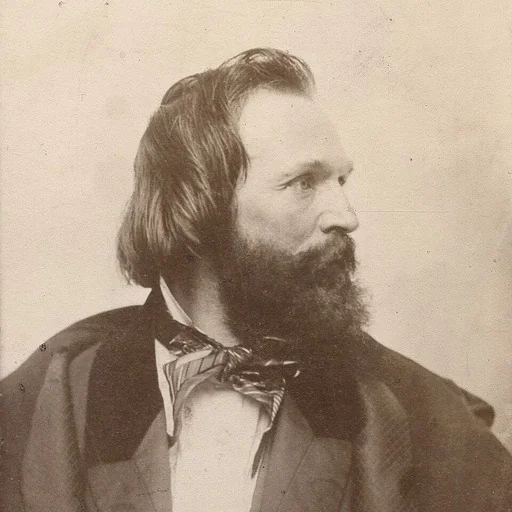
William Sidney Mount (November 26, 1807 – November 19, 1868) was a 19th-century American genre painter.