Artwork
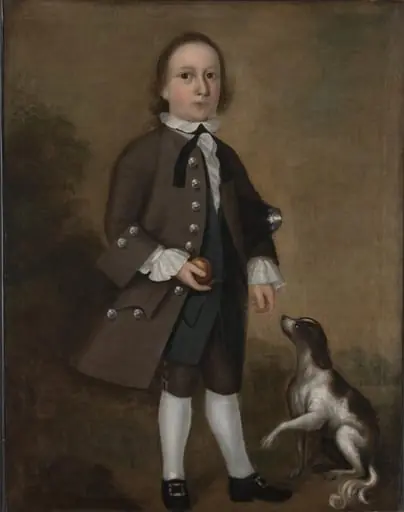
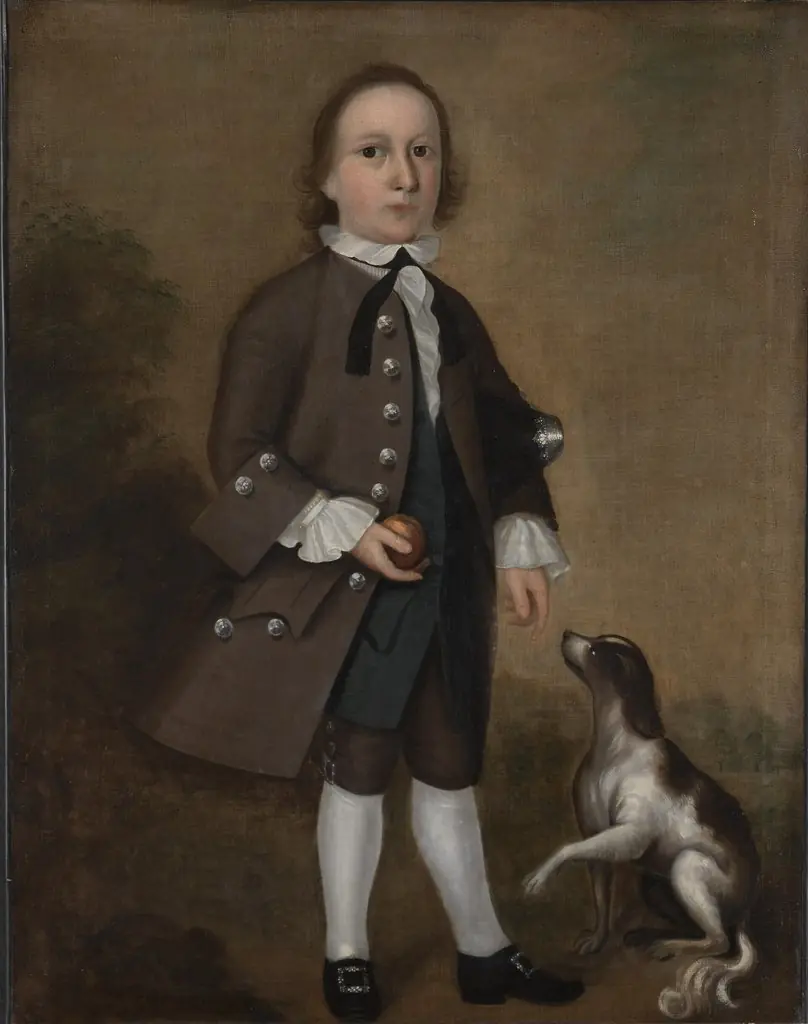
Portrait of a Boy, Probably of the Crossfield Family
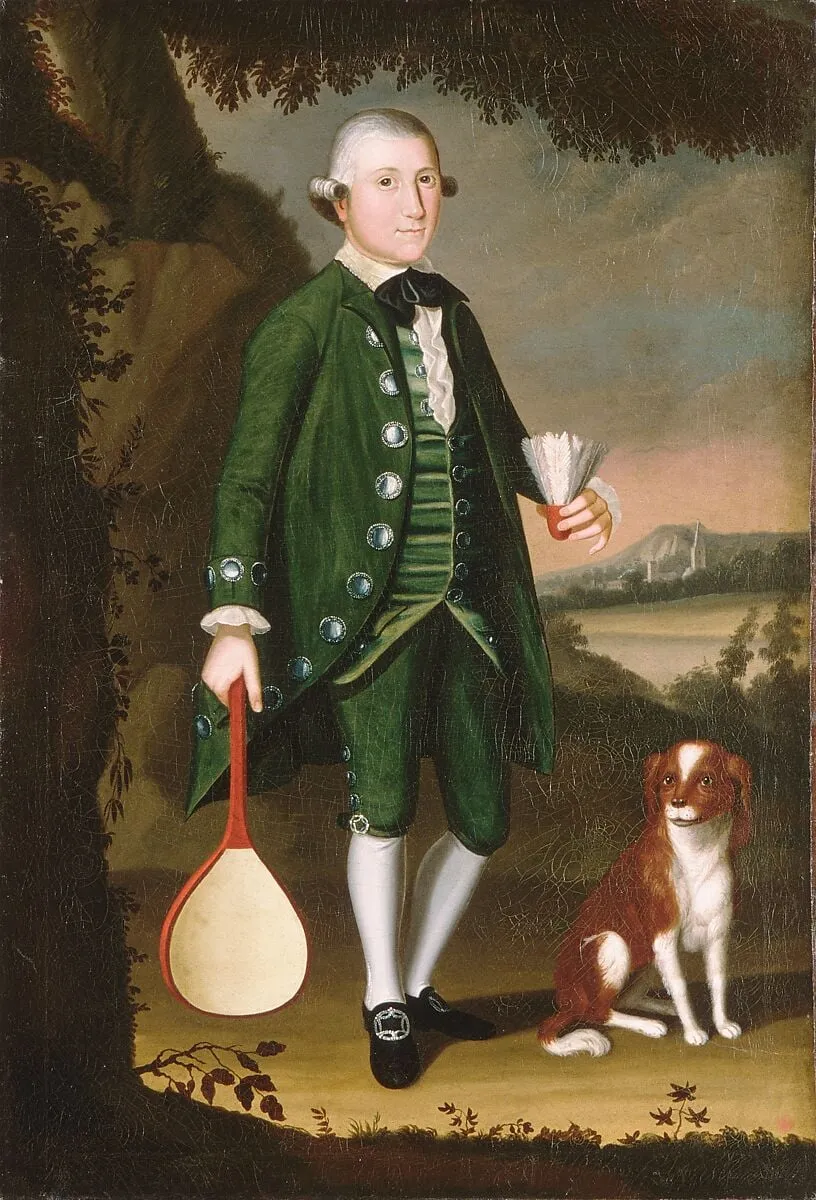
Portrait of a Boy, Probably of the Crossfield Family is an oil painting by the Romanticist artist William Williams. It dates from 1772 and is held in the collection of the Metropolitan Museum of Art.
About this work
Subject & Meaning
The work represents a specific moment of childhood recreation rather than a formal, static pose, capturing the boy in an active state.
The painting depicts a young boy, identified as likely belonging to the Crossfield family, standing alongside a dog. The subject engages in a game using a shuttlecock, an activity that serves as a central iconographic element of the composition. This inclusion of play and the presence of the animal companion are characteristic of 1770s portraiture, where such details often symbolized the vitality, innocence, and aristocratic leisure of the sitter.
The work represents a specific moment of childhood recreation rather than a formal, static pose, capturing the boy in an active state. The combination of the human figure, the pet, and the sporting equipment creates a narrative of youthful energy and domestic comfort typical of the period's portraiture style.
Technique & Style
The work is an oil painting on canvas, created circa 1772 by William Williams. It is executed in oil paint on a canvas support and classified as a portrait within the American Wing. The composition depicts a boy with a dog, characteristic of the portrait genre.
Formal qualities include a balanced arrangement of figure and companion and a focus on the sitter's expression and subtle use of light.
History & Provenance
The work was created circa 1772 by the British portraitist William Williams. It was likely commissioned by or for the Crossfield family, as indicated by the title. Executed in oil on canvas, the painting measures roughly 134.7 cm in height and 91 cm in width and portrays a boy accompanied by a dog and a shuttlecock.
The work entered the collection of the Metropolitan Museum of Art in New York, where it remains on view in The American Wing.
Overview
Painted in 1772, William Williams's Portrait of a Boy, Probably of the Crossfield Family depicts a young subject dressed in a red coat, holding a shuttlecock and battledore. A small dog stands beside him, gazing upward, set against a plain, dark green background. This work is significant as one of the few surviving easel paintings by Williams, an artist primarily known for producing commercial signs and shop fronts in colonial America.
The inclusion of the battledore and shuttlecock references a popular recreational game of the era, offering insight into the leisure activities of the colonial gentry. The composition adheres to the conventions of mid-18th-century portraiture, utilizing a simple backdrop to emphasize the sitter's attire and the symbolic objects of play. While the specific identity of the boy remains unconfirmed, the attribution to the Crossfield family suggests a connection to prominent colonial lineages.
The painting stands as a rare example of Williams's attempt to transition from decorative sign painting to formal portraiture, capturing the domestic life and social customs of the period with a straightforward, unadorned style.
Artist & collection

Artist
British portrait painter working in oil in the late 1700s. His canvases usually show a single sitter in a quiet pose, often in a dark coat and white collar. Portrait of a Boy, Probably of the Crossfield Family (ca.…

 Portrait of a Boy
 Boy in Blue Coat
 Jeremiah Belknap
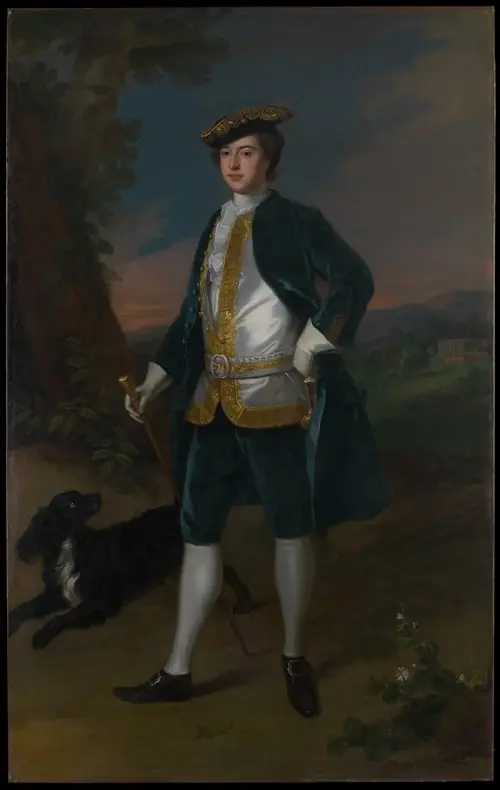 Sir James Dashwood (1715–1779)
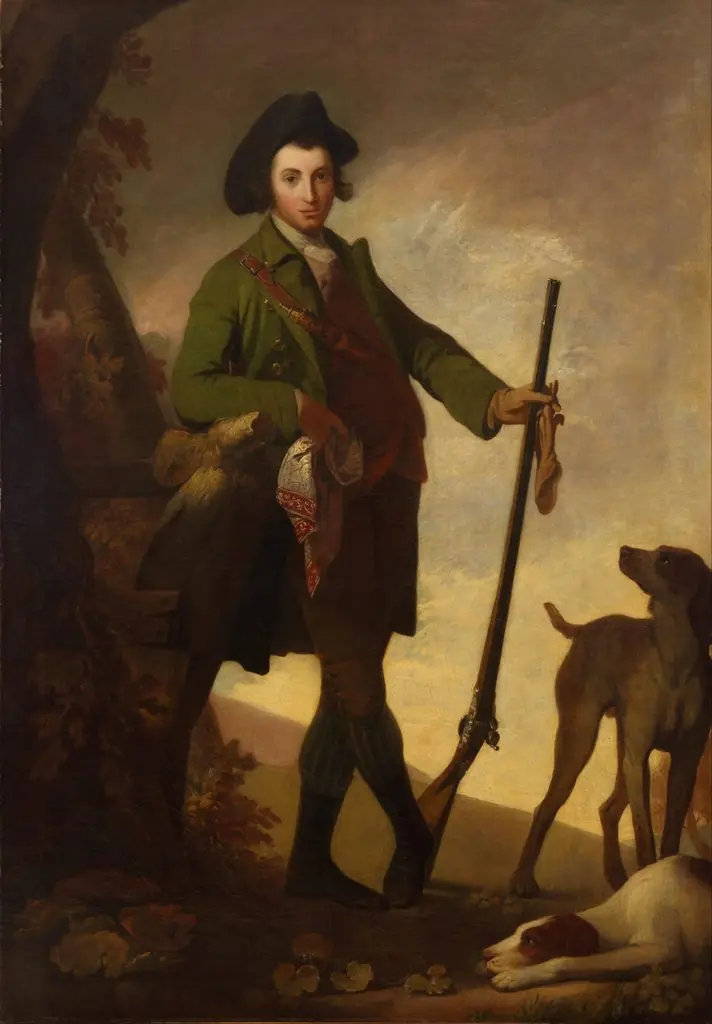 The young sportsman
 Jeremiah Belknap
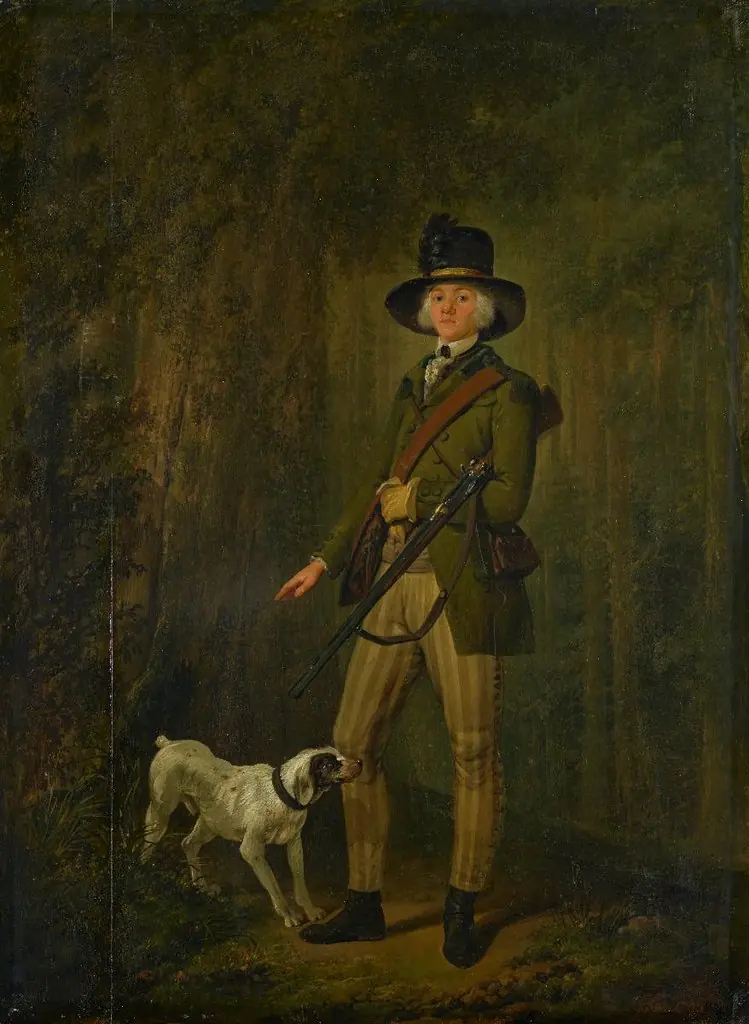 Paulus Usteri als Jäger im Walde
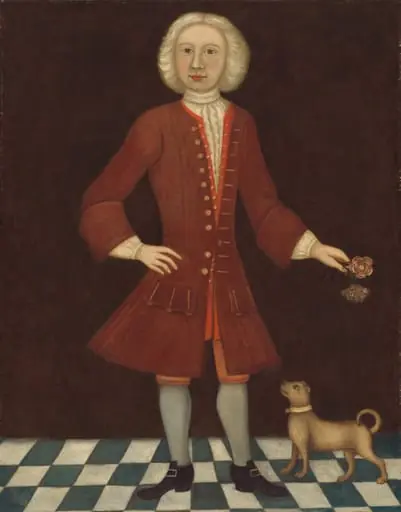 Jonathan Bentham
 Portrait of Joseph Leeson, later 1st Earl of Milltown (1711-1783)
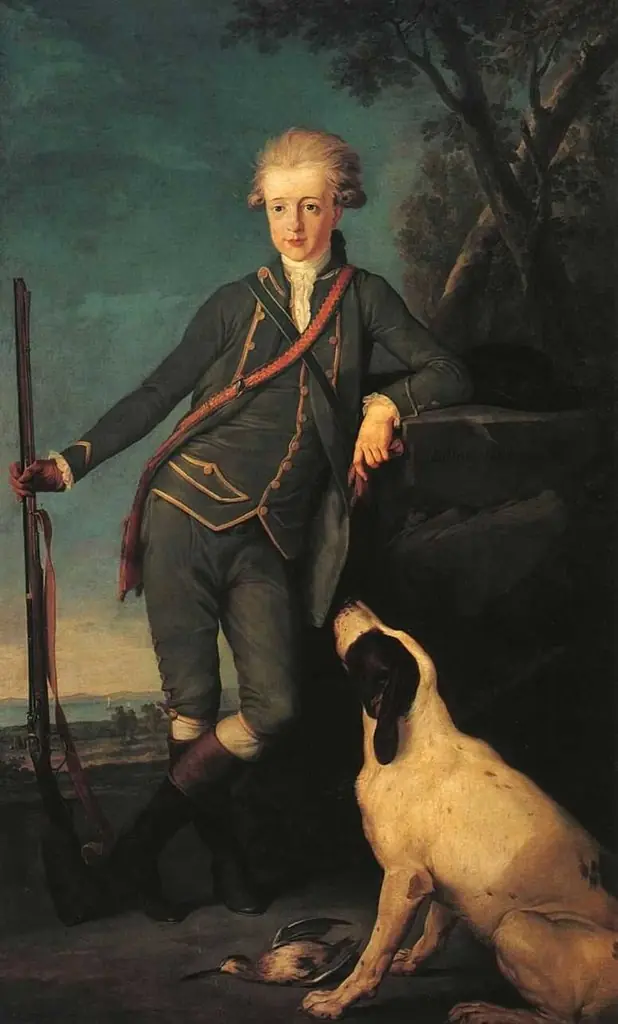 Portrait of Nikita Petrovich Panin (1770-1837)
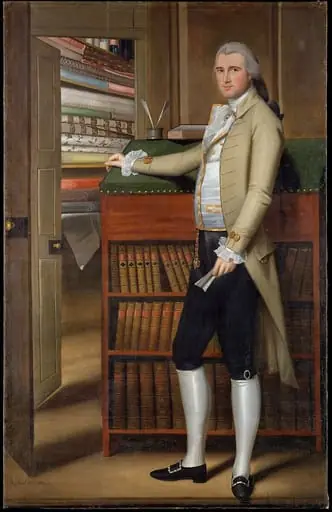 Elijah Boardman
- Boy of the Crossfield Family (Possibly Richard Crossfield)