Artwork
Channel Bass
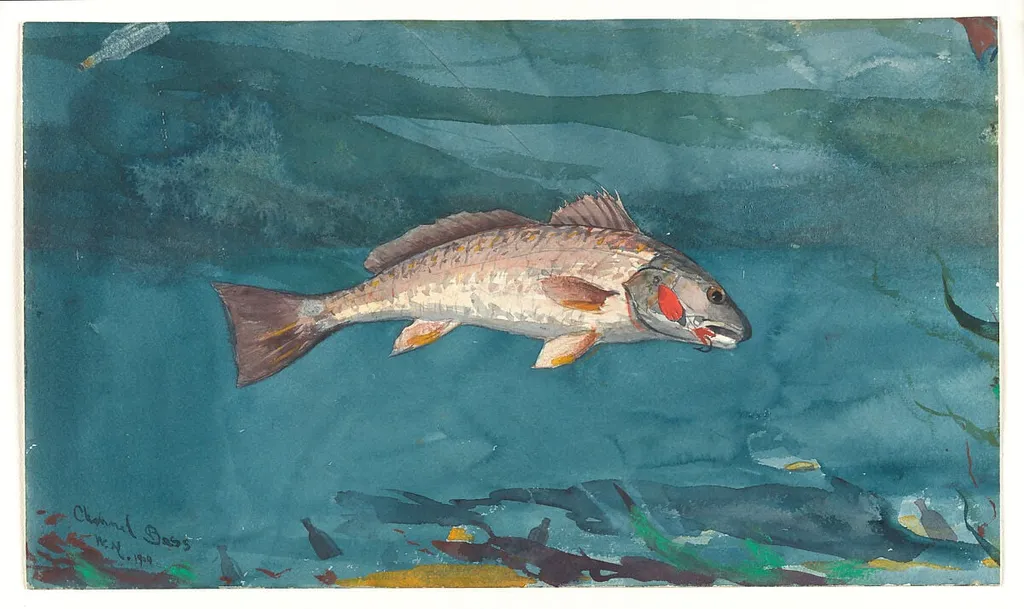
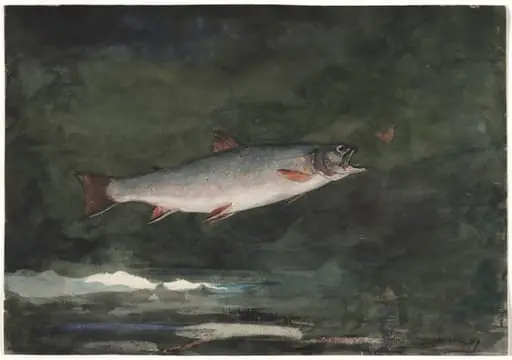
Channel Bass is a watercolor work on paper by the American Impressionist artist Winslow Homer. It dates from 1904 and is held in the collection of the Metropolitan Museum of Art.
About this work
Overview
Created during Homer's trip to Florida, the painting reflects his dual identity as an artist and outdoorsman.
Channel Bass is a 1904 watercolor and graphite artwork by the American painter Winslow Homer. Measuring 11 1/4 by 19 3/8 inches (28.6 by 49.2 cm) on white wove paper, the work depicts a fish swimming through shallow water. Created during Homer's trip to Florida, the painting reflects his dual identity as an artist and outdoorsman. It is held in the American Wing of the Metropolitan Museum of Art in New York, acquired through the George A. Hearn Fund in 1952 under accession number 52.155.
Subject & Meaning
The composition centers on a single channel bass swimming toward the right with its mouth slightly open. Homer admired the fish's sparkling scales, likening them to a twenty-dollar gold piece. Despite the luminous beauty of the scene, the work carries darker implications of human interaction with nature. The bass appears to have been foul-hooked, meaning it was caught outside the mouth, leaving its connection to the fishing line precarious. Shadowy glass bottles on the riverbed further amplify the theme of human encroachment on the environment while also providing a visual indication of scale.
Technique & Style
Homer employed fluid watercolor and graphite to capture the aquatic scene, utilizing visible wet washes, granulation, and loose brushwork for the underwater atmosphere. The fish itself is rendered with more defined strokes and dry-brush texture to emphasize its scales. The palette is dominated by teal, blue, and green tones, with touches of red on the gill plate, yellow spots along the flank, and brown on the fins. Homer surrounded the fish with layers of transparent lapis-blue wash to evoke the famously clear, shallow water of the Homosassa River. Light appears to filter through the water, creating soft tonal variations across the pale silvery-pink body of the bass.
History & Provenance
In January 1904, Homer arrived in Homosassa, a village on the Gulf Coast of Florida. He declared the fishing there the best in America, capitalizing on the activity's creative potential just as he had during previous angling expeditions in the Adirondacks and Canada. The resulting watercolor entered the collection of the Metropolitan Museum of Art in 1952 through the George A. Hearn Fund. It was later included in the exhibition Winslow Homer: Crosscurrents, held at the Metropolitan Museum of Art from April 11 to July 31, 2022.
Context
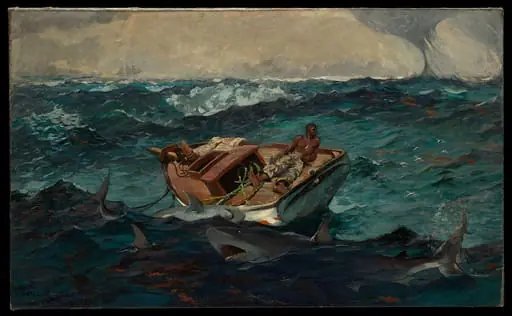
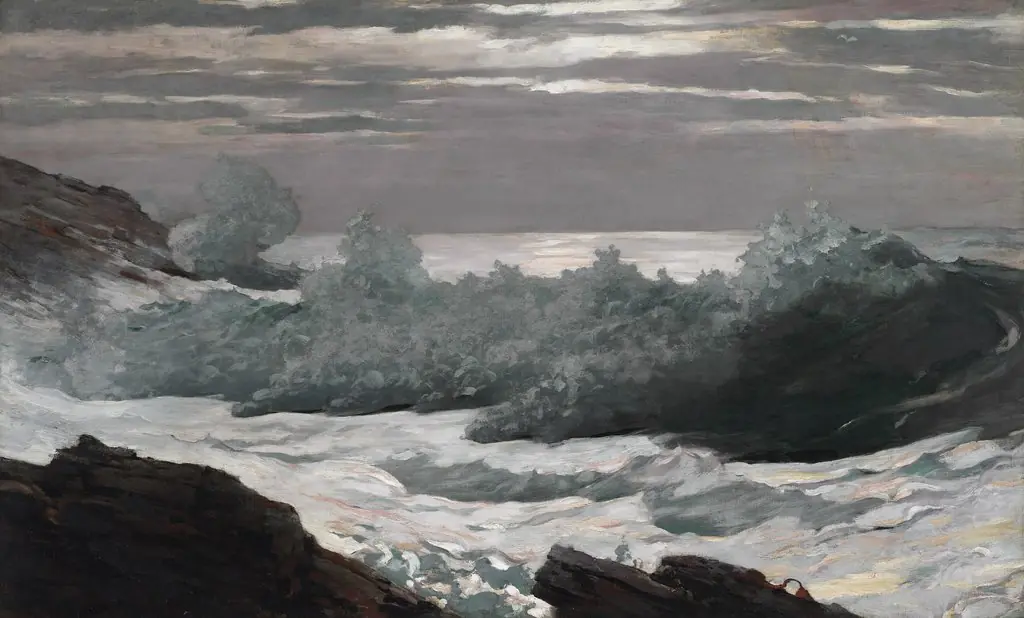
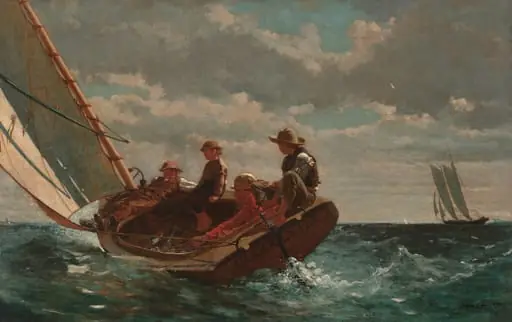
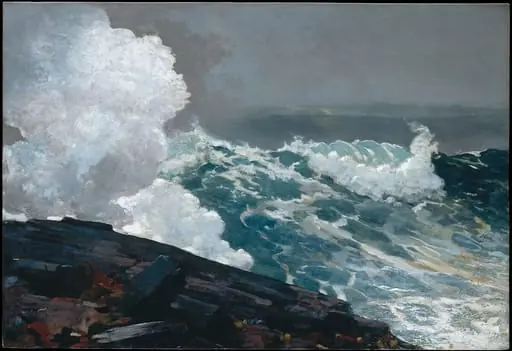
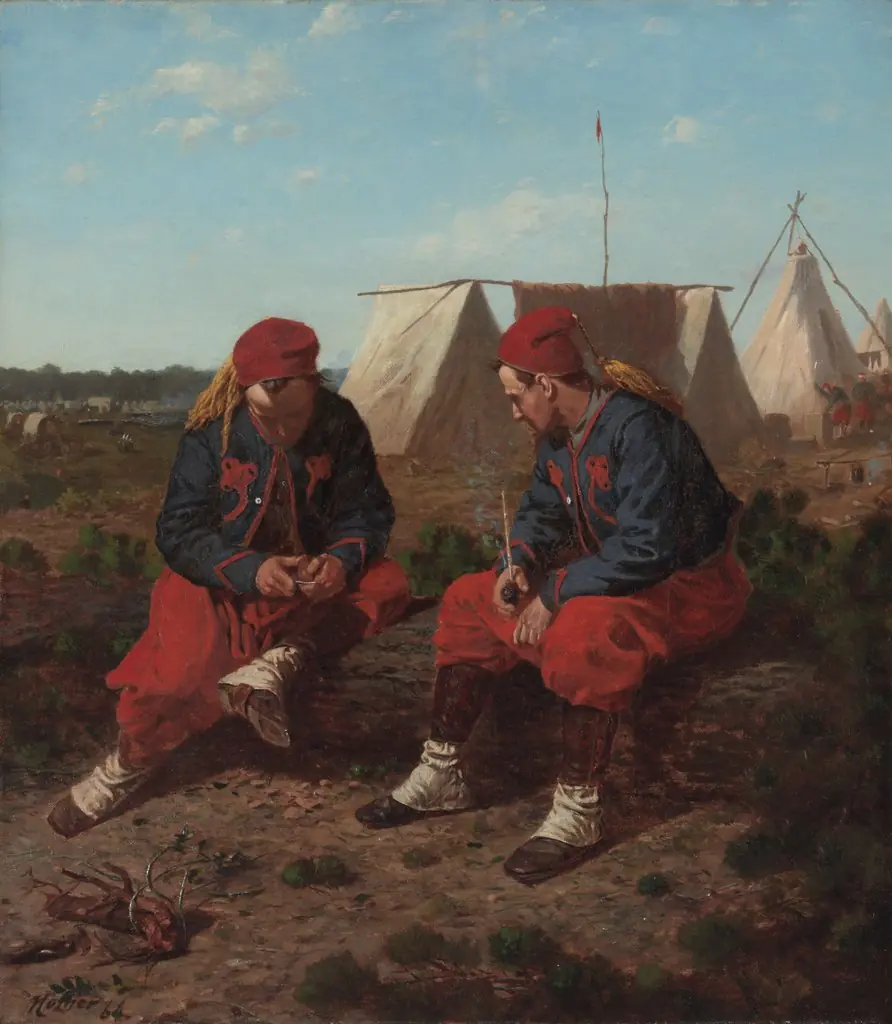
Created late in Homer's life, Channel Bass exemplifies his mastery of watercolor, a medium he embraced passionately from the 1870s onward. Homer began his career as a commercial illustrator and Civil War correspondent before becoming renowned for his powerful marine subjects. After moving to Prouts Neck, Maine, in 1883, the sea and marine life became the dominant themes of his art, exploring the relationship between human fate and elemental natural forces. His work often dealt with the theme of human struggle within an indifferent universe, capturing moments of both serenity and conflict in nature.
Artist & collection
Artist
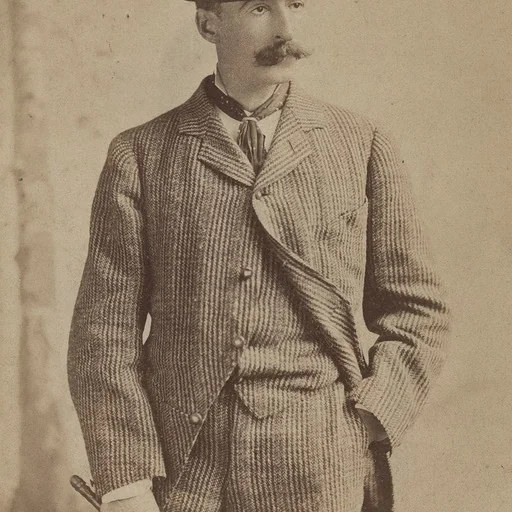
Winslow Homer (February 24, 1836 – September 29, 1910) was an American landscape painter and illustrator, best known for his marine subjects.