Artwork
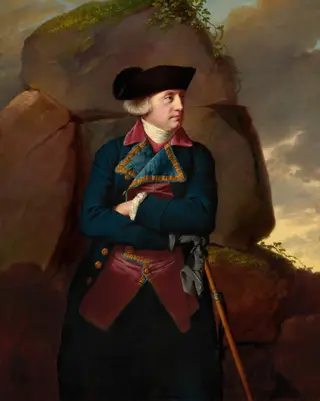
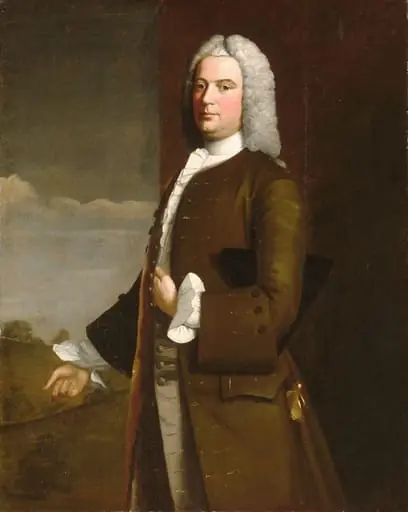
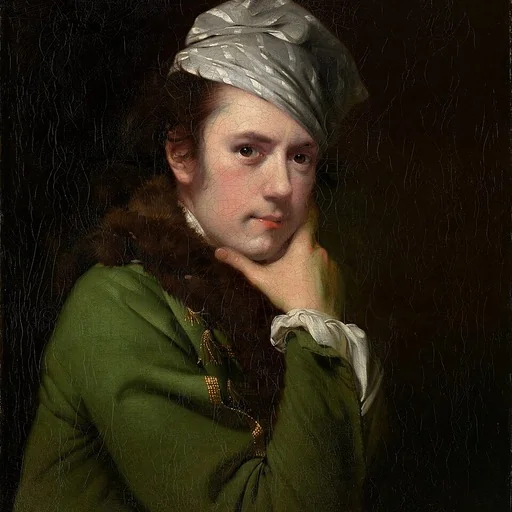
Portrait of a Gentleman
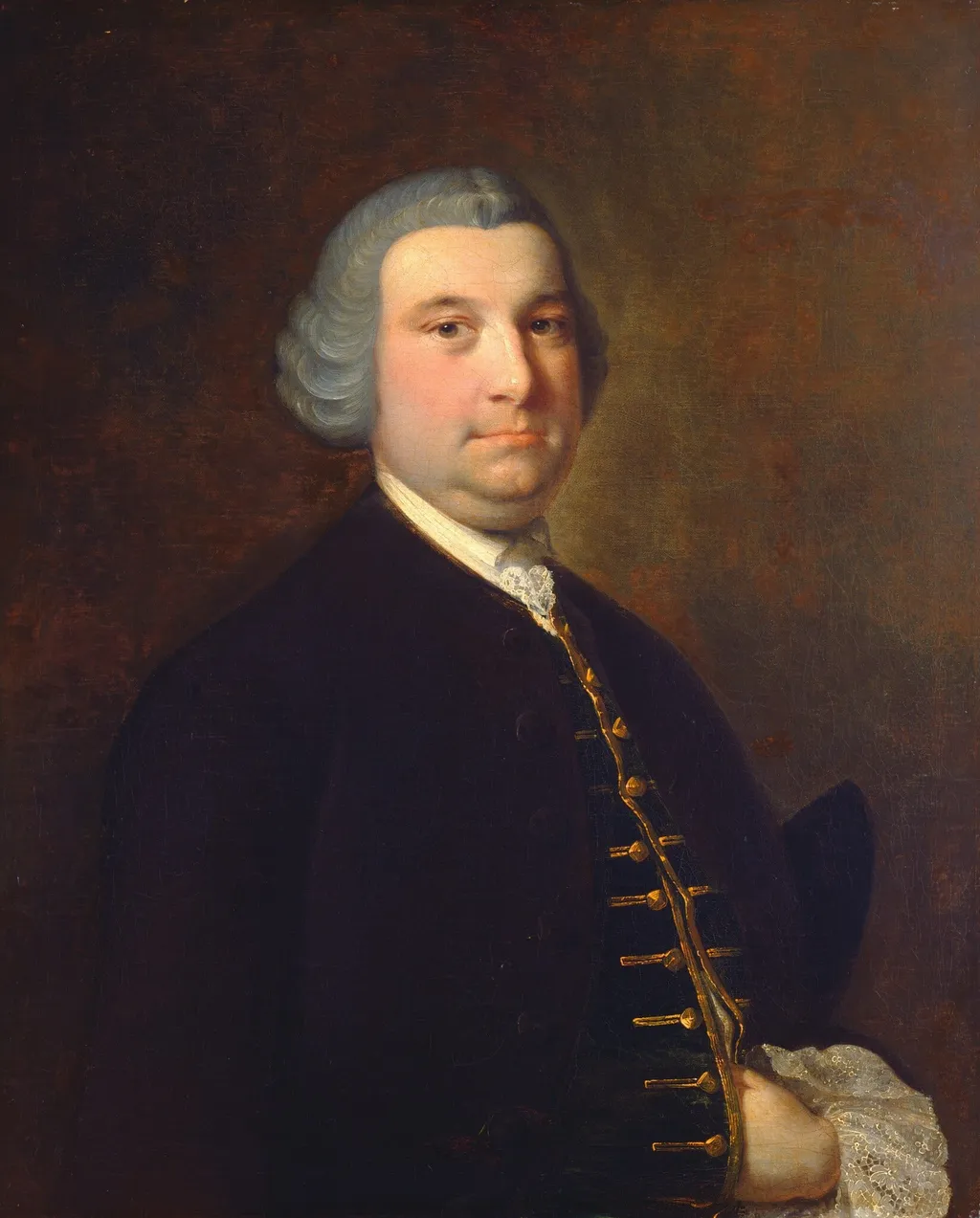
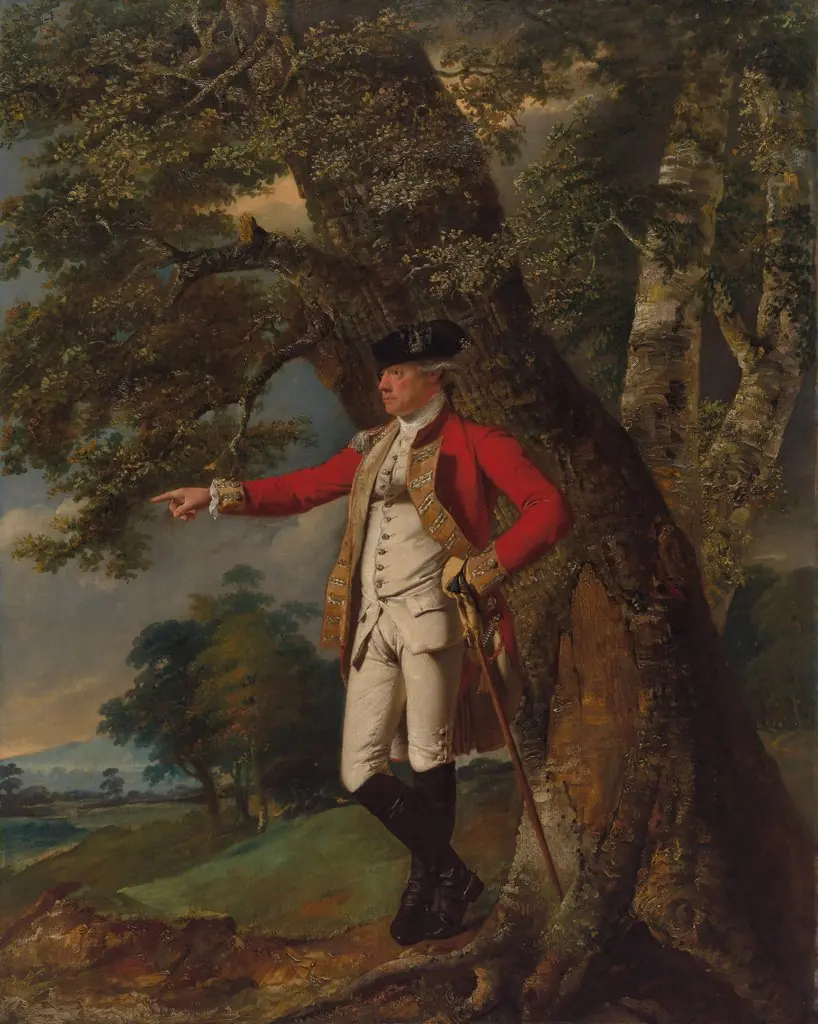
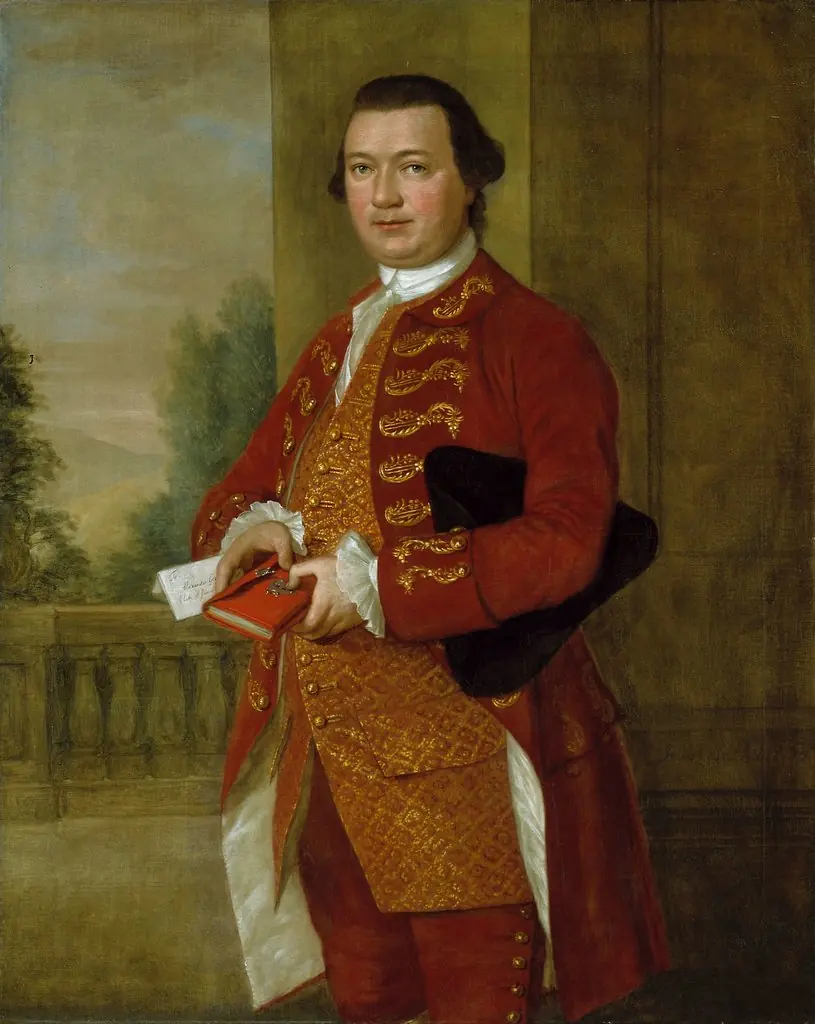
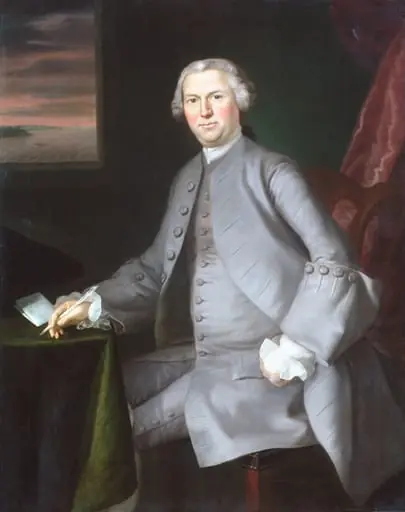
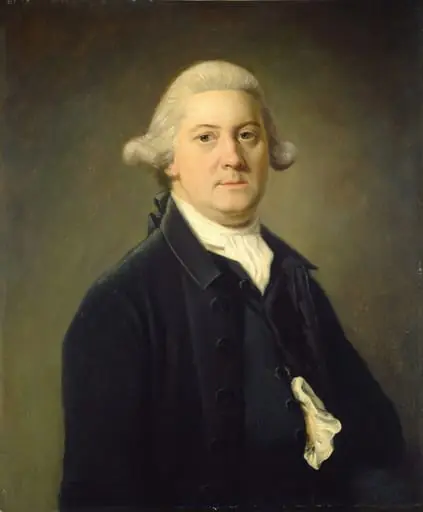
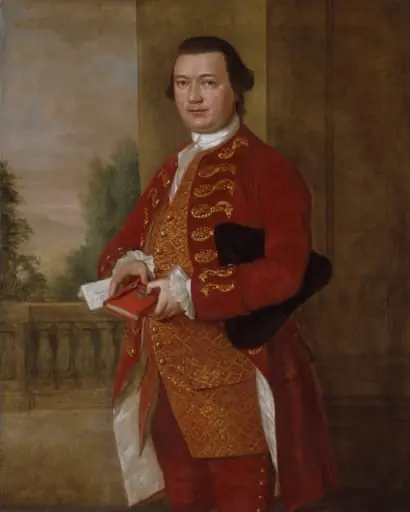
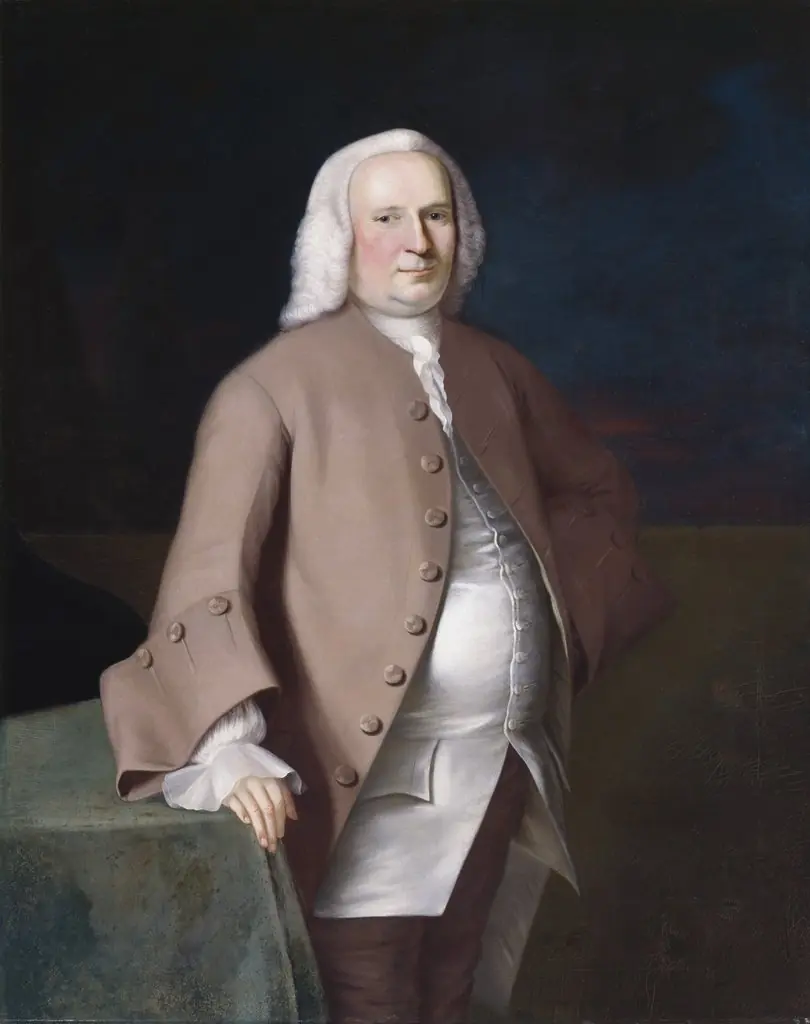
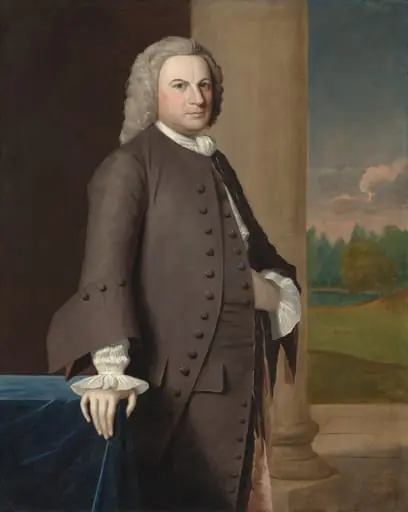
Portrait of a Gentleman is an oil painting by the Rococo painting artist Joseph Wright of Derby. It dates from 1760 and is held in the collection of the National Gallery of Art.
About this work
Subject & Meaning
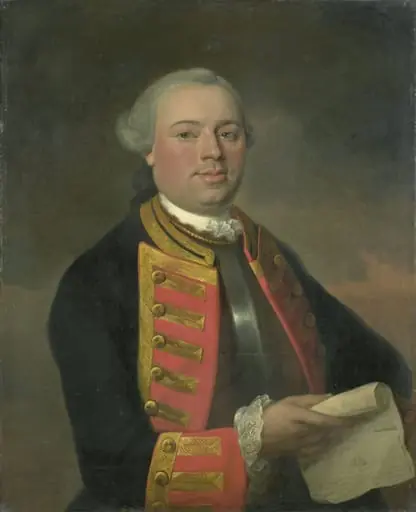
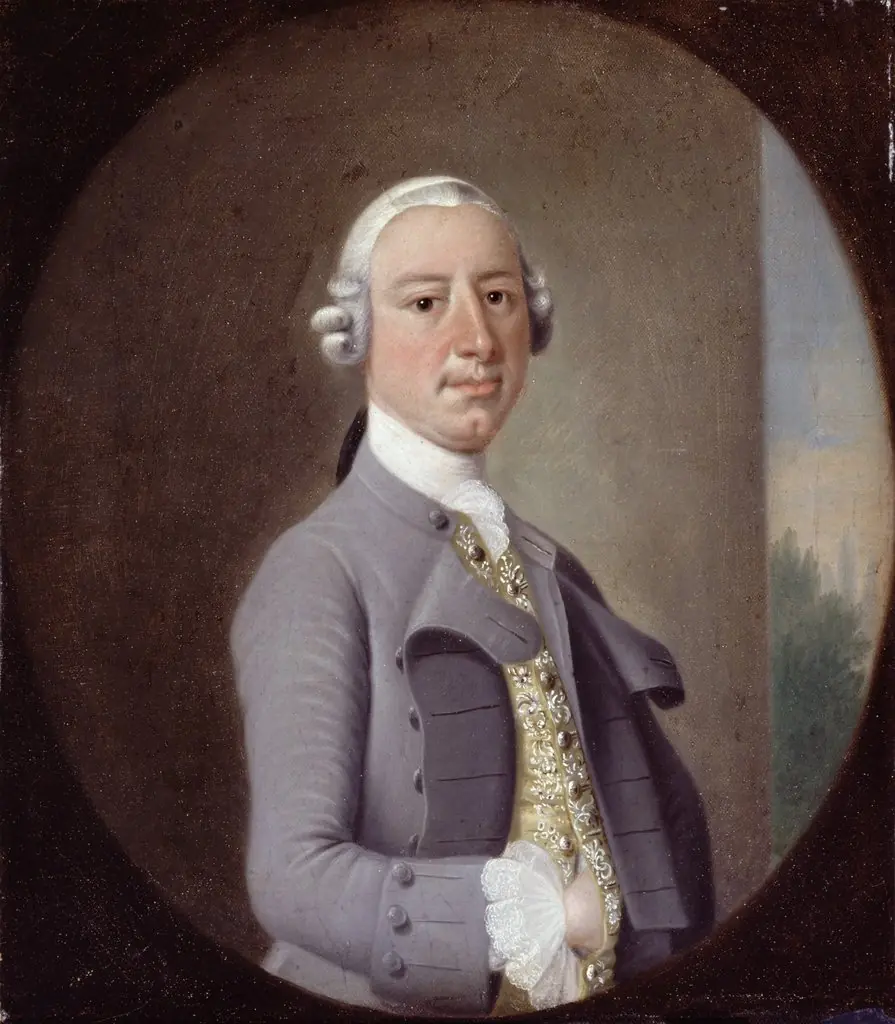
The painting titled Portrait of a Gentleman depicts a man, presenting him as the sitter of a conventional 18th‑century portrait.
The painting titled Portrait of a Gentleman depicts a man, presenting him as the sitter of a conventional 18th‑century portrait. According to the catalog entry, the work is classified as a portrait and the subject is identified simply as a gentleman, indicating an emphasis on social standing rather than narrative content. The absence of explicit symbolic attributes in the documented provenance or descriptive data suggests that the painting’s meaning derives from the status associated with the portrait genre itself. This interpretation is supported by the work’s genre designation and its depiction of a single male sitter.
History & Provenance
Portrait of a Gentleman, an oil on canvas painted by Joseph Wright in 1760, entered private hands in Georgetown, South Carolina, before being acquired by a New York dealer, reportedly Charles Henry Hart, and taken to the Philipse Manor Hall Museum in Yonkers by 1910. The work remained in the museum until circa 1917, when it was bought from the estate of C. W. Lyon and subsequently sold on 5 March 1917 to Thomas B. Clarke of New York. Clarke’s executors transferred it to M. Knoedler & Co., from which the A. W. Mellon Educational and Charitable Trust acquired it on 29 January 1936; the painting was gifted to the National Gallery of Art in 1947.
The Portrait of a Gentleman (c. 1760) by Joseph Wright is presently in the National Gallery of Art, Washington, D.C., where it is listed in the Andrew W. Mellon collection and catalogued under the museum’s inventory of paintings. Its provenance traces from private ownership in Georgetown, South Carolina, to a New York dealer, then to Charles Henry Hart and Thomas B. Clarke, who owned it by 1910; Clarke later sold it in 1917 to M. Knoedler & Co., and in 1936 the work entered the A. W. Mellon Educational and Charitable Trust, which gifted it to the National Gallery in 1947. The painting was displayed in Clarke’s 1928 exhibition catalogue, documenting its early public presentation.
Overview
Joseph Wright's Portrait of a Gentleman, an oil on canvas painting from approximately 1760, presents a dignified male figure. This work exemplifies the artist's approach to portraiture during the mid-18th century. The subject is rendered with a serious demeanor, seated in a formal posture, reflecting the conventions of contemporary portraiture.
Technique & Style
Wright employed oil on canvas to achieve a detailed representation, particularly evident in the intricate folds of the sitter's clothing. The artist utilized subtle variations in light to create a sense of three-dimensionality and depth within the composition. This meticulous attention to detail and controlled illumination are characteristic elements of Wright's artistic method during this period.
Context
This portrait aligns with the broader stylistic tendencies observed in Joseph Wright's oeuvre. His distinctive approach to capturing individual likenesses, often emphasizing the sitter's character through careful observation and controlled lighting, is evident here. The painting offers insight into the artistic practices prevalent in English portraiture around the 1760s, reflecting Wright's contribution to the genre.
Own this work as a print
Artist & collection
Artist
Joseph Wright (3 September 1734 – 29 August 1797), styled Joseph Wright of Derby, was an English painter who specialised in portrait painting and landscape art.