Artwork
明吳偉畫北海真人像 軸
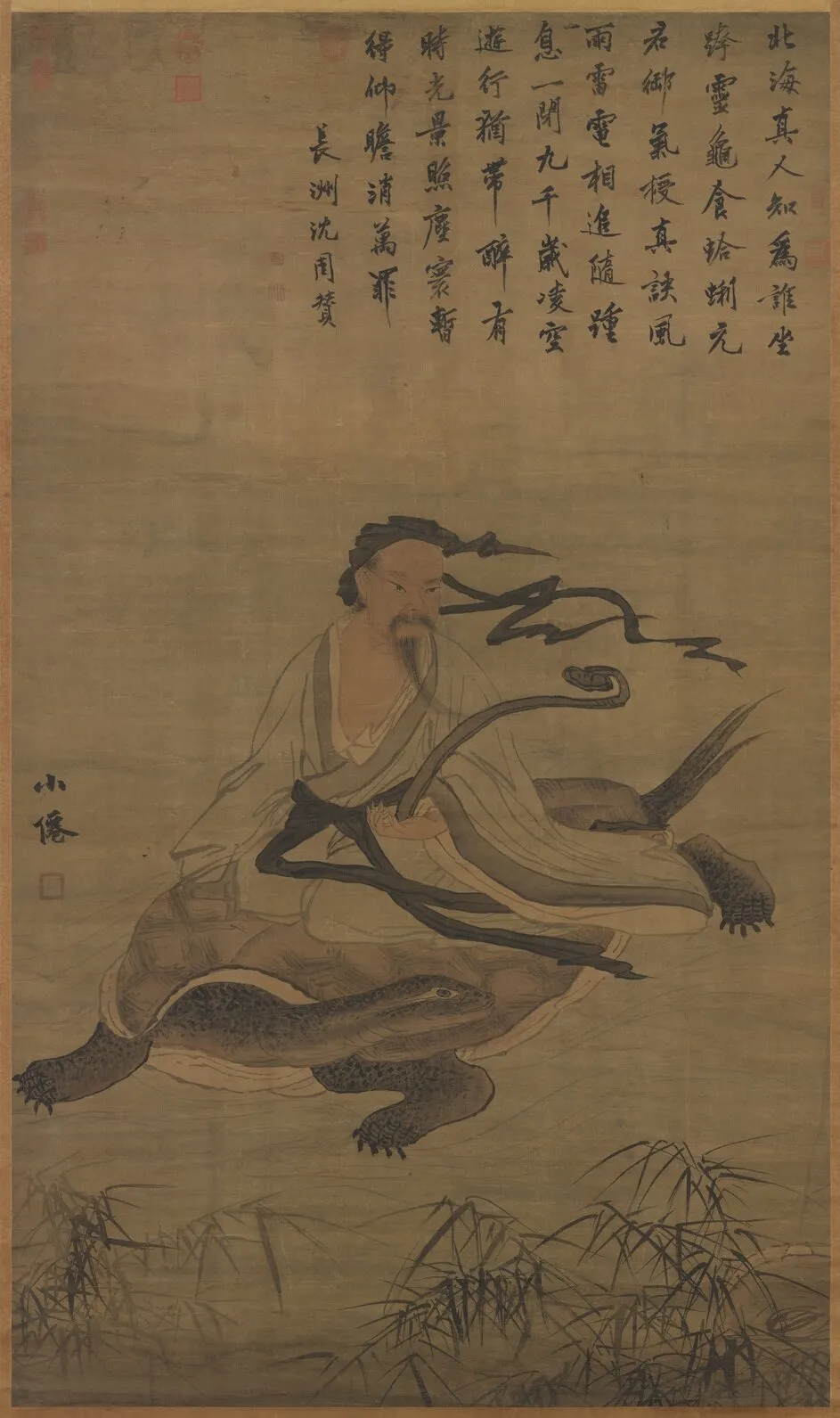
明吳偉畫北海真人像 軸 is an unspecified painting by Wu Wei. It dates from 1493 and is held in the collection of the National Palace Museum.
About this work
Overview
Wu Wei, originally from Wuchang, chose painting over official service and later joined the imperial court in Beijing under three successive emperors.
Painted on silk around 1493 by Wu Wei, this work portrays a Daoist immortal known as the True Man of the Northern Sea. Wu Wei, originally from Wuchang, chose painting over official service and later joined the imperial court in Beijing under three successive emperors. The piece reflects his skill in capturing movement and spiritual themes, characteristic of his mature style during the mid-Ming period.
Subject & Meaning
The figure is a Daoist transcendent, identified by his long beard and flowing robes, riding a giant turtle, an ancient symbol of longevity and cosmic stability. The curved object he holds may represent a staff or ritual implement, signaling his spiritual authority. The scene evokes the Daoist ideal of harmony with nature and transcendence beyond earthly bounds, with motion suggesting divine journey rather than physical travel.
Technique & Style
Wu Wei employed loose, energetic brushwork to convey motion, particularly in the billowing robes and flowing hair. The turtle’s shell is rendered with subtle tonal contrasts, while the background remains minimal, emphasizing the figure’s dynamism. Silk provided a smooth surface that enhanced the fluidity of ink lines, reflecting Wu’s mastery of expressive brush techniques rooted in Southern Song traditions.
History & Provenance
Created during Wu Wei’s tenure as a court painter in Beijing, the work entered the imperial collection and remained within royal holdings through subsequent dynasties. It was later transferred to the National Palace Museum in Taipei, where it is preserved as part of the museum’s core collection of Ming-era paintings, documenting the artistic patronage of the period.
Context
In late 15th-century China, Daoist imagery remained popular among literati and court circles, even as Confucian orthodoxy dominated official culture. Wu Wei’s choice of subject reflects a broader interest in spiritual autonomy and the ideal of the reclusive sage. His style bridged academic precision and expressive freedom, appealing to patrons who valued both refinement and individuality.
Legacy
Wu Wei’s dynamic approach influenced later painters who sought to convey spiritual energy through movement rather than static form. Though less celebrated than some contemporaries, his works, including this portrait, exemplify the Ming court’s openness to unconventional artistic expressions. The painting endures as a testament to the enduring appeal of Daoist iconography in Chinese visual culture.
Artist & collection

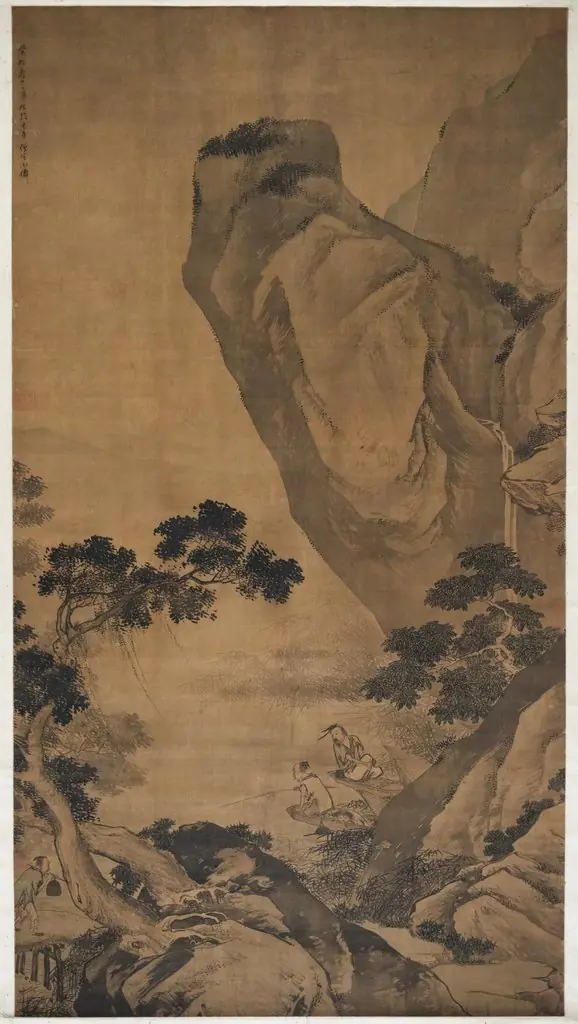
- Hotei with Daoist Immortals
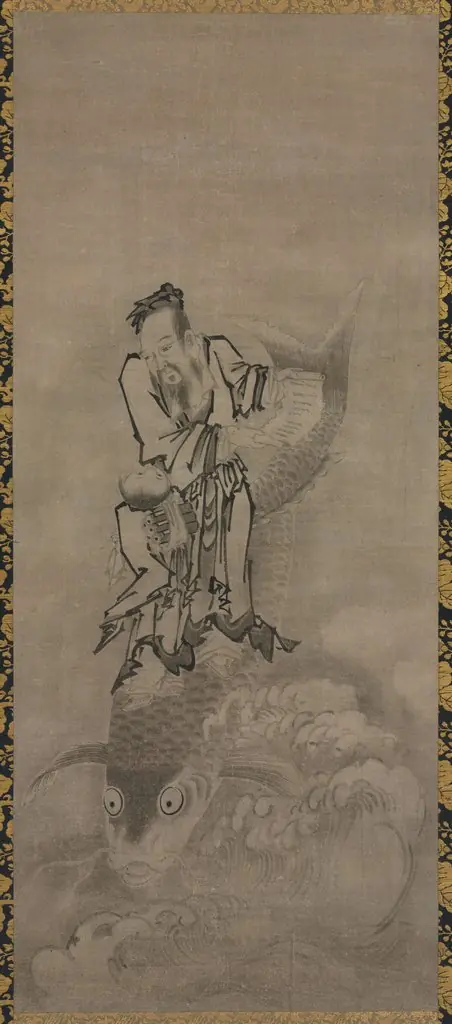
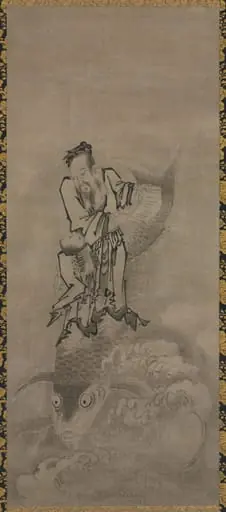 Hotei with Daoist Immortals: Immortal Riding Carp
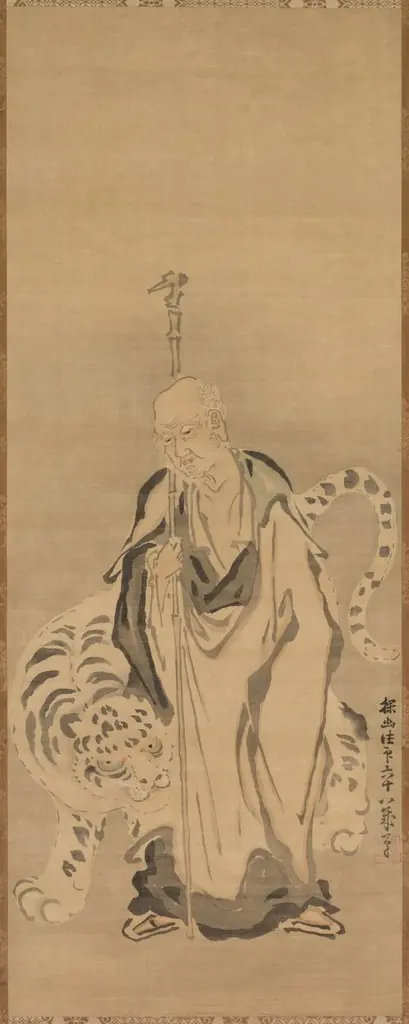 A Sage with Tiger
 A Sage with Tiger
 Untitled
 Poet Fisherman
 Portrait of Tao Yuanming
 明/清 佚名 舊傳趙芾 乘蓮渡江 冊頁|Sage Floating on Lotus Leaf
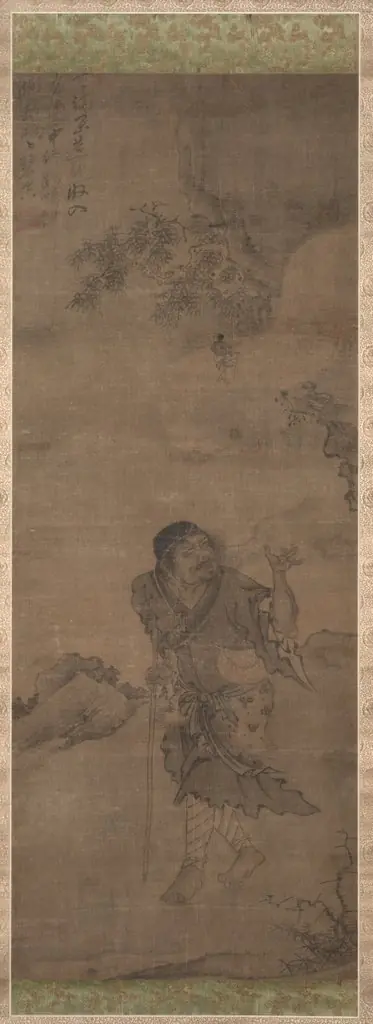 Li Tieguai; Liu Haichan
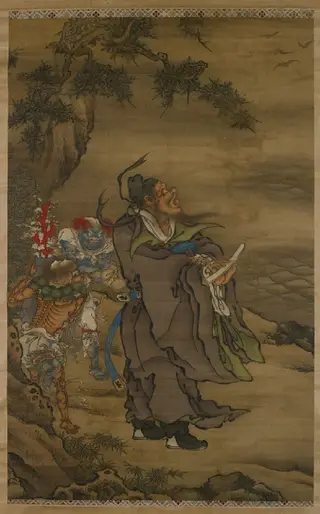 Zhong Kui the Demon Queller with Five Bats
 Bian Zhuangzi Killing Tigers
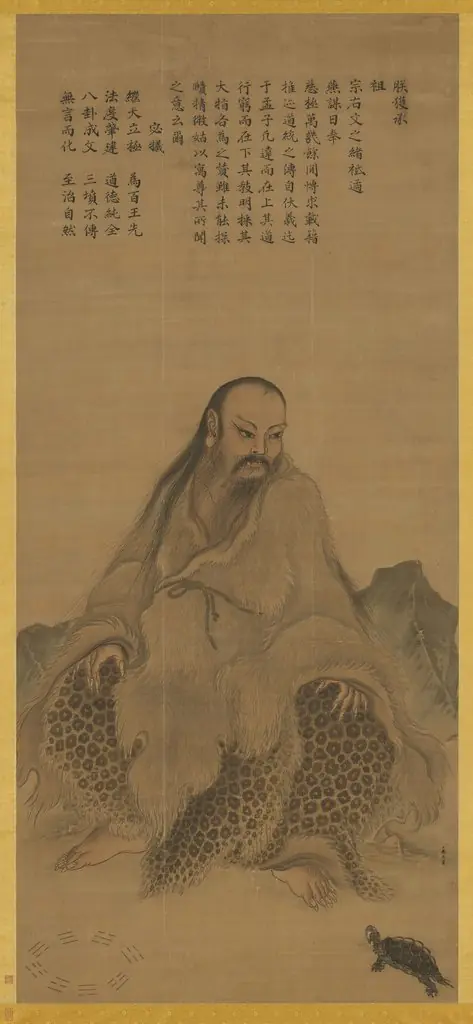 Seated Portrait of Fu Xi