Artwork
明 徐敬 嵗寒清白圖 軸|The Pure Whiteness of Winter
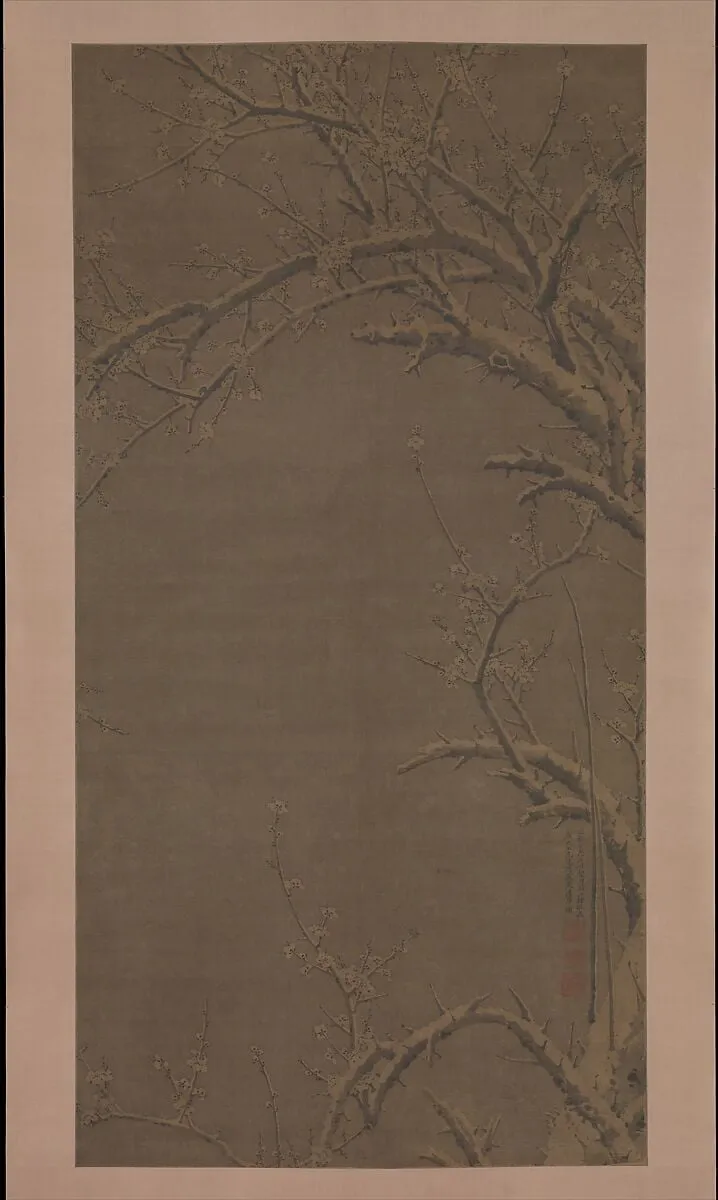
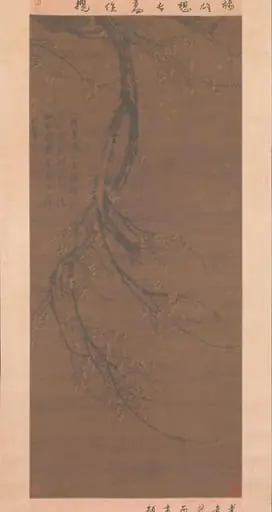
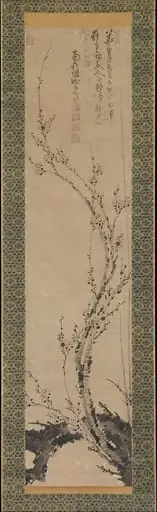
明 徐敬 嵗寒清白圖 軸|The Pure Whiteness of Winter is an ink painting by the Ming dynasty painting artist Xu Jing. It dates from 1441 and is held in the collection of the Metropolitan Museum of Art.
About this work
Subject & Meaning
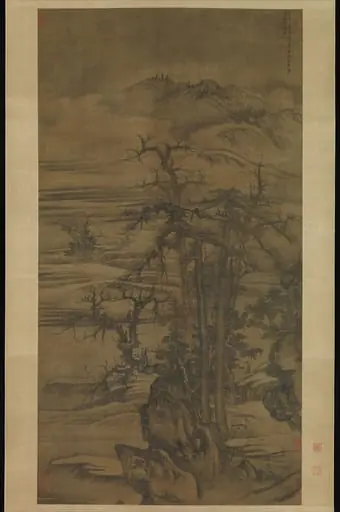
The subject of Xu Jing’s 1441 hanging scroll The Pure Whiteness of Winter centers on a solitary, bare tree set against a cold, wintry atmosphere.
The subject of Xu Jing’s 1441 hanging scroll The Pure Whiteness of Winter centers on a solitary, bare tree set against a cold, wintry atmosphere. The composition emphasizes stark, leafless branches against a muted, snow-laden landscape, evoking the season’s barren stillness.
Symbolically, the image aligns with literati traditions that valorize resilience and moral integrity amid adversity. The stark whiteness of winter snow and the tree’s endurance in harsh conditions are interpreted as metaphors for purity and steadfastness, qualities esteemed in Confucian thought. The work thus represents both a seasonal depiction and a philosophical meditation on personal virtue.
Technique & Style
Created in 1441, The Pure Whiteness of Winter is a hanging scroll executed in ink on silk. The work belongs to the landscape genre and formally depicts trees within a winter setting. As a monochromatic piece, the artist utilized ink to render the seasonal atmosphere and botanical forms characteristic of the subject matter.
The support material of silk serves as the foundation for the ink application, adhering to traditional Chinese painting methods of the period.
History & Provenance
The hanging scroll The Pure Whiteness of Winter was created in 1441 by the Ming-dynasty painter Xu Jing, as indicated by the artist’s inscription and the dated colophon. The work entered the collection of the Metropolitan Museum of Art, where it is currently held, though the precise route of acquisition remains unrecorded in the museum’s records. The painting’s subject, a wintry landscape rendered in ink on silk, aligns with the artist’s documented focus on seasonal scenes, and its early date situates it within the first half of the fifteenth century, a period marked by revived literati landscape traditions in Ming China.
The work is held by the Metropolitan Museum of Art, New York, where it is catalogued under accession 1989.273.
It was first recorded publicly in modern exhibitions in 1989 as part of the museum’s accession display, and has since been shown in the 2011 exhibition The Yuan Revolution: Art and Dynastic Legitimacy, held at the same institution.
Overview
Xu Jing's The Pure Whiteness of Winter, created in 1441, is an ink on silk hanging scroll from the Ming dynasty. This painting presents a minimalist landscape, characteristic of traditional Chinese scholarly art. It invites contemplation through its spare depiction of a natural scene, emphasizing the subtle beauty found in simplicity.
Artist & collection