Artwork
Untitled
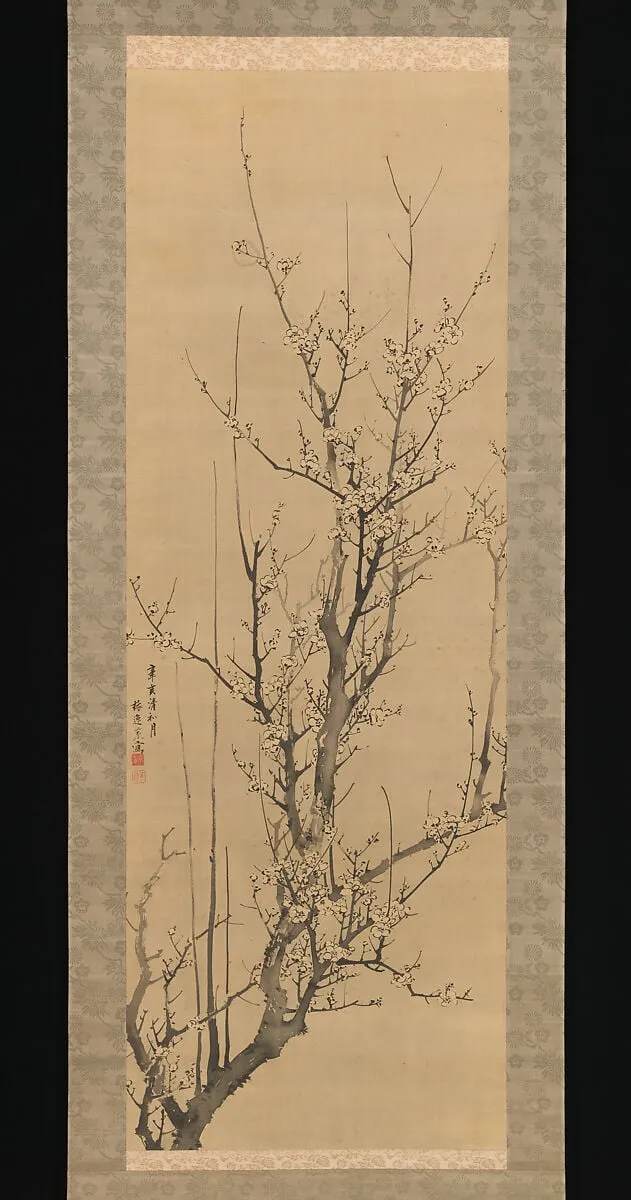
Untitled is an ink painting by the Impressionist artist Yamamoto Baiitsu. It dates from 1851 and is held in the collection of the Metropolitan Museum of Art.
About this work
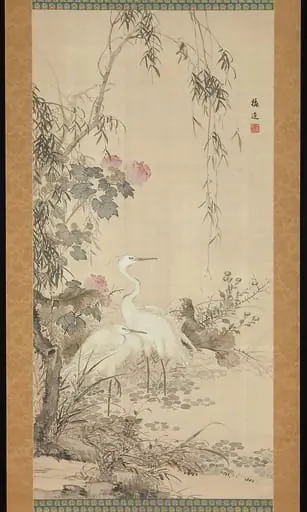
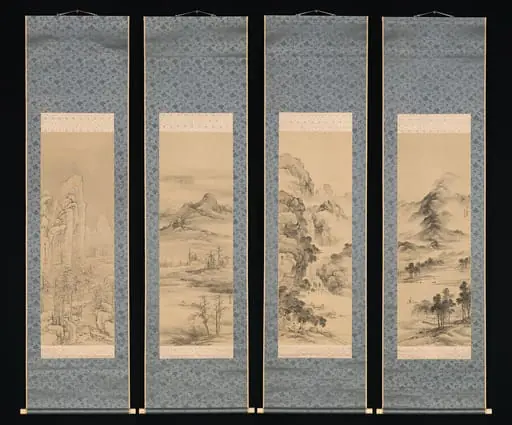
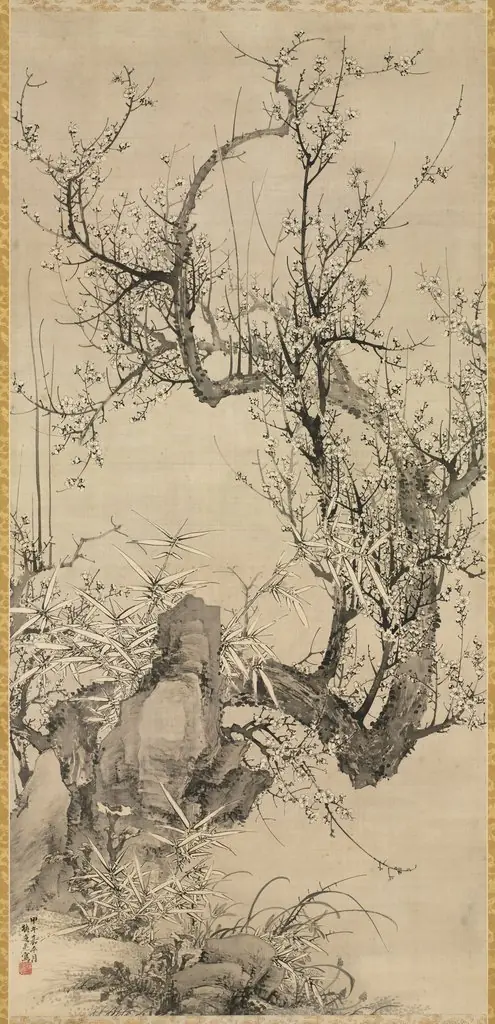
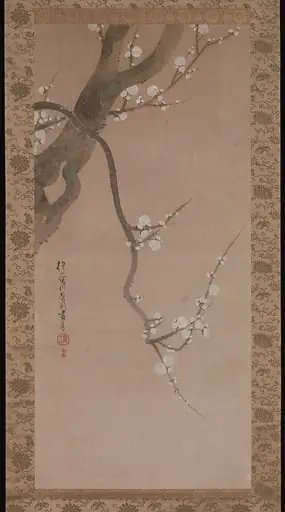
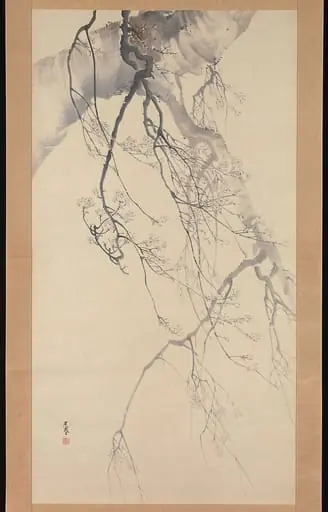
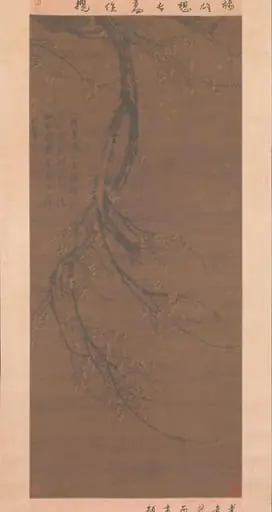
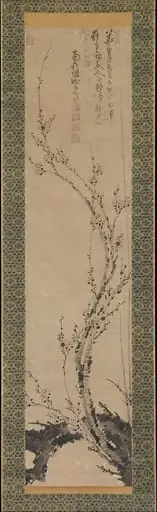
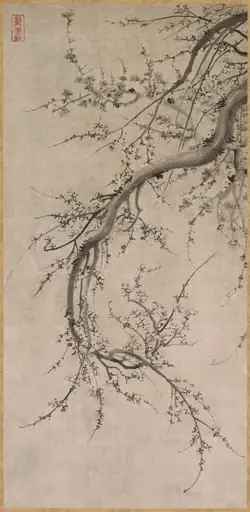
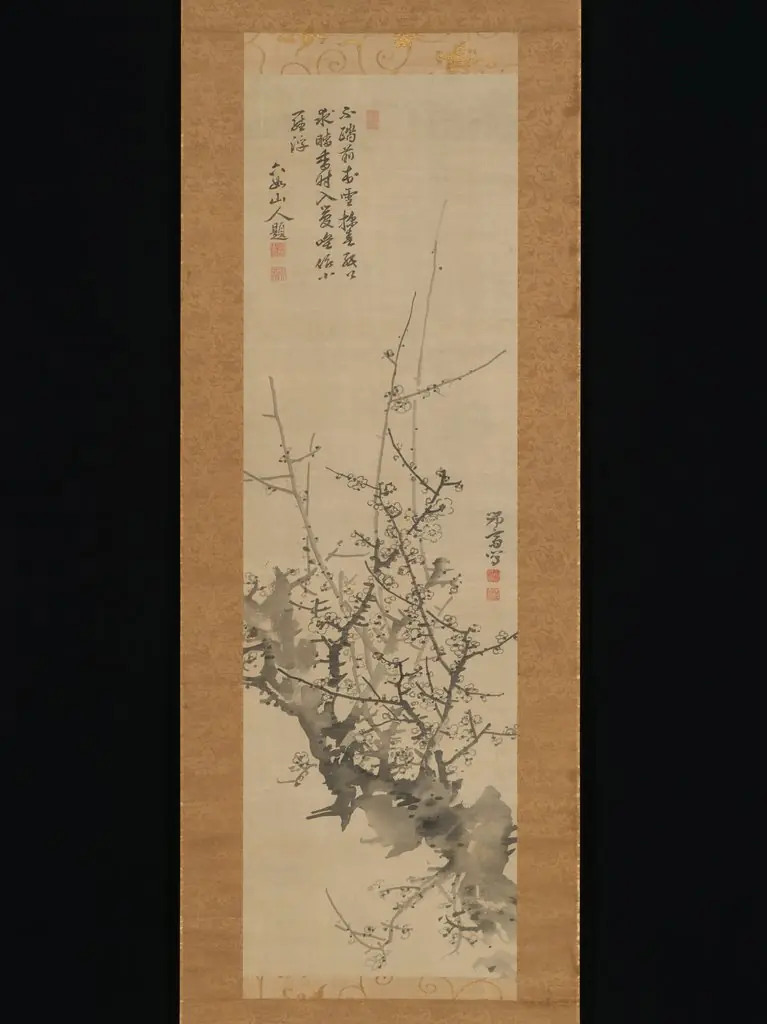
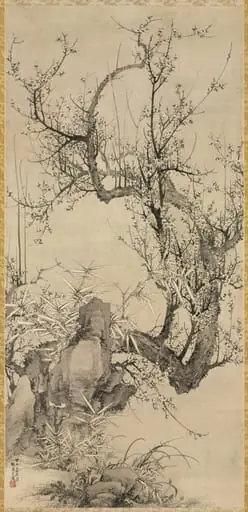
You see a tall, narrow scroll of ink on silk: two gnarled pines twist upward, their needles like tiny brushstrokes against a blank sky.
Baiitsu painted this in 1851, when Japan was still closed to most outsiders. The trees feel alive because he used only black ink, no color, yet you can almost hear the wind in the branches.
To see how other Japanese artists painted trees, look up subject: trees.
Subject & Meaning
The work portrays a solitary tree rendered in ink on silk, a motif that in Japanese landscape tradition evokes the quiet endurance of nature amid seasonal change. The composition emphasizes verticality and negative space, suggesting both the physical presence of the tree and its symbolic resonance as a marker of continuity and spiritual stillness. By isolating the trunk against an empty background, the artist foregrounds the materiality of the medium while inviting contemplation of impermanence and the transitory moments captured within the scroll.
Technique & Style
Yamamoto Baiitsu's Untitled is executed as a hanging scroll using ink on silk. The work measures 114.9 cm in height and 40 cm in width. Stylistically, the painting operates within the landscape genre, formally depicting a tree as its central motif.
History & Provenance
It currently resides in the collection of the Metropolitan Museum of Art, where it is cataloged under the accession number 2015.
Created in 1851 by the Japanese artist Yamamoto Baiitsu, this ink-on-silk hanging scroll depicts a landscape featuring a tree. The work was produced in Japan and measures 114.9 cm in height by 40 cm in width. It currently resides in the collection of the Metropolitan Museum of Art, where it is cataloged under the accession number 2015.500.9.47.
No specific details regarding the original commission or intermediate ownership history prior to its acquisition by the museum are provided in the available records.
Overview
Created in 1851, this hanging scroll by Yamamoto Baiitsu presents a minimalist landscape rendered entirely in black ink on silk. The composition is dominated by two slender, twisted pine trunks that rise vertically against an unfilled background, suggesting a sky without detail.
Context
The scroll was produced during the late Edo period, when Japan’s policy of national seclusion (sakoku) limited foreign influence. Within this insular environment, artists like Baiitsu refined native aesthetic principles, focusing on simplicity and the spiritual resonance of natural subjects.
Legacy
Although unsigned, the piece exemplifies the refined ink traditions that informed later Meiji-era landscape artists. Its restrained execution continues to be referenced in studies of Japanese monochrome painting and the representation of trees in East Asian art.
Artist & collection