Artwork
Buffalo and Boy in Autumnal Landscape
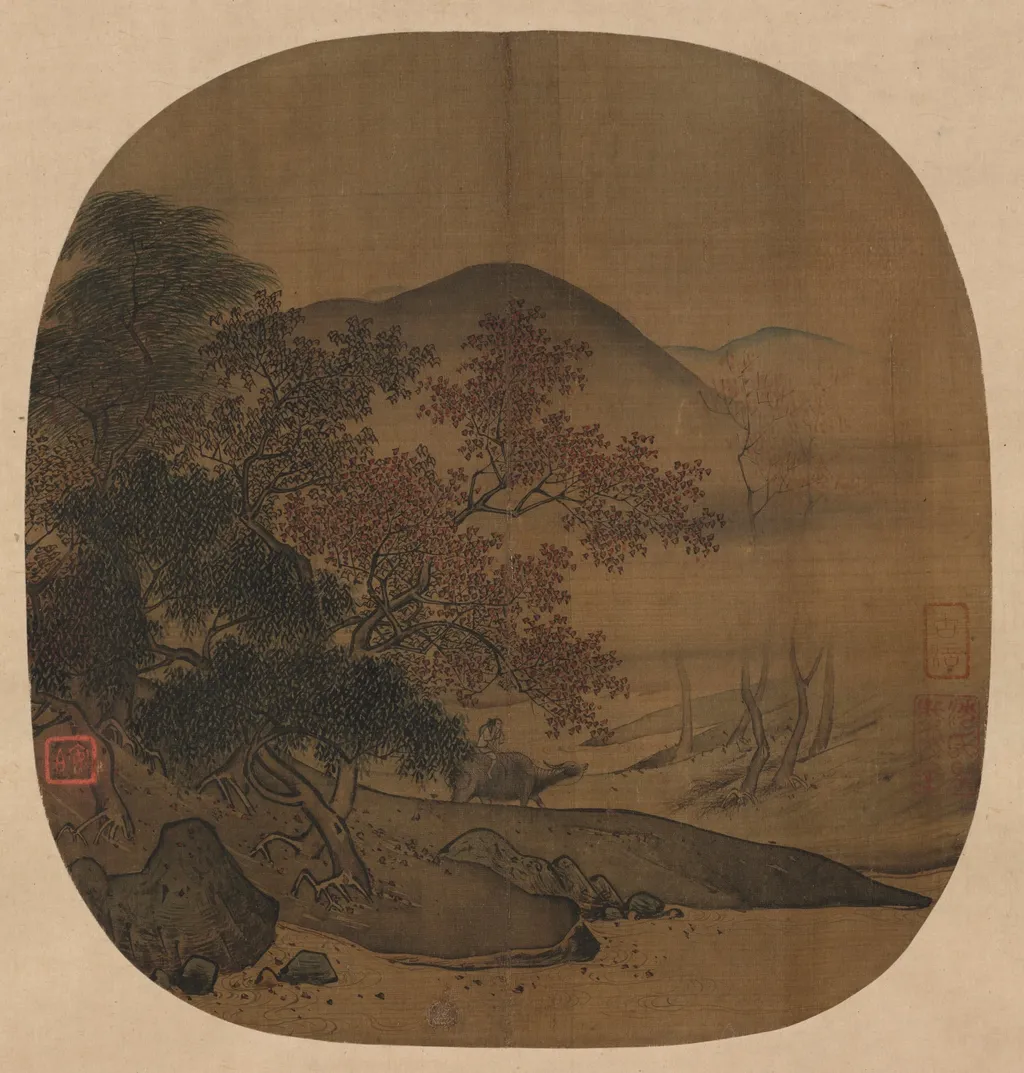
Buffalo and Boy in Autumnal Landscape is an unspecified painting by the Song dynasty painting artist Yan Ciping. It is held in the collection of the Cleveland Museum of Art.
- Accession no.
- 1997.86
- Credit line
- Bequest of Mrs. A. Dean Perry
About this work
Overview
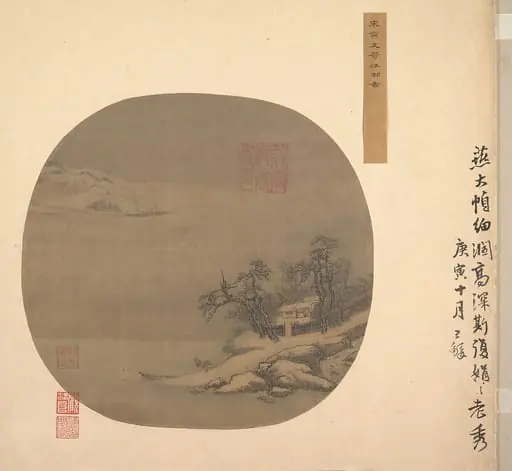
Painted in 1203 by Yan Ciping, this work depicts a tranquil rural scene in which a boy guides a buffalo along a forested path.
Painted in 1203 by Yan Ciping, this work depicts a tranquil rural scene in which a boy guides a buffalo along a forested path. Executed in ink and subtle pigments, the composition emphasizes stillness and harmony with nature. The painting resides in The Cleveland Museum of Art, where it is recognized as an example of Southern Song dynasty landscape tradition, valued for its restrained aesthetic and quiet narrative.
Subject & Meaning
The scene portrays an everyday moment, child and animal moving through autumn woods, without dramatic tension or symbolic flourish. The presence of a single blooming tree amid bare branches suggests resilience or seasonal transition, while the distant huts imply quiet human habitation. The image reflects a Daoist ideal of simplicity and coexistence, where human activity is integrated into, rather than dominant over, the natural world.
Technique & Style
Yan Ciping employed fine, economical brushwork and muted earth tones to convey depth and texture. The trees are rendered with delicate ink lines, their bare limbs suggesting winter’s approach, while the red bloom stands out without intensity. Rocks and water are suggested with minimal strokes, and the seal in the corner, typical of the period, confirms authorship and authenticity. The overall effect is one of calm restraint, avoiding ornamentation in favor of atmospheric suggestion.
History & Provenance
The painting has been part of The Cleveland Museum of Art’s collection since the 20th century, though its earlier ownership history remains largely undocumented. Its survival through centuries reflects its preservation in private or monastic collections, likely valued for its meditative quality. The presence of the artist’s seal and its condition suggest careful handling, consistent with its status as a cherished, intimate work rather than a public display piece.
Context
Created during the Southern Song dynasty, the painting aligns with a broader artistic shift toward introspective, small-scale landscapes that emphasized personal reflection over grandeur. Court painters of the era often turned to rural and natural themes as political centers moved southward, and scholarly tastes favored subtlety over spectacle. This work exemplifies how landscape painting became a vehicle for philosophical contemplation in a time of cultural transition.
Legacy
Though not widely known outside specialist circles, the painting contributes to the understanding of Song dynasty ink painting’s quiet power. Its influence is seen in later East Asian traditions that prioritize restraint, seasonal nuance, and the dignity of ordinary life. It remains a touchstone for scholars studying how nature was visually encoded as a moral and spiritual space in medieval Chinese art.
Own this work as a print
Artist & collection

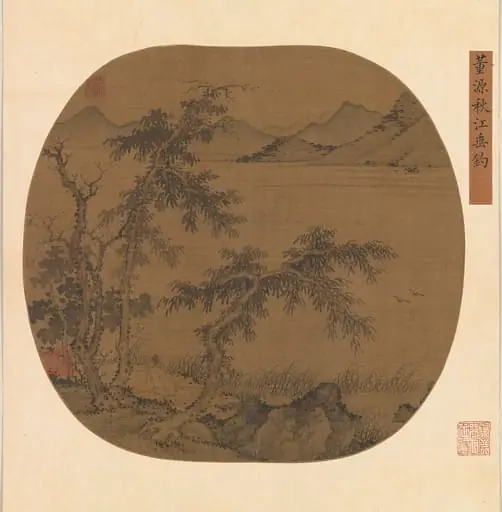
- 元 盛著 秋江垂釣圖 團扇|Angling in the Autumn River
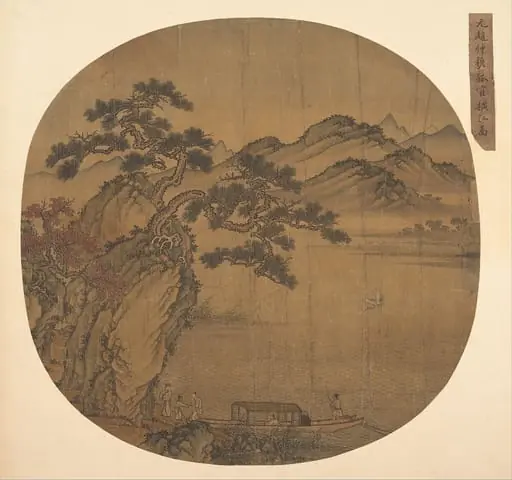 元/明 佚名 舊傳趙雍 倣盛懋 蘇軾後赤壁賦圖 團扇|元/明 佚名 後赤壁賦圖 扇|Illustration of Su Shi's "Second Ode on the Red Cliff"
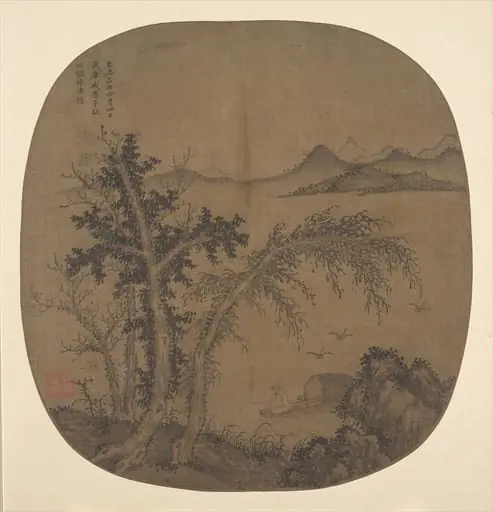 元 盛懋 秋林漁隱圖 團扇|Recluse Fisherman, Autumn Trees
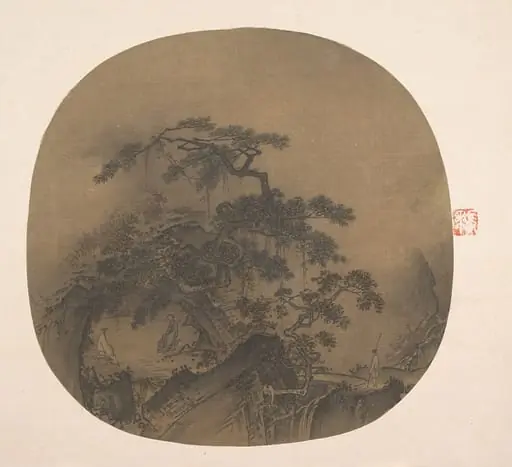 南宋 佚名 洞天論道圖 團扇|Conversation in a cave
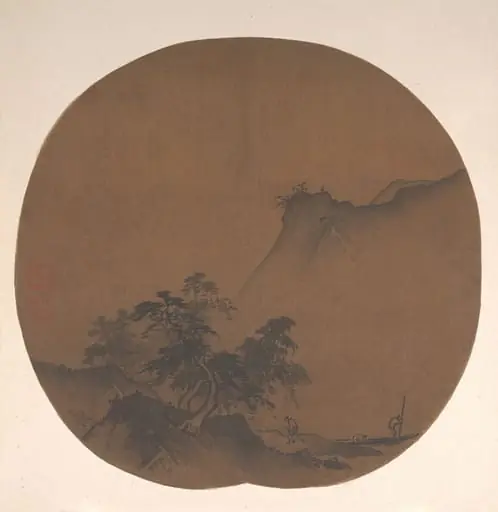 南宋 傳夏珪 澤畔疾風圖 團扇|Windswept lakeshore
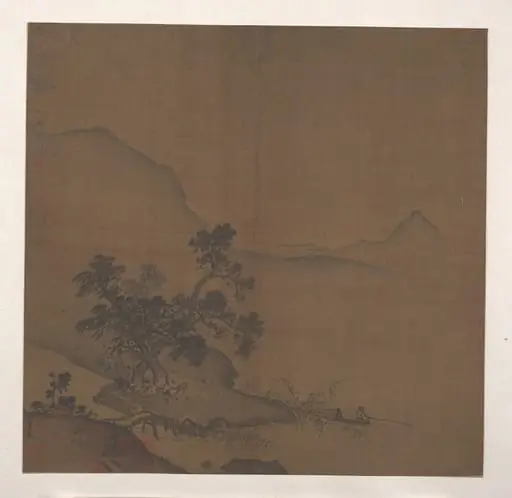 Untitled
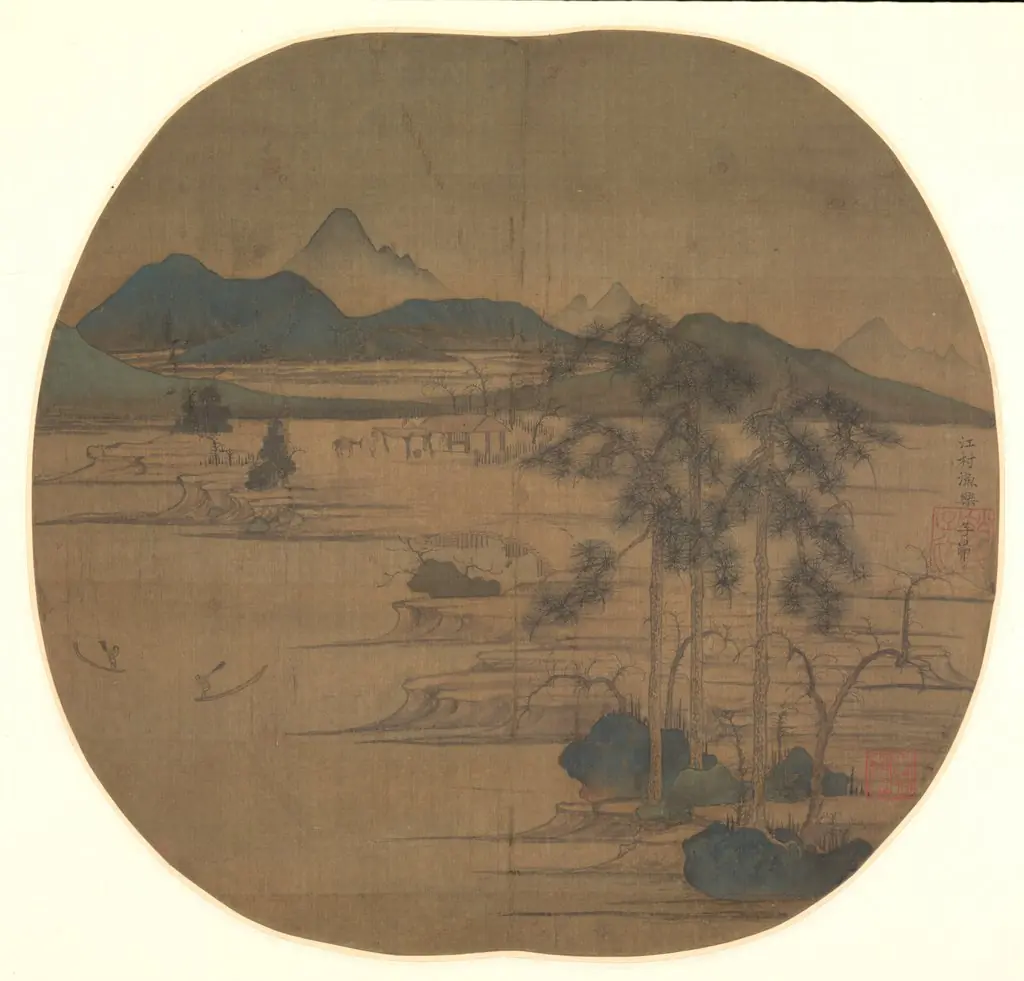 River Village: Fisherman's Joy
 Untitled
 南宋 佚名 春山曛暮圖 團扇|Early spring landscape
 Untitled
 Untitled
 南宋 佚名 江邨圖 團扇|River Hamlet