Artwork
明 姚綬 文飲圖 卷|Drinking and Composing Poetry
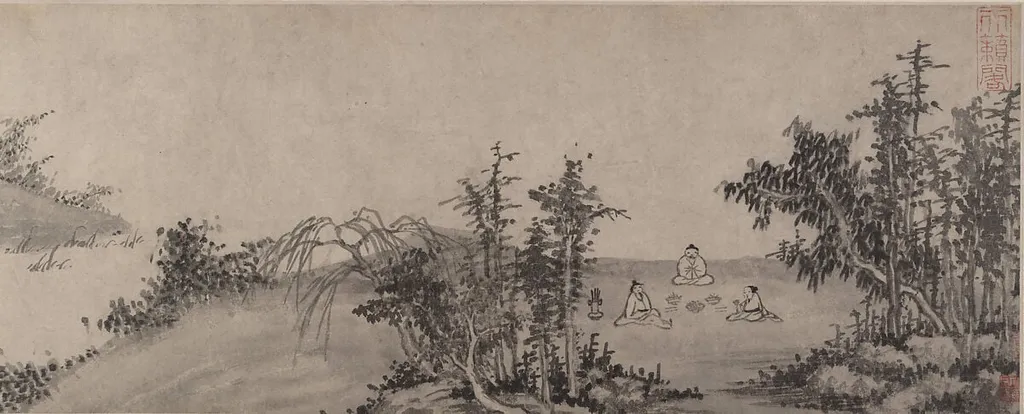
明 姚綬 文飲圖 卷|Drinking and Composing Poetry is an ink painting by the Ming dynasty painting artist Yao Shou. It dates from 1485 and is held in the collection of the Metropolitan Museum of Art.
About this work
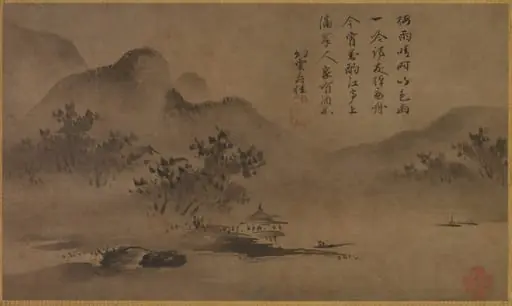
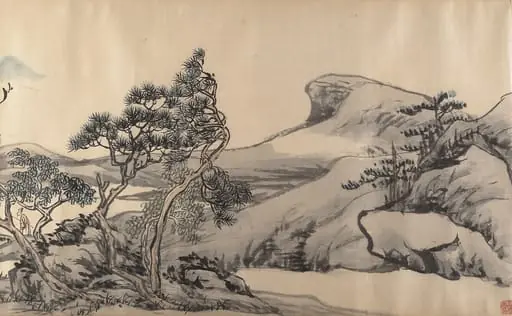
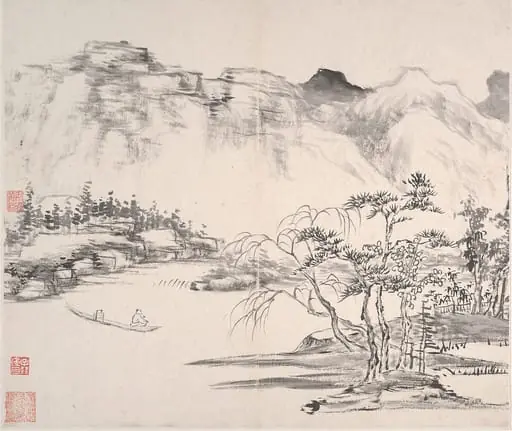
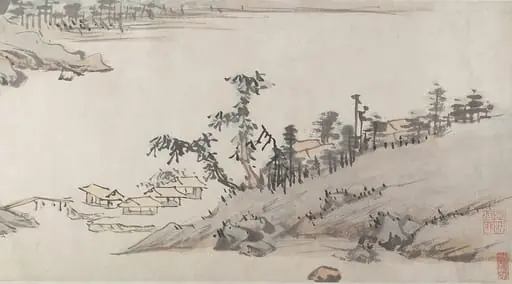
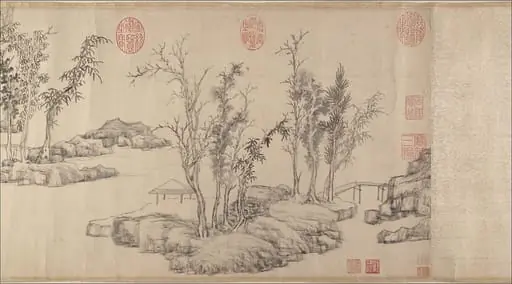
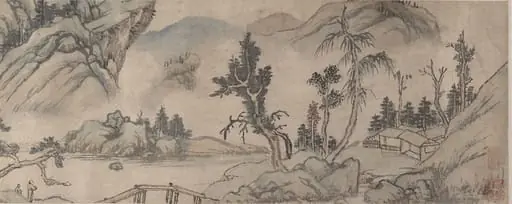
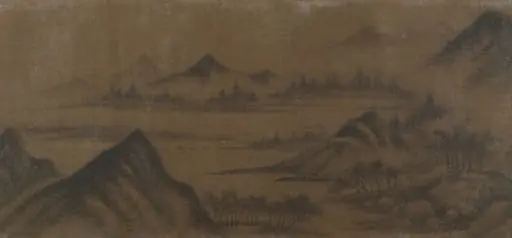
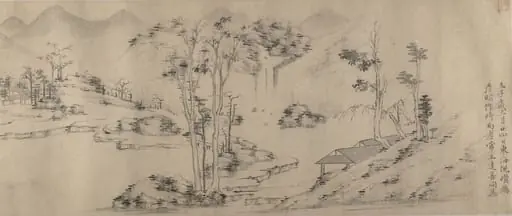
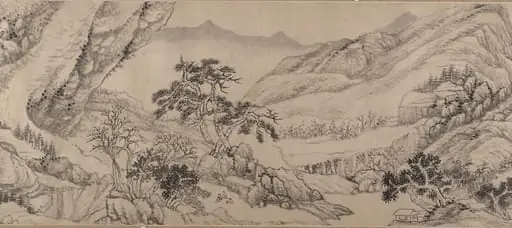
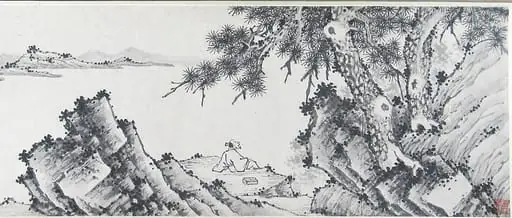
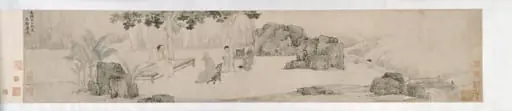
Scholars in robes sit under pine trees on a long handscroll, sipping wine and writing poems. The trees come in quick dry strokes, black ink and no color, yet the brushwork stays precise. Yao Shou painted it in 1485, when friends gathering in nature stood for culture and quiet moments.
Subject & Meaning
The work reflects the cultural context of the mid-Ming period, where such leisurely activities symbolized refinement and moral virtue.
The handscroll, titled Drinking and Composing Poetry, portrays a solitary male figure seated in a naturalistic landscape while holding a wine vessel and writing poetry. This composition merges figural presence with an idealized scenery, embodying the literati practice of integrating poetry and painting to express scholarly contemplation. The work reflects the cultural context of the mid-Ming period, where such leisurely activities symbolized refinement and moral virtue.
The depiction of a man within a landscape underscores the thematic focus on harmonious engagement between humanity and nature.
Technique & Style
Drinking and Composing Poetry is executed as a handscroll in ink on paper, a traditional Chinese format suited to sequential viewing and literary themes. The work is classified as a landscape painting and is dated 1485, falling within the mid-Ming dynasty period when monochrome ink on paper handscrolls were a dominant mode for literati expression. The medium and support are consistent with Yao Shou's documented practice as a scholar-artist working in the Wu School tradition, where ink handling and brush modulation carry expressive weight.
History & Provenance
The handscroll Drinking and Composing Poetry was created by the Chinese artist Yao Shou in 1485. Executed in ink on paper, the work falls within the landscape genre and depicts a solitary figure engaged in literary and drinking activities. It is currently held in the collection of the Metropolitan Museum of Art, where it serves as a representative example of 15th-century Chinese landscape painting. No specific accession or inventory number and no exhibition history are detailed in the available records.
Context
Yao Shou's handscroll Drinking and Composing Poetry, dated 1485, exemplifies mid-Ming-period Chinese landscape painting. Executed in ink on paper, the work portrays a solitary figure within a natural setting, reflecting the literati tradition of integrating poetry and visual art. Its inclusion in the Metropolitan Museum of Art's collection underscores its significance as a representative example of 15th-century Chinese artistic practice, offering insight into the cultural milieu of scholar-officials who pursued poetic expression through painting.
Overview
Created in 1485, Drinking and Composing Poetry is a handscroll by the Ming dynasty artist Yao Shou (1422–1495). Executed in ink on paper, the work depicts scholars gathered beneath pine trees, engaged in the refined pursuits of drinking wine and composing verse. The composition utilizes the traditional long, narrow format of the handscroll to guide the viewer through a narrative sequence of leisurely scholarly activity.
Yao Shou employs quick, dry brushstrokes to render the trees and landscape elements, creating a textured, monochromatic aesthetic that emphasizes the calligraphic quality of the ink. Despite the relaxed demeanor of the figures, the brushwork remains precise and controlled, reflecting the artist's mastery of the literati painting tradition. This piece exemplifies the mid-Ming period's focus on the idealized scholar-official life, where nature serves as a backdrop for intellectual and artistic exchange.
As a mature work by Yao Shou, who was known for his integration of Song and Yuan dynasty styles, the scroll demonstrates his ability to balance expressive spontaneity with structural rigor, contributing to the enduring legacy of literati landscape painting in China.
Artist & collection