Artwork
Untitled
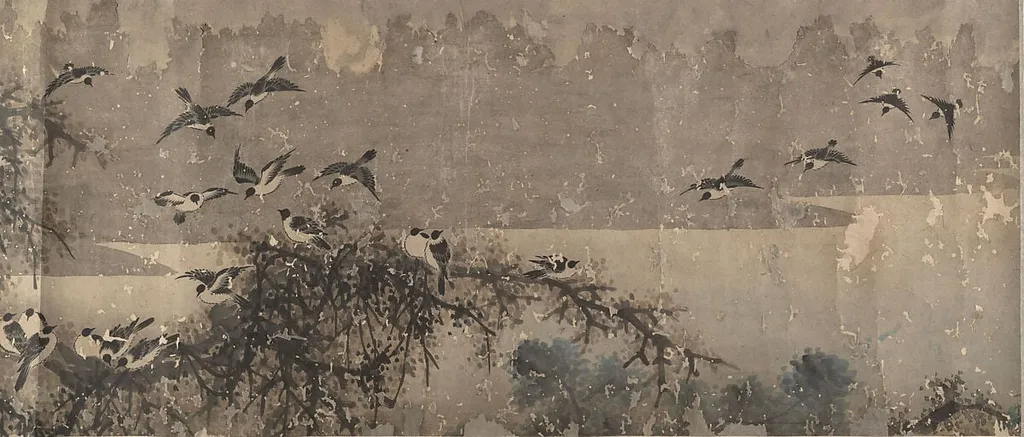
Untitled is an ink painting by the Baroque artist Zha Shibiao. It dates from 1656 and is held in the collection of the Metropolitan Museum of Art.
About this work
Subject & Meaning
Zha Shibiao's 1656 Untitled handscroll operates within the landscape painting genre, depicting a natural environment that integrates both terrain and avian figures. The inclusion of birds alongside the landscape introduces symbolic dimensions common to Chinese painting, where avian subjects often represent freedom, transcendence, or the literati's retreat from worldly affairs. By embedding these birds within a broader landscape context, the work likely represents a philosophical or poetic vision of harmony between the creature and its natural surroundings, reflecting the artist's inner landscape and ideals of reclusion rather than a mere topographical record.
Technique & Style
The medium combines monochrome ink with applied color, a technique characteristic of seventeenth-century Chinese landscape painting.
This untitled work by Zha Shibiao is executed as a handscroll using ink and color on paper, a traditional Chinese format that allowed the landscape composition to unfold horizontally. The medium combines monochrome ink with applied color, a technique characteristic of seventeenth-century Chinese landscape painting. The scroll depicts a landscape setting incorporating birds, consistent with the conventions of the genre.
Held in the Metropolitan Museum of Art, the work is classified as a painting within the landscape tradition.
History & Provenance
Created in 1656 in China, this handscroll titled Untitled was executed by the artist Zha Shibiao using ink and color on paper. The work, which depicts a landscape featuring a bird, is currently held in the collection of the Metropolitan Museum of Art. While the specific circumstances of its commission and the detailed chain of ownership prior to its museum acquisition are not recorded in the available data, the piece is firmly attributed to Zha Shibiao with an inception date of 1656. It remains classified as a landscape painting within the museum's holdings.
The handscroll is held in the collection of the Metropolitan Museum of Art. According to Wikidata records, the work is cataloged as part of that museum's holdings, with the institution identified as both its collection and its location. The painting, dated to 1656, was produced in China and entered the Metropolitan Museum's collection as a landscape painting by Zha Shibiao. No specific accession number or detailed exhibition history is documented in the available sources.
Overview
Created in 1656, this handscroll by Zha Shibiao (1615–1698) exemplifies the artist's distinctive approach to landscape painting during the transition from the Ming to the Qing dynasty. Executed in ink and color on paper, the work depicts a serene natural scene featuring mountains, trees, and two small birds perched on a branch. Unlike the bold, monochromatic ink styles prevalent among many of his contemporaries, Zha employs a soft, diluted application of pigment, utilizing faint washes of pink and green to create a delicate, atmospheric effect.
The composition unfolds across the long, narrow format of the scroll, guiding the viewer through a quiet, contemplative environment. This piece reflects Zha Shibiao's reputation for a refined, understated aesthetic that diverged from the more vigorous brushwork typical of the era. As a work from the mid-17th century, it highlights the diversity of artistic expression within the literati tradition, showcasing a sensitivity to color and mood that anticipates later developments in Chinese painting.
The painting remains a significant example of how individual artists navigated the cultural shifts of the period, maintaining a unique voice within the broader landscape genre.
Context
Created in the mid-17th century, Untitled reflects Zha Shibiao's unique artistic voice during a period when many Chinese painters emphasized robust brushwork and strong black ink. His preference for gentle colors and a subdued atmosphere offered an alternative aesthetic. This quiet sensibility, distinct from the more assertive styles of his contemporaries, gives the work a contemplative quality that resonates beyond its historical moment.

Artist & collection


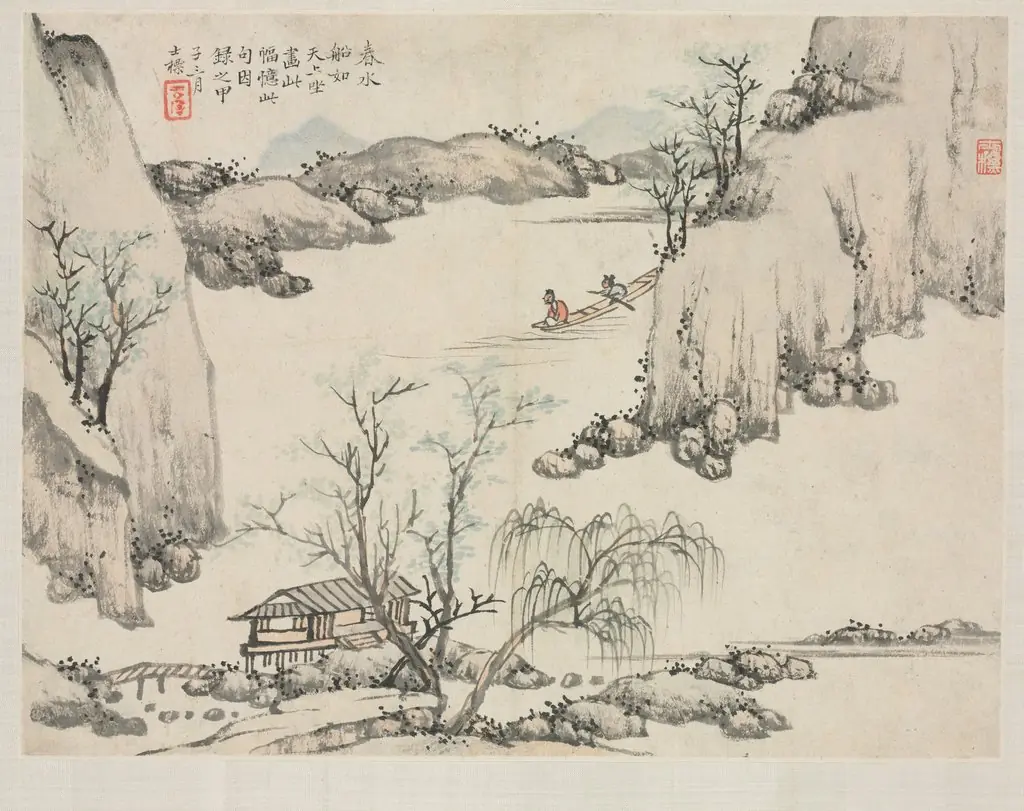 Landscape Album in Various Styles: Boating in Spring Water
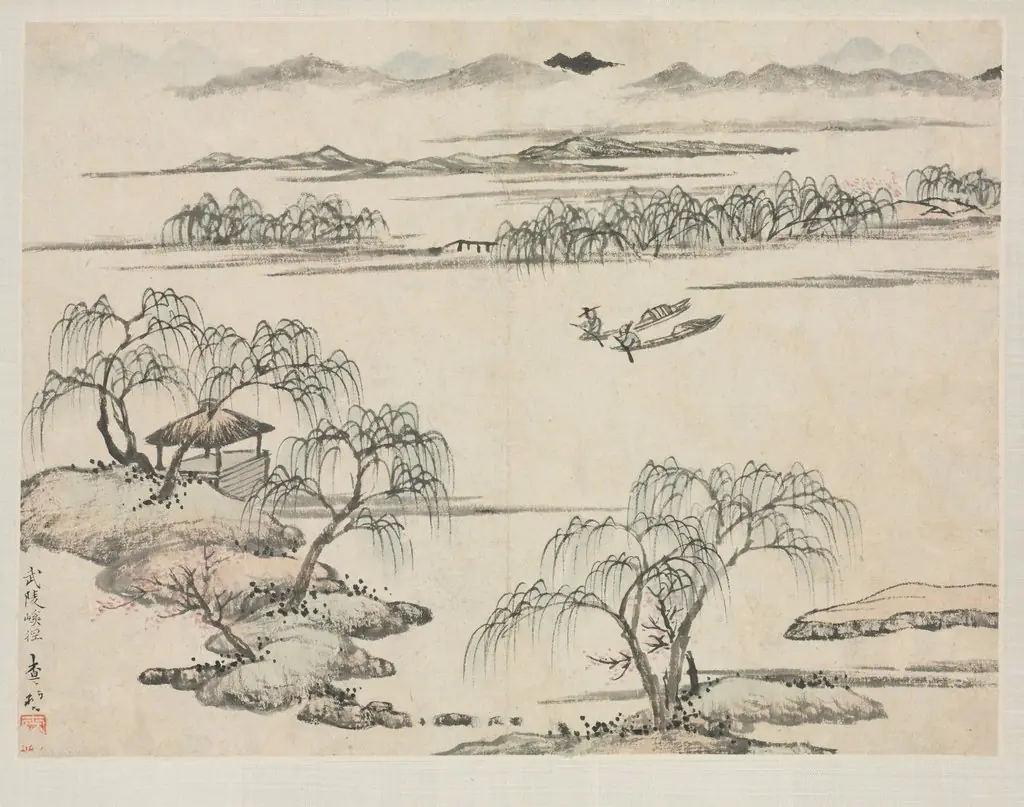 Landscape Album in Various Styles: The Stream of Wuling
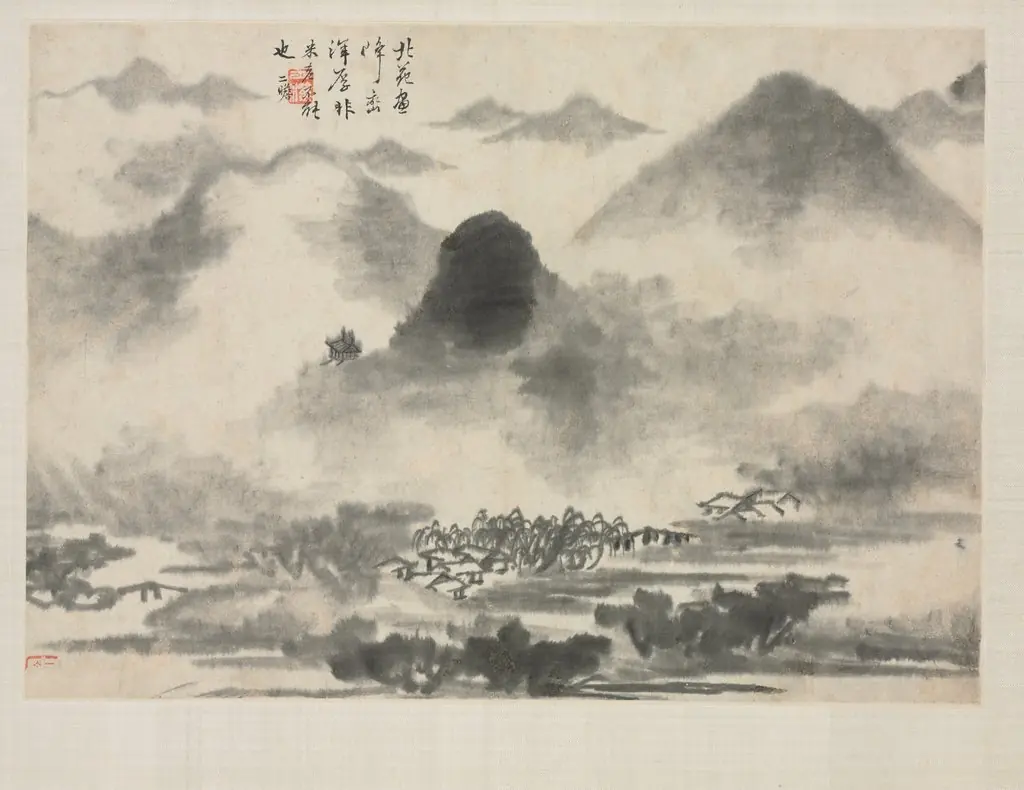 Landscape Album in Various Styles: Landscape after Mi Fei
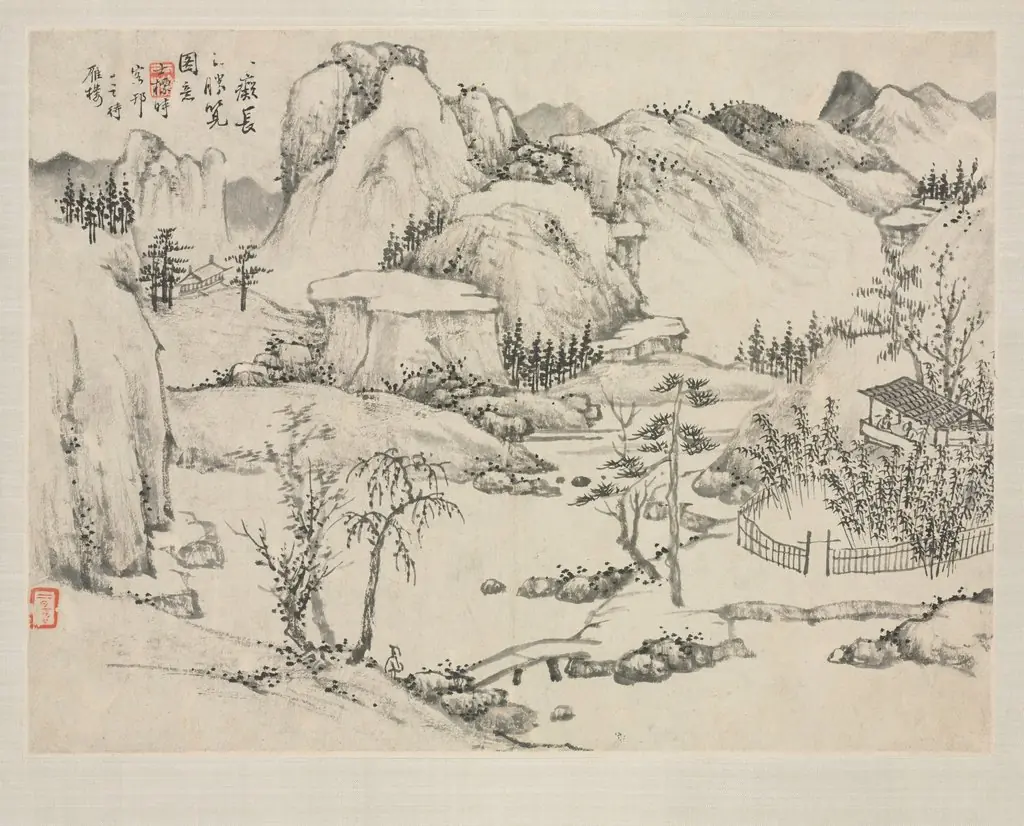 Landscape Album in Various Styles: Scenery of Mt. Changbai after Huang Gongwang
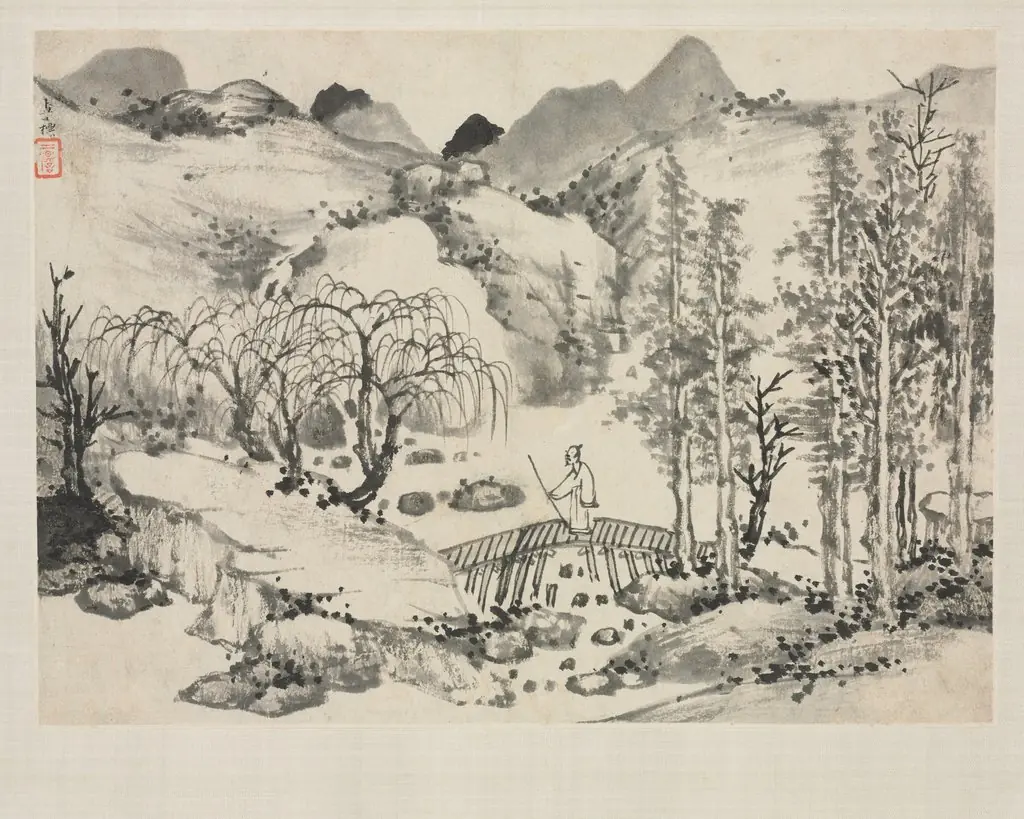 Landscape Album in Various Styles: Landscape with Artist on a Bridge
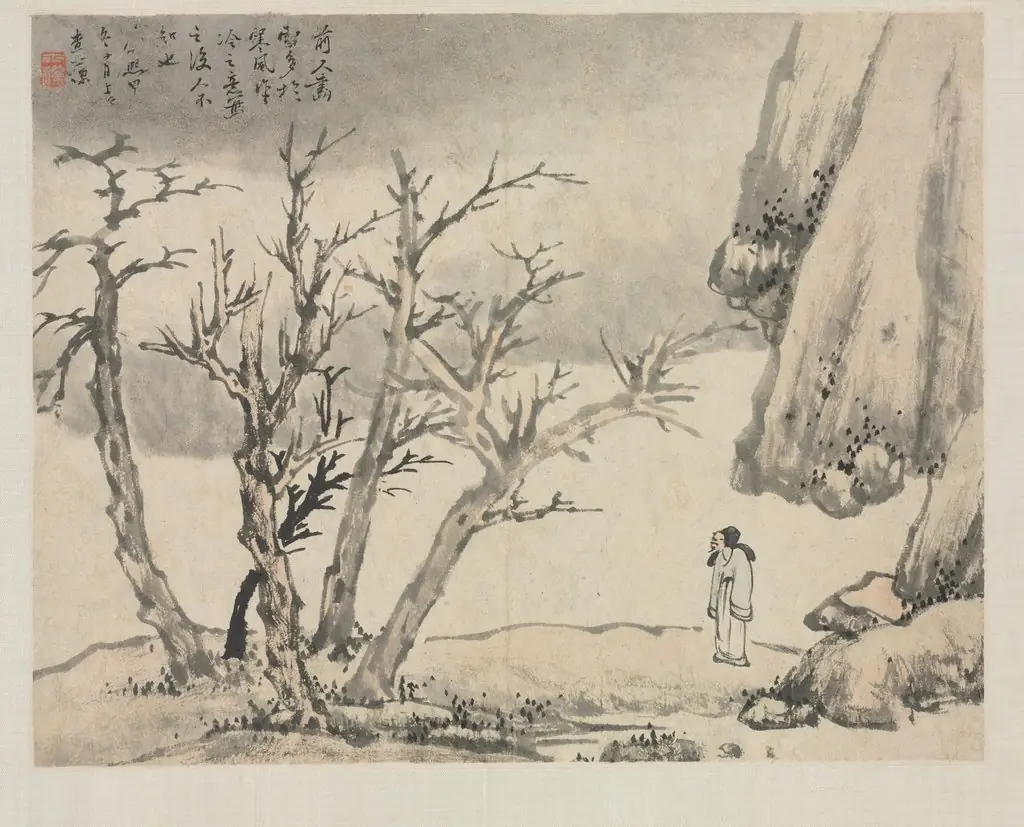 Landscape Album in Various Styles: Snowy Landscape
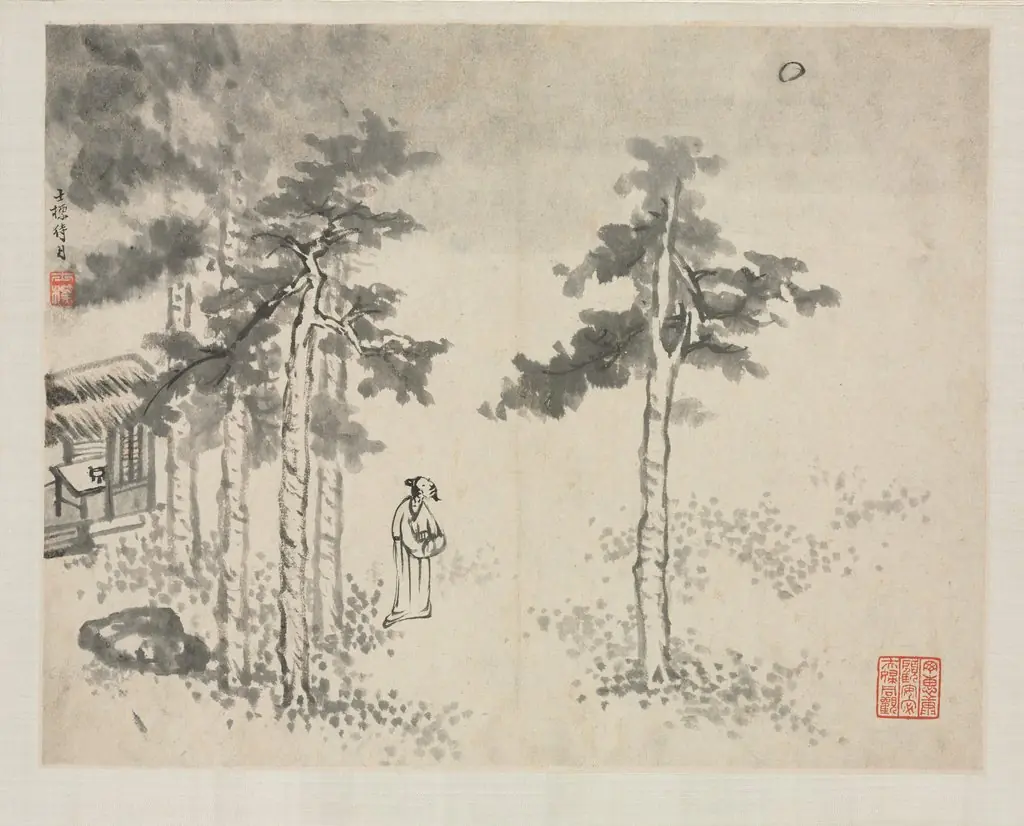 Landscape Album in Various Styles: Shibiao Waiting for the Moon
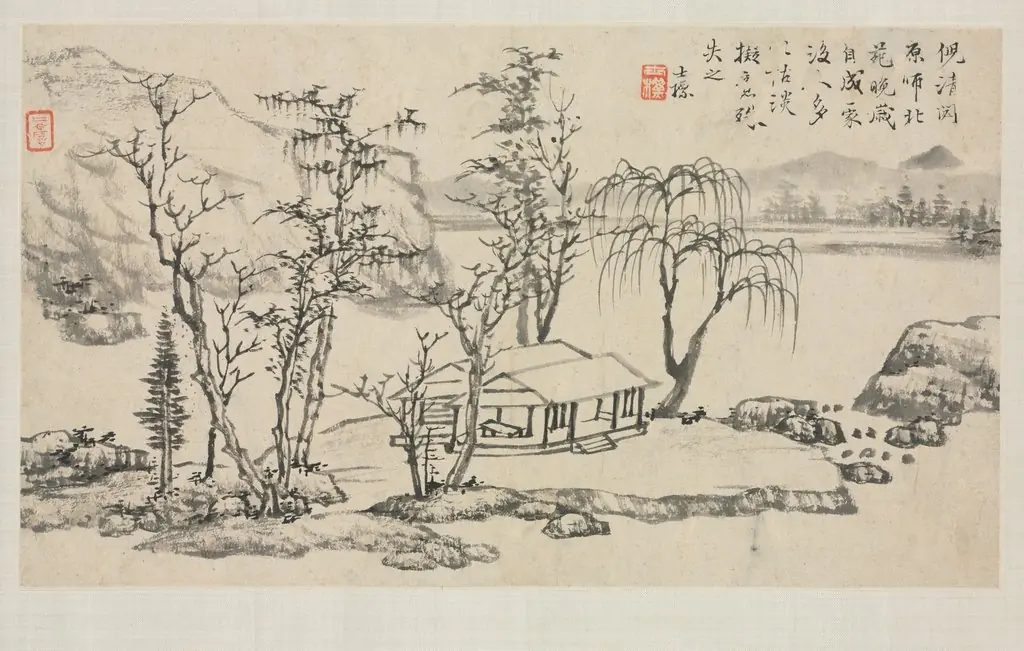 Landscape Album in Various Styles: Landscape after Ni Zan
- A Hundred Sparrows in a Lofty Grove
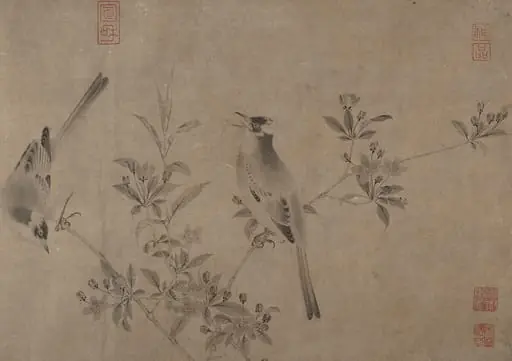 宋? 佚名 傳宋徽宗 白頭海棠圖 卷|Chinese Bulbuls on Flowering Cherry-Apple
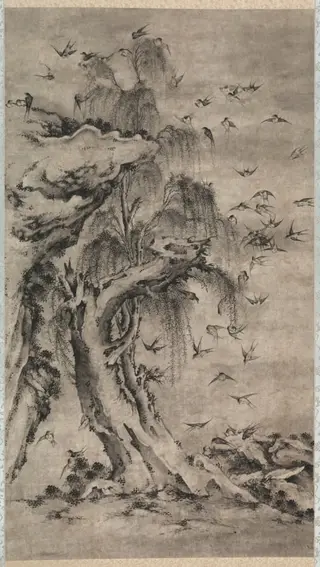 One Hundred Birds
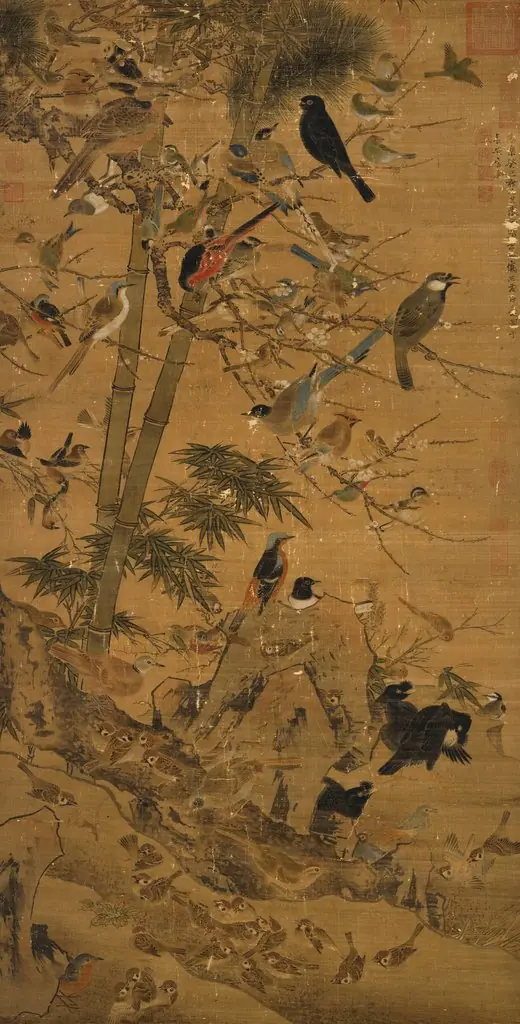 The "Three Friends" and a Hundred Birds
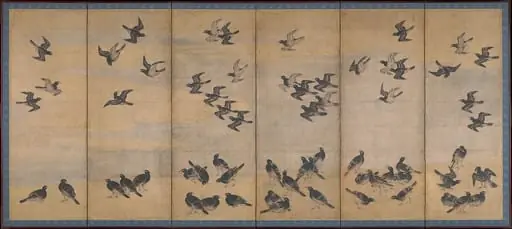 叭々鳥図屏風|Mynah Birds
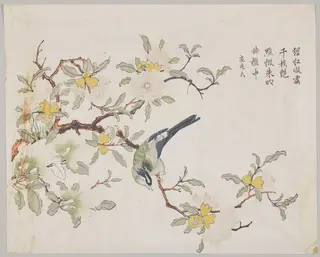 Bird on Pomegranate
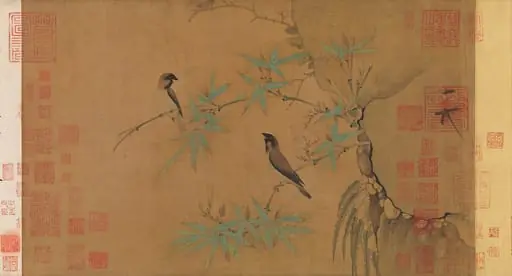 北宋 徽宗 竹禽圖 卷|Finches and bamboo
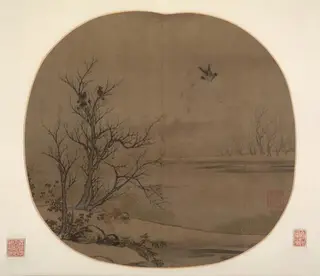 Birds and Ducks on a Snowy Islet
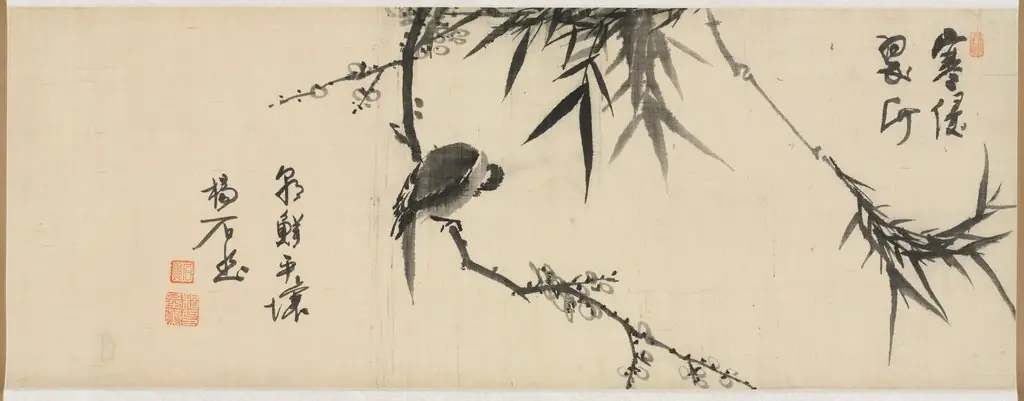 Bird Sleeping on a Plum Tree
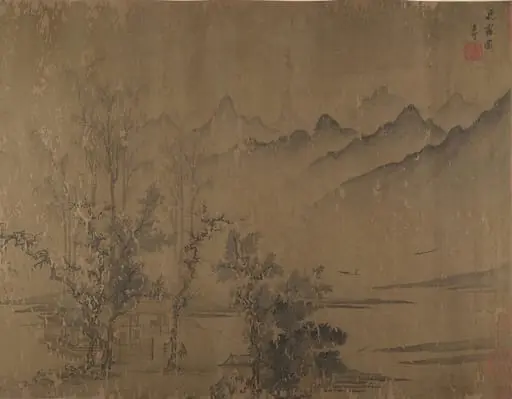 Untitled
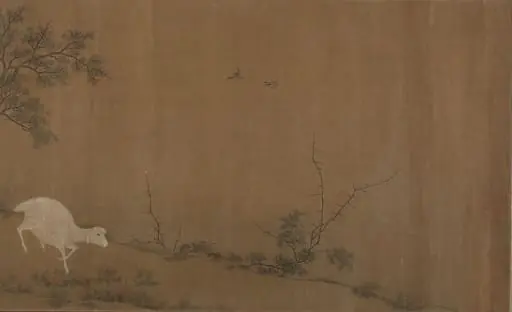 清 佚名 群羊圖卷絹本設色|Landscape with goats
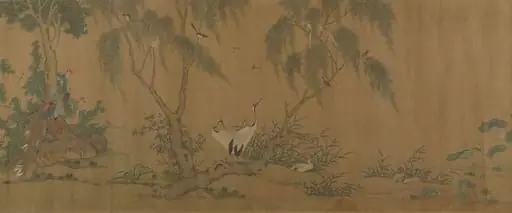 明/清 佚名 林椿(僞款) 百鳥圖 卷|The Hundred Birds