Artwork
Listening to the Sound of Autumn in a Misty Grove
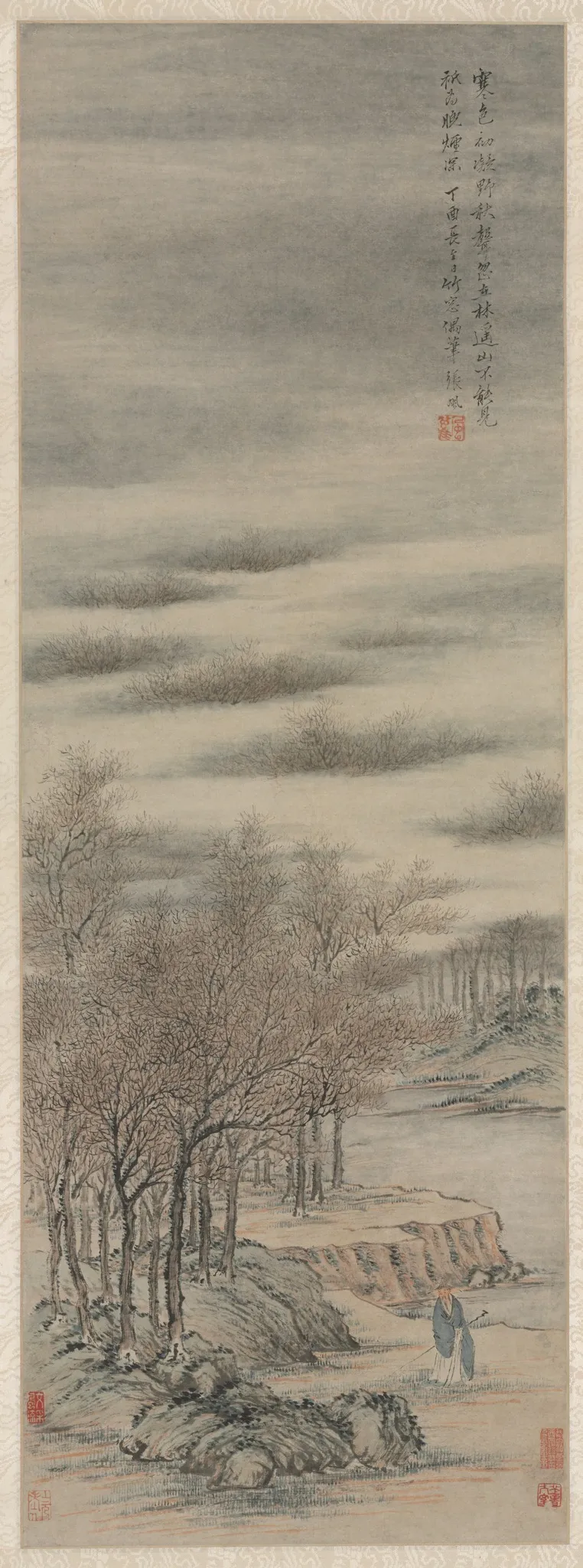
Listening to the Sound of Autumn in a Misty Grove is an unspecified painting by the Qing dynasty painting artist Zhang Feng. It dates from 1657 and is held in the collection of the Cleveland Museum of Art.
About this work
Technique & Style
Listening to the Sound of Autumn in a Misty Grove is an oil painting on canvas created in 1657 in China. The work exemplifies a misty, atmospheric landscape style characteristic of early Qing dynasty Chinese art, with careful handling of tonal gradation to convey depth and mood. It is housed at the Cleveland Museum of Art.
History & Provenance
The artwork is classified as a painting and is documented in the Cleveland Museum of Art's collection records as having been made in China in 1657.
Zhang Feng painted Listening to the Sound of Autumn in a Misty Grove in 1657 in China. The work entered the collection of the Cleveland Museum of Art, where it remains on view.
The painting was created as part of Zhang Feng's oeuvre during the mid-17th century, reflecting contemporary Chinese artistic practice. Its provenance traces directly to the Cleveland Museum of Art, which acquired the work and catalogs it under the accession number 1977.173.
The artwork is classified as a painting and is documented in the Cleveland Museum of Art's collection records as having been made in China in 1657.
The painting Listening to the Sound of Autumn in a Misty Grove by Zhang Feng is housed in the Cleveland Museum of Art collection. It bears the accession number 1977.173. The work has been part of exhibitions at the Cleveland Museum of Art, including the 1977 exhibition of Chinese paintings.
Overview
“Listening to the Sound of Autumn in a Misty Grove,” painted by Zhang Feng in 1657, is part of the Cleveland Museum of Art’s collection. The work depicts a tranquil woodland under a muted sky, where a solitary figure in a blue robe stands beside a rocky ledge, gazing downward amid mist‑shrouded hills.
Subject & Meaning
The composition centers on a lone traveler amid leaf‑stripped trees, suggesting contemplation of nature’s seasonal transition. The muted palette and the figure’s contemplative pose evoke a quiet meditation on the passage of time, aligning with traditional Chinese themes that associate autumn with reflection and the fleeting nature of life.
Context
The work belongs to a broader tradition of Chinese landscape painting that emphasizes personal expression over realistic representation. Executed during the late Ming to early Qing transition, Zhang’s piece reflects the era’s scholarly aesthetic, where artists used nature as a conduit for philosophical introspection.
Artist & collection


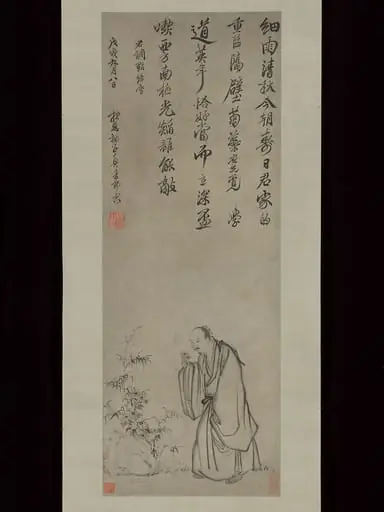
- Autumn Landscape
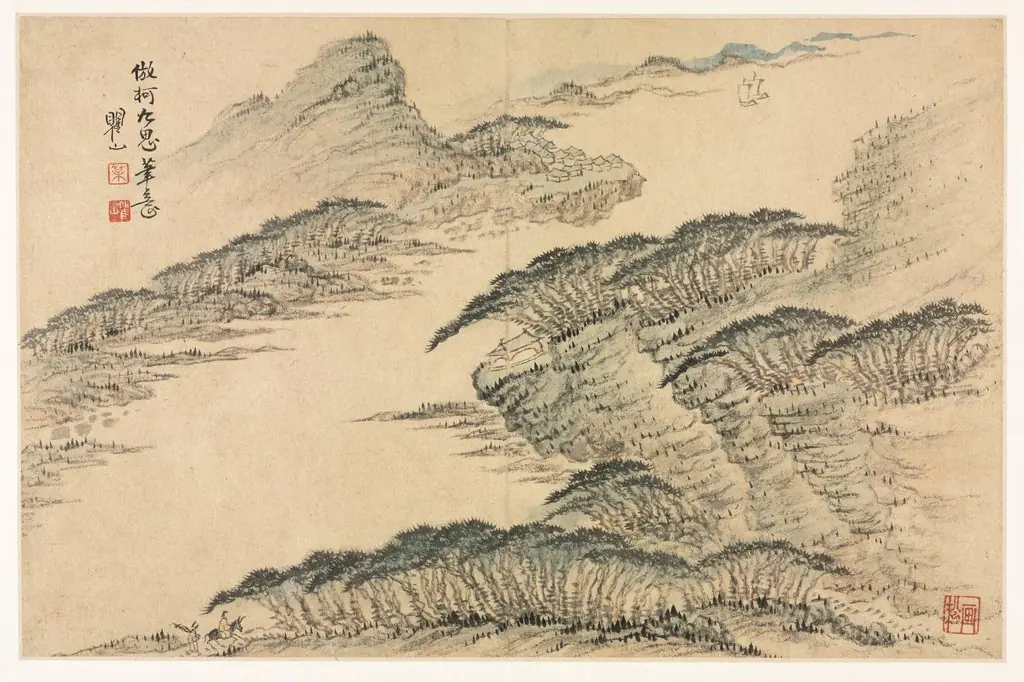 Landscapes in Various Styles after Old Masters
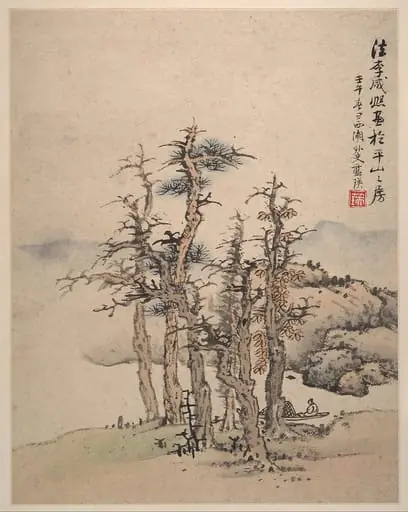 明 藍瑛 仿宋元山水圖 冊|Landscapes after Song and Yuan masters
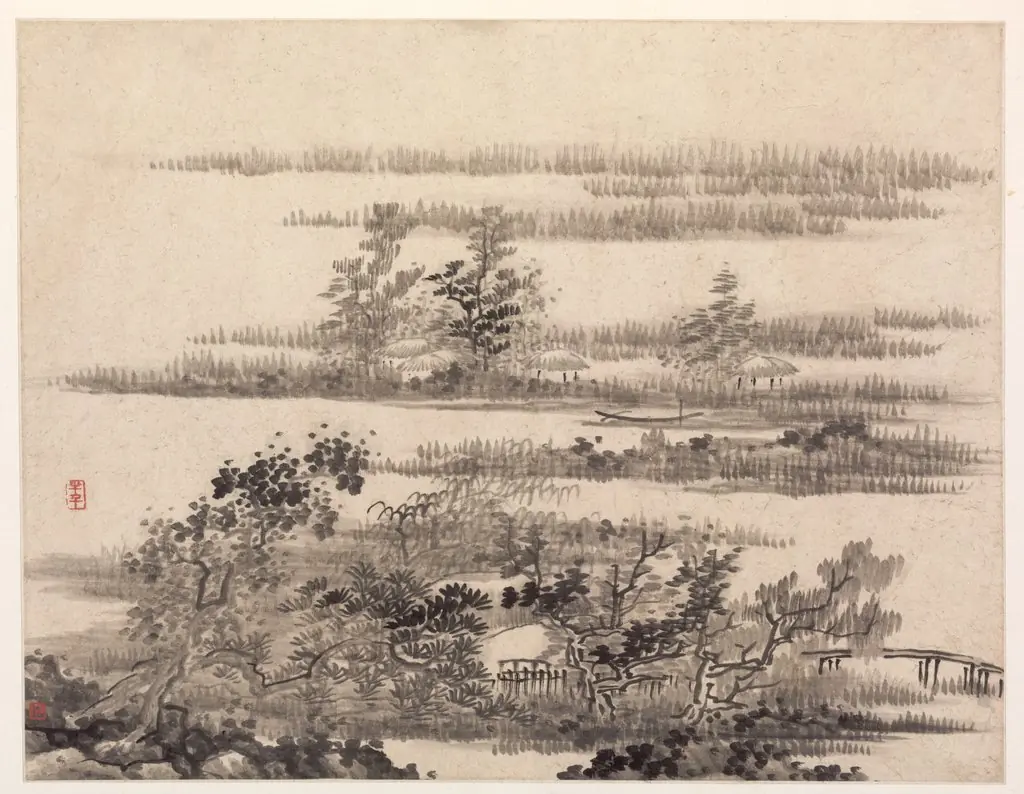 Summer in the Water Country
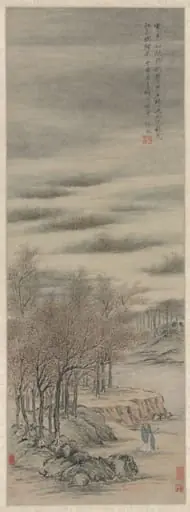 Listening to the Sound of Autumn in a Misty Grove
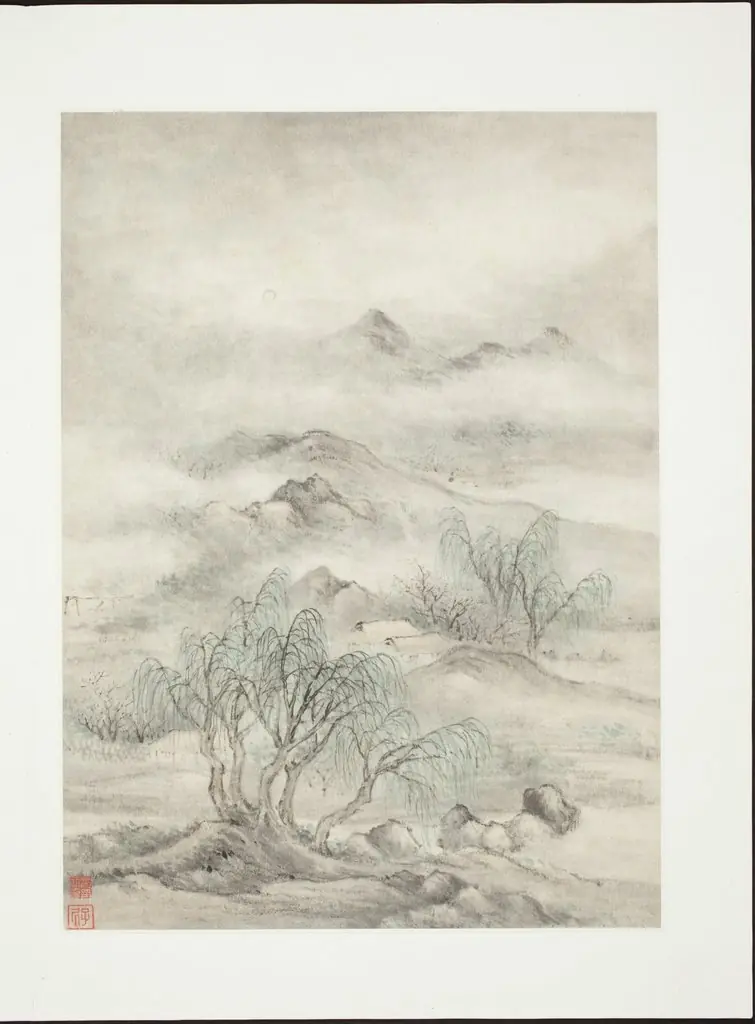 Landscapes After Old Masters
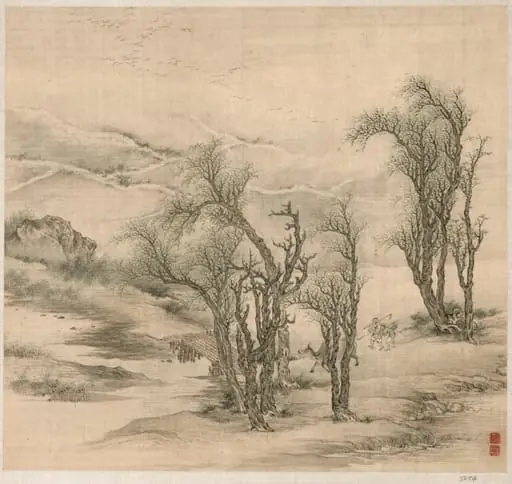 Returning Peasants in a Spring Evening
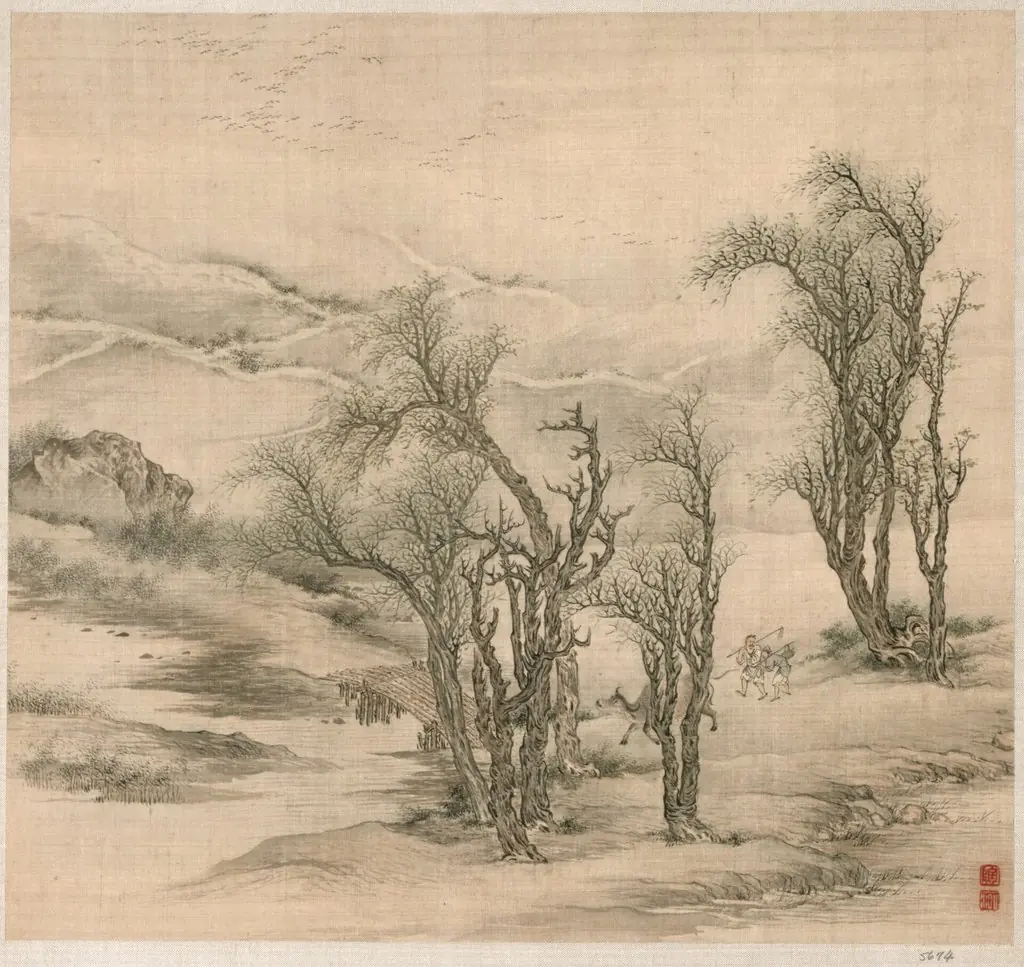 Returning Peasants in a Spring Evening
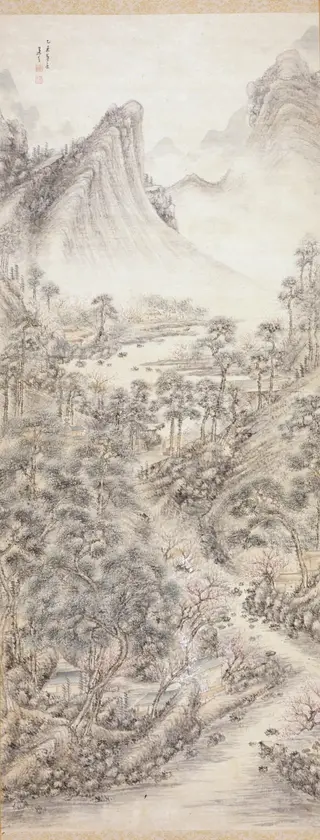 Literati in a Rustic Landscape
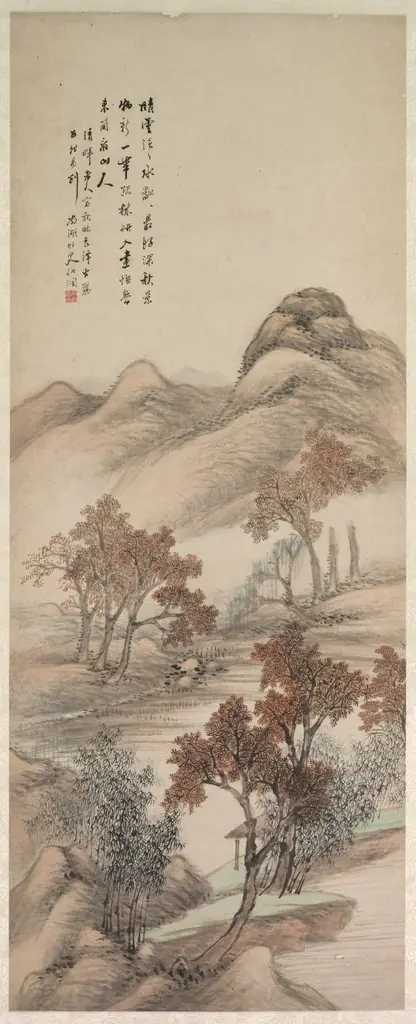 Autumn Landscape
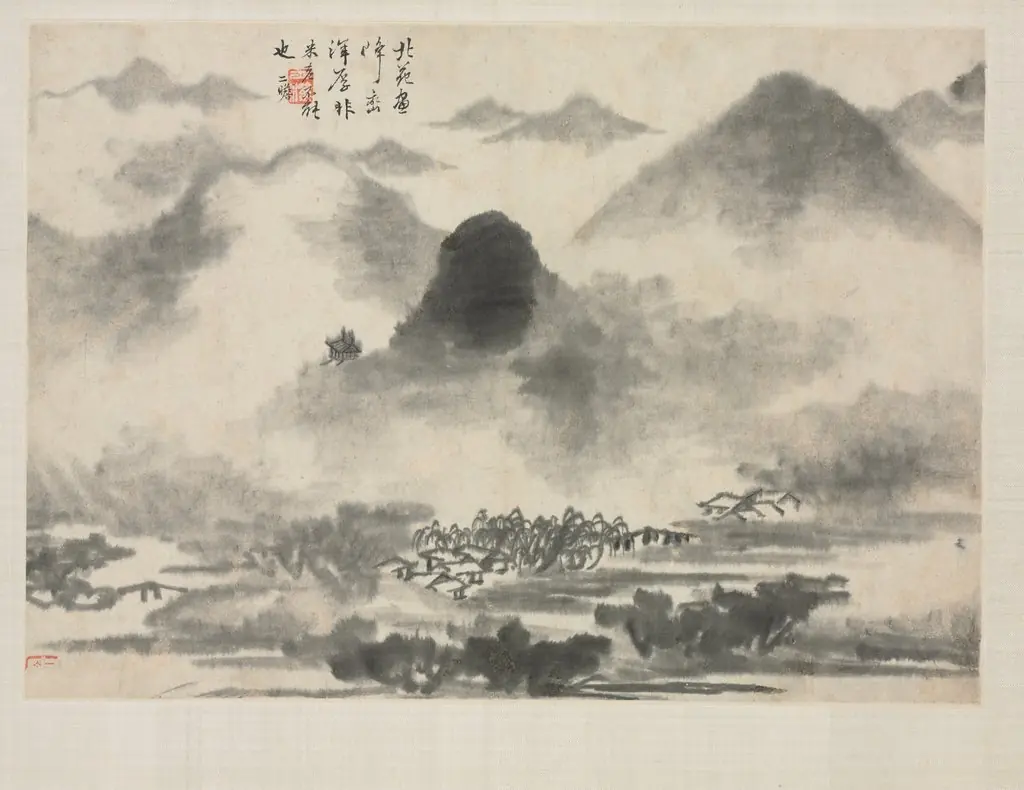 Landscape Album in Various Styles: Landscape after Mi Fei
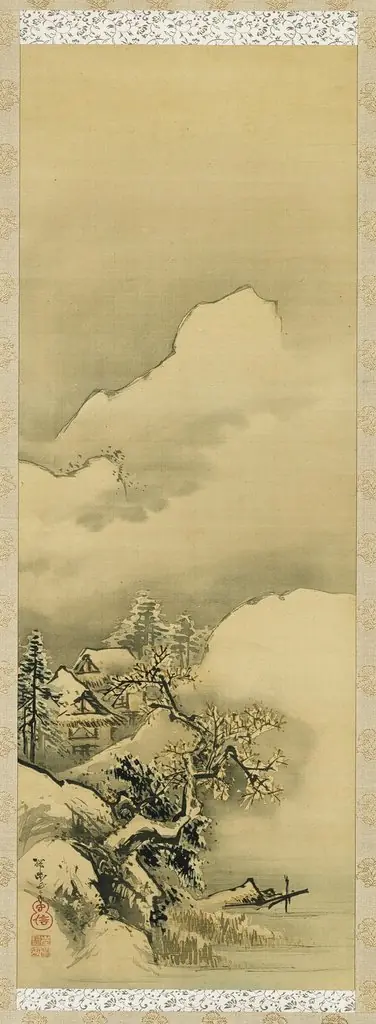 Houses and Trees beneath Snowy Mountains