Artwork
Early Snow on the River

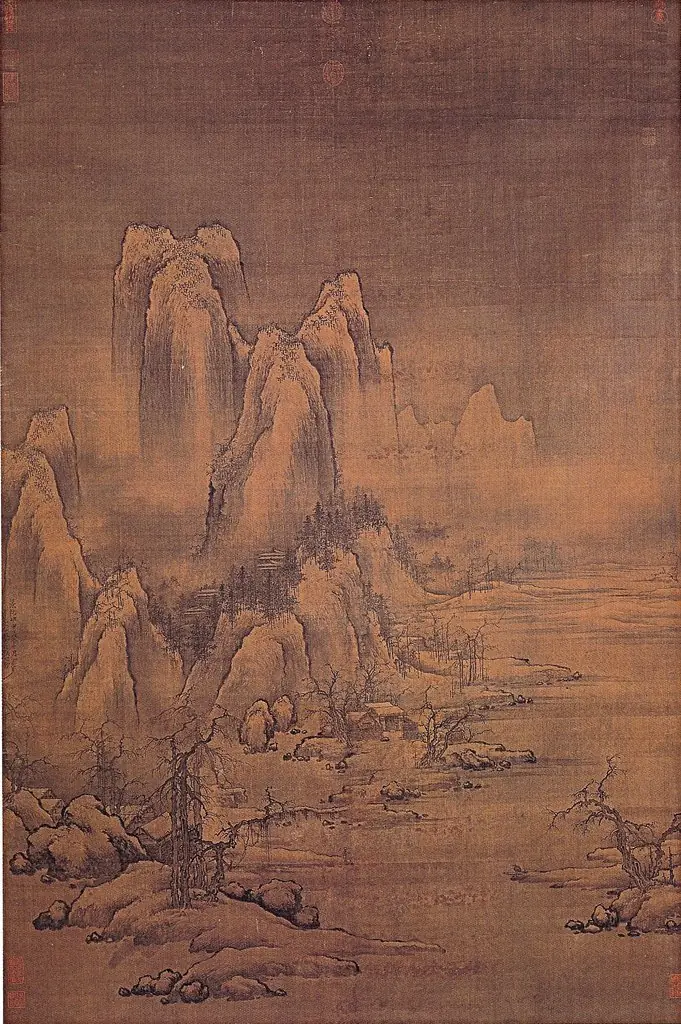
Early Snow on the River is an unspecified painting by the Song dynasty landscape artist Zhao Gan. It dates from 950 and is held in the collection of the National Palace Museum.
About this work
Overview
Early Snow on the River, rendered in traditional Chinese ink on paper, depicts a quiet winter landscape where snow‑capped peaks and barren trees frame a river dotted with a few moored vessels. A solitary fisherman occupies a small boat in the foreground, his activity rendered in subdued brown‑grey tones that emphasize the painting’s tranquil atmosphere.
Subject & Meaning
The composition balances natural and human elements, illustrating the harmonious coexistence of people with a wintry environment. The lone fisherman suggests a contemplative engagement with nature, while the muted palette reinforces a sense of calm and the quiet endurance of daily life during the cold season.
Technique & Style
Executed in the shanshui tradition, the work employs brush‑and‑ink techniques characteristic of the Five Dynasties and Ten Kingdoms period. Monochromatic washes of ink create depth and texture, while delicate line work defines the snow‑laden mountains and the rippling water, exemplifying the era’s emphasis on atmospheric suggestion over precise detail.
History & Provenance
Attributed to Zhao Gan, a 10th‑century painter, the piece is the sole surviving example of his oeuvre. Seal impressions on the scroll indicate that it entered the collections of successive Chinese imperial households, confirming its status as a valued court artwork before its eventual transfer to the National Palace Museum in Taipei.
Context
As a representative of early shanshui painting, the work reflects the period’s growing interest in rendering natural scenery as a vehicle for philosophical reflection. Its preservation and continued display provide insight into the aesthetic values of the Five Dynasties era and inform later developments in Chinese landscape painting.
Artist & collection
Artist
Zhao Gan’s surviving scrolls show misty riverbanks and twilight villages in ink on silk, quiet scenes from the 10th-century Northern Song court tradition.

 The Crossing of the Yangzi River
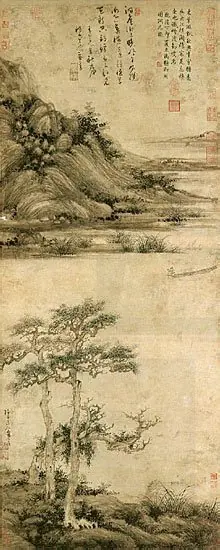 Fishing in Reclusion on Lake Tung-t'ing
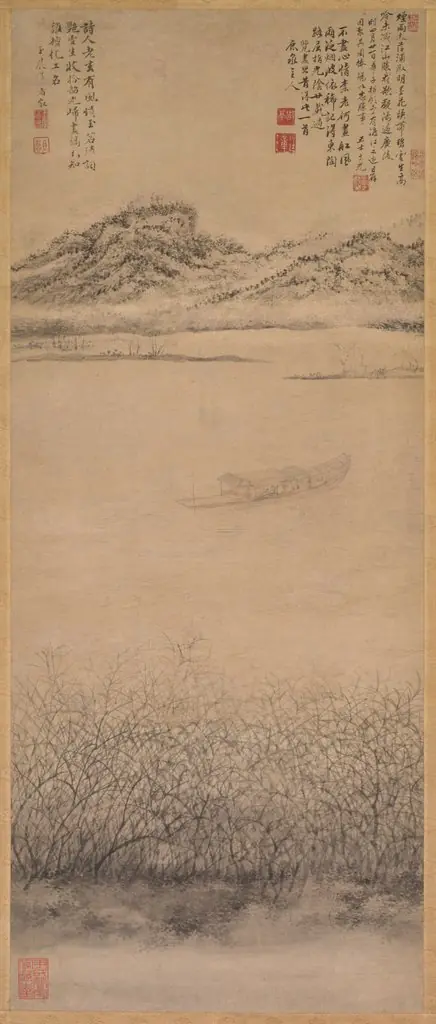 The Crossing of the Yangzi River
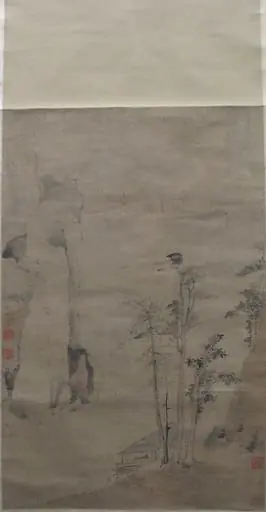 清 佚名 舊傳陸治 秋林圖 軸|An Autumnal Grove
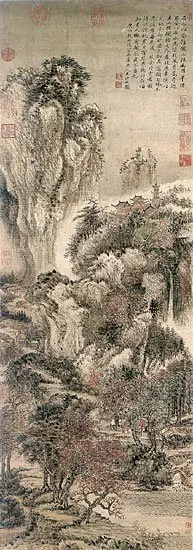 Mountains, Rivers, and Autumn-tinted Trees
 Copy of Painting inside the Caves of Ajanta (cave 2)
 "Seventh Month" from the Odes of Bin
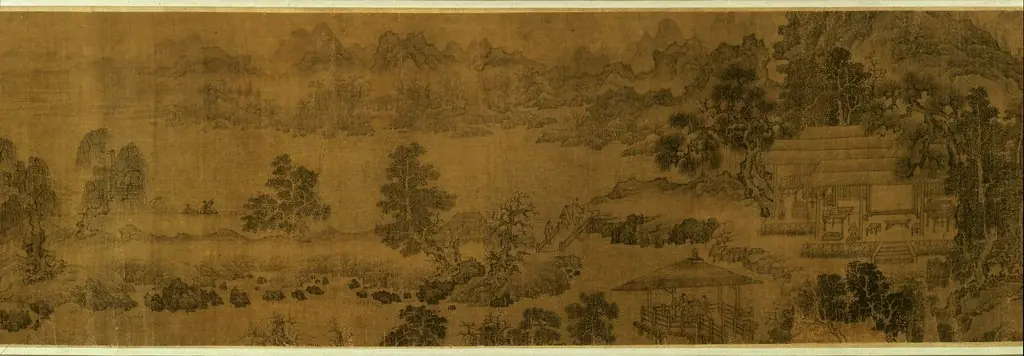 The Wangchuan Villa
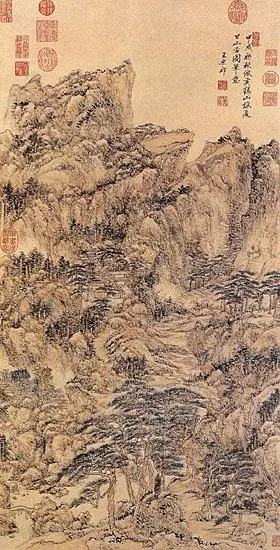 After Wang Meng's Mountain Dwelling on a Summer Day
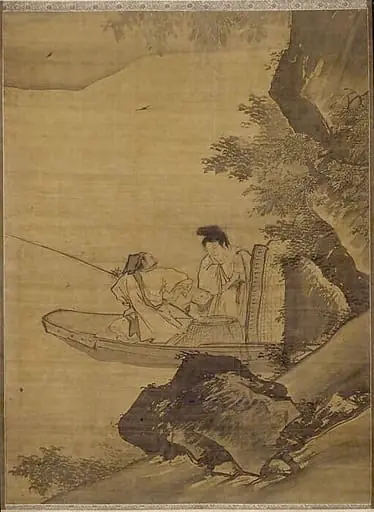 明 傳張路 溪畔漁家圖 軸|Fisherman and family