Artist
Subject
Gilding
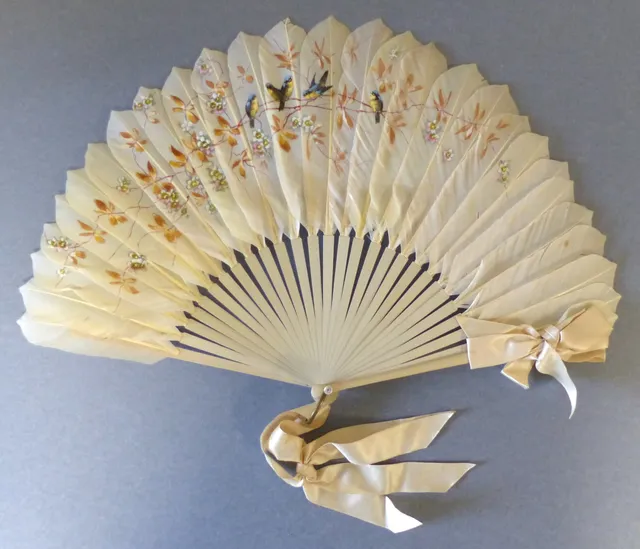
Gilding is a subject in art. The gallery holds 29 works in this subject in art, including works by L. Guichard.
Gilding is a decorative technique for applying a very thin coating of gold over solid surfaces such as metal (most common), wood, porcelain, or stone. A gilded object is also described as "gilt".
Key artists
Overview
Gilding is the decorative technique of applying an extremely thin coating of gold over solid surfaces such as metal, wood, porcelain, or stone. The term also describes the resulting object, which may be called "gilt." The practice appears across 43 works in the collection, where it figures on objects ranging from folding fans and feather fans to carnet-de-bal cases and cabriolets. Materials used include gold leaf, metal powder, and various binders. The technique offers the appearance of gold at a fraction of the cost and weight of solid gold, while the surface resists tarnishing better than silver. Methods fall into two broad categories: mechanical processes such as hand application of gold leaf, and chemical or electrochemical processes including fire-gilding and electroplating.
Iconography & meaning
Gold's unique resistance to oxidation made it a symbol of immortality and the divine in antiquity, particularly in ancient Egypt where the metal was first extensively employed deliveries of gilded wood and metal are attested by Herodotus and confirmed archaeologically. Because gold does not tarnish, gilded surfaces carried connotations of permanence, sacred value, and prestige. In religious contexts, gilding elevated cult objects and architectural elements, while in secular settings it signaled wealth and status. The French tradition emphasizes that the metal's ductility allowed craftsmen to preserve fine surface details of the underlying support, ensuring that symbolic or narrative elements remained legible beneath the luminous skin patch. Partial gilding, or parcel-gilt, could also direct attention by contrasting gleaming and matte areas, creating hierarchies of visibility and meaning within a single object.
Across movements & periods
The history of gilding stretches from the third millennium BC to the present. The earliest known example, the Ram in a Thicket from Ur (2600-2400 BC), used gold foil over wood with bitumen adhesive, a technique described in Homer's Odyssey and the Old Testament. Ancient Egyptian craftsmen gilded wood and metals extensively. In Greece, prestige chryselephantine statues combined gold and ivory, though these used gold sheets over timber rather than true gilding. At Rome, Pliny the Elder recorded the introduction of gilding after the destruction of Carthage under Lucius Mummius, when temple and palace ceilings became the first surfaces to receive the treatment; the practice quickly spread to walls, vaults, and even modest dwellings. Fire-gilding of metal dates to at least the 4th century BC, while mercury-gilding was invented by Chinese Daoists in the 4th century CE and later described by Pliny, Vitruvius, and the medieval monk Theophilus. In China, gilt-bronze predominated, whereas Europe favored silver-gilt (vermeil). The French developed porcelain gilding, later adopted by other European potters. Modern industrial gilding emerged with electroplating in the 19th century, pioneered by Christofle, whose galvanic gilding crowned the basilica of Notre-Dame-de-la-Garde in Marseille under Napoleon III. Today, galvanic processes dominate industry, though traditional water gilding and oil gilding persist in framemaking, woodworking, bookbinding, and restoration.
Notable depictions
Specific named works in the sources highlight the range of gilded objects across cultures and periods. The Ram in a Thicket from Ur demonstrates early Mesopotamian mastery of overlaying gold foil on wood. In the classical world, the ceiling coffers of the Propylaea in Athens displayed extensive ornamental gilding. The Demidoff Vase, created by Pierre-Philippe Thomire in 1819, represents the apex of mercury-gilding (or moulu) applied to Empire-style bronze and malachite ornamentation; standing 1.715 meters high, it was commissioned by Count Nicolas Demidoff for his Villa San Donato near Florence and later acquired by the Metropolitan Museum of Art in 1944. In the modern era, Christofle's galvanic gilding of the statue atop Notre-Dame-de-la-Garde in Marseille marked a technological turning point. Contemporary practice still sees gilding on the Dôme des Invalides, the Opéra Garnier, and Burmese Buddhist stupas such as the Shwedagon Pagoda, as well as on ecclesiastical ironwork, commemorative plaques, and picture frames.
Legacy
The legacy of gilding resides in its persistent association with value, permanence, and the sacred, even as technologies have evolved from hammered foil to electrochemical deposition. The technique's survival in specialized crafts, against the dominance of industrial galvanic methods, testifies to the enduring demand for the particular luminosity that only gold leaf provides. Contemporary expressions in Dutch include "de bittere pil vergulden" (to gild the bitter pill), deriving from the historical practice of coating unpalatable medicines in gold leaf to mask their taste. The idiom "verguld zijn" (to be gilded) conveys honor or privilege. Meanwhile, traditional skills such as reverse gilding on glass, documented by Cennino Cennini in Il Libro dell'Arte, have become rare, practiced by only a handful of specialists in the Netherlands, America, and England. The Korean technique of Keum Boo, fusing thick gold foil to silver or steel, has gained traction among Western metalsmiths, demonstrating ongoing cross-cultural fertilization.
Works
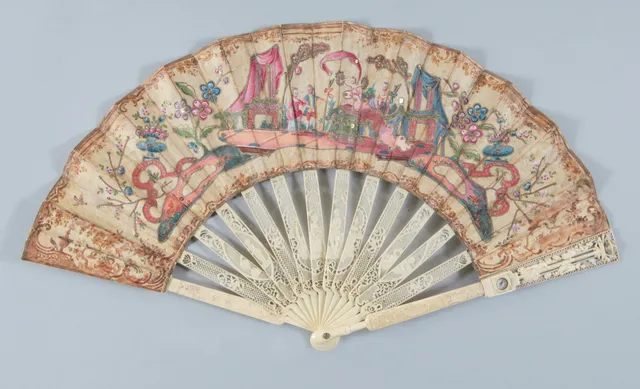
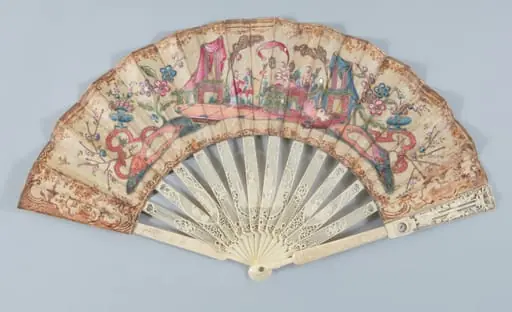 Eventail à système
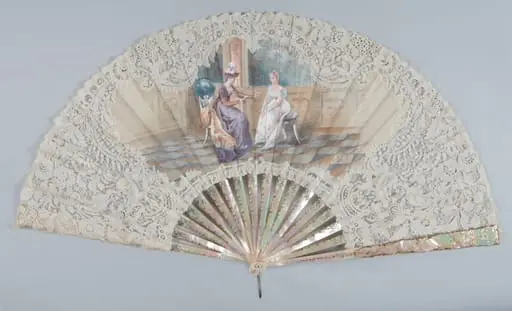 Eventail plié
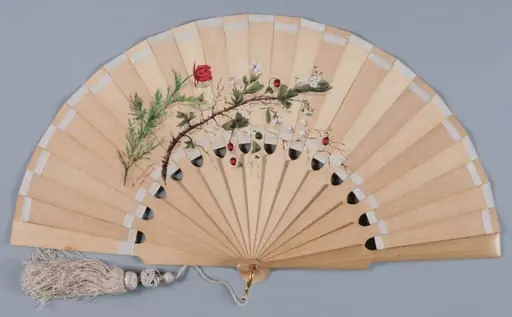 Eventail brisé
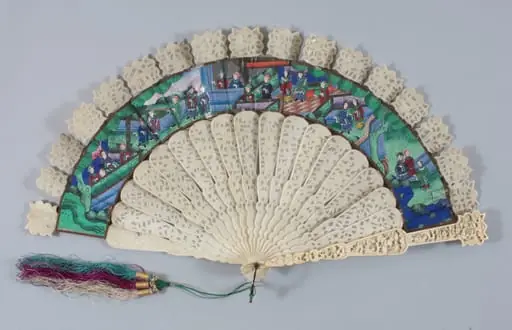 Eventail plié
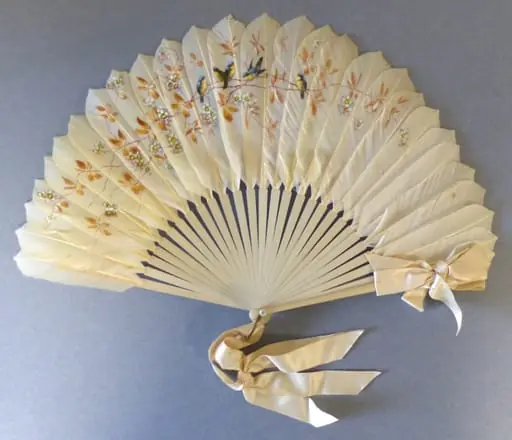 Eventail en plumes
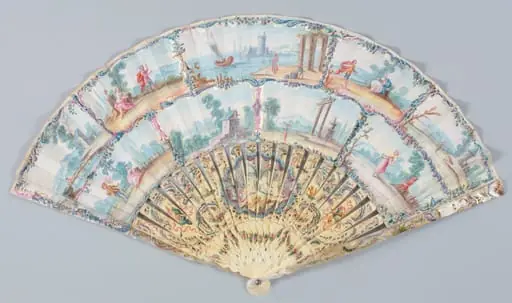 Eventail plié cabriolet
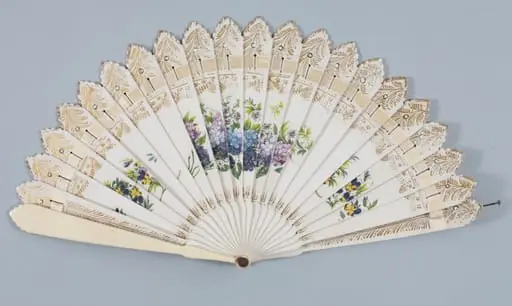 Eventail brisé
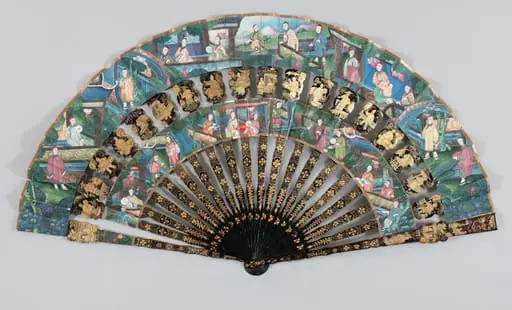 Cabriolet
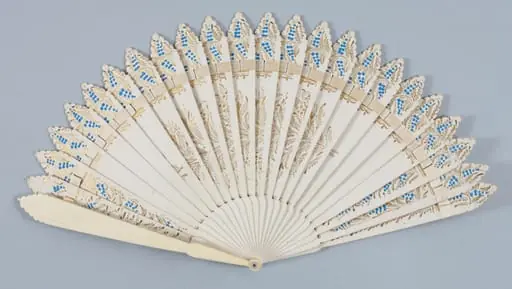 Eventail Carnet de bal
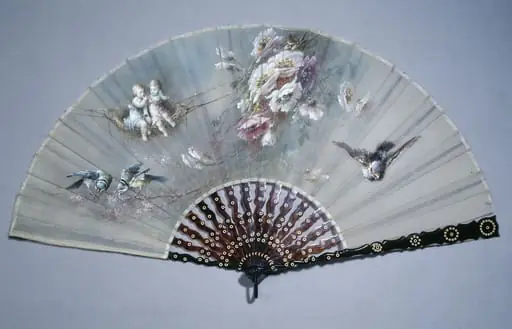 Eventail plié
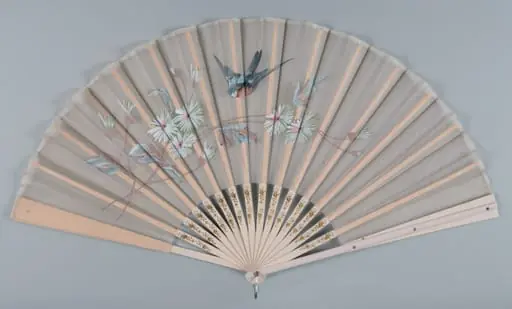 Eventail plié
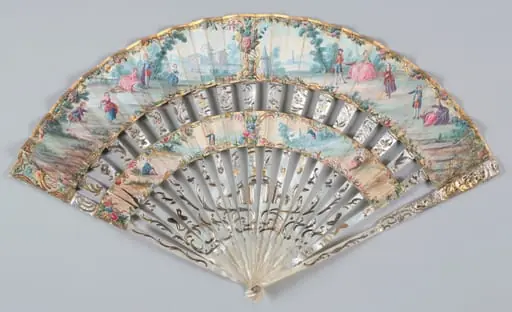 Eventail plié cabriolet
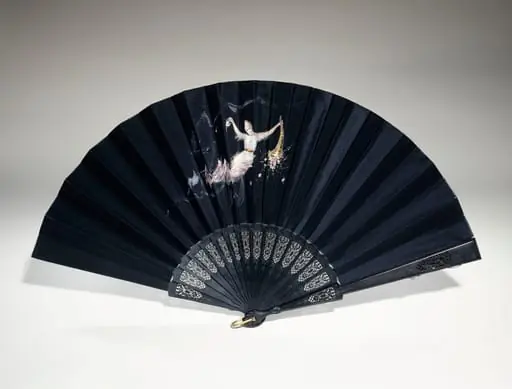 Eventail à système
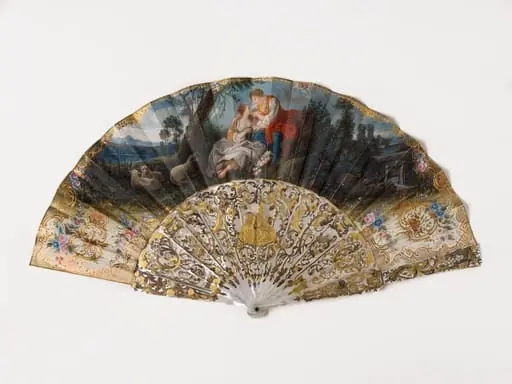 Eventail plié
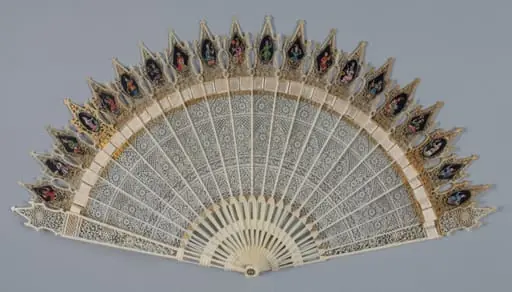 Aux Chinoiseries
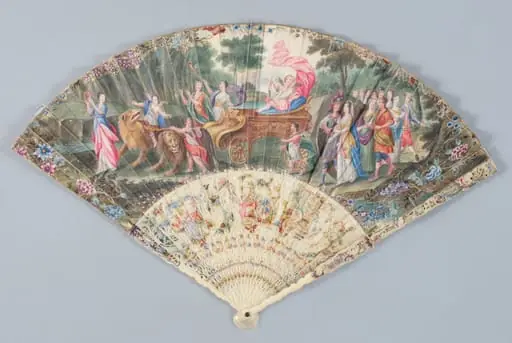 Eventail plié
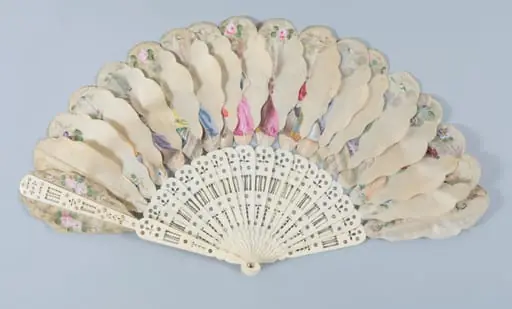 Eventail pliant
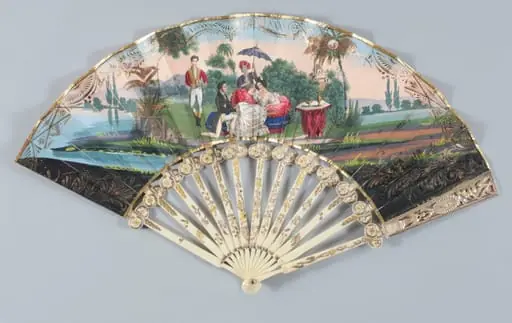 Eventail à système
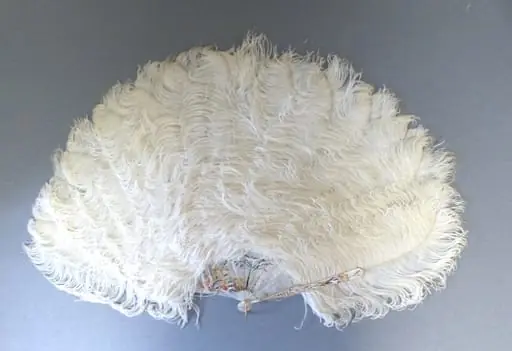 Eventail en plumes d'autruche
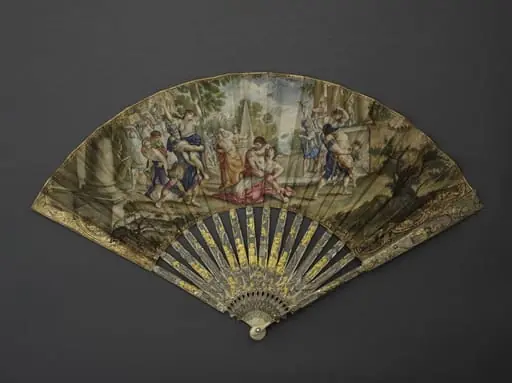 Eventail plié
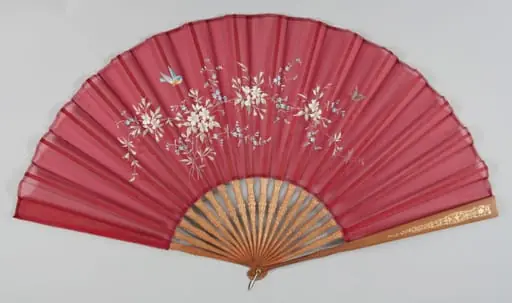 Eventail plié
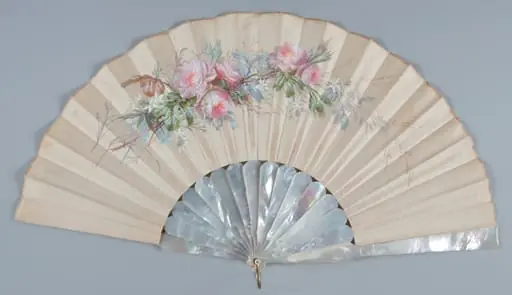 Eventail plié
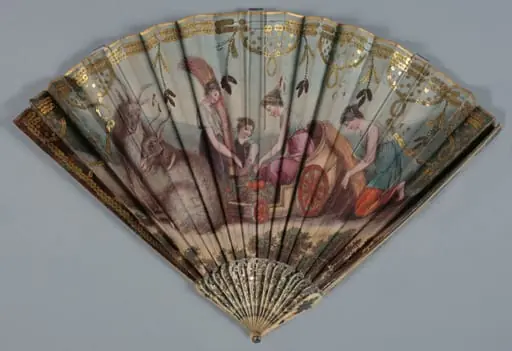 Eventail plié
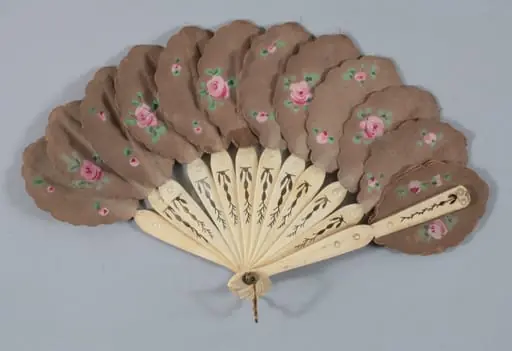 Eventail pliant
 Eventail plié
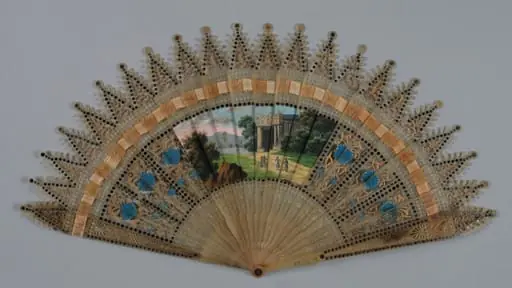 Eventail A la cathédrale
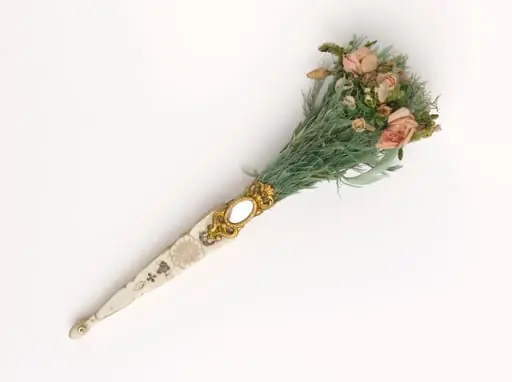 Eventail porte-bouquet
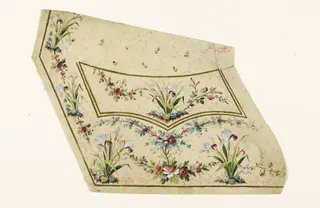 Composition de fleurs en bouquets et guirlandes de baies, projets de broderies de gilet, XVIIIème siècle
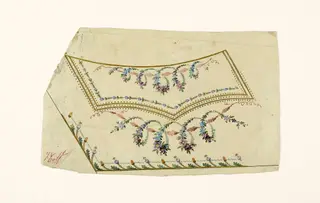 Composition avec guirlandes de fleurs torsadées, frises de fleurs stylisées et de perles vertes, projets de broderies de gilet, XVIIIème siècle
Frequently asked questions
What is Gilding?
Gilding is a decorative technique for applying a very thin coating of gold over solid surfaces such as metal (most common), wood, porcelain, or stone.
How many Gilding works does Artifact World Gallery have?
Artifact World Gallery holds 29 public-domain Gilding works, all free to view and download.
Who are the key Gilding artists?
Key Gilding artists in the collection include L. Guichard.
Where can I see Gilding works?
Gilding works in the collection are held by Palais Galliera - Musée de la Mode de la Ville de Paris.