Subject
Embroidery
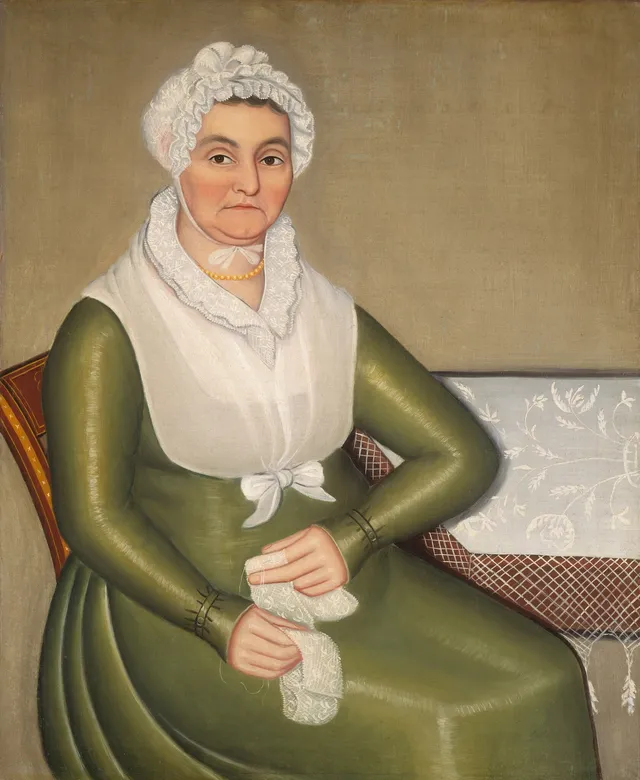
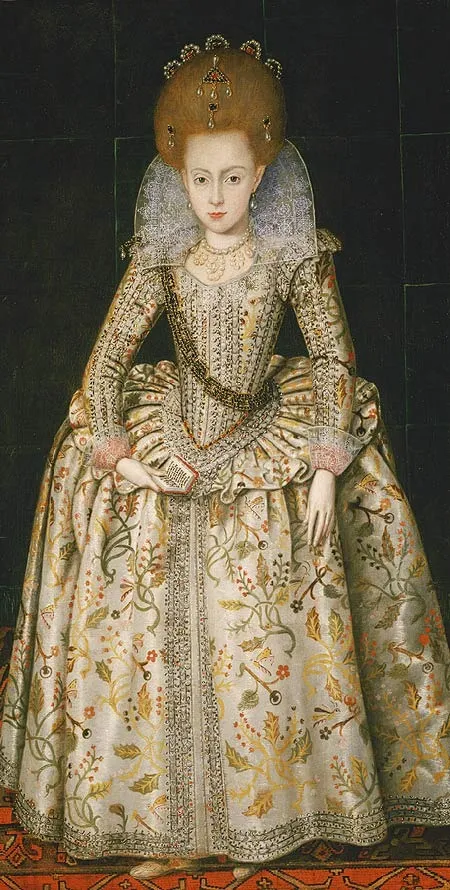
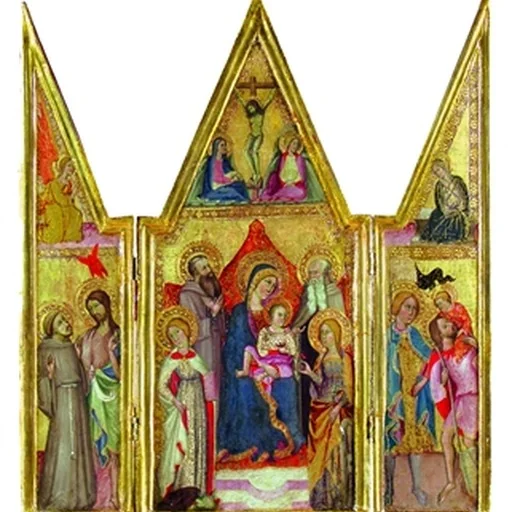
Embroidery is a subject in art. The gallery holds 147 works in this subject in art, including works by Ammi Phillips, Robert Peake the elder and Paolo di Giovanni Fei.
Embroidery—the decoration of fabric with a needle and thread—ranks among the oldest of all textile arts. Its impulse is ancient: at Sungir in Russia, archaeologists uncovered a Cro-Magnon burial dated to roughly 30,000 BC in which clothing, boots, and caps had been adorned with rows of stitched ivory beads. Distinct embroidery traditions arose independently across the world. In China the craft reaches back some four thousand years, with chain-stitched silks recovered from Warring States period sites (475–221 BC); Suzhou embroidery alone claims a two-thousand-year lineage. The earliest surviving embroidered cloth comes from Egypt, and across cultures the medium served the same purposes—signalling status, marking ritual, and recording stories in thread.
Technically, embroidery is surface decoration applied to an existing ground rather than woven into it, which distinguishes it from tapestry. Its vocabulary is built from a handful of fundamental stitches—running, satin, chain, cross, and split stitch among them—worked in silk, wool, linen, or precious metal thread, and often enriched with pearls, beads, and goldwork. The misnamed Bayeux Tapestry (11th century) is in fact embroidery: nearly seventy metres of wool stitched on linen narrating the Norman Conquest of 1066.
Medieval England produced the supreme achievement of the art. Between roughly 1250 and 1350, English ecclesiastical embroidery was so prized that it was known across Europe simply as opus anglicanum, or "English work," famed for its underside couching, expressive spiral split stitch, and lavish silver-gilt grounds. Worked largely in London by craftspeople including many named women, it furnished vestments for popes and princes before plague, war, and economic strain eroded its standards.
Embroidery has long been bound to women's lives and to neighbouring devotional and domestic art. Zurbarán's The Young Virgin (c. 1632–33), held in this collection, shows the child Mary pausing from sewing temple vestments—needlework as an emblem of piety. In captivity, Mary, Queen of Scots and Bess of Hardwick stitched the celebrated Oxburgh Hangings (c. 1570–85). From Berlin wool work to Hmong paj ntaub, the tradition endures wherever cloth carries memory.
Key artists
Overview
Embroidery is the art of decorating fabric or other materials using a needle to stitch thread or yarn. Originating thousands of years ago, it evolved from the practical techniques used to tailor, patch, mend, and reinforce cloth, eventually developing into a highly refined decorative art. The fundamental stitches, such as the chain stitch, running stitch, satin stitch, and cross stitch, have remained remarkably stable over millennia, with early works often displaying a technical accomplishment and high standard of craftsmanship rarely surpassed in later times. Beyond simple thread, embroidery frequently incorporates materials like pearls, beads, quills, and sequins to enhance texture and design. Today, the practice serves both decorative and functional purposes, finding application in fashion expression, cultural identity, and custom-made gifts.
Iconography & meaning
Throughout history, embroidery has carried profound symbolic and social meanings, often serving as a marker of wealth, status, and power. Elaborately embroidered clothing, religious objects, and household items were historically seen as indicators of high social standing. In 17th-century Turkey, embroidery was believed to offer symbolic protection for precious objects and infants. The medium also possesses a long relationship to politics and resistance. In the 1970s and 1980s, Chilean women created bright embroideries called arpilleras to memorialize family members who were disappeared by the Pinochet dictatorship, an act of defiance so potent that owning one became a crime. During the same period, feminist artists like Judy Chicago, Miriam Schapiro, and Faith Ringgold utilized embroidery and other handcrafts to challenge the art world hierarchy that privileged painting and sculpture over traditional women's work, using the medium to explore the construction of gender roles.
Across movements & periods
The treatment and application of embroidery have shifted significantly across periods and cultures. The earliest surviving embroidered cloth comes from Egypt, with additional early examples from the Warring States period in China, dating to the 5th through 3rd centuries BC. In Migration period Sweden, around 300 to 700 AD, embroidery was used to reinforce seams, though its decorative intent remains debated. During the European Middle Ages, embroidery was largely cultivated in monasteries for liturgical paraments, with English Opus Anglicanum reaching a peak from the 12th to 14th centuries. The Renaissance shifted the focus toward secular uses, with imperial and royal families wearing richly embroidered garments. By the 17th century, embroidered furniture upholstery became popular, and trade brought exotic Eastern motifs like palmettes to Europe. The 18th century saw the rise of needle painting with fine color gradients, while the Empire period favored white embroidery. The 19th century introduced mechanization with the hand embroidery machine in 1828, the chain stitch and schiffli machines in 1863, and automated punch-card machines by 1898. In response, the Arts and Crafts movement in Britain revived hand embroidery, leading to the founding of the Royal School of Needlework in 1872. Today, contemporary artists continue to expand the medium, using it to explore gender, identity, and memory, while fashion houses increasingly incorporate it into their collections.
Notable depictions
Among the most historically significant embroidered works is the Bayeux Tapestry, an embroidered cloth nearly 70 meters long and 50 centimeters tall that depicts the events leading up to the Norman Conquest of England in 1066. In medieval England, professional workshops produced Opus Anglicanum for church rituals, while in 16th-century England, embroidered bindings adorned religious texts, including a bible presented to Queen Elizabeth I in 1583 and a copy of The Epistles of Saint Paul reputedly embroidered by the Queen herself. In China, the art flourished over the Song, Yuan, Ming, and Qing dynasties, centered around four major regional styles: Su Xiu of Suzhou, Xiang Xiu of Hunan, Yue Xiu of Guangdong, and Shu Xiu of Sichuan. Distinct regional traditions also emerged elsewhere, such as the whitework Chikankari of Lucknow, the Zardozi gold threadwork of the Mughal Empire, and the Nonya beadwork of Southeast Asian Peranakan communities. Several embroidery traditions, including Hungarian Matyó embroidery and Tajik Chakan embroidery, have been recognized on the UNESCO list of Intangible Cultural Heritage.
Legacy
The legacy of embroidery continues to evolve through both technological innovation and contemporary fine art. Modern machine embroidery relies on computerized systems that succeeded the punch-card automatons of the late 19th century, allowing for mass production and commercial customization. Conversely, contemporary artists have reclaimed hand embroidery as a potent conceptual medium. Artists like Sophia Narrett create expansive, painterly scenes of love and fantasy, while Richard Saja overlays whimsical, disruptive stitches onto traditional toile patterns. Others subvert the medium's traditional associations with domesticity by stitching onto unconventional surfaces, such as Severija Incirauskaite-Kriauneviciene, who embroiders floral patterns onto metal buckets and car doors. Danielle Clough stitches vibrant portraits onto vintage tennis rackets, and Meredith Woulnough uses a water-soluble base cloth to create delicate skeletal embroideries of leaves and coral. Through these diverse practices, embroidery has transitioned from a traditional craft into a recognized presence in museums and galleries, functioning as a tactile method for preserving memories, making social statements, and challenging artistic hierarchies.
Works
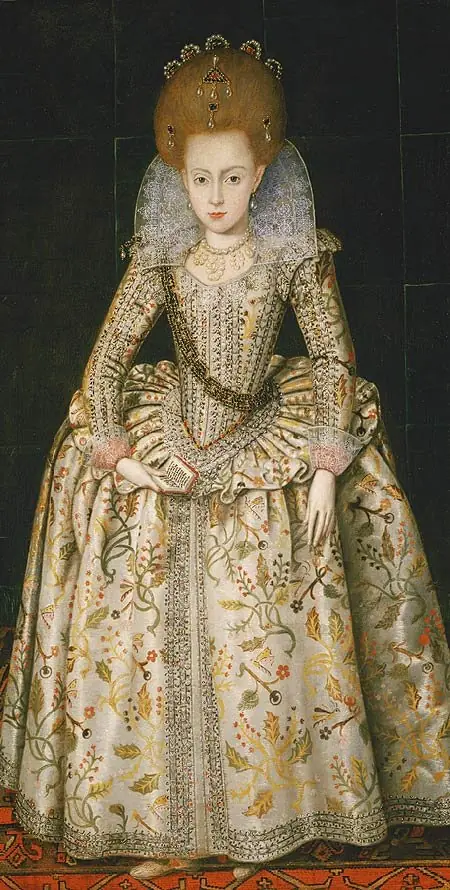 Princess Elizabeth (1596–1662), Later Queen of Bohemia
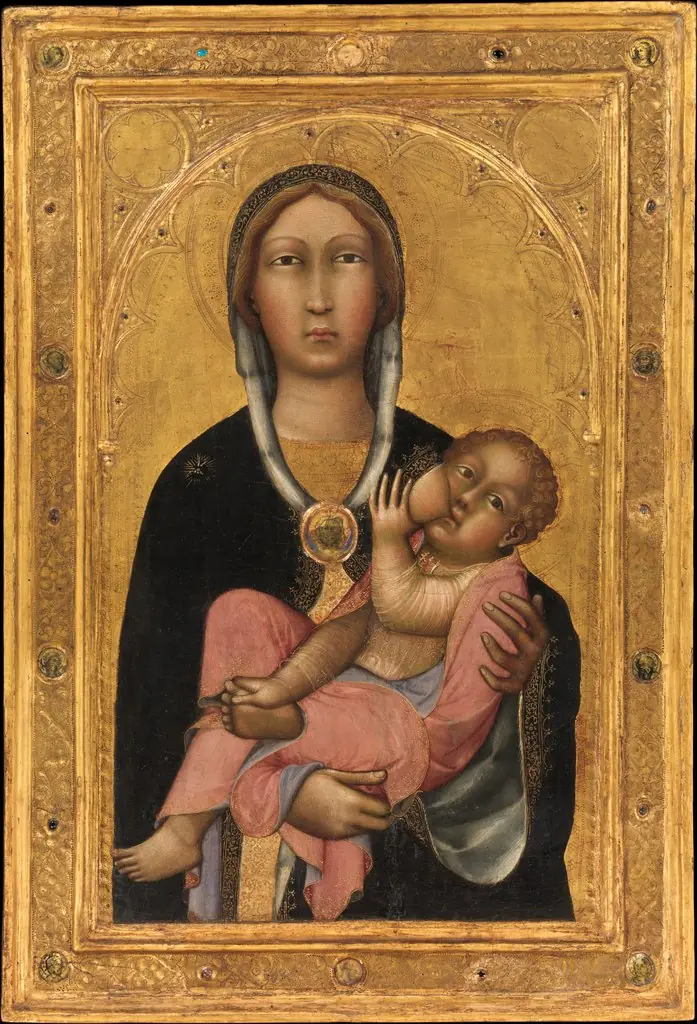 Madonna and Child
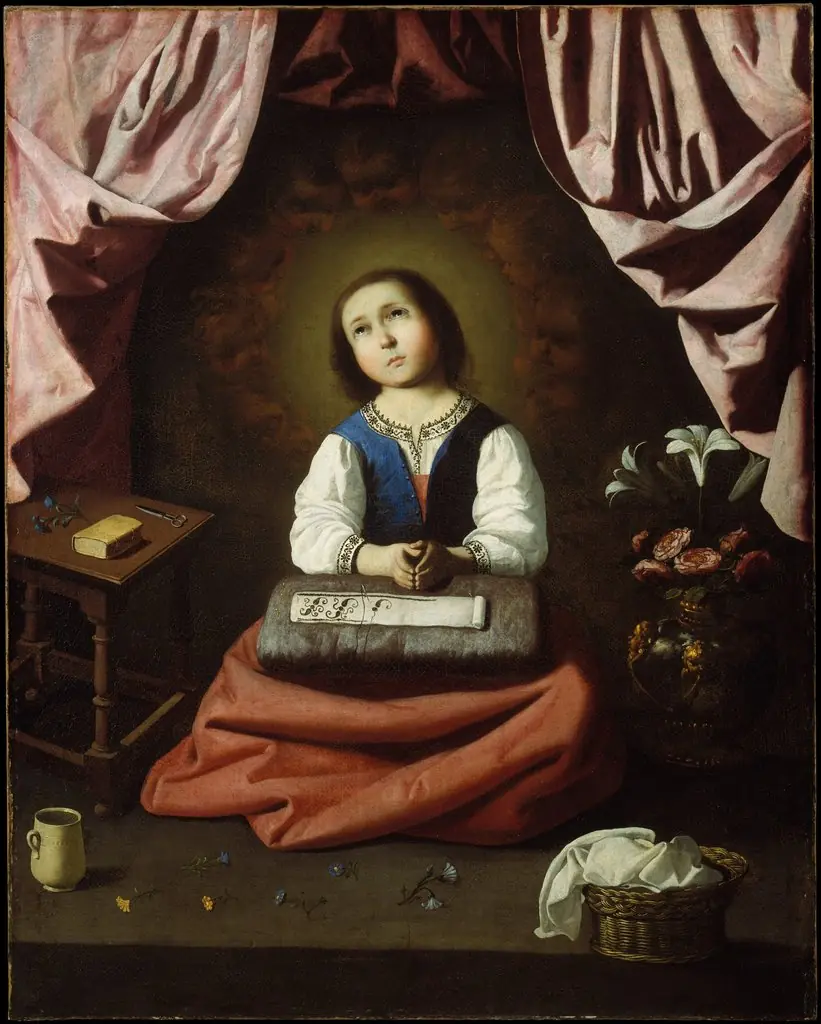 The Young Virgin
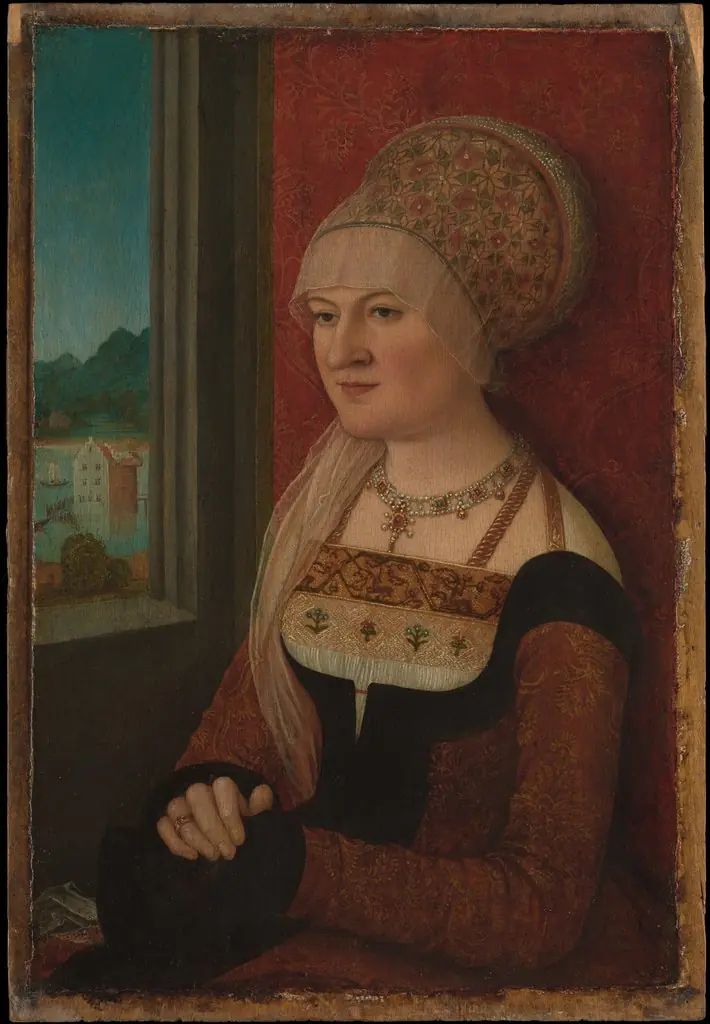 Portrait of a Woman
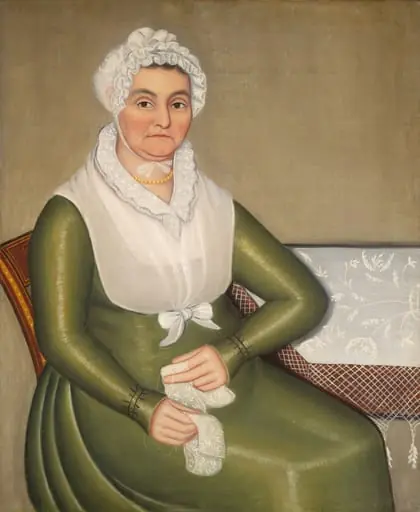 Alsa Slade
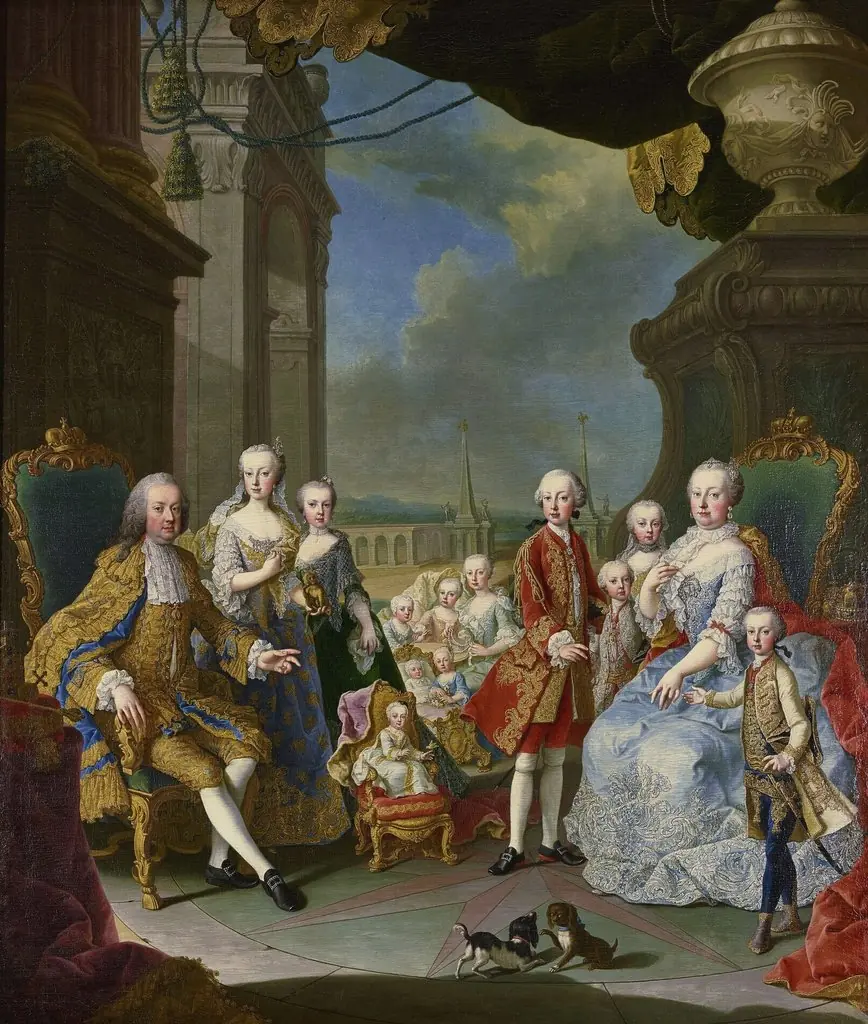 The Imperial family in 1756
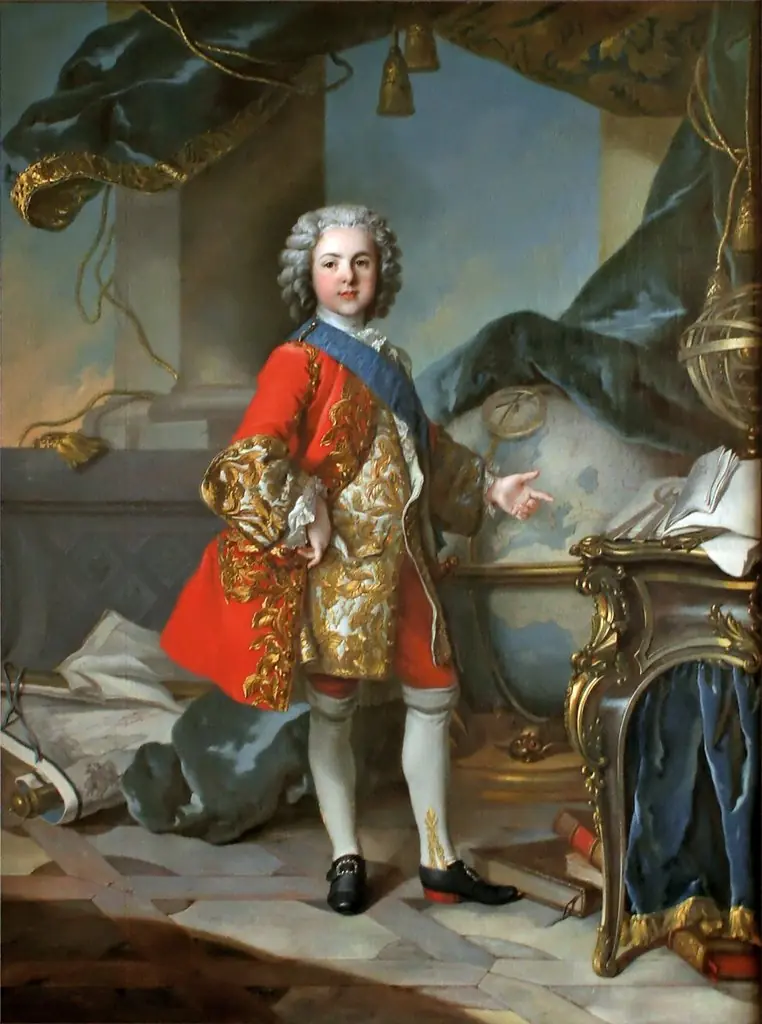 Portrait of Louis of France
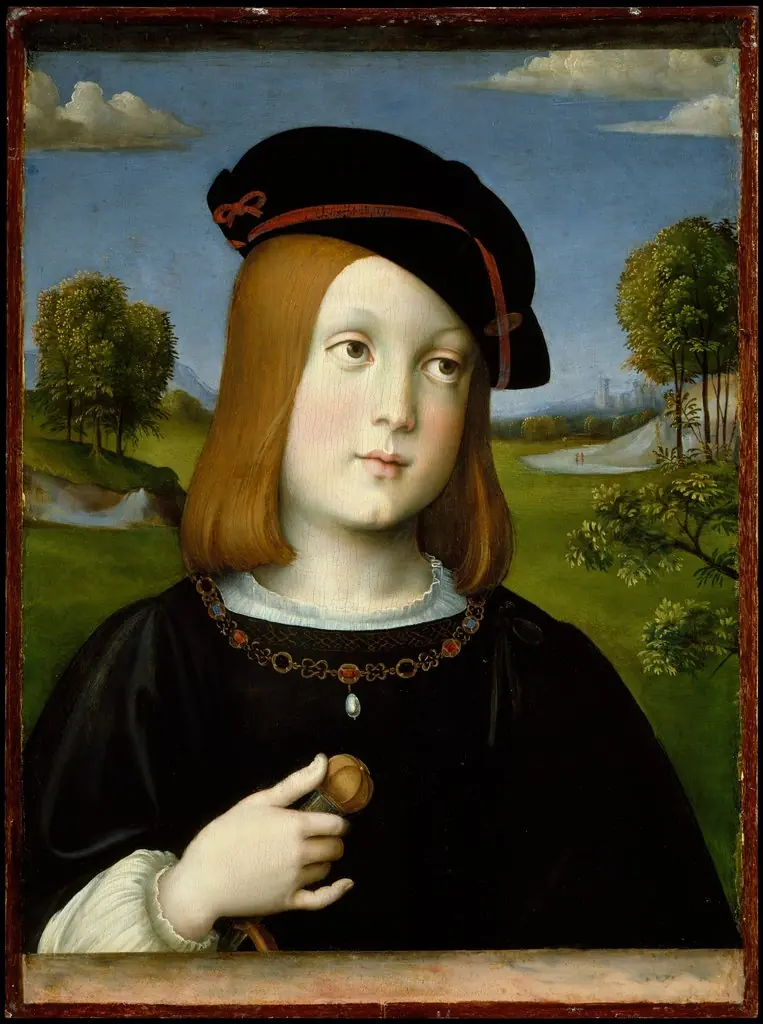 Federigo Gonzaga (1500–1540)
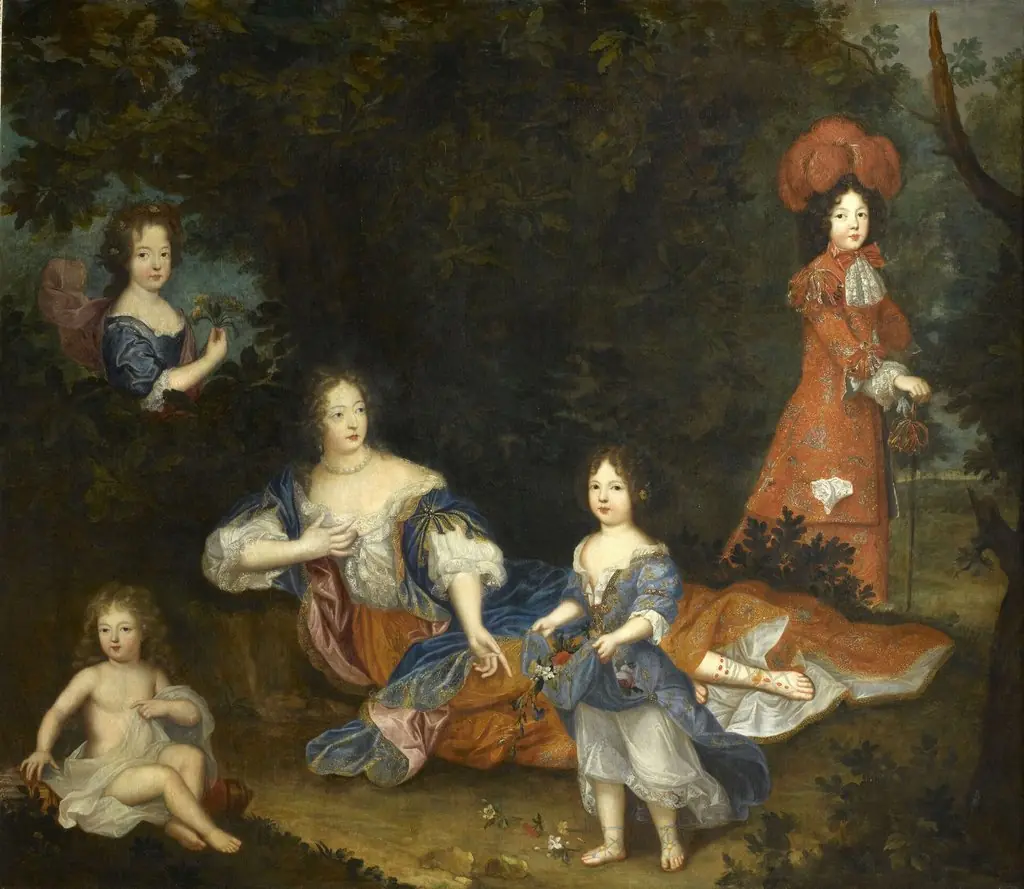 Françoise-Athénaïs de Rochechouart, Marquise de Montespan and her children
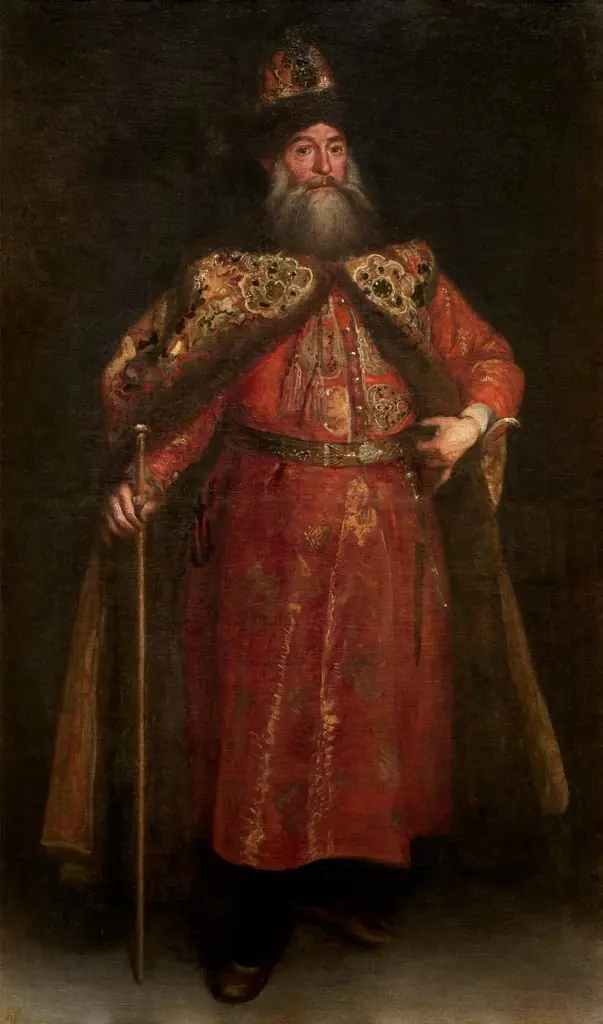 Peter Ivanowitz Potemkin, The Russian Ambassador
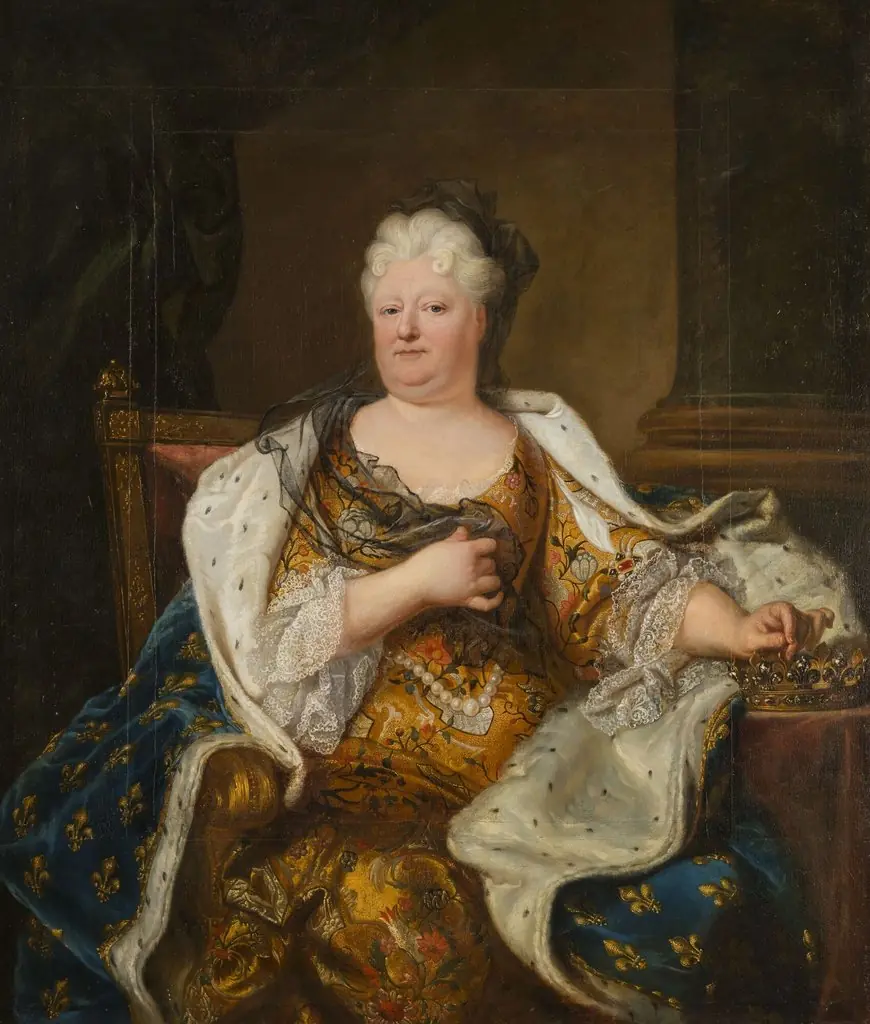 Elizabeth Charlotte, Princess Palatine
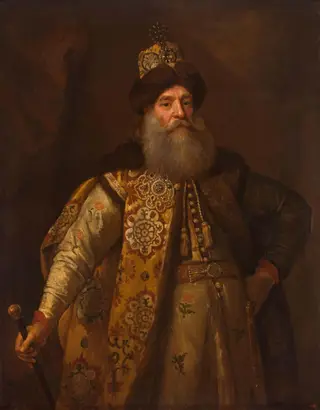 Portrait of Piotr Potyomkin (1617-1700)
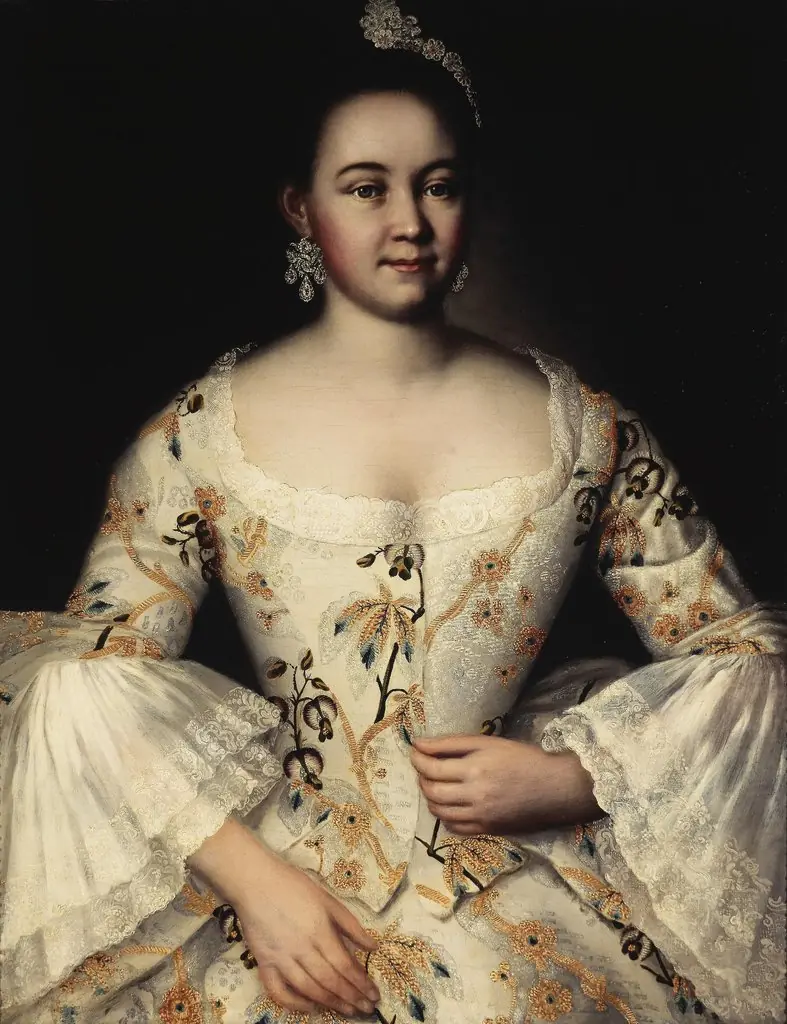 Portrait of S.S. Yakovleva
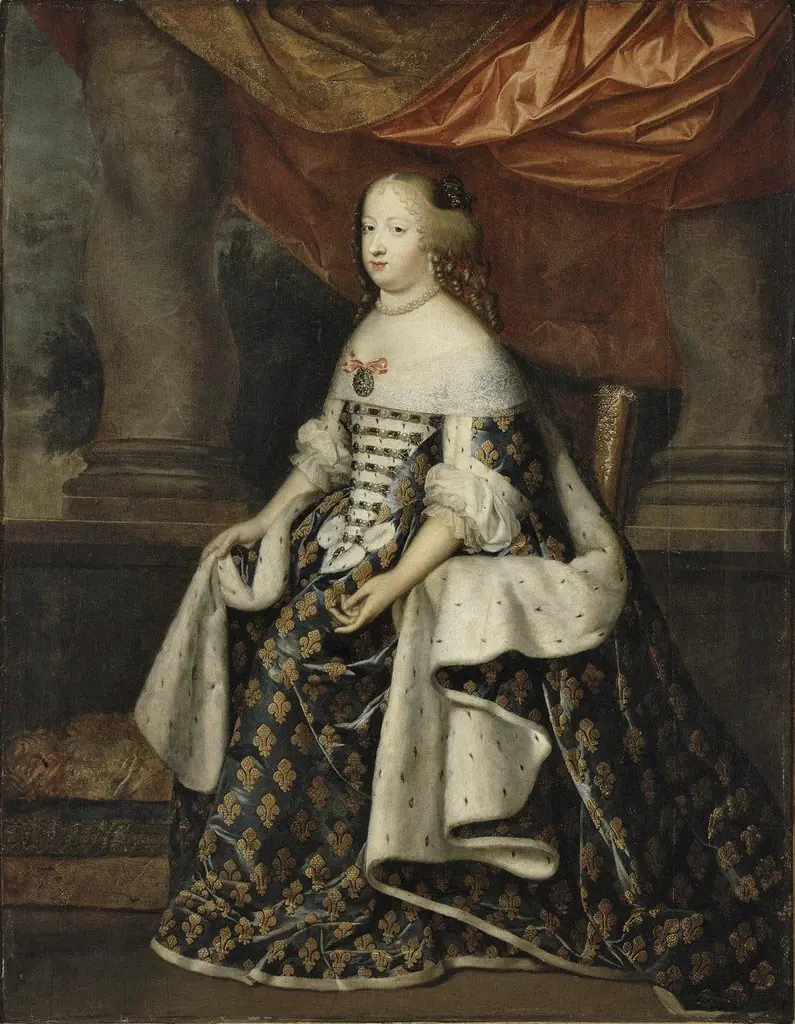 Marie Thérèse of Austria in Royal Costume
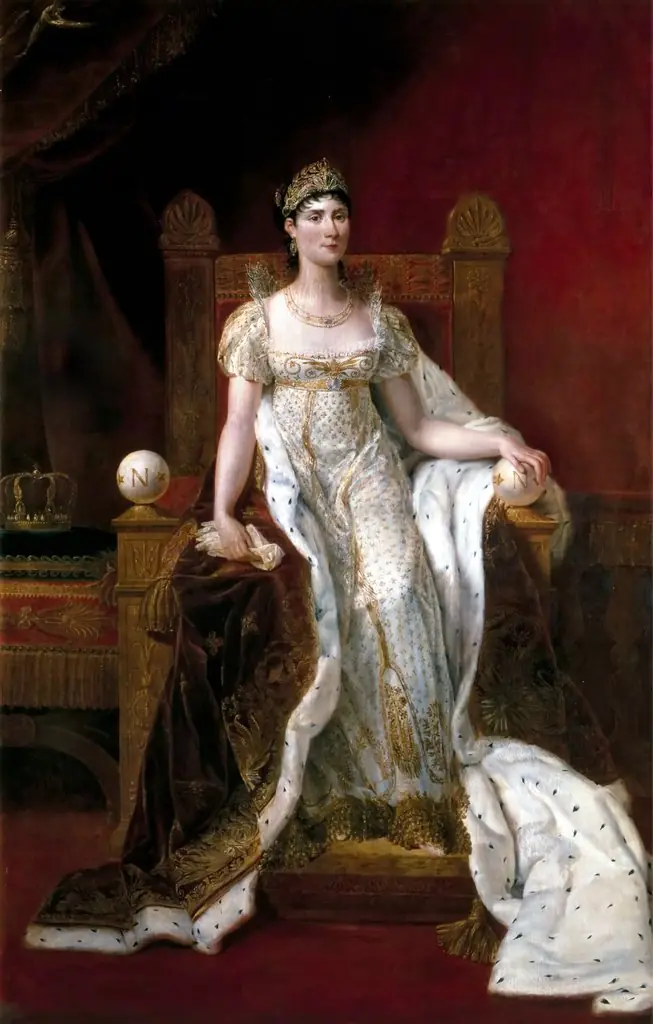 Joséphine, Empress of the French
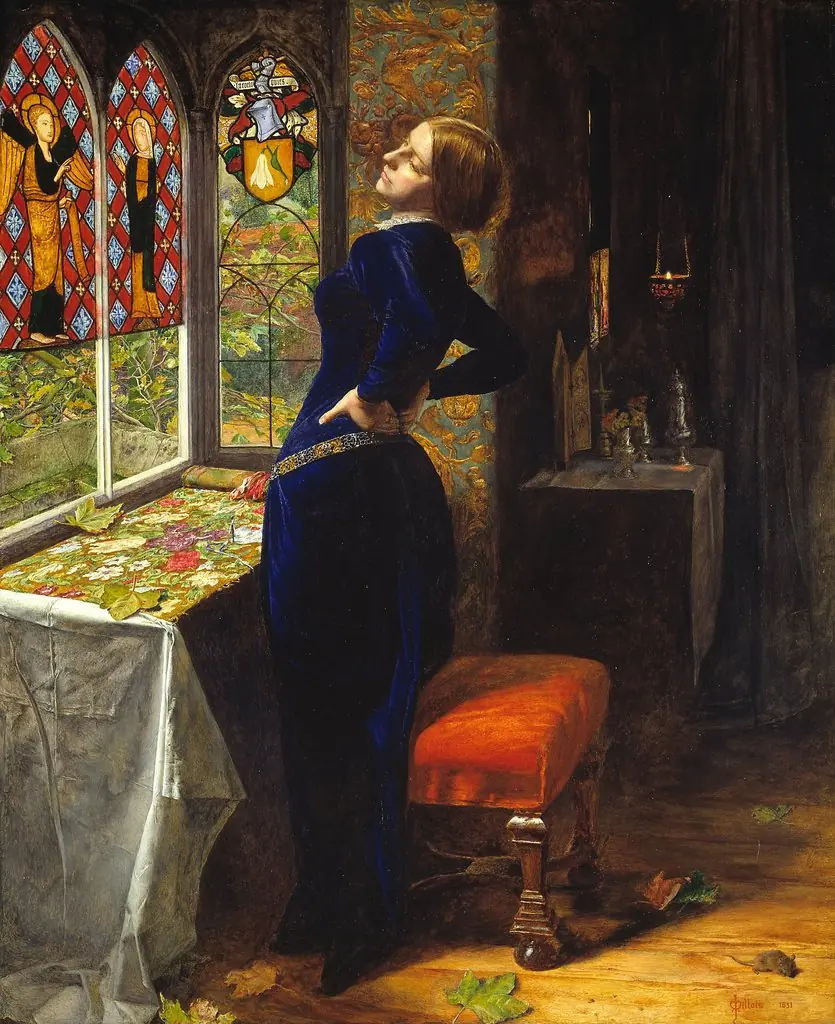 Mariana
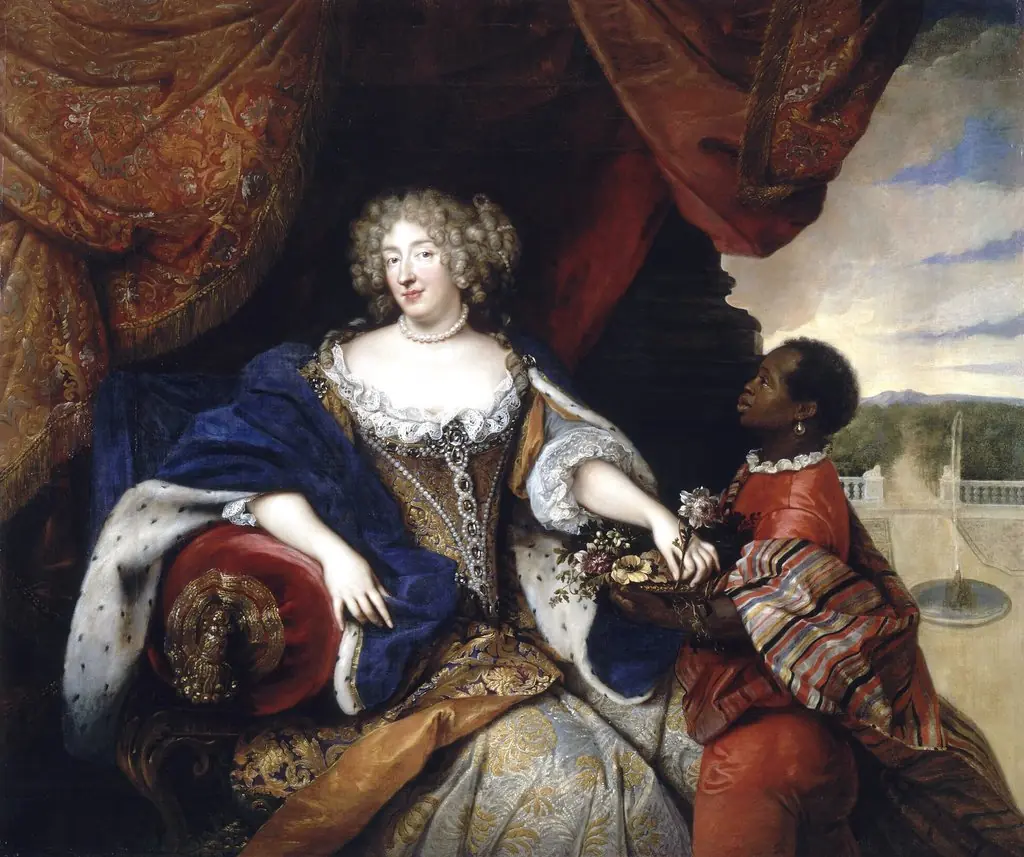 Portrait of Elizabeth Charlotte of the Palatine with her Slave
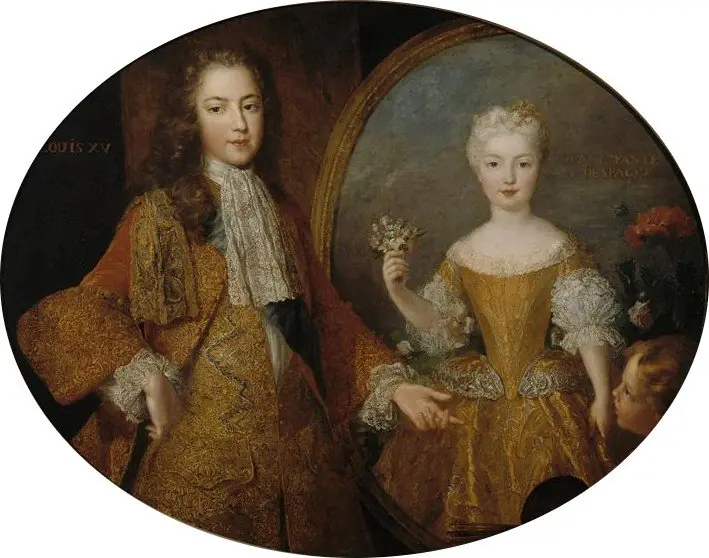 Louis XV and the Infanta Marie-Anne-Victoire
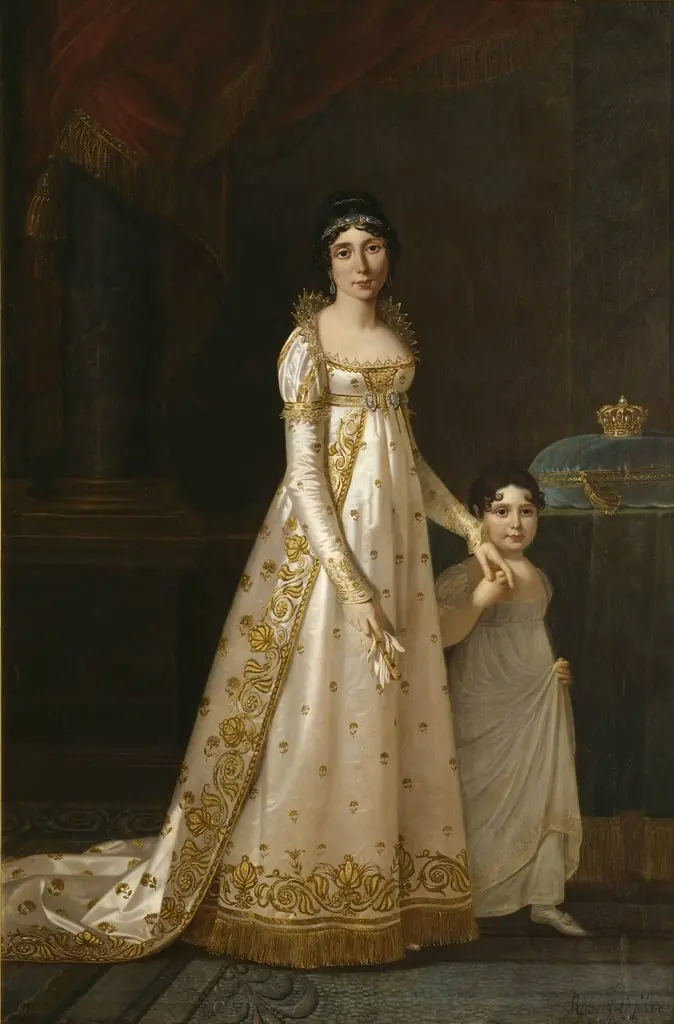 Marie-Julie Clary, Queen of Naples (1777-1845)
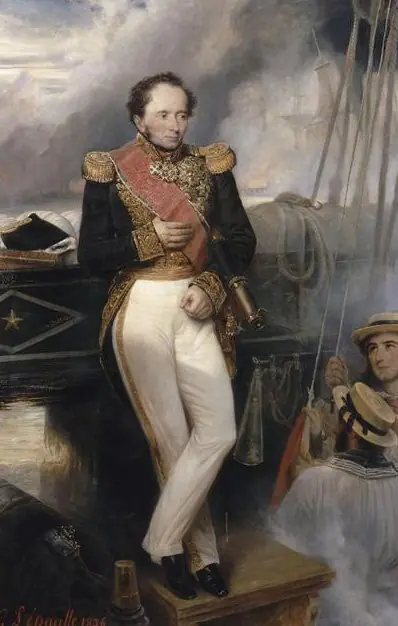 Henri Gauthier, count of Rigny, vice-admiral (1783-1835)
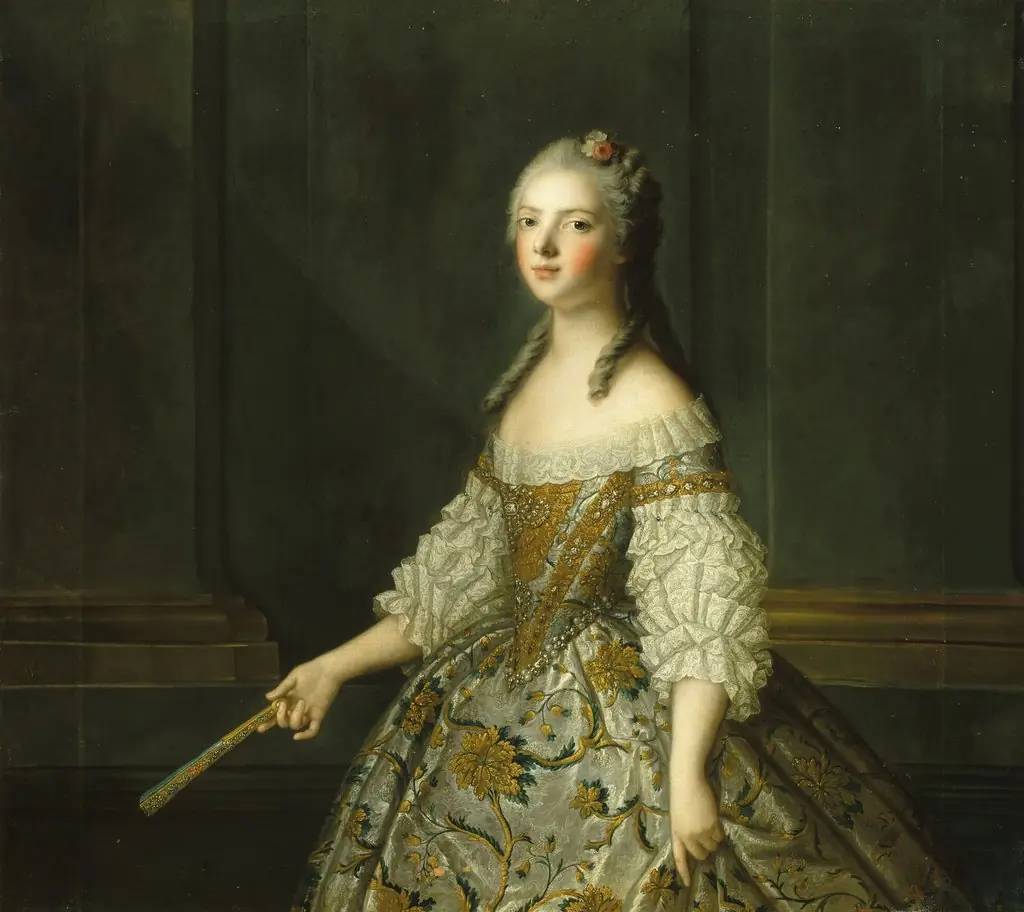 Madame Adélaïde of France Holding a Fan
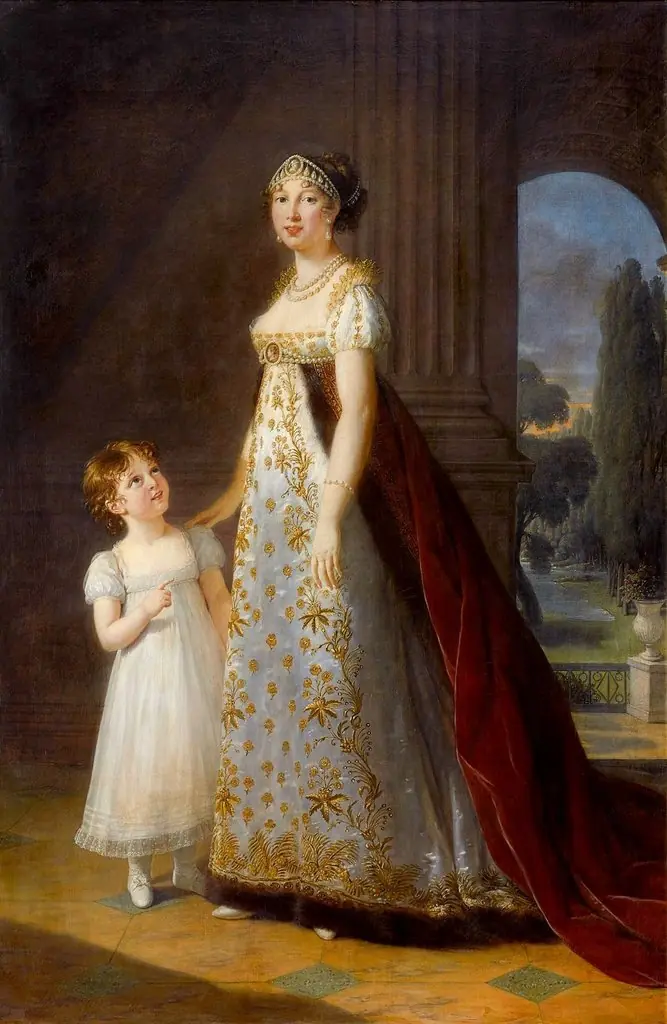 Caroline Murat with her daughter Letizia
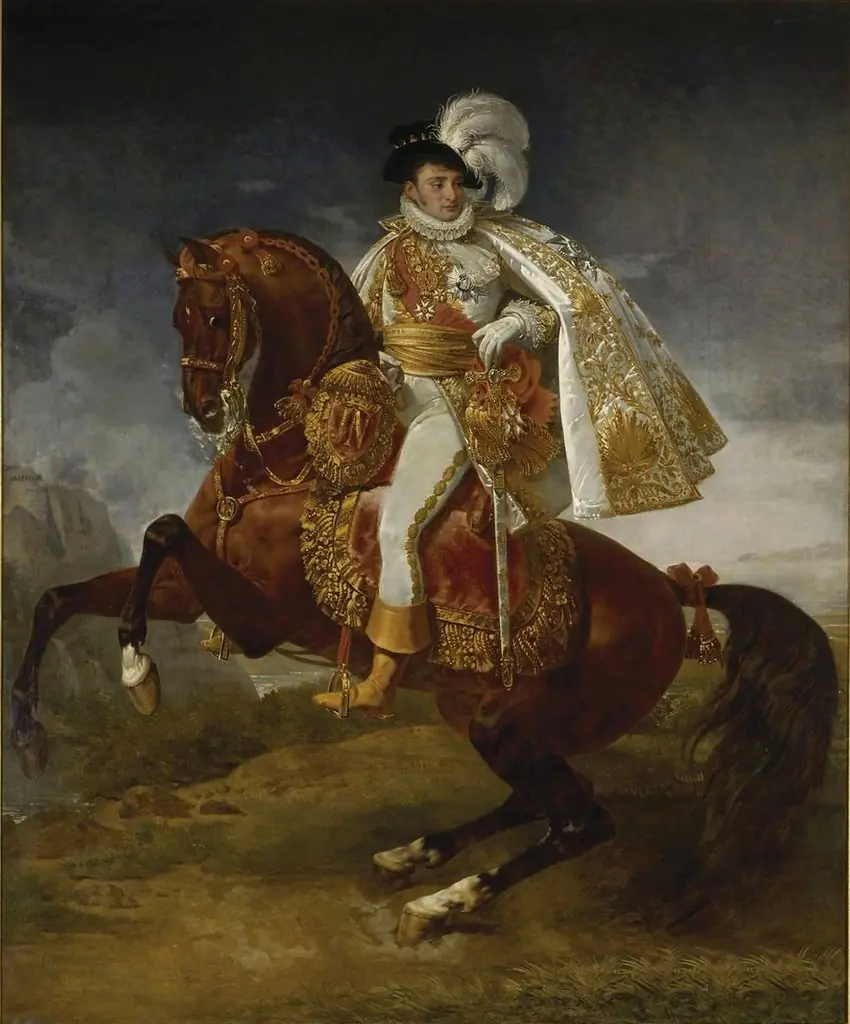 Jérôme Bonaparte, King of Westphalia
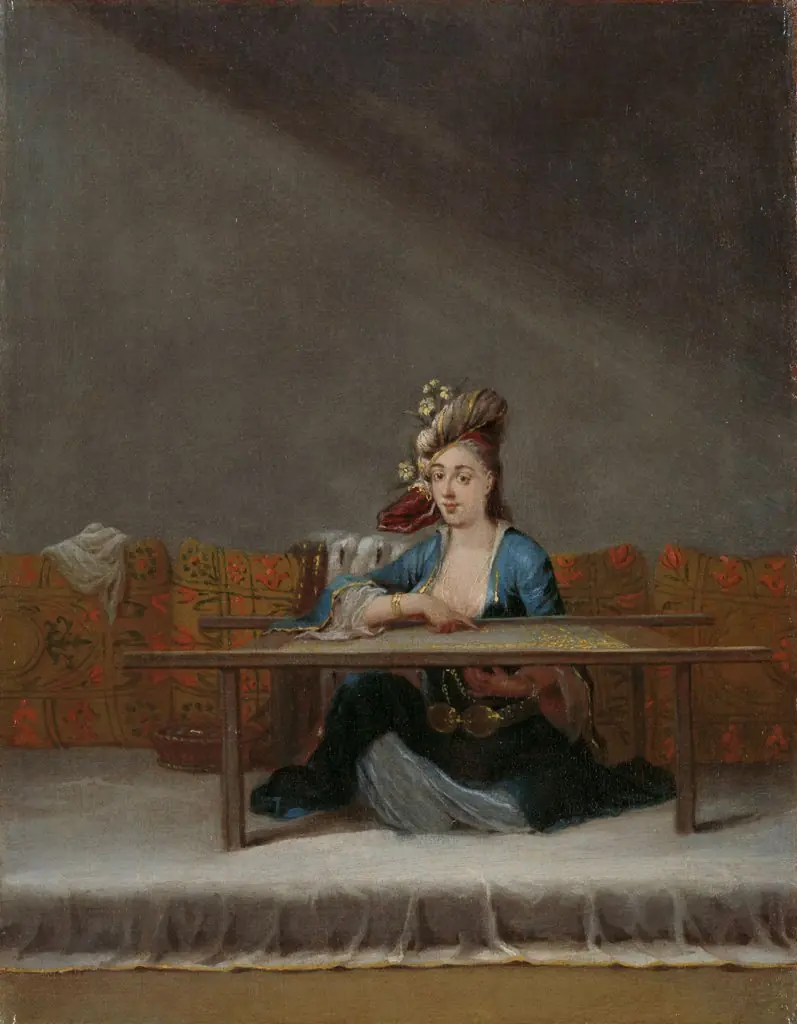 Turkish Woman at her Embroidery Frame
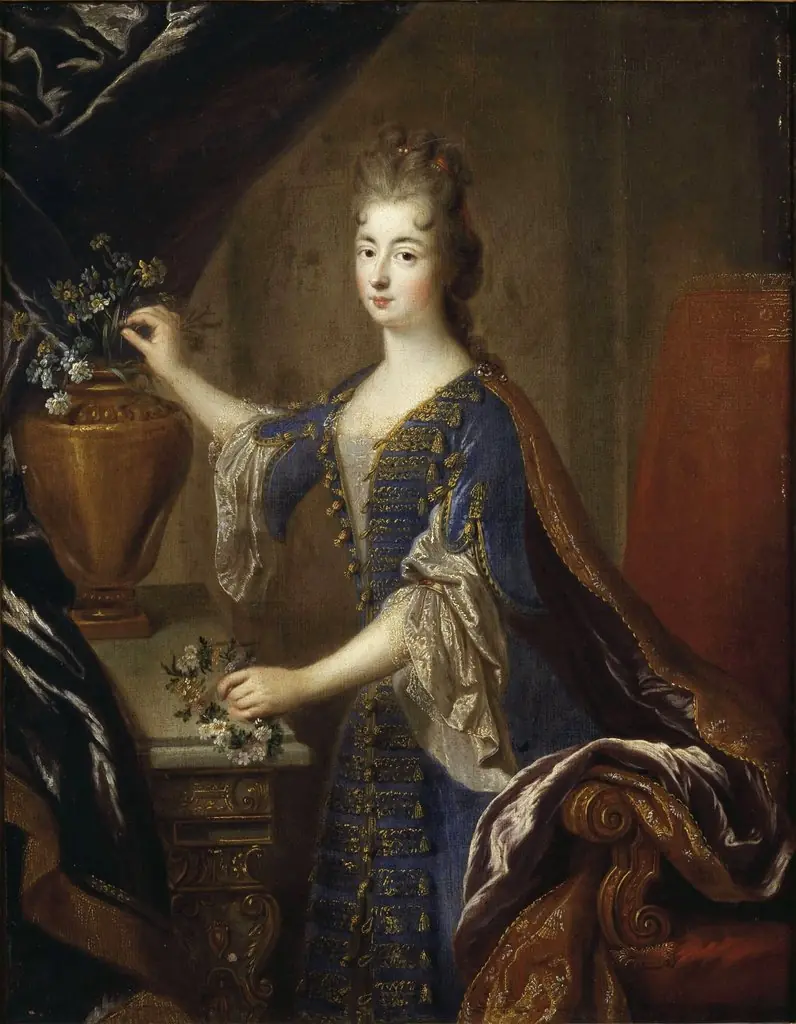 Marie-Anne de Bourbon, Princess of Conti (1666-1739)
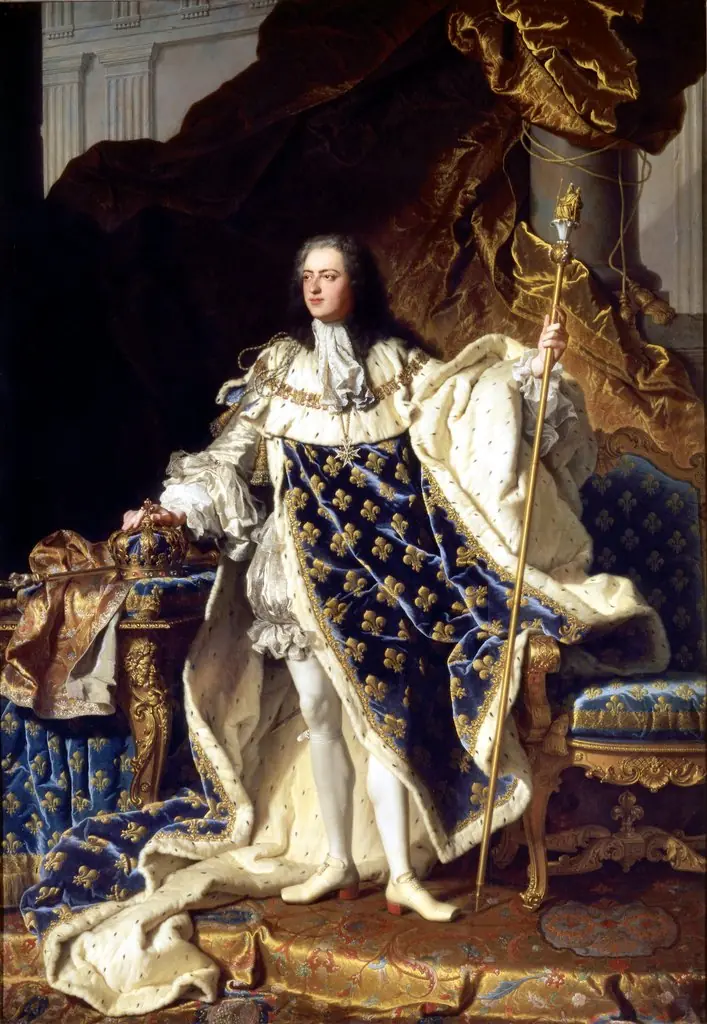 Louis XV in Coronation Robes
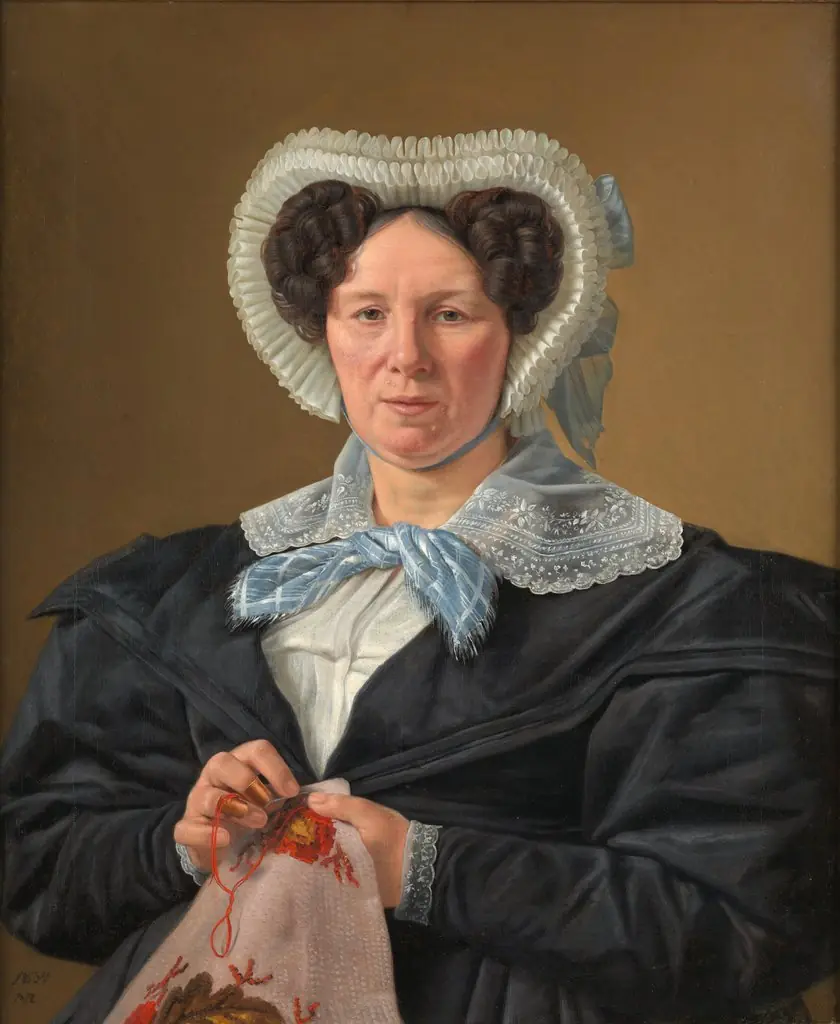 The Artist's Mother, Frederikke Eleonore Cathrine Rørbye, née Stockfleth
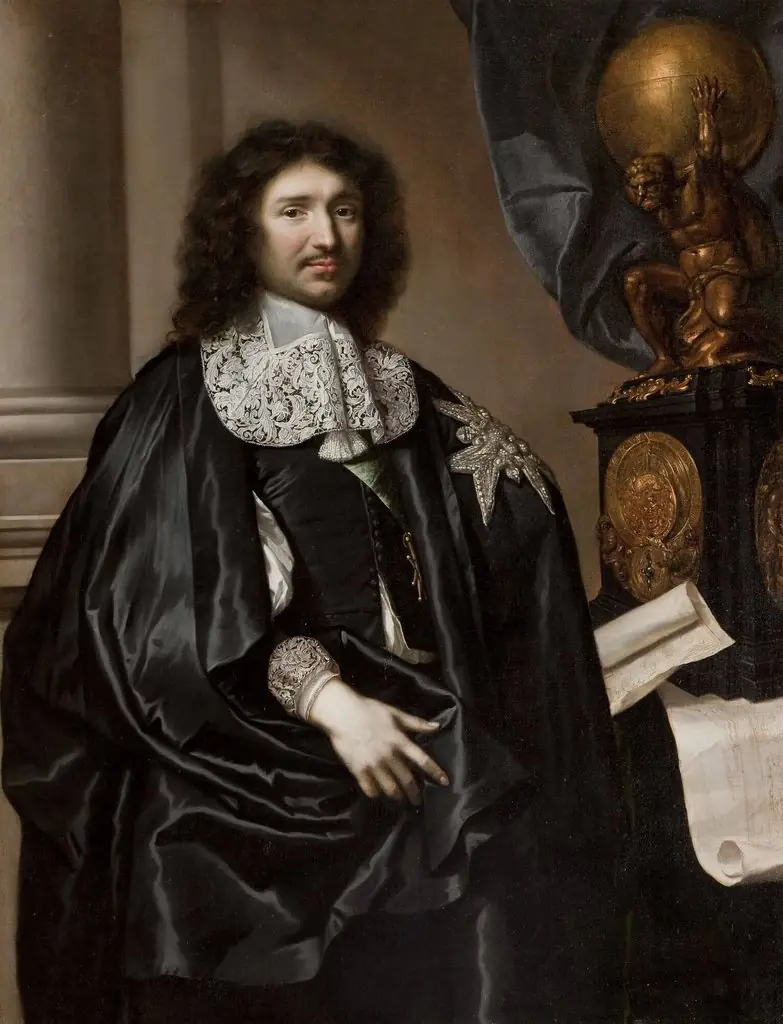 Portrait of Jean-Baptiste Colbert
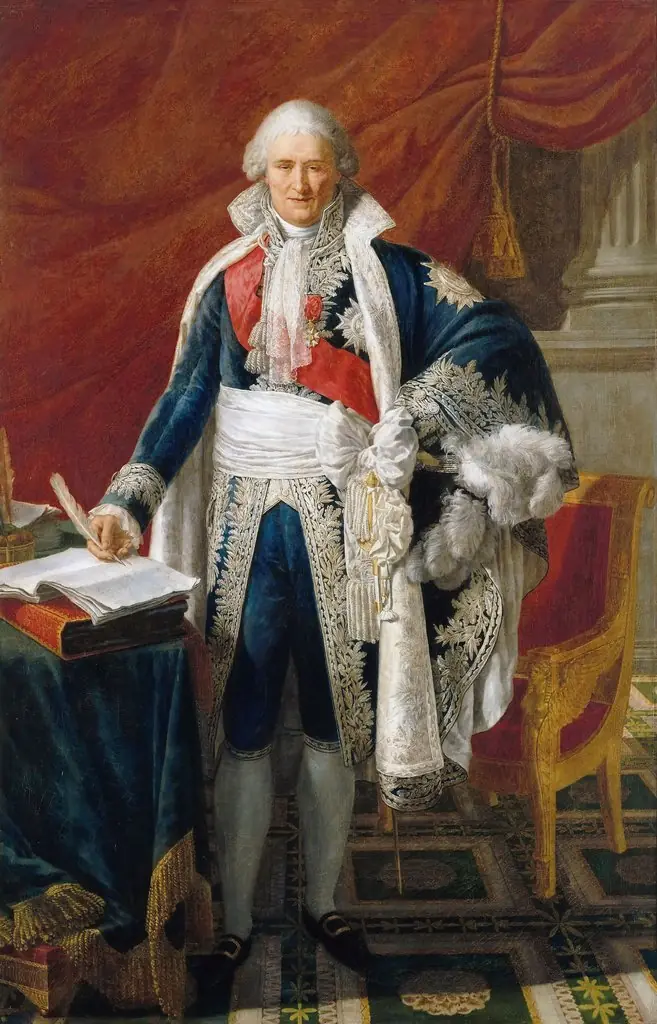 Jean-Etienne-Marie, Count Portalis, Minister of Worship (1749-1807)
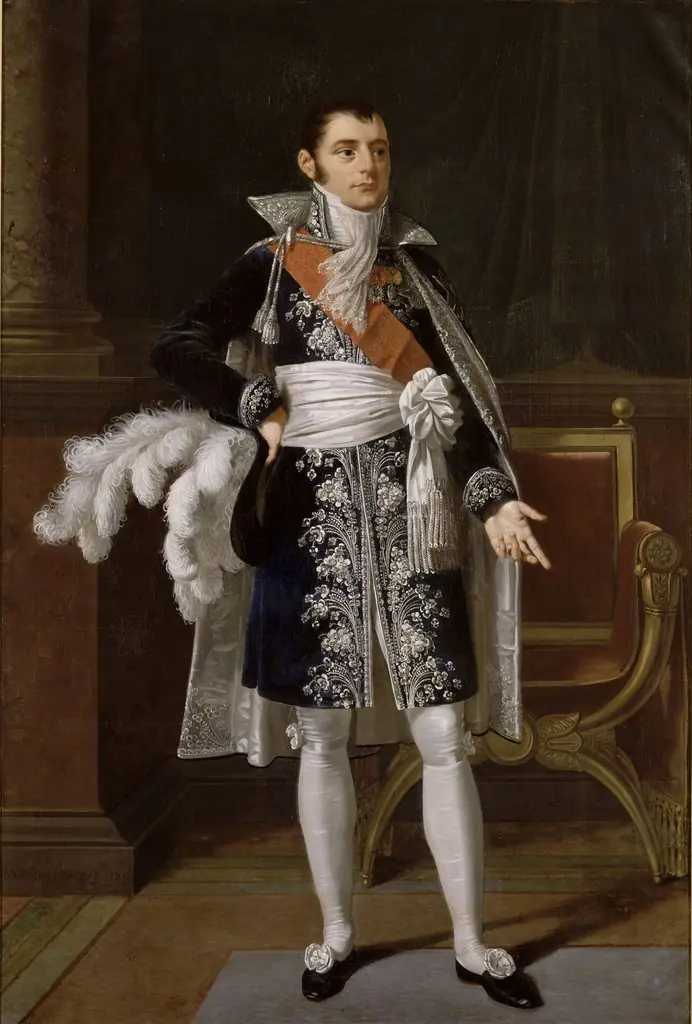 Portrait of Anne-Jean-Marie-René Savary, Duke of Rovigo (1774-1833)
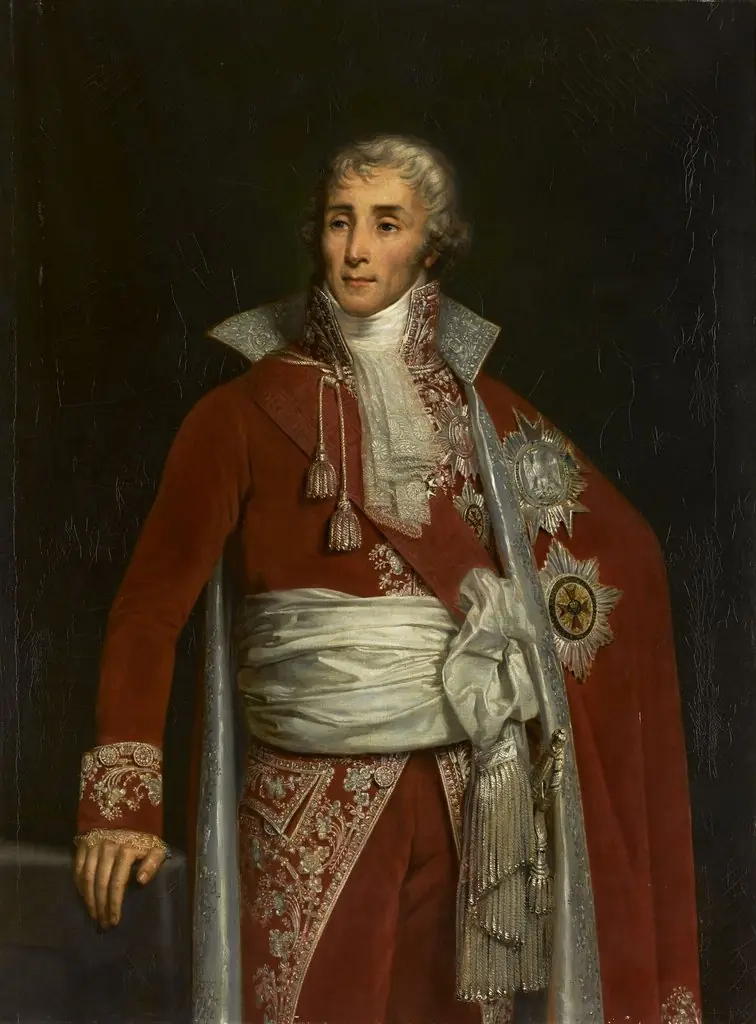 Joseph Fouché, Duke of Otranto
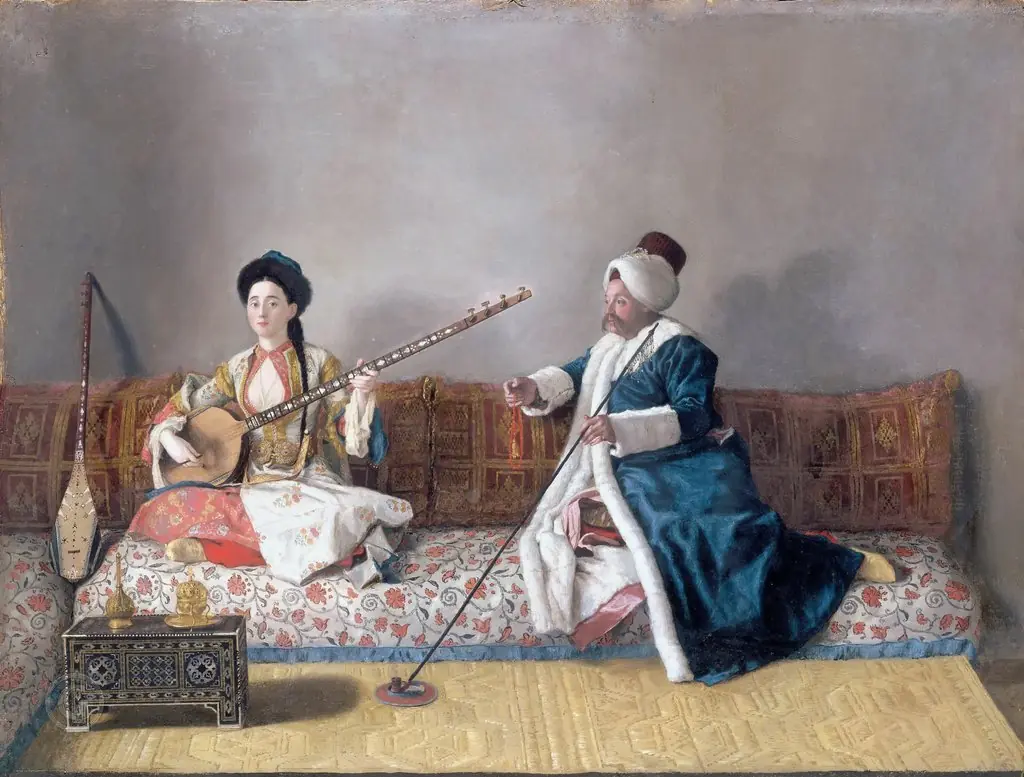 Monsieur Levett et Mademoiselle Glavani
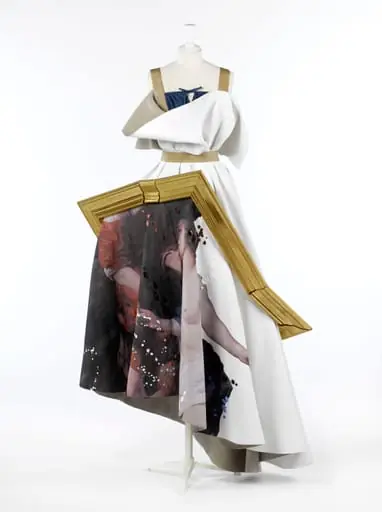 Sabina
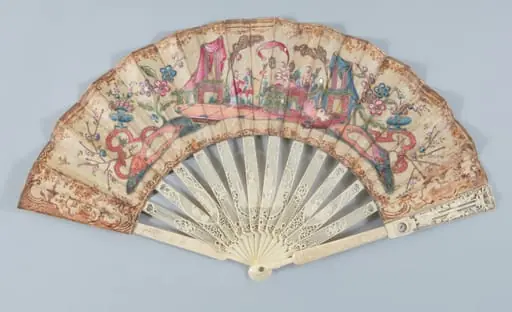 Eventail à système
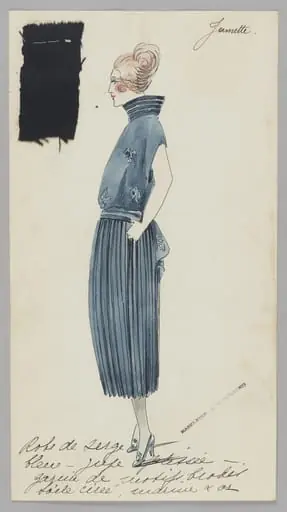 Jeunette
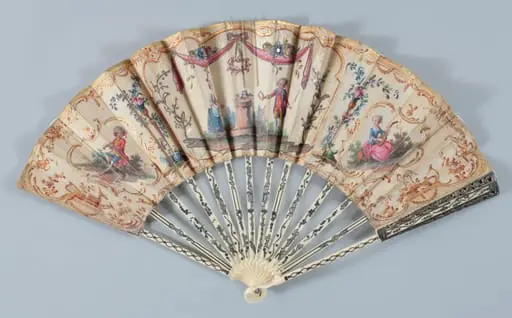 Eventail à système
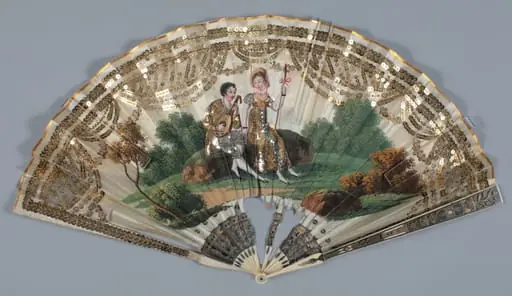 Eventail plié
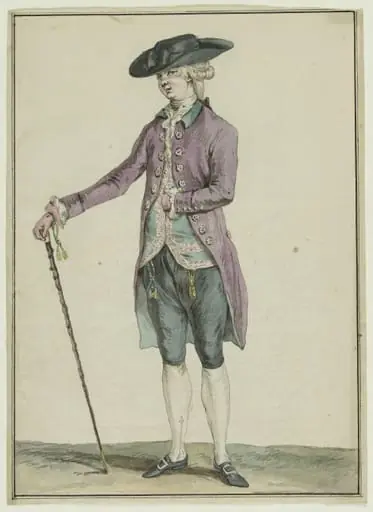 Petit maître en chenille, Habit du matin
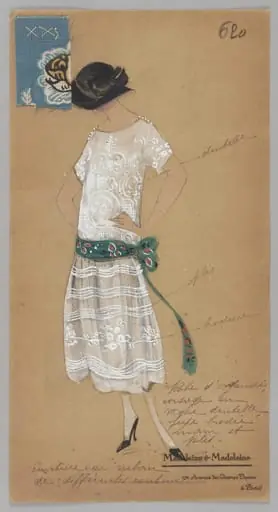 620
620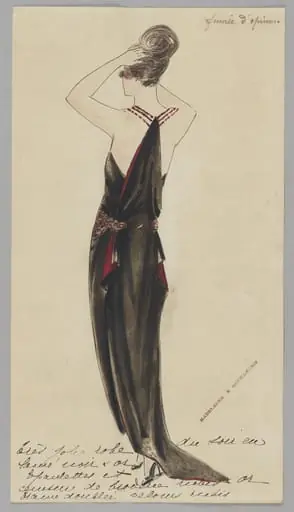 Fumée d'opium
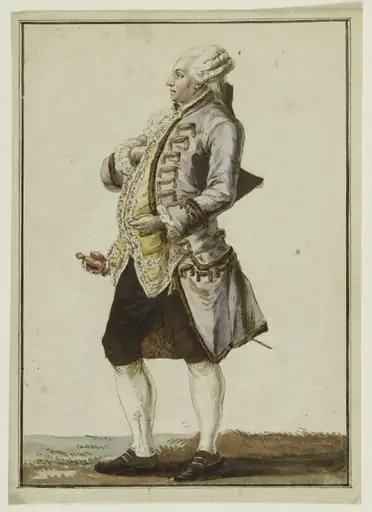 Homme vêtu d'un habit en surtout à brandebourgs de camelot de soie
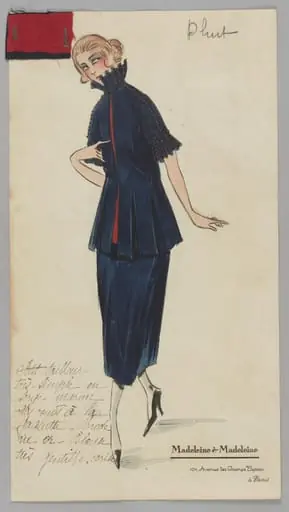 Phut
Phut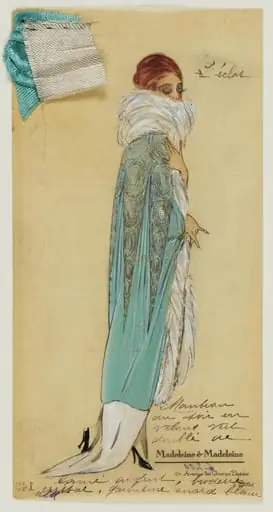 L'éclat
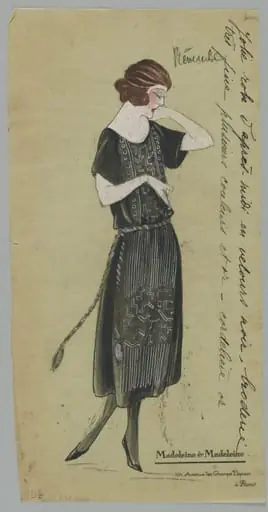 Rêveuse
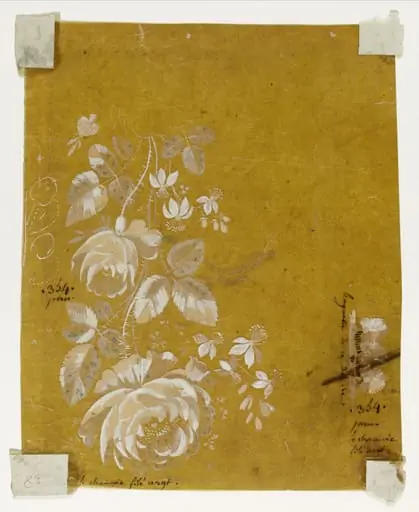 Bouquet de roses blanches pour étoffe, projets de broderies de gilet, XVIIIème siècle
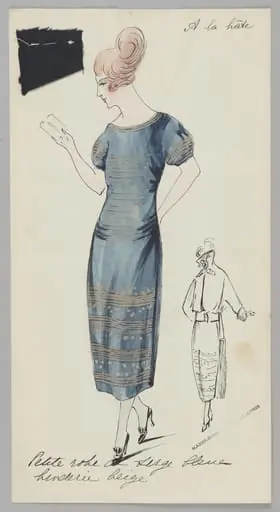 A la hâte
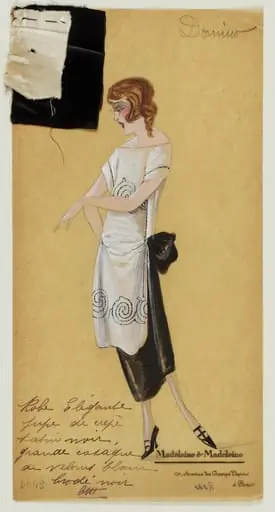 Domino
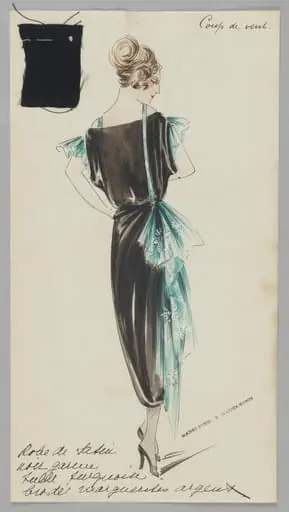 Coup de vent
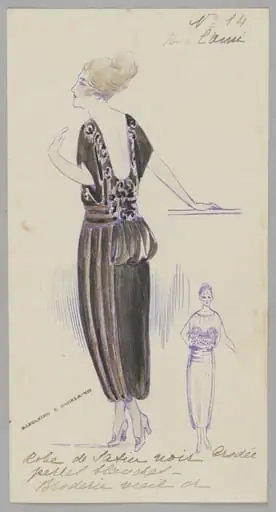 Pour l'ami
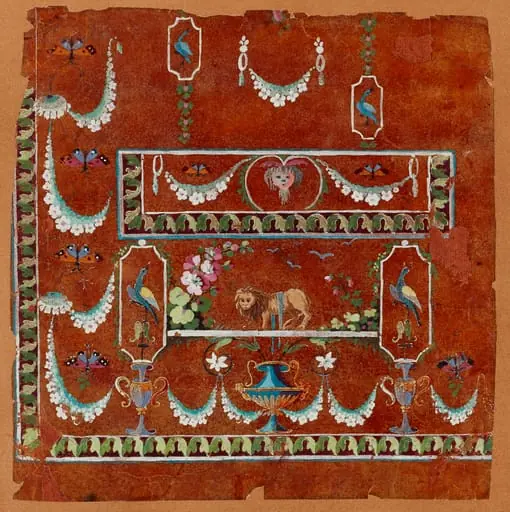 Gilet décor à grotesques, projets de broderies de gilet, XVIIIeme siècle
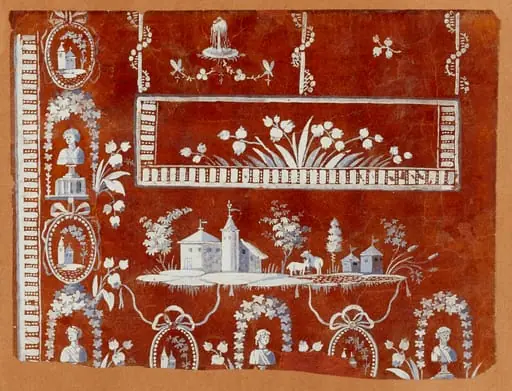 Gilet décor architectures rurales, projets de broderies de gilet, XVIIIème siècle
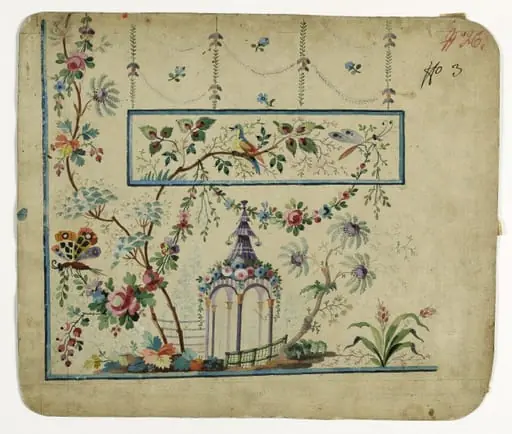 Gilet décor pagode, projets de broderies de gilet, XVIIIème siècle
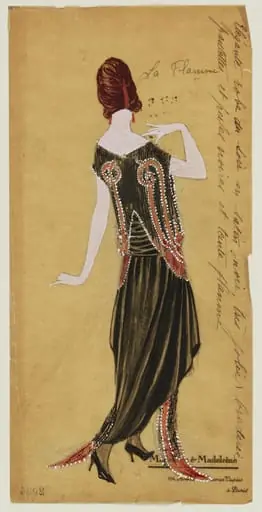 La Flamme
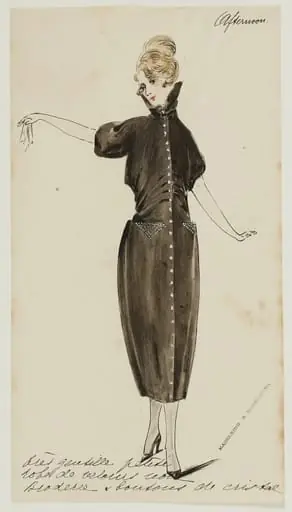 Afternoon
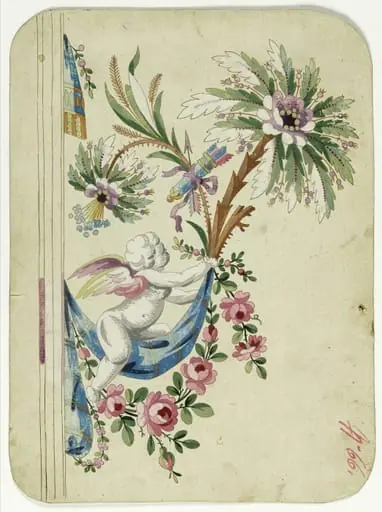 Décor de putti sur palmier, projets de broderies de gilet, XVIIIème siècle
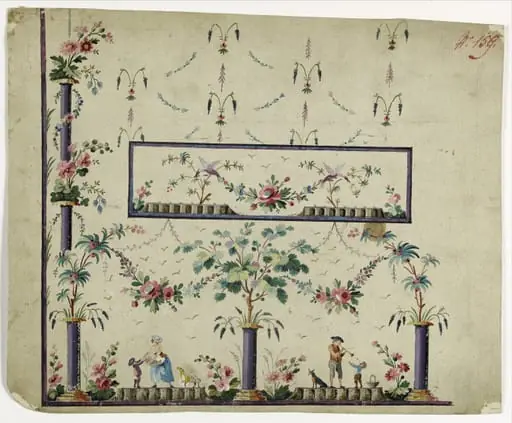 Gilet décor couple avec enfants, projets de broderies de gilet, XVIIIème siècle
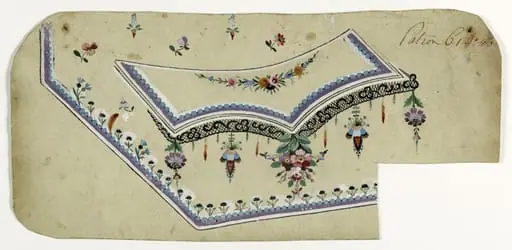 Gilet à la dentelle noire, projets de broderies de gilet, XVIIIème siècle
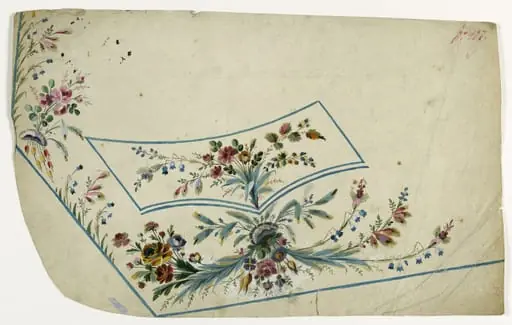 Gilet aux feuilles bleu-gris, projets de broderies de gilet, XVIIIème siècle
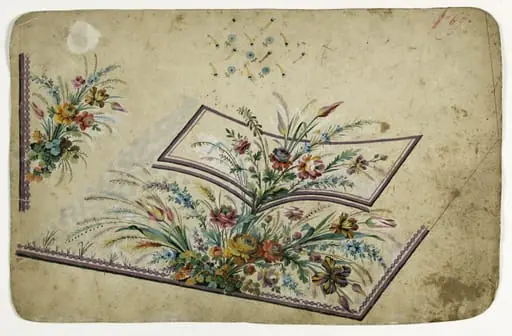 Gilet au bouquet de fleurs multicolores, projets de broderies de gilet, XVIIIème siècle
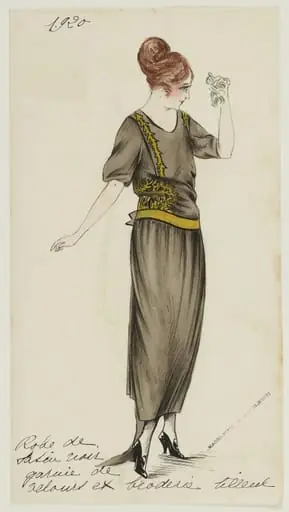 1920
1920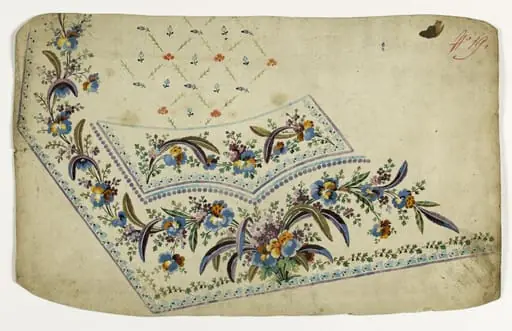 Gilet fleurs bleues et orange, projets de broderies de gilet, XVIIIème siècle
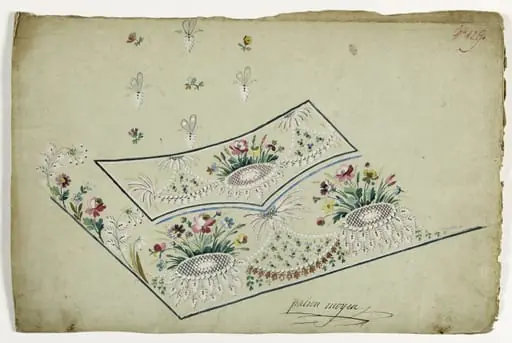 Gilet aux parterres de fleurs, projets de broderies de gilet, XVIIIème siècle
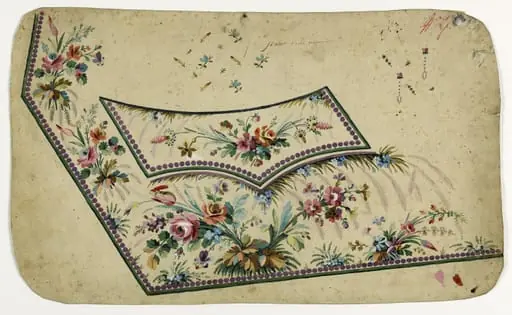 Gilet fleurs et perles mauves, projets de broderies de gilet, XVIIIème siècle
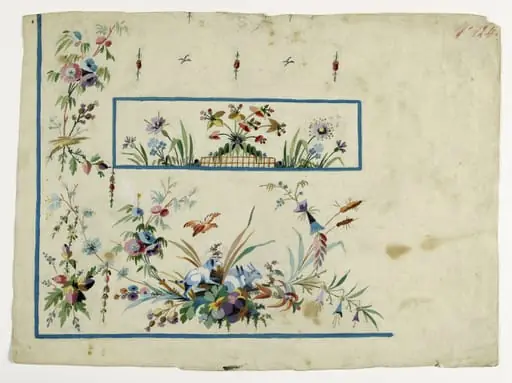 Gilet décor fleurs et fruits avec chien et lapins, projets de broderies de gilet, XVIIIème siècle
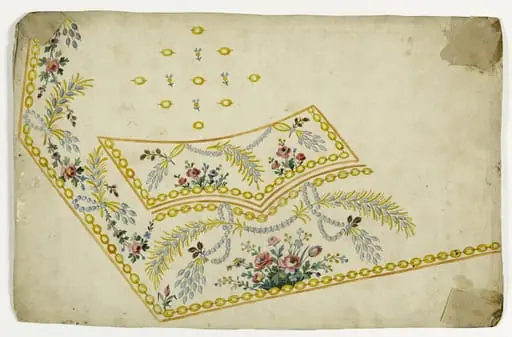 Gilet perles et fleurs, projets de broderies de gilet, XVIIIème siècle
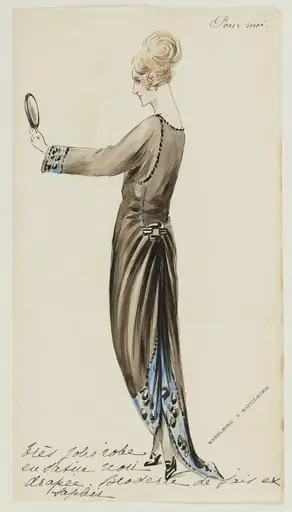 Pour moi.
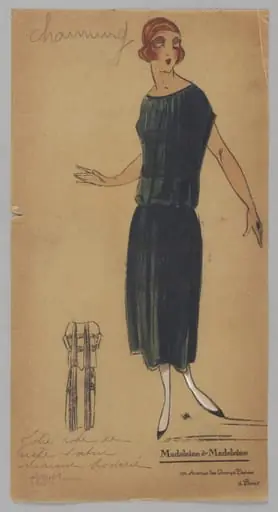 Charming
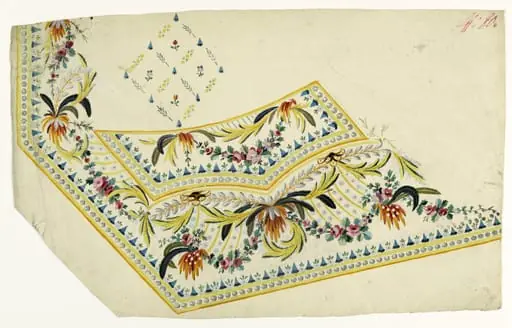 Gilet décor de perles, plumes et paillettes, projets de broderies de gilet, XVIIIème siècle
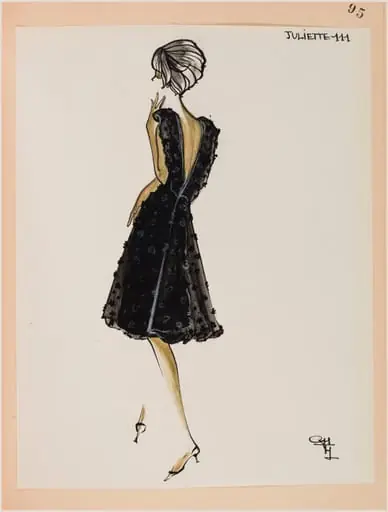 Juliette
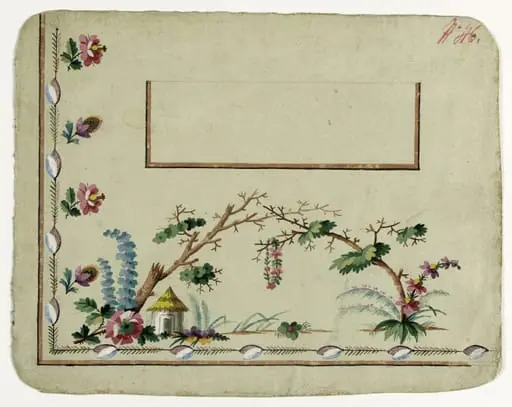 Gilet décor petite chaumière, projets de broderies de gilet, XVIIIème siècle
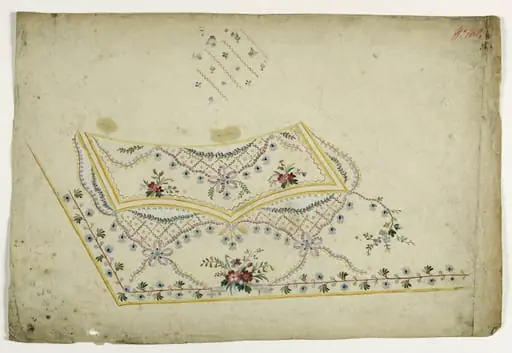 Gilet bouquets et noeuds, projets de broderies de gilet, XVIIIème siècle
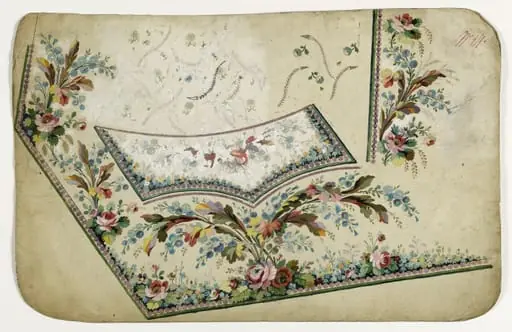 Gilet fleurs et feuilles multicolores, projets de broderies de gilet, XVIIIème siècle
![[...]anour d'or](https://artifactworldgallery.com/img/madeleine-madeleine--anour-d-or--60b5322ff614b40b-w320.webp) [...]anour d'or
[...]anour d'or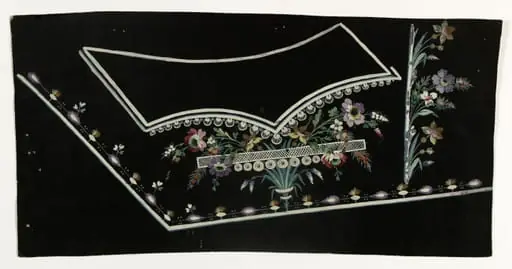 Gilet bouquet de fleurs sur fond noir, projets de broderies de gilet, XVIIIème siècle
![Gilet décor Enée aborde en Afrique ou en Italie [ ? ], projets de broderies de gilet, XVIIIème siècle](https://artifactworldgallery.com/img/gilet-decor-enee-aborde-en-afrique-ou-en-italie-projets-de-b--71103e9e9849fdb0-w320.webp) Gilet décor Enée aborde en Afrique ou en Italie [ ? ], projets de broderies de gilet, XVIIIème siècle
Gilet décor Enée aborde en Afrique ou en Italie [ ? ], projets de broderies de gilet, XVIIIème siècle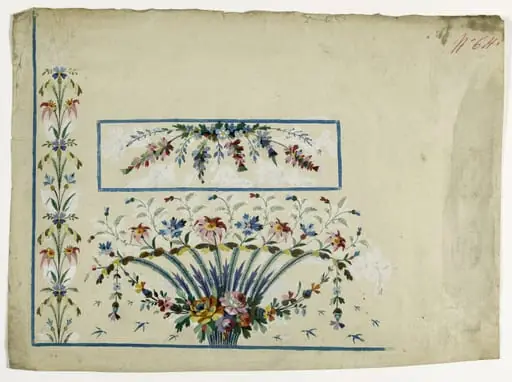 Gilet décor bouquet oeillets et églantines, projets de broderies de gilet, XVIIIème siècle
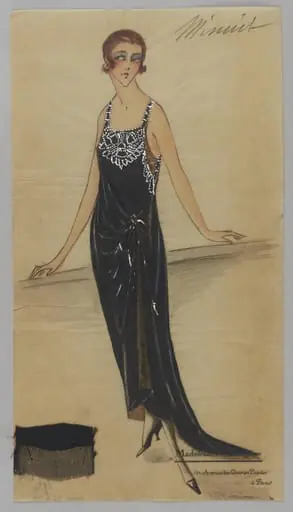 Minuit
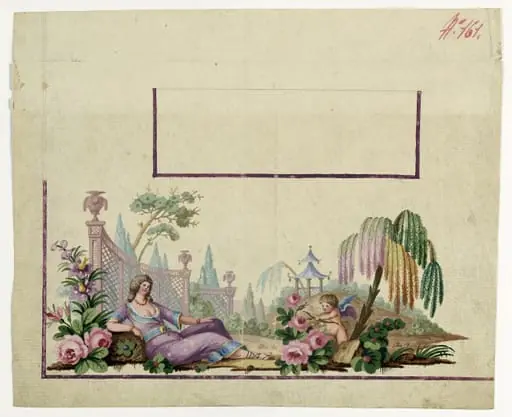 Gilet décor la déesse Flore dans un paysage de treillage, projets de broderies de gilet, XVIIIème siècle
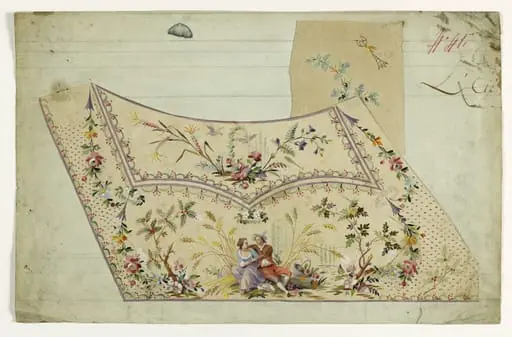 Gilet décor jeune couple assis dans les blés, projets de broderies de gilet, XVIIIème siècle
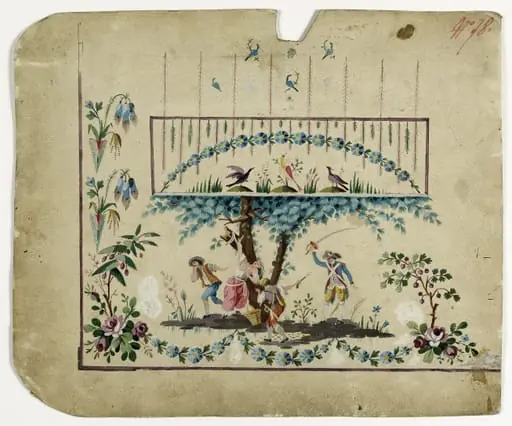 Gilet décor Louis Gillet délivrant une paysanne, projets de broderies de gilet, XVIIIème siècle
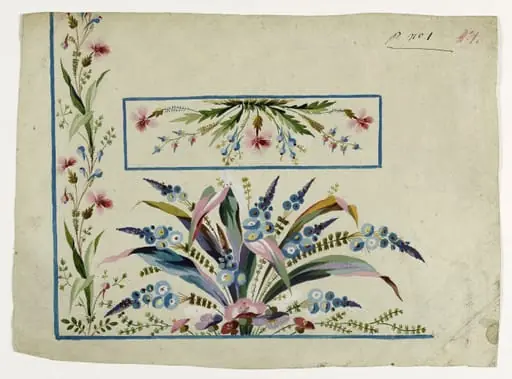 Gilet décor bouquet de bleuets et d'oeillets, projets de broderies de gilet, XVIIIème siècle
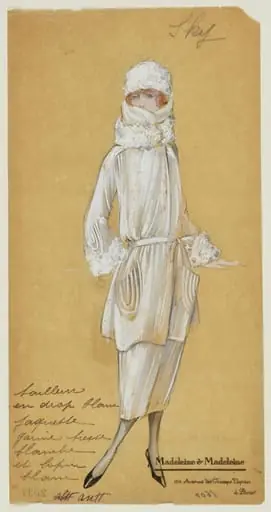 Moussette
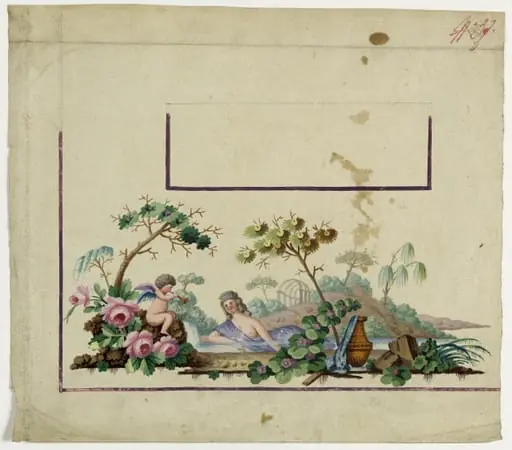 Gilet décor la déesse Flore au bain, projets de broderies de gilet, XVIIIème siècle
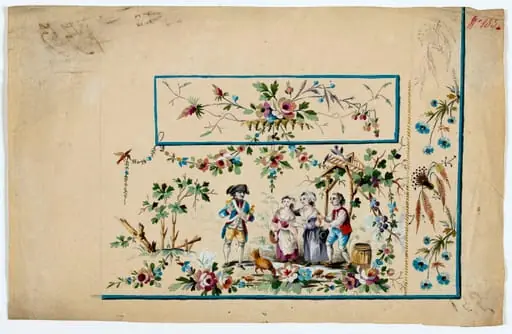 Gilet décor Louis Gillet parlant avec 2 paysans et leur fille, projets de broderies de gilet, XVIIIème siècle
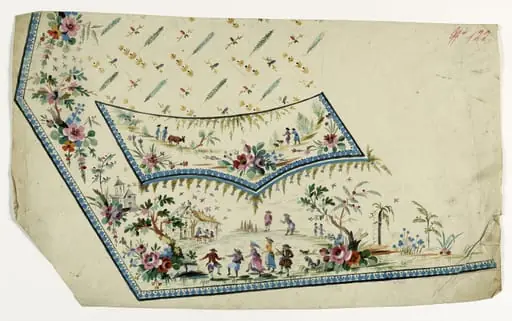 Gilet décor fête paysanne, projets de broderies de gilet, XVIIIème siècle
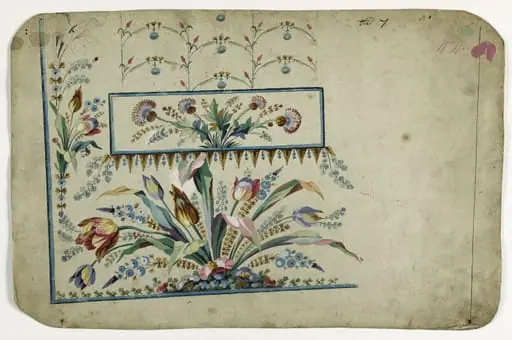 Gilet décor bouquet de tulipes, projets de broderies de gilet, XVIIIème siècle
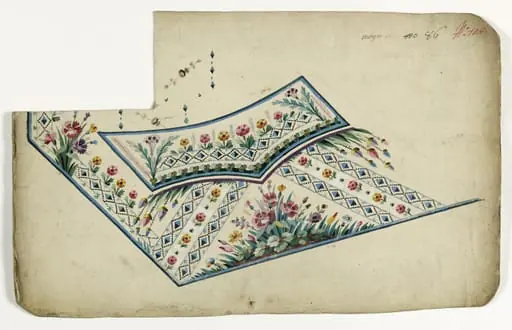 Gilet fleurs et losanges, projets de broderies de gilet, XVIIIème siècle
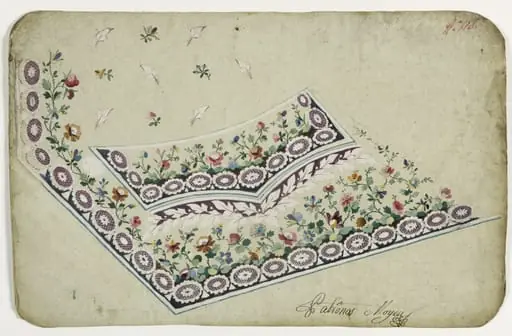 Gilet aux fleurs mauves, projets de broderies de gilet, XVIIIème siècle
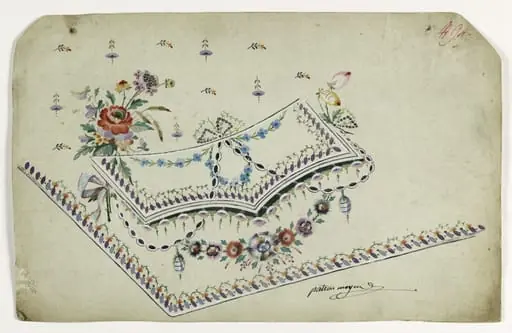 Gilet à la fleur rouge, projets de broderies de gilet, XVIIIème siècle
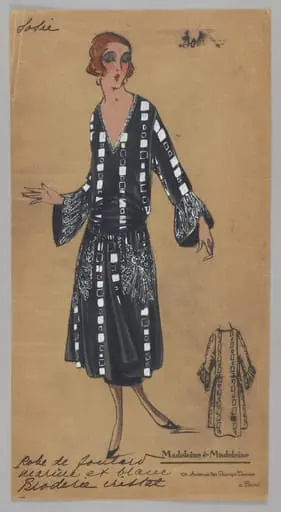 Sosie
Sosie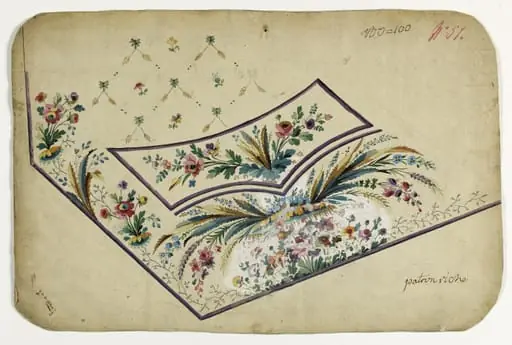 Gilet vasque de feuilles marron et vertes, projets de broderies de gilet, XVIIIème siècle
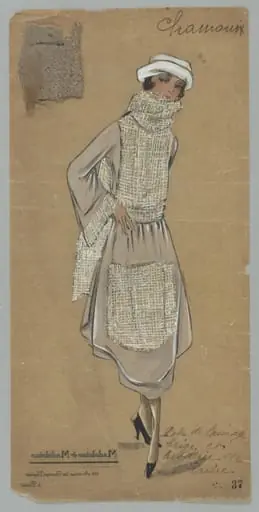 Chamonix
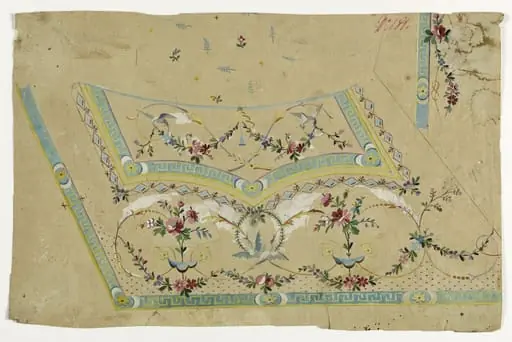 Gilet à la bordure de svastika, projets de broderies de gilet, XVIIIème siècle
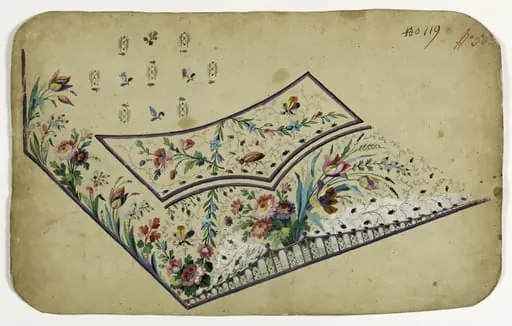 Gilet fleurs, papillons et scarabée, projets de broderies de gilet, XVIIIème siècle
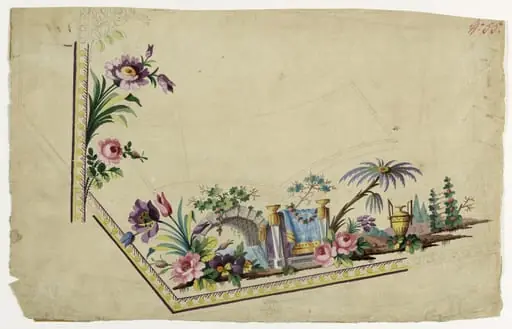 Paysage à pont en pierre, projets de broderies de gilet, XVIIIème siècle
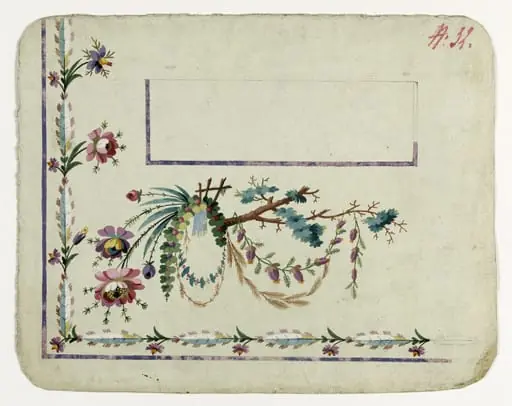 Gilet décor guirlande de branchage et de fleurs, projets de broderies de gilet, XVIIIème siècle
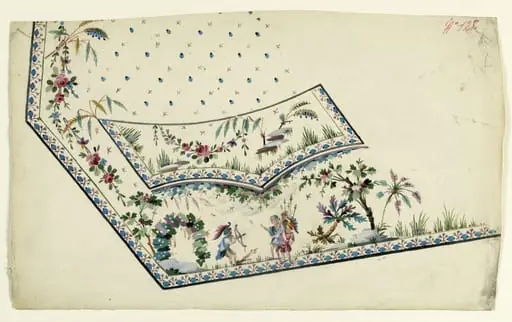 Gilet décor de paysage avec guerriers, projets de broderies de gilet, XVIIIème siècle
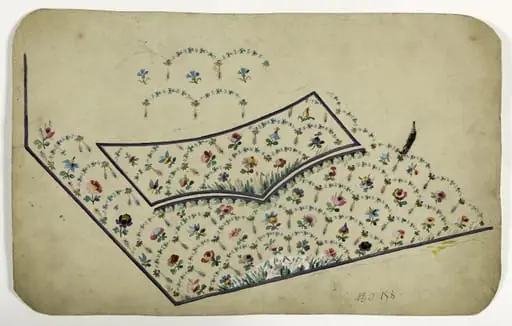 Gilet fleurs dans un réseau, projets de broderies de gilet, XVIIIème siècle
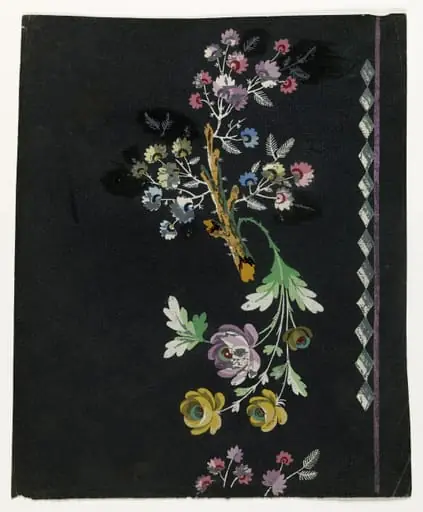 Ramage et fleurs, projets de broderies de gilet, XVIIIème siècle
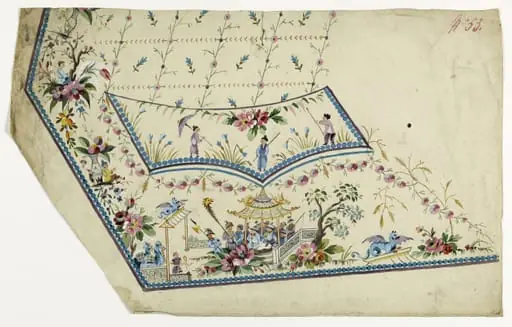 Gilet décor chinois sous une pagode, projets de broderies de gilet, XVIIIème siècle
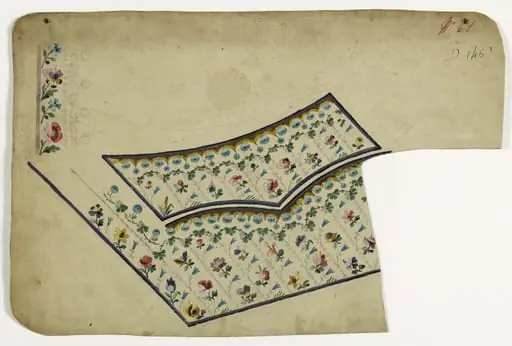 Gilet aux pâquerettes bleues, projets de broderies de gilet, XVIIIème siècle
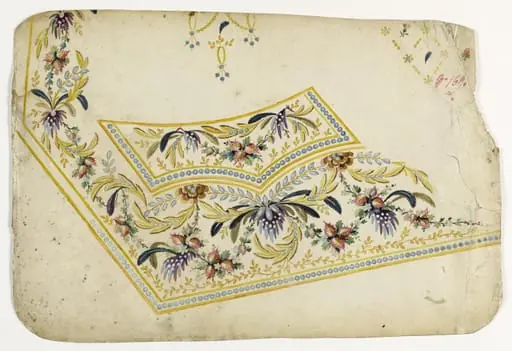 Gilet décor de plumes, fraises et perles, projets de broderies de gilet, XVIIIème siècle
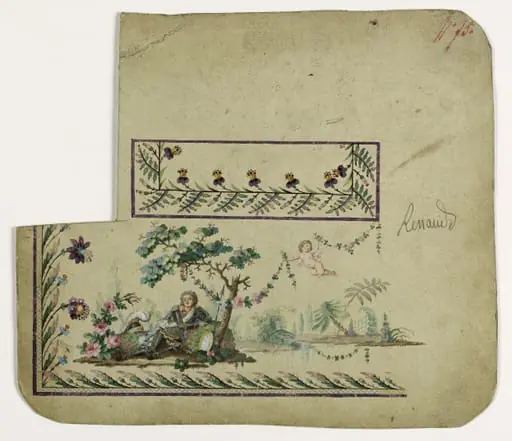 Gilet décor Renaud enchanté par Armide, projets de broderies de gilet, XVIIIème siècle
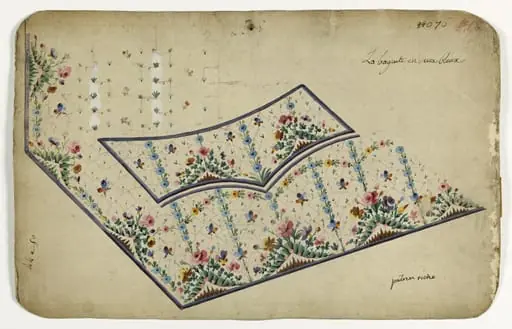 Gilet aux insectes, projets de broderies de gilet, XVIIIème siècle
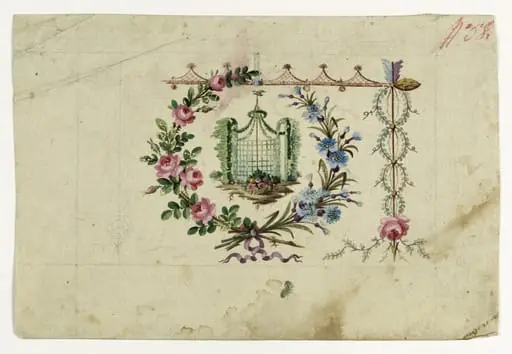 Kiosque entouré d'une guirlande, projets de broderies de gilet, XVIIIème siècle
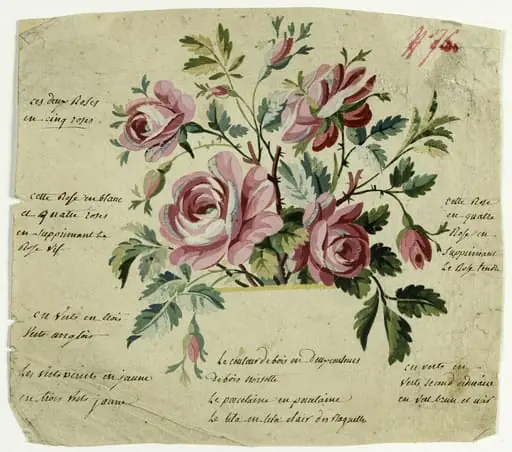 Bouquet de roses, projets de broderies de gilet, XVIIIème siècle
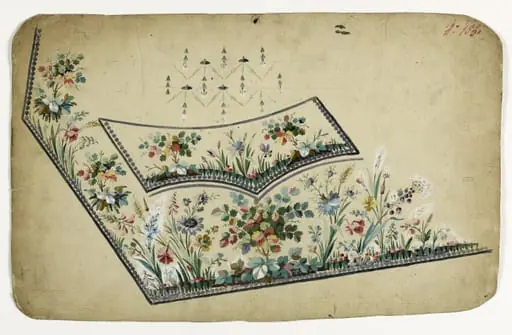 Gilet au buisson de feuilles colorées, projets de broderies de gilet, XVIIIème siècle
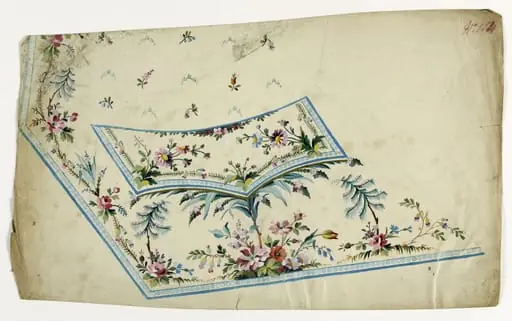 Gilet aux perles bleues, projets de broderies de gilet, XVIIIème siècle
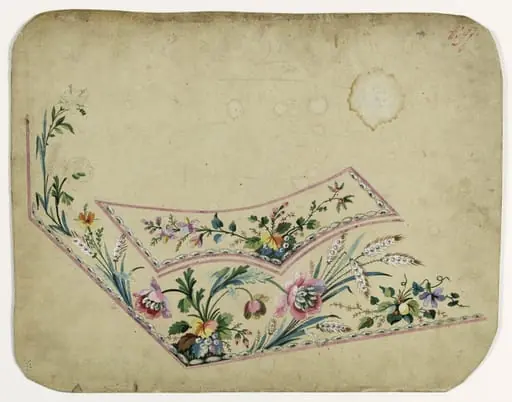 Gilet à la bordure rose, projets de broderies de gilet, XVIIIème siècle
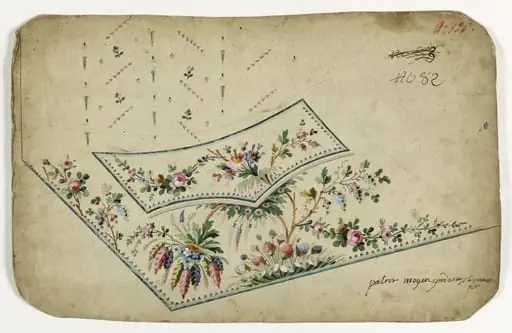 Gilet aux fleurs roses, projets de broderies de gilet, XVIIIème siècle
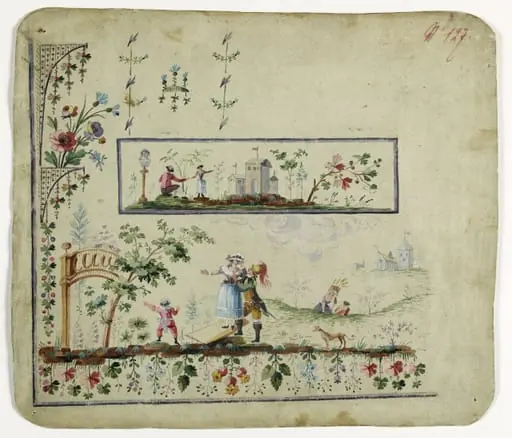 Gilet décor séduction entre un officier et une paysanne, projets de broderies de gilet, XVIIIème siècle
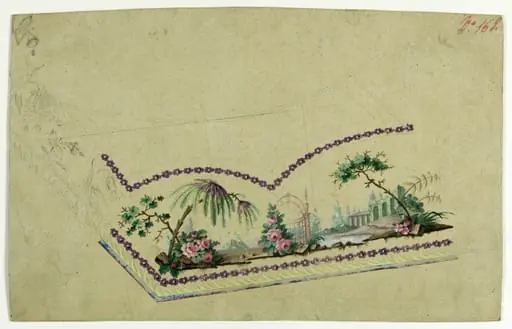 Décor paysage à bordure de violettes, projets de broderies de gilet, XVIIIème siècle
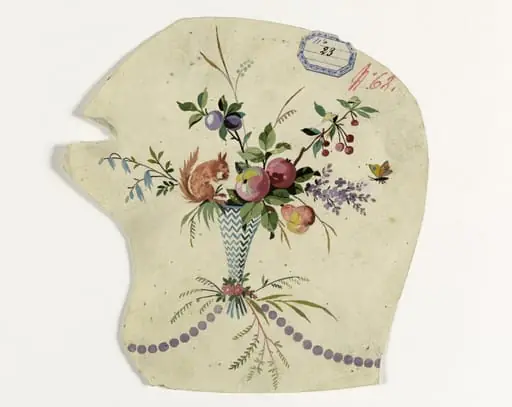 Bouquet de fruits avec écureuil, projets de broderies de gilet, XVIIIème siècle
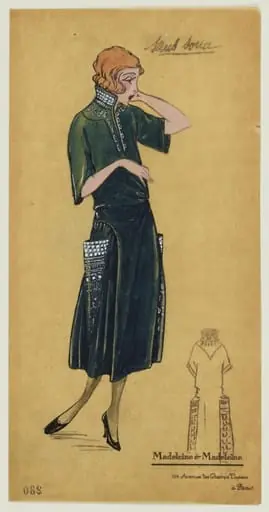 Sans souci
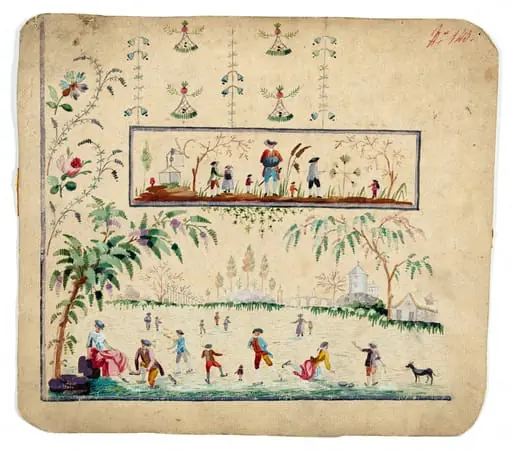 Gilet à patineurs, projets de broderies de gilet, XVIIIème siècle
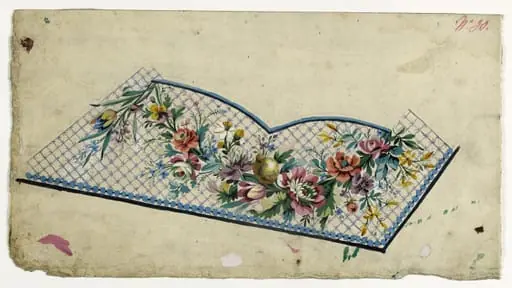 Gilet au treillage, projets de broderies de gilet, XVIIIème siècle
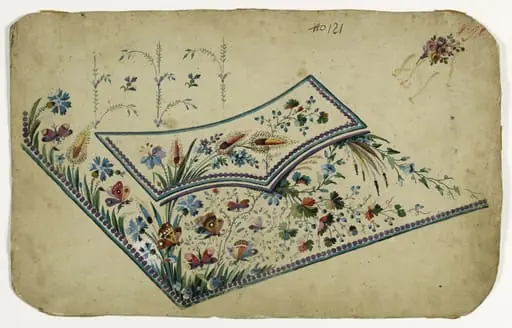 Gilet aux papillons multicolores, projets de broderies de gilet, XVIIIème siècle
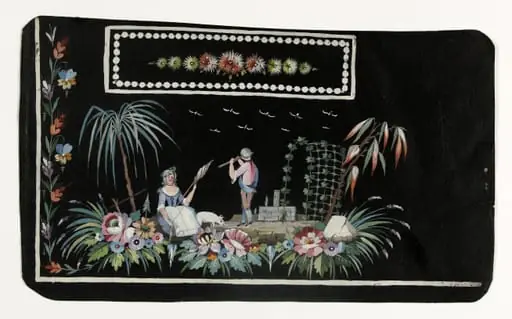 Gilet décor scène de bergers, projets de broderies de gilet, XVIIIème siècle
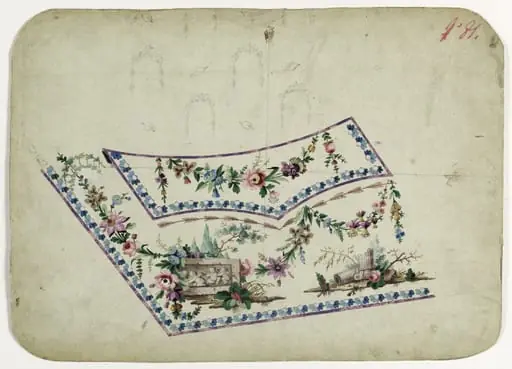 Paysage à bas relief, projets de broderies de gilet, XVIIIème siècle
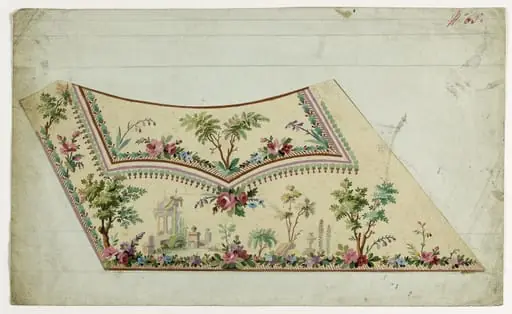 Gilet décor paysage architecture antique, projets de broderies de gilet, XVIIIème siècle
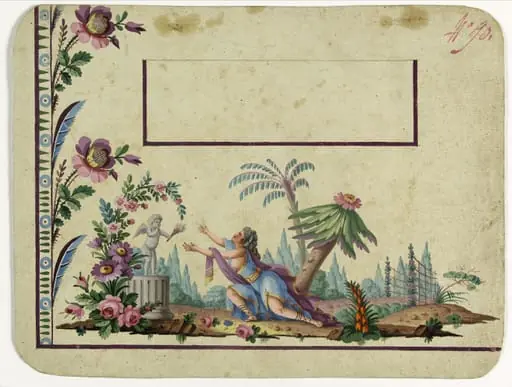 Gilet décor la déesse Flore avec un putti en pierre, projets de broderies de gilet, XVIIIème siècle
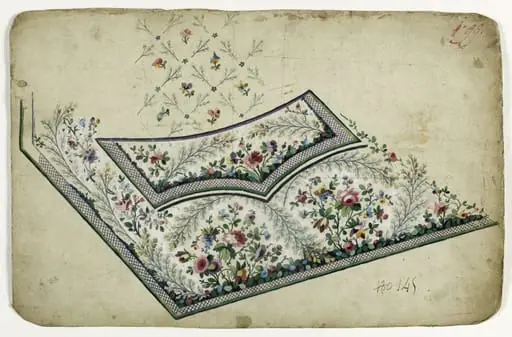 Gilet bordures de grillage, projets de broderies de gilet, XVIIIème siècle
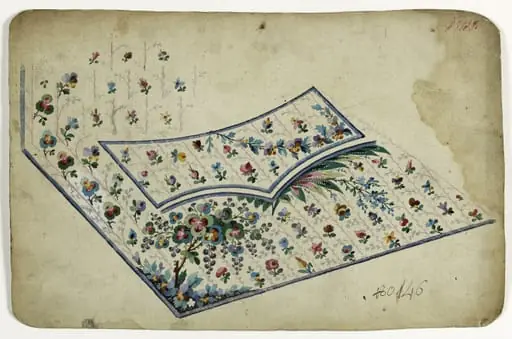 Gilet à l'arbre fleuri, projets de broderies de gilet, XVIIIème siècle
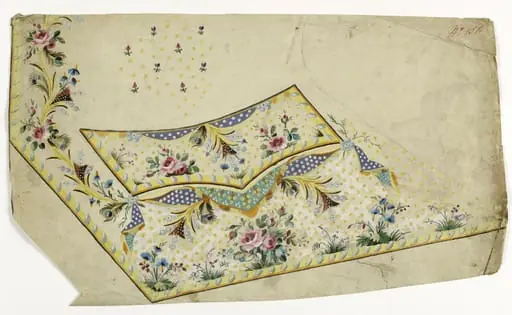 Gilet aux plumes de paon, projets de broderies de gilet, XVIIIème siècle
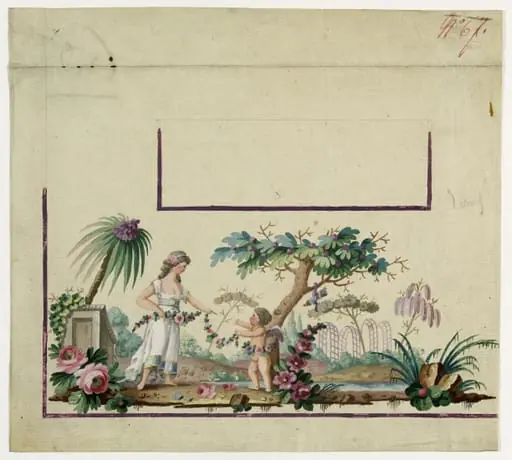 Gilet décor la déesse Flore en conversation avec un amour, projets de broderies de gilet, XVIIIème siècle
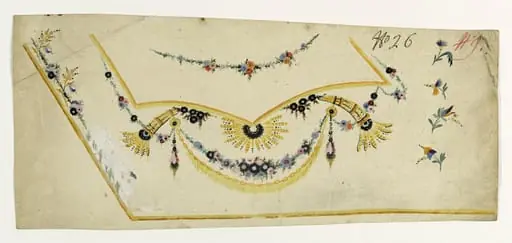 Gilet aux fleurs noires, projets de broderies de gilet, XVIIIème siècle
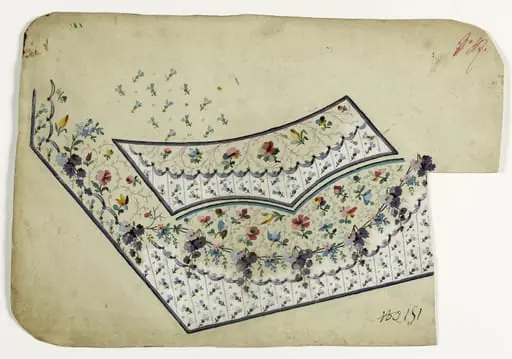 Gilet au décor tapissant, projets de broderies de gilet, XVIIIème siècle
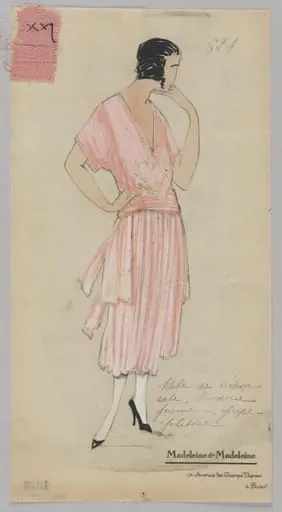 691
691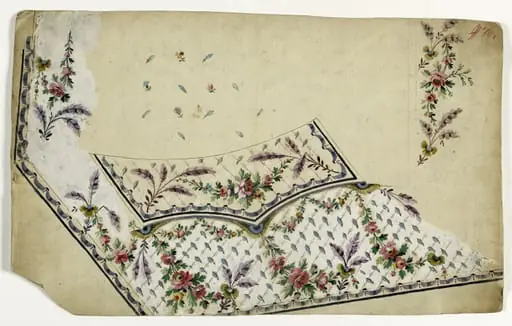 Gilet aux plumes mauves, au verso inversé gilet aux fleurs en forme de flèches, projets de broderies de gilet, XVIIIème siècle
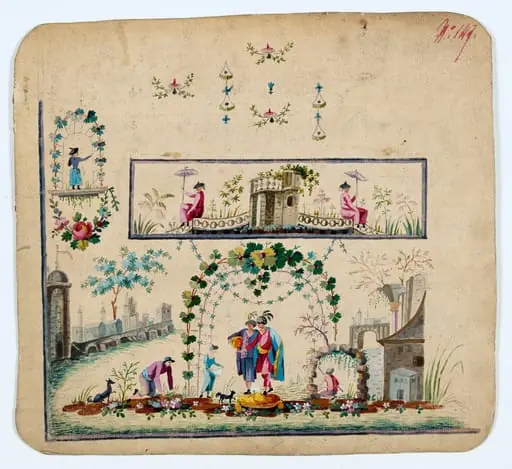 Gilet avec personnages traversant la rivière, projets de broderies de gilet, XVIIIème siècle
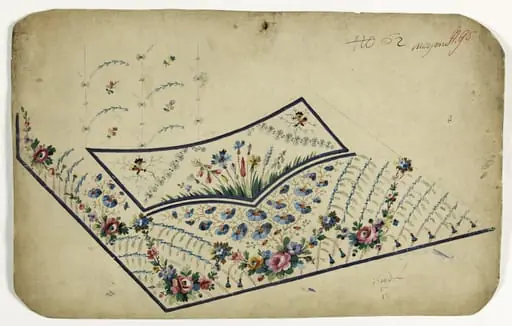 Gilet aux fleurs bleues et orange, projets de broderies de gilet, XVIIIème siècle
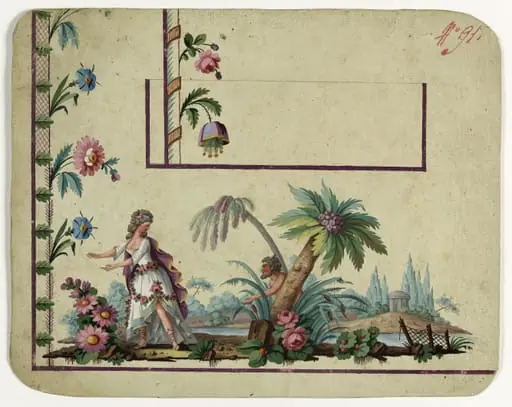 Gilet décor Flore et le faune, projets de broderies de gilet, XVIIIème siècle
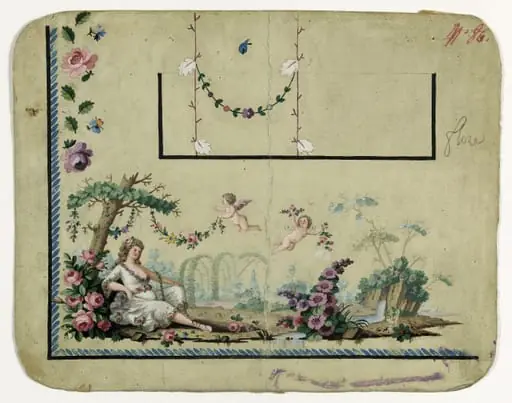 Gilet décor la déesse Flore dans un paysage, projets de broderies de gilet, XVIIIème siècle
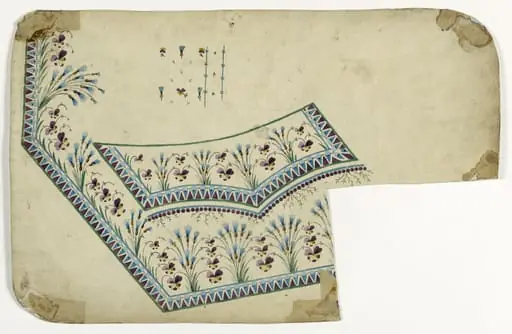 Gilet aux fleurs bleues et mauves, projets de broderies de gilet, XVIIIème siècle
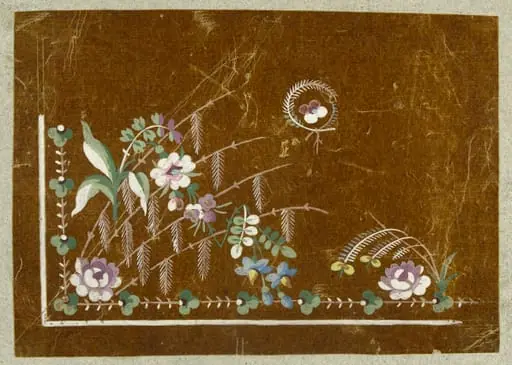 Bordure pour étoffe, projets de broderies de gilet, XVIIIème siècle
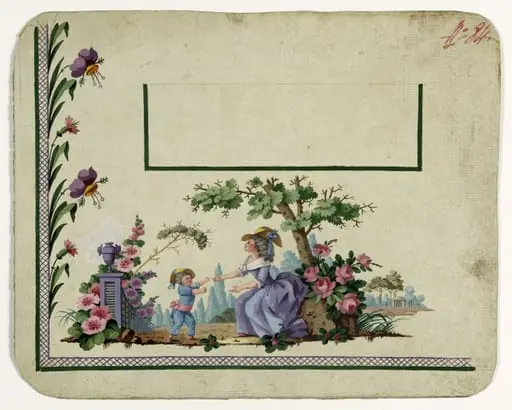 Gilet décor amour filial, projets de broderies de gilet, XVIIIème siècle
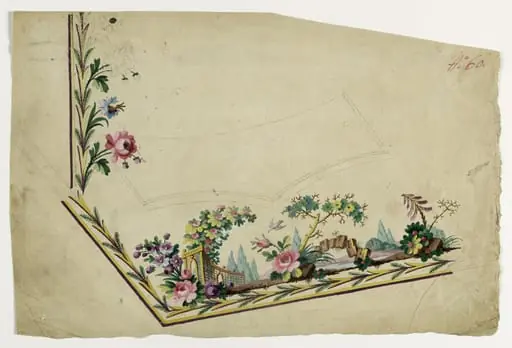 Gilet motif paysage aux rochers, projets de broderies de gilet, XVIIIème siècle
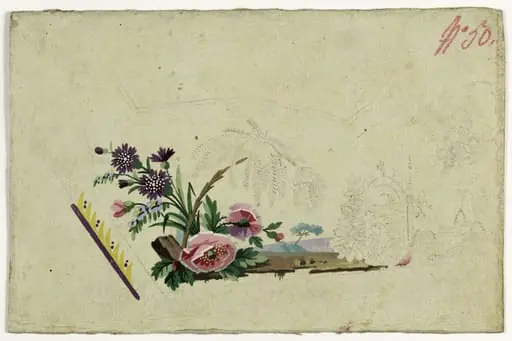 Décor paysage aux oeillets mauves, projets de broderies de gilet, XVIIIème siècle
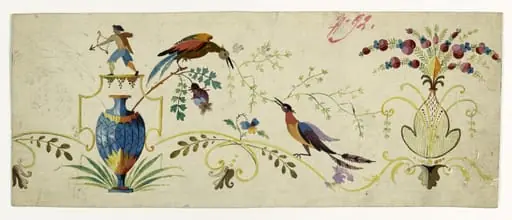 Décor faisans, projets de broderies de gilet, XVIIIème siècle
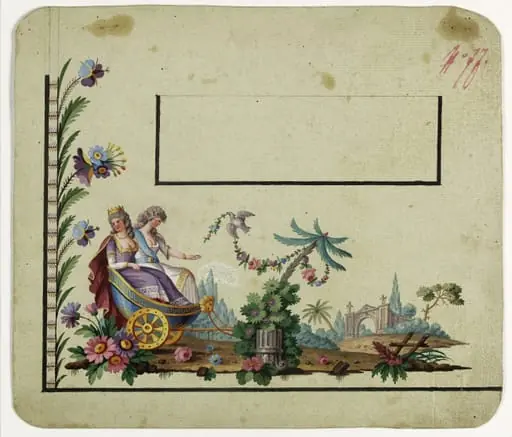 Gilet décor Didon en promenade sur un char, projets de broderies de gilet, XVIIIème siècle
 Peisaj (Ercea) sat
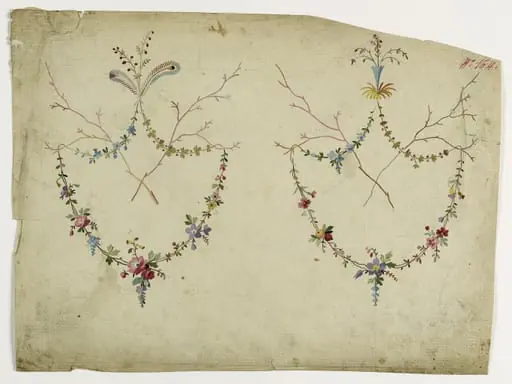 Guirlandes de fleurs des bois, projets de broderies de gilet, XVIIIème siècle
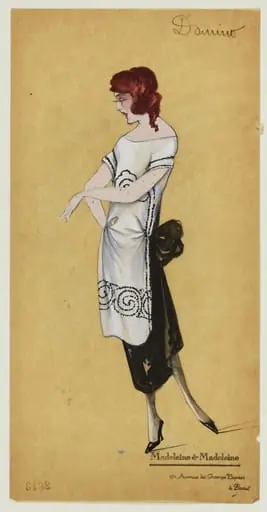 Domino
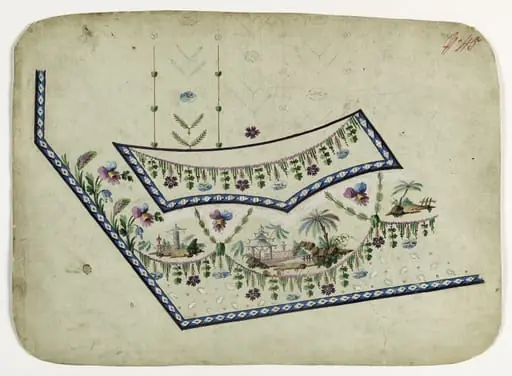 Gilet décor paysage chinois, projets de broderies de gilet, XVIIIème siècle
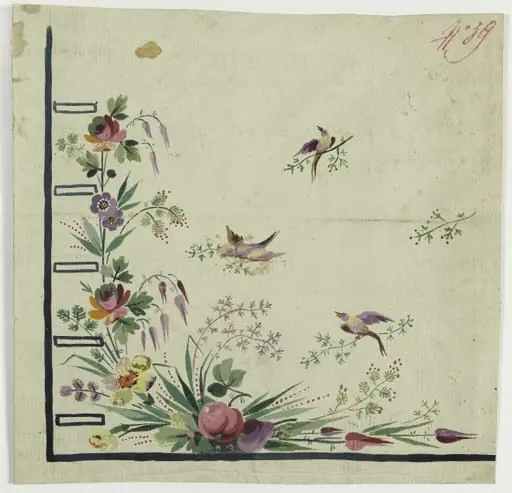 Gilet décor fleurs et colibris, projets de broderies de gilet, XVIIIème siècle
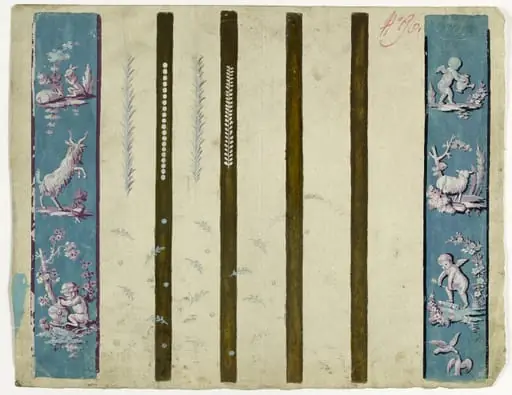 Bandes d'amours et animaux, projets de broderies de gilet, XVIIIème siècle
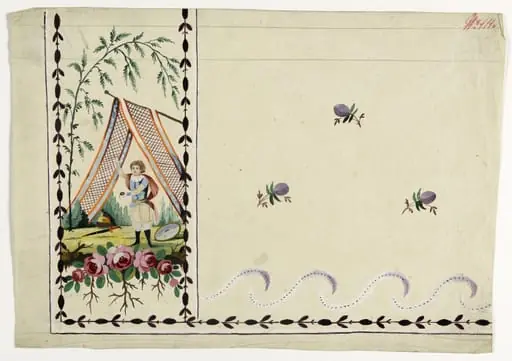 Gilet guerrier dans un paysage, projets de broderies de gilet, XVIIIème siècle
Frequently asked questions
What is Embroidery?
Embroidery is the art of decorating fabric or other materials using a needle to stitch thread or yarn.
How many Embroidery works does Artifact World Gallery have?
Artifact World Gallery holds 147 public-domain Embroidery works, all free to view and download.
Who are the key Embroidery artists?
Key Embroidery artists in the collection include Ammi Phillips, Robert Peake the elder and Paolo di Giovanni Fei.
Where can I see Embroidery works?
Embroidery works in the collection are held by Palais Galliera - Musée de la Mode de la Ville de Paris, Palace of Versailles and Metropolitan Museum of Art.