
Subject
Hand Fan
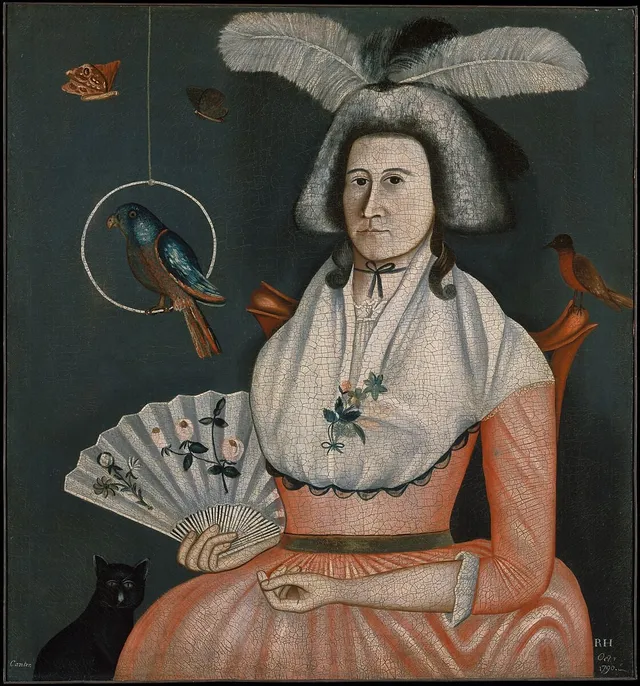
Hand Fan is a subject in art. The gallery holds 200 works in this subject in art, including works by Titian, Paolo Veronese and Édouard Manet.
The hand fan is among the most enduring of personal accessories, and across cultures it has doubled as a portable surface for painting. While rigid screen fans are ancient, the folding fan—a sector of a circle whose pleated leaf of paper, silk, or vellum opens across slender sticks pivoting at a rivet—originated in East Asia, possibly in Japan by the seventh century CE. In China the folding form came into fashion during the Ming dynasty (1368–1644), when leading painters lent their talents to fan leaves, producing works often treasured as art rather than mounted for use. Portuguese traders who opened the sea route to China in the sixteenth century carried such "Oriental" fans back to Europe, and by the end of the seventeenth century large consignments of Chinese and Japanese fans were arriving on Western markets.
In Europe the fan became both an industry and a craft. Between roughly 1650 and 1730, workshops in Holland, England, and France produced brisé fans built entirely of carved, pierced ivory or horn sticks, painted in oils with classical and chinoiserie scenes; the most prized were finished in the lustrous imitation lacquer perfected by the Martin family, known as vernis Martin. The eighteenth century was the medium's golden age. Fan leaves were rendered in oil or opaque watercolour, their pastoral idylls, mythological vignettes, and fêtes galantes ingeniously composed to fit the curving wedge of the leaf. Yet the painters themselves remained anonymous artisans who rarely signed their work, and the genre carried little prestige.
The fan also entered painting as a motif—an attribute of fashionable femininity laden with codes of courtship and concealment. John Singer Sargent's notorious Madame X (1883–84), a portrait of Virginie Amélie Avegno Gautreau, places a folded black fan in the sitter's gloved left hand, a foil to her pale skin and a token of poised reserve.
The fan's prestige as a fine-art support revived under Japonisme. Captivated by collected Japanese fans, Edgar Degas and Camille Pissarro took up the shaped format around 1878–79; Degas produced some twenty-five fans and showed five at the 1879 Impressionist exhibition, where a room was devoted to the form. Their experiments helped restore the painted fan to the status it had long enjoyed in East Asia.
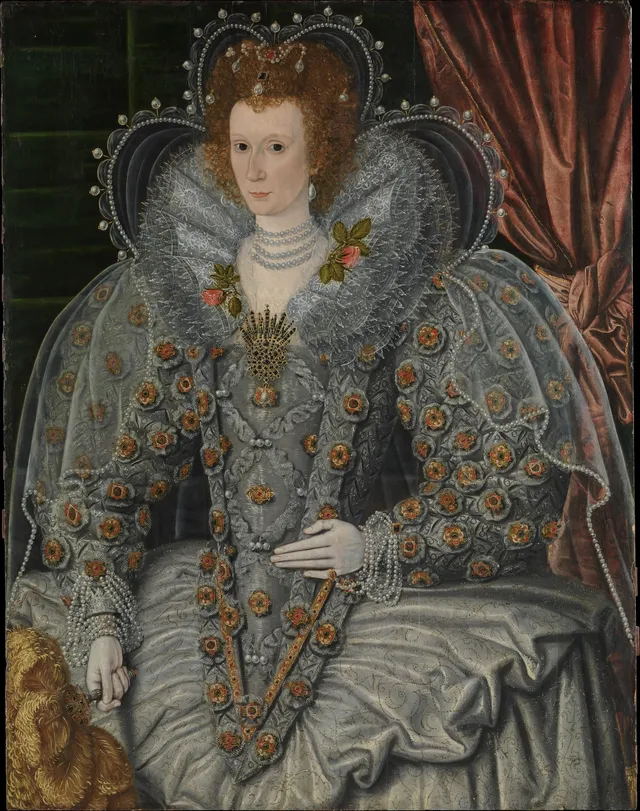
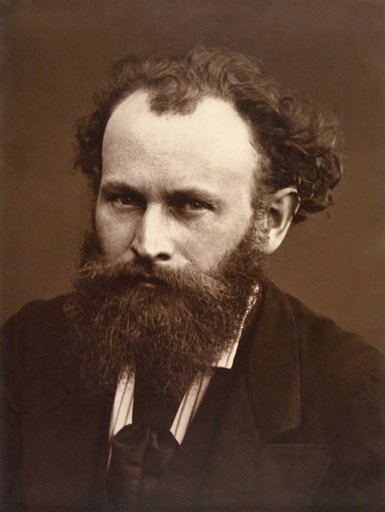
Key artists


Overview
A hand fan is a broad, flat surface waved back and forth to create an airflow for cooling. The most common purpose-made variant is the folding fan, shaped like a sector of a circle and made of thin materials such as paper, feathers, silk, or parchment mounted on slats revolving around a pivot, allowing it to be closed when not in use. Rigid hand screen fans, which lack this folding mechanism, historically served to shield a lady's face from the glare of the sun or fire. Before the invention of mechanical fans, these objects functioned on thermodynamic principles, increasing the evaporation rate of sweat and displacing warm air to lower body temperature. Beyond their practical utility, hand fans have functioned as fashion accessories, status symbols, and vehicles for artistic expression across multiple cultures.
Iconography & meaning
Throughout history, the hand fan has carried layered symbolic meanings tied to social status, gender, and courtship. In Europe, the fan became an indispensable accessory for women, its delicacy and expense acting as a symbol of femininity and wealth. It also served as an instrument of coquetry, allowing the user to hide her face and peek out playfully. This coy utility birthed the concept of a fan language, a system of nonverbal signals supposedly used at social gatherings to exchange secret messages. A 1757 book linked fan gestures to emotions, but the only direct evidence of a formalized dictionary of gestures comes from the manufacturer Duvelleroy, likely a marketing invention of the late 19th century. In China, specific fan types denoted gender and status, with folding fans reserved for males and rigid fans for females. Chinese brides used a moon-shaped round fan, or queshan, to hide their faces during weddings, warding off evil spirits and preserving mystery before revealing themselves to the groom.
Across movements & periods
The hand fan originated roughly 4000 years ago in Egypt, where large fans wielded by servants were viewed as sacred objects and symbols of royal authority; the tomb of Tutankhamun contained two elaborate examples. In ancient Greece, the fan was used from the 4th century BC, while Christian Europe employed the ceremonial flabellum from the 6th century to drive insects from the Eucharist. In China, fans date to the Spring and Autumn period, with early examples made of bamboo or feathers. The Chinese invented the folding fan, which Portuguese traders introduced to Europe in the mid-16th century. By the European 16th century, hand-held fans became fashionable, with flag fans a Venetian specialty. During the 18th century, fan leaves were painted with classical legends, biblical scenes, and chinoiserie, later shifting to contemporary events like the French Revolution. In the 19th century, brise fans made of ivory or wood served as dance cards, while the 20th century saw fans repurposed as advertising souvenirs.
Notable depictions
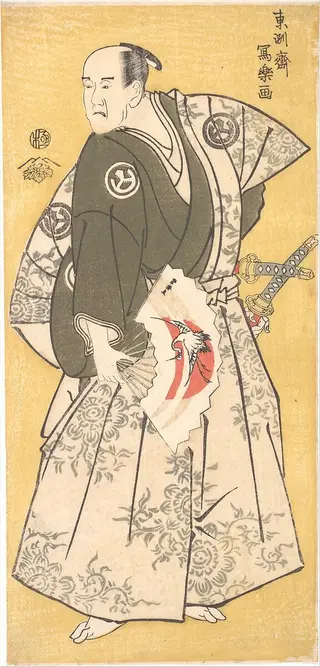
Among the canonical depictions of the hand fan in Western art is John Singer Sargent's Madame X (Virginie Amelie Avegno Gautreau), where the subject's assertive hold on a fan underscores her social poise and the fashionable allure of the accessory. Portraiture consistently utilized the fan to denote elite status, as seen in Portrait of a Lady with an Ostrich-Feather Fan. In the decorative arts, the fan mount itself became a canvas for painters, exemplified by Fan Mount: The Cabbage Gatherers. In Japanese art, the fan functions as a vital theatrical prop, as demonstrated in the woodblock print of the actor Arashi Kitsusaburo I as Prince Koretaka. Beyond painting, the artist Oskar Kokoschka created fans for Alma Mahler-Werfel, which he described as love letters in visual language, elevating the object into a personal, artistic declaration.
Legacy
While the everyday use of hand fans in Europe declined sharply after the early 20th century, their cultural and artistic legacy persists. The last remaining fan ateliers are located in Paris, London, and Spain, though production in Spain largely focuses on inexpensive souvenirs and traditional flamenco fans. In France, the craft of fan making was officially recognized in 2020 when the skills of the eventaillistes were inscribed in the Inventory of French Intangible Cultural Heritage. In Asia, the fan retains its everyday and ceremonial relevance, used by both genders in daily life and as an indispensable prop in traditional dances and theater, such as Pansori performances. The historical appreciation of the fan is also preserved through dedicated institutions like the German Fan Museum in Bielefeld, and large-scale collections such as the thousand-piece archive assembled by historian Isa van Eeghen, now held by the Royal Antiquarian Society in the Netherlands.
Works
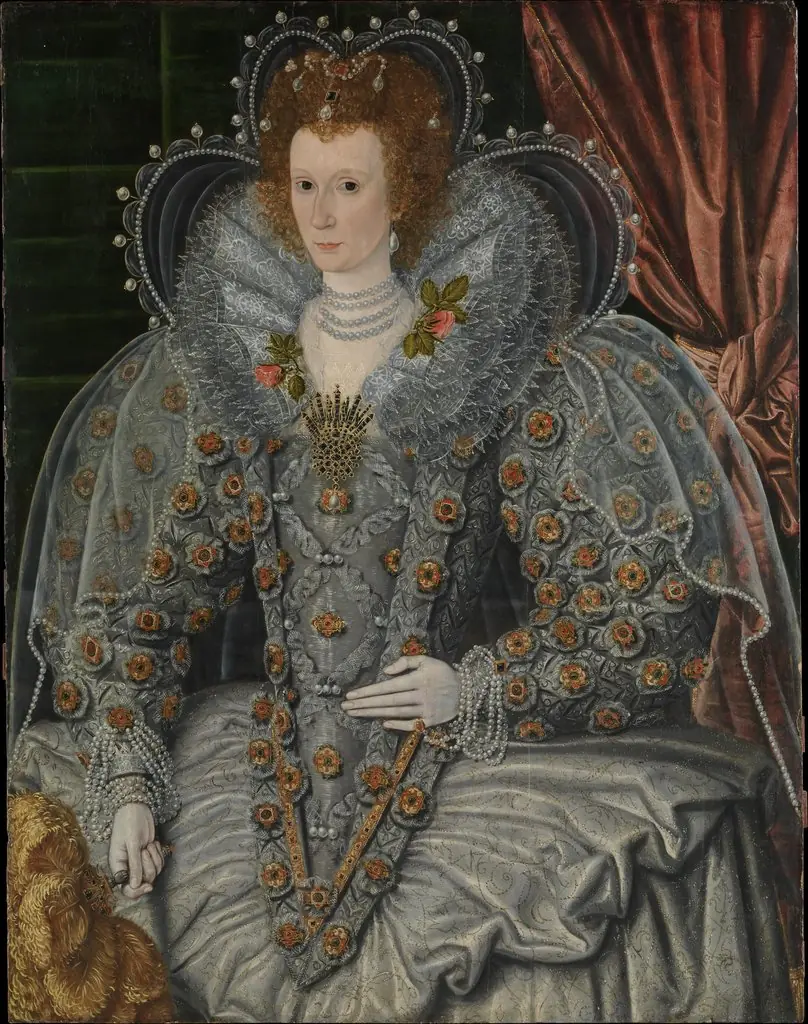 Portrait of a Woman
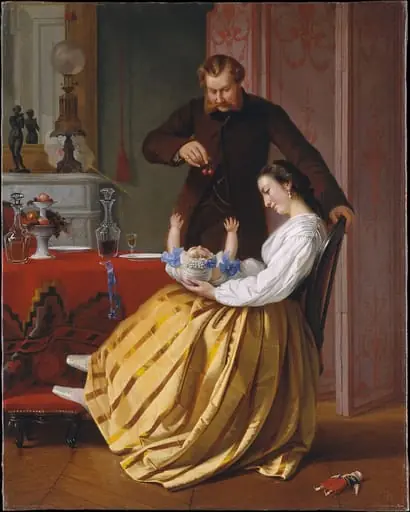 Conversation Piece
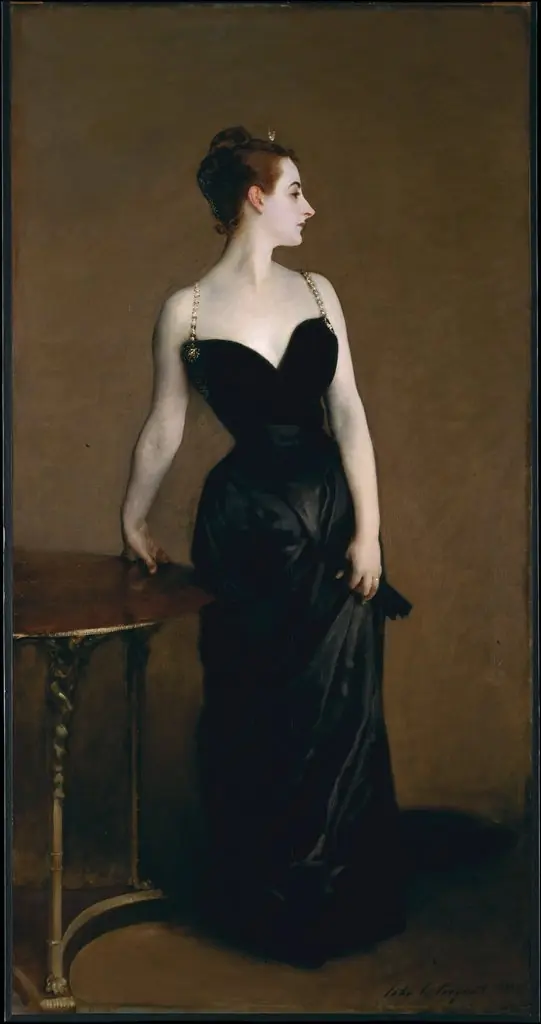 Madame X (Virginie Amélie Avegno Gautreau)
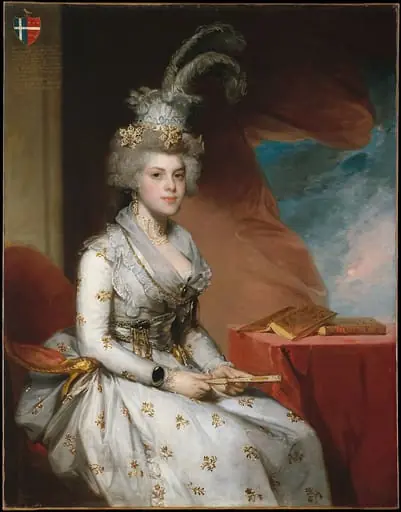 Matilda Stoughton de Jaudenes
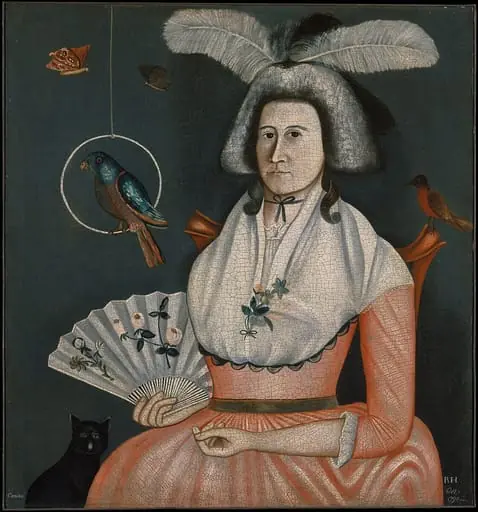 Molly Wales Fobes
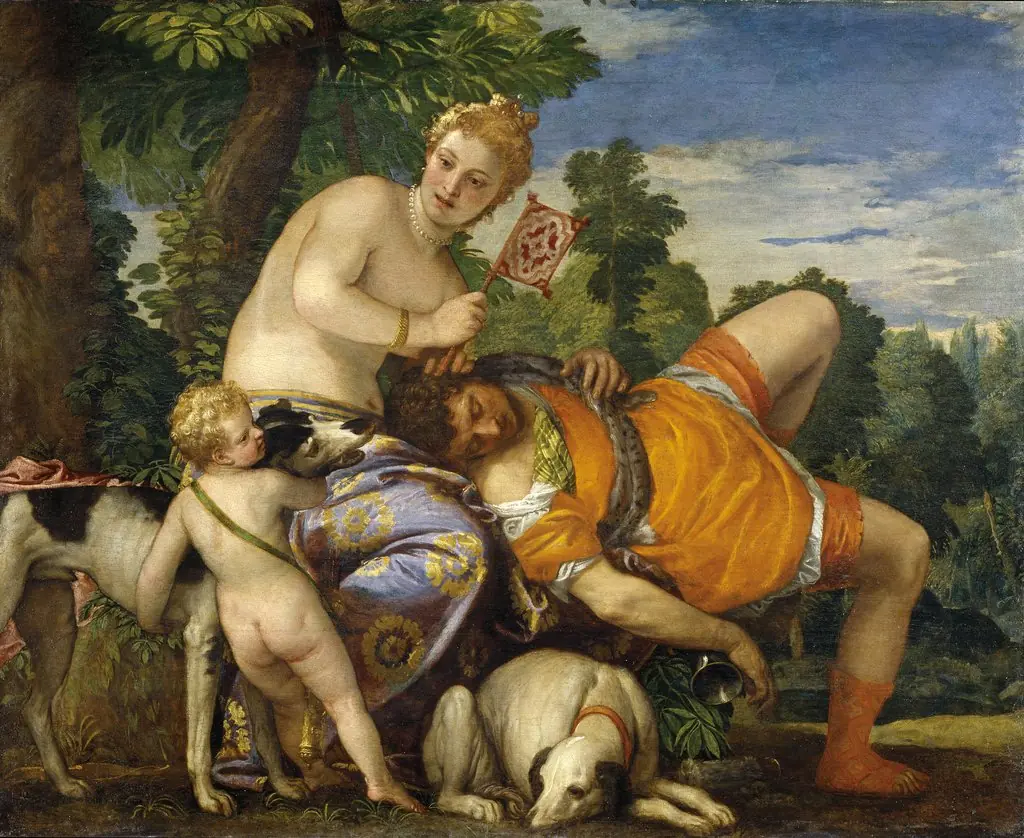 Venus and Adonis
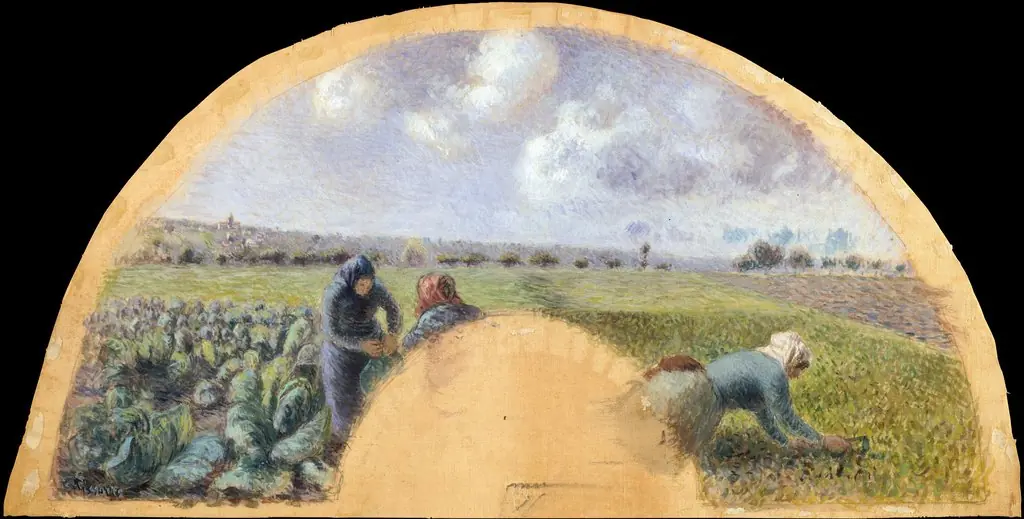 Fan Mount: The Cabbage Gatherers
 Portrait of a Lady with an Ostrich-Feather Fan
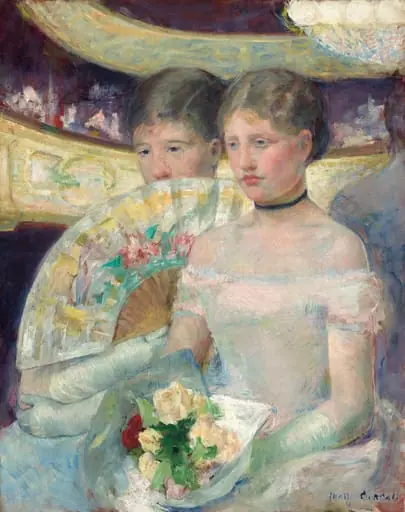 The Loge
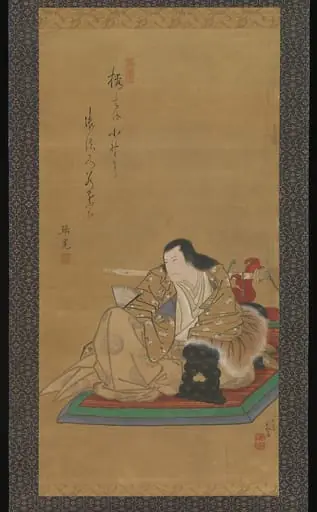 初代嵐橘三郎 (二代目嵐吉三郎) の惟高親王|The Actor Arashi Kitsusaburō I (Kichisaburō II) as Prince Koretaka
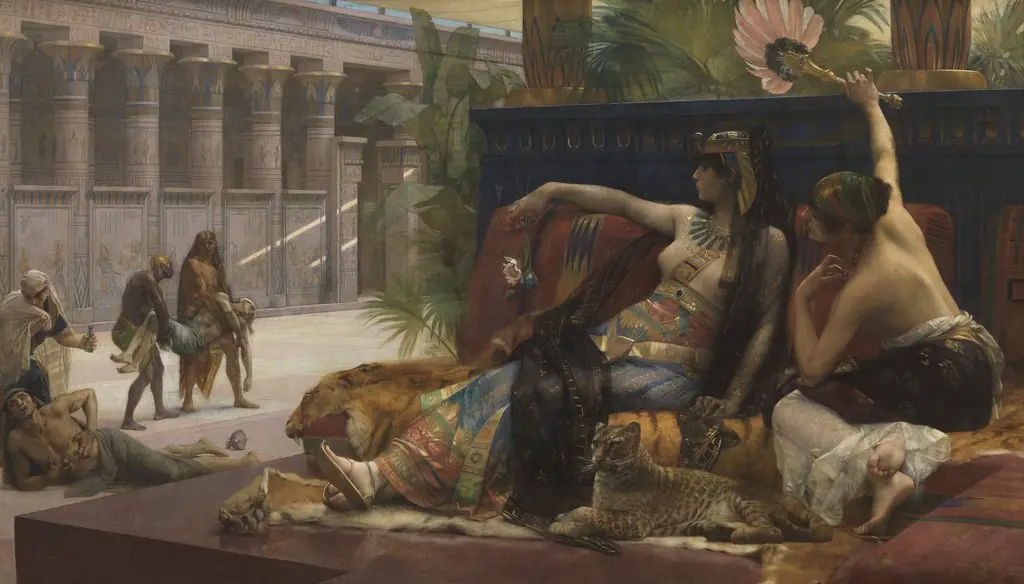 Cleopatra Testing Poisons on Condemned Prisoners
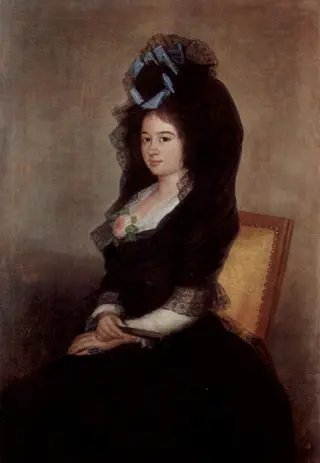 Narcisa Barañana de Goicoechea
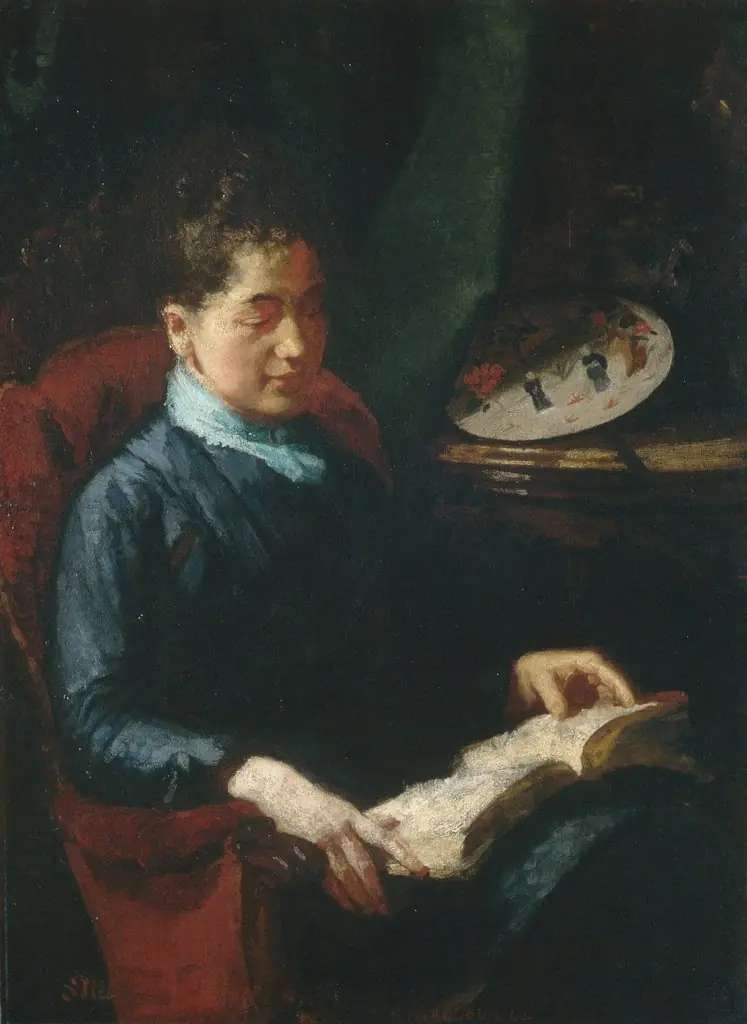 Woman Reading
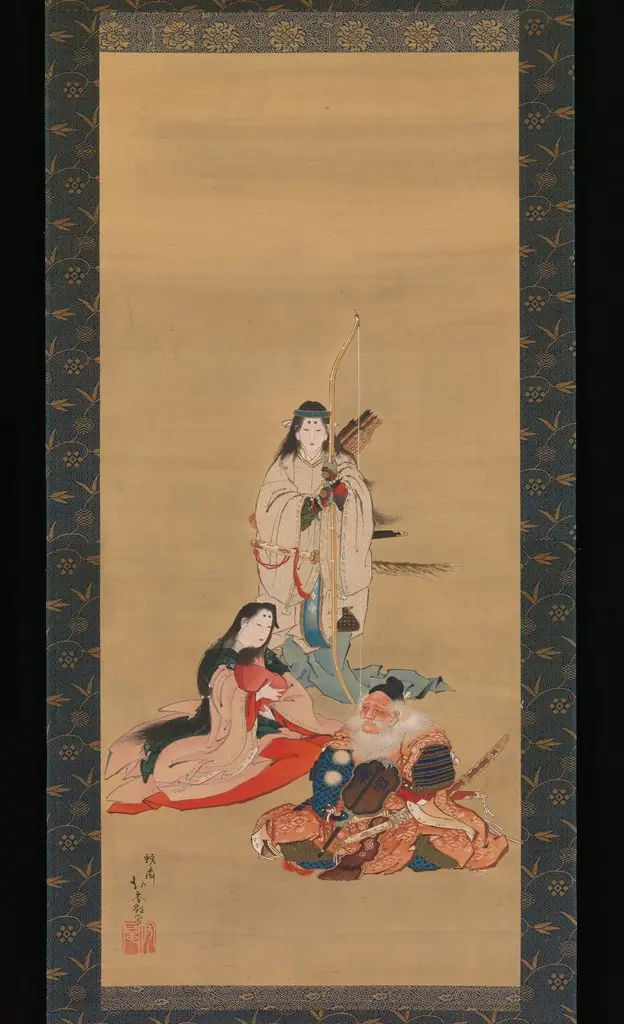 The Legendary Empress Jingū
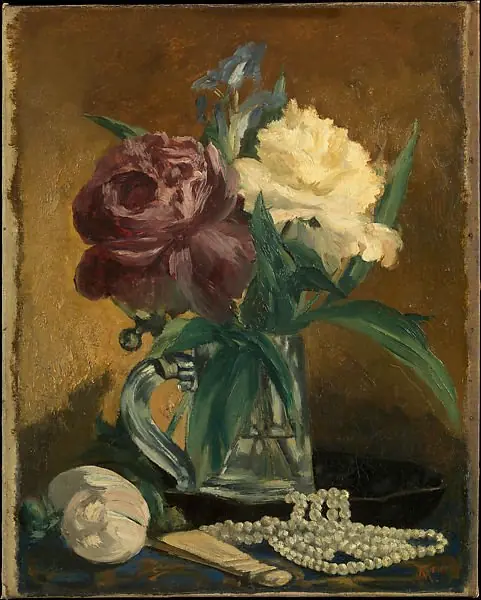 Still Life with Flowers, Fan, and Pearls
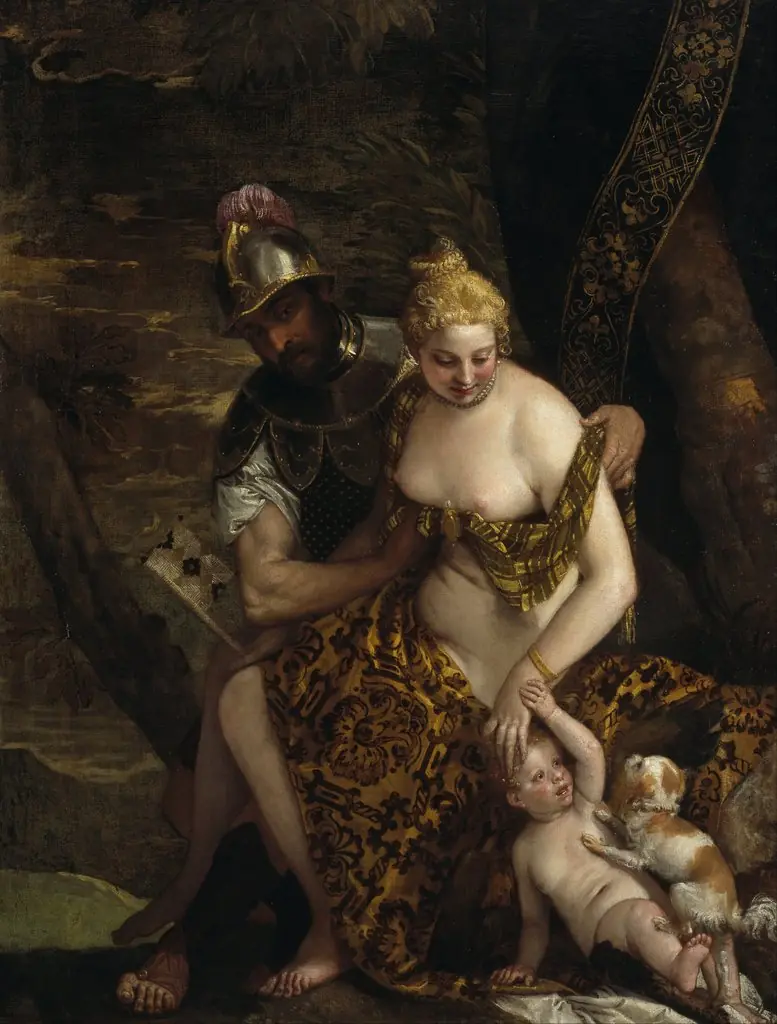 Mars and Venus with Cupid and a Dog
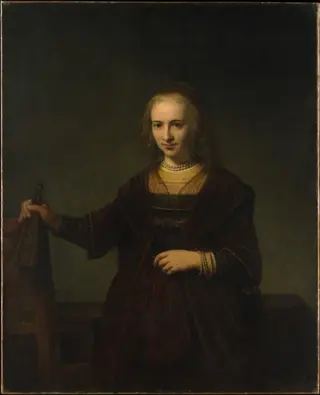 Portrait of a Woman
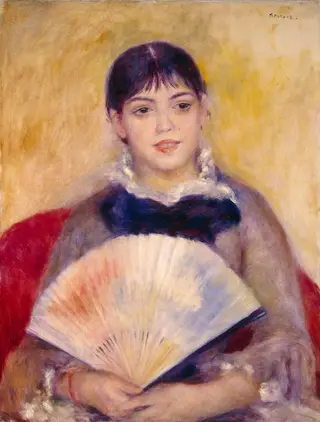 Girl with a Fan
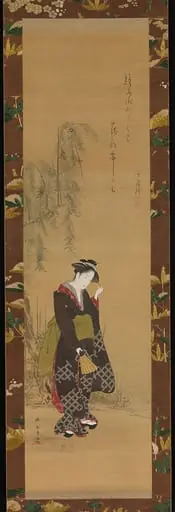 Untitled
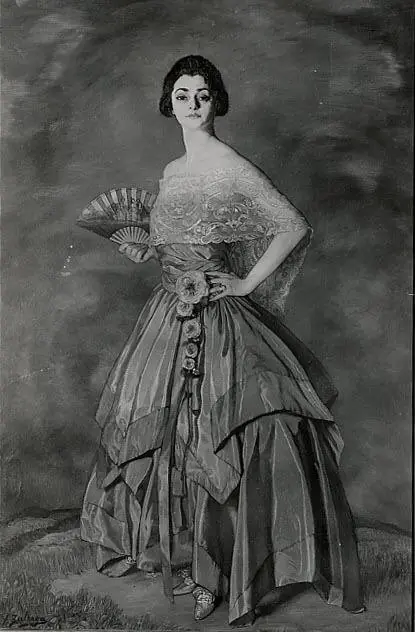 Julia Wainwright Robbins
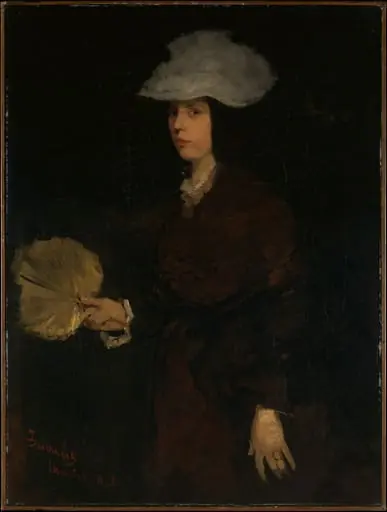 Lady with Fan
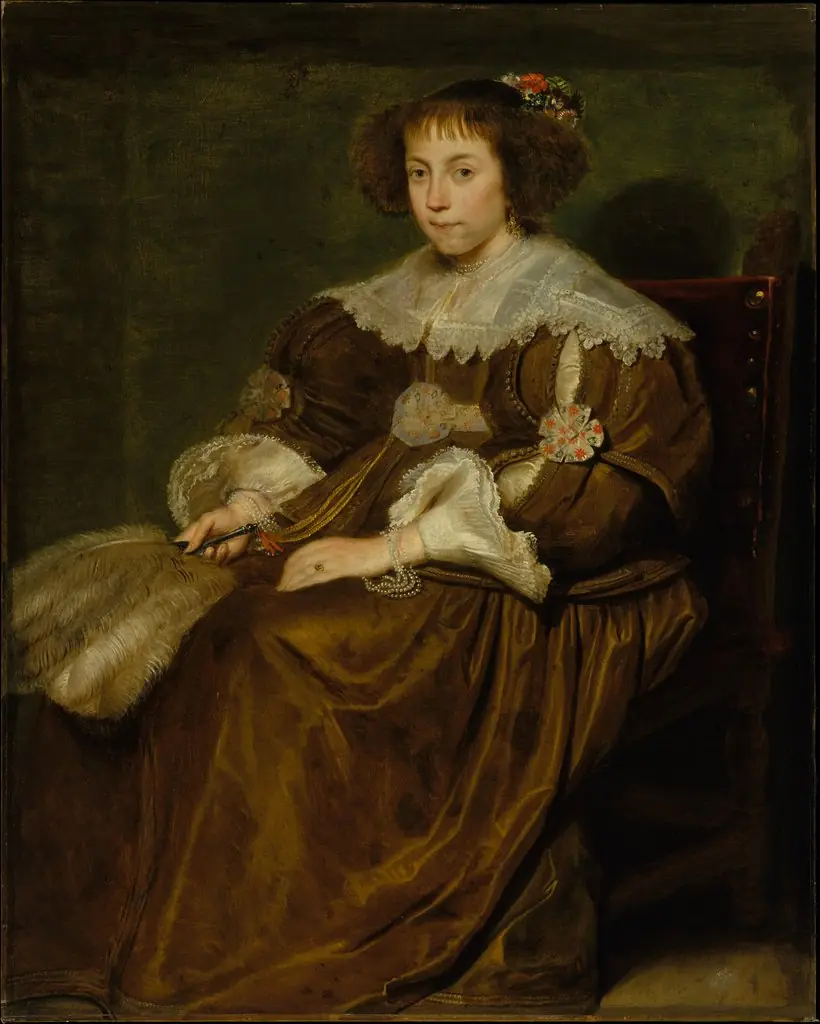 Portrait of a Young Woman
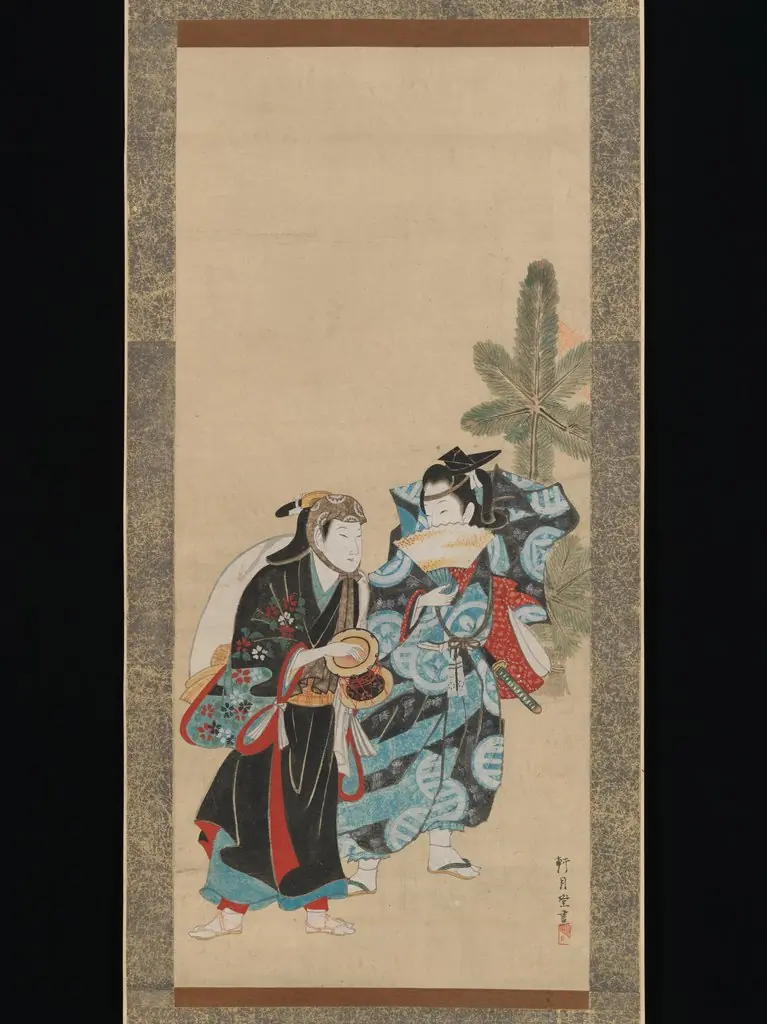 Itinerant Actors
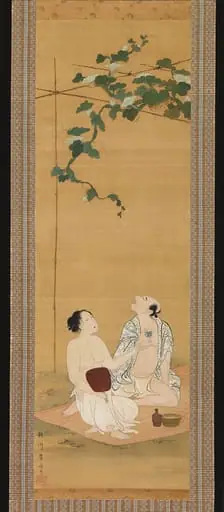 夕顔棚下納涼図|Enjoying the Evening Cool under a Gourd Trellis
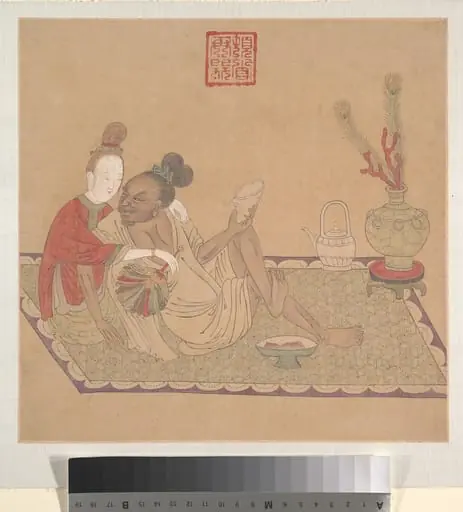 Untitled
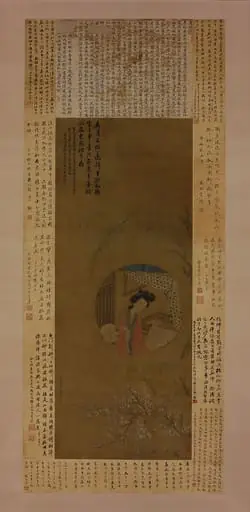 清 崔鶴 李香君小影 軸|Portrait of Li Xiangjun
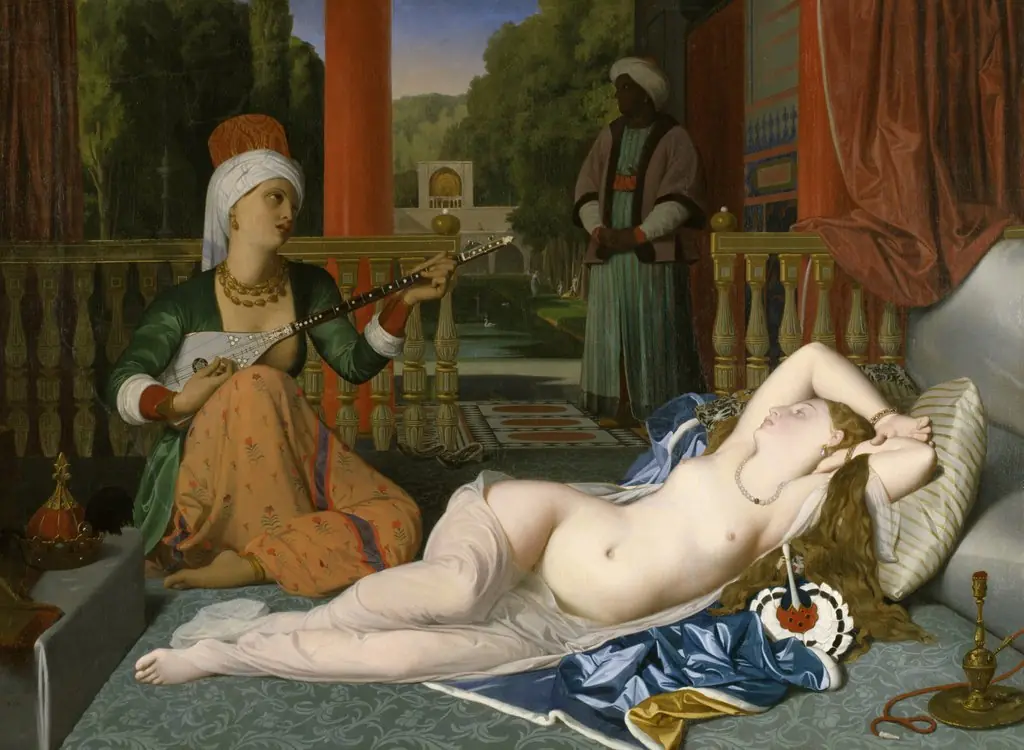 Odalisque with Slave
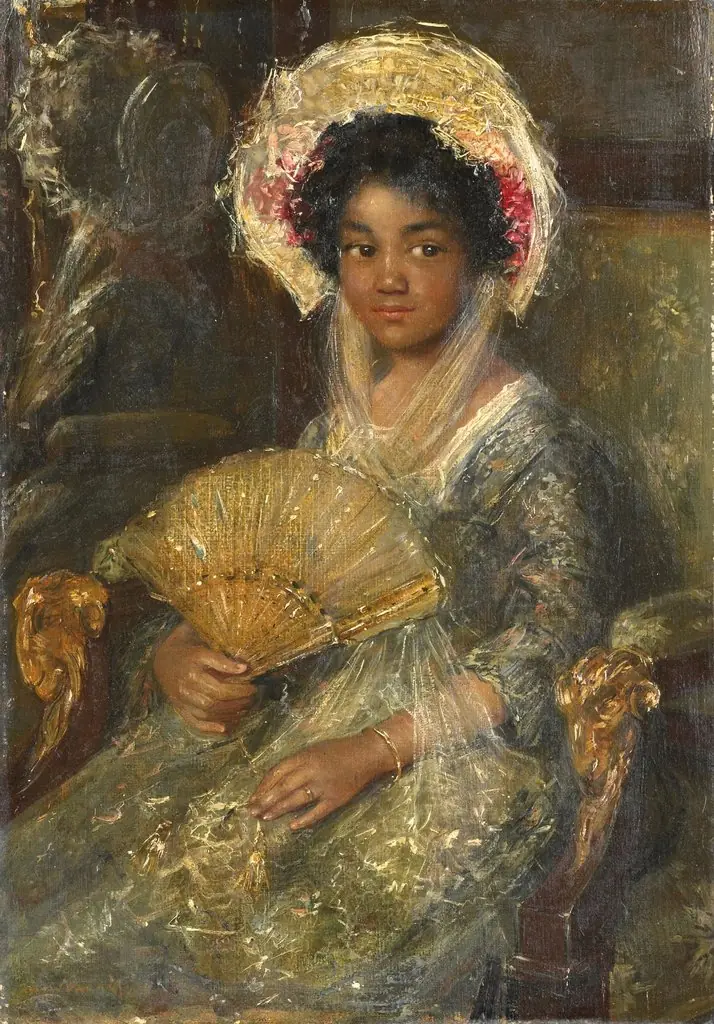 Isabella
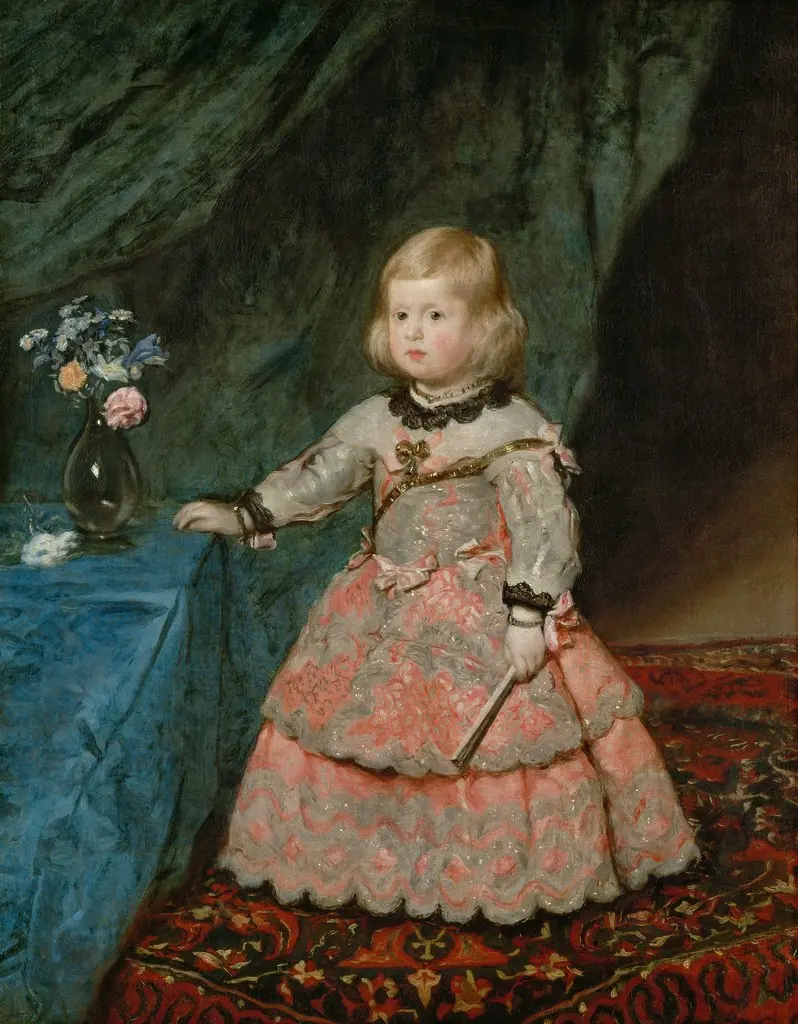 Infanta Margarita Teresa
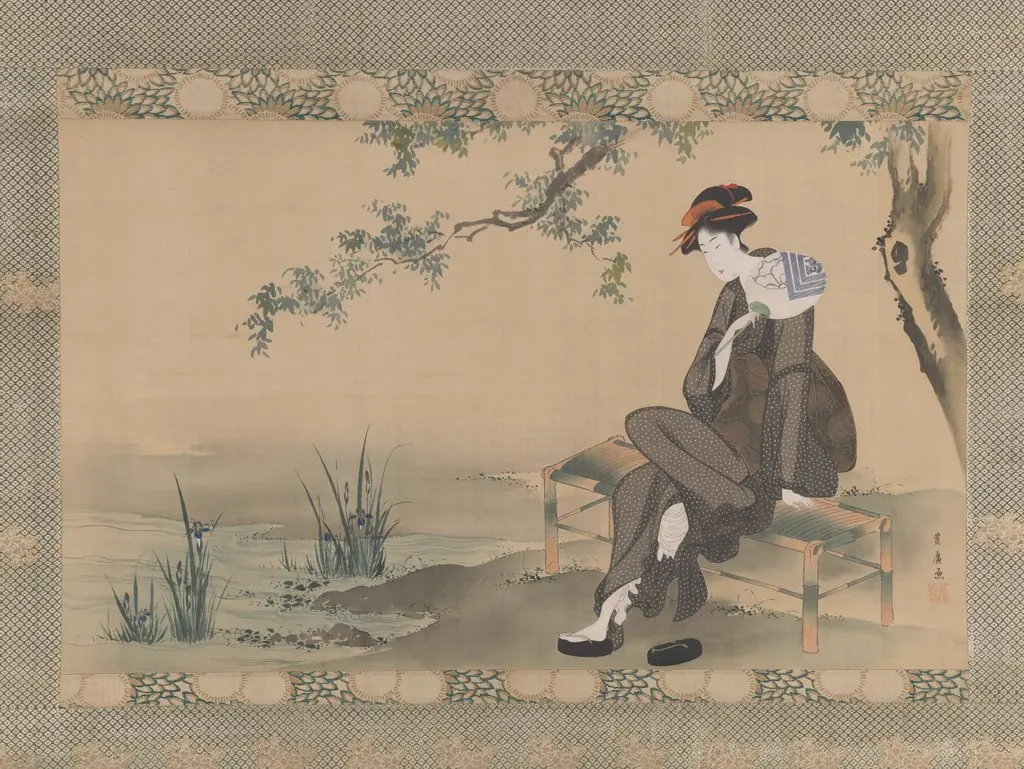 Woman Cooling Herself
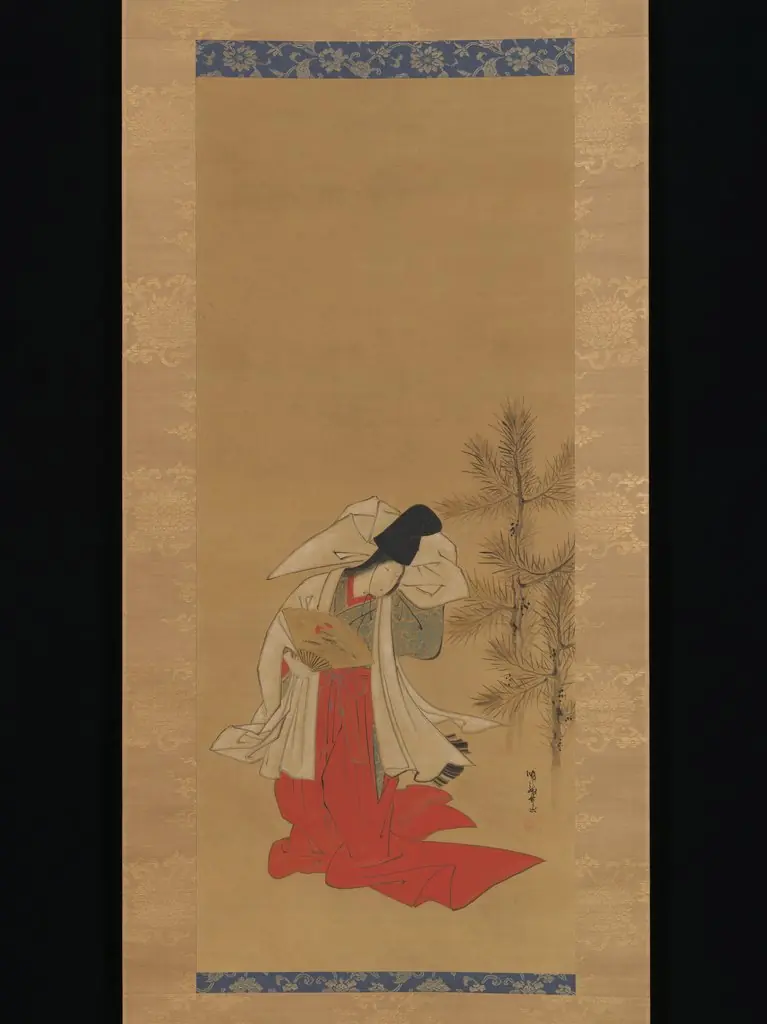 Courtesan-Dancer (Shirabyōshi) for the New Year
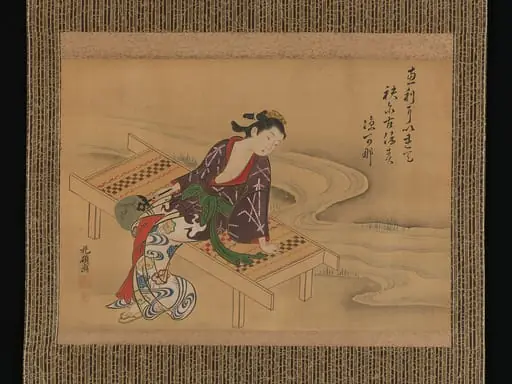 Untitled
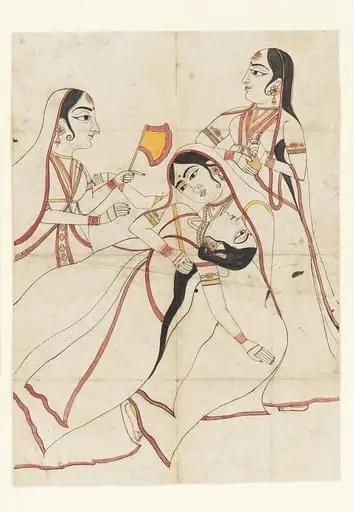 Untitled
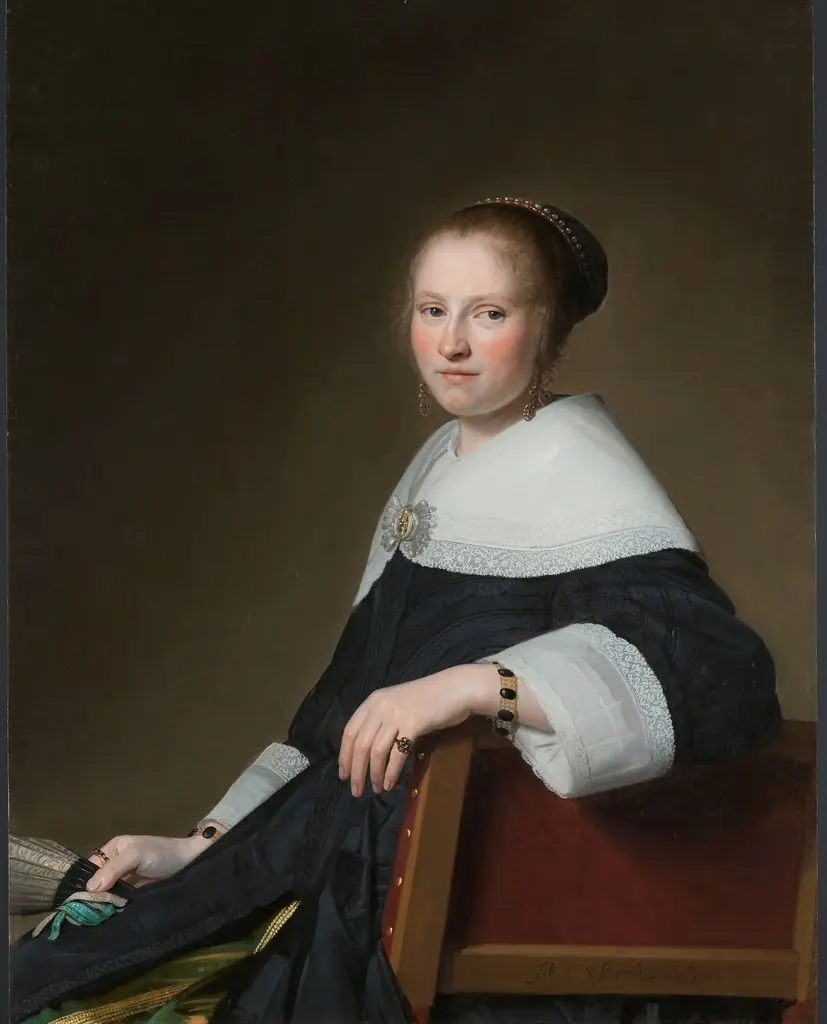 Portrait of Maria van Strijp
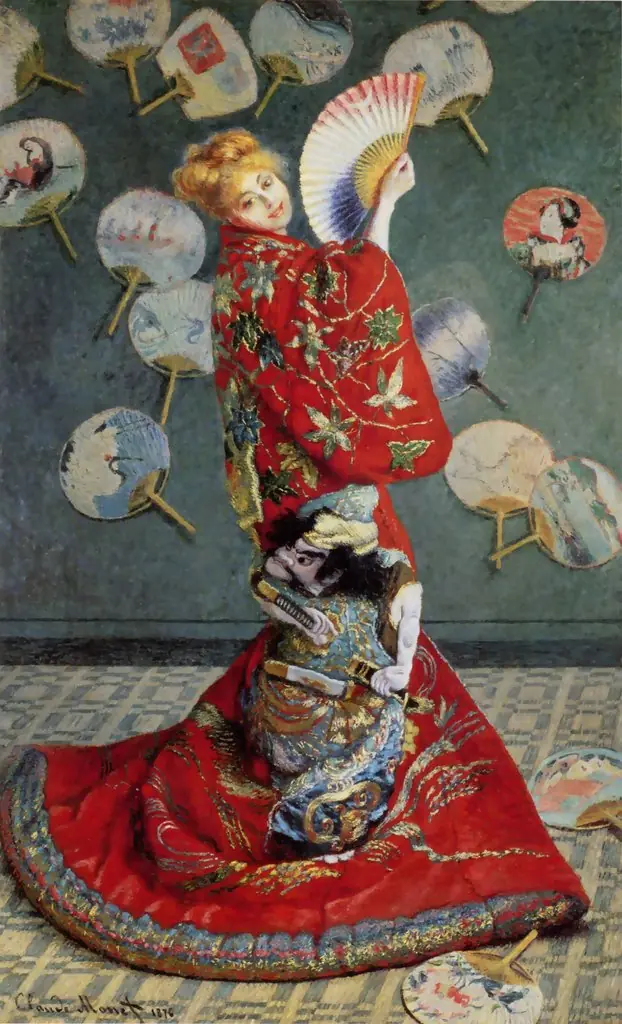 Madame Monet wearing a kimono
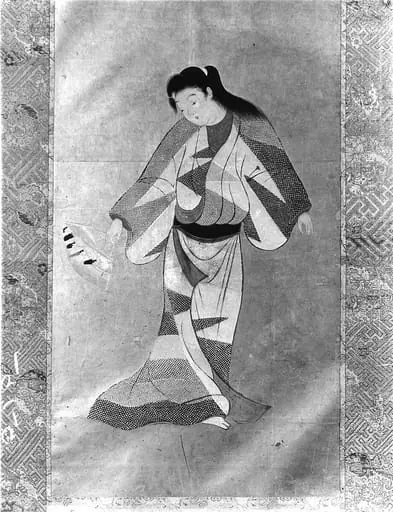 Untitled
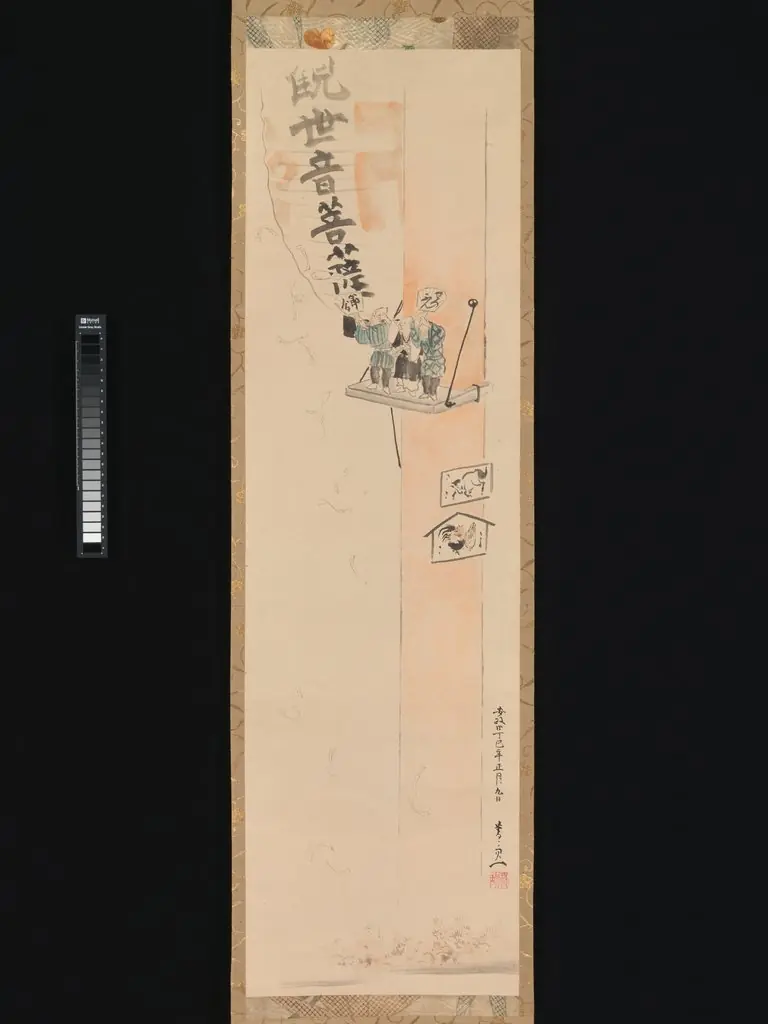 Setsubun Festival at Sensōji
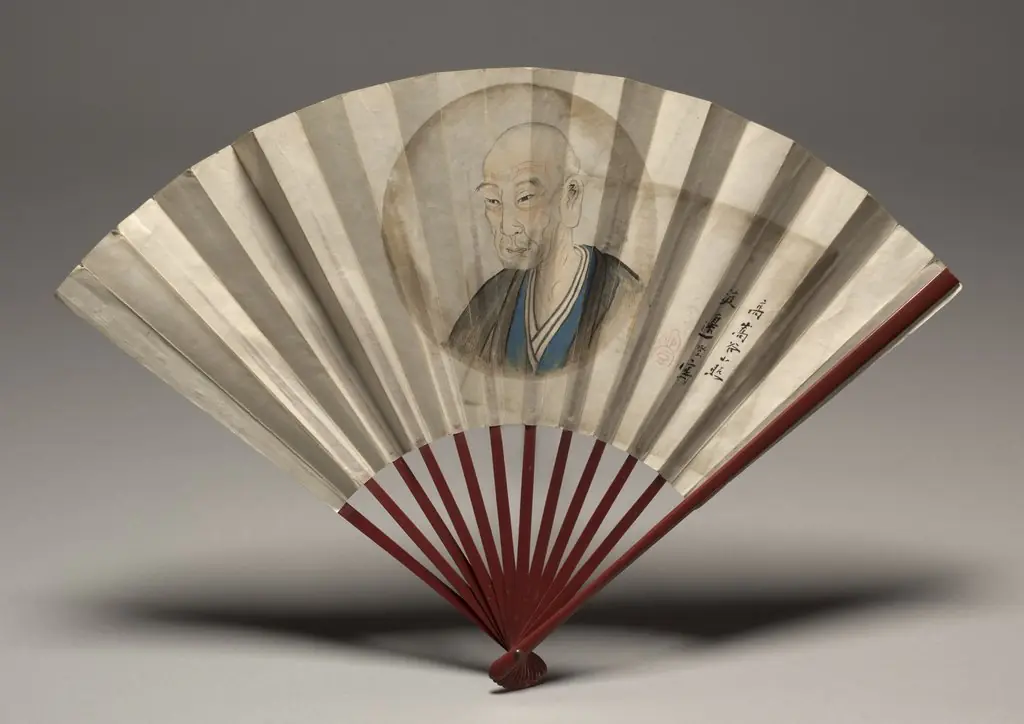 Portrait of Kō Sūkoku
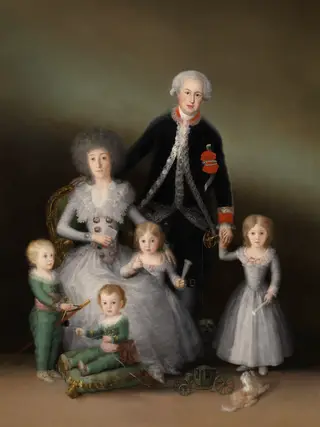 The Duke and Duchess of Osuna and their Children
 The Infanta Isabel Clara Eugenia
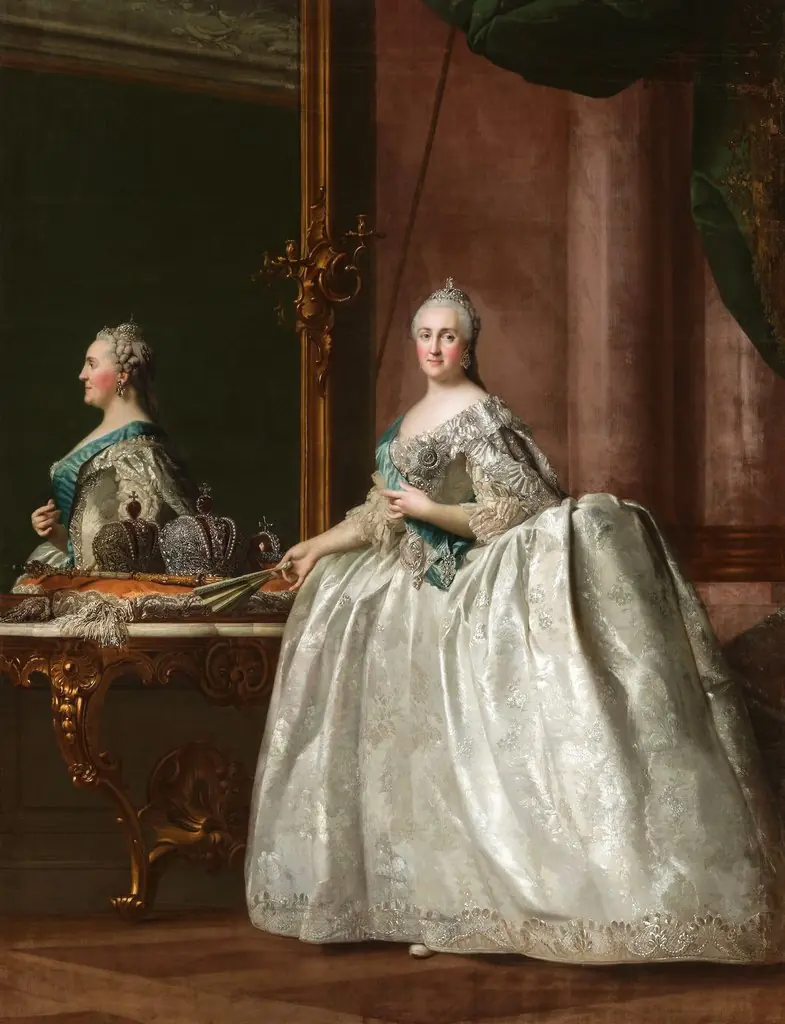 Portrait of Catherine II in front of a Mirror
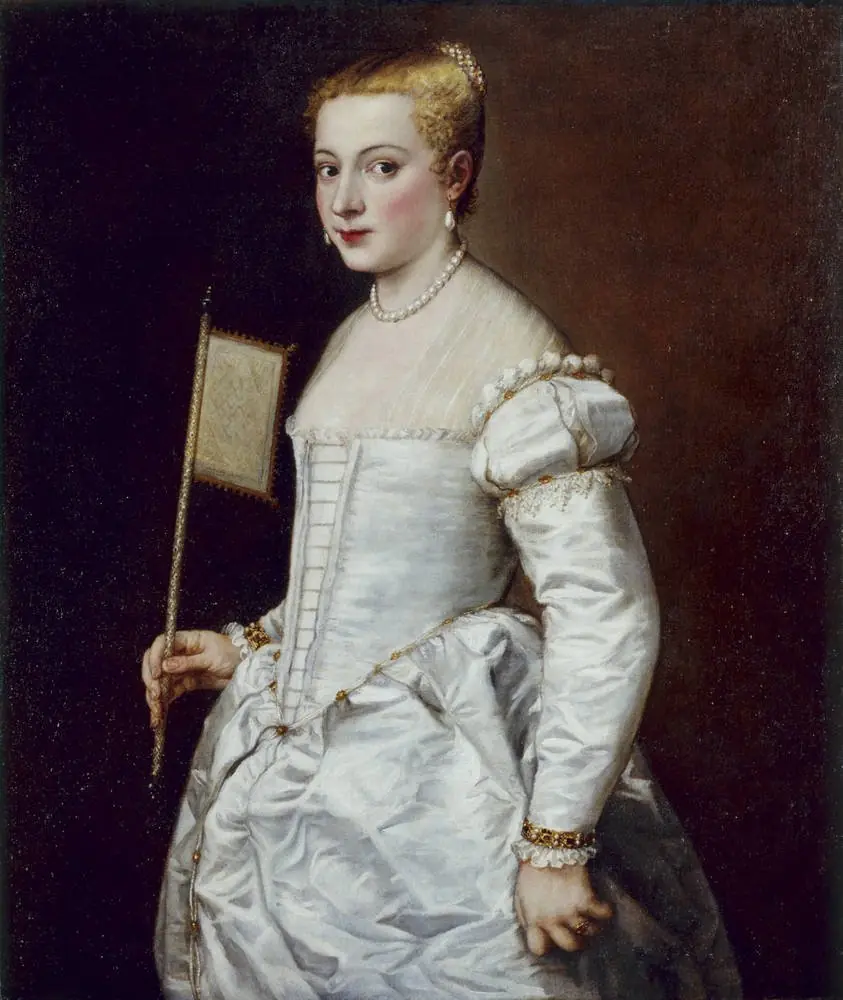 Portrait of a Lady in White
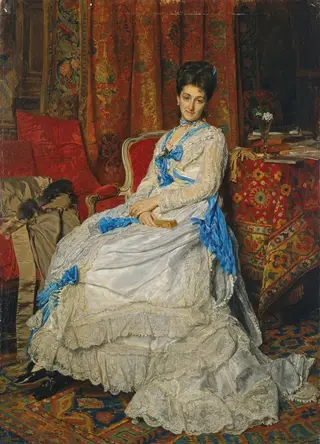 Josefa Manzanedo e Intentas de Mitjans, Second Marchioness of Manzanedo
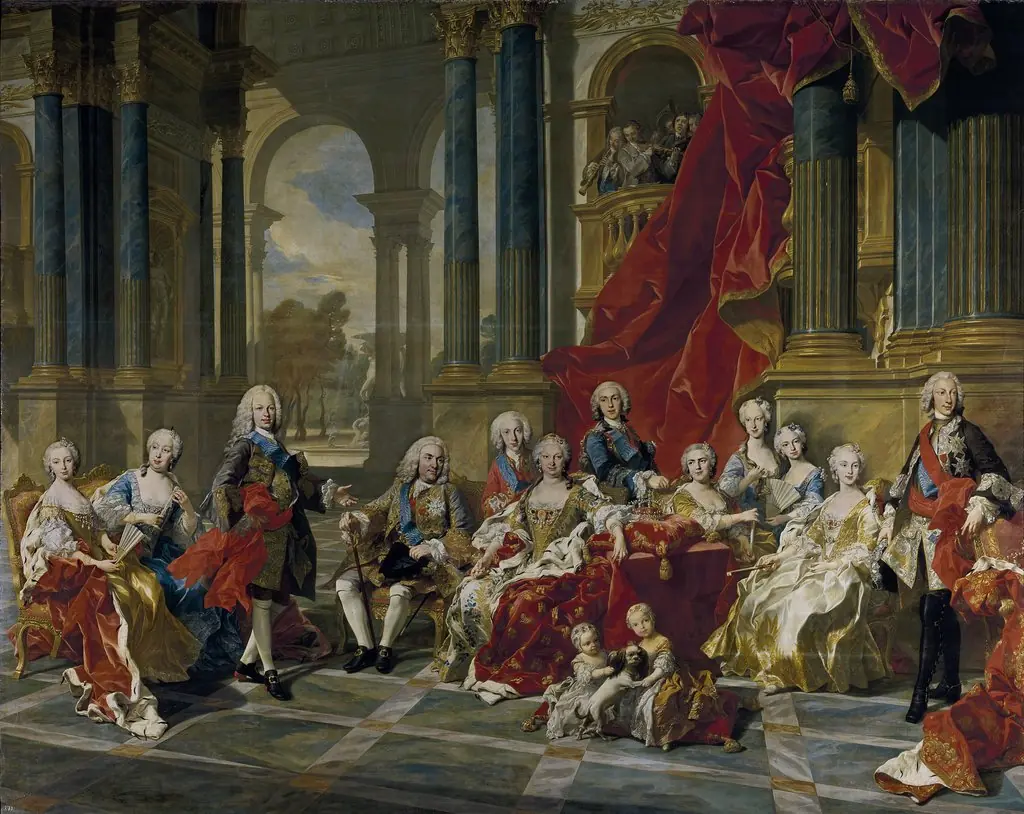 The Family of Philip V
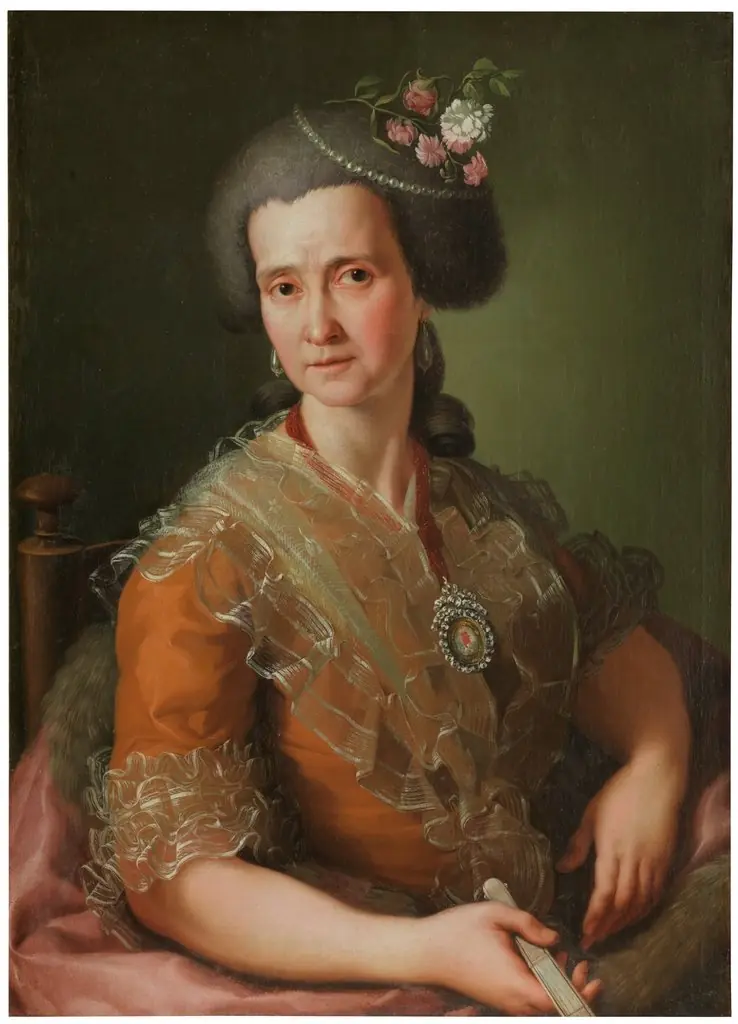 Manuela Tolosa y Aviñón
 Maria Luisa of Parma, Queen of Spain
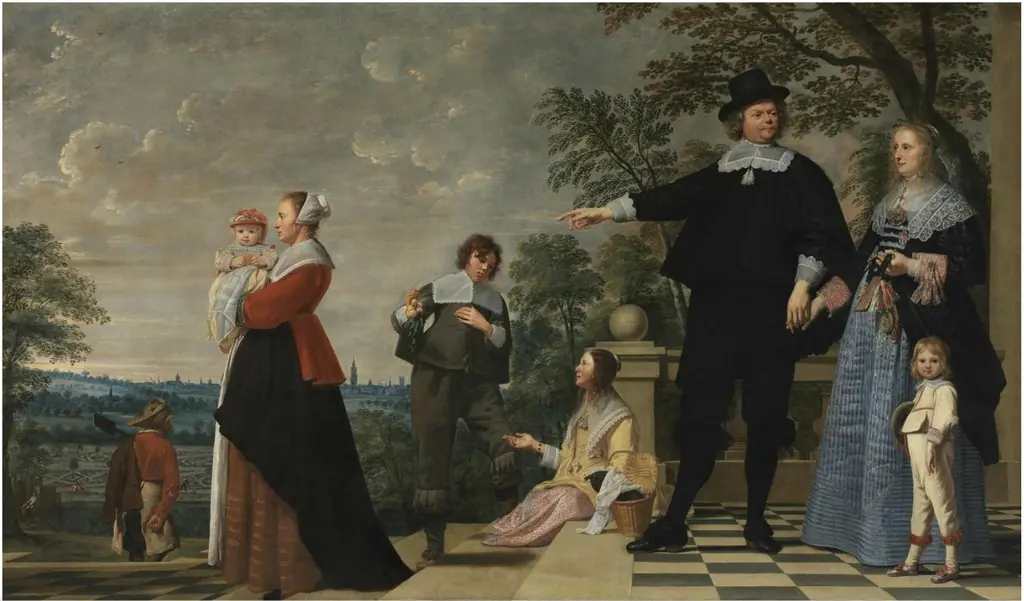 Portrait of a Bruges family
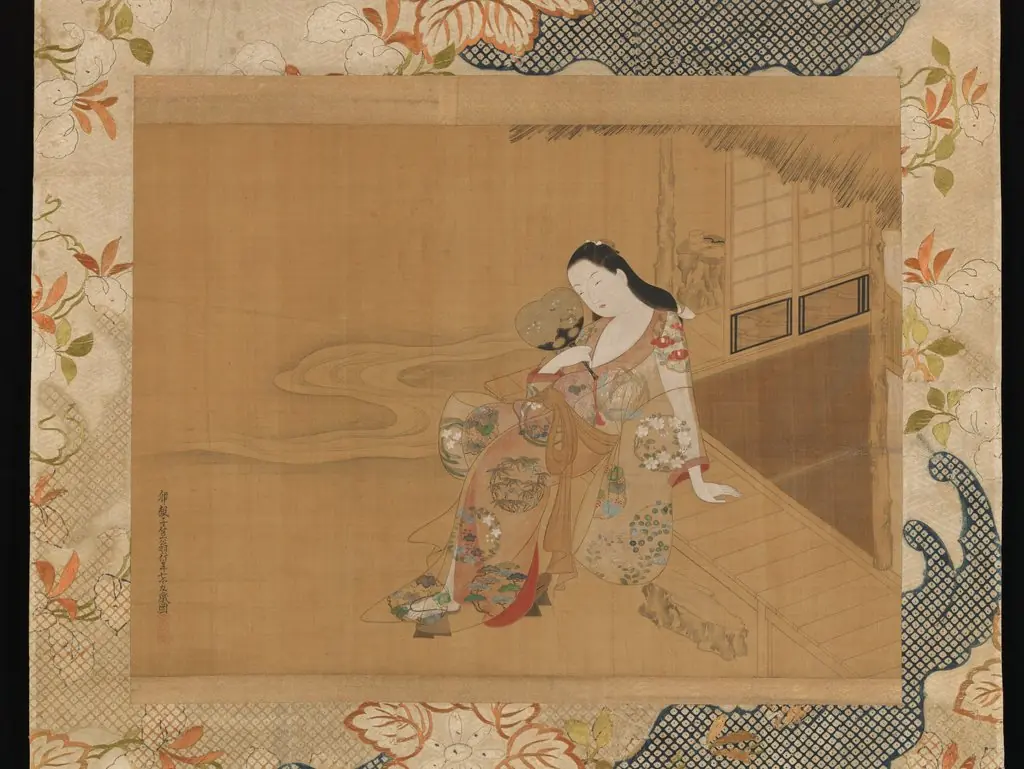 Courtesan Enjoying a Cool Summer Evening
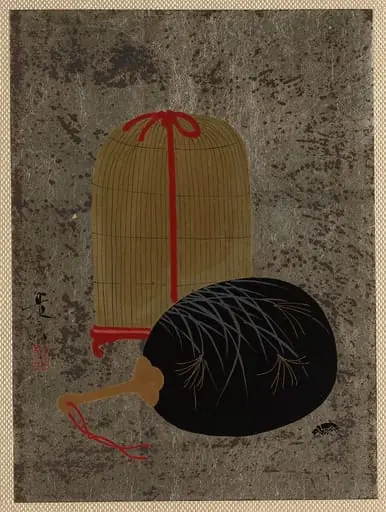 Untitled
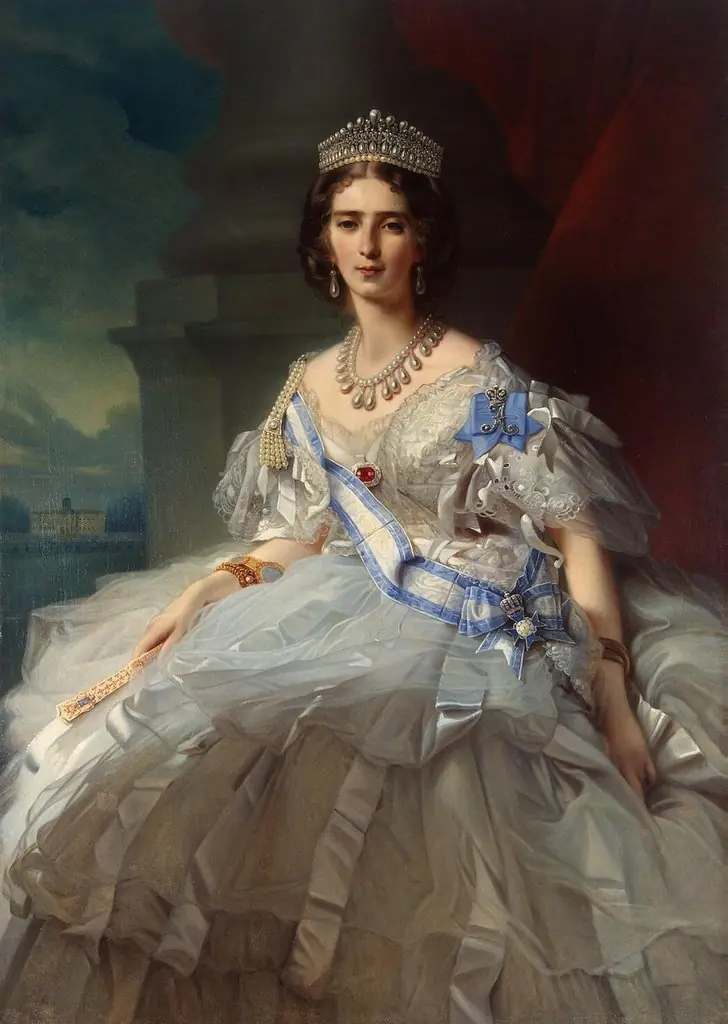 Portrait of Princess Tatyana Yusupova
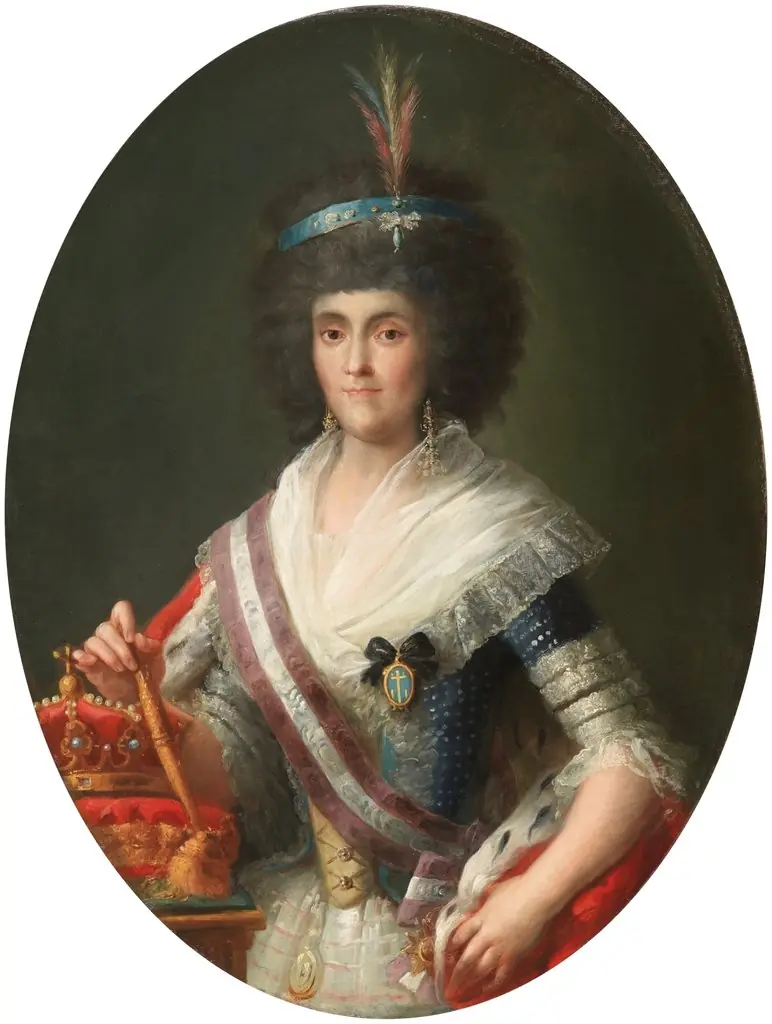 María Luisa de Parma, Queen of Spain
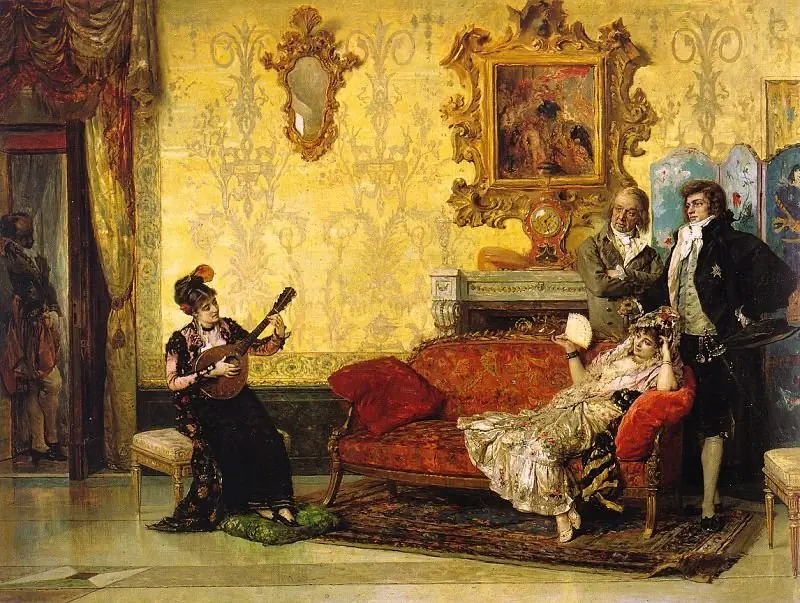 The Concert
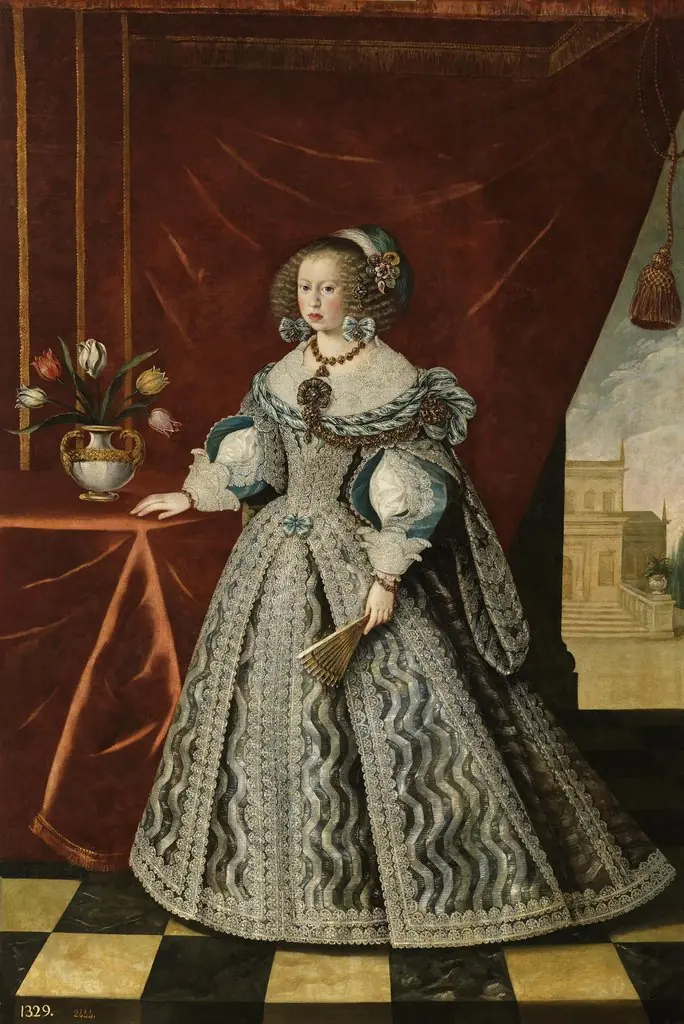 Mariana of Austria
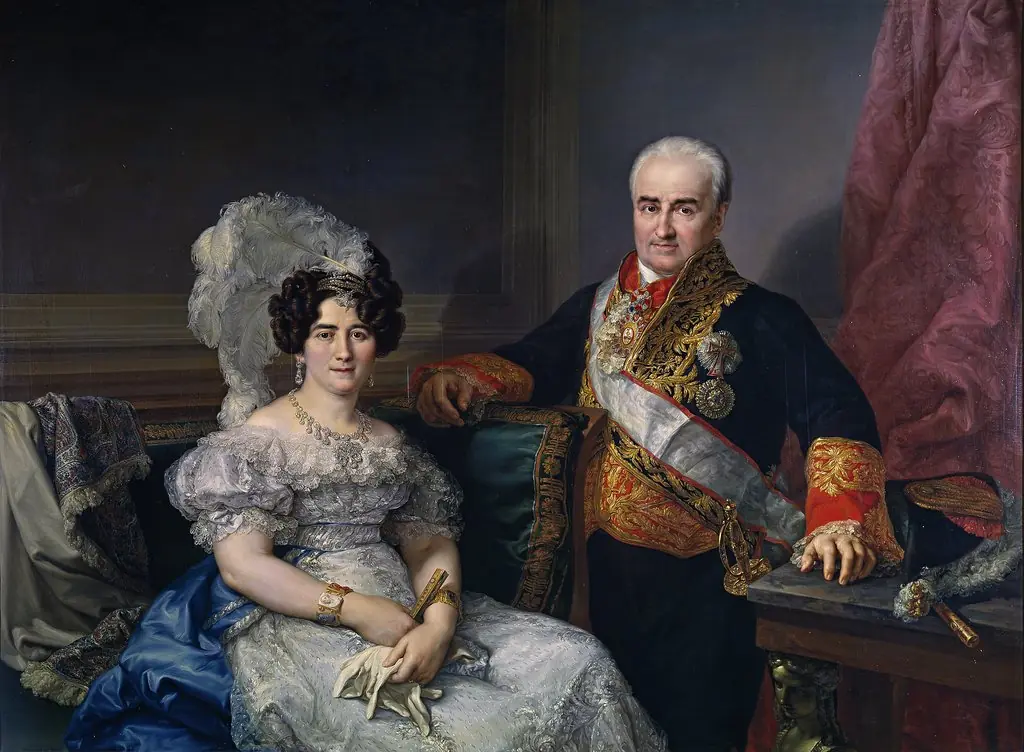 Antonio Ugarte and his wife Maria Antonia Larrazábal
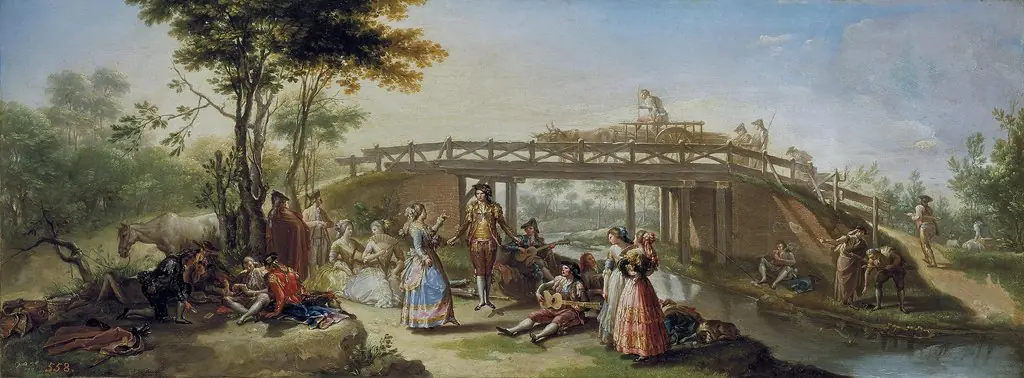 Bridge over the Madrid Canal
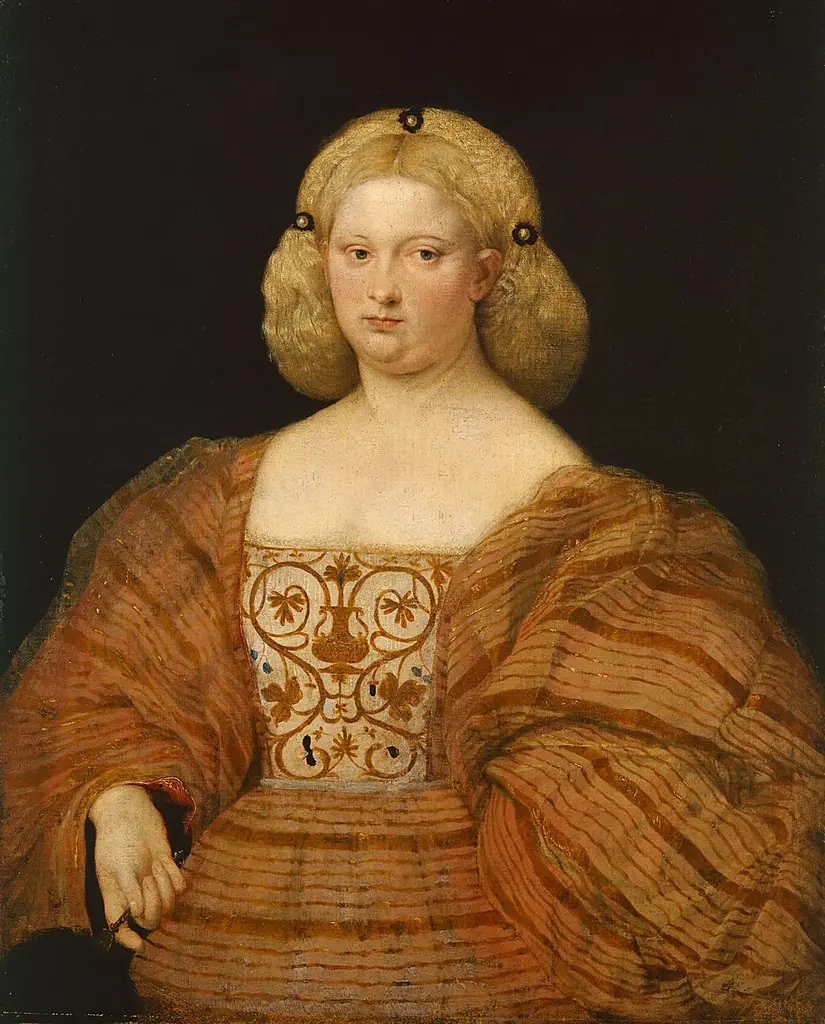 Portrait of a woman in a striped dress and holding a fan
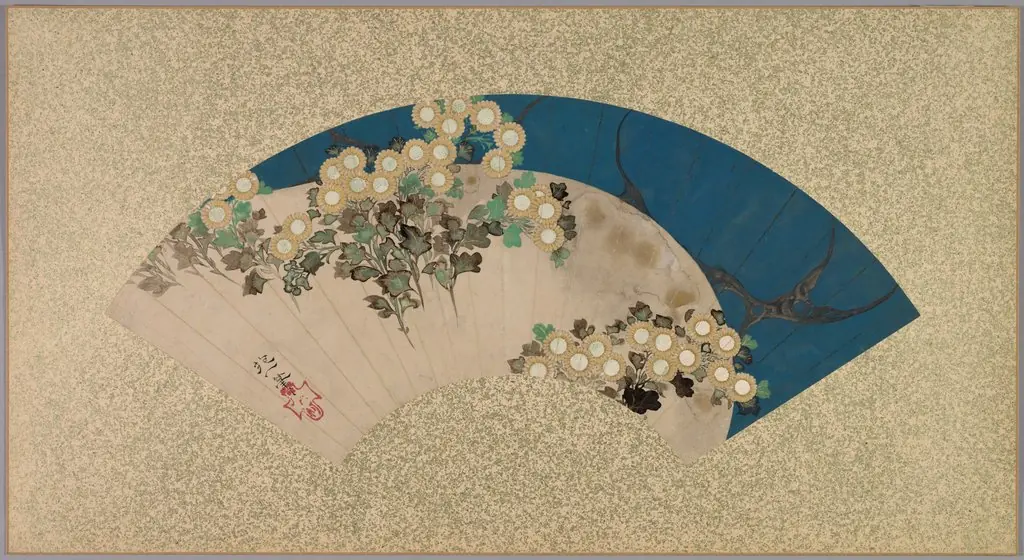 Chrysanthemums by the Water
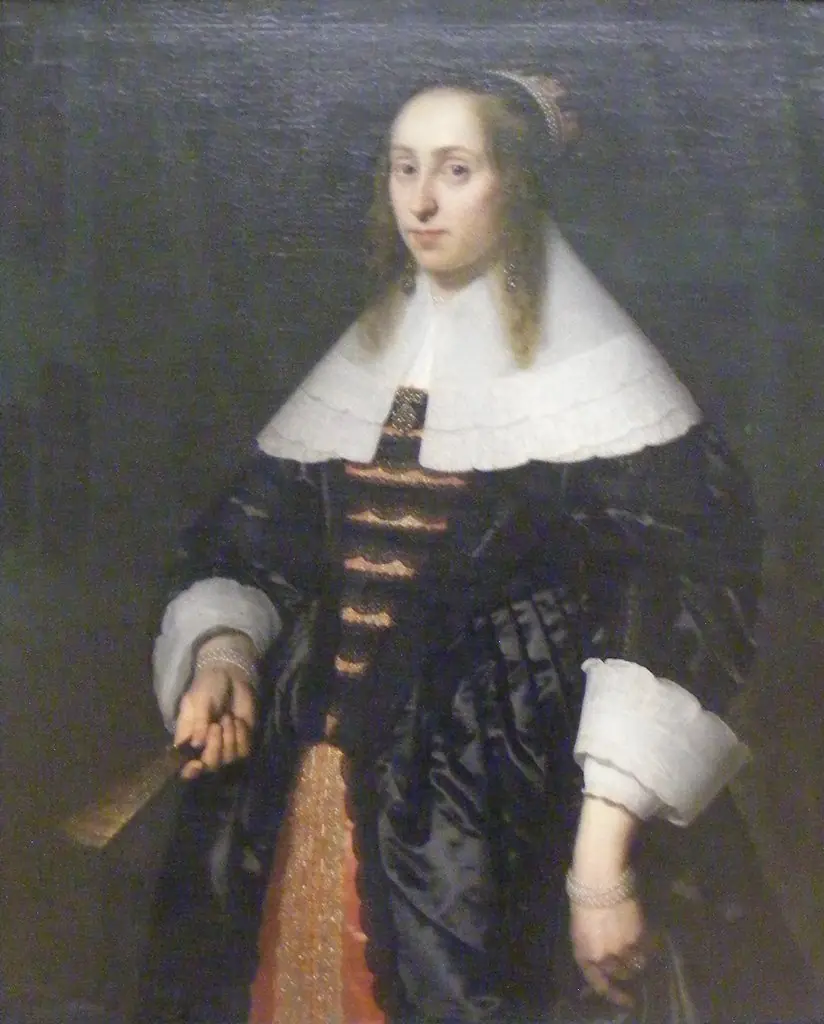 Portrait of a Lady
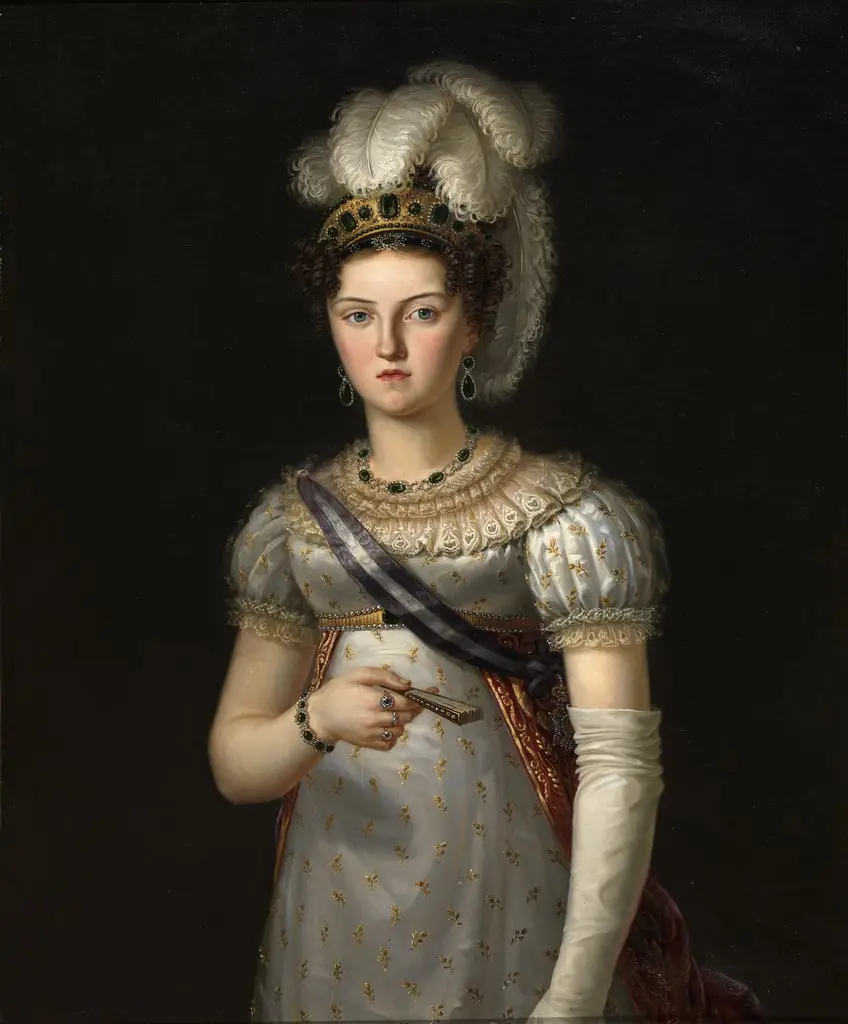 Maria Josepha Amalia of Saxony, Queen of Spain, third wife of Ferdinand VII
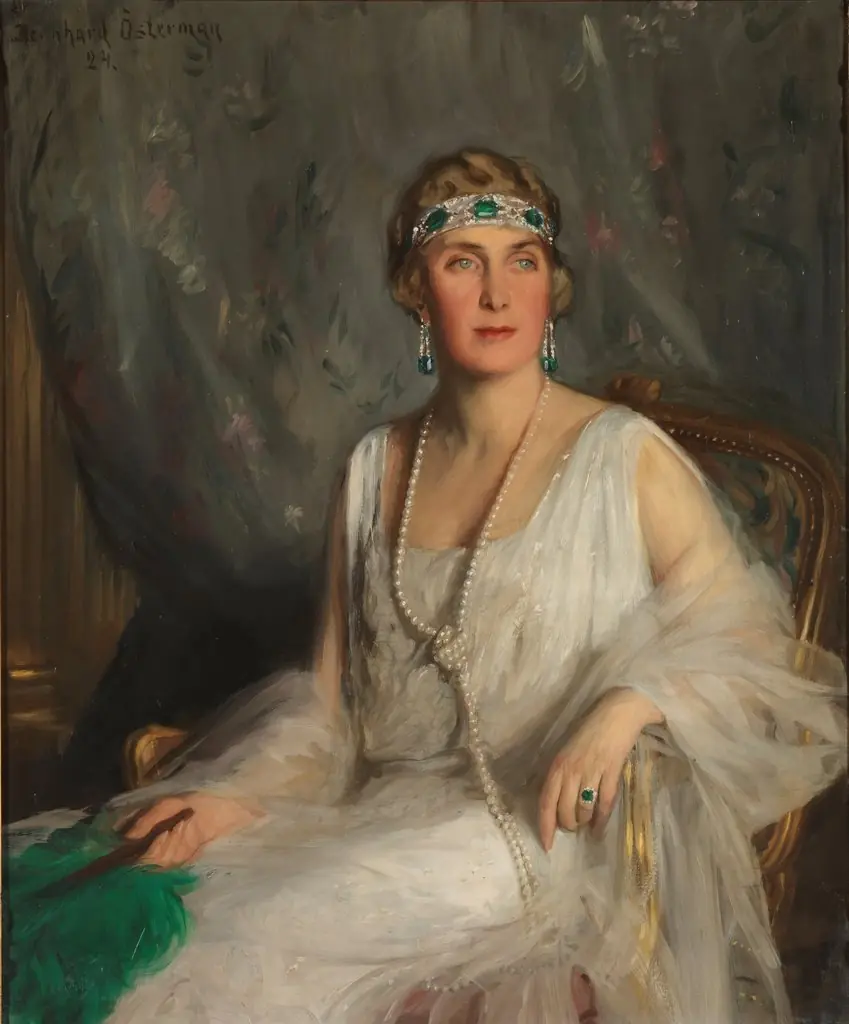 Victoria Eugenie of Battenberg
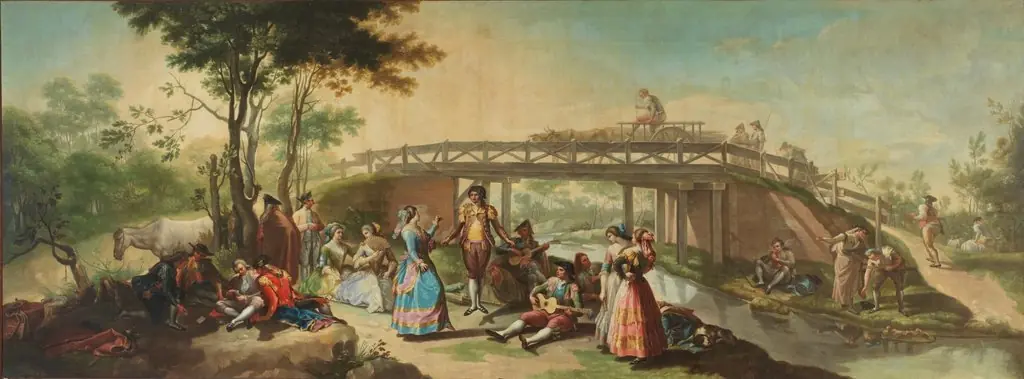 Un baile junto a un puente del canal del Manzanares
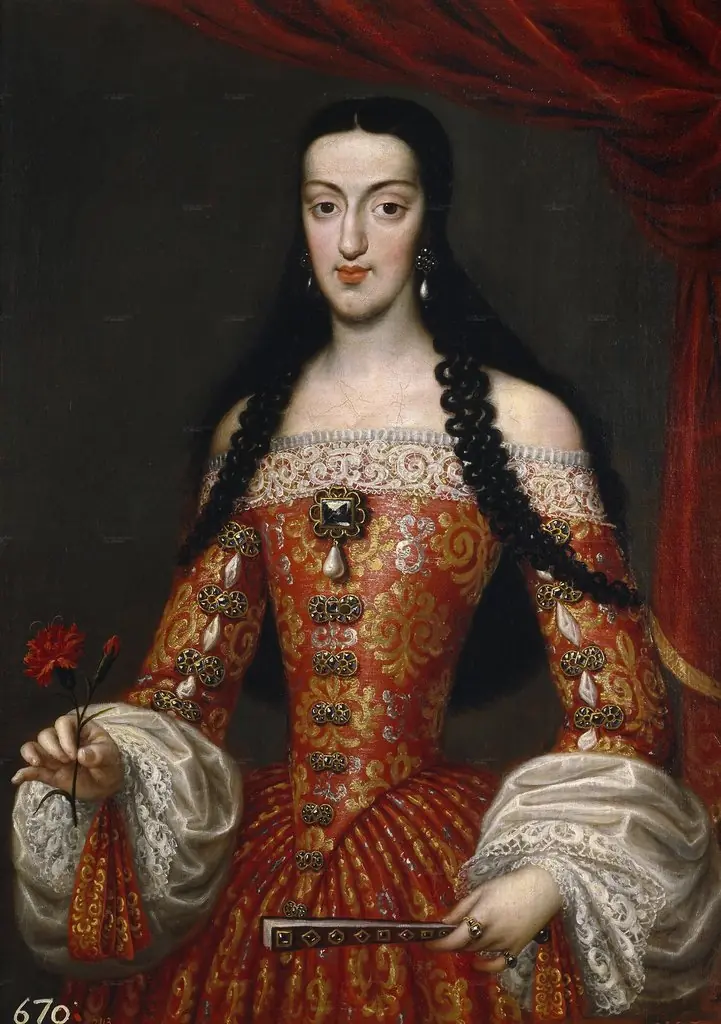 Mary Louise of Orleans, queen of Spain
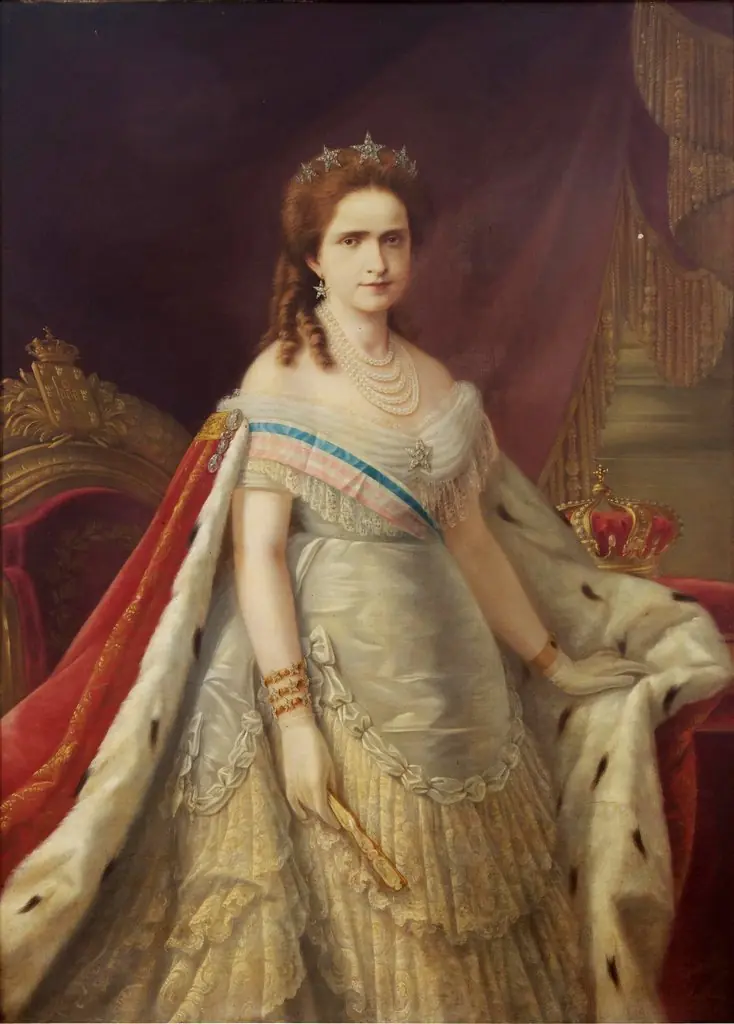 María Pía de Saboya reina de Portugal
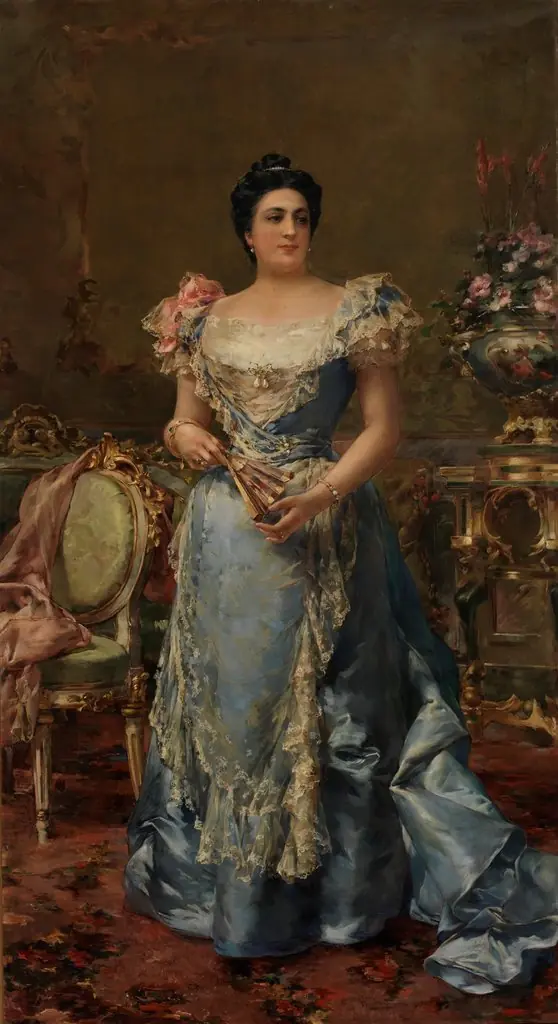 Faustina Peñalver y Fauste marquesa de Amboage
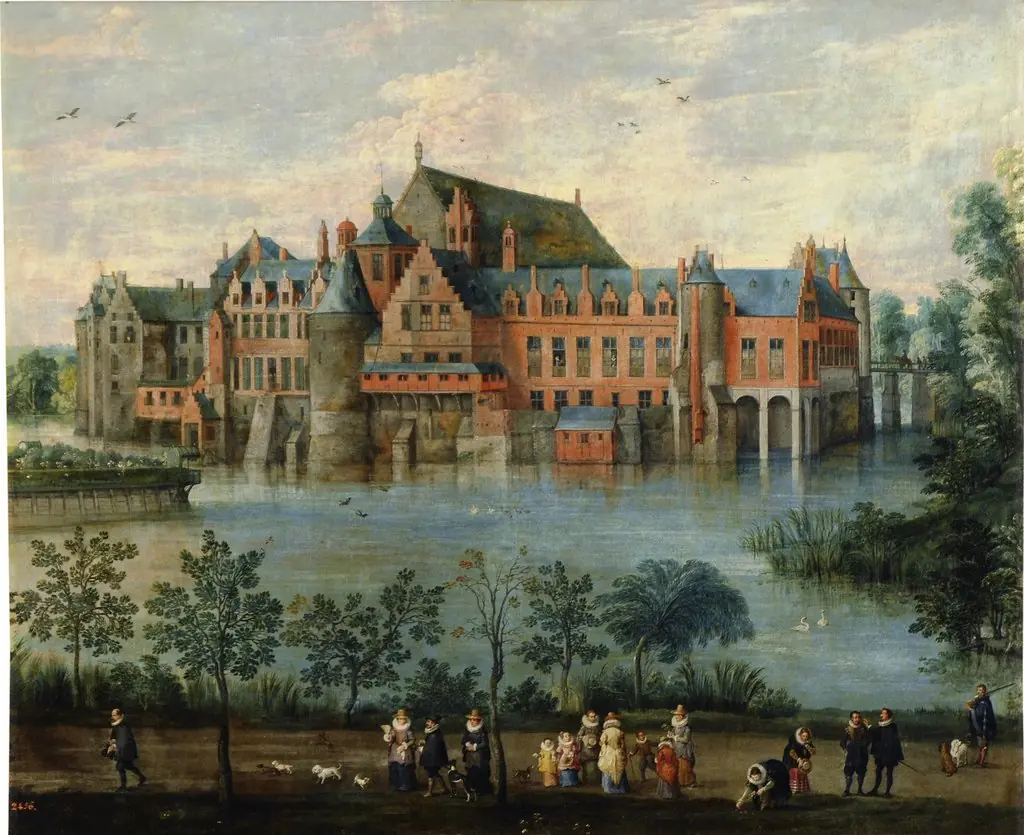 View of Tervuren Castle
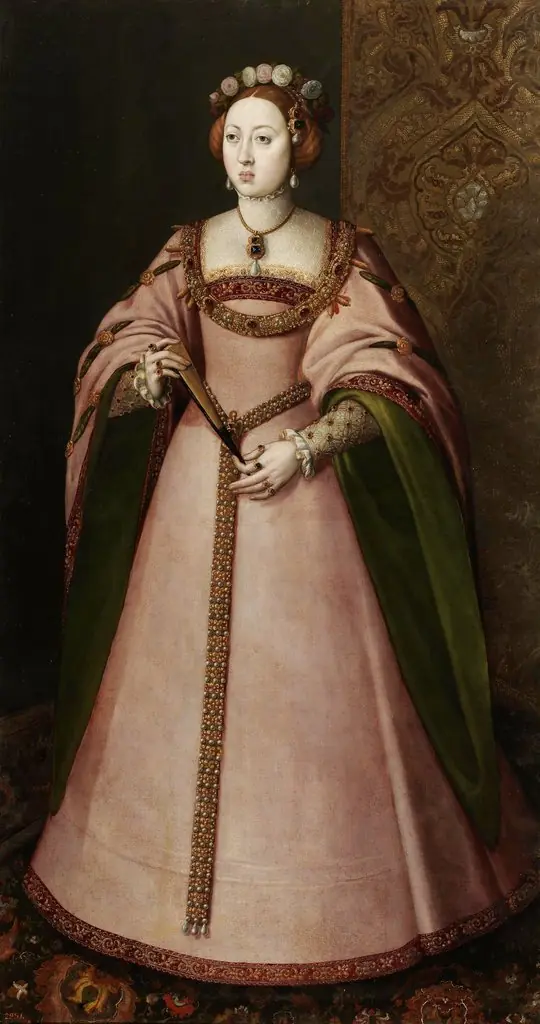 Mary of Portugal (1527–1545)
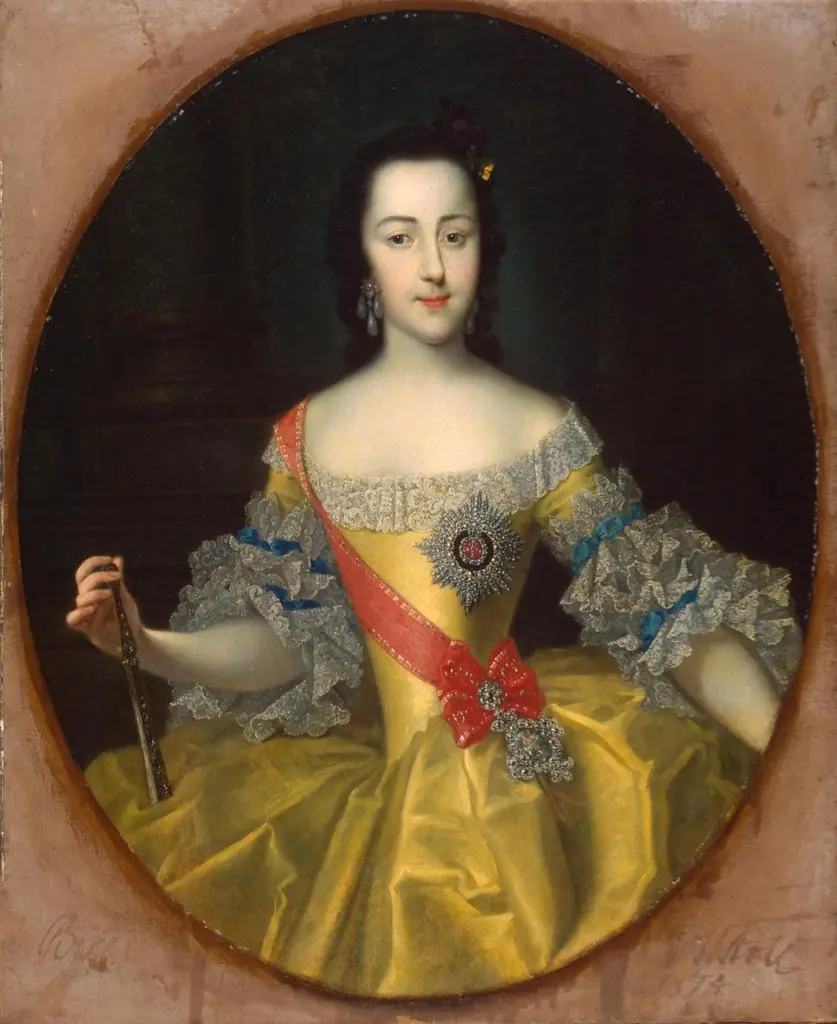 Portrait of Grand Duchess Catherine Alexeyevna
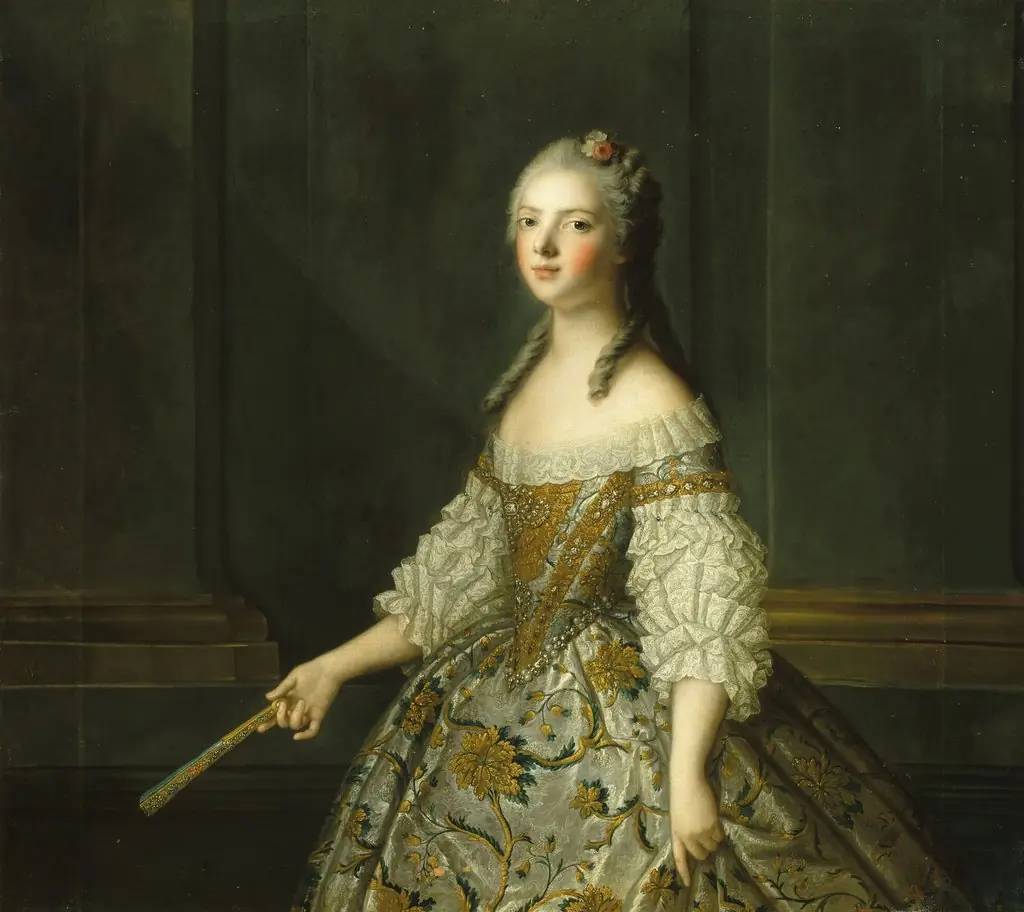 Madame Adélaïde of France Holding a Fan
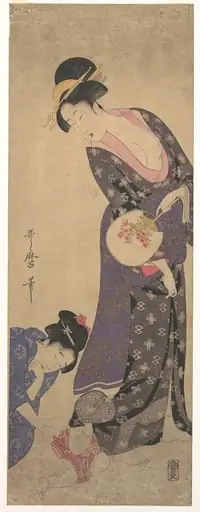 Untitled
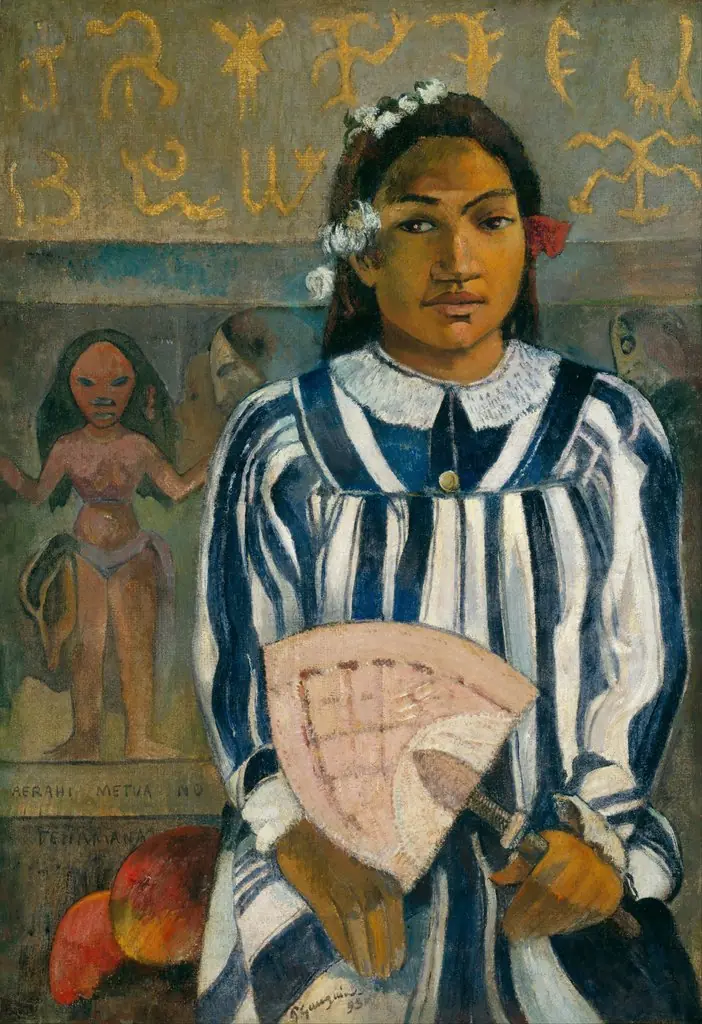 Merahi metua no Tehamana
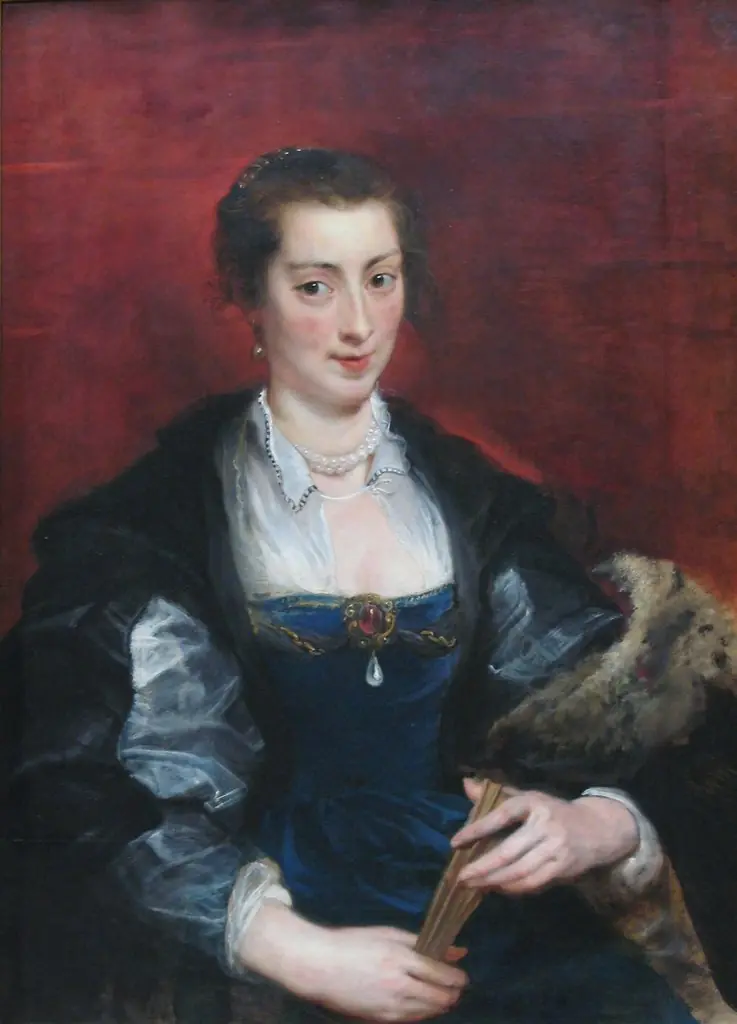 Portrait of a woman, traditionally identified as Isabella Brant
 Portrait of Marie-Thérèse Geoffrin, geb. Rodet (1699-1777)
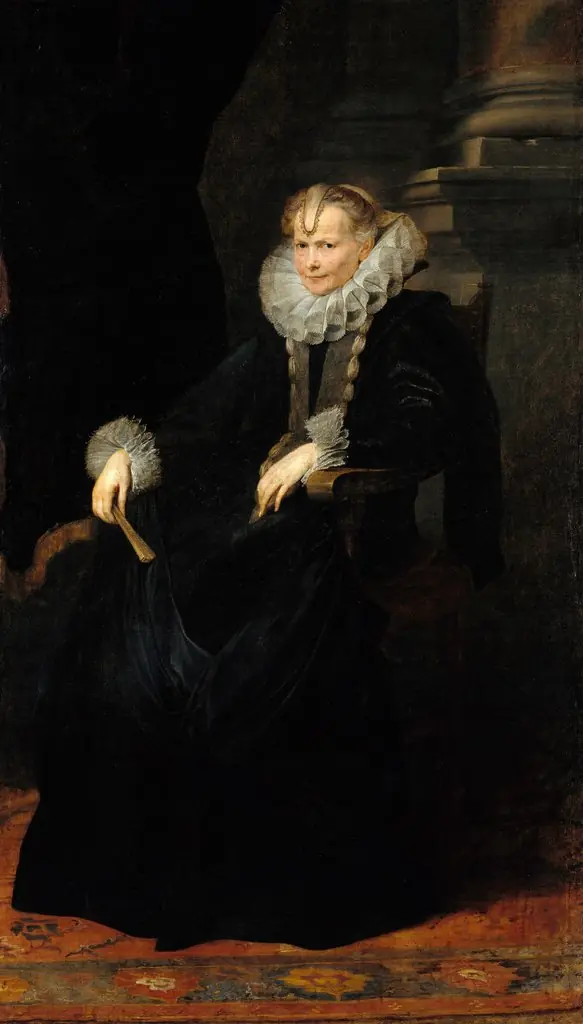 Portrait of a Genoese Lady
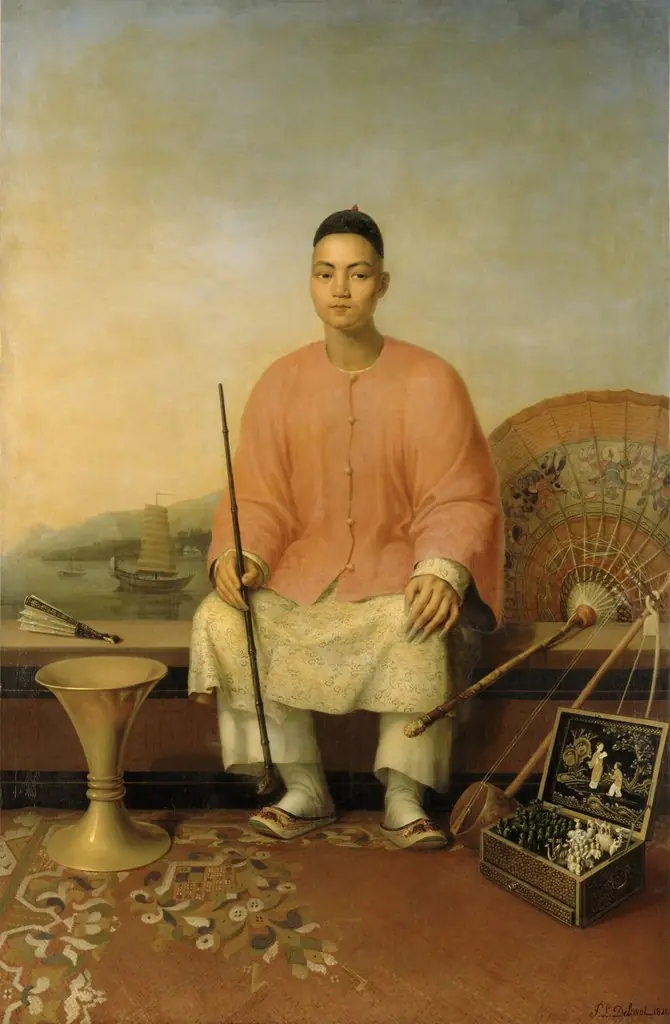 Kan-Gao, Cayenne Chinese
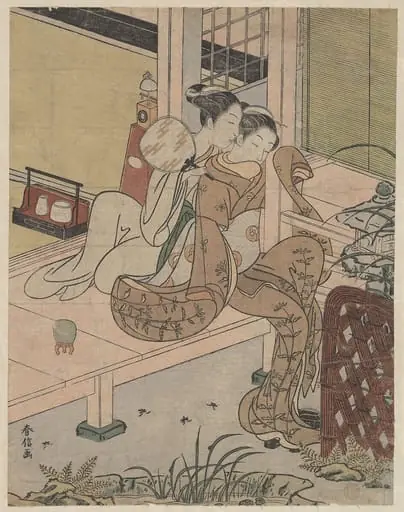 Untitled
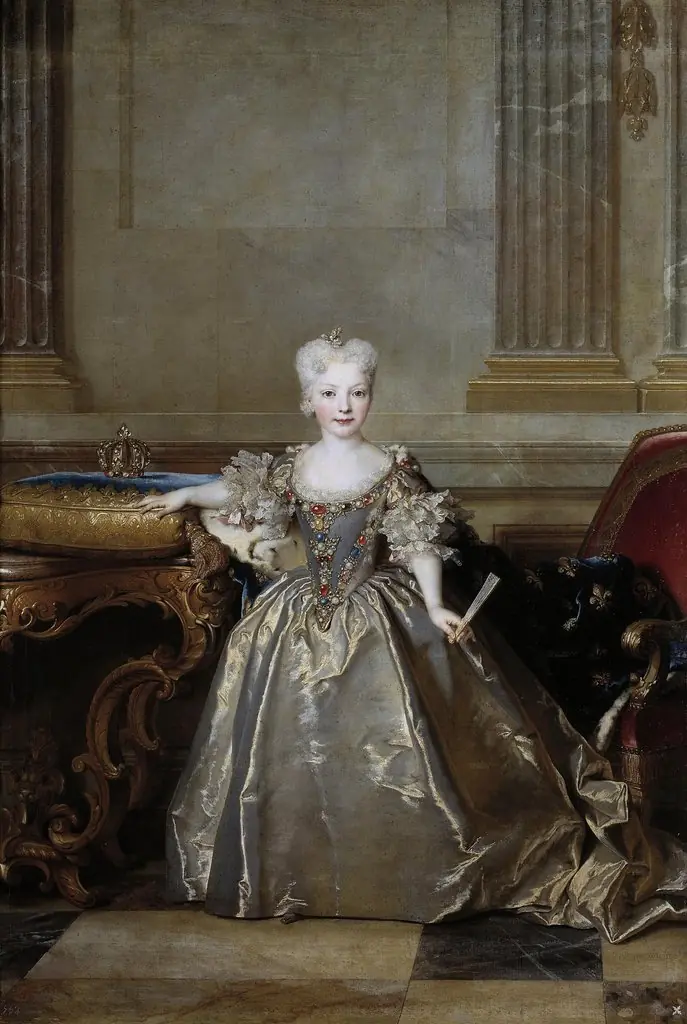 María Ana Victoria de Borbón y Farnesio
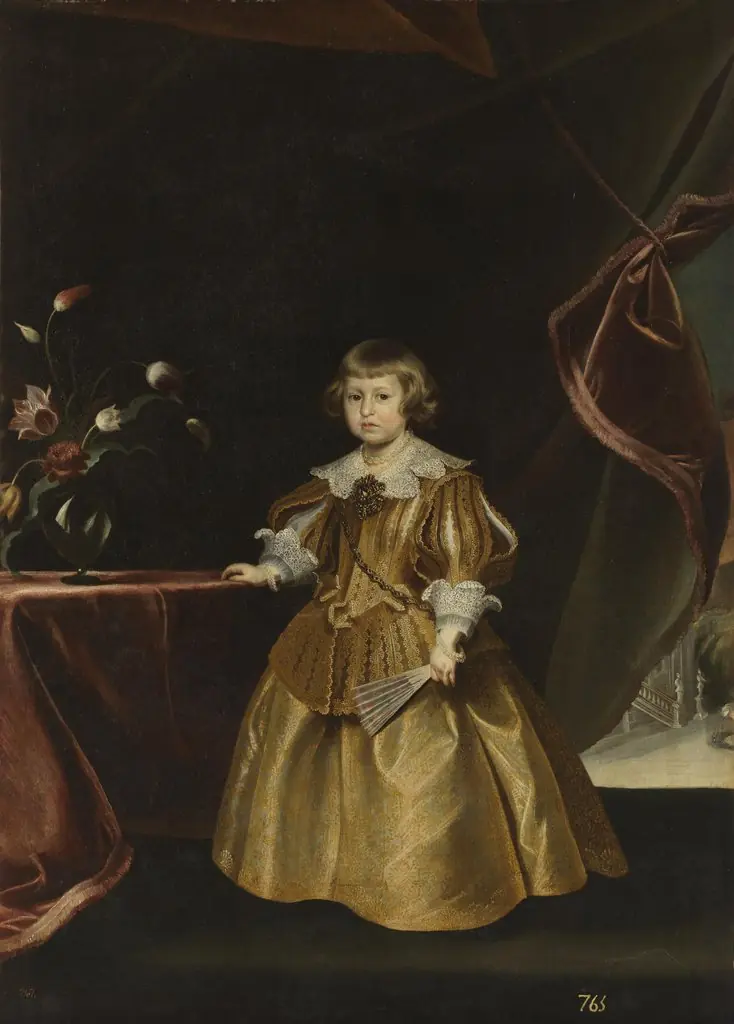 Portrait of an infanta
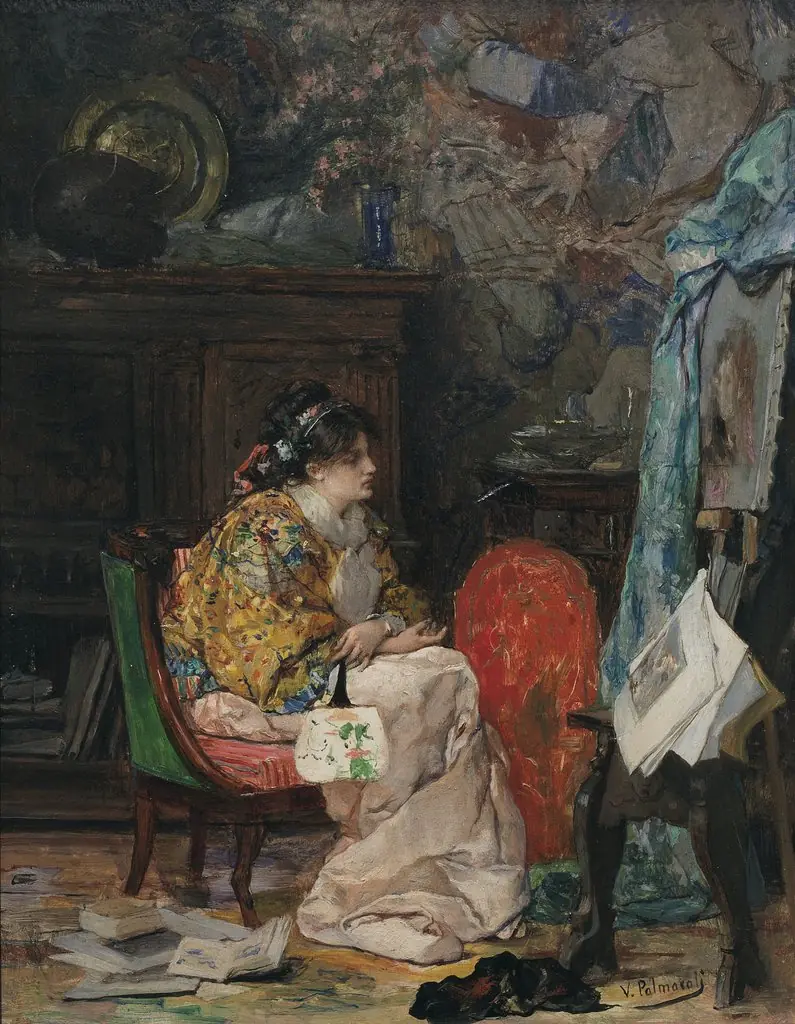 In the Studio
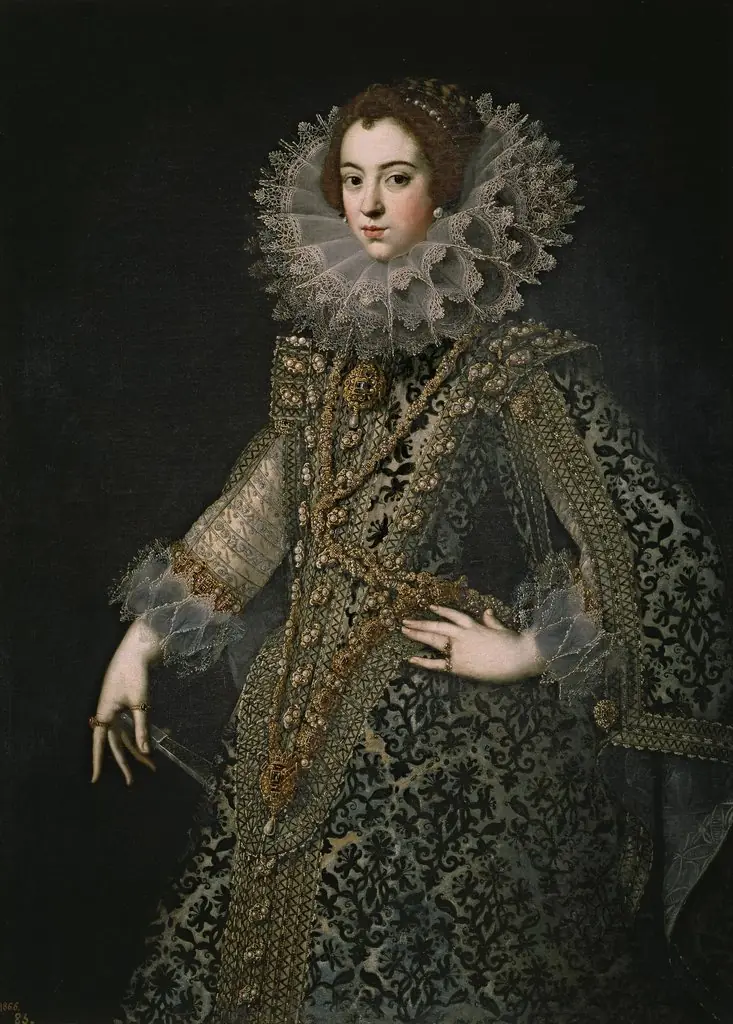 Portrait of Elisabeth of Bourbon, Queen of Spain
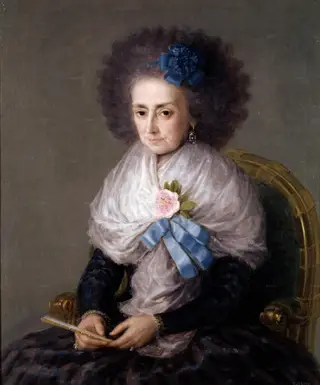 María Antonia Gonzaga, Dowager Marchioness of Villafranca
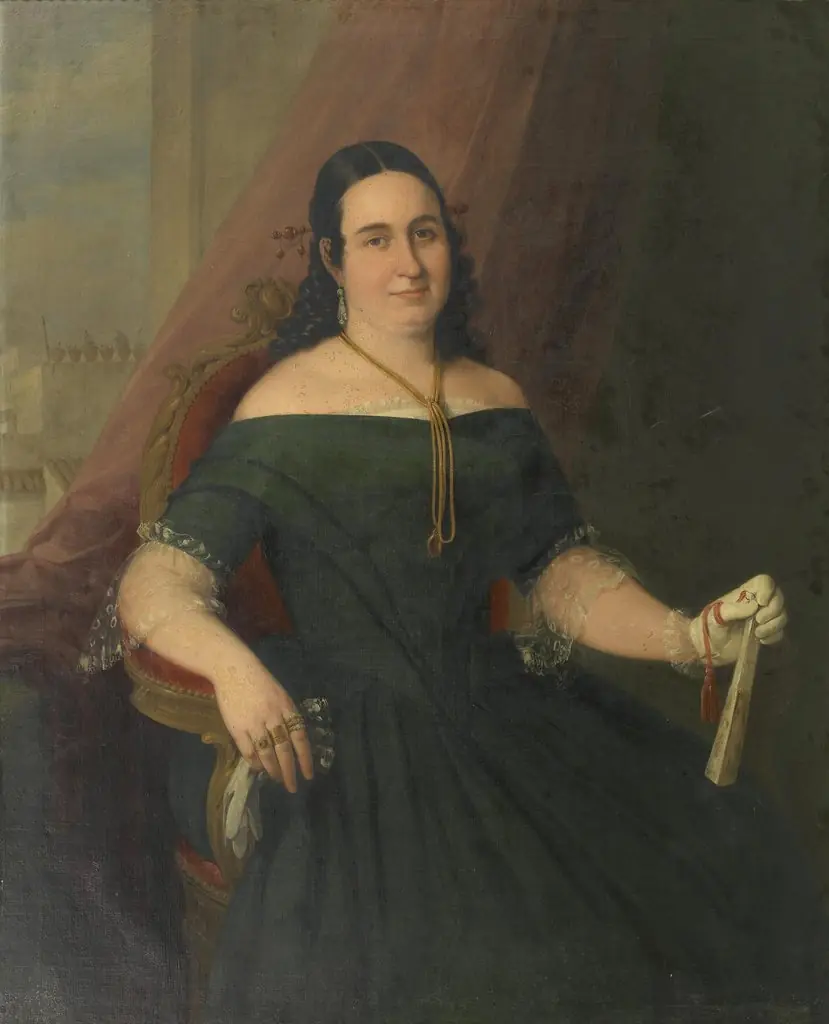 Retrato de señora
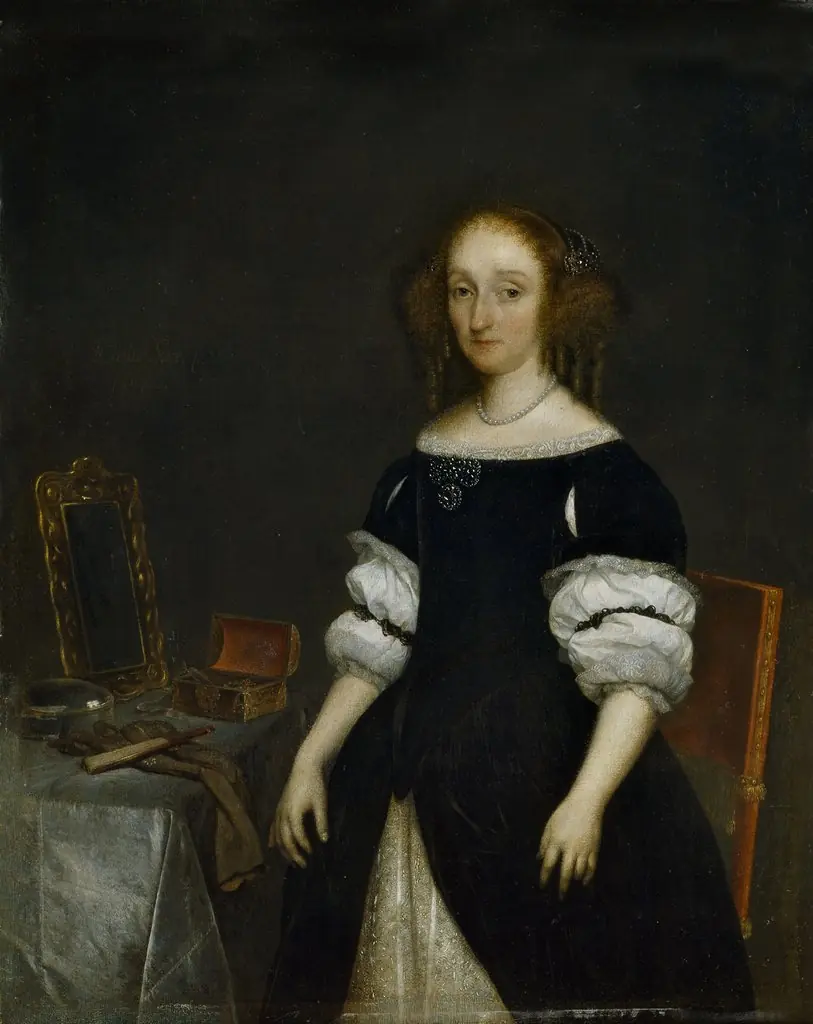 Portrait of Petronella de Waert
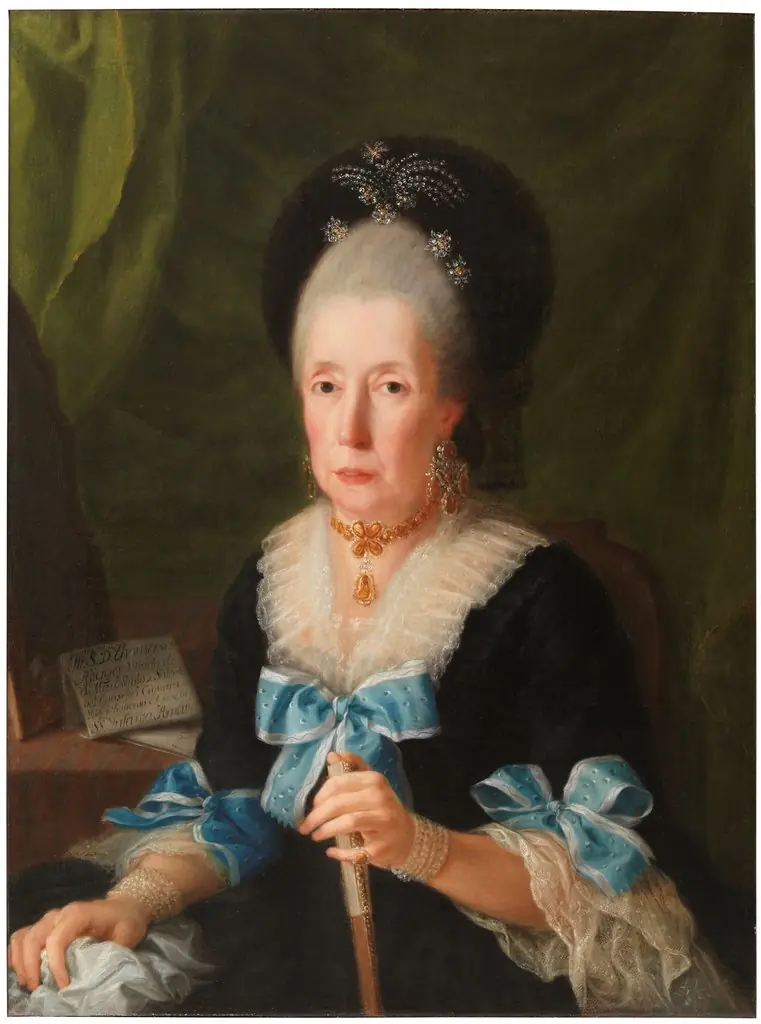 Tomasa de Aliaga, widow of Manuel Pablo Salcedo
 Lady with a Fan
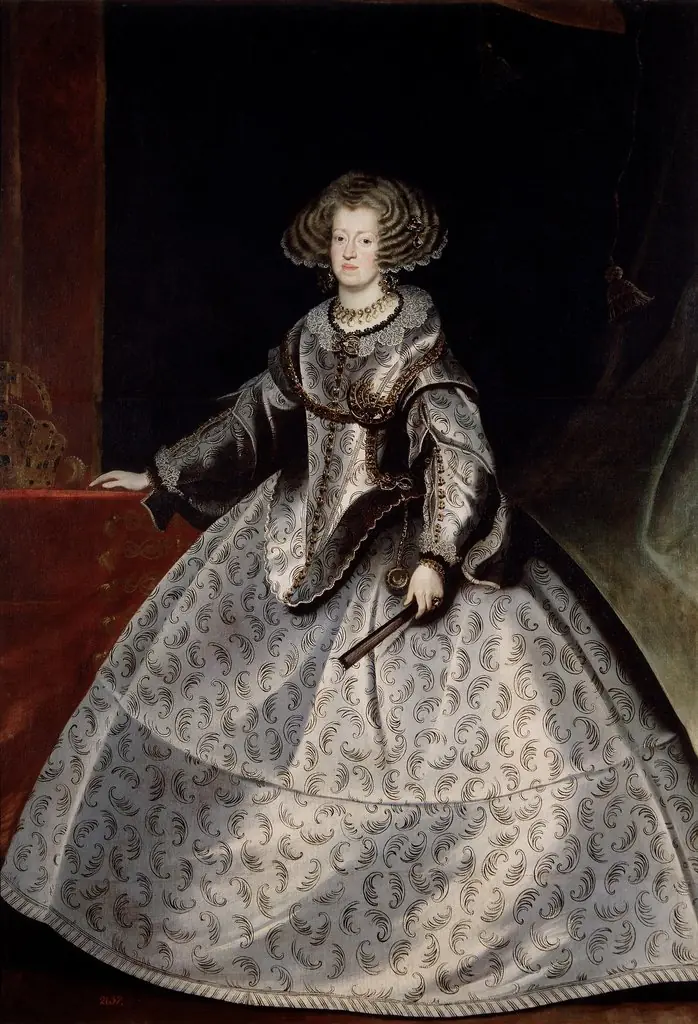 María of Austria Queen of Hungary
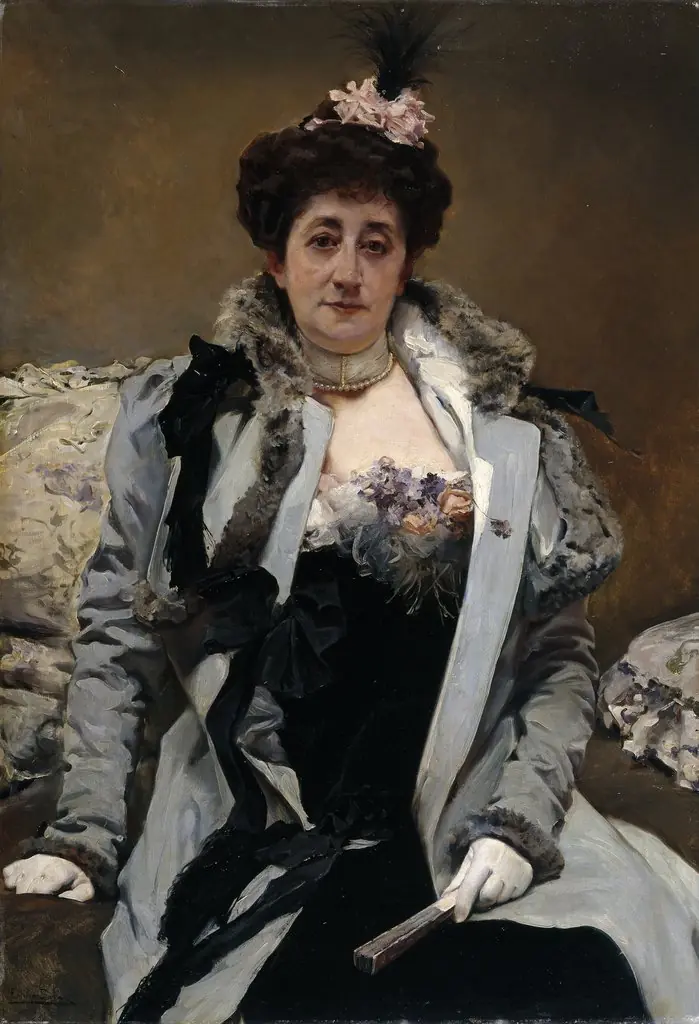 María Semprún y Pombo
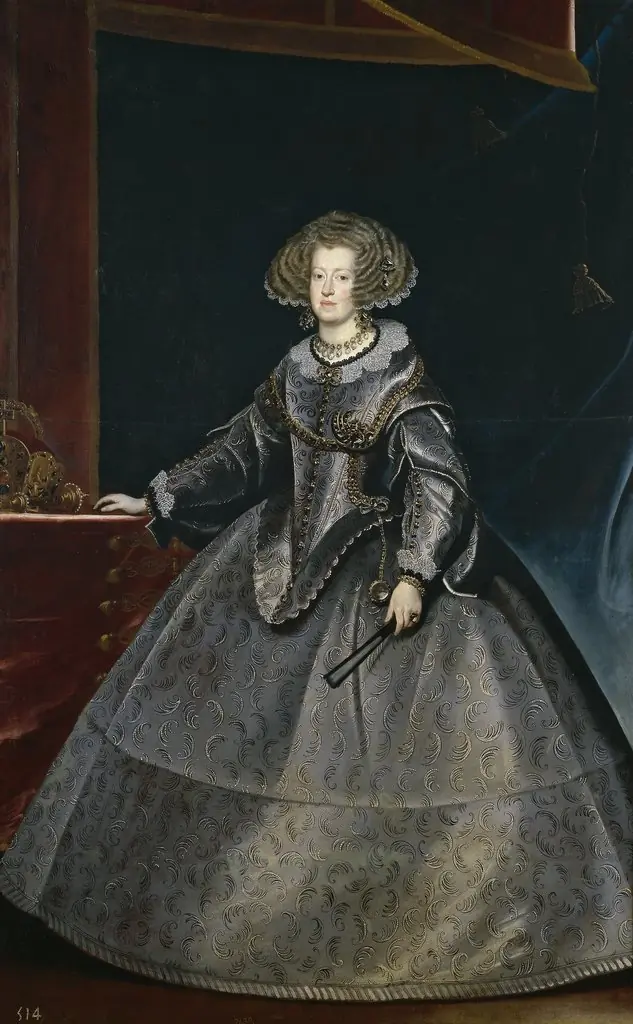 María of Austria Queen of Hungary
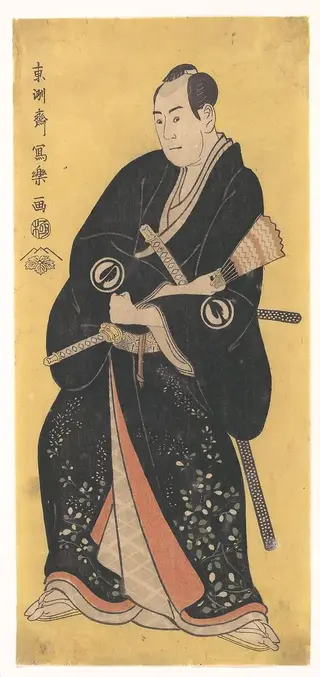 Untitled
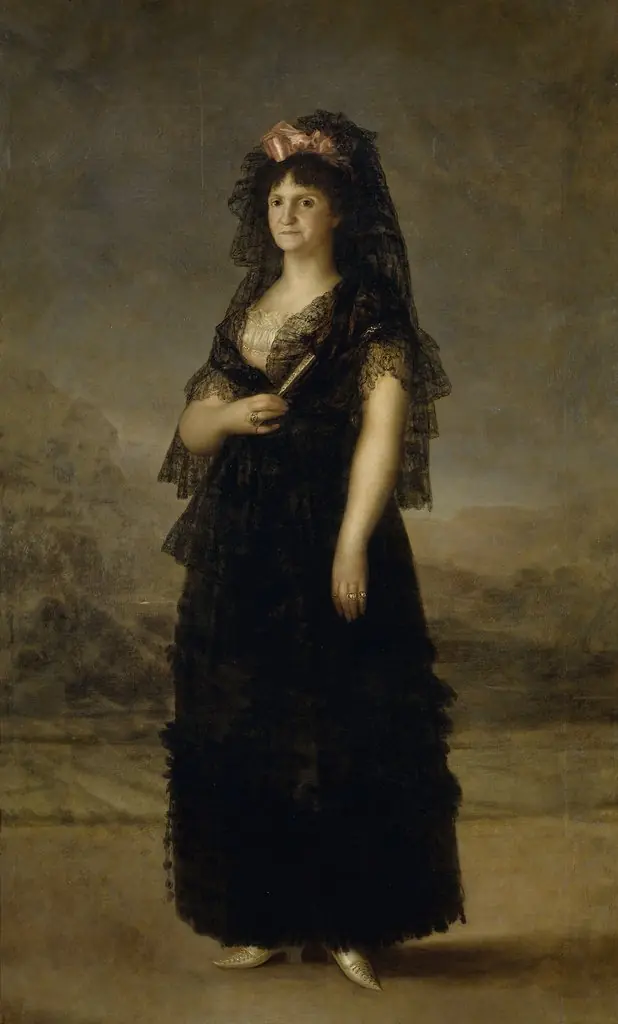 Queen María Luisa in a Mantilla
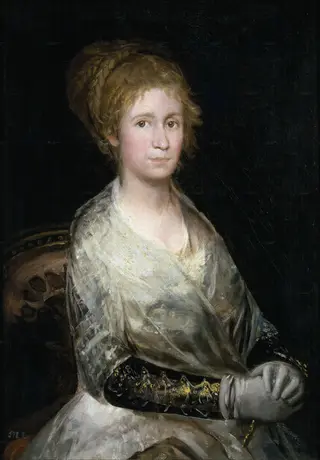 Josefa Bayeu
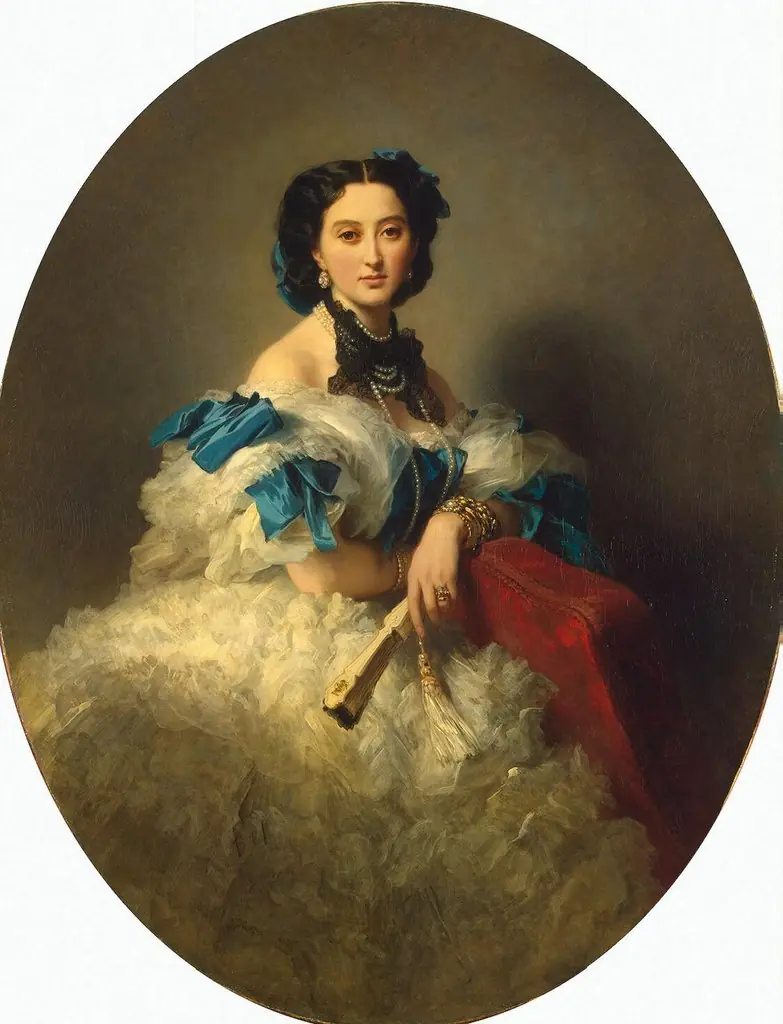 Portrait of Countess Varvara Musina-Pushkina
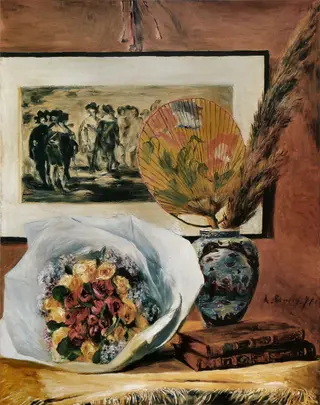 Still Life with Bouquet and Fan
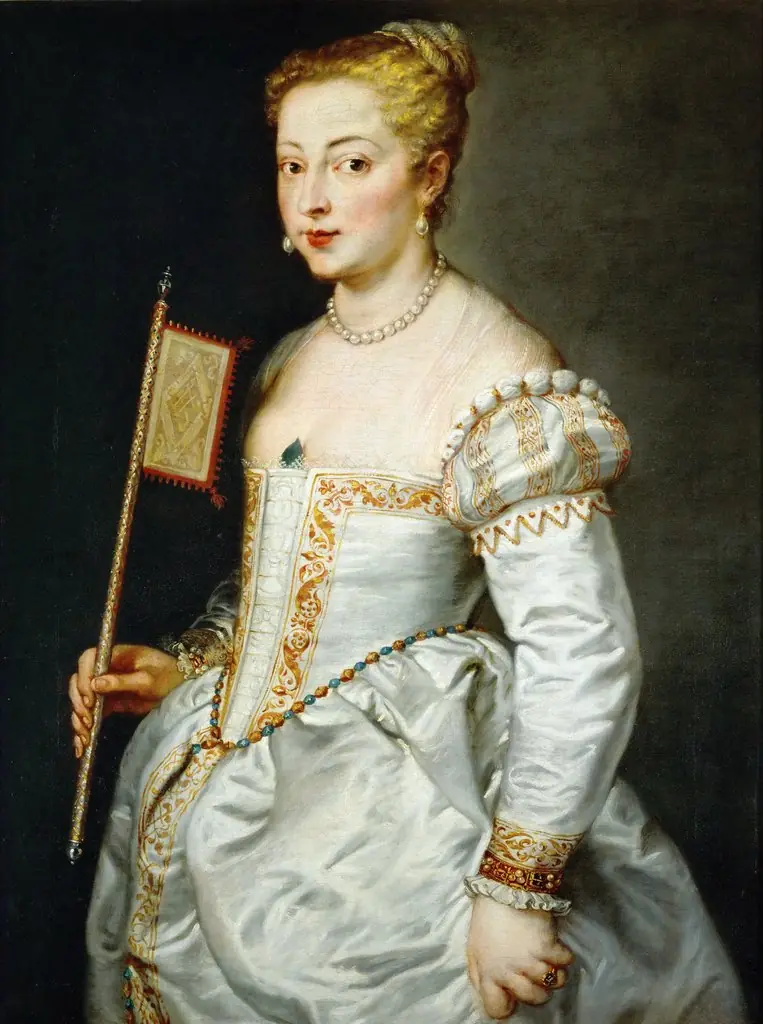 Girl with a Fan
 Portrait of a Woman
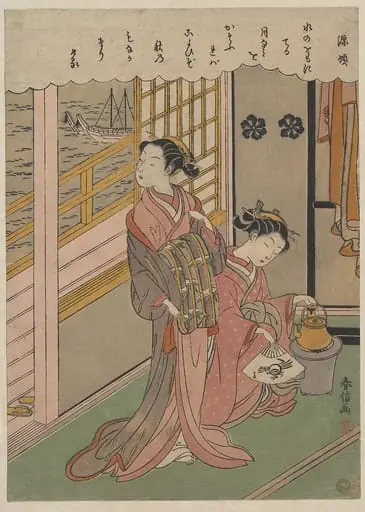 Untitled
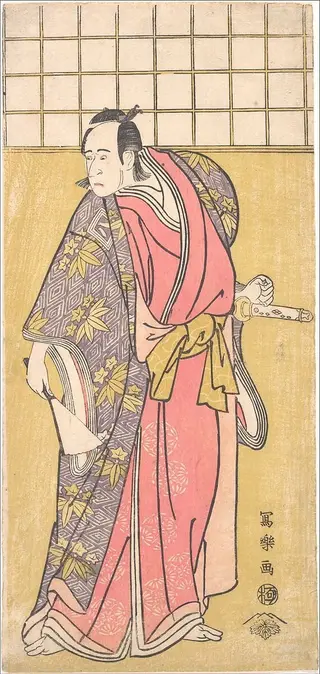 Untitled
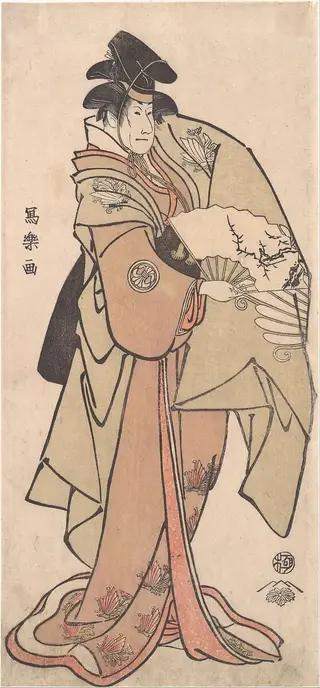 Untitled
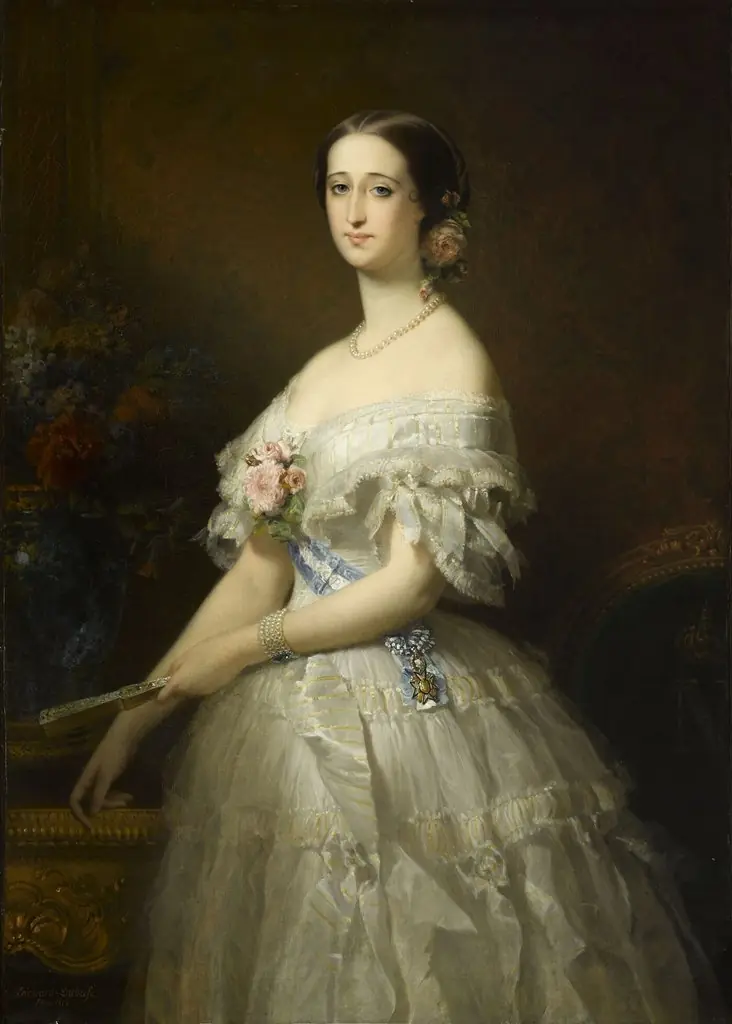 Portrait of the Empress Eugenie
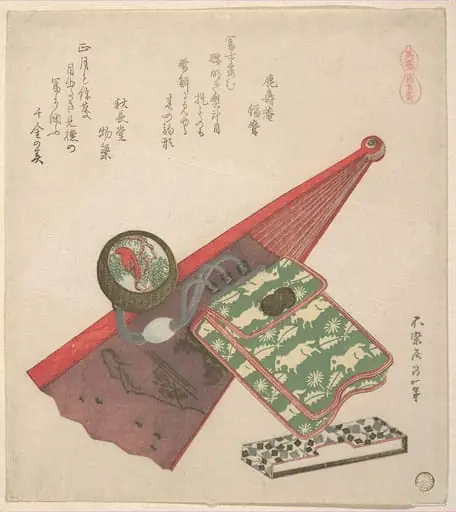 Untitled
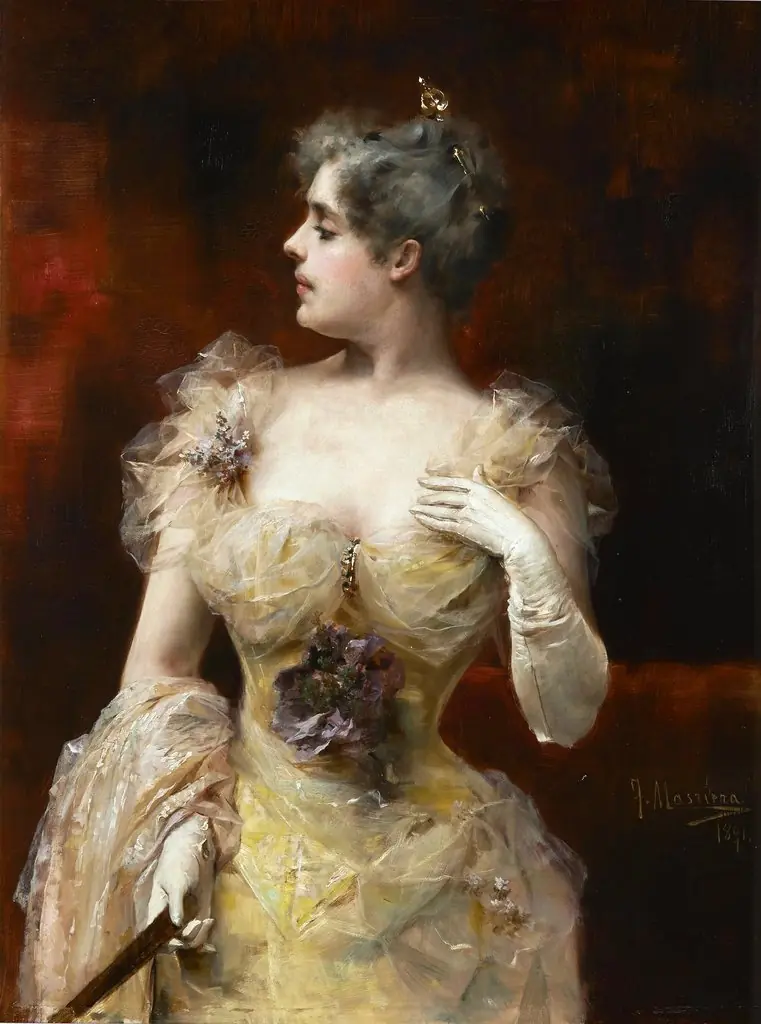 La ofendida
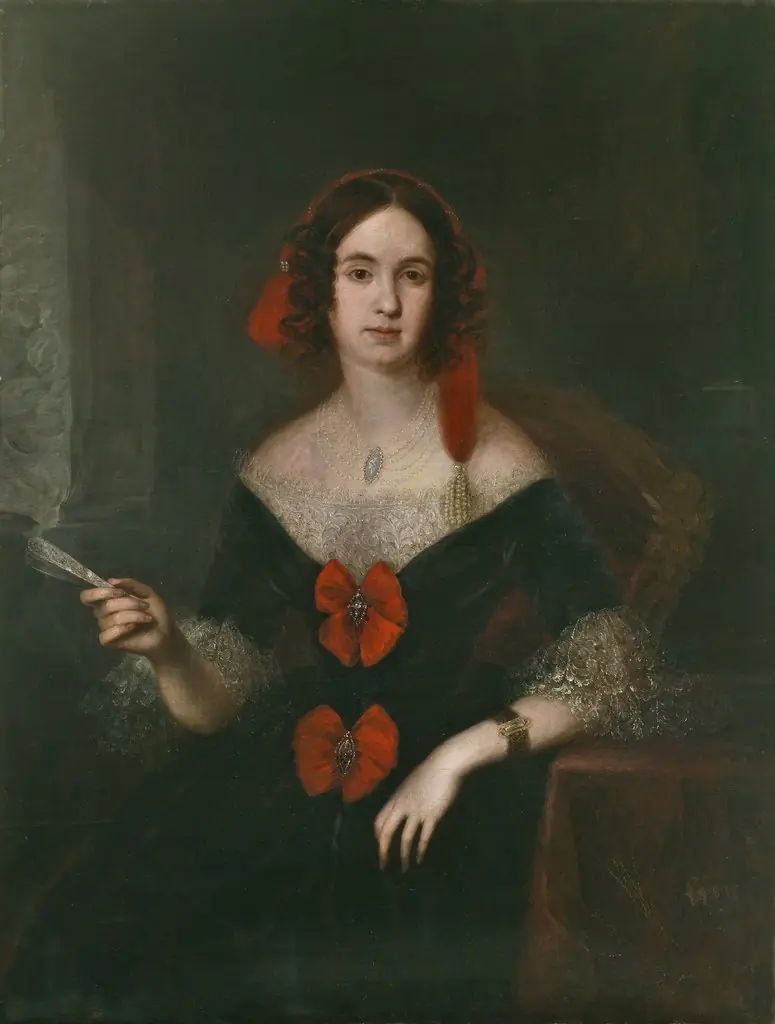 Dama con abanico
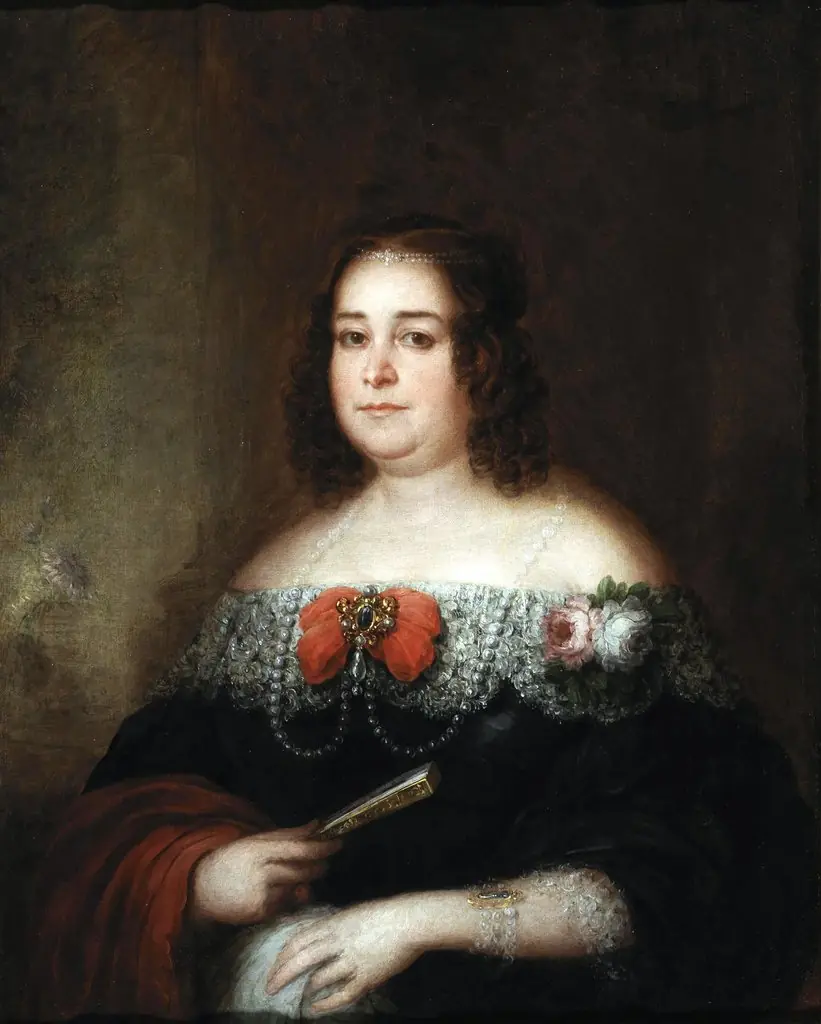 Retrato de señora
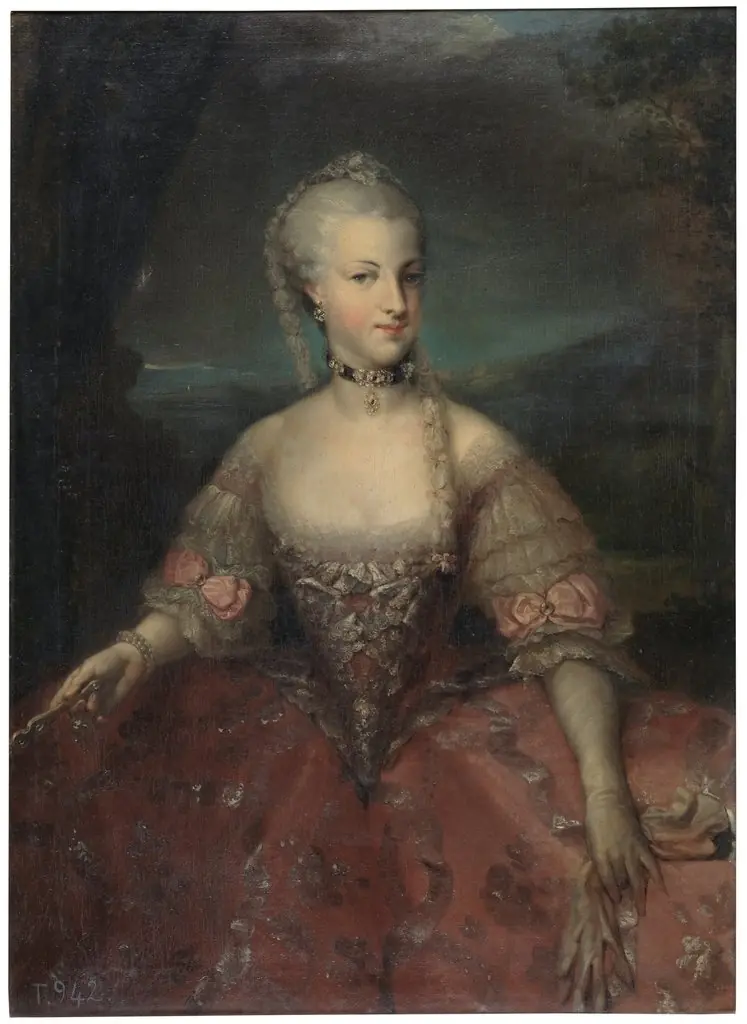 Maria Carolina of Habsburg-Lorraine, Queen of Naples
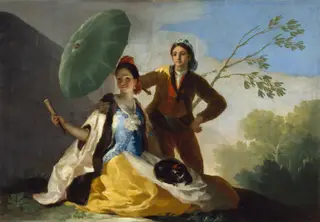 The Parasol
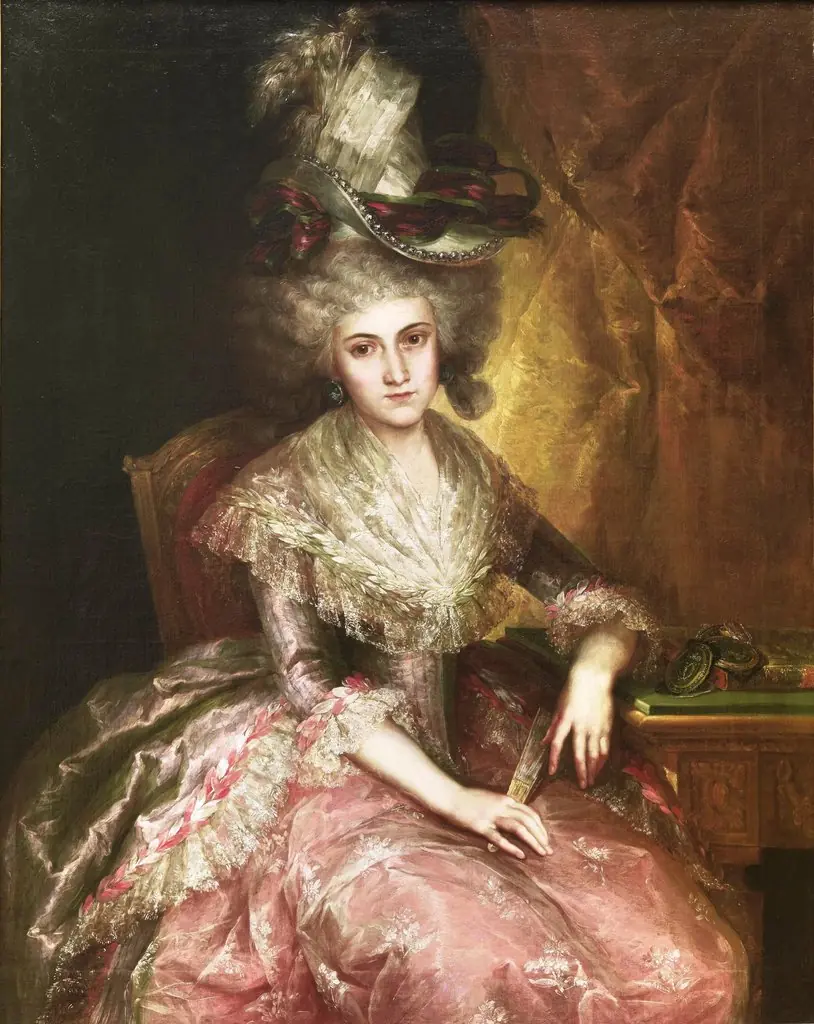 María Pilar de la Cerda y Marín de Resende, Duchess of Nájera
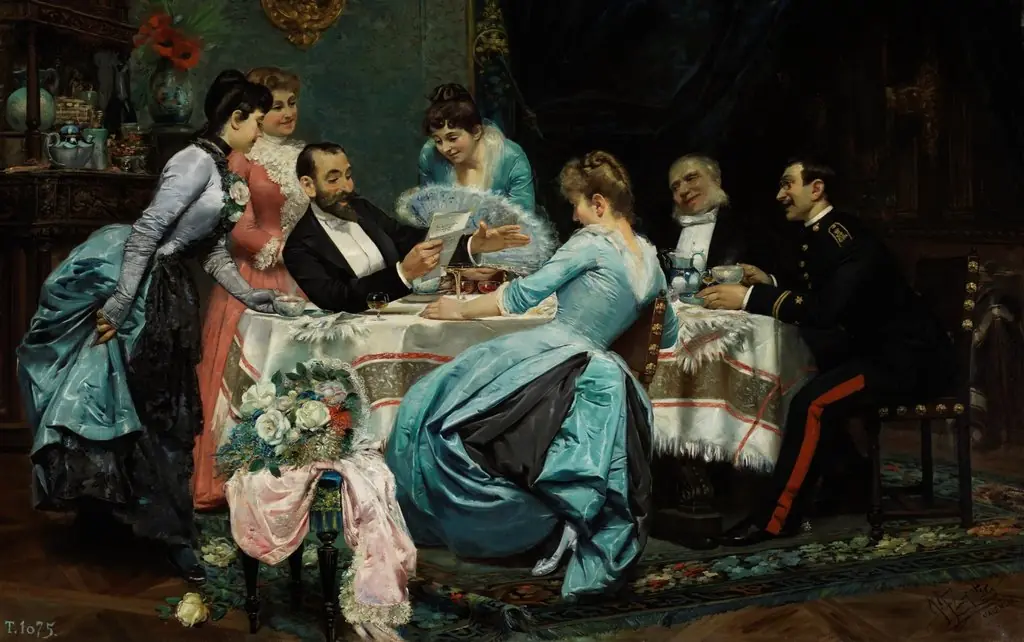 Poesía
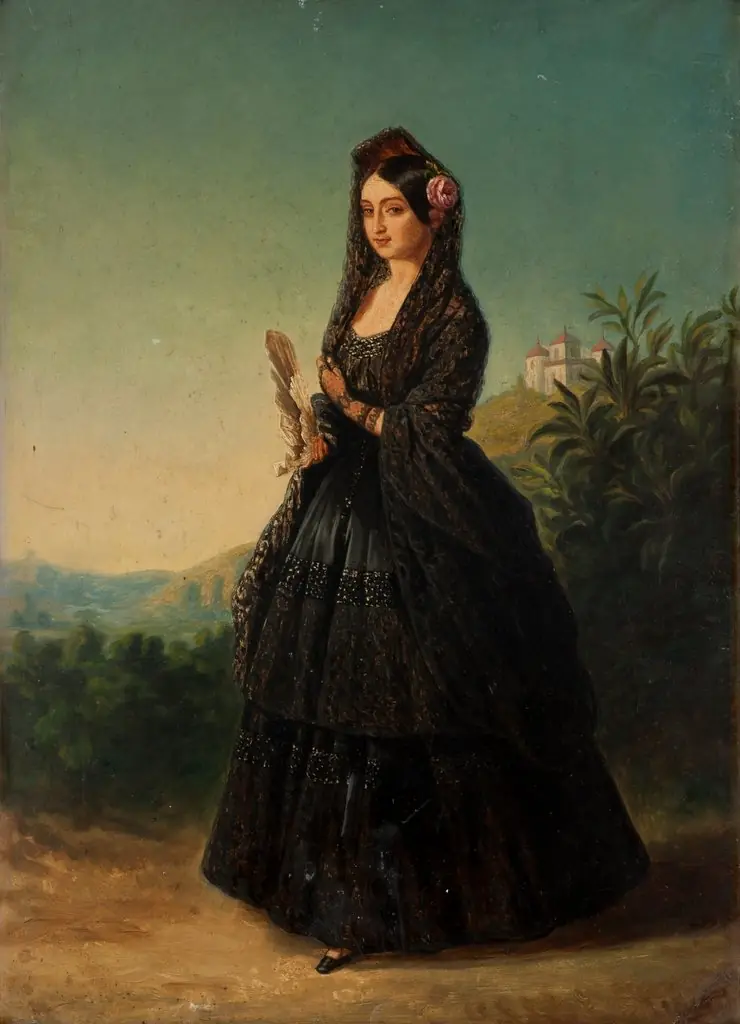 Luisa Fernanda de Borbón, Duchess of Montpensier, with a mantilla
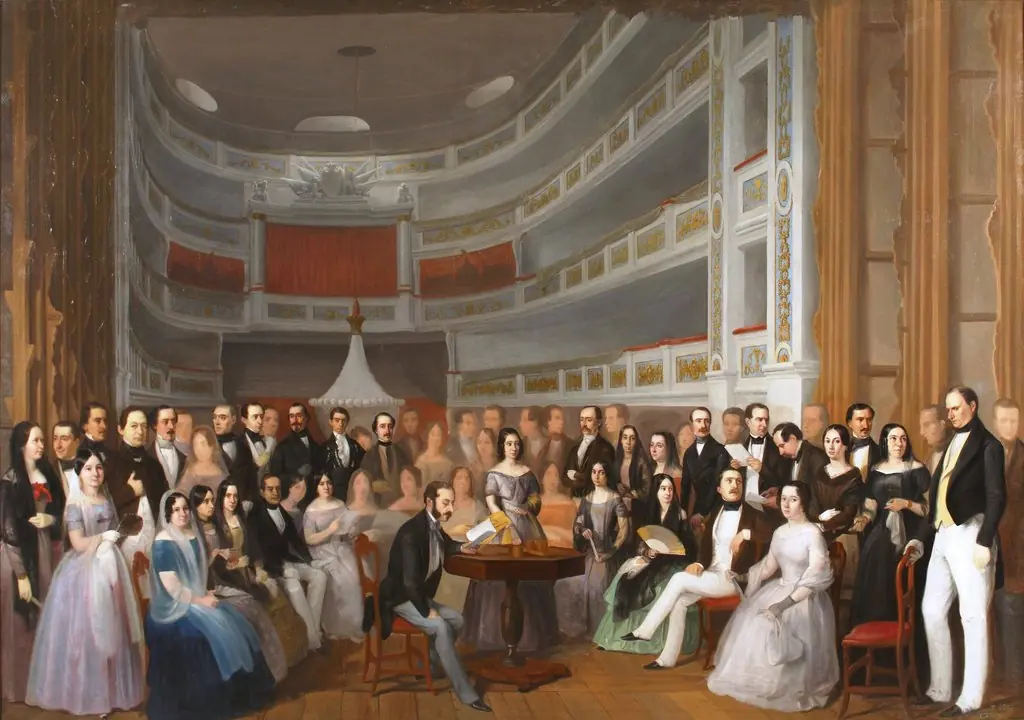 Ventura de la Vega reading a play at the Teatro del Príncipe
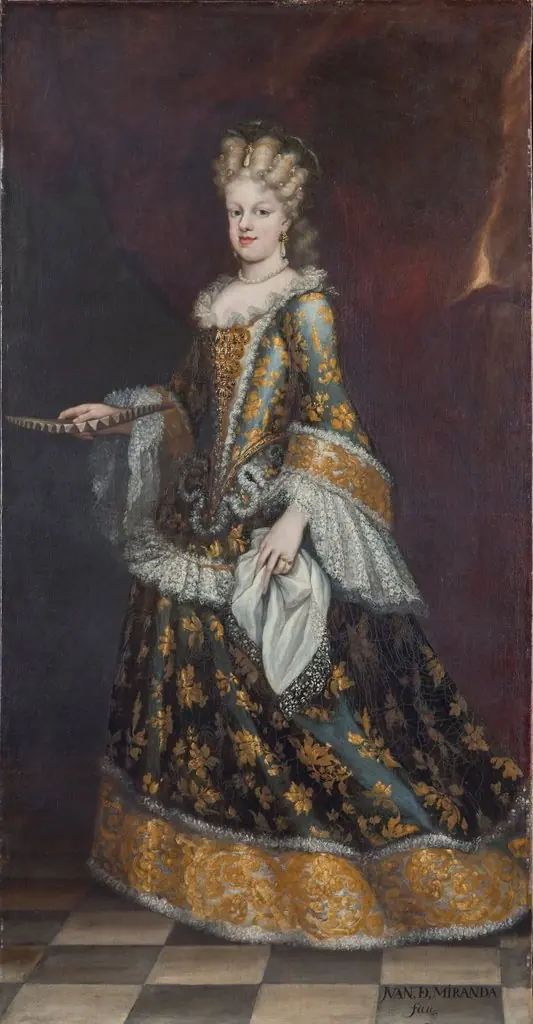 María Luisa Gabriela de Saboya primera esposa de Felipe V
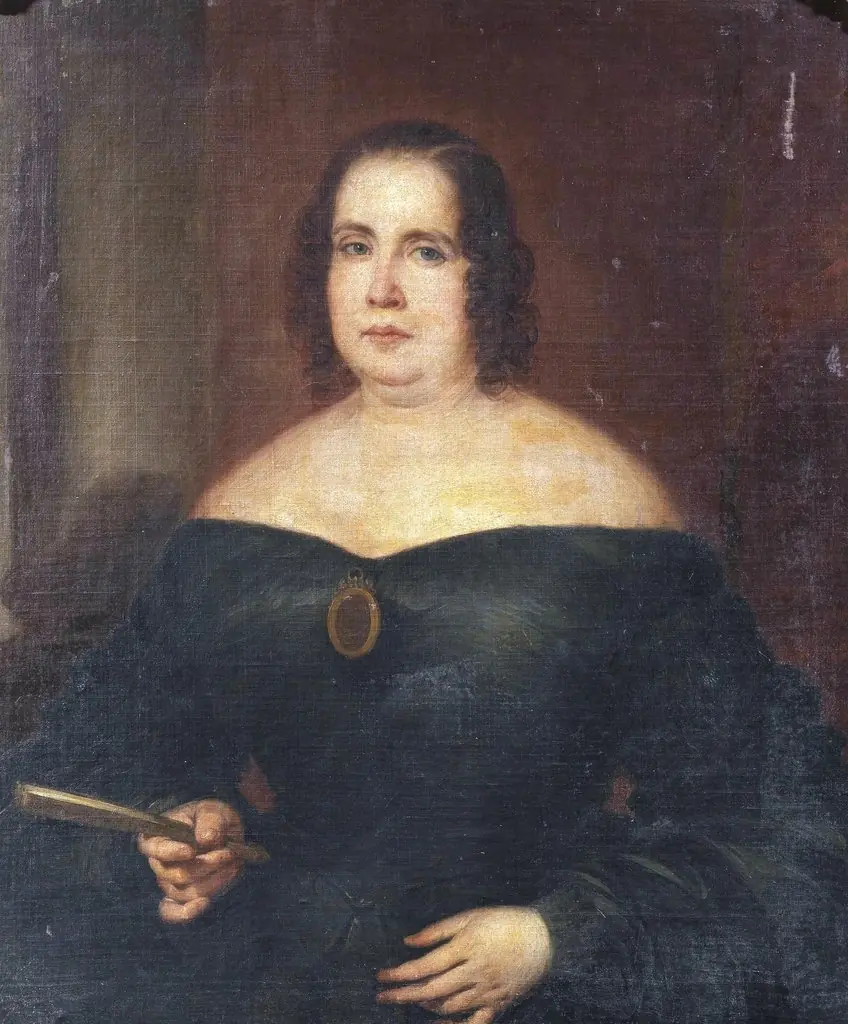 Retrato de señora
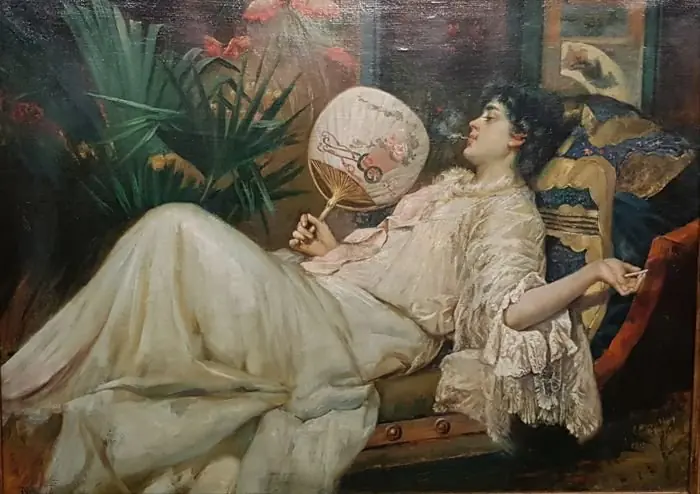 Youth Resting
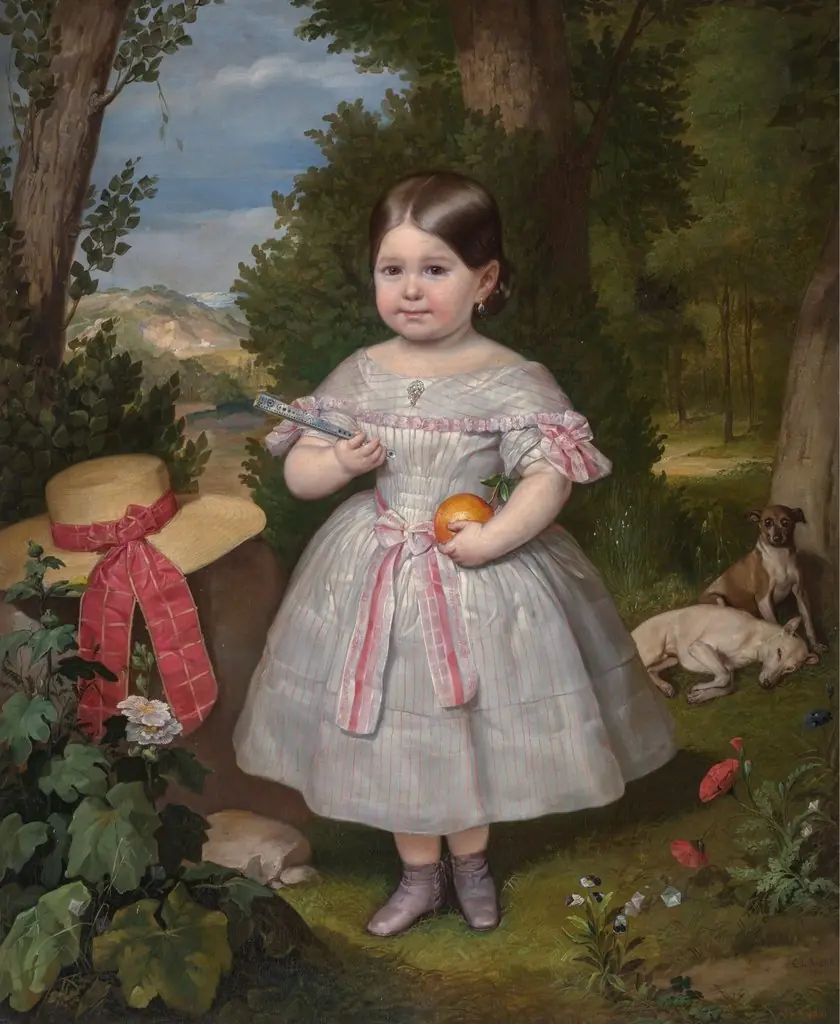 Portrait of a Young Girl in a Landscape
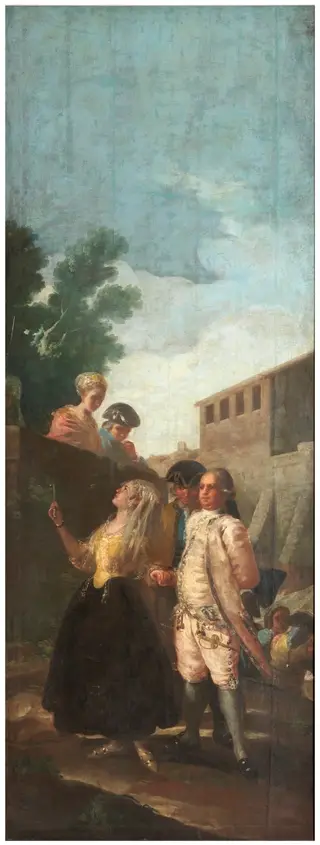 The soldier and the lady
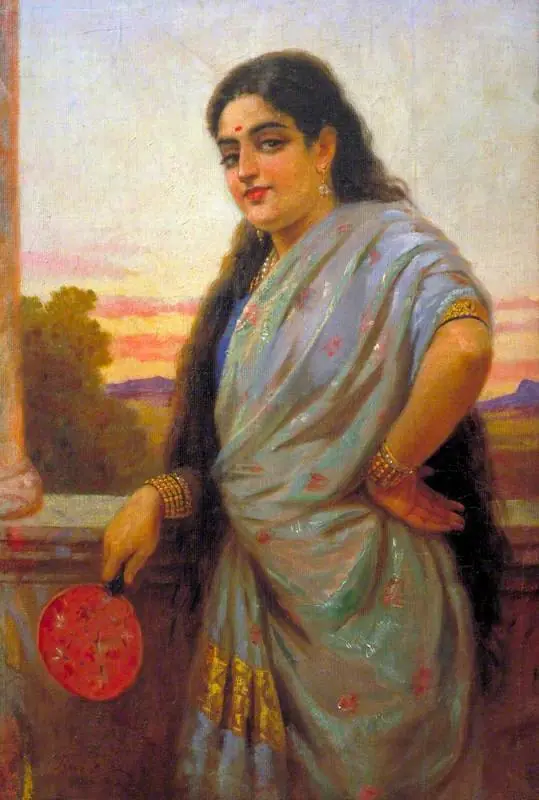 Woman Holding a Fan
 Untitled
 青楼仁和嘉女芸者之部 扇売 団扇売 麦つき|The Niwaka Performers
 喜多川歌麿画 「青楼仁和嘉女芸者 茶せん売 黒木売 さいもん」|Three Niwaka Performers, Chasenuri, Kurokiri, and Saimon (Tea-whisk Seller, Firewood Seller, Shrine Festival Perfomer), from the “Geisha of the Yoshiwara Niwaka Festival” (Seiro Niwaka Onna Geisha)
 Portrait of a Woman holding a Fan
 Portrait of a Young Girl
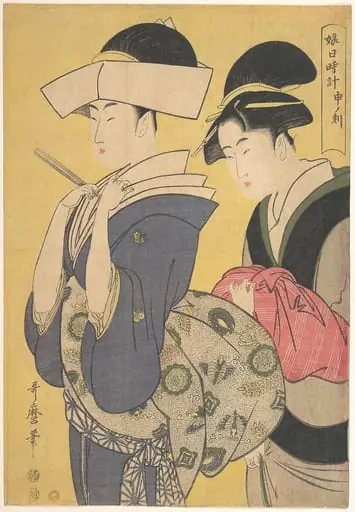 娘日時計 申ノ刻|Seru no Koku
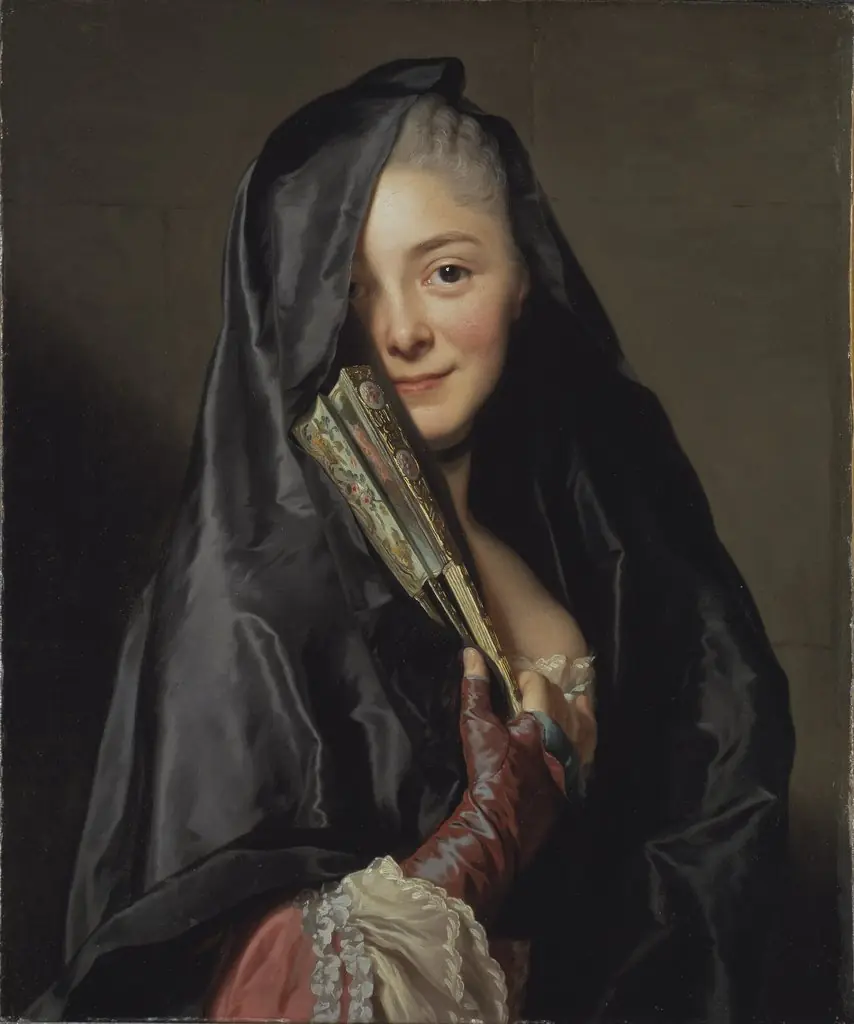 The Lady with a Fan, The Artist's Wife
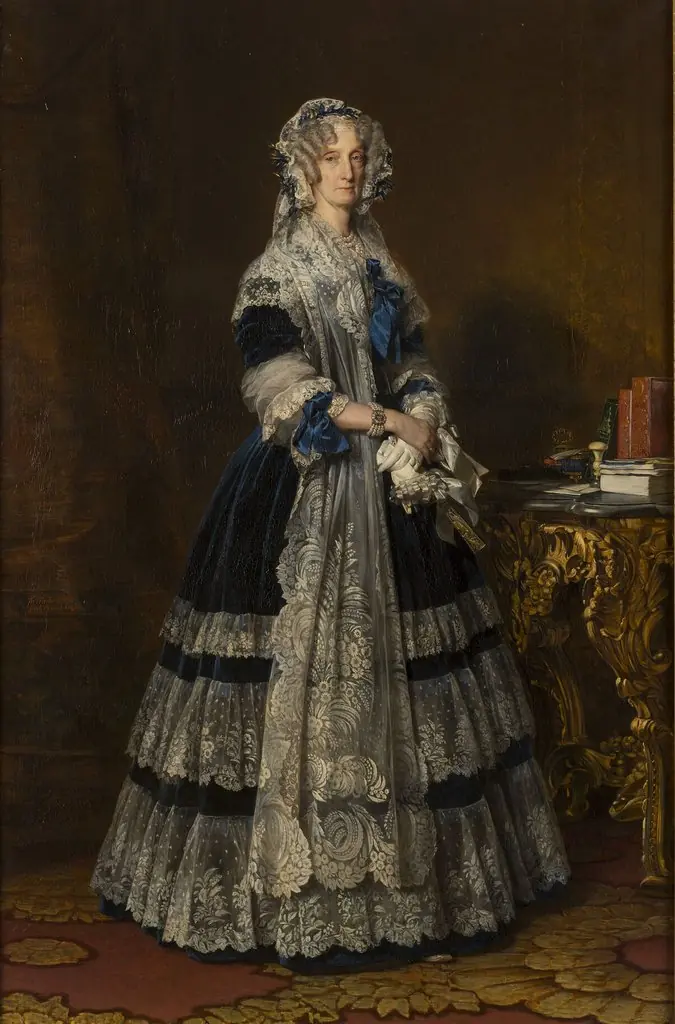 Maria Amalia of the Two Sicilies, Queen of the French
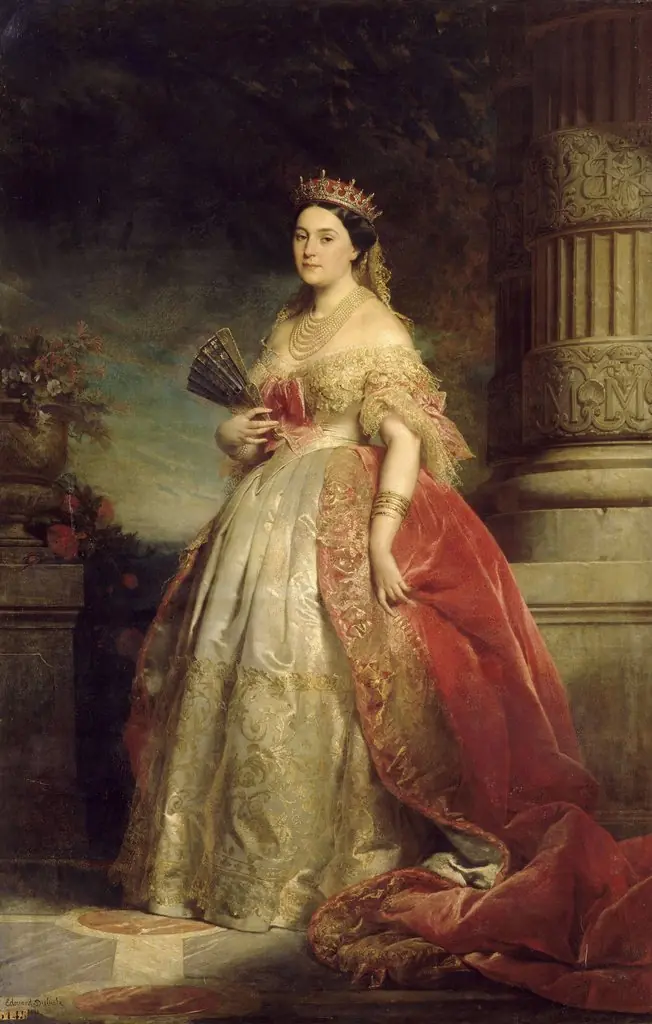 Portrait of the Princess Mathilde
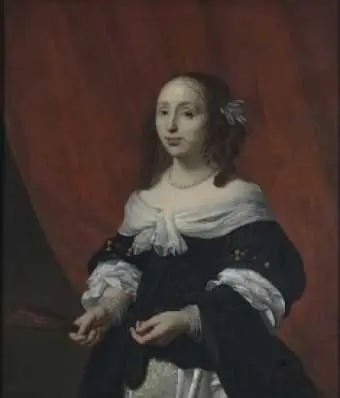 Portrait of a Lady
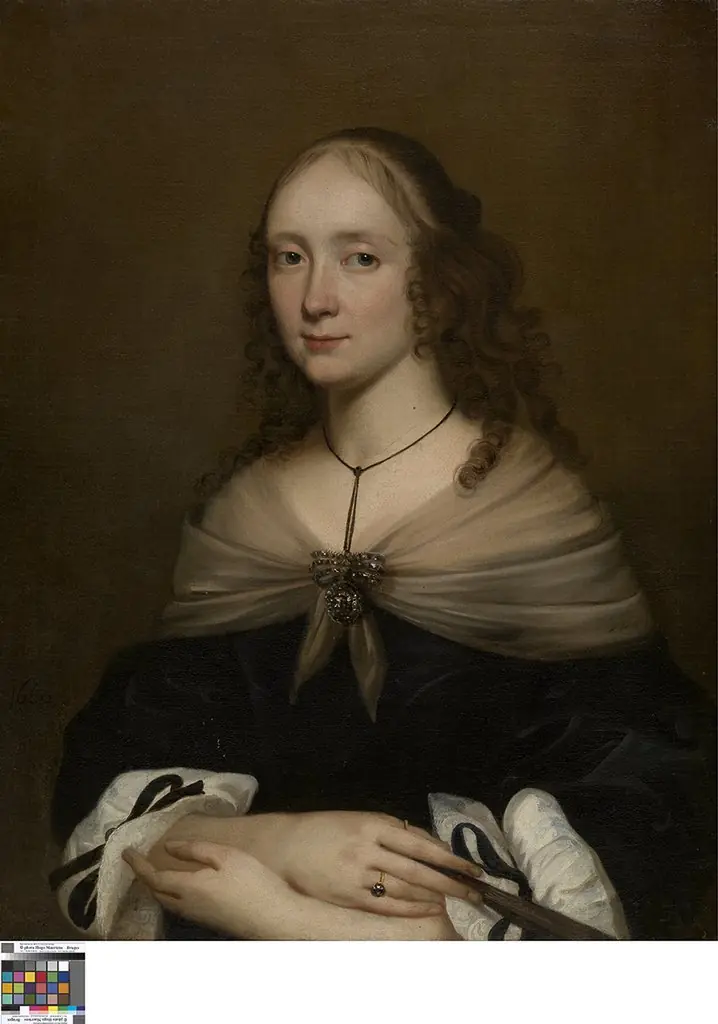 Portret van een vrouw
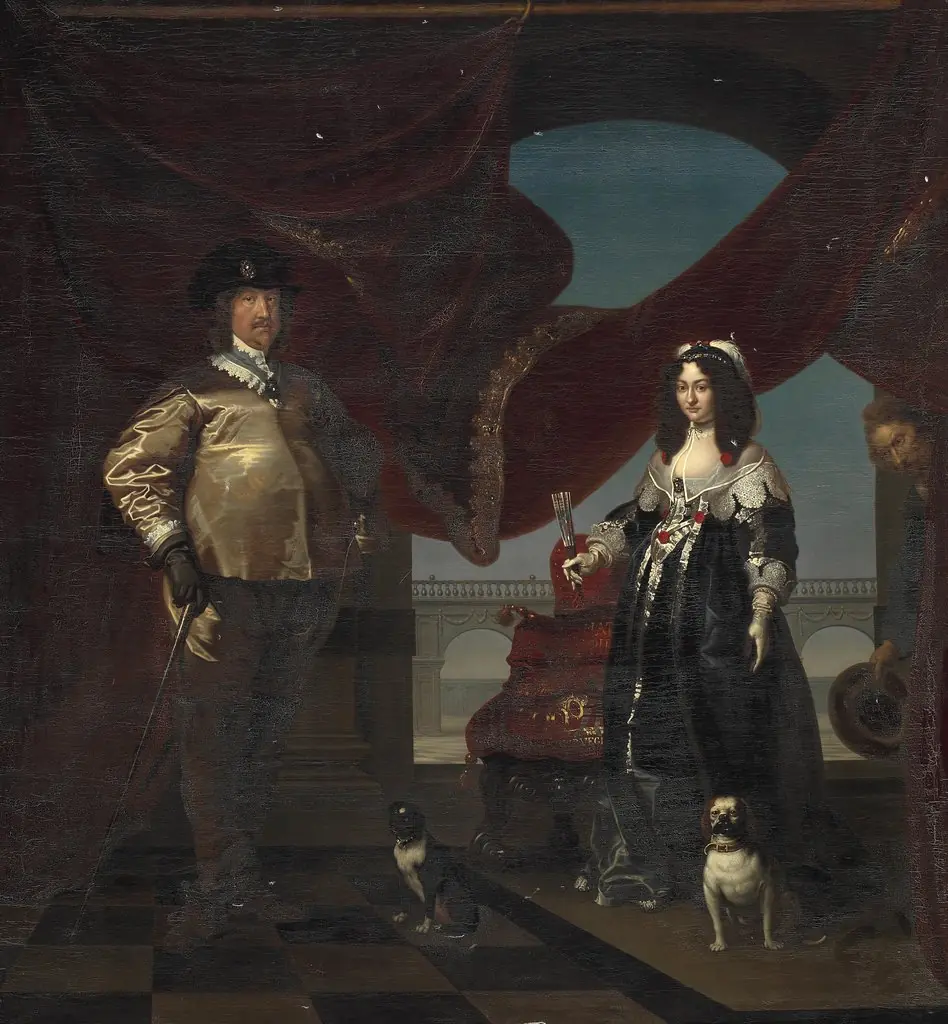 Portrait of Prince Elect Christian (1603-1647) with his consort, Princess Magdalena Sibylla of Saxony (1617-1668)
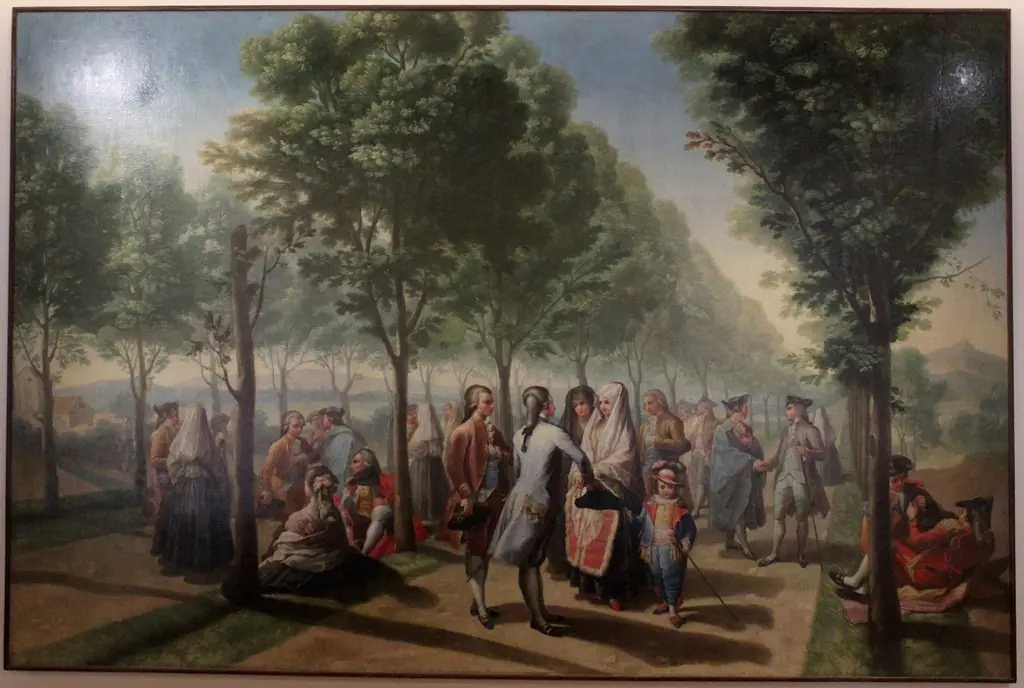 The Paseo de las Delicias Madrid
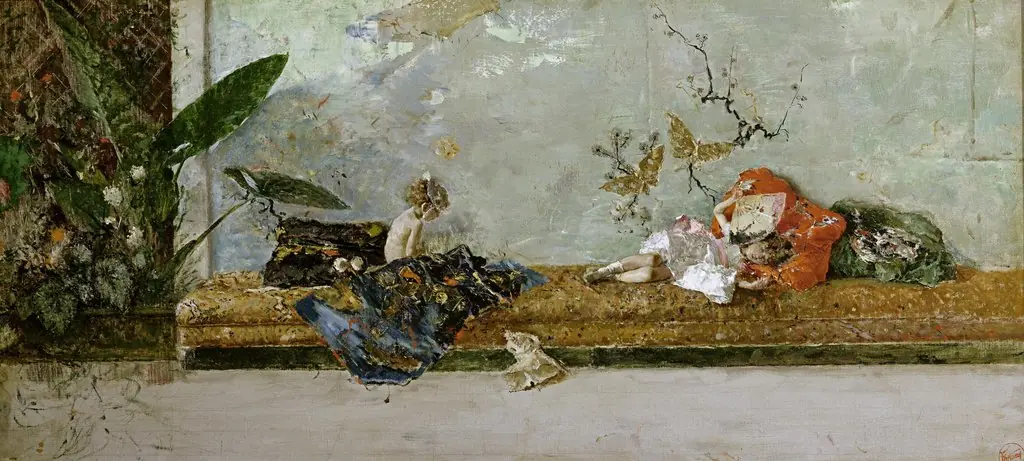 The Painter's Children in the Japanese Room
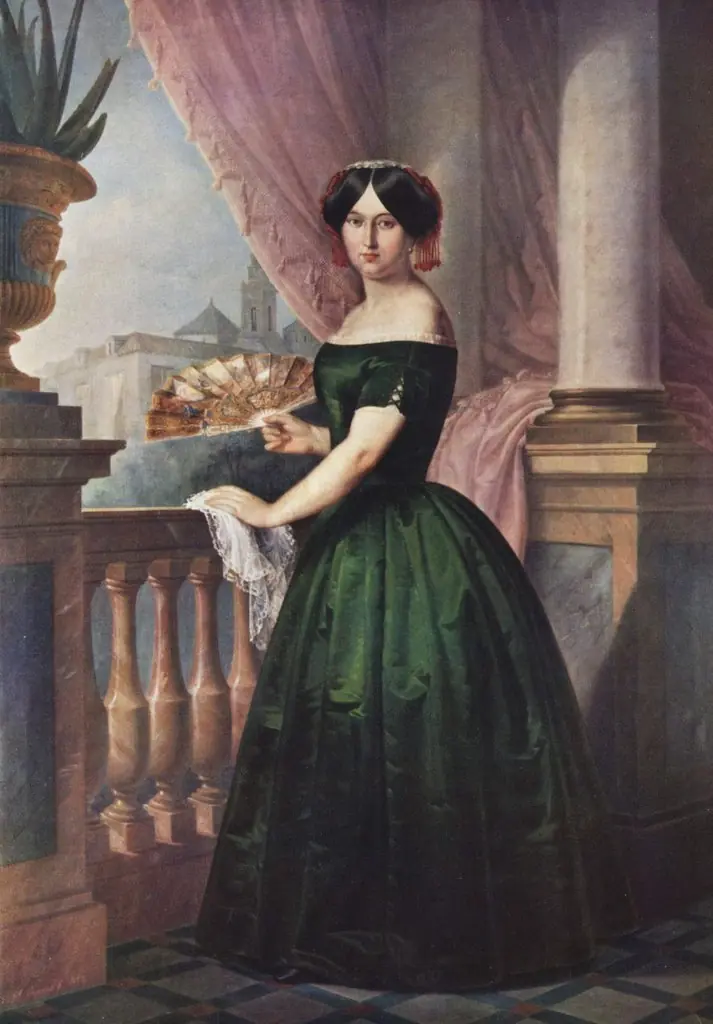 Portrait of Josefa García Solís
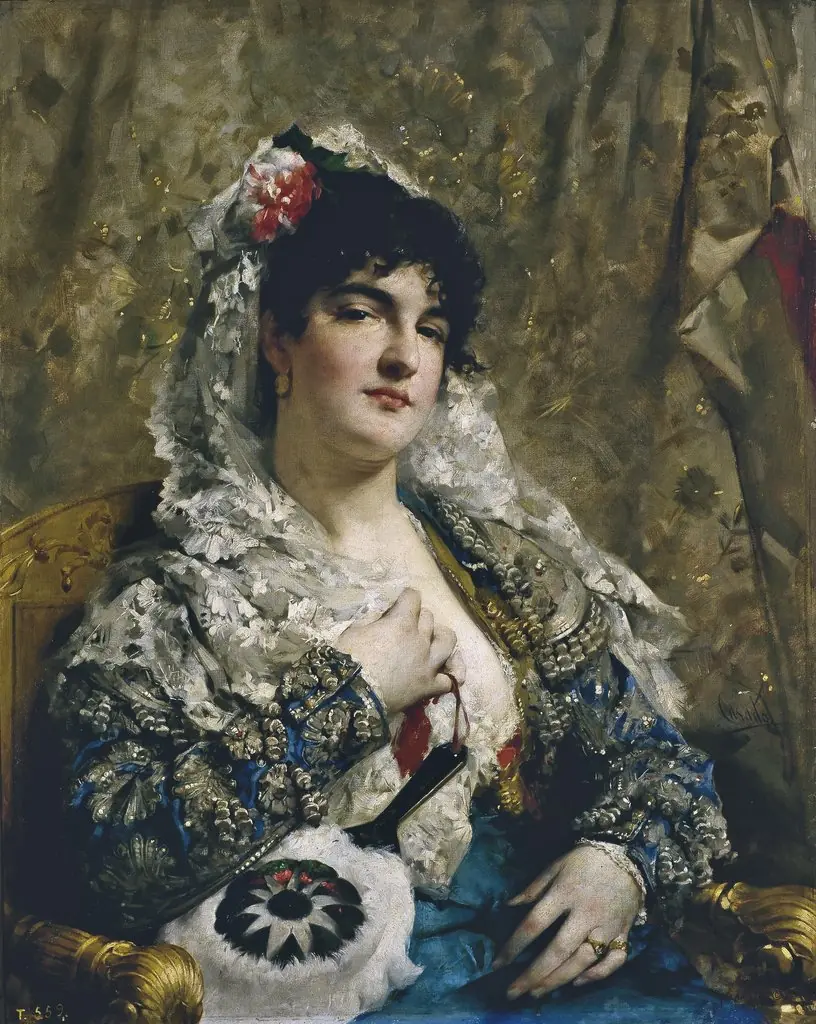 La Tirana
 The hermitage of Saint Isidor
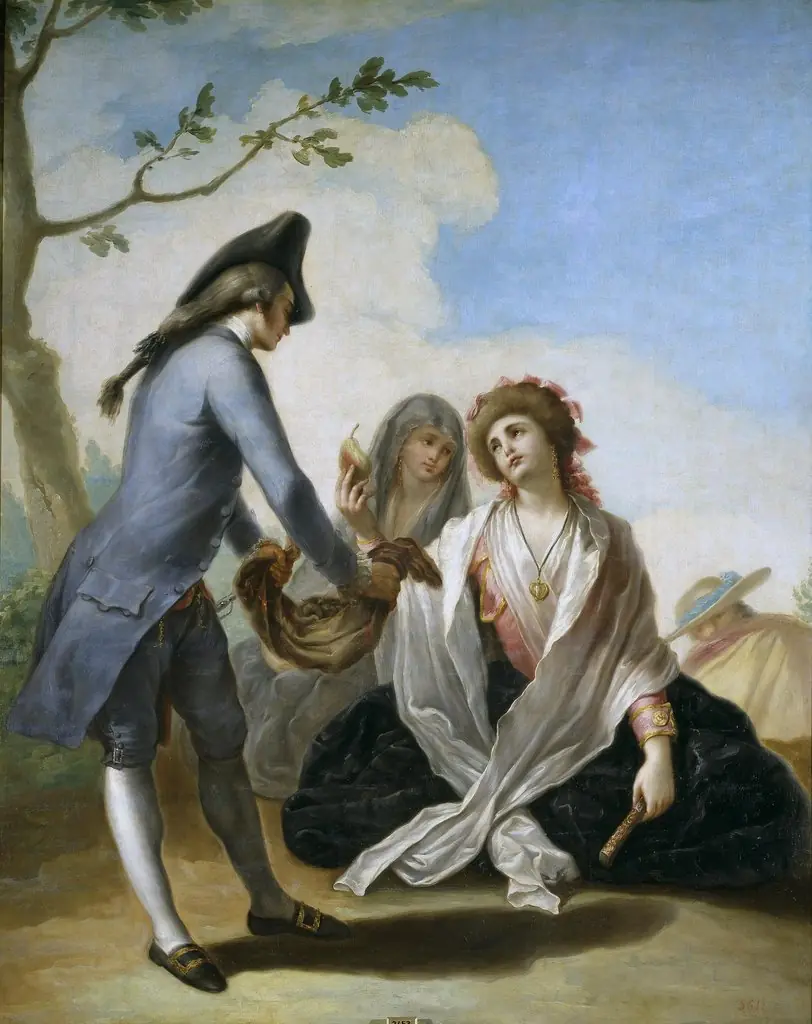 The rustic Offering
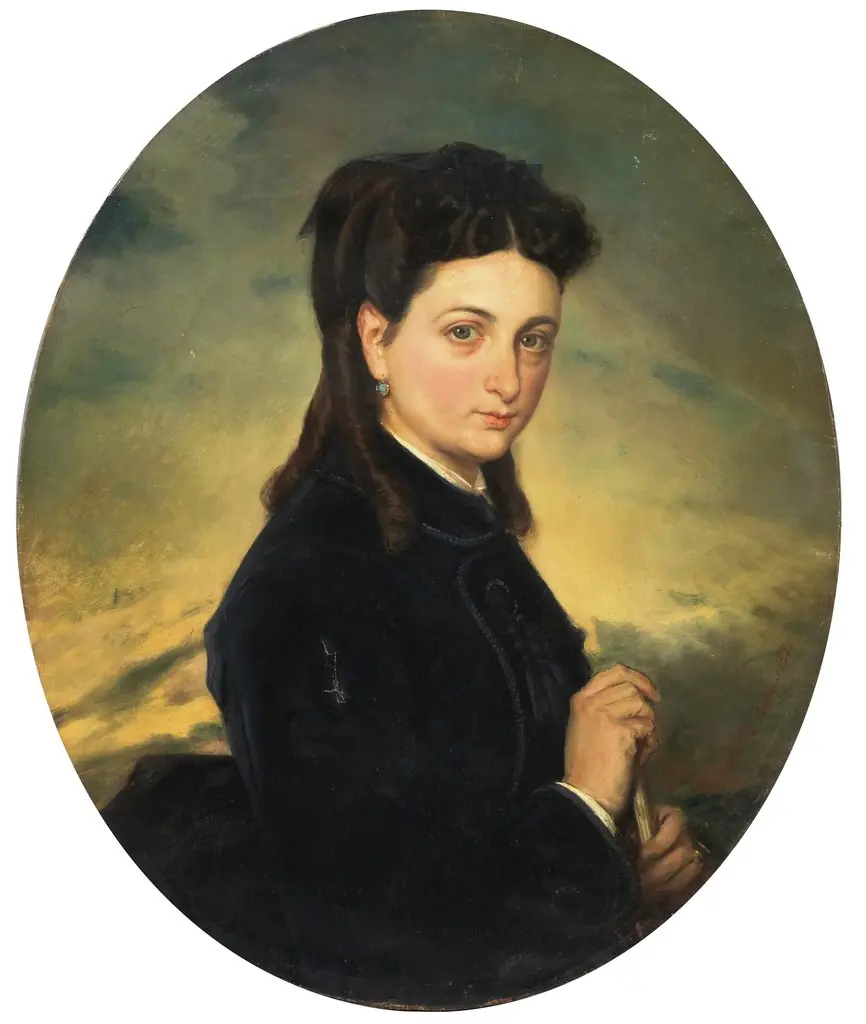 Elvira Álvarez Espino
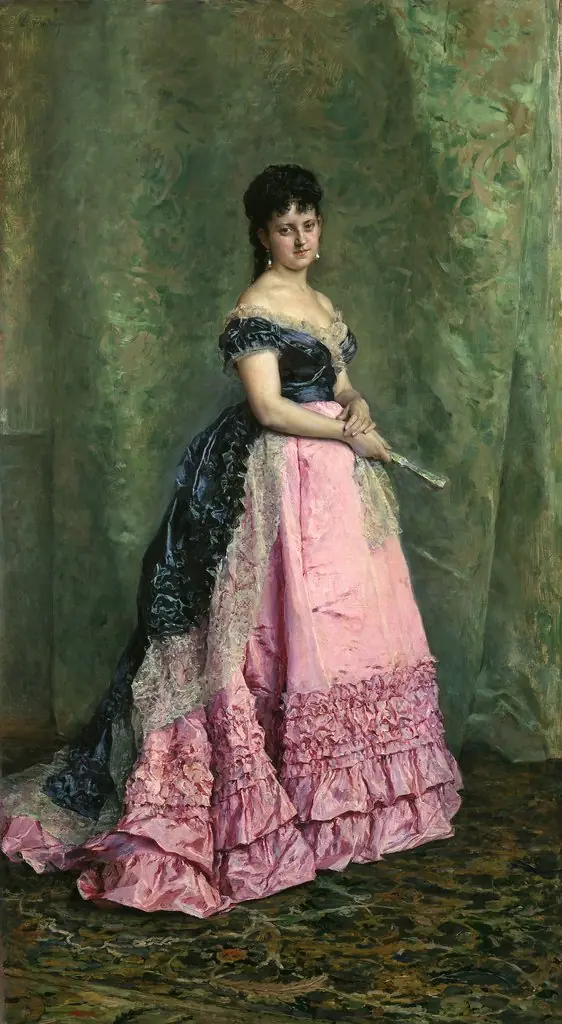 Manuela de Errazu
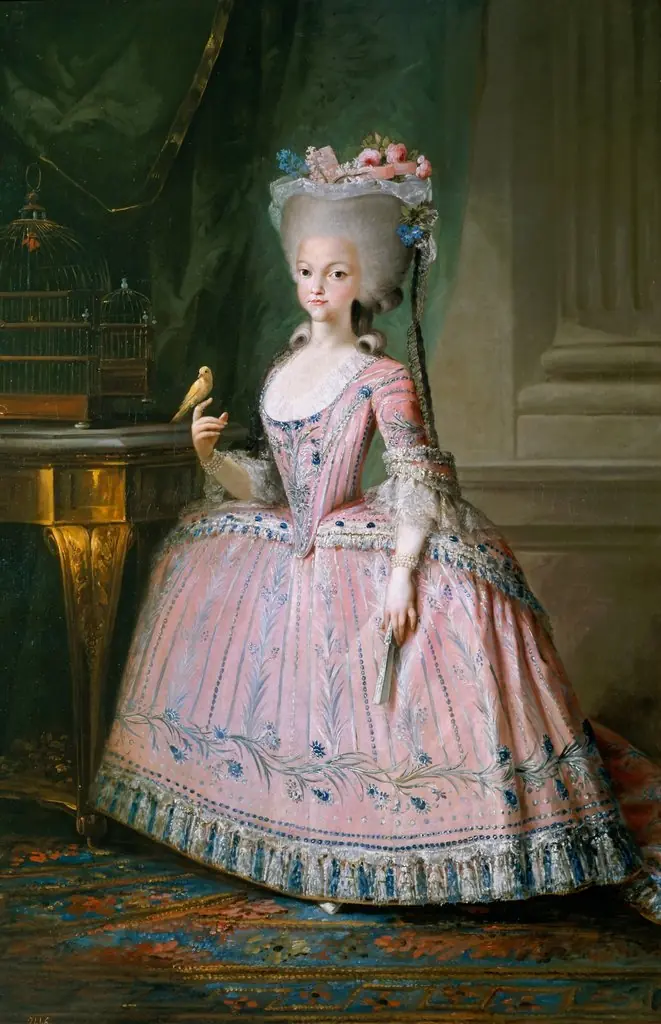 Carlota Joaquina, Infanta of Spain and Queen of Portugal
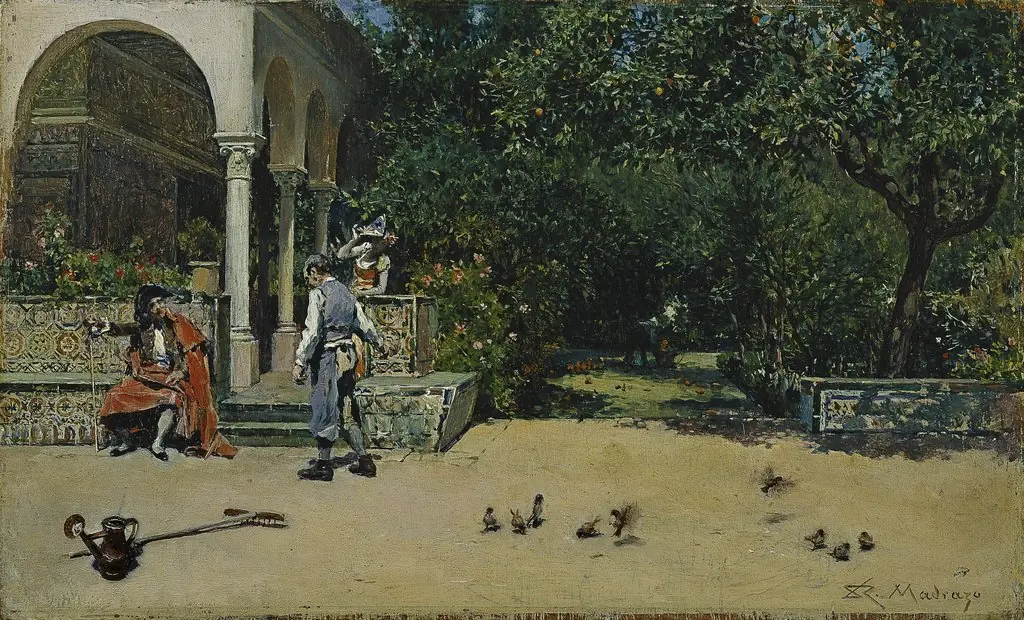 The Pavilion of Charles V in the Gardens of the Alcázar of Seville
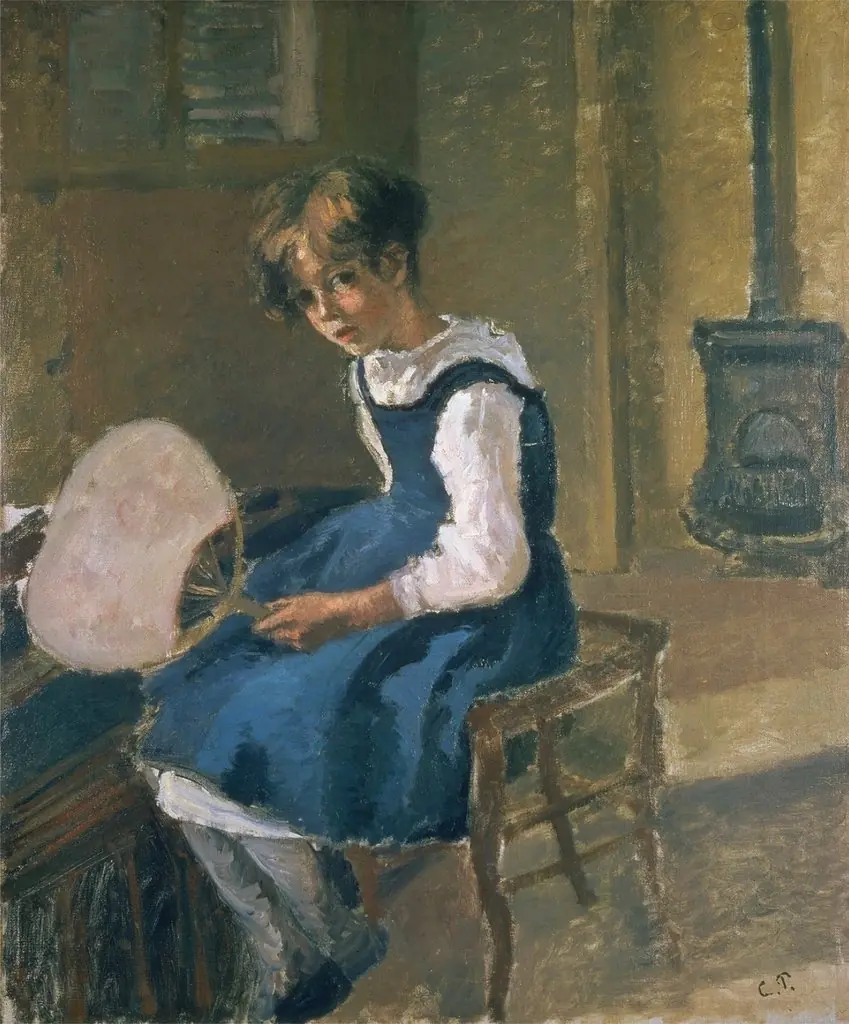 Jeanne Pissarro Called Minette Holding a Fan
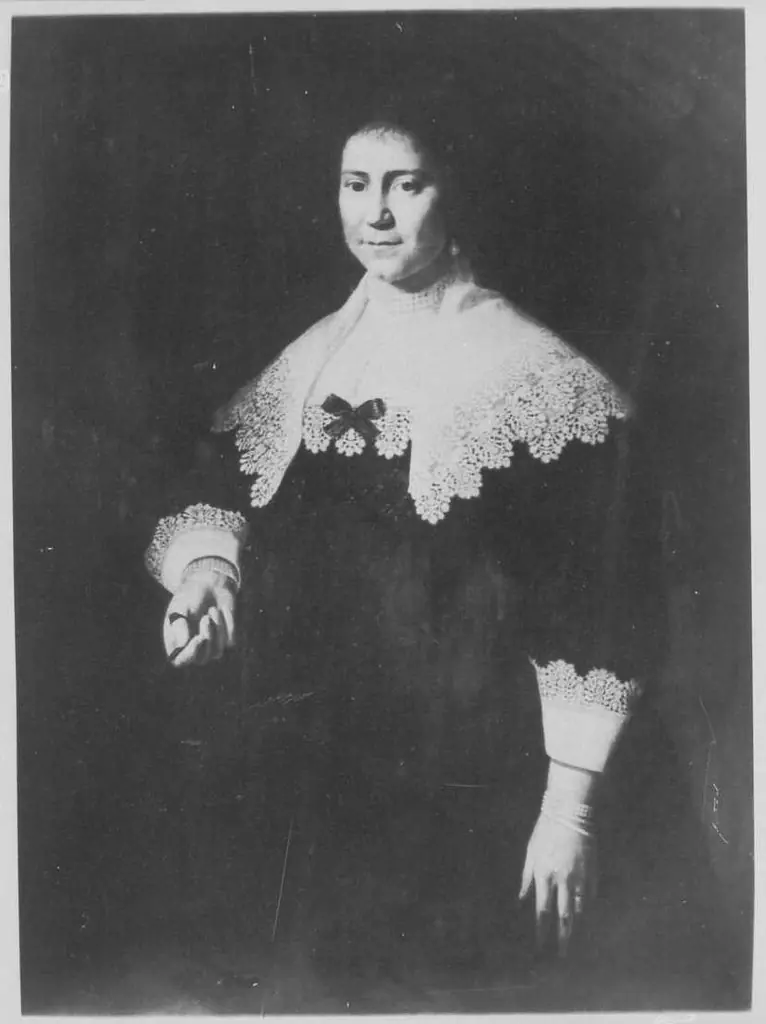 Portrait of a Lady with a Fan
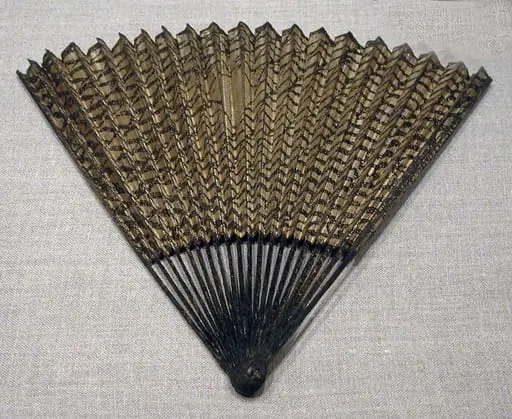 明 佚名 網紋圖 扇|Folding Fan with Fishing Net Decoration
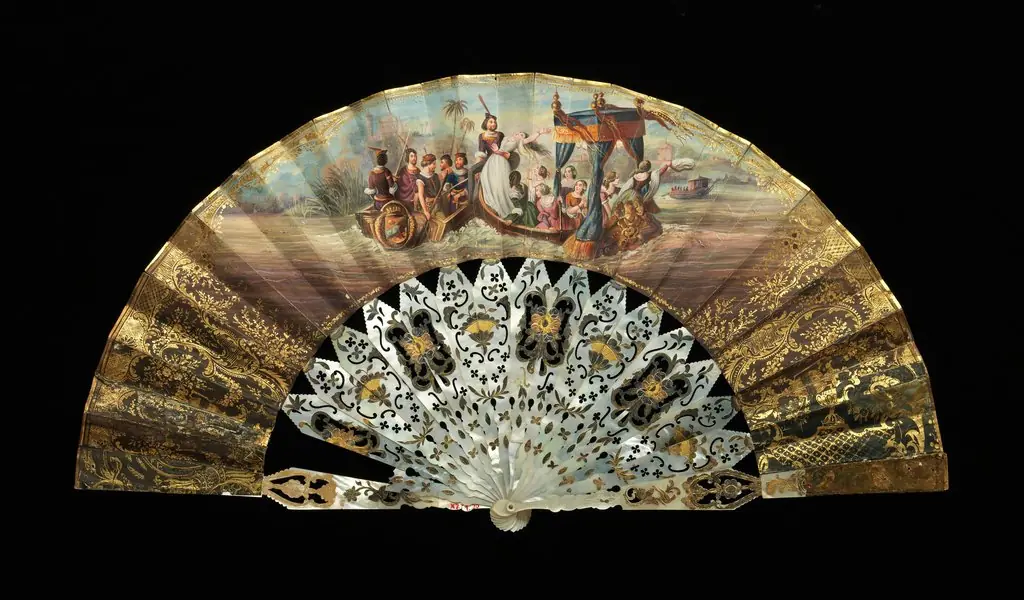 Fan
Fan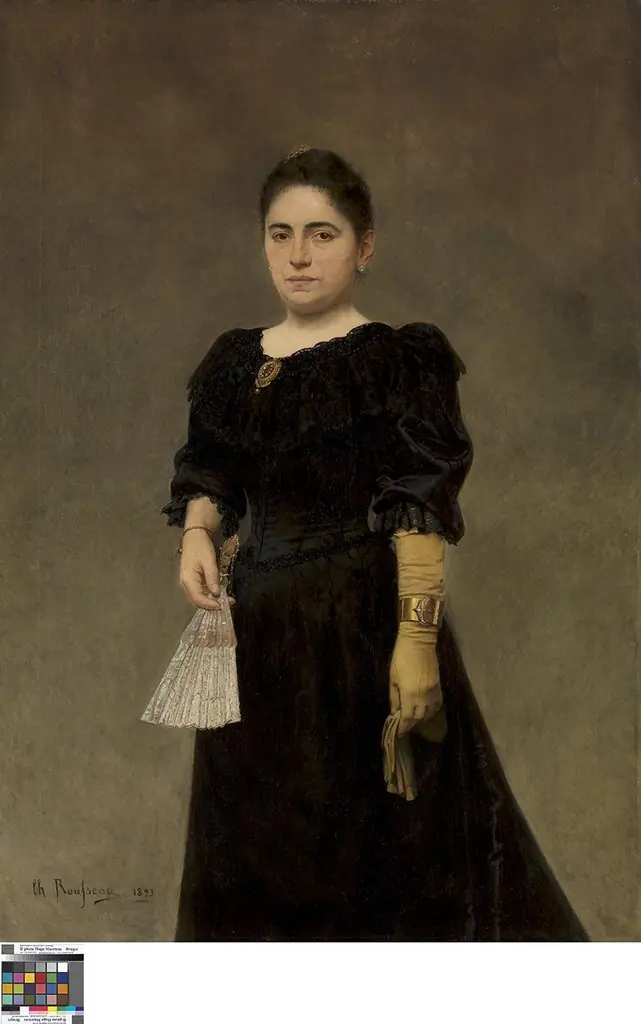 Portret van Honorine Dugardein
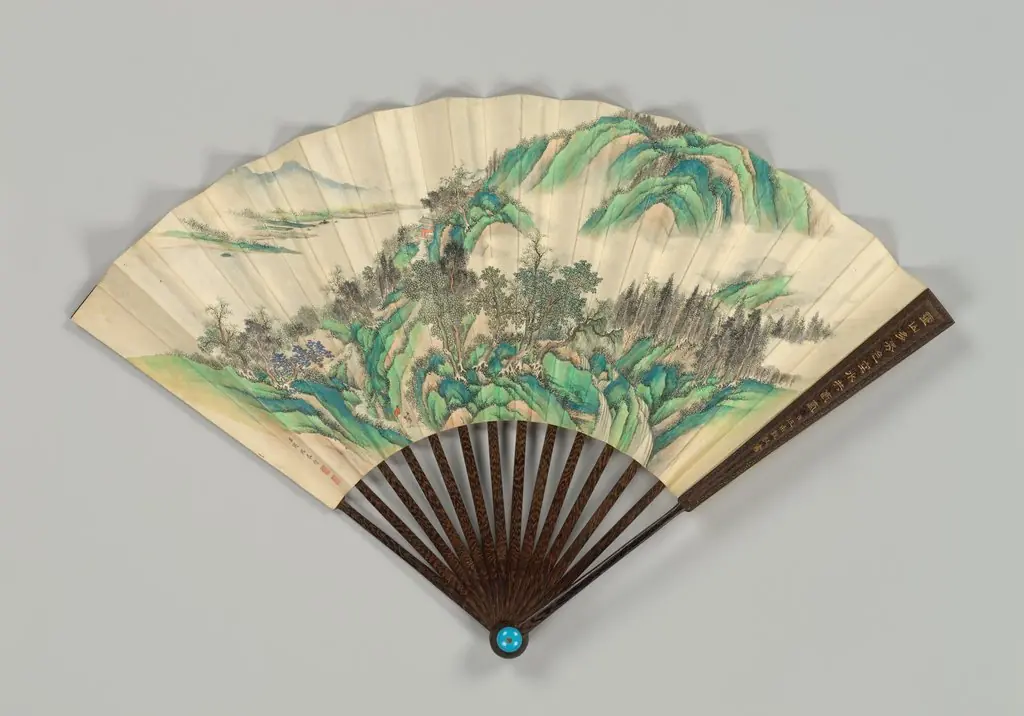 Fan
Fan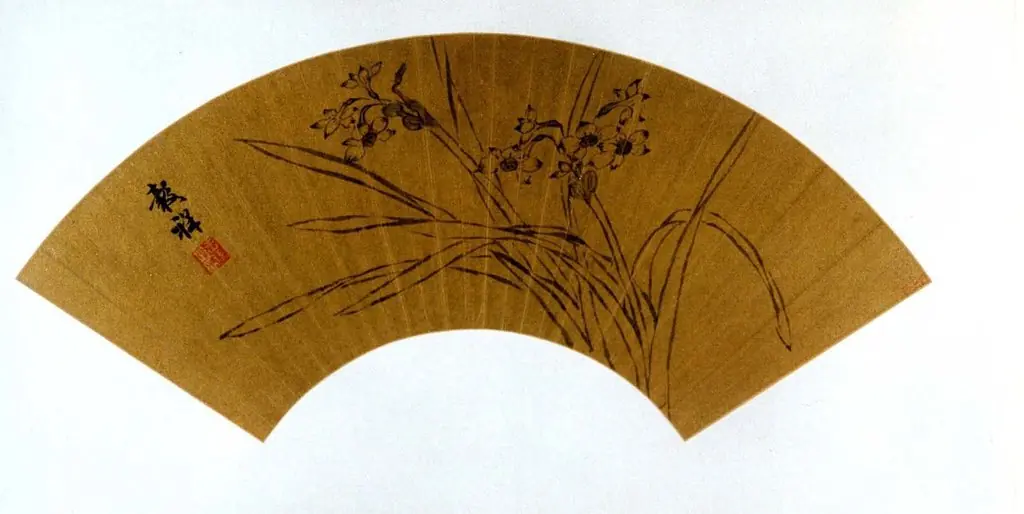 Narcissus
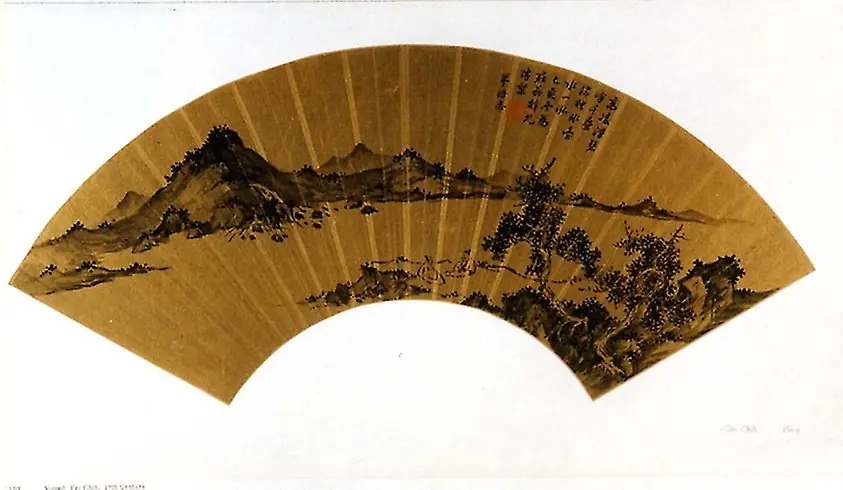 Landscape
 Portrait of Madame de Genlis
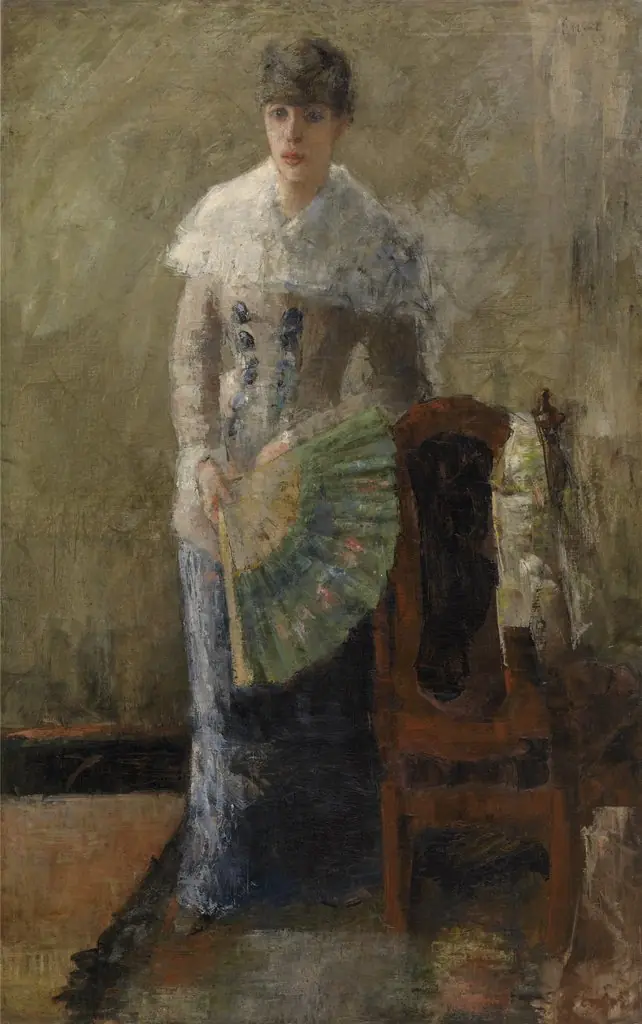 The Lady with Fan
 Pilar Gandiola
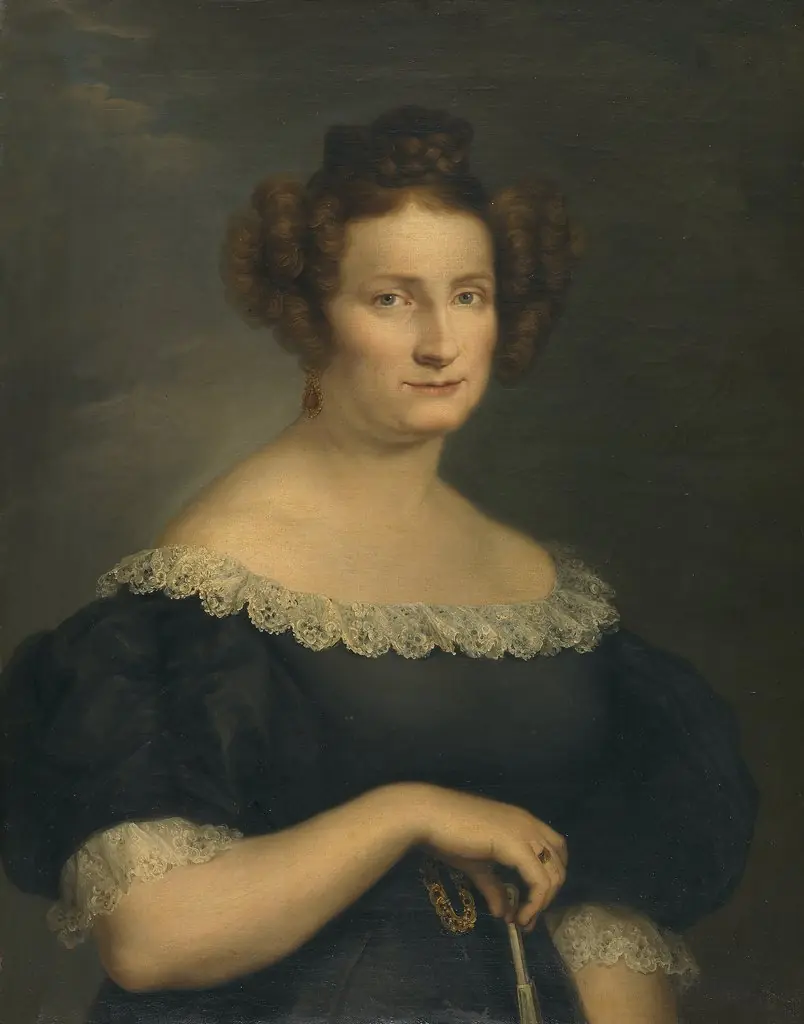 Cecilia Santos
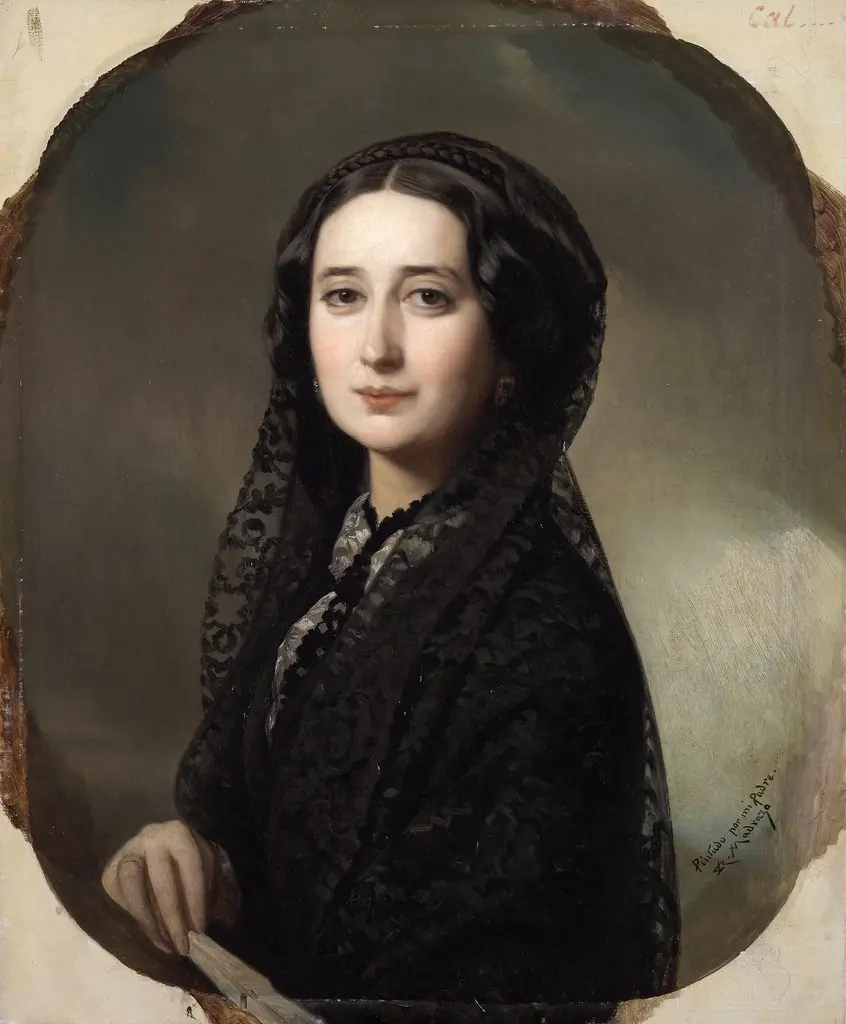 Carolina Coronado
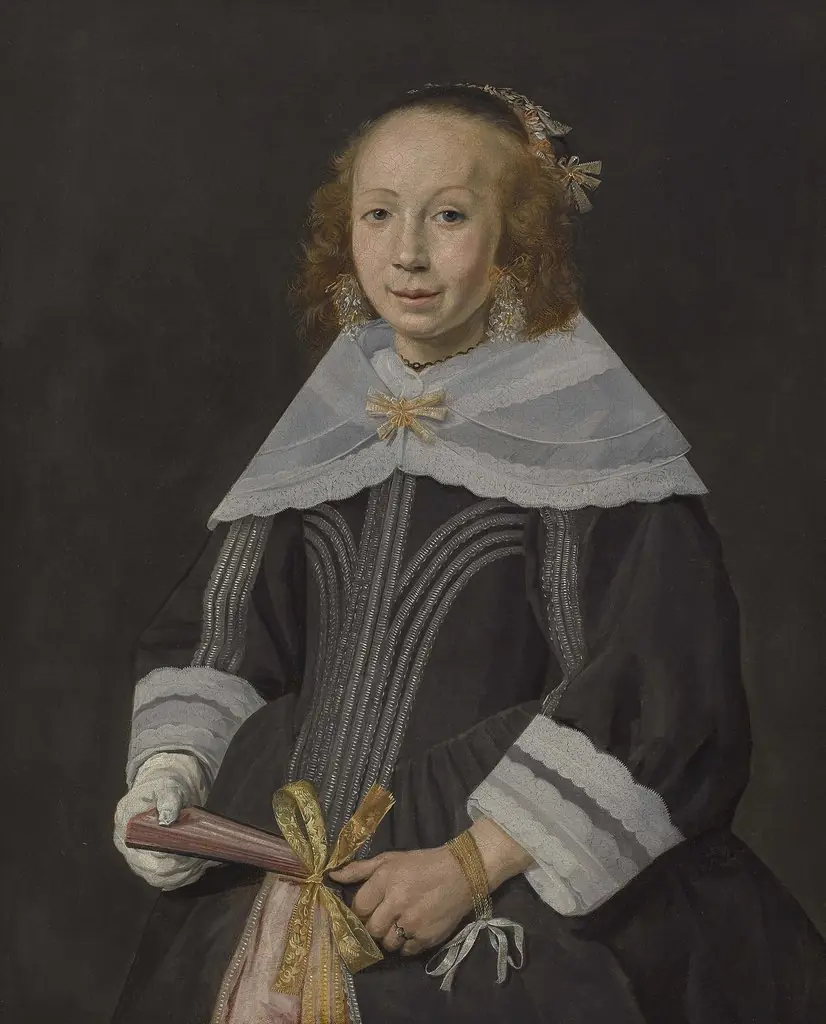 Portrait of a young woman holding a fan
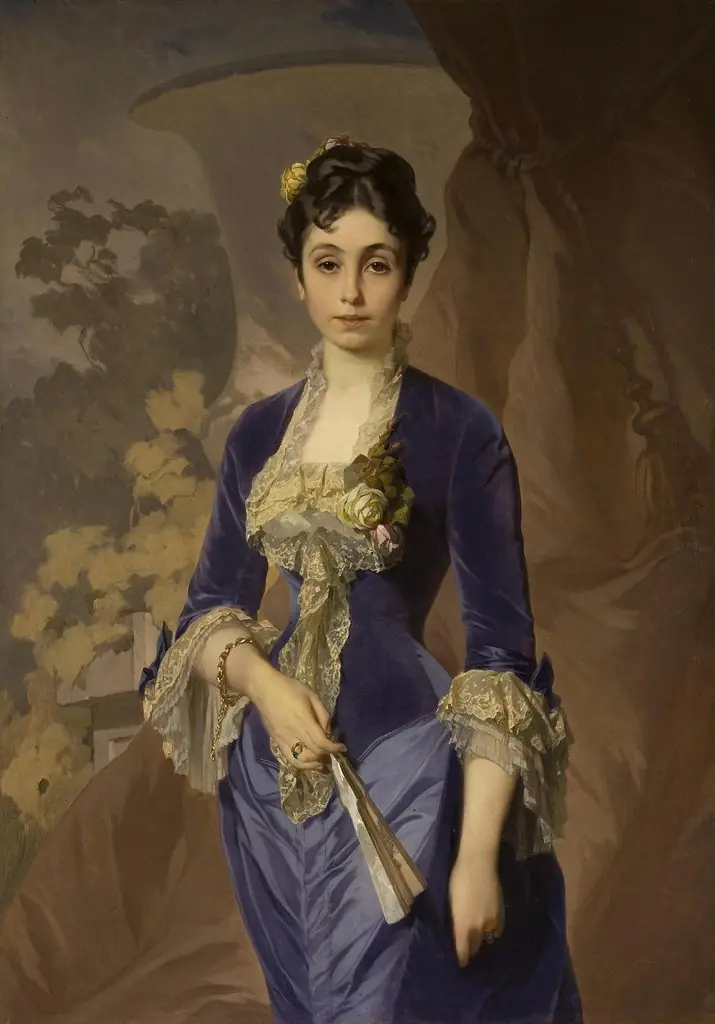 Portrait of Maria Rayevskaya
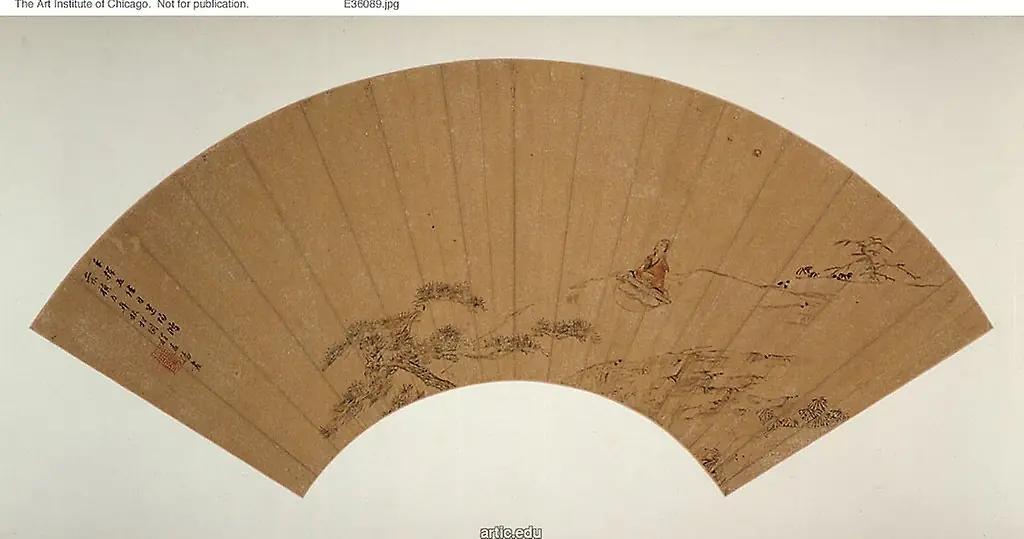 Scholar Playing a Qin (Zither)
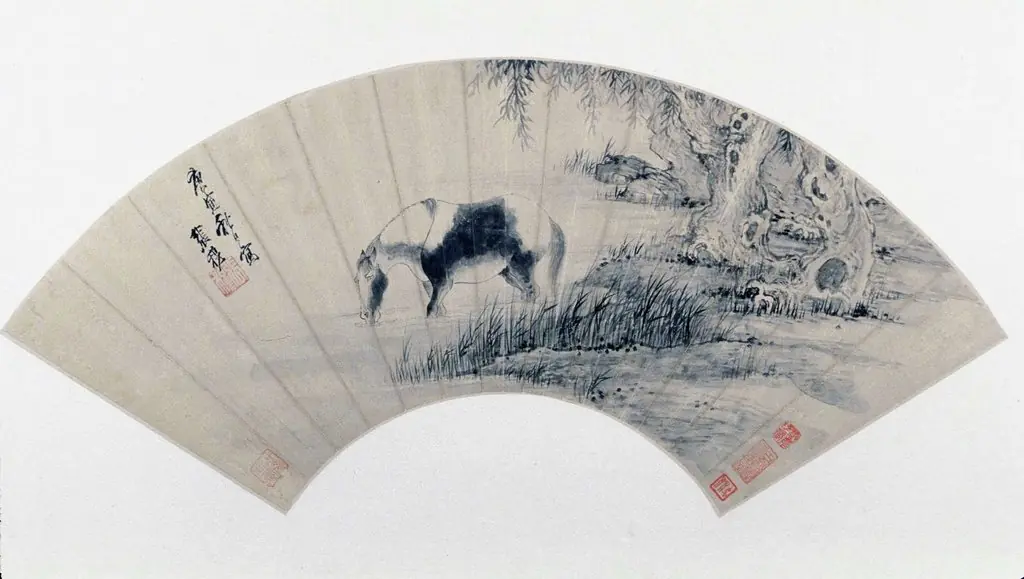 Horse Drinking in a River
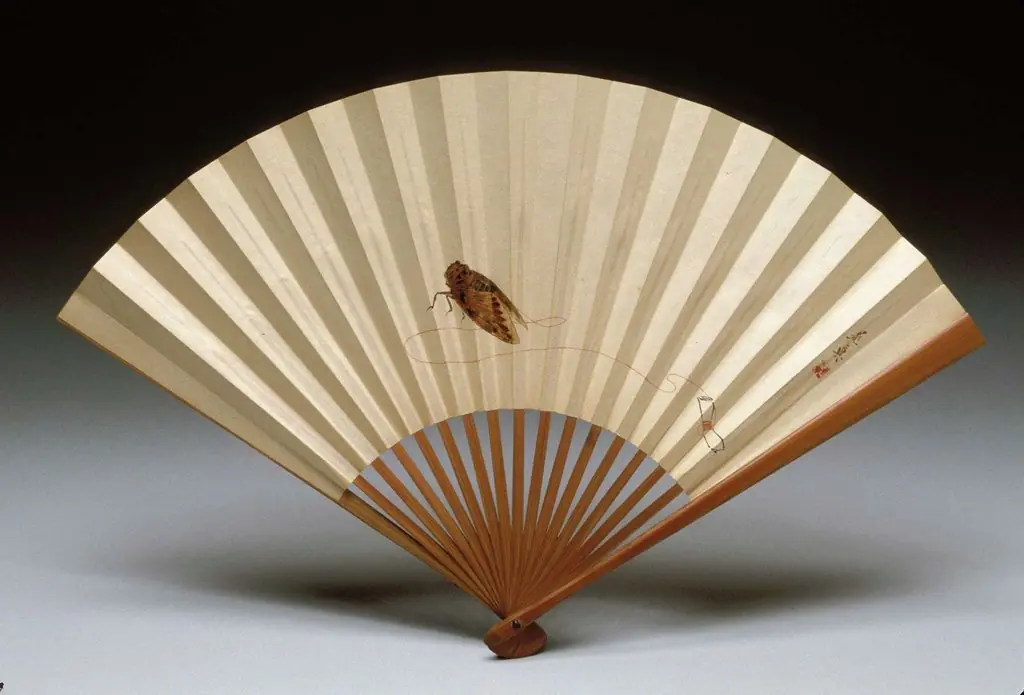 Cicada on a String
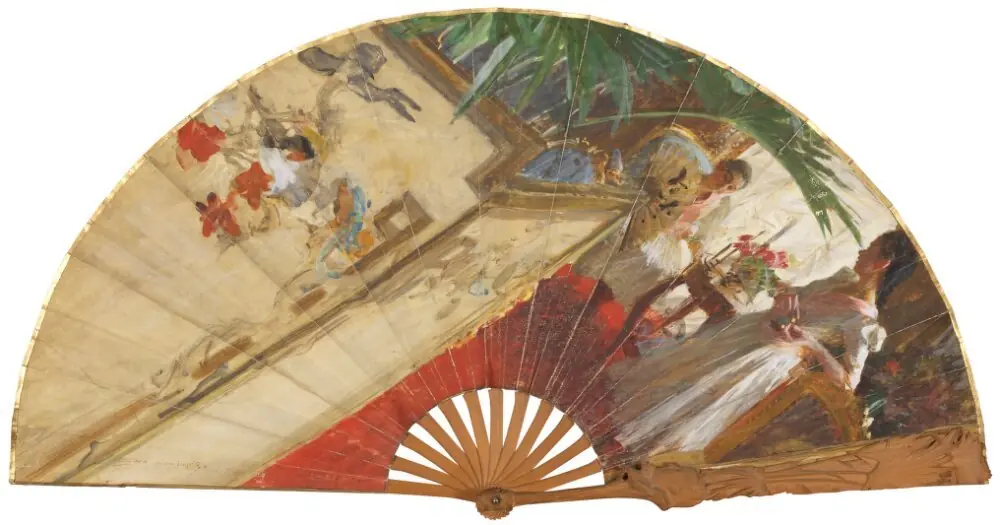 A Fan With the Salomon Sisters
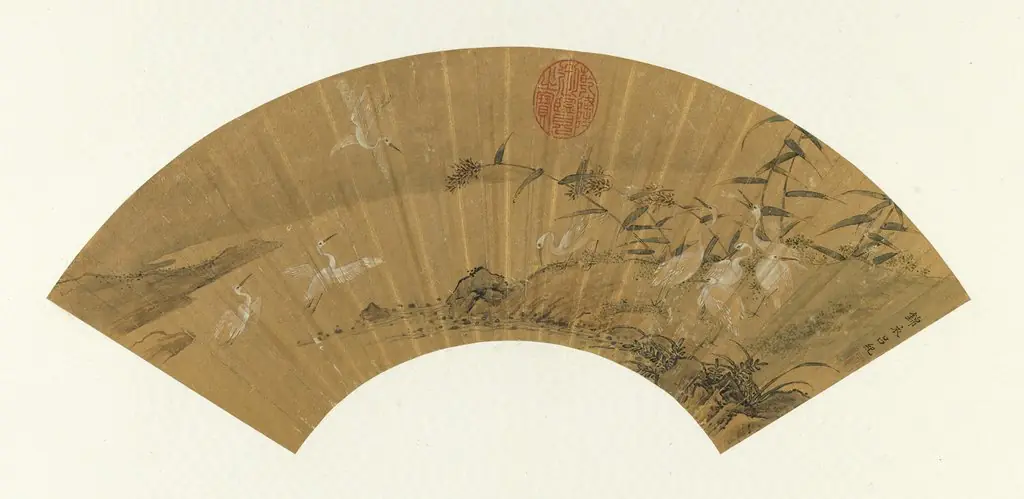 Egrets in Flight
 Coquetería
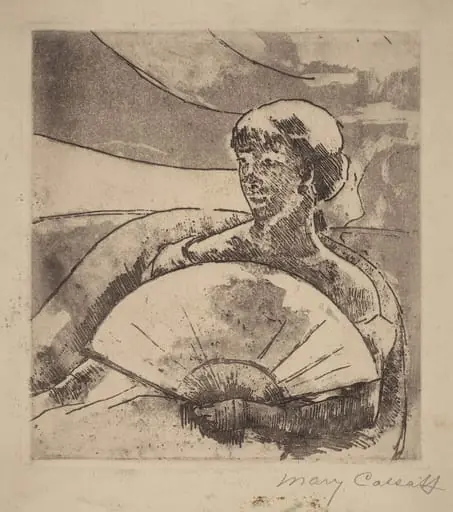 In the Opera Box (No. 3)
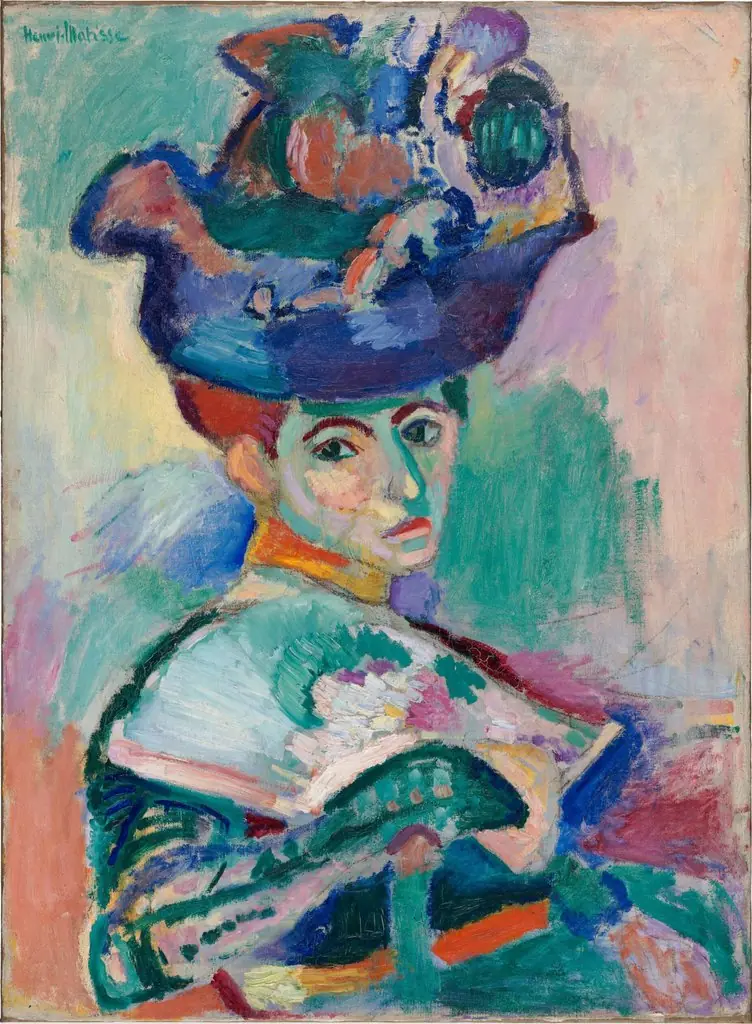 Woman with a hat
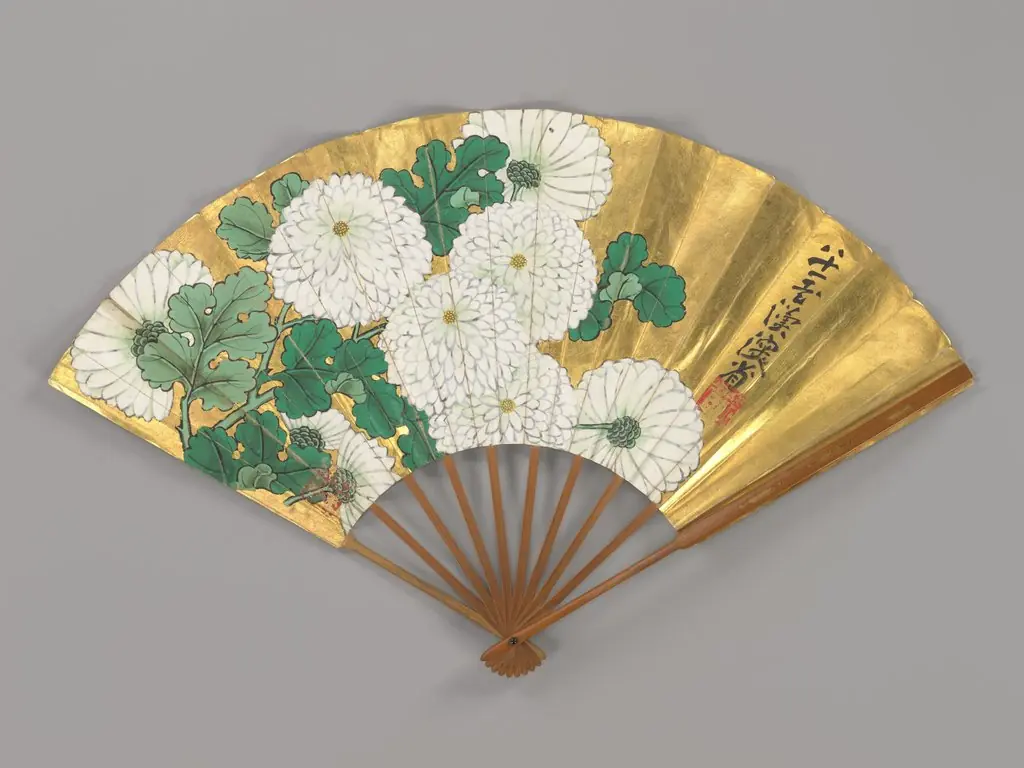 Chrysanthemum
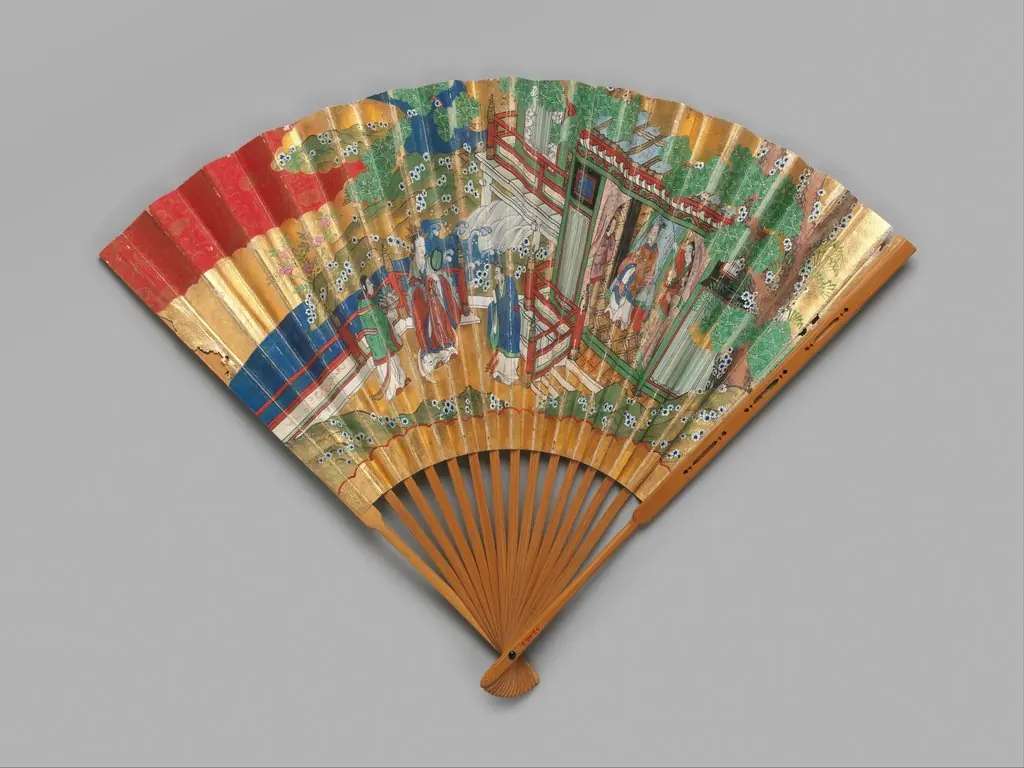 Chūkei Fan with Queen Mother of the West and King Mu of Zhou (obverse) and Plum Tree and Young Pines (reverse)
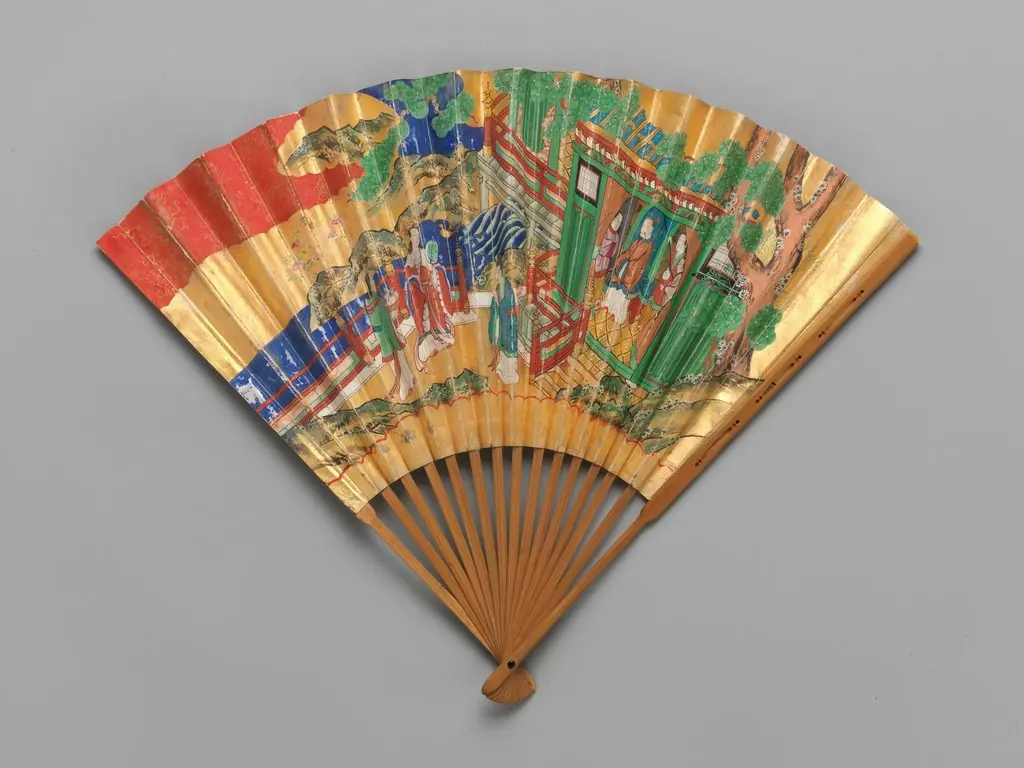 Chūkei Fan with Queen Mother of the West and King Mu of Zhou (obverse) and Plum Tree and Young Pines (reverse)
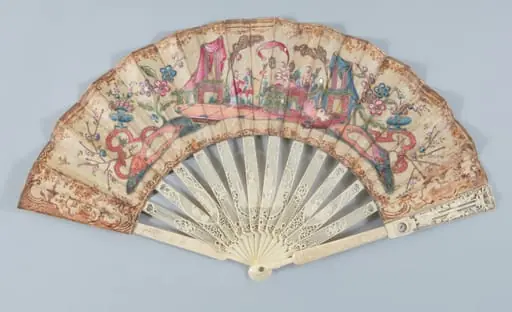 Eventail à système
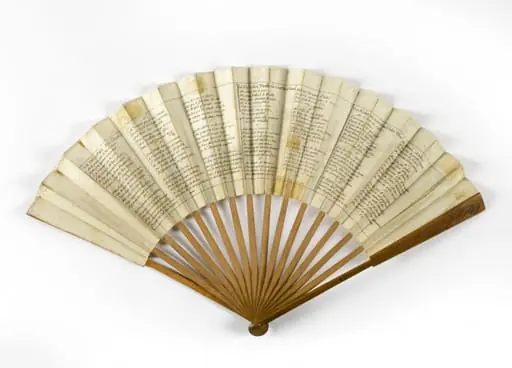 Eventail plié
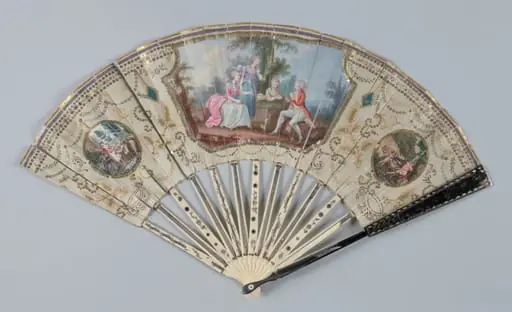 Eventail plié
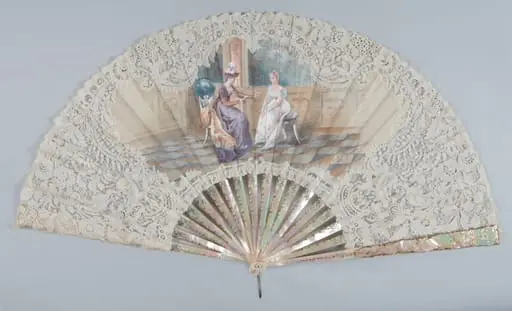 Eventail plié
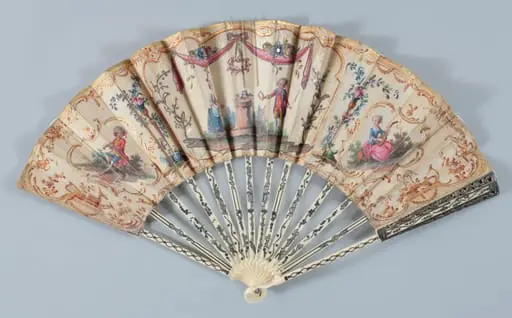 Eventail à système
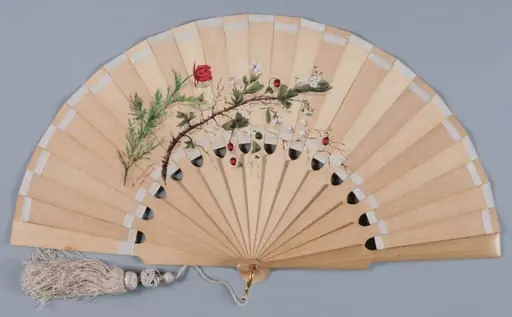 Eventail brisé
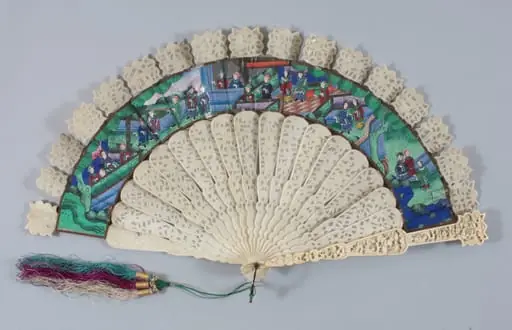 Eventail plié
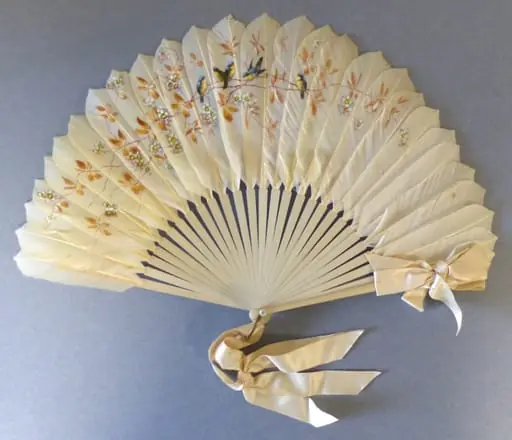 Eventail en plumes
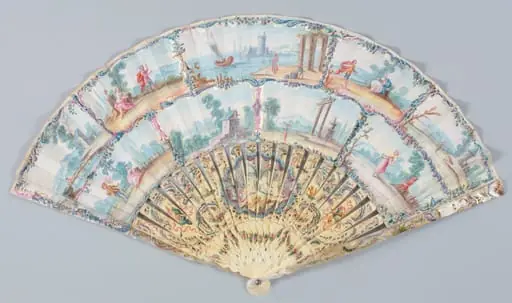 Eventail plié cabriolet
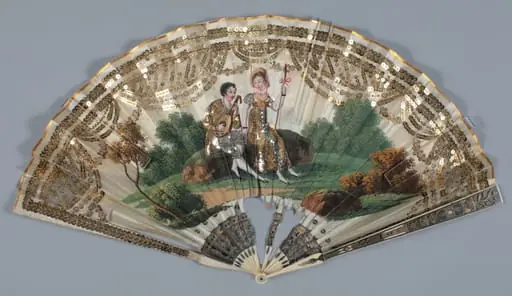 Eventail plié
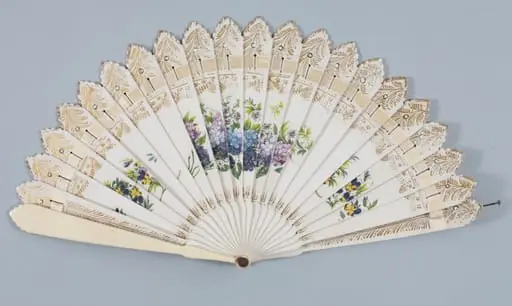 Eventail brisé
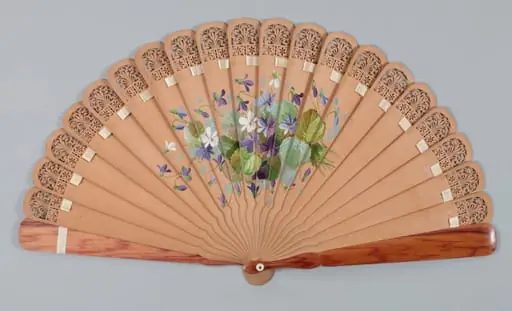 Eventail brisé
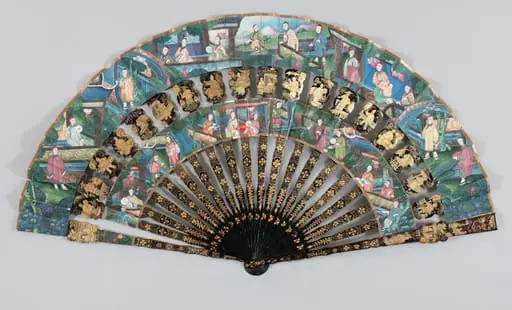 Cabriolet
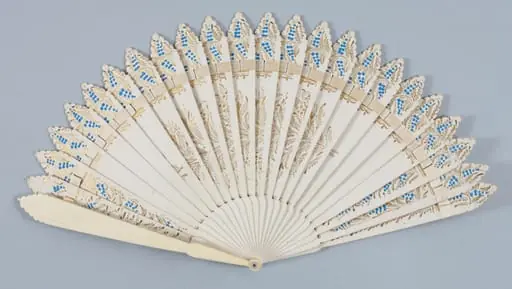 Eventail Carnet de bal
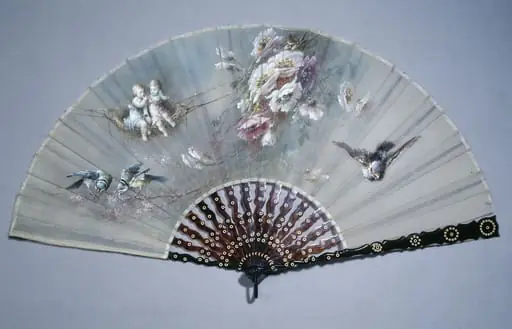 Eventail plié
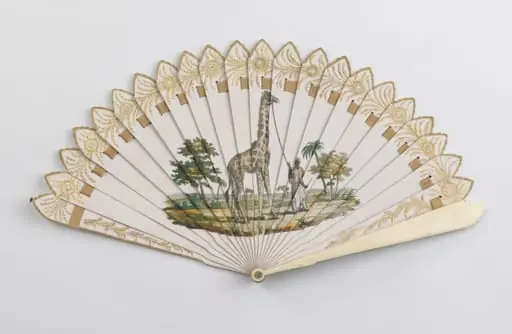 Eventail carnet de bal à la girafe
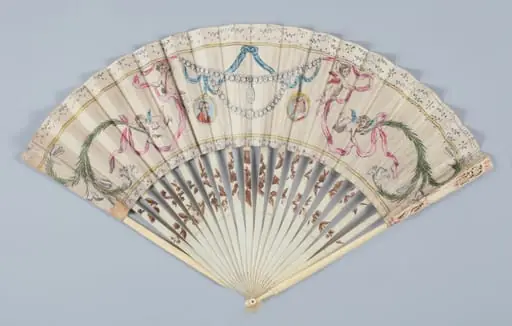 Eventail plié
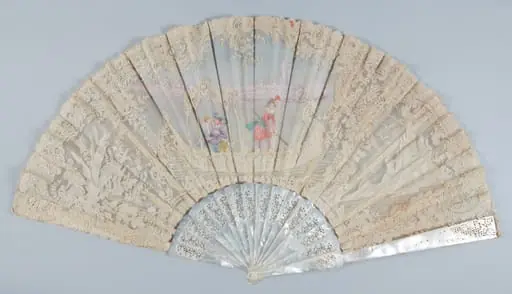 Eventail plié
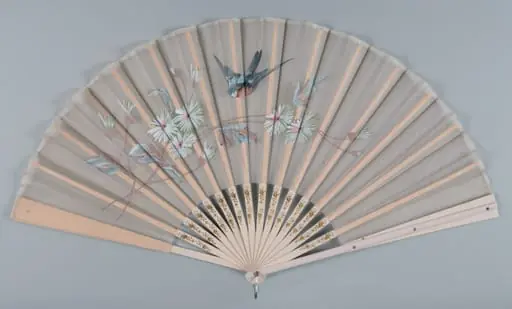 Eventail plié
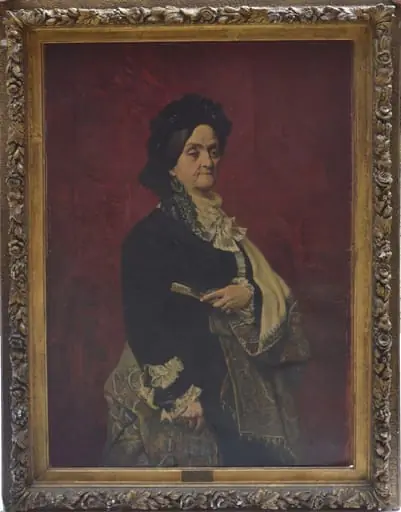 Portret (de) femeie
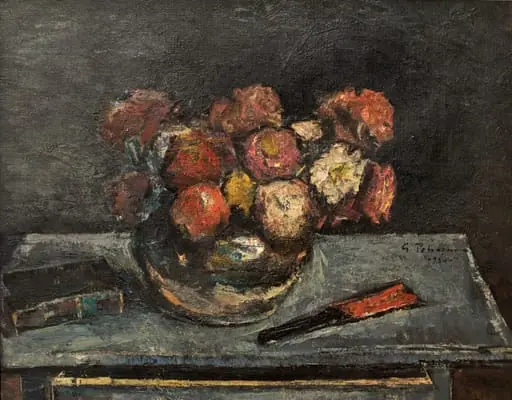 Flori
Flori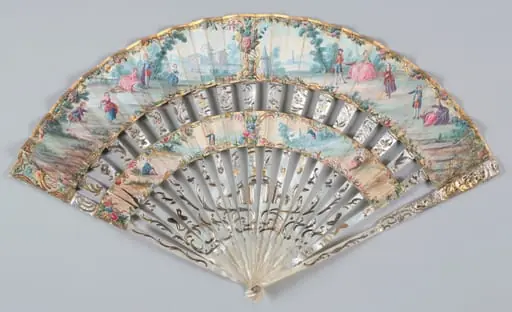 Eventail plié cabriolet
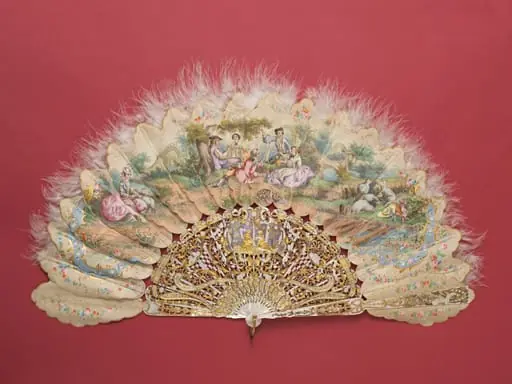 Eventail pliant
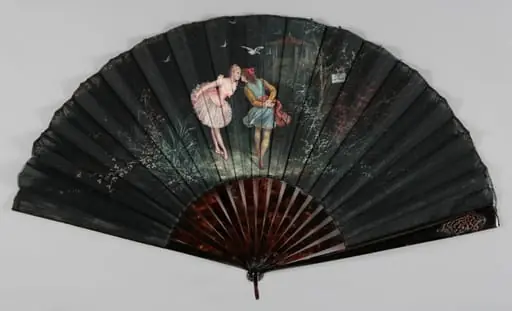 Eventail plié
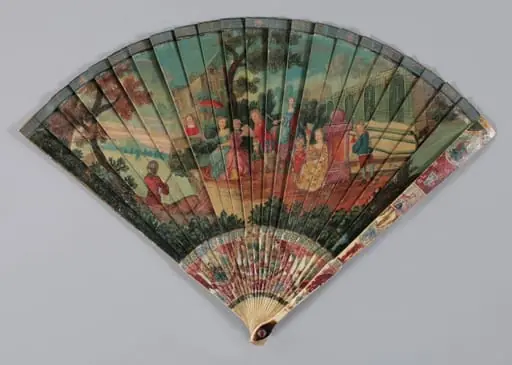 Eventail brisé
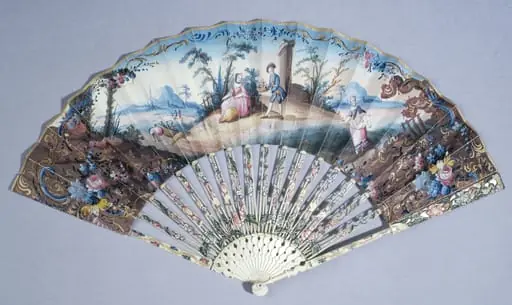 Eventail plié
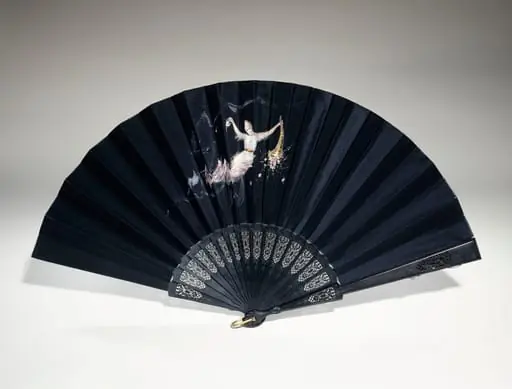 Eventail à système
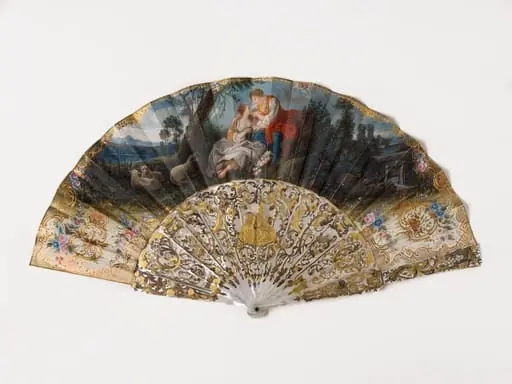 Eventail plié
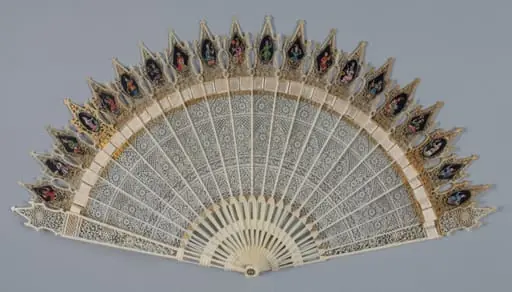 Aux Chinoiseries
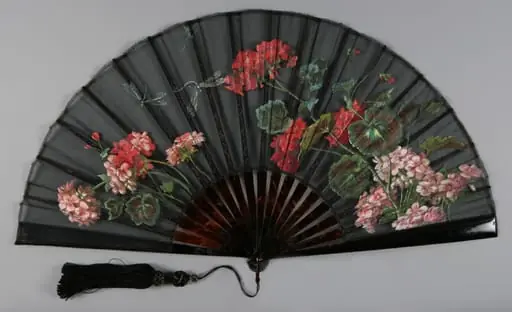 Eventail plié
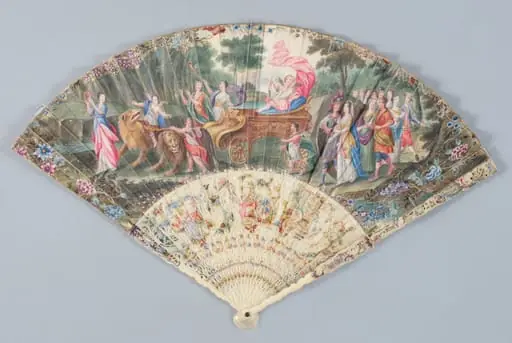 Eventail plié
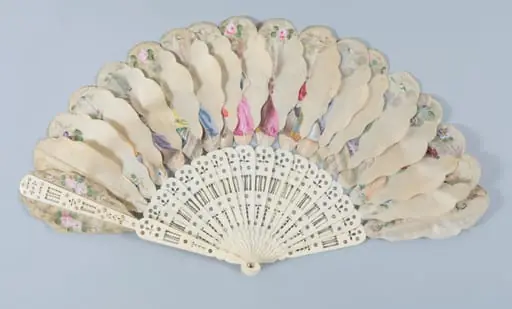 Eventail pliant
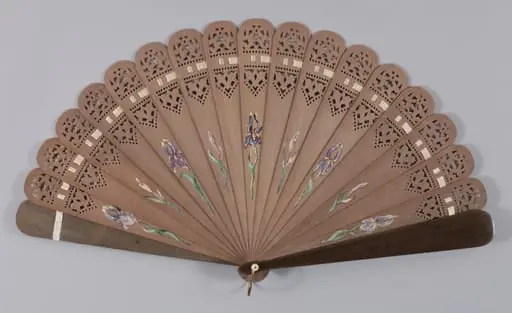 Eventail brisé
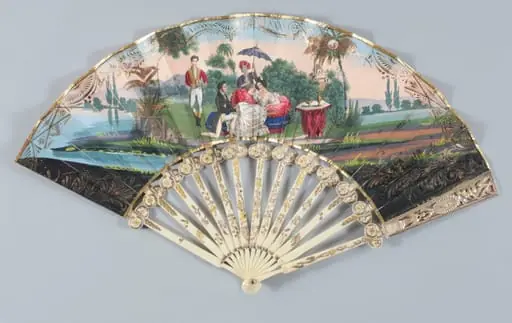 Eventail à système
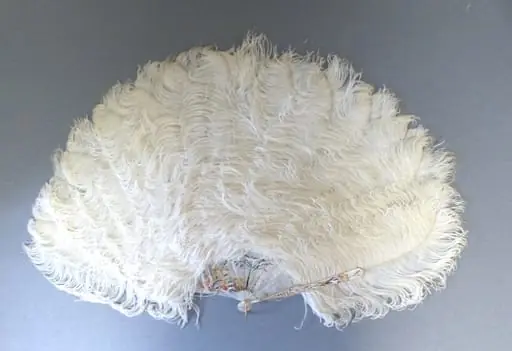 Eventail en plumes d'autruche
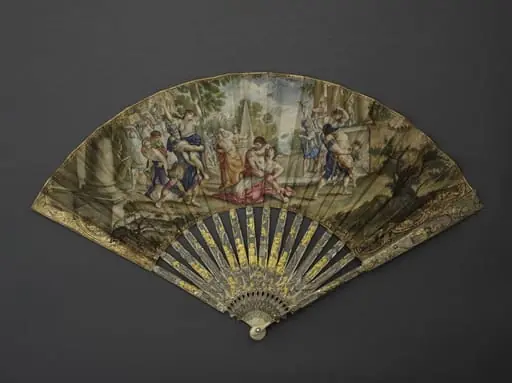 Eventail plié
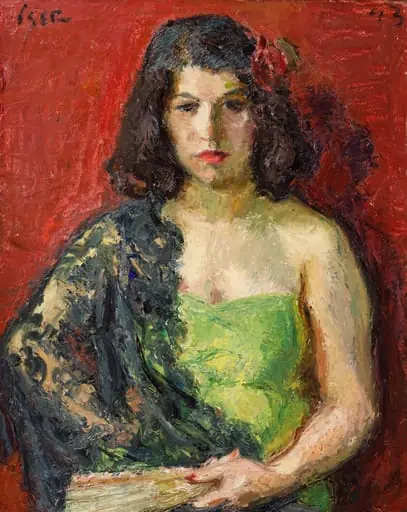 Spaniolă cu evantai
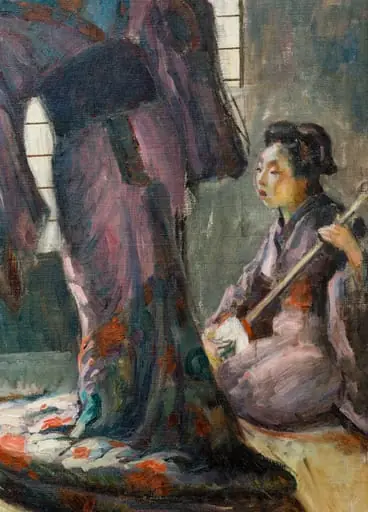 Japoneze
Frequently asked questions
What is Hand Fan?
Hand Fan is a subject in art. A handheld fan, or simply hand fan, is a broad, flat surface that is waved back and forth to create an airflow.
How many Hand Fan works does Artifact World Gallery have?
Artifact World Gallery holds 200 public-domain Hand Fan works, all free to view and download.
Who are the key Hand Fan artists?
Key Hand Fan artists in the collection include Titian, Paolo Veronese and Édouard Manet.
Where can I see Hand Fan works?
Hand Fan works in the collection are held by Museo del Prado, Palais Galliera - Musée de la Mode de la Ville de Paris and Metropolitan Museum of Art.