Artist
Subject
Plume is a subject in art. The gallery holds 87 works in this subject in art, including works by Henri de Toulouse-Lautrec, Jan de Beer and Jacques Callot.
In art, the plume—a single feather or a spr0uting cluster of them—is one of the oldest emblems of distinction, and its meaning long preceded its appearance as mere ornament. The earliest depictions of feathers in Pharaonic Egyptian reliefs show towering ostrich and peacock plumes mounted as ceremonial fans, or flabella, borne by attendants behind a ruler; across Egypt, Greece, China and India the feather signalled that its bearer stood above the crowd. Because exotic plumes had to be carried by caravan across the Sahara and shipped to distant courts, they were costly by definition, and that scarcity fixed the feather's enduring associations: power, purity, artistry, good health and courage in battle.
These meanings crystallised in Renaissance and Baroque Europe, where a feather worn in the cap became a precise social language. Ostrich plumes broadcast aristocratic wealth, peacock feathers hinted at spiritual vision, and the angle and placement of a plume could announce military rank or allegiance. The most famous instance is the panache blanc of Henri IV of France—a bouquet of white feathers worn on his helmet at the Battle of Ivry on 14 March 1590, which served as a rallying point for the royal army and passed into legend as a personal and dynastic emblem, the feather functioning much like a name borne into the field.
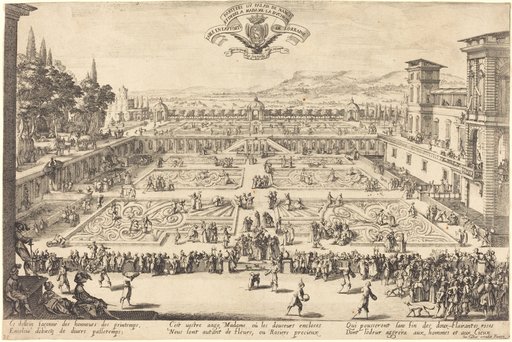
The plume's defining role in pictorial art is as the marker of the soldier, the courtier and the swaggering cavalier. No artist exploited it more memorably than Jacques Callot (c. 1592–1635) of Lorraine, whose roughly 1,400 etchings catalogue the costumes of his age; works such as The Soldier with a Plumed Hat from the series La Noblesse, and the kind of standing officer seen in our Military Commander on Foot, make the cocked, feather-crowned hat the very signature of martial nobility.
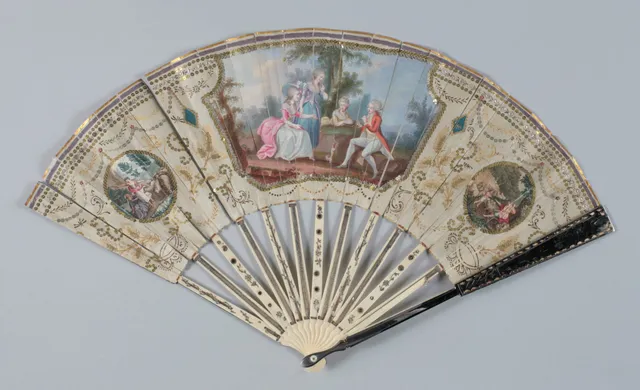
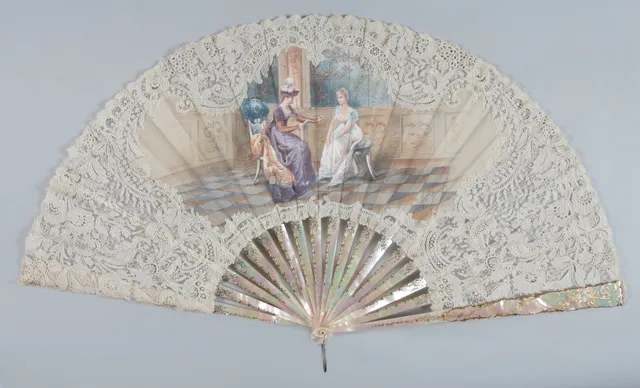
The same fascination produced a whole branch of the decorative arts. Plumes were assembled into feather fans, and in eighteenth-century France the folding fan (éventail plié) reached its golden age—regulated by the fan-makers' guild Colbert established in 1678, with éventaillistes painting the leaf and tabletiers carving ivory or mother-of-pearl sticks. From these courtly objects the plume passed into Belle Époque fashion and the marabou fans of the 1920s, even as the feather trade later drew the fire of early animal-rights campaigners.
Artist
Artist
Artist
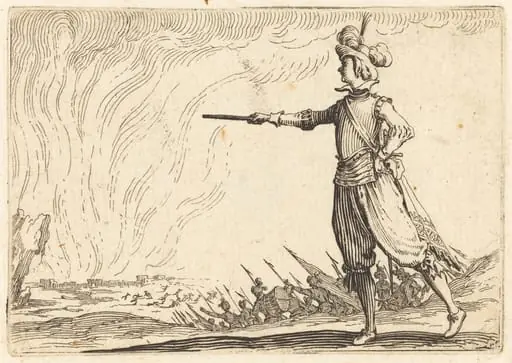 Military Commander on Foot
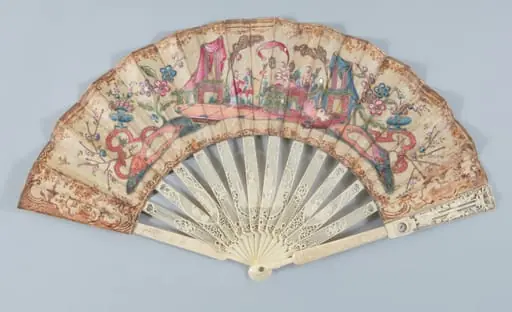 Eventail à système
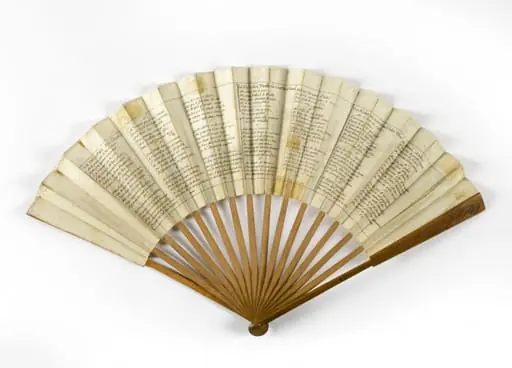 Eventail plié
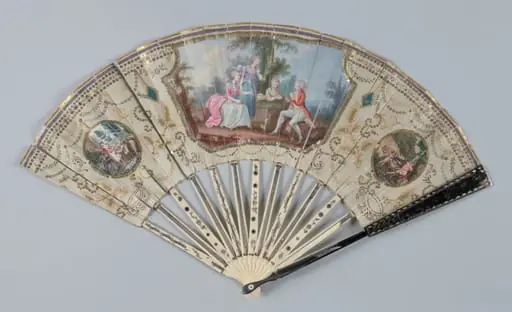 Eventail plié
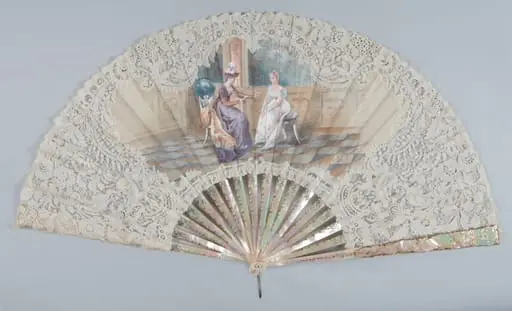 Eventail plié
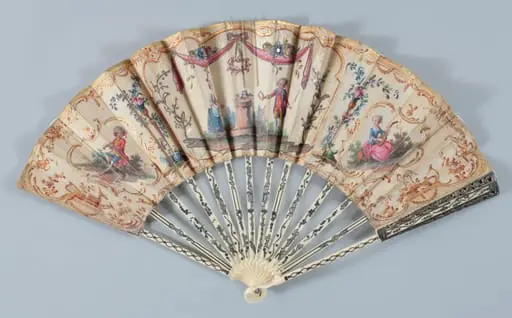 Eventail à système
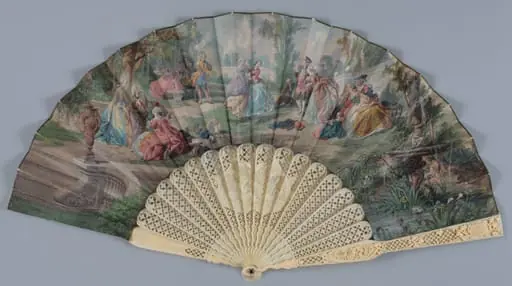 Eventail plié
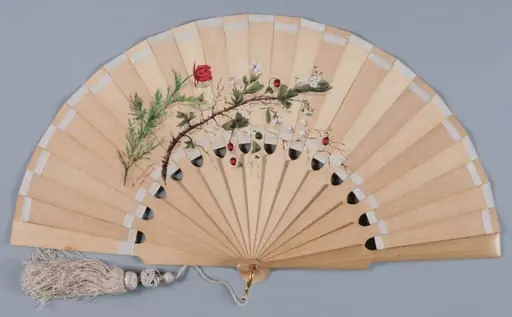 Eventail brisé
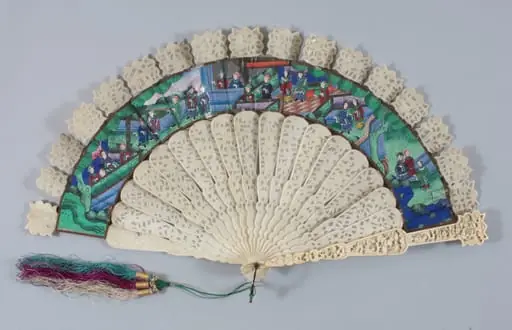 Eventail plié
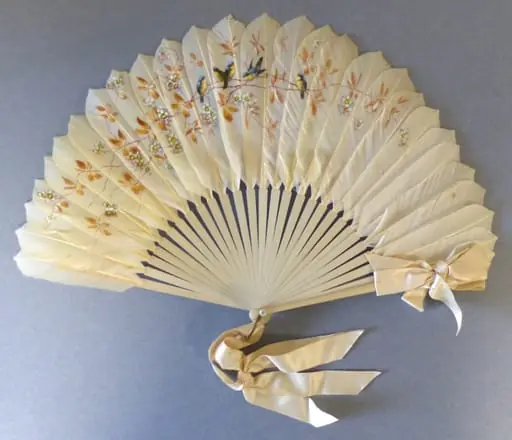 Eventail en plumes
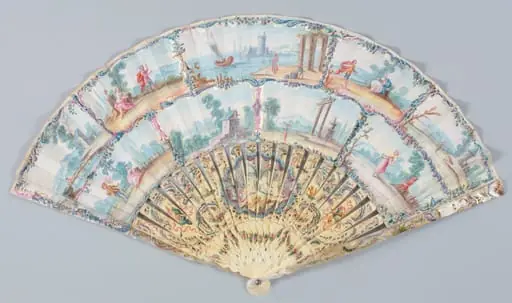 Eventail plié cabriolet
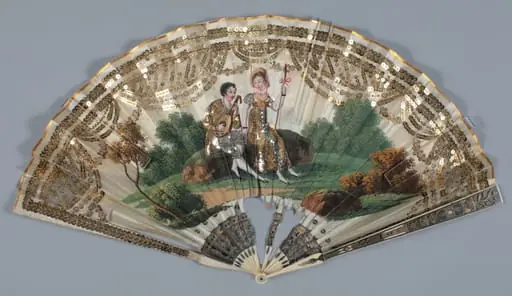 Eventail plié
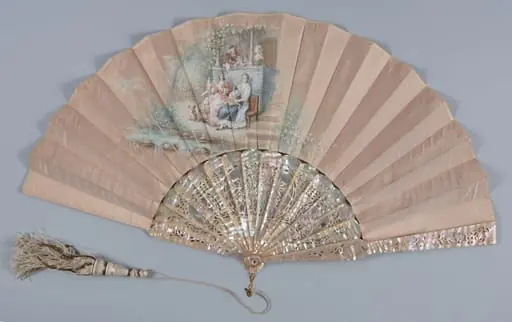 Eventail plié
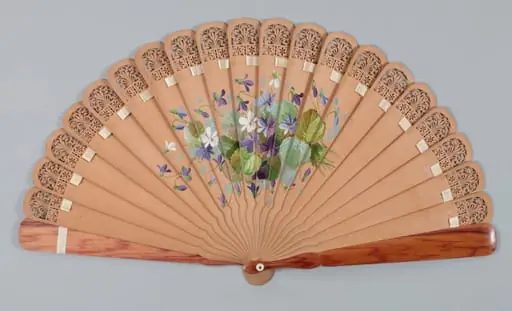 Eventail brisé
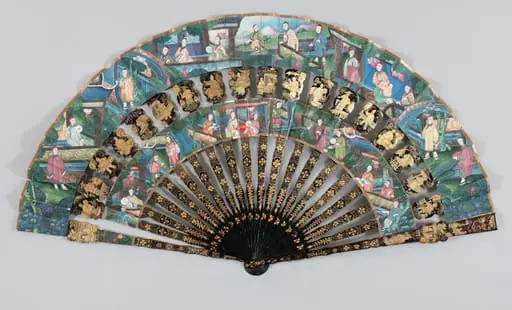 Cabriolet
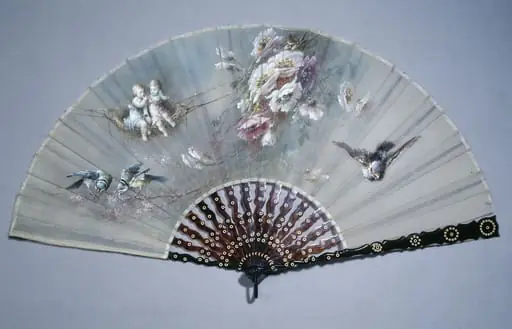 Eventail plié
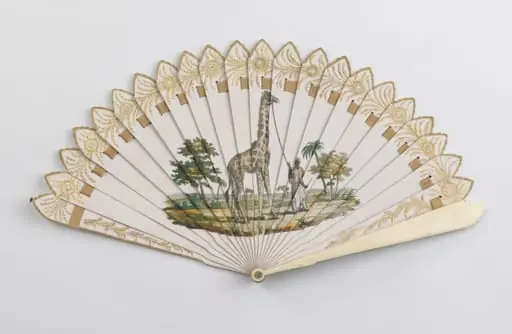 Eventail carnet de bal à la girafe
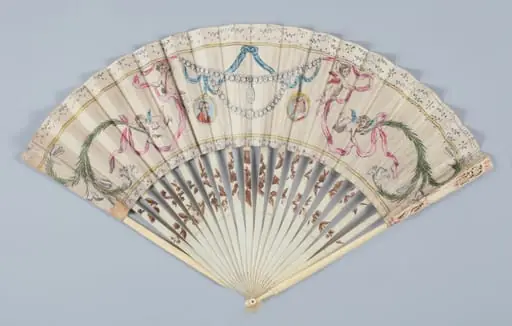 Eventail plié
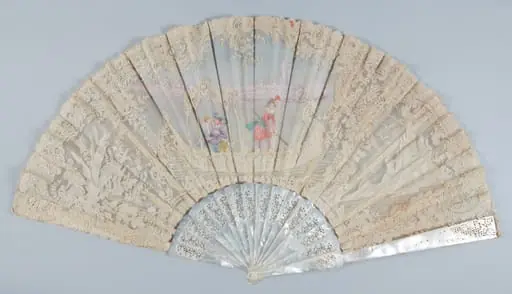 Eventail plié
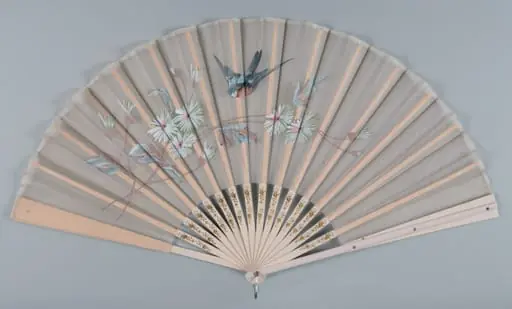 Eventail plié
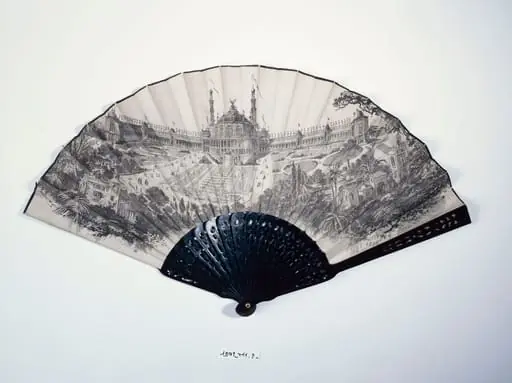 Eventail plié
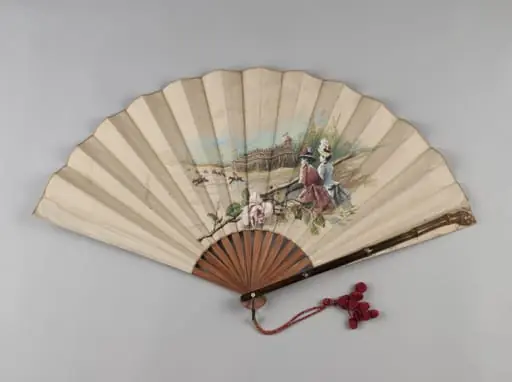 Eventail plié
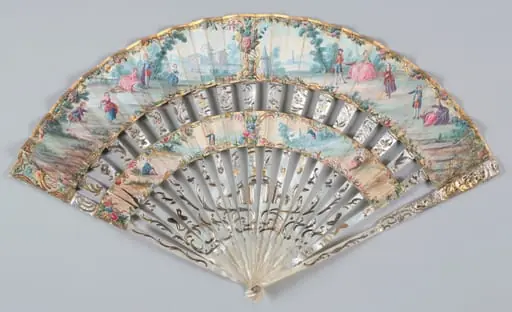 Eventail plié cabriolet
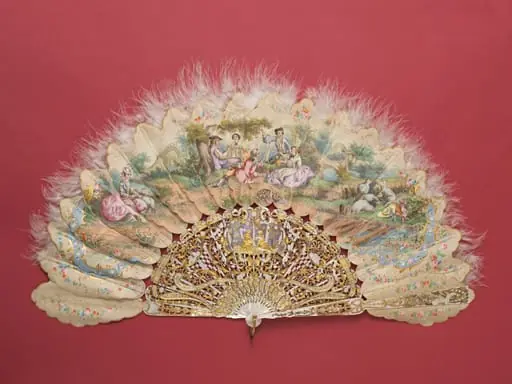 Eventail pliant
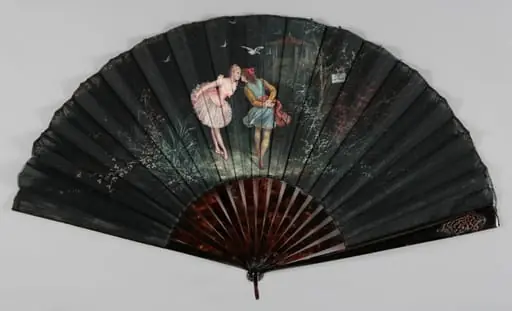 Eventail plié
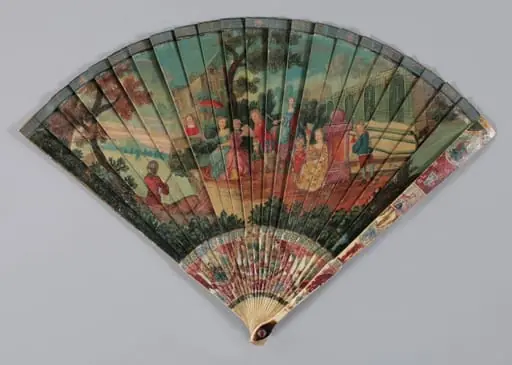 Eventail brisé
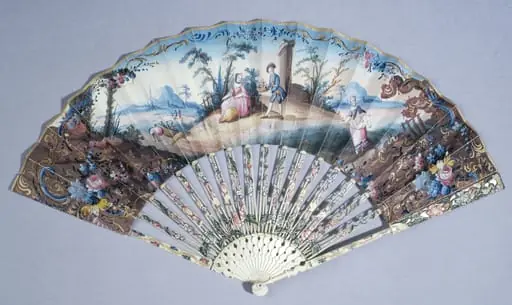 Eventail plié
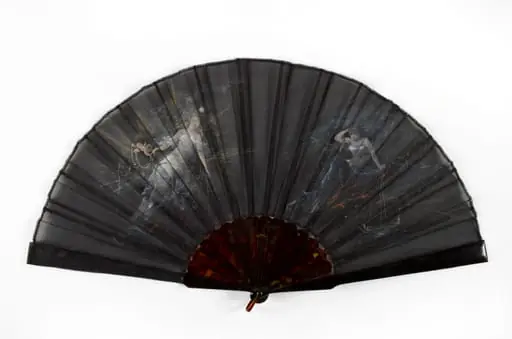 Eventail plié
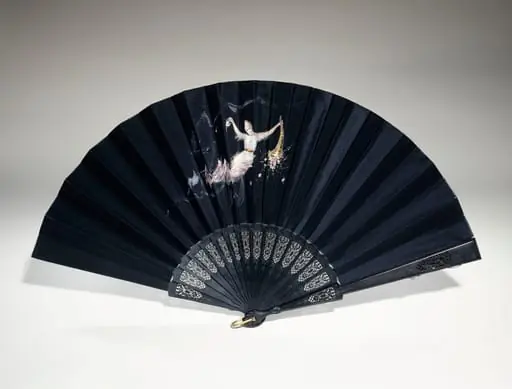 Eventail à système
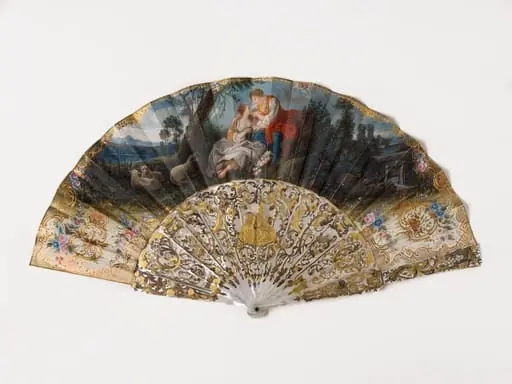 Eventail plié
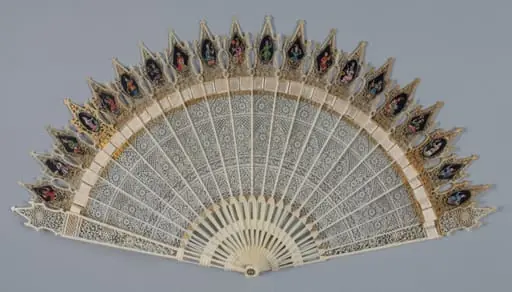 Aux Chinoiseries
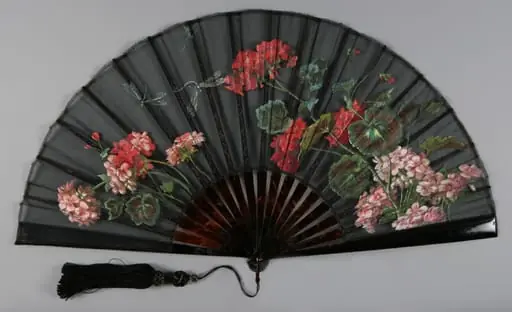 Eventail plié
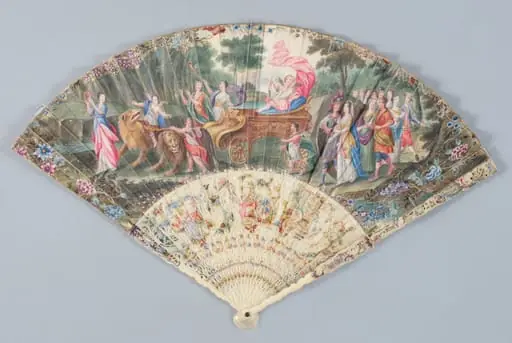 Eventail plié
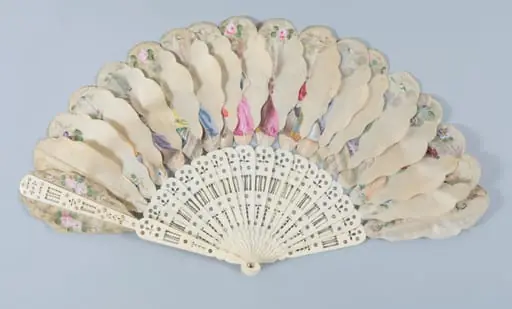 Eventail pliant
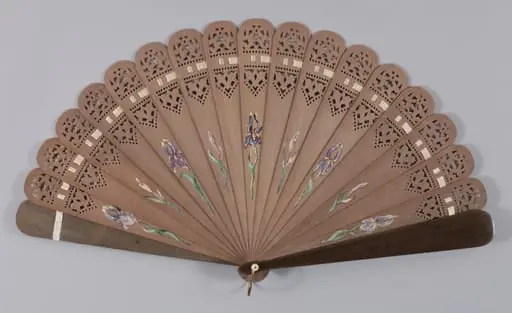 Eventail brisé
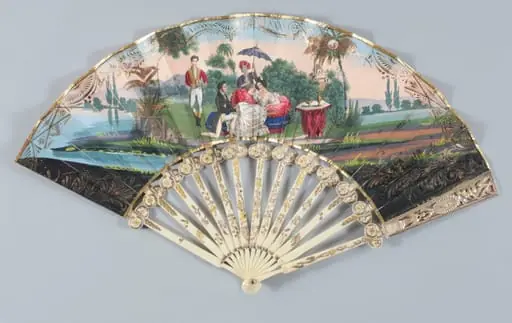 Eventail à système
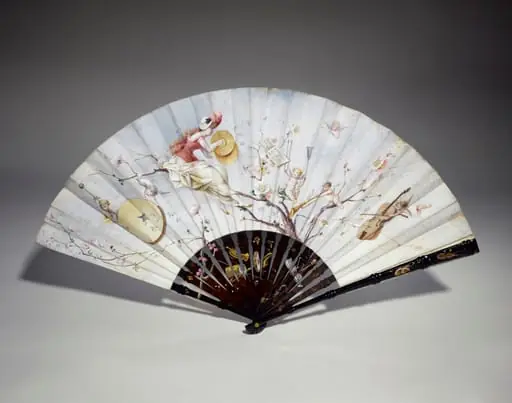 Eventail plié
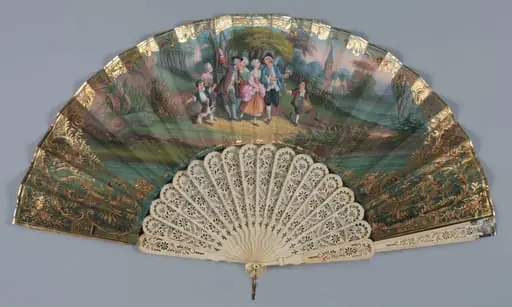 Eventail plié
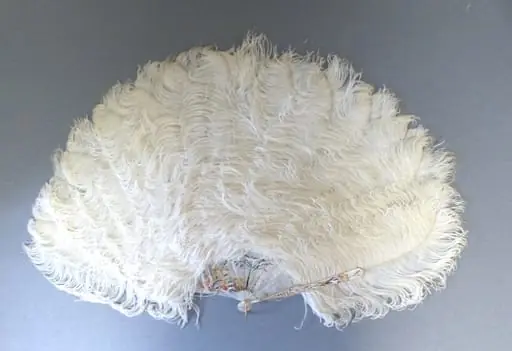 Eventail en plumes d'autruche
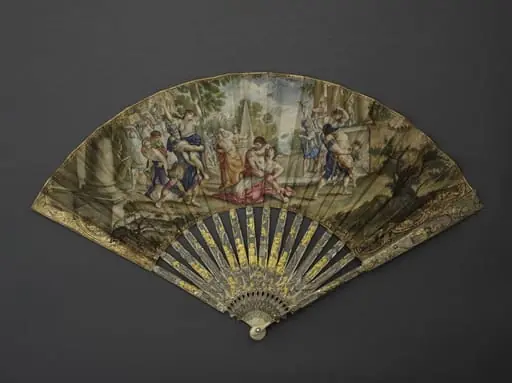 Eventail plié
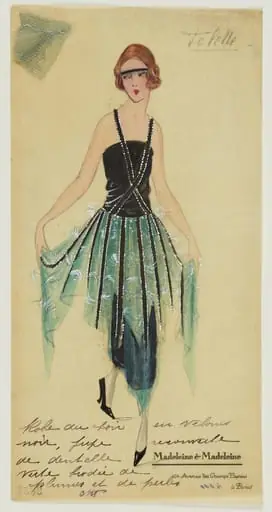 Folette
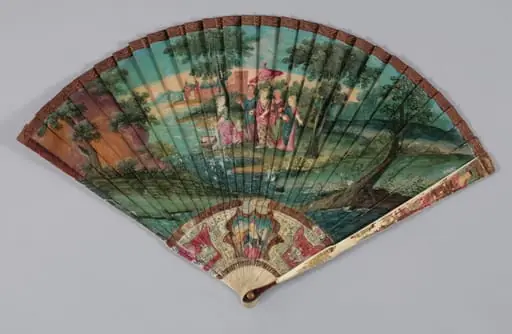 Eventail brisé
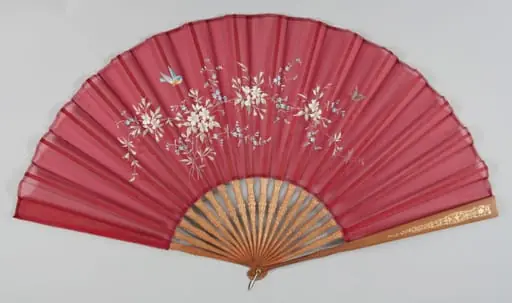 Eventail plié
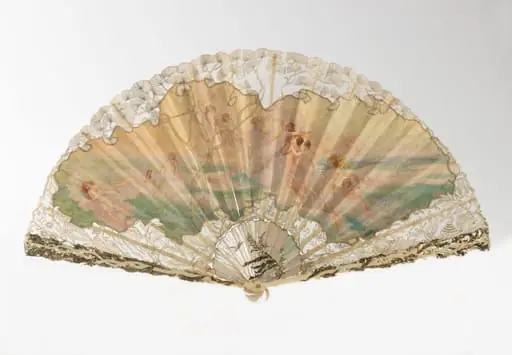 Eventail plié
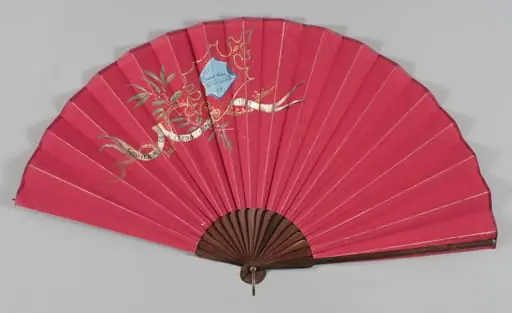 Eventail plié
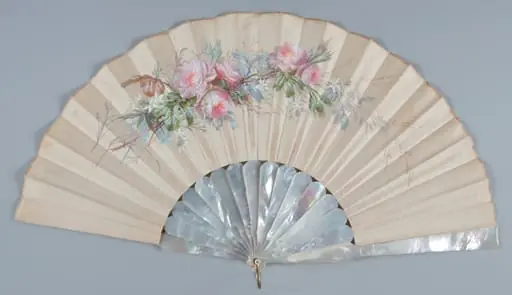 Eventail plié
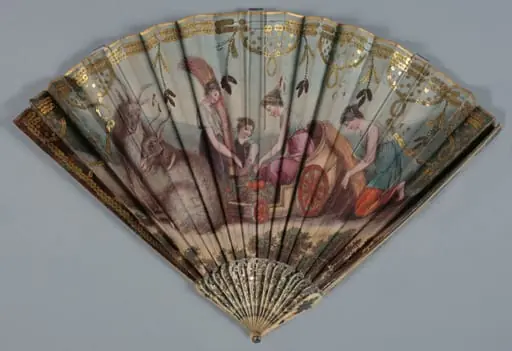 Eventail plié
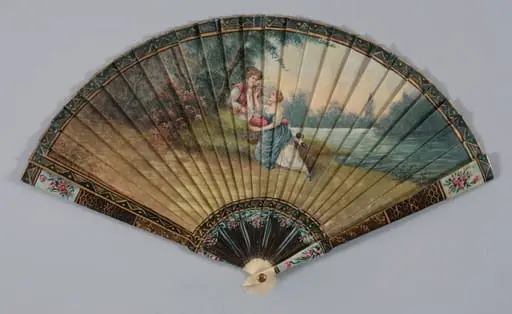 Eventail brisé
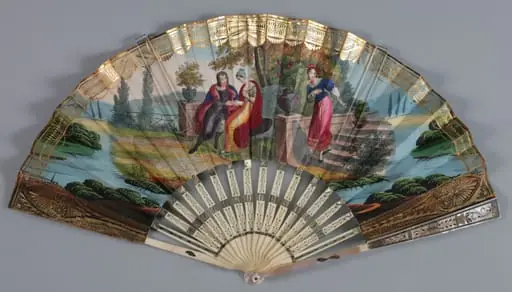 Eventail plié
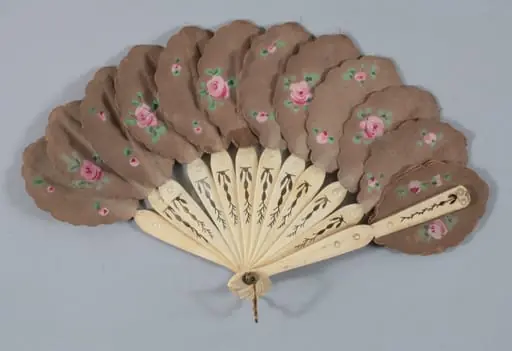 Eventail pliant
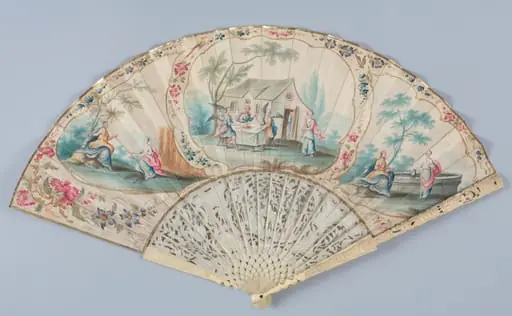 Eventail plié
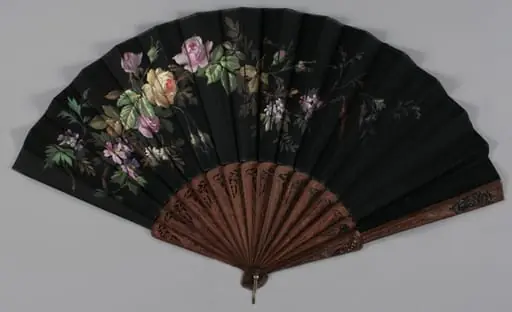 Eventail plié
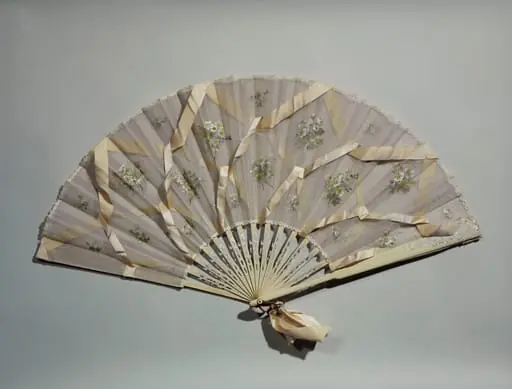 Eventail plié
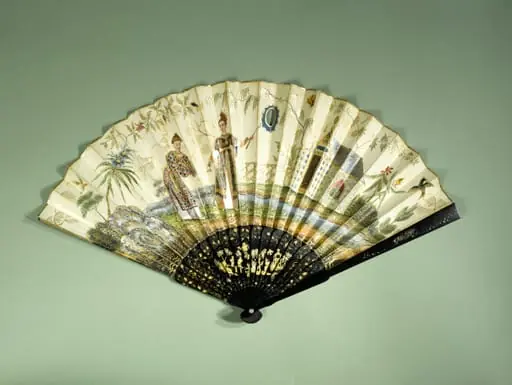 Eventail plié
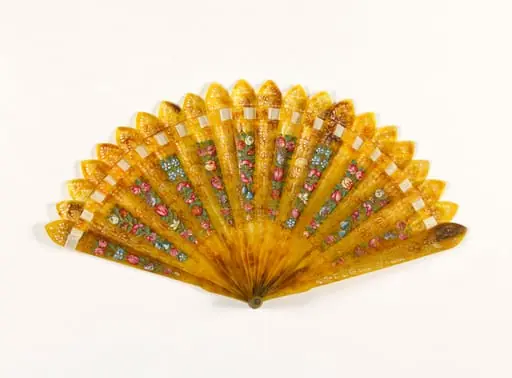 Eventail brisé
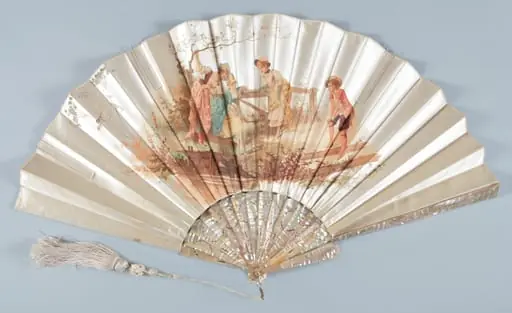 Eventail plié
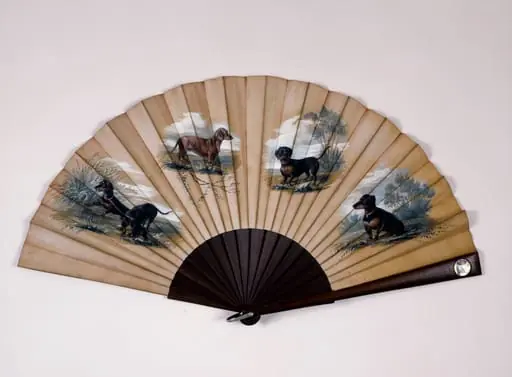 Eventail plié
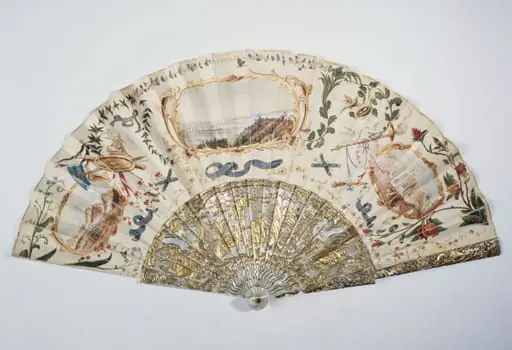 Eventail de mariage de la Maréchale Pélissier
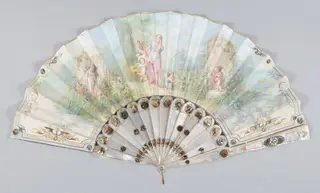 Eventail plié
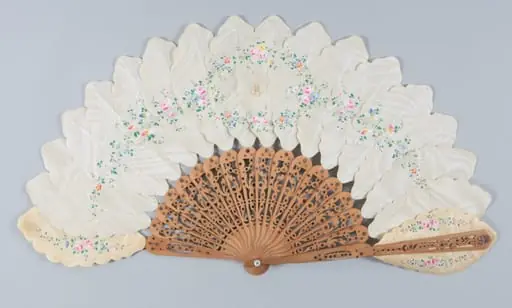 Eventail pliant
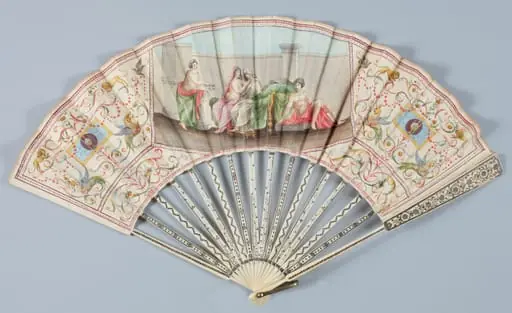 Eventail plié
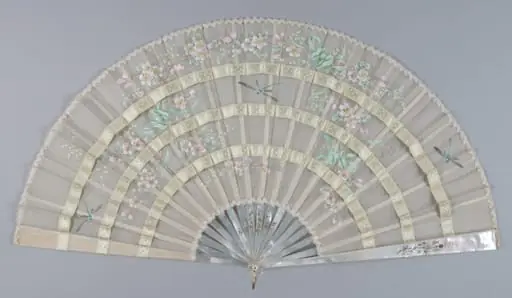 Eventail plié
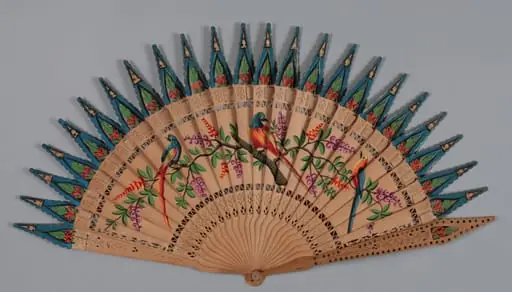 Eventail brisé à la cathédrale
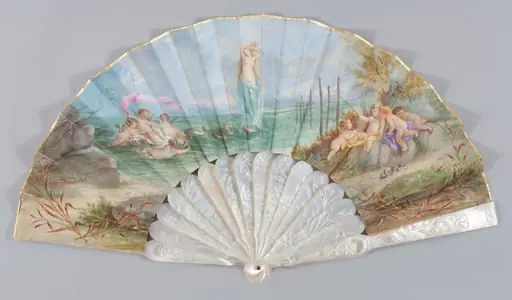 Naissance de Vénus
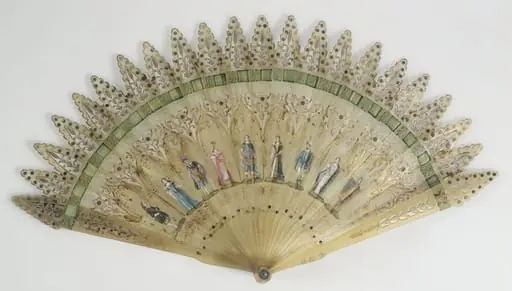 A la cathédrale
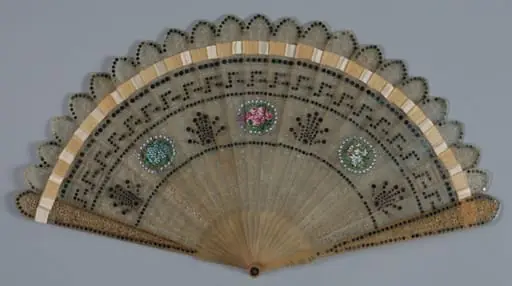 Eventail brisé
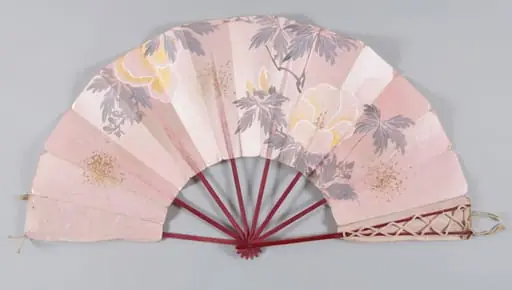 Eventail plié
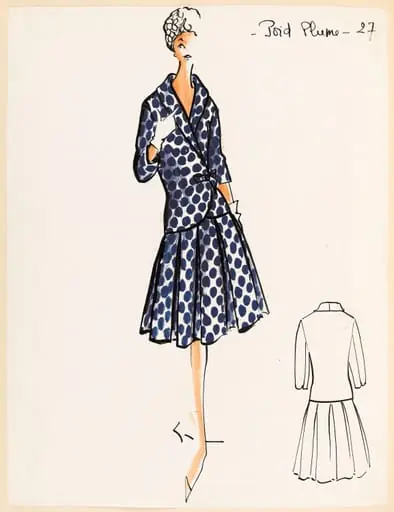 Poid plume
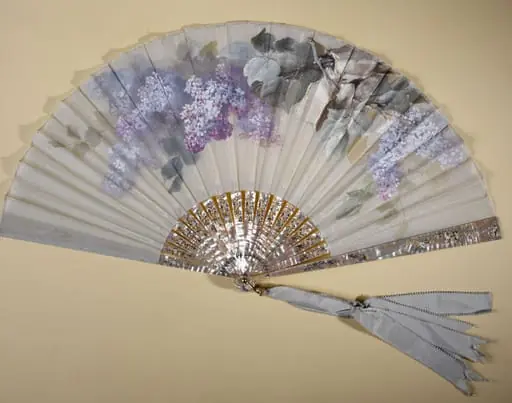 Eventail plié Les lilas
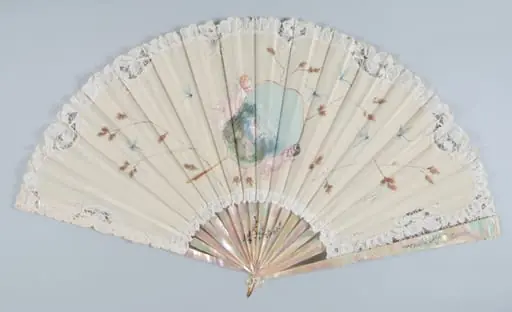 Eventail plié
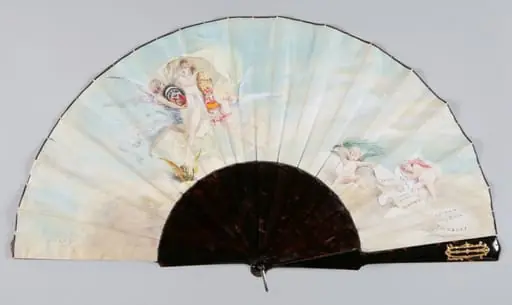 Eventail plié
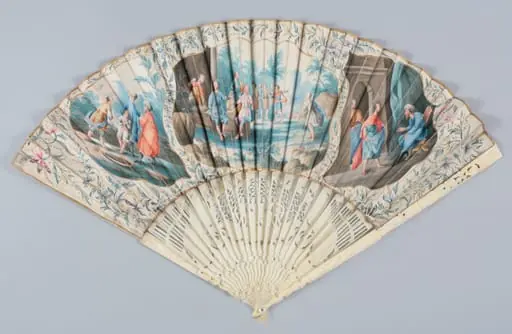 L'Histoire de Joseph
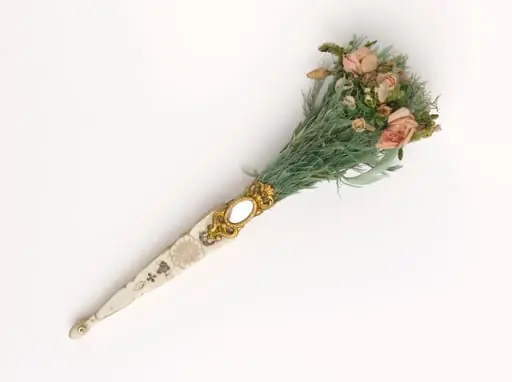 Eventail porte-bouquet
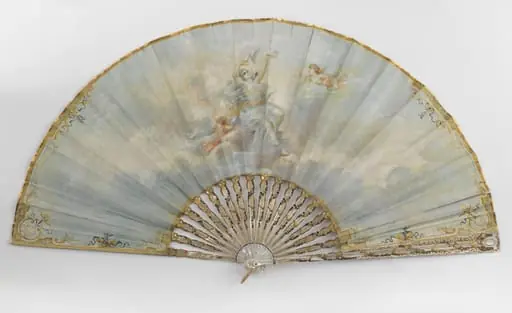 Eventail de la Maison Gustave Beer
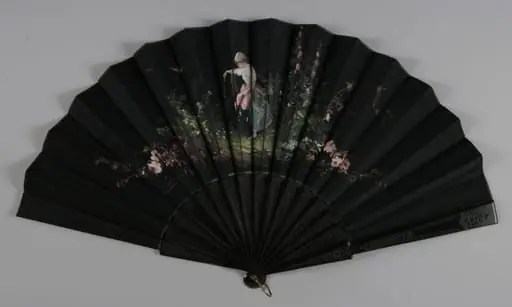 Eventail plié
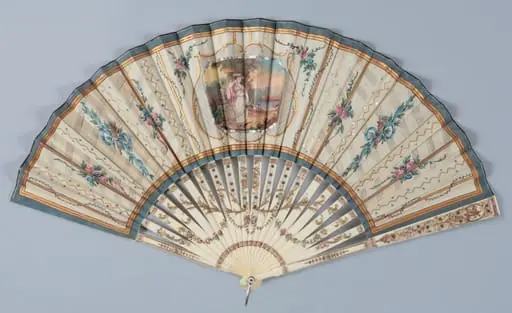 Eventail plié
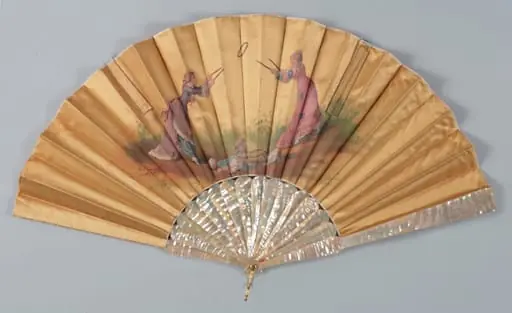 Eventail plié
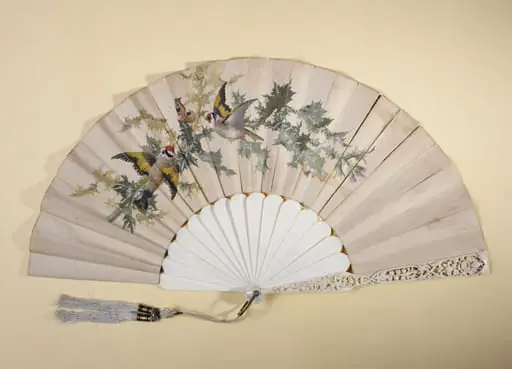 Eventail plié
![Sans le v[illisible]](https://artifactworldgallery.com/img/madeleine-madeleine--sans-le-v-illisible--8212b979ada6b65a-w320.webp) Sans le v[illisible]
Sans le v[illisible]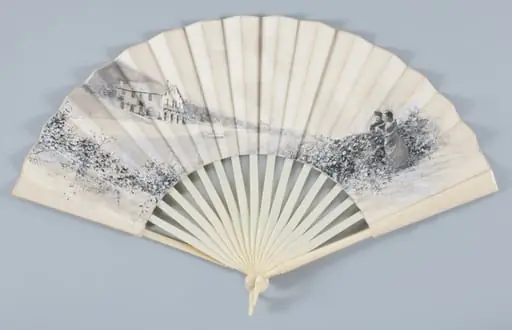 Eventail plié
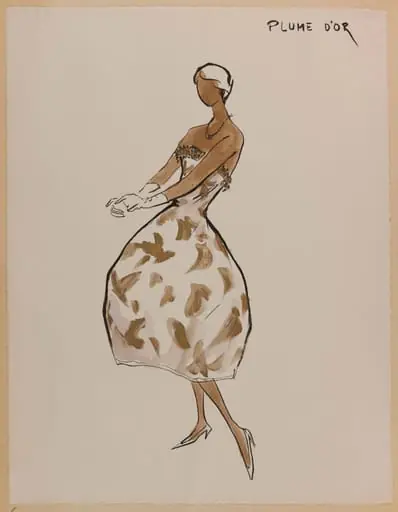 Plume d'or
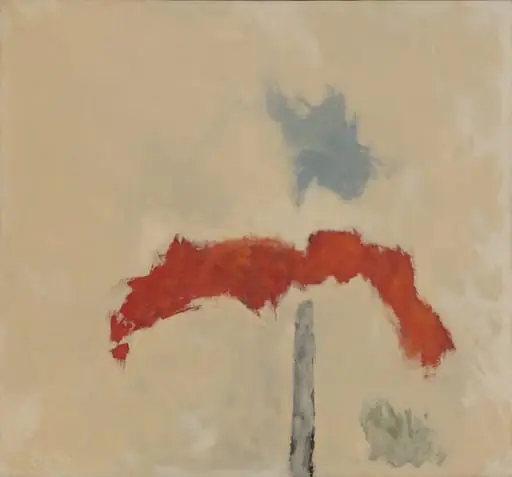 Untitled
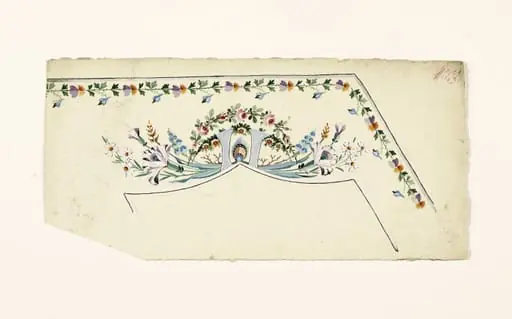 Composition avec brins et guirlandes de fleurs encadrant une plume de paon, projets de broderies de gilet, XVIIIème siècle
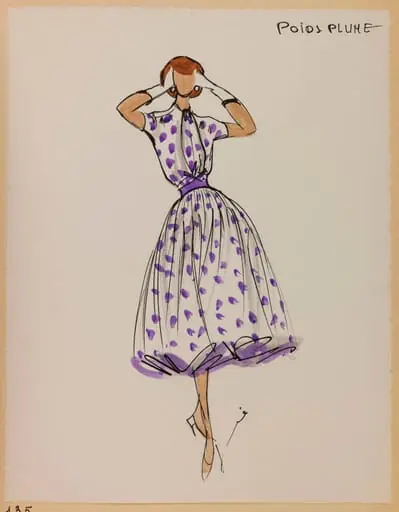 Poids plume
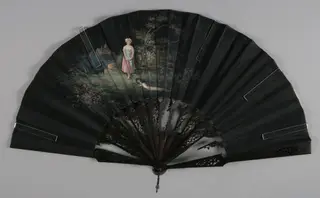 Eventail plié
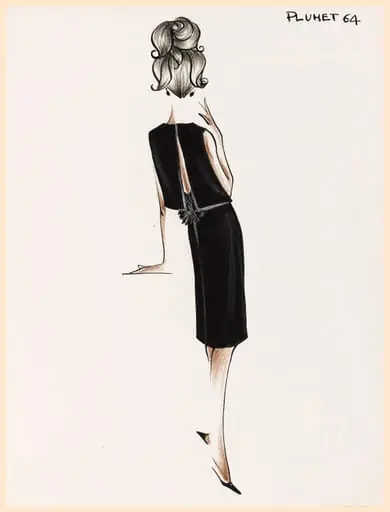 Plumet
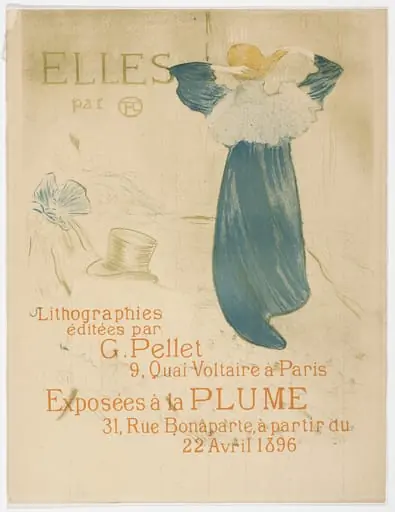 Untitled
Plume is a subject in art. family name
Artifact World Gallery holds 87 public-domain Plume works, all free to view and download.
Key Plume artists in the collection include Henri de Toulouse-Lautrec, Jan de Beer and Jacques Callot.
Plume works in the collection are held by Palais Galliera - Musée de la Mode de la Ville de Paris, Museum of Modern Art and National Gallery of Art.
Your cart is empty
Browse artworks →