Subject
Dance
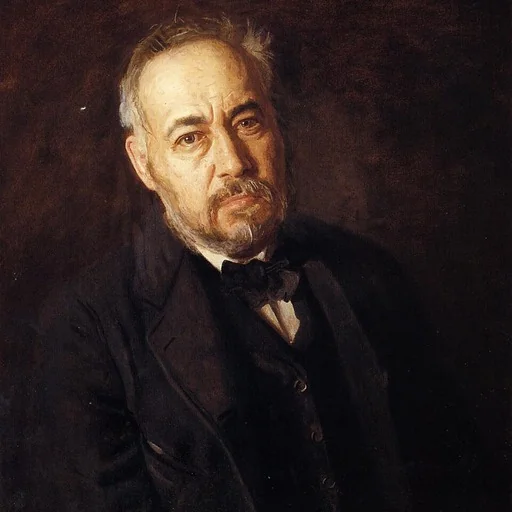
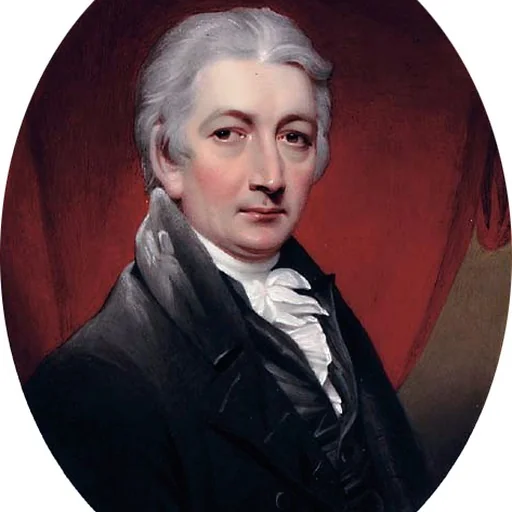
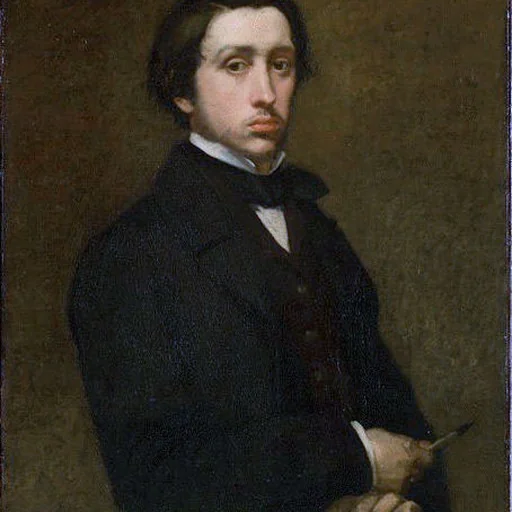
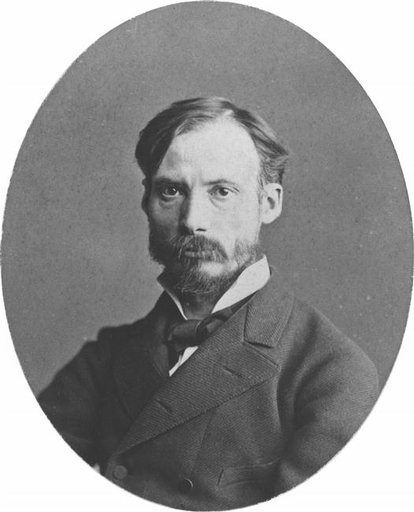
Dance is a subject in art. The gallery holds 80 works in this subject in art, including works by Thomas Eakins, Henry Bone and Edgar Degas.
Dance is among the oldest subjects in art, predating writing itself. In the Bronze Age Aegean, terracotta figurines and gold signet rings already showed women circling a lyre-player—an earthenware ring-dance group from Palaikastro in Crete survives from after about 1400 BCE. Greek vase painters made the theme canonical: the François Vase (c. 570 BCE) carries a file of youths and maidens, and red- and black-figure pots teem with maenads, the frenzied female followers of Dionysus, whose ecstatic, thyrsos-bearing revels linked dance to wine, fertility, and sacred madness at the autumn grape harvest. From the outset, then, dance carried a double charge: ordered communal ritual on one hand, intoxicated abandon on the other.
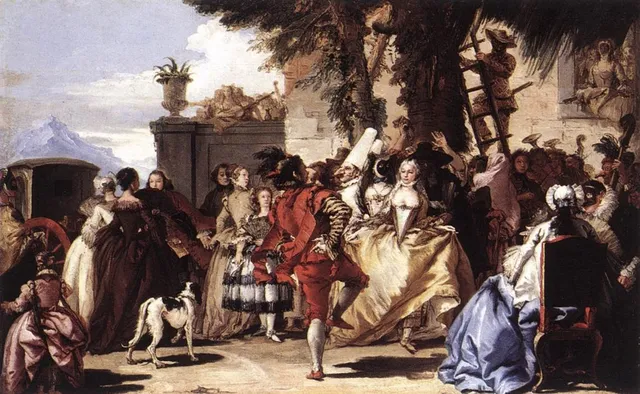
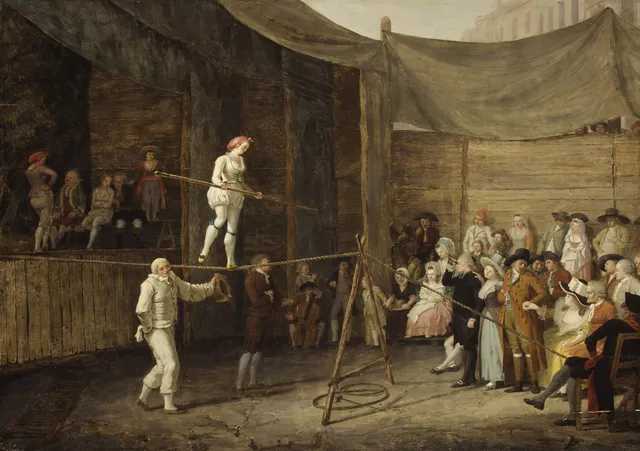
That polarity runs through Western painting. Renaissance and Baroque artists turned dance into moralised allegory and earthy genre. Pieter Bruegel the Elder's Peasant Dance (c. 1567, Kunsthistorisches Museum, Vienna) seems an affectionate village kermis but encodes warnings against gluttony, lust, and anger, while Nicolas Poussin's A Dance to the Music of Time (c. 1634–36, Wallace Collection), commissioned by the future Pope Clement IX, makes four linked figures personify Poverty, Labour, Wealth, and Pleasure turning on Fortune's wheel. The same festive vein animates Flemish and Italian holdings such as David Teniers the Younger's Peasants Dancing and Feasting, Giovanni Domenico Tiepolo's A Dance in the Country, and Léonard Defrance's The Rope Dance.
The visual problem dance poses—how to fix the moving body in a frozen instant—reached its sharpest modern statement with Edgar Degas, whose Dance Class (1874, Metropolitan Museum) places ballerinas around the master Jules Perrot in an off-balance, photographic rehearsal scene; his pastels of the Paris Opéra make this catalogue's The Dancing Class their heir. In 1909–10 Henri Matisse, commissioned by the Russian collector Sergei Shchukin, distilled the whole tradition into La Danse (Hermitage, St Petersburg): five vermilion figures, a ring on green and blue, rhythm reduced to pure colour and line.
From Dionysian vases to Bacchus and Ariadne, through Bruegel's villagers to Matisse's flat arabesque, dance has let artists explore communal bond, fleeting movement, and the body as an emblem of harmony or release—a thread connecting classical relief, genre painting, Impressionism, and modernism.
Key artists
Works
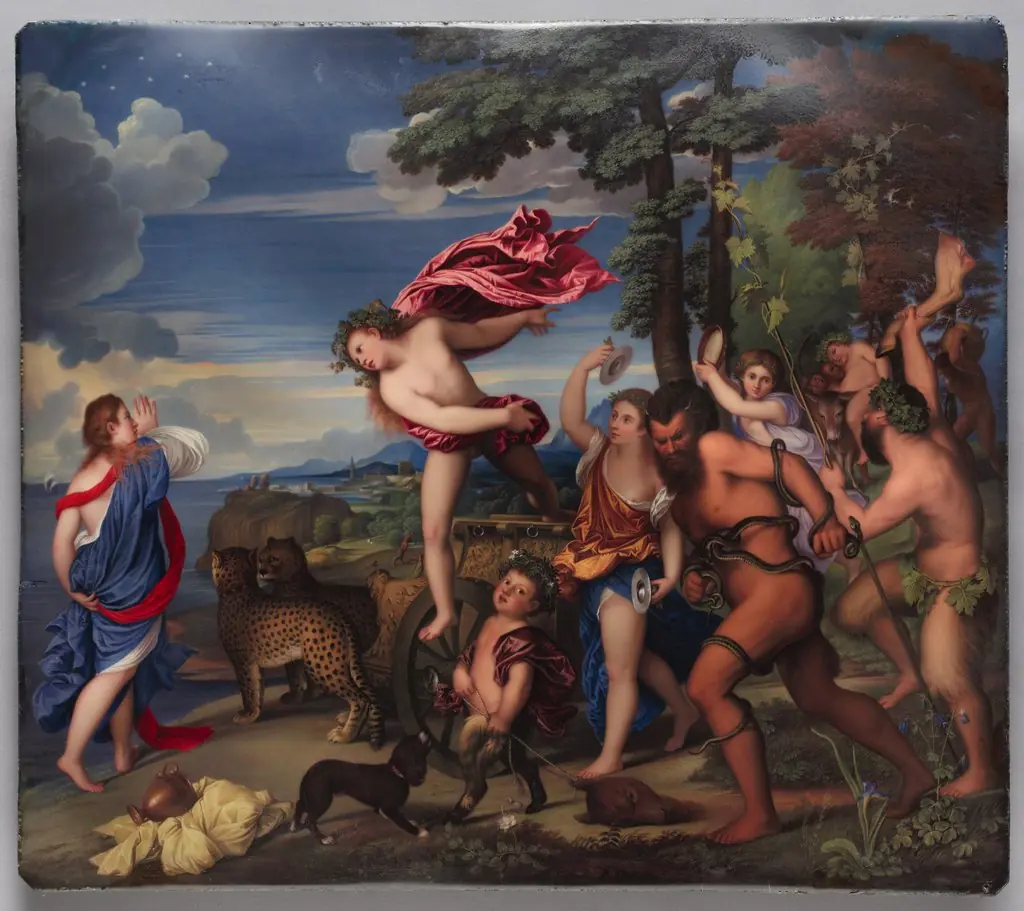 Bacchus and Ariadne
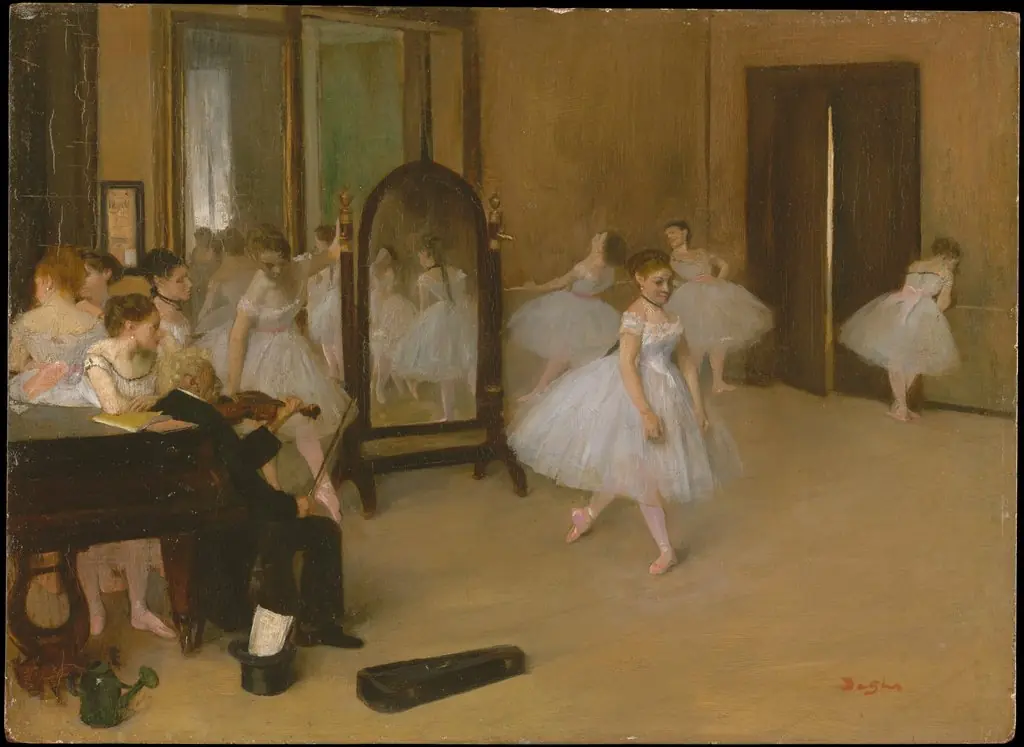 The Dancing Class
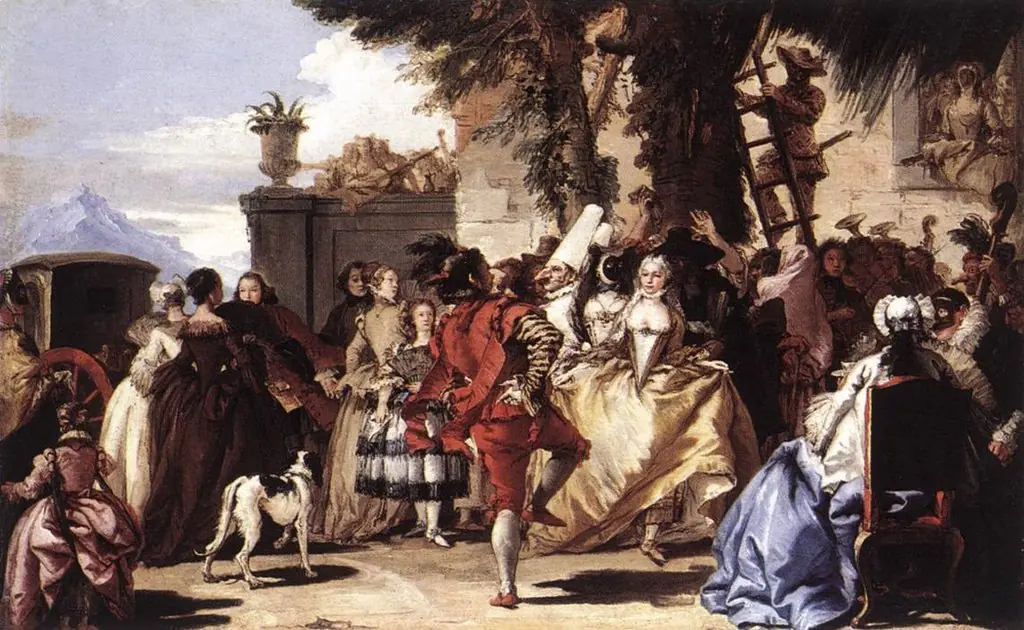 A Dance in the Country
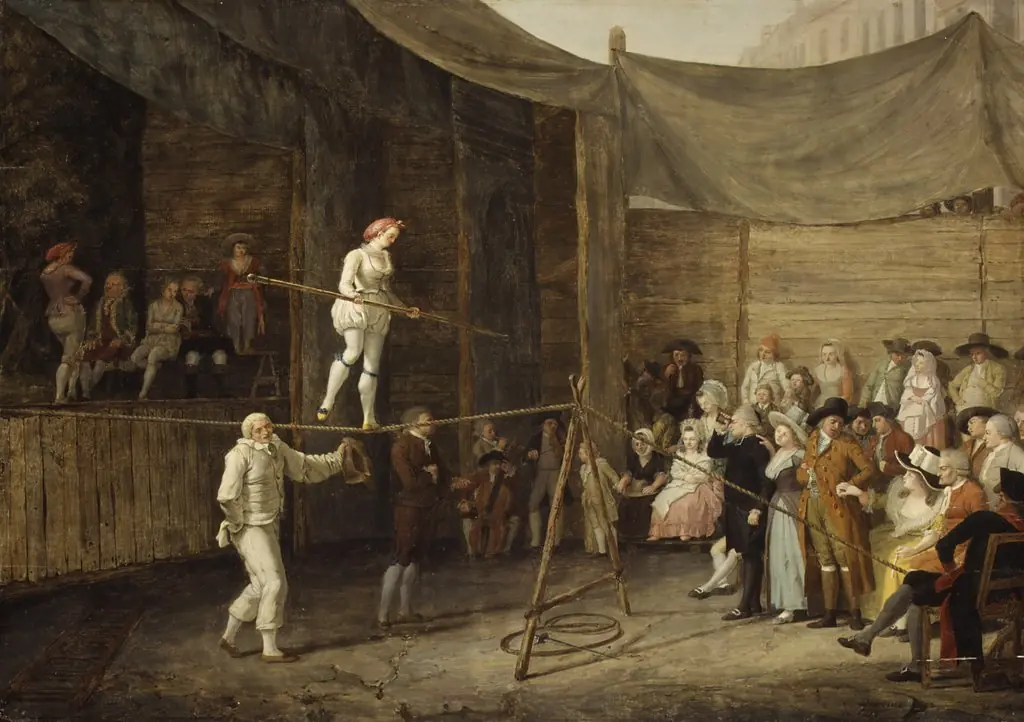 The Rope Dance
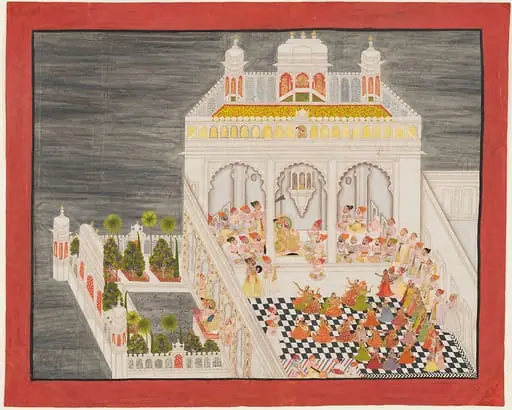 Untitled
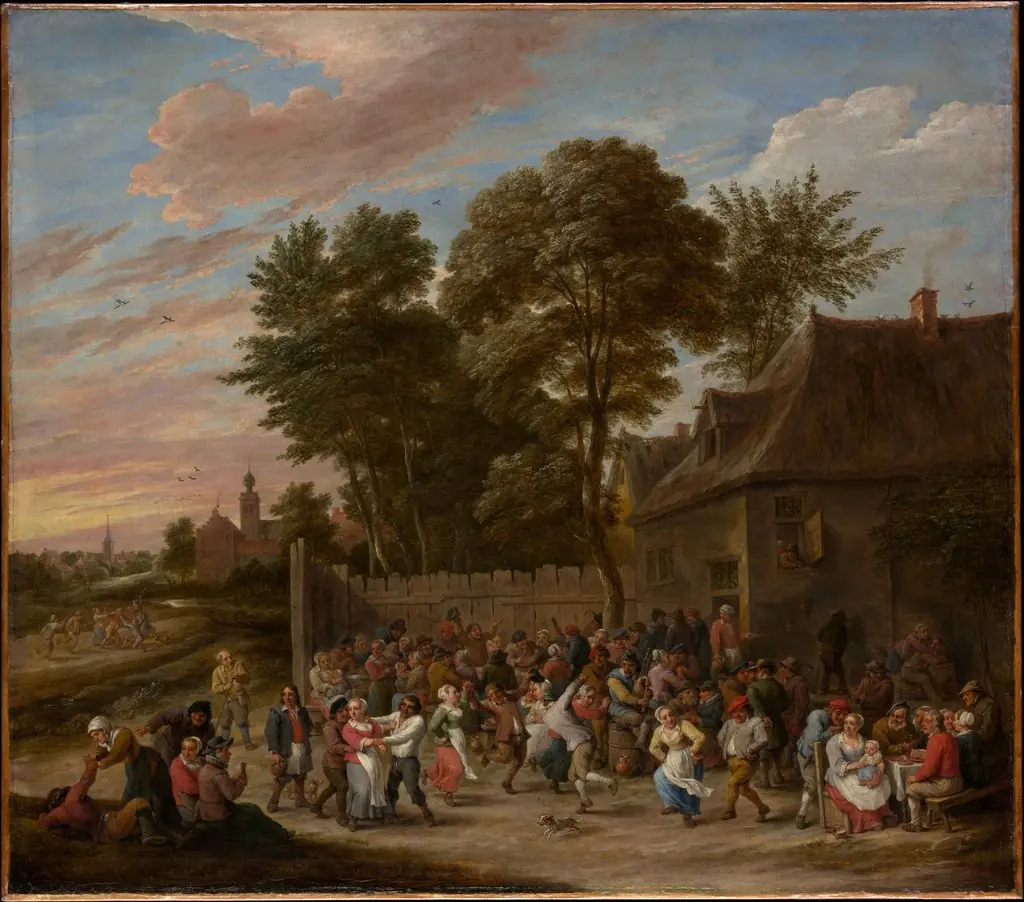 Peasants Dancing and Feasting
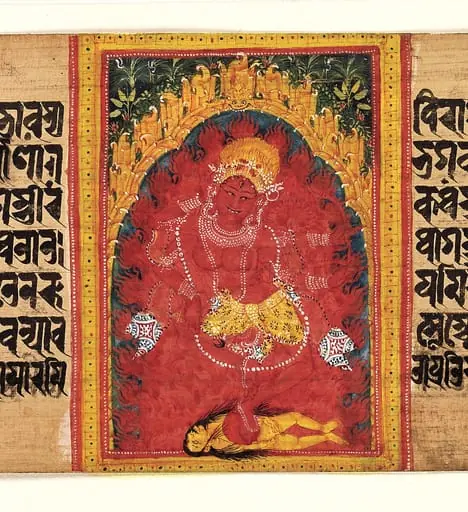 Untitled
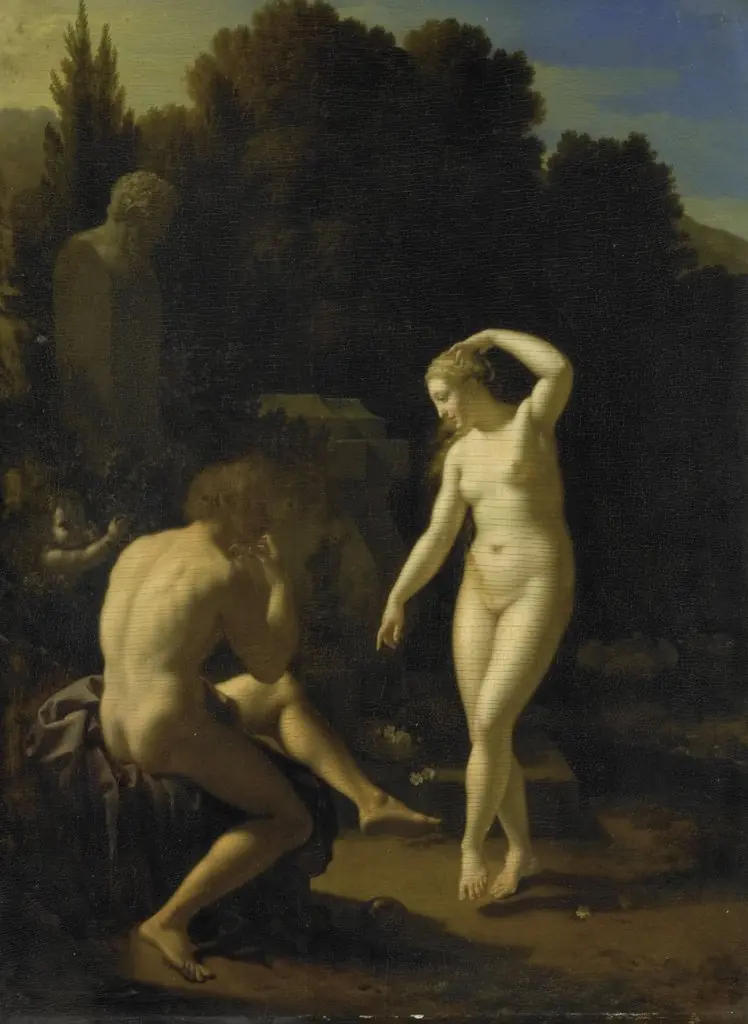 A Nymph Dancing to a Shepherd's Flute-Playing
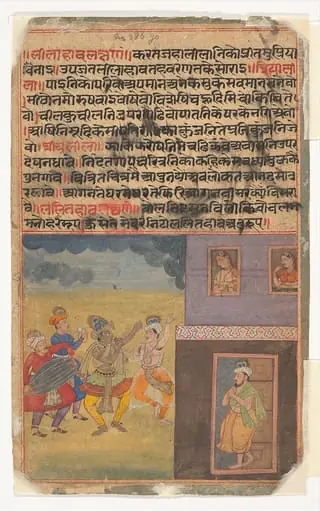 Untitled
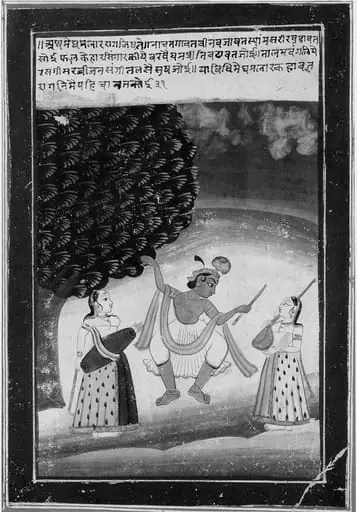 Untitled
 Untitled
 Carmencita
 Untitled
 Dance at Bougival
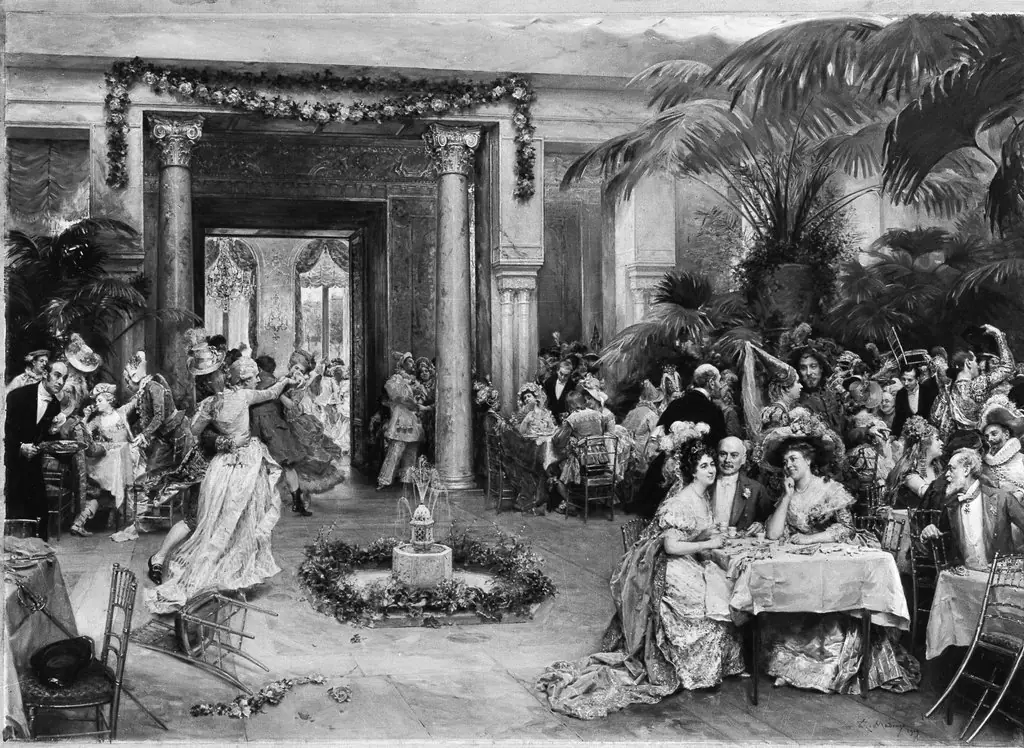 Masquerade Ball at the Ritz Hotel, Paris
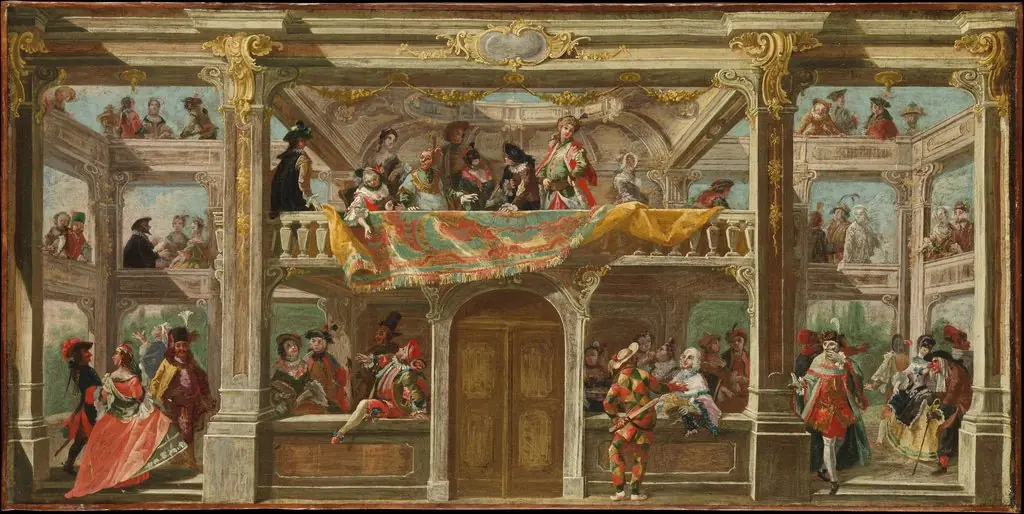 A Masked Ball in Bohemia
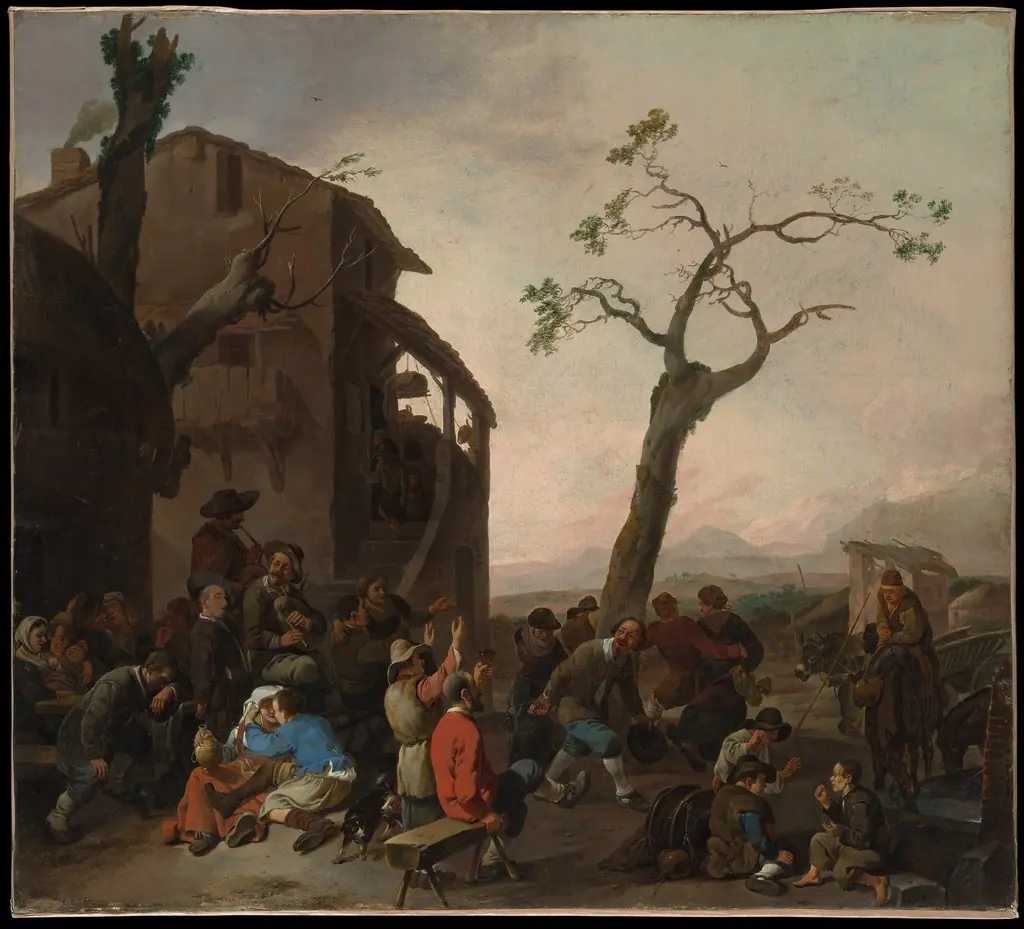 Peasants Dancing
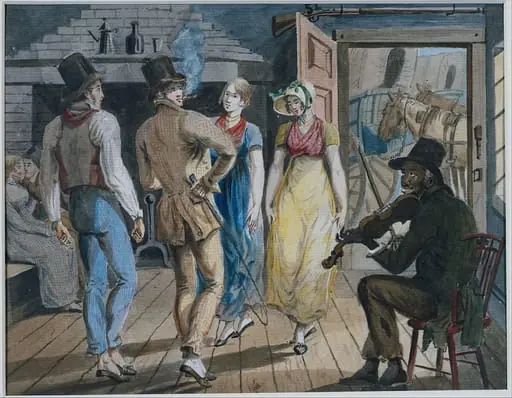 Merrymaking at a Wayside Inn
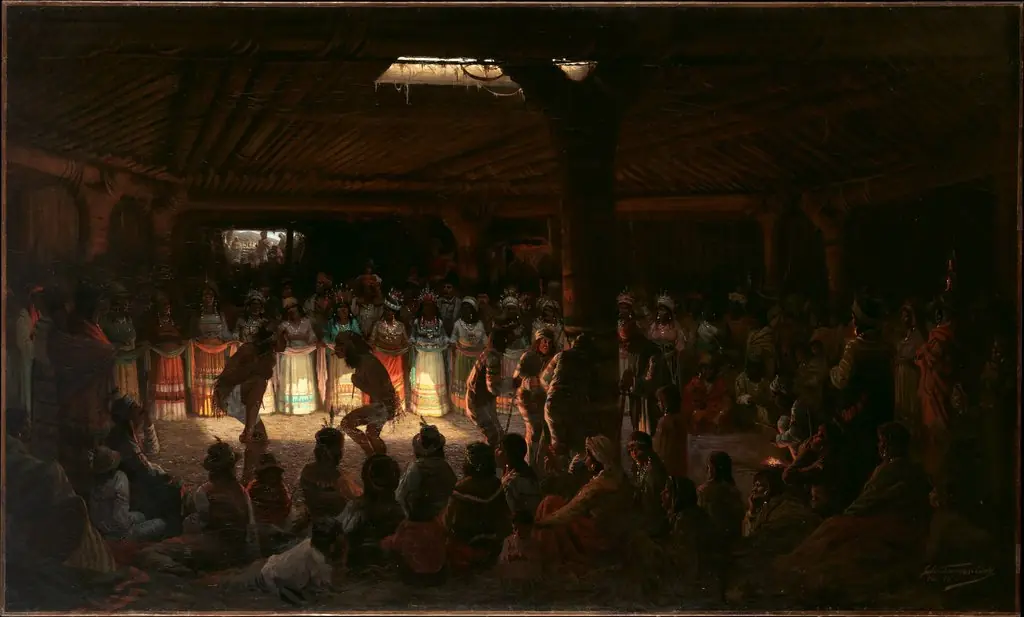 Dance in a Subterranean Roundhouse at Clear Lake, California
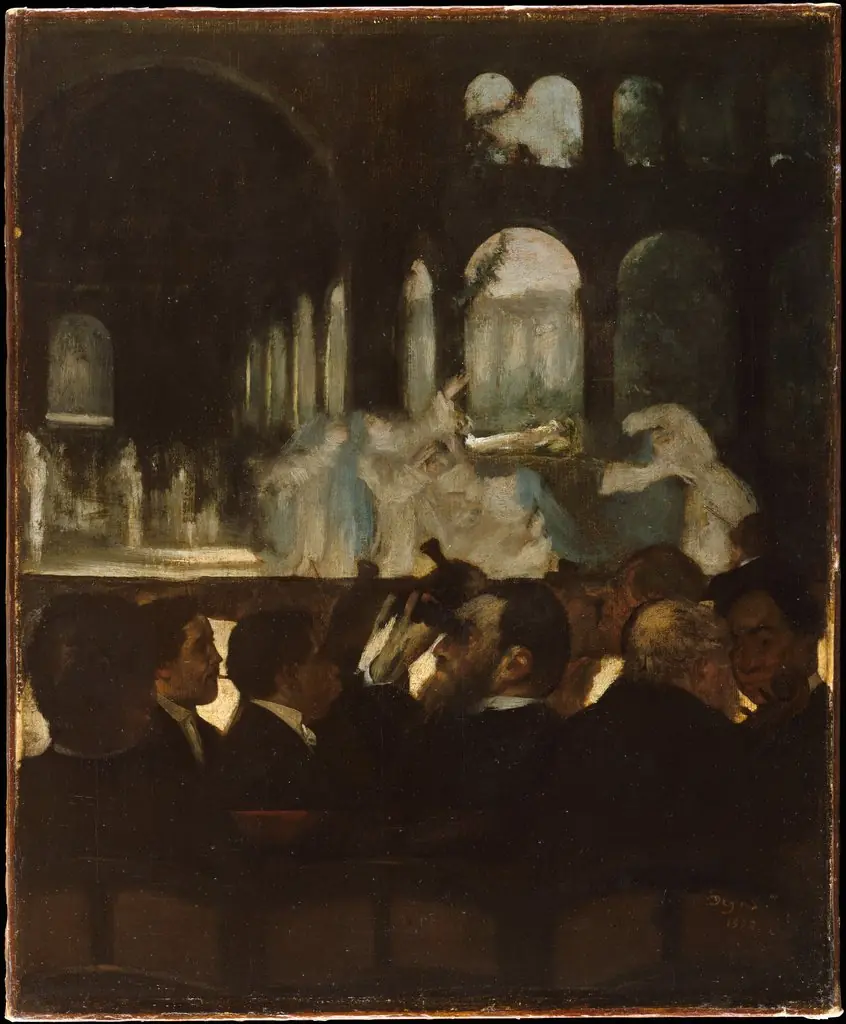 The Ballet from "Robert le Diable"
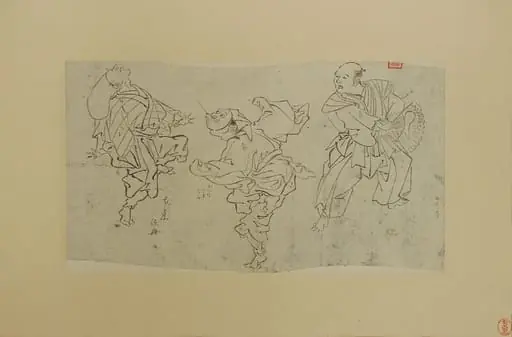 Untitled
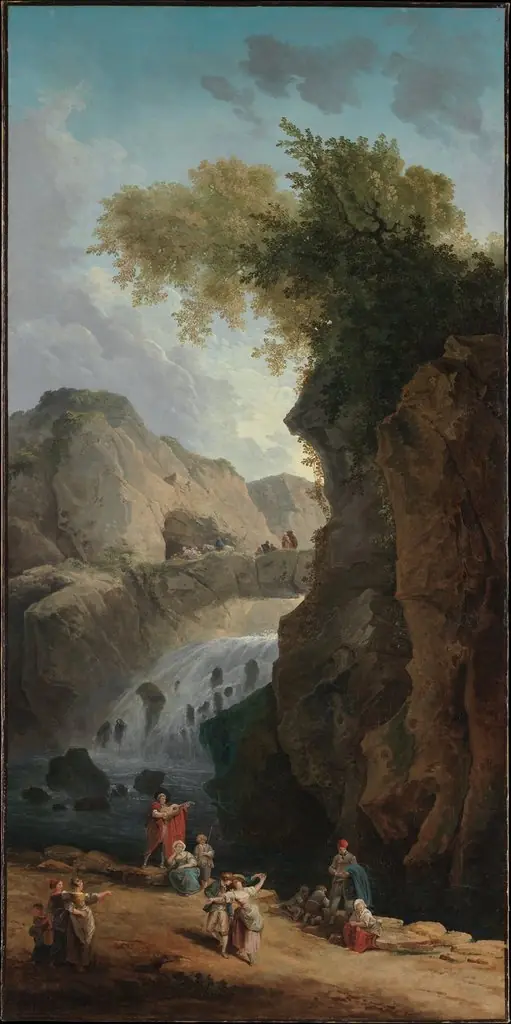 The Dance
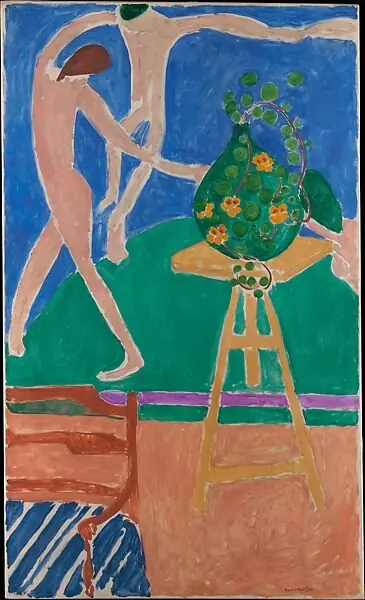 Nasturtiums with the Painting "Dance" I
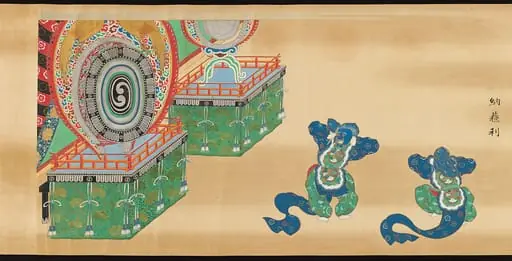 Untitled
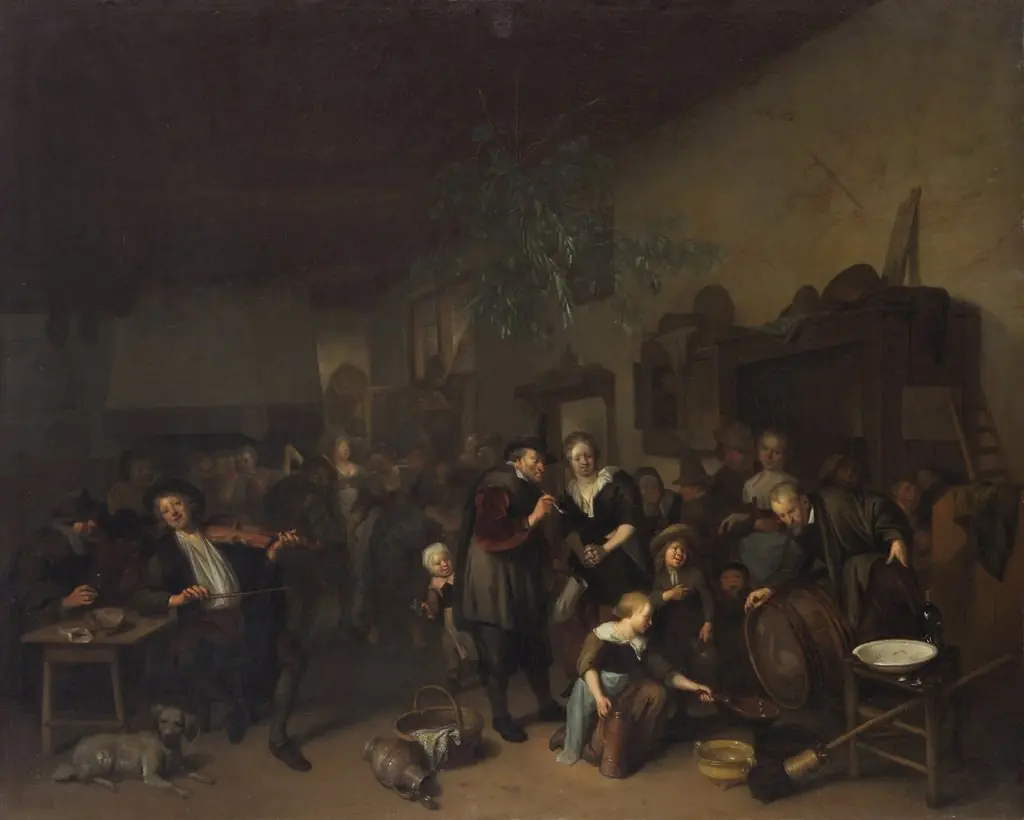 Tavern interior with dancing peasants,
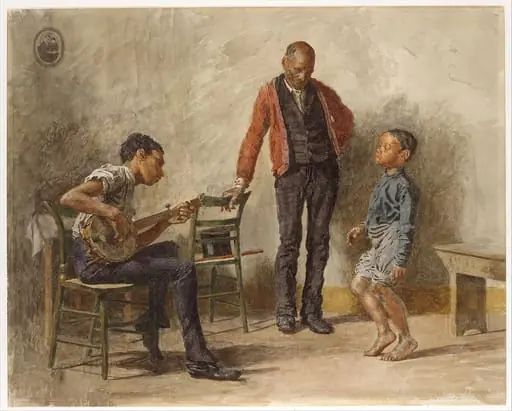 The Dancing Lesson
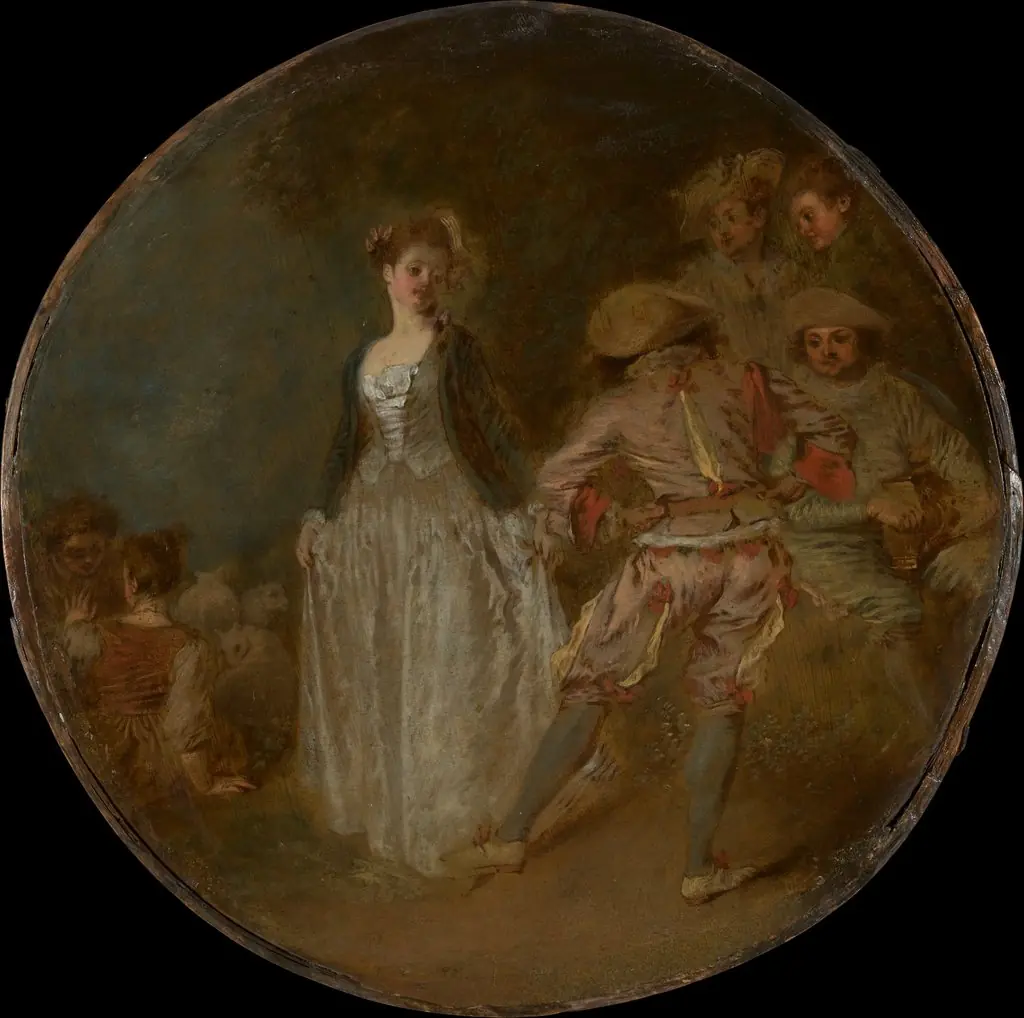 The Country Dance
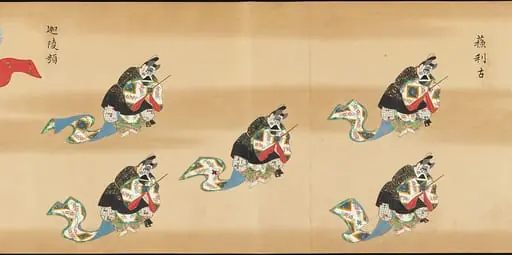 舞楽図巻|Bugaku Imperial Court Dance
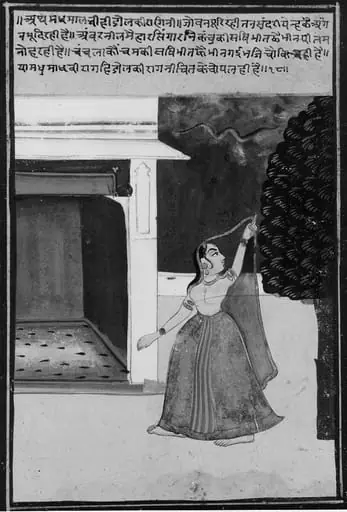 Untitled
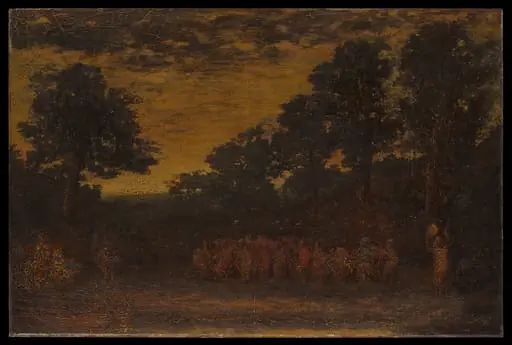 The Pipe Dance
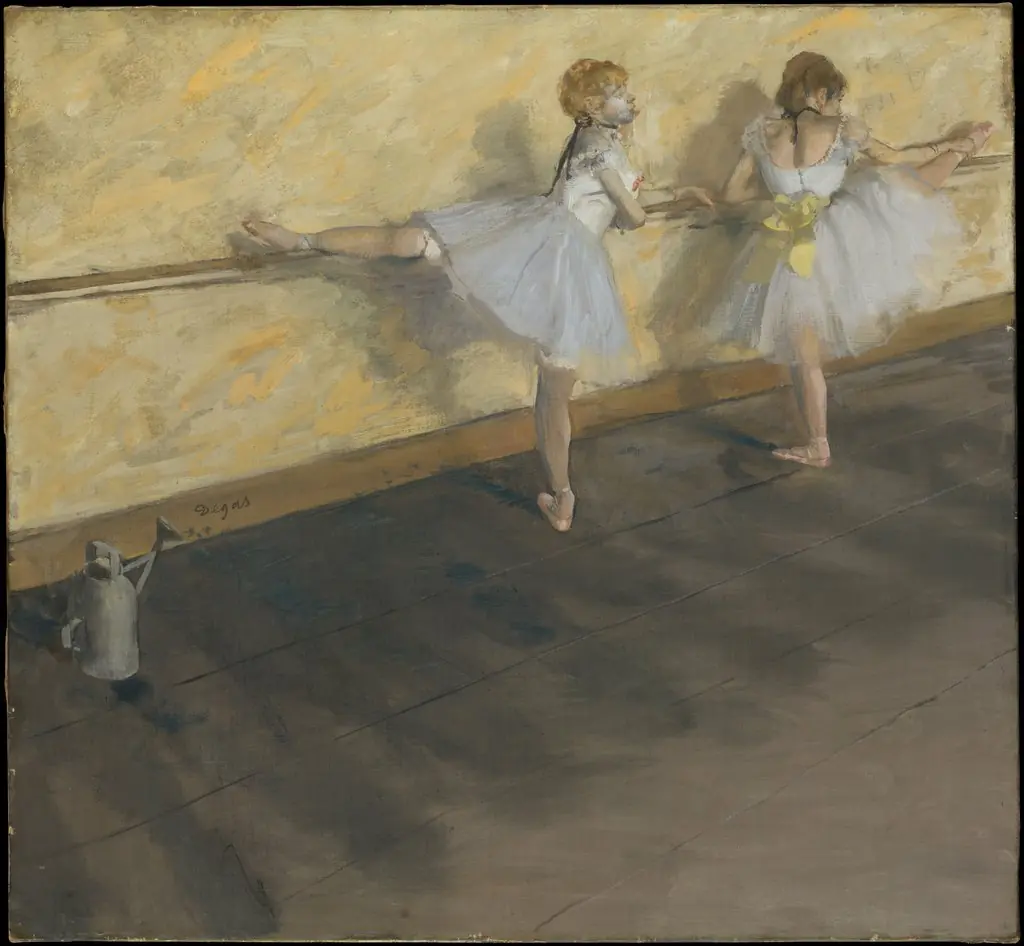 Dancers Practicing at the Barre
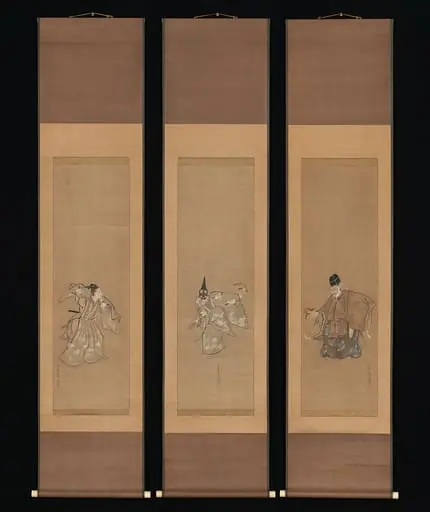 鳥山石燕筆 「翁」図|The Auspicious Noh Dance "Okina"
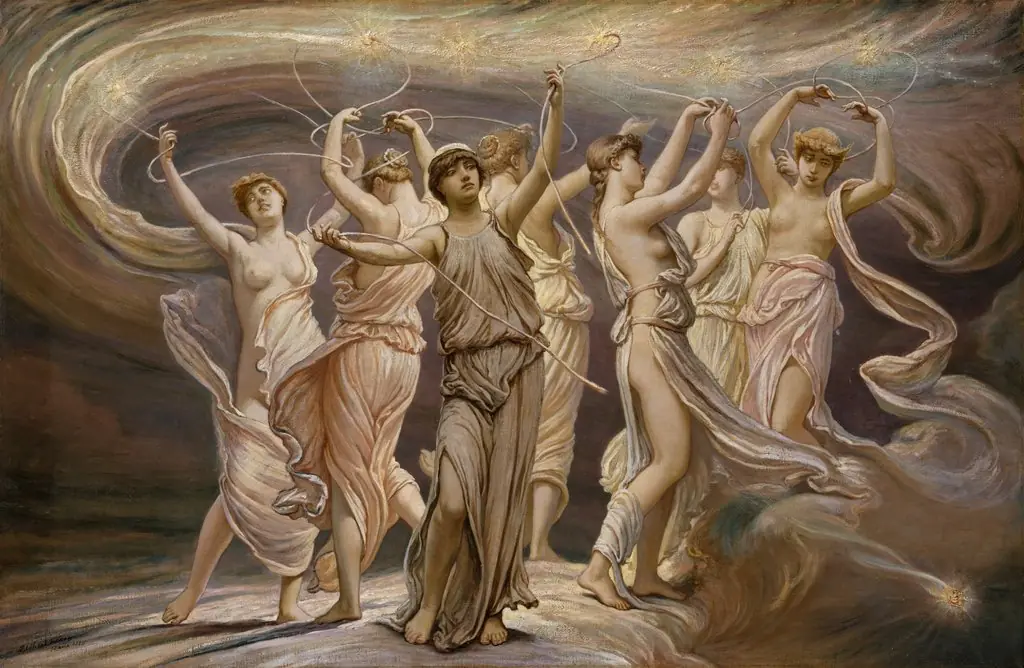 The Pleiades
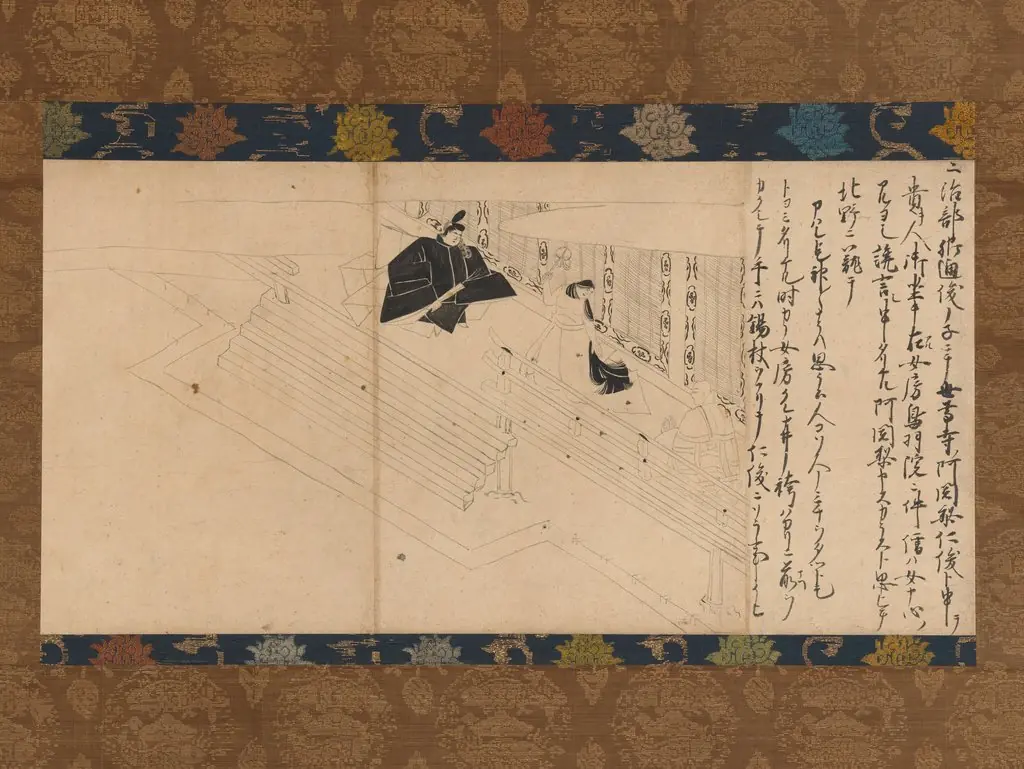 Shrine Maiden-Shamaness Possessed by a Spirit, from Illustrated Legends of the Kitano Tenjin Shrine (Kitano Tenjin engi emaki)
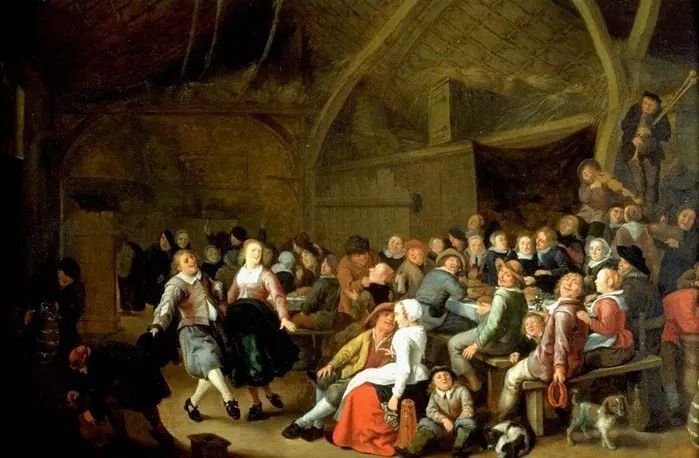 The Village Inn
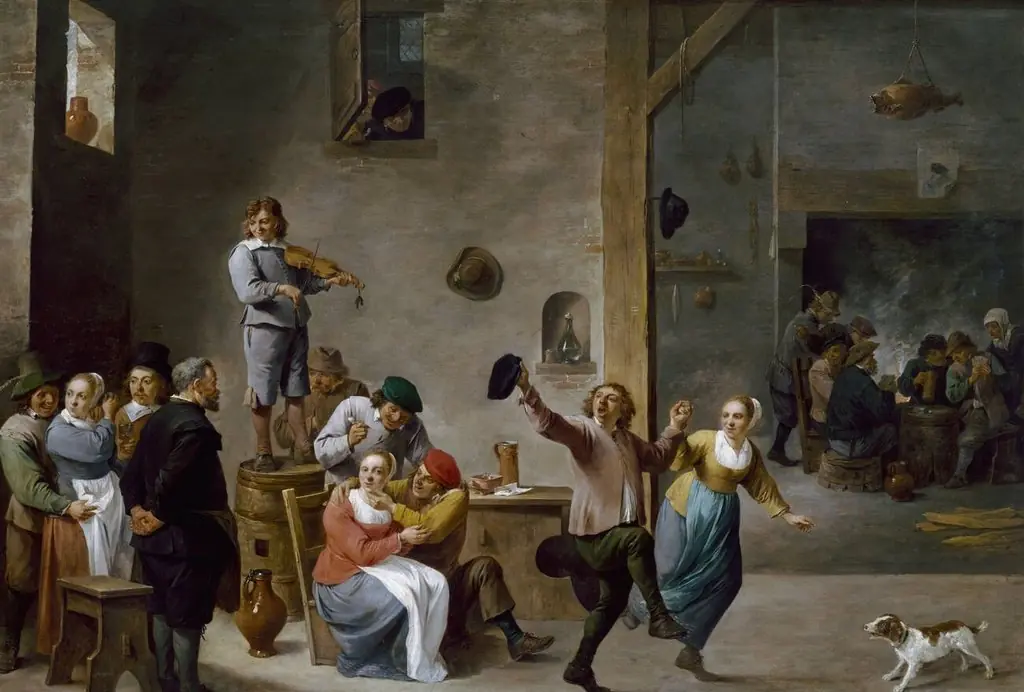 Interior of an inn with dancing peasants
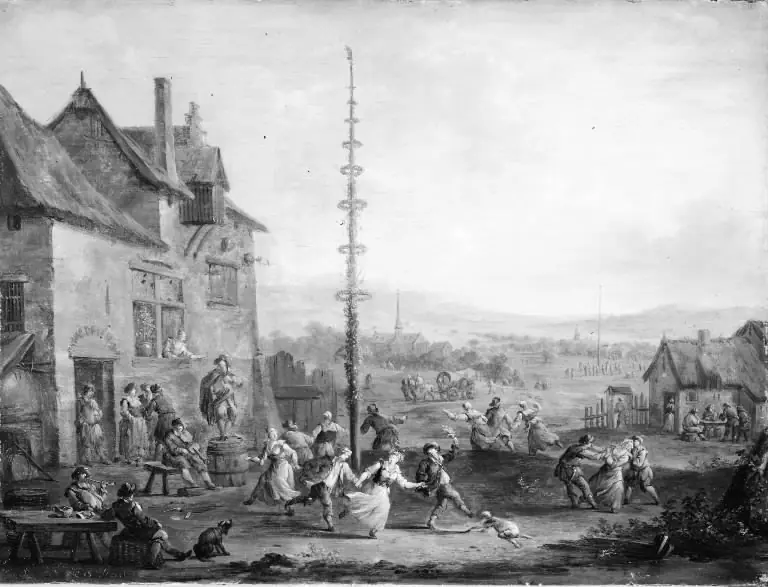 Dancing Round the Maypole
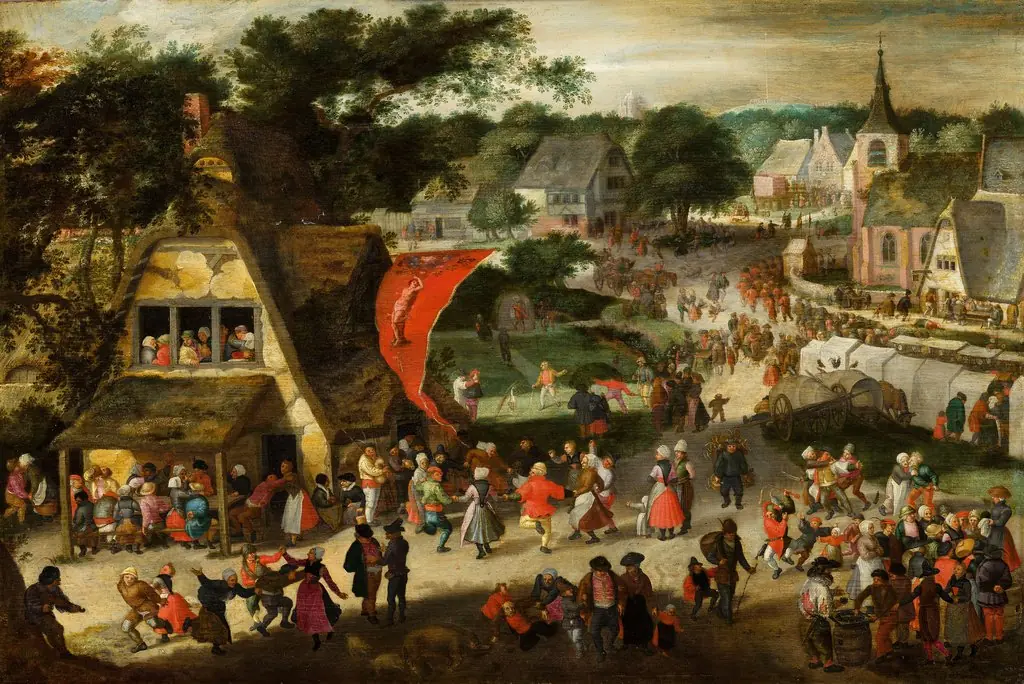 St. Sebastian fair in a Flemish village
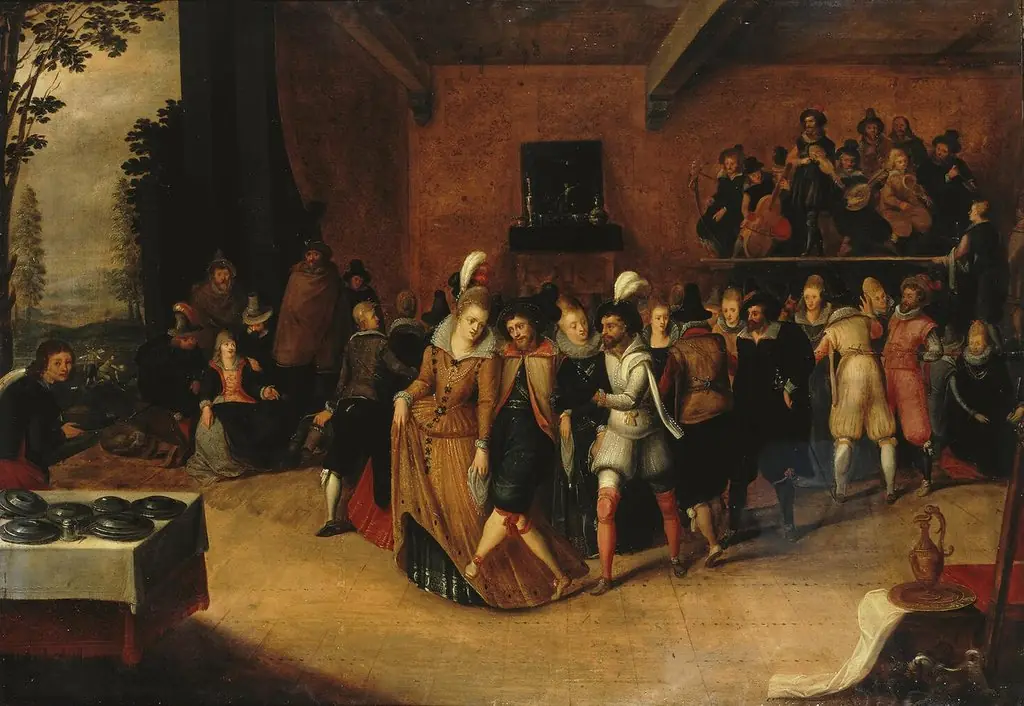 Ball
Ball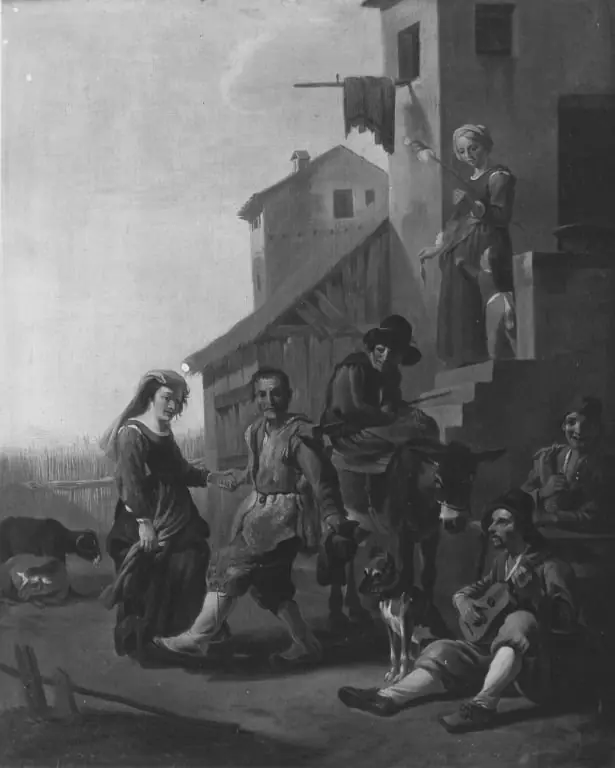 Tanz in der Campagna
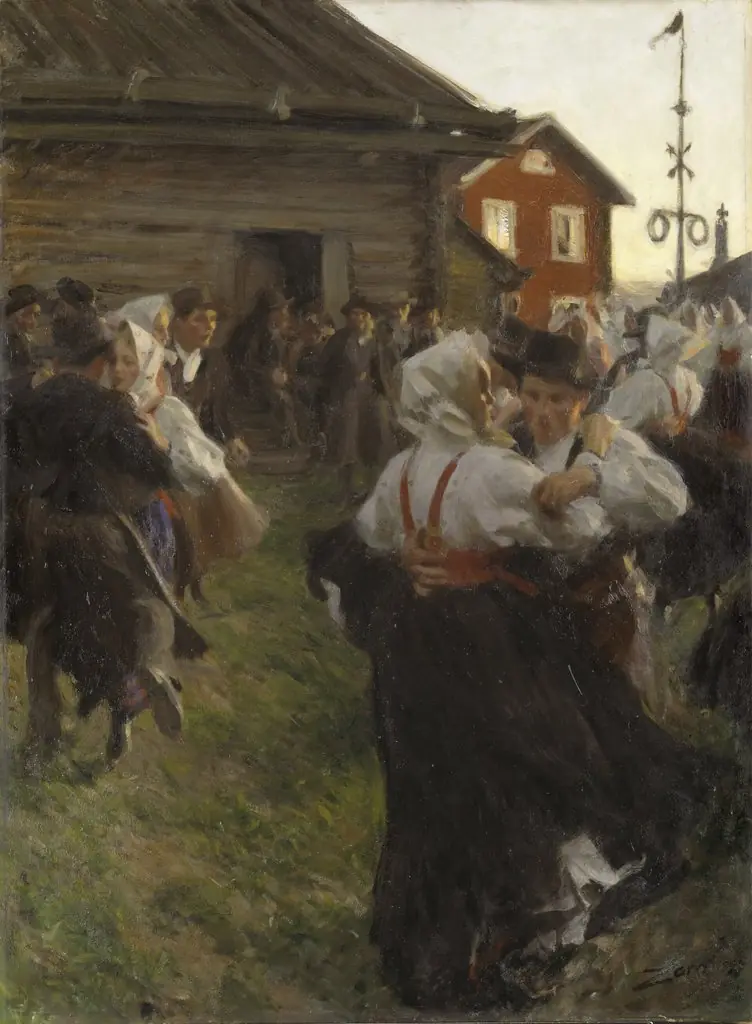 Midsummer Dance
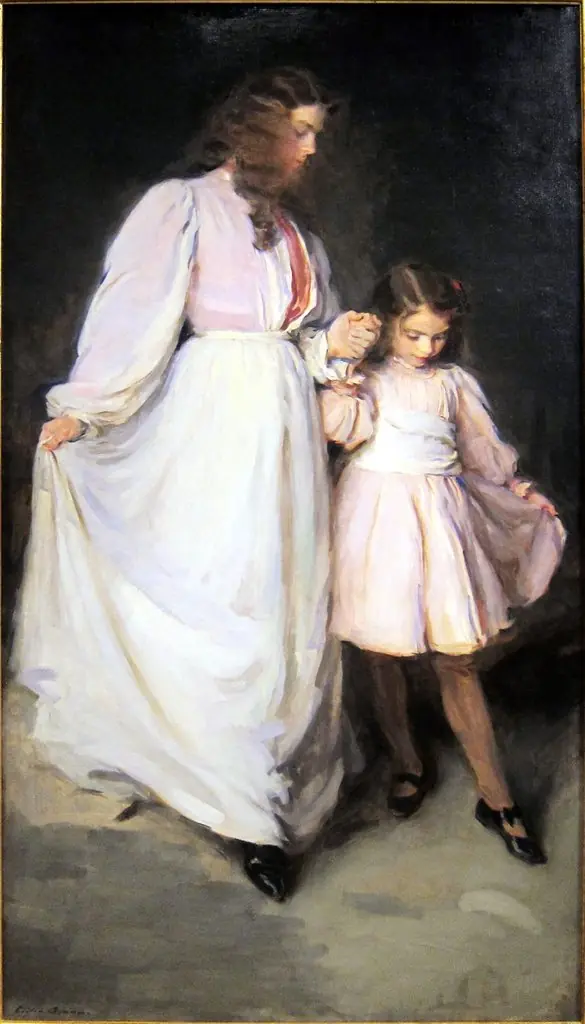 Dorothea and Francesca
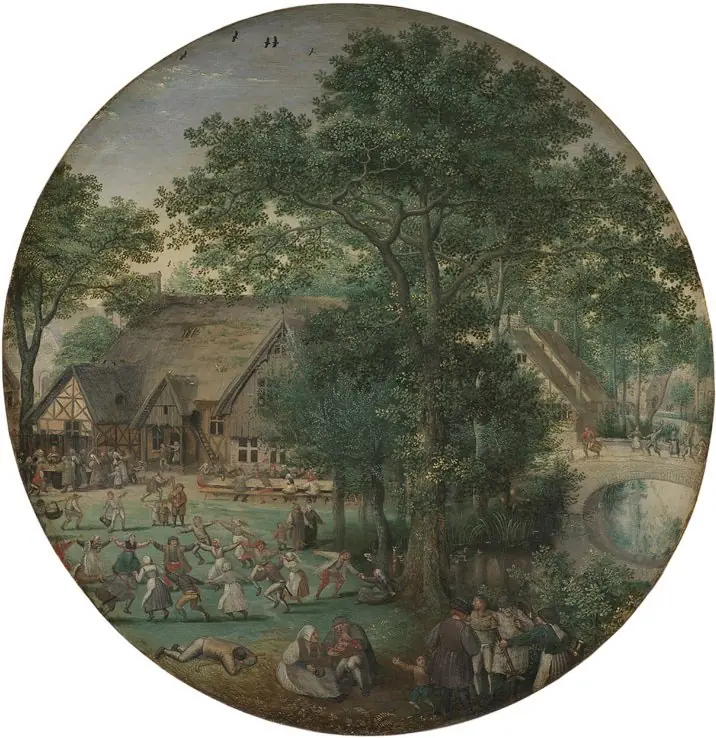 Peasant Wedding. The Wedding Dance in the open Air
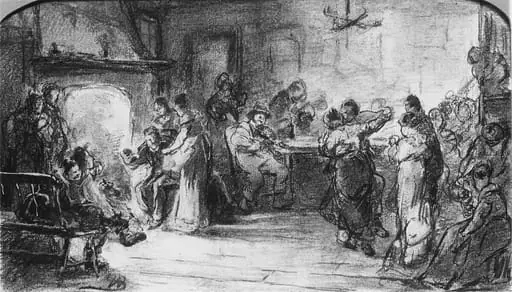 The Country Dance
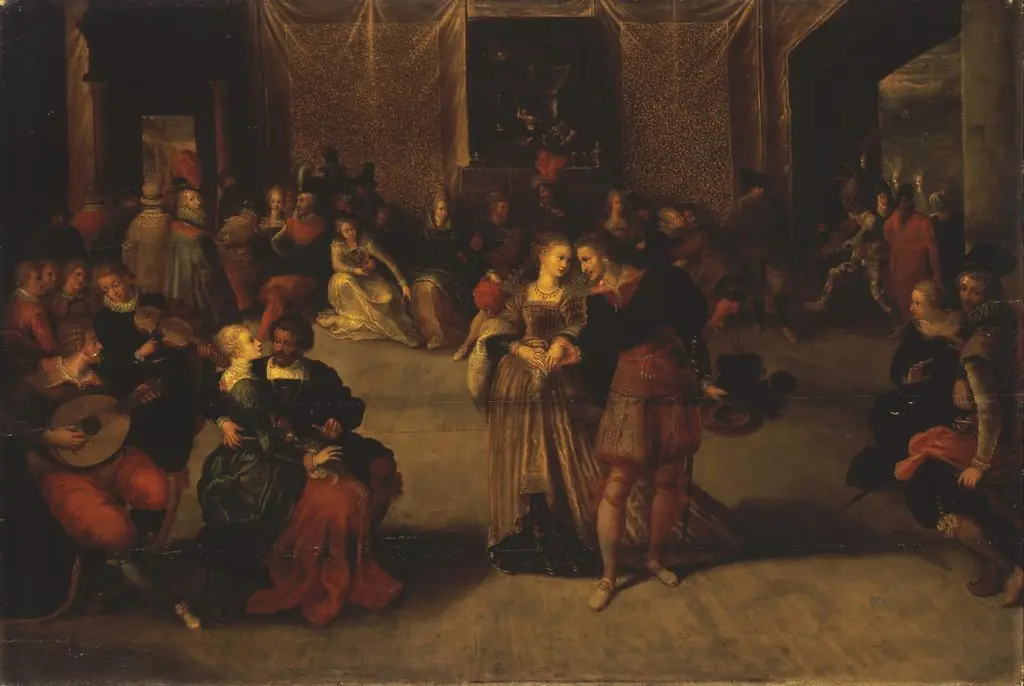 The Ball
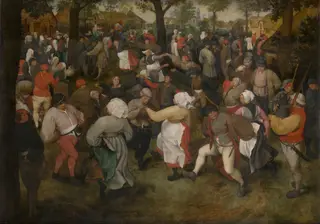 The Dance of the Bride
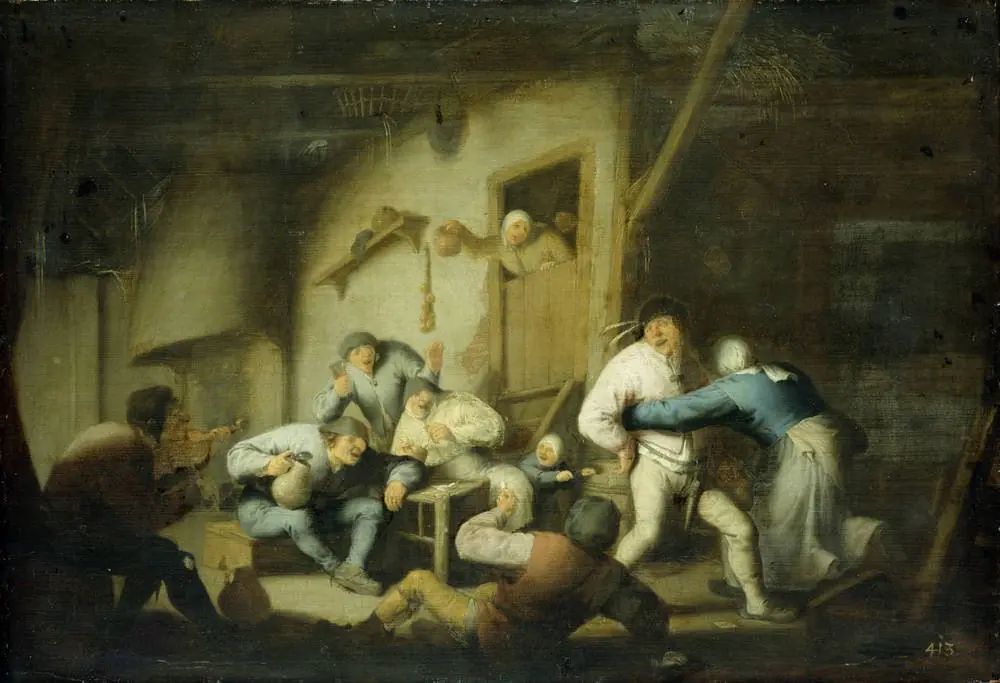 Boisterous Peasants at an Inn
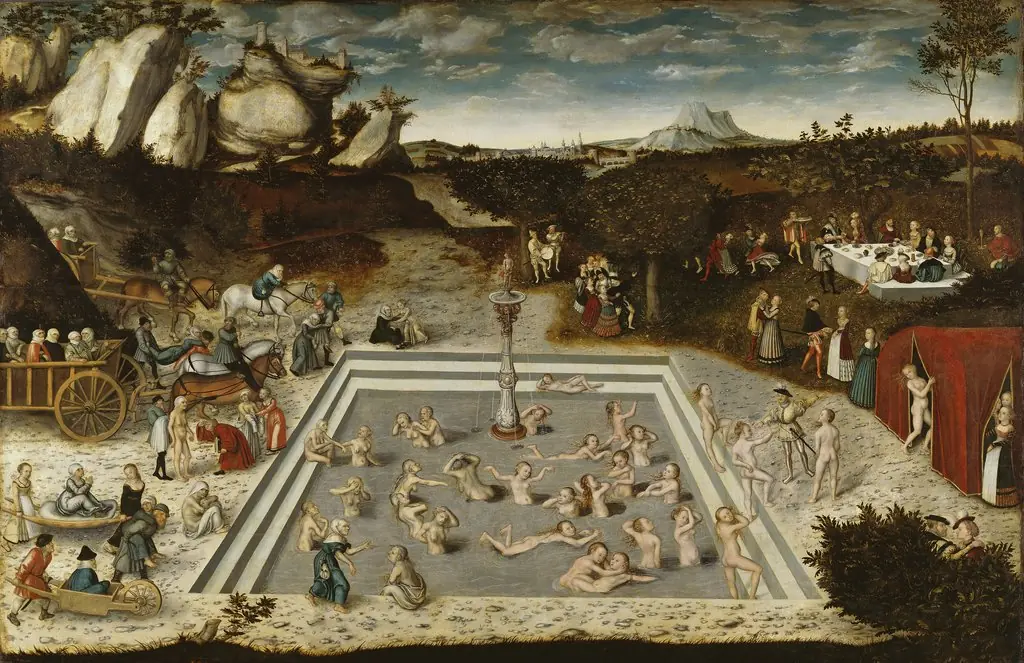 The fountain of youth
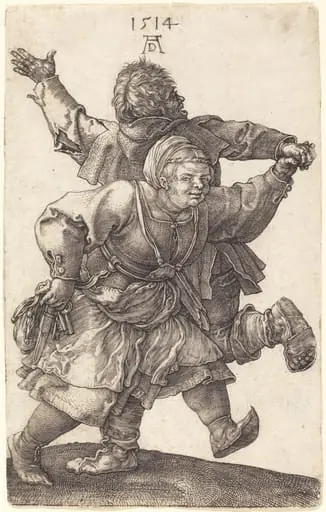 Peasant Couple Dancing
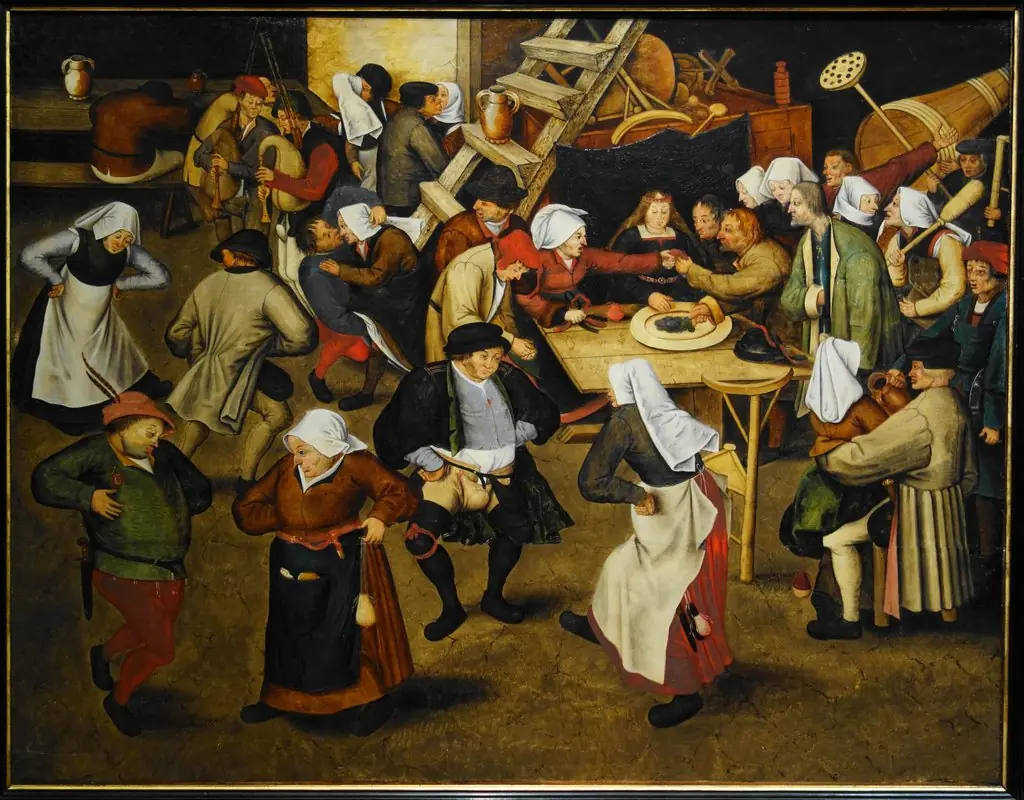 Peasant Wedding Dance
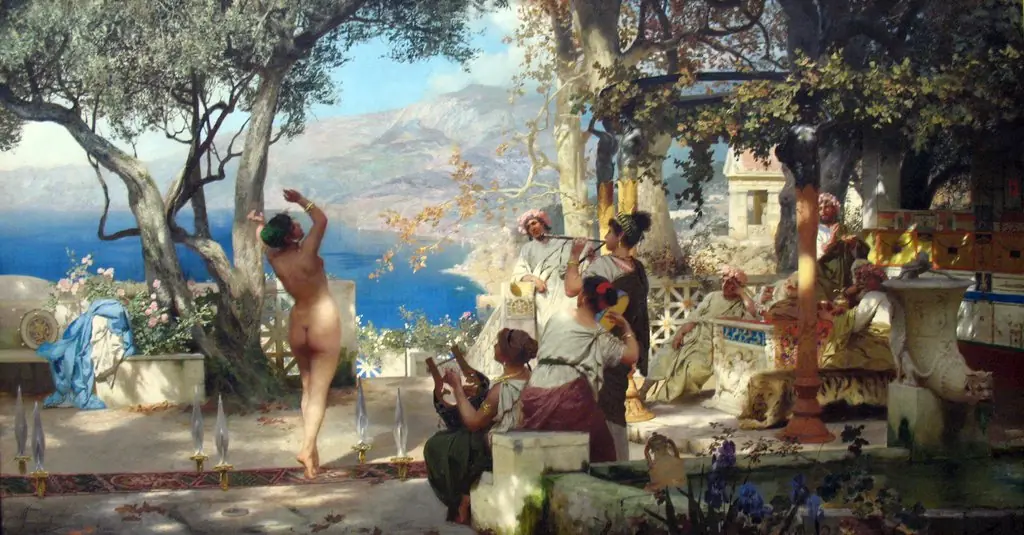 Dance amongst swords
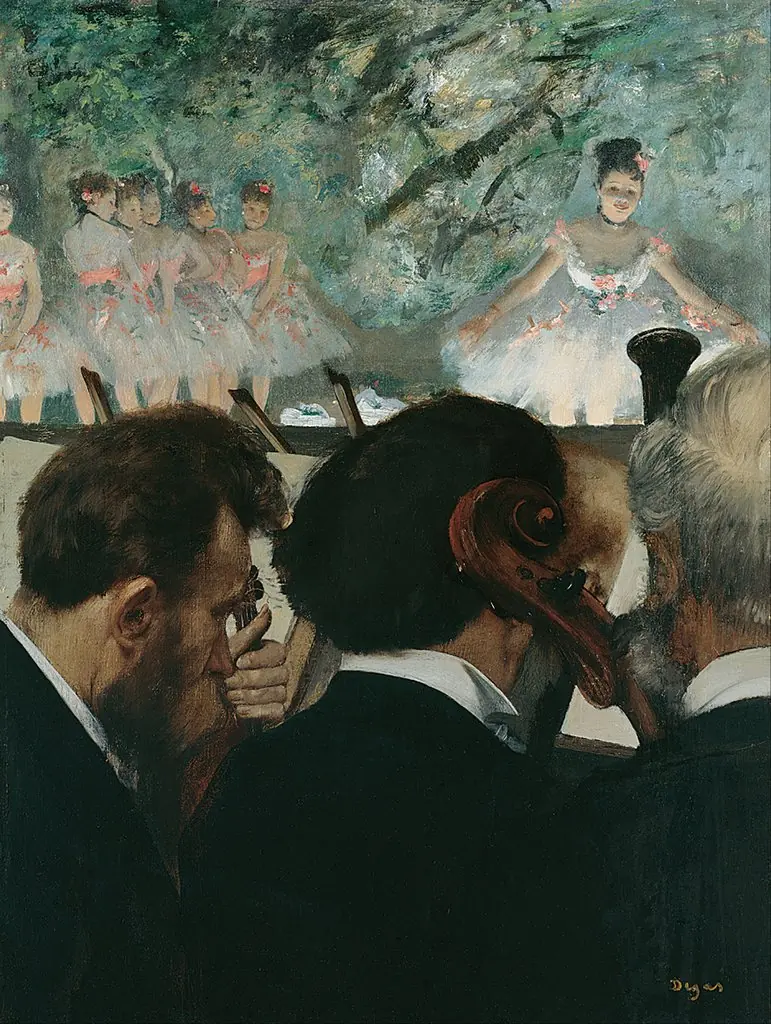 Orchestra Musicians
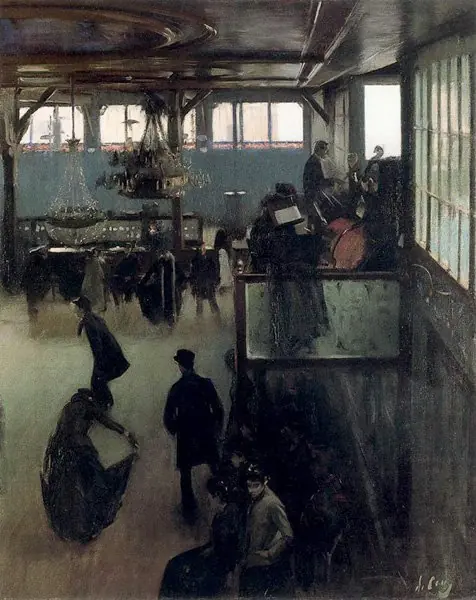 Bal du Moulin de la Galette
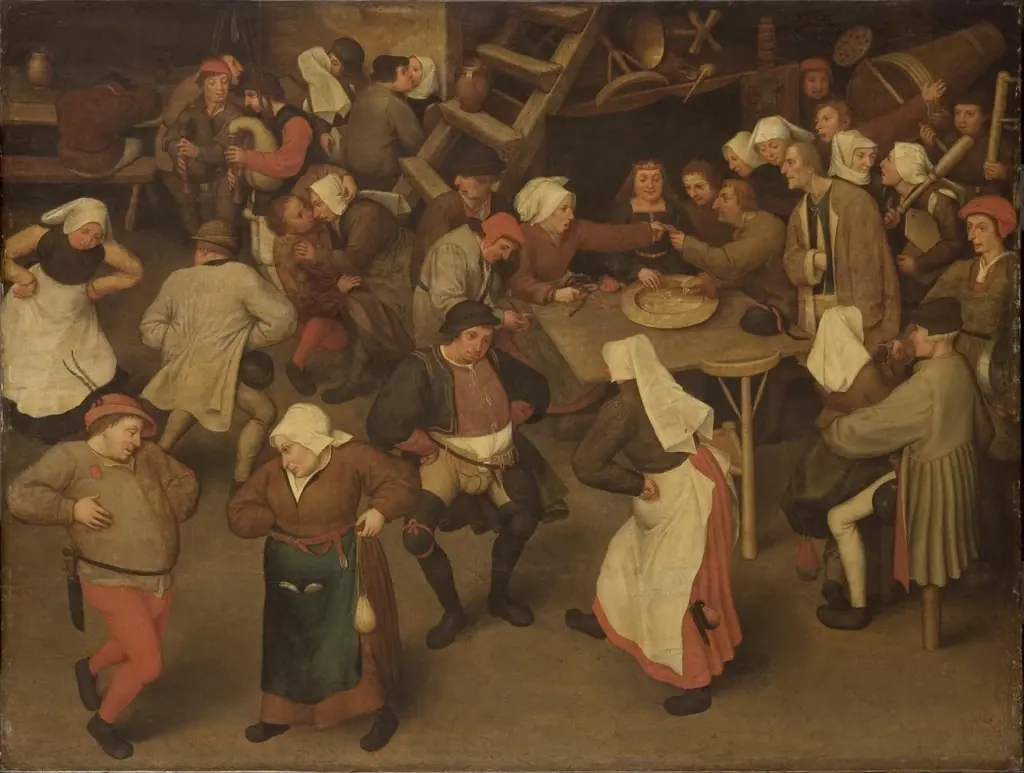 Wedding Dance
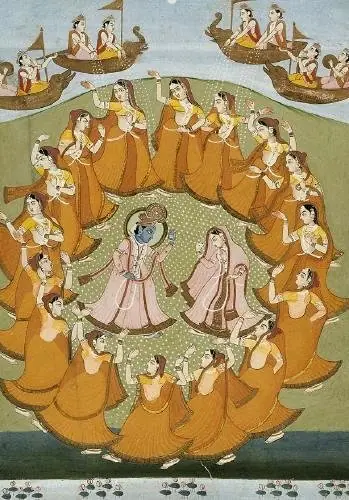 Krishna and Radha dancing the Rasalila
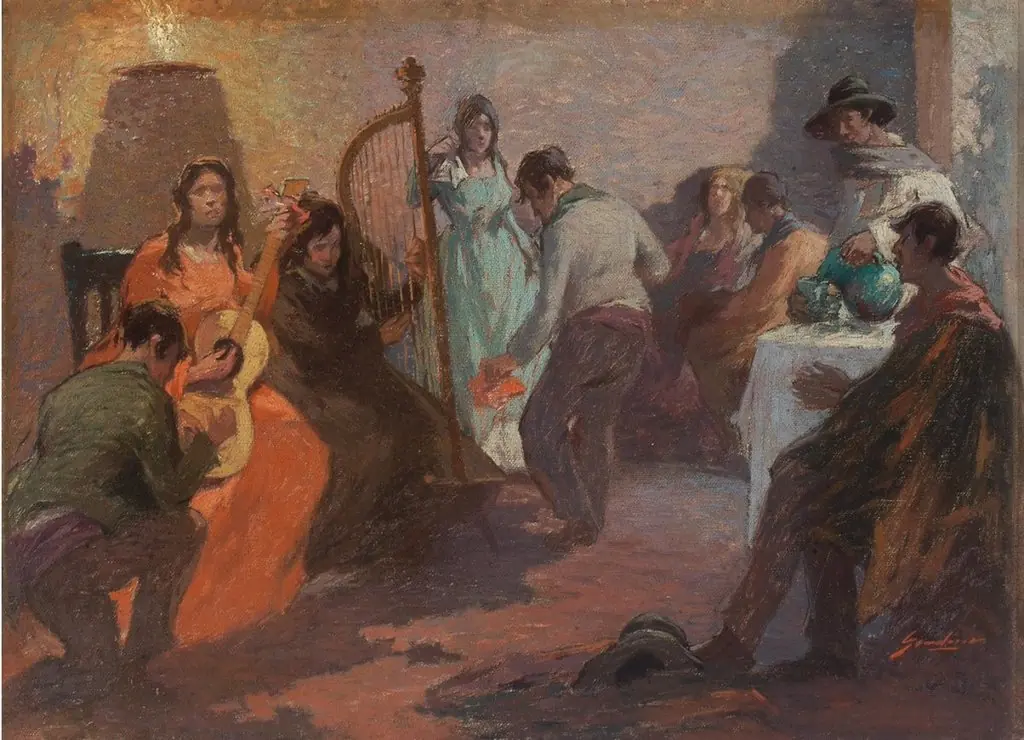 La Zamacueca
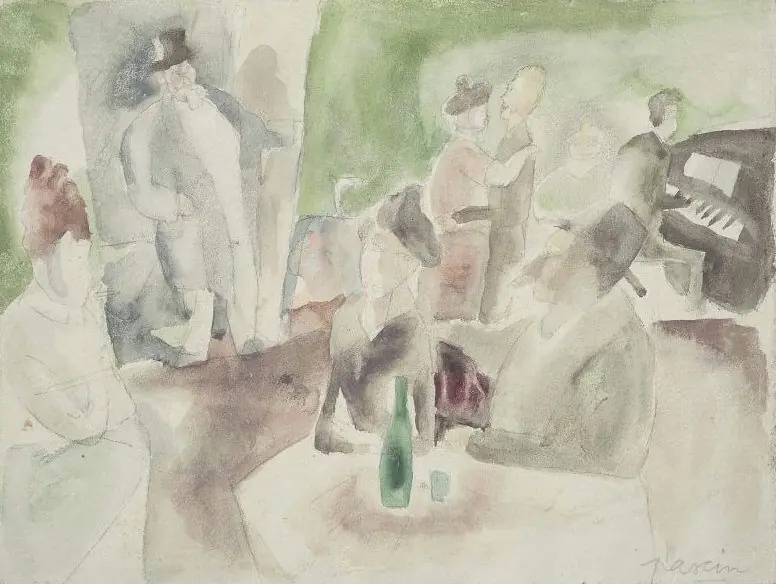 Café scene
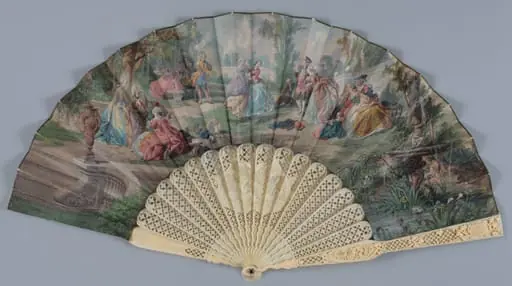 Eventail plié
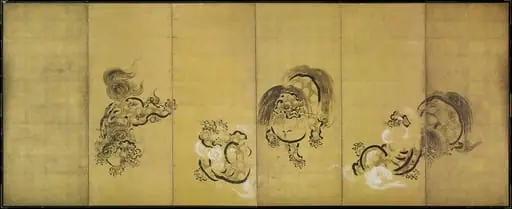 舞楽図屏風 ・唐獅子図屏風|Bugaku Dances (front); Chinese Lions (reverse)
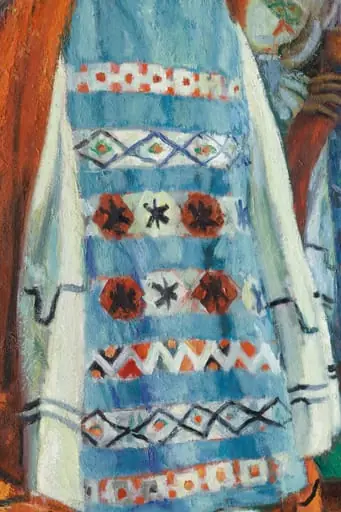 Dans românesc
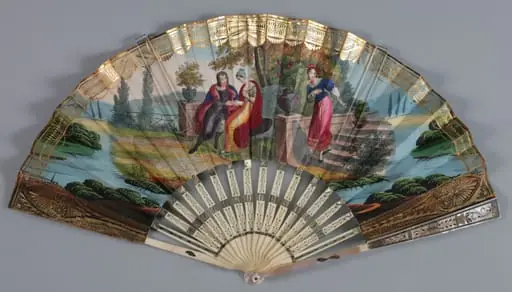 Eventail plié
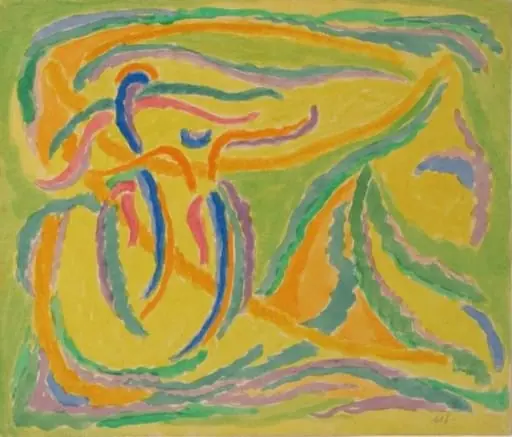 Compoziție - Dans
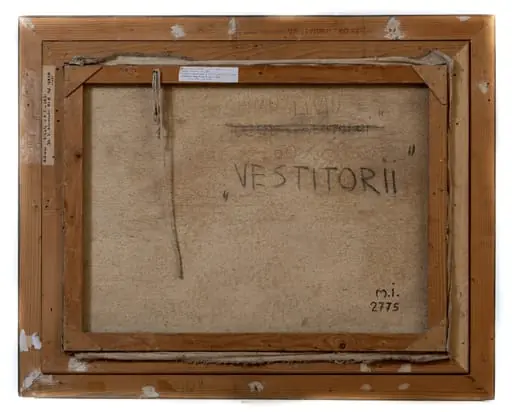 Vestitorii
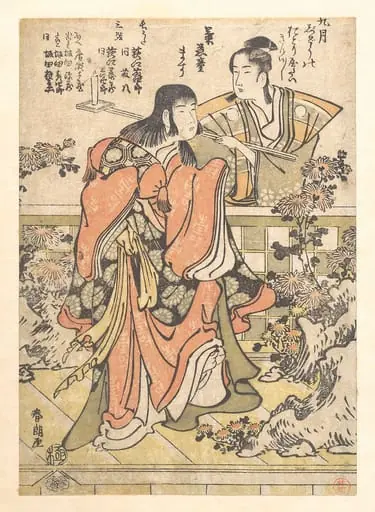 Untitled
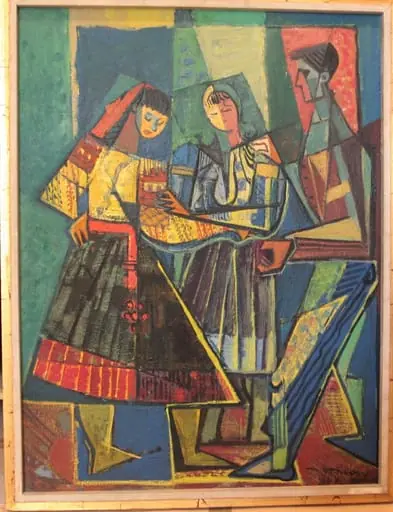 Lecția de dans
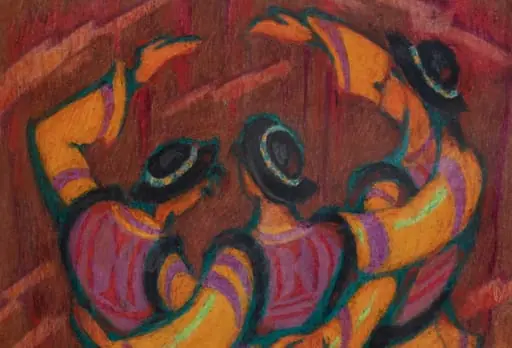 Joc românesc
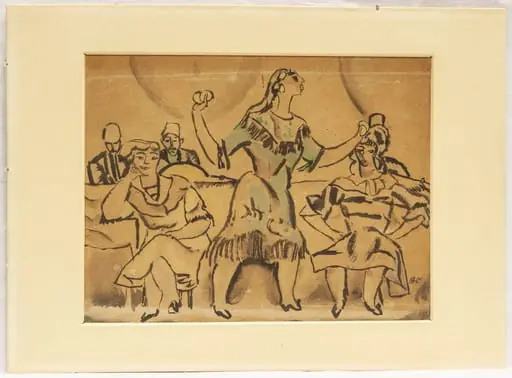 Dans
Dans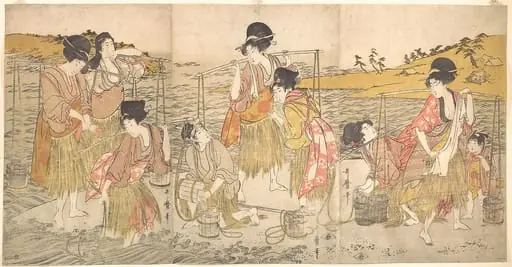 Untitled
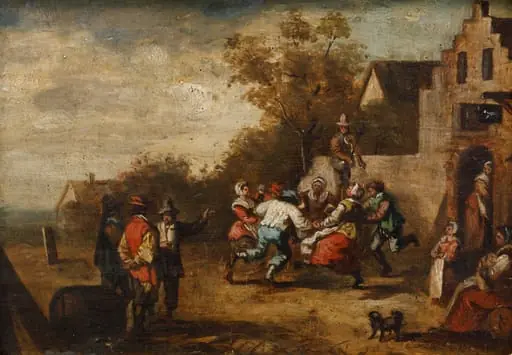 Petrecere
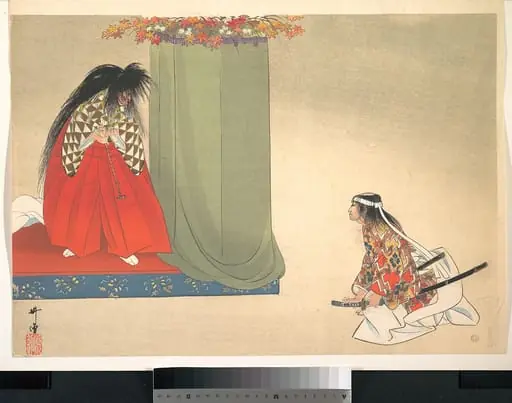 Untitled
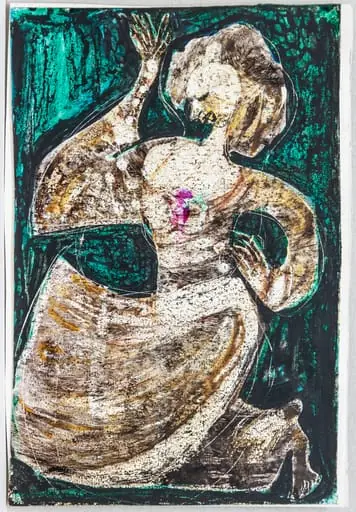 Dans II
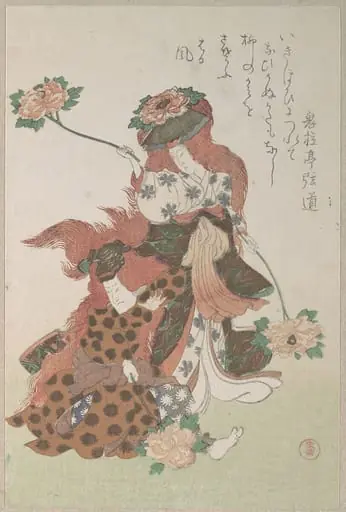 石橋物|Two Dancers Performing a “Shakkyōmono” Kabuki Dance, from Spring Rain Surimono Album (Harusame surimono-jō), vol. 3
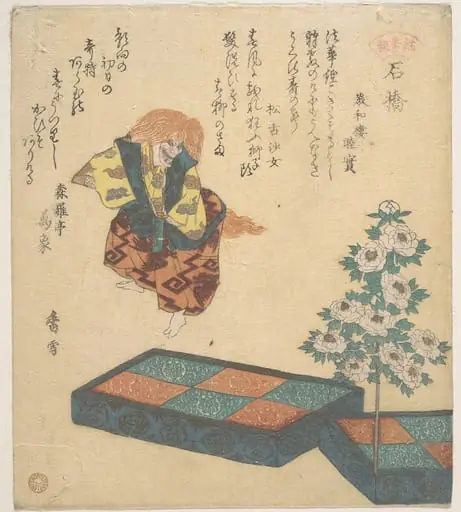 Untitled
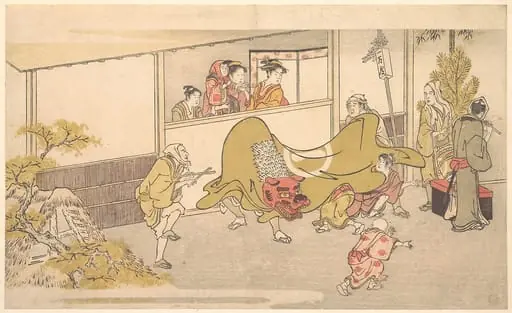 Untitled
 Shiokumi|Dance of the Beach Maidens
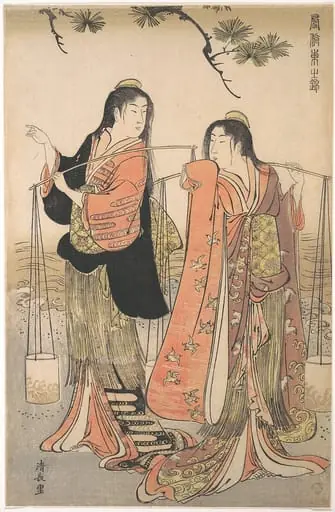 Shiokumi|The Dance of the Beach Maidens from the series Brocade of the East
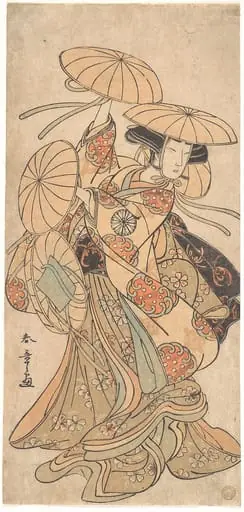 初代中村富十郎|Kabuki Actor Nakamura Tomijūrō I in a Female Dance Role
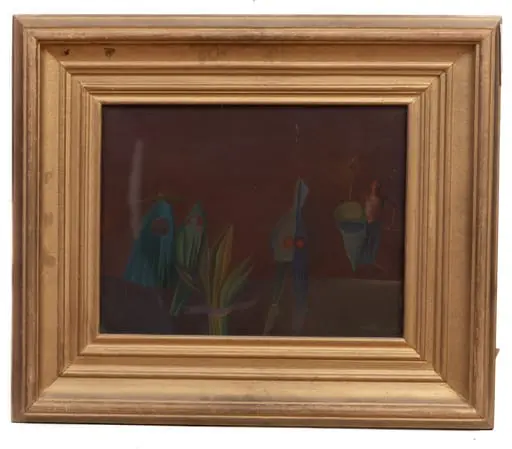 Sarabandă
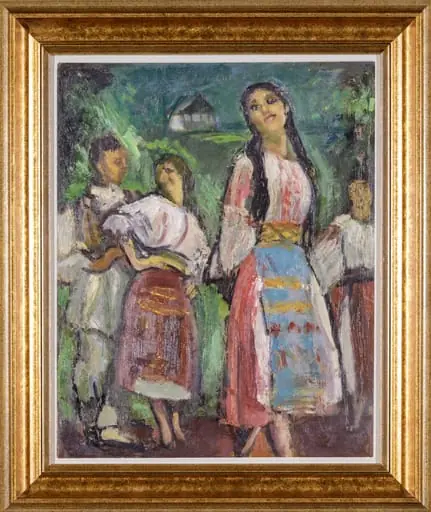 Dans românesc
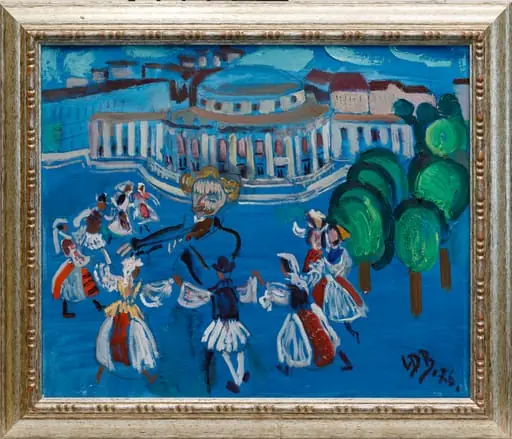 Dans românesc
Frequently asked questions
What is Dance?
Dance as an artistic subject encompasses both sacred performance and secular festivity, appearing from ancient Greek vase painting through Matisse's monumental canvas La Danse (1910).
How many Dance works does Artifact World Gallery have?
Artifact World Gallery holds 80 public-domain Dance works, all free to view and download.
Who are the key Dance artists?
Key Dance artists in the collection include Thomas Eakins, Henry Bone and Edgar Degas.
Where can I see Dance works?
Dance works in the collection are held by Metropolitan Museum of Art, National Museum of Art of Romania and Moldova National Museum Complex.