Subject
Ensemble
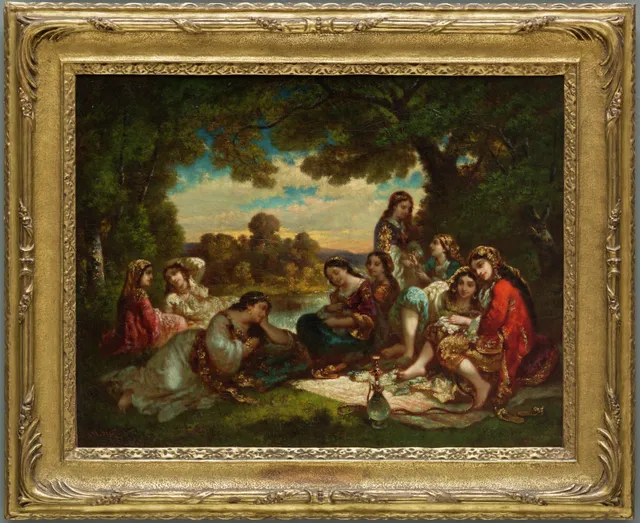
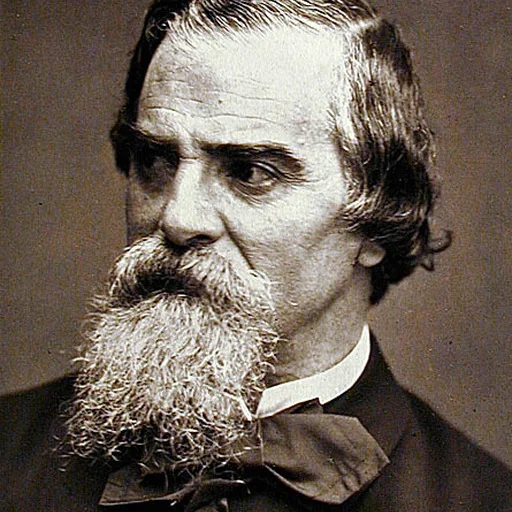
Ensemble is a subject in art. The gallery holds 97 works in this subject in art, including works by Dirck Hals, Narcisse Virgilio Díaz and Franz Christoph Janneck.
In the visual arts, the "ensemble" most often appears as a gathered company making or enjoying music — a subject that crystallised in the Renaissance and flourished across the Baroque. Its lineage runs back to the Venetian "concert" pictures of the early sixteenth century, epitomised by Titian's pastoral *Concert champêtre*, in which music stands for harmony, love and sensual pleasure. Caravaggio (1571–1610) recast the theme indoors with *The Musicians* (or *Concert of Youths*, c. 1595), painted for the music-loving Cardinal Francesco Maria del Monte: lutenist, singers and a winged Cupid fuse allegory with the intimate reality of a rehearsal studio, the manuscripts before the boys set with love madrigals.
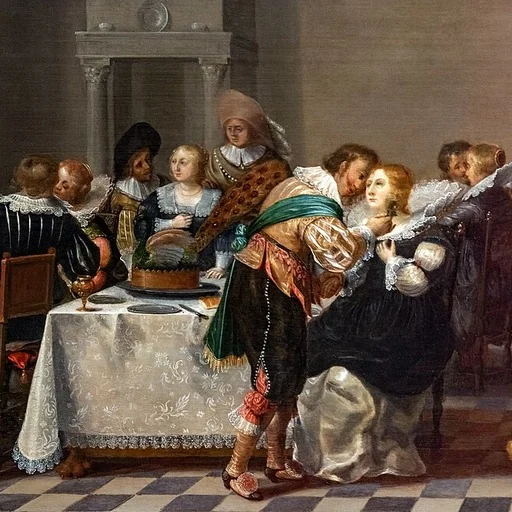
The richest development came in the Dutch Republic, where the "merry company" (Dutch *vrolijk gezelschap*) became a staple of Golden Age genre painting. Willem Pieterszoon Buytewech (1591/92–1624) was among the first specialists, his shallow interiors crowded with fashionable dandies and damsels enjoying wine, music and amorous play. Dirck Hals (1591–1656) of Haarlem made the subject his own, a pioneer of the conversation piece who staged elegant burghers at feasts and dances — as in our *Merry Company on a Terrace*. Instruments such as the lute, viol and virginal served as both ornaments of wealth and emblems of concord, often laced with moralising allusions to fleeting pleasure.
The genre was refined into quieter registers by Gerard ter Borch (1617–1681) and Johannes Vermeer, whose hushed "musical party" interiors reduce the crowd to one or two figures absorbed in playing, lending a commonplace motif lasting pictorial order. In eighteenth-century France the theme blossomed anew as the *fête galante*: when Antoine Watteau (1684–1721) presented his idylls of elegantly dressed figures and outdoor music-making, the Académie Royale created a new category for them in 1717, the year of his *Embarkation for Cythera*. Watteau's revellers strum theorbos, musettes and flutes in dreamlike parklands.
This tradition of the painted ensemble — Venetian concert, Dutch merry company and French *fête galante* alike — shaped European genre painting for two centuries and persists in our holdings by Franz Christoph Janneck and François-Nicolas-Barthélemy Dequevauviller, whose *L'assemblée au concert* carries the convivial music-making of the salon into the age of the engraving.
Key artists
Works
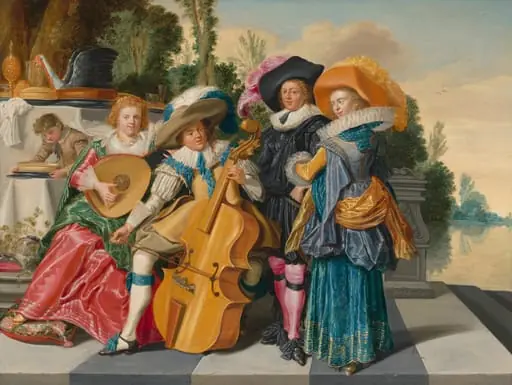 Merry Company on a Terrace
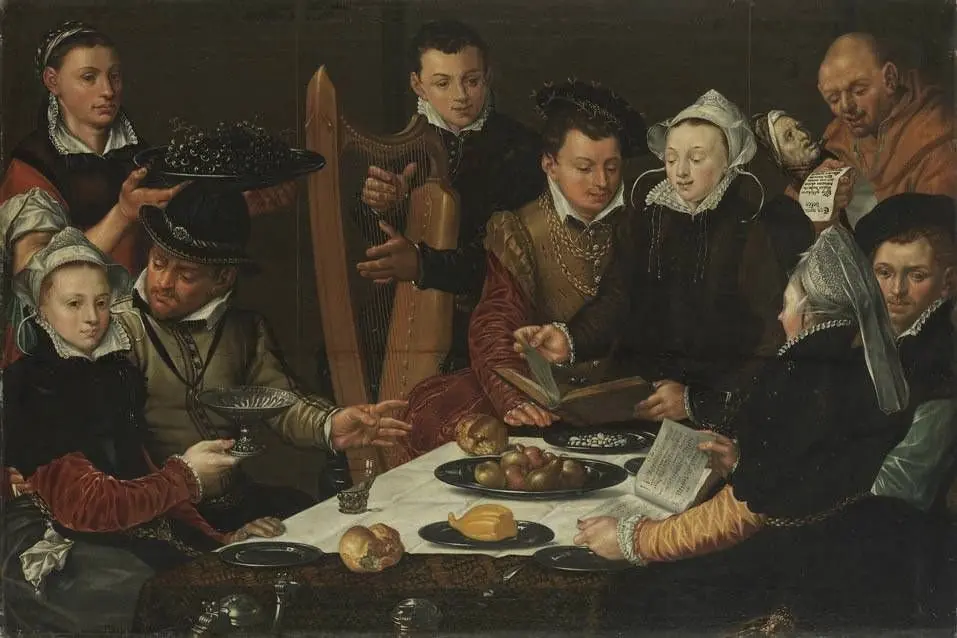 Musikalische Gesellschaft
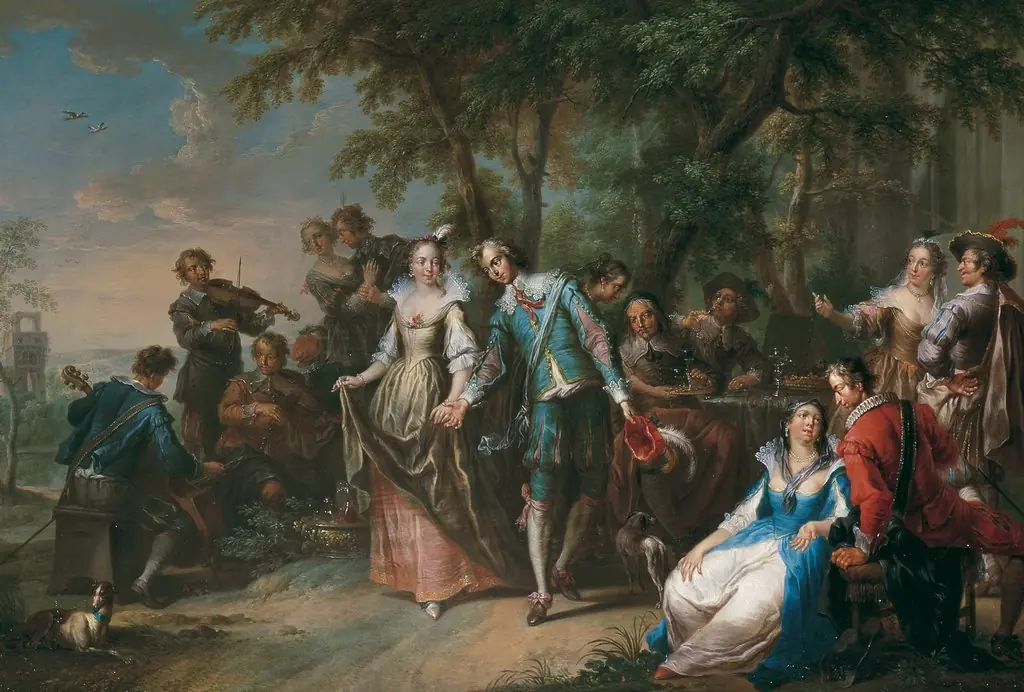 Elegant company dancing and drinking at the edge of a forest
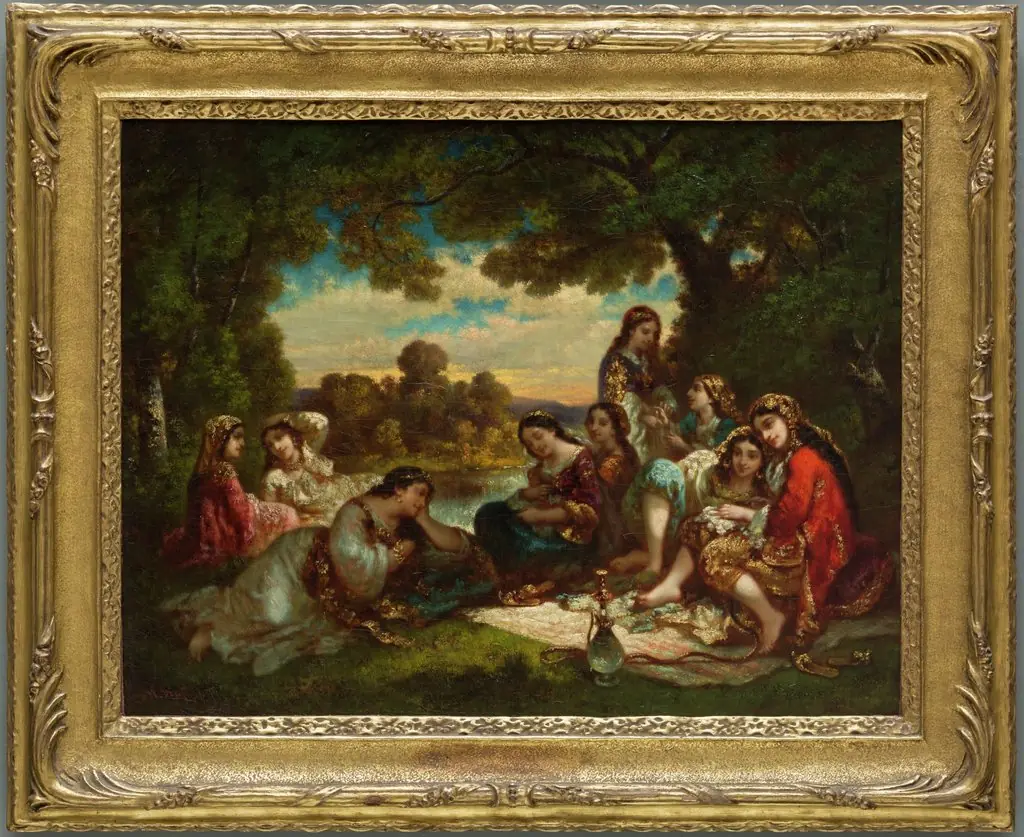 Turkish Women
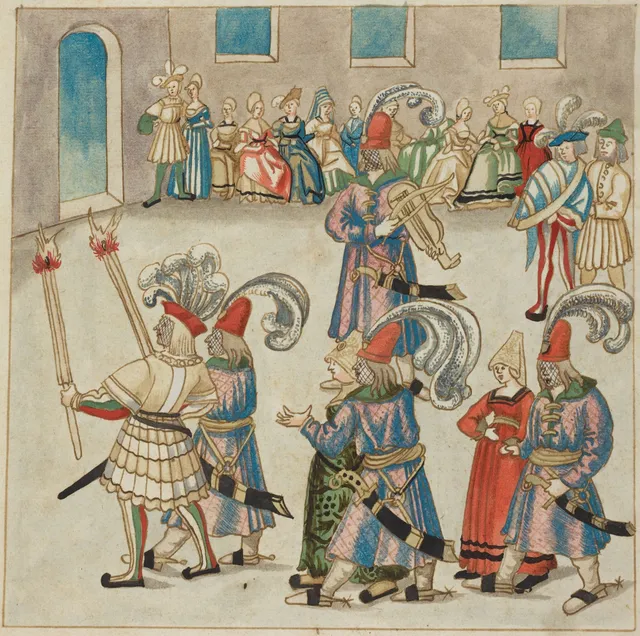
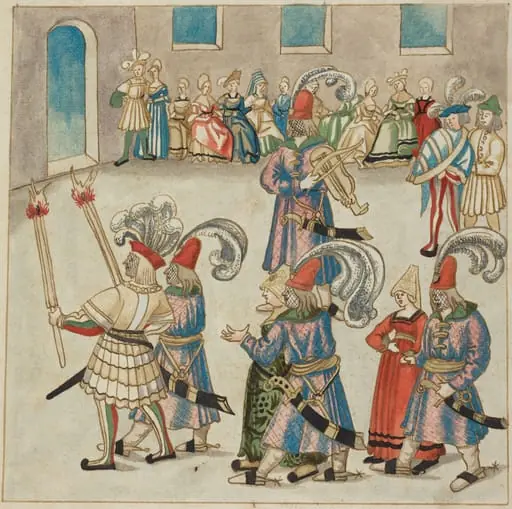 Two Dancing Couples Led by Torch-bearing Knights
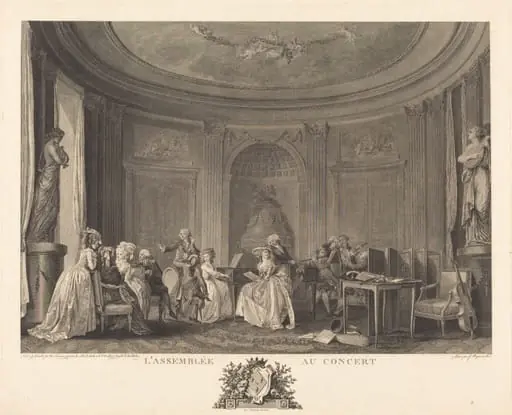 L'assemblee au concert
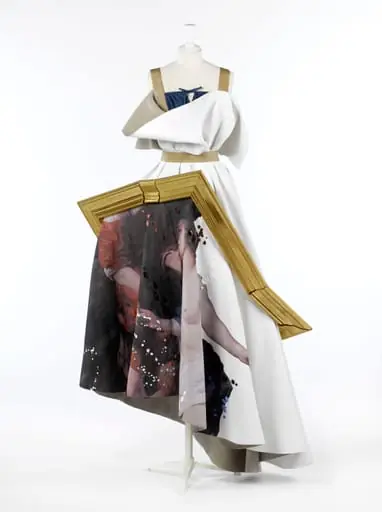 Sabina
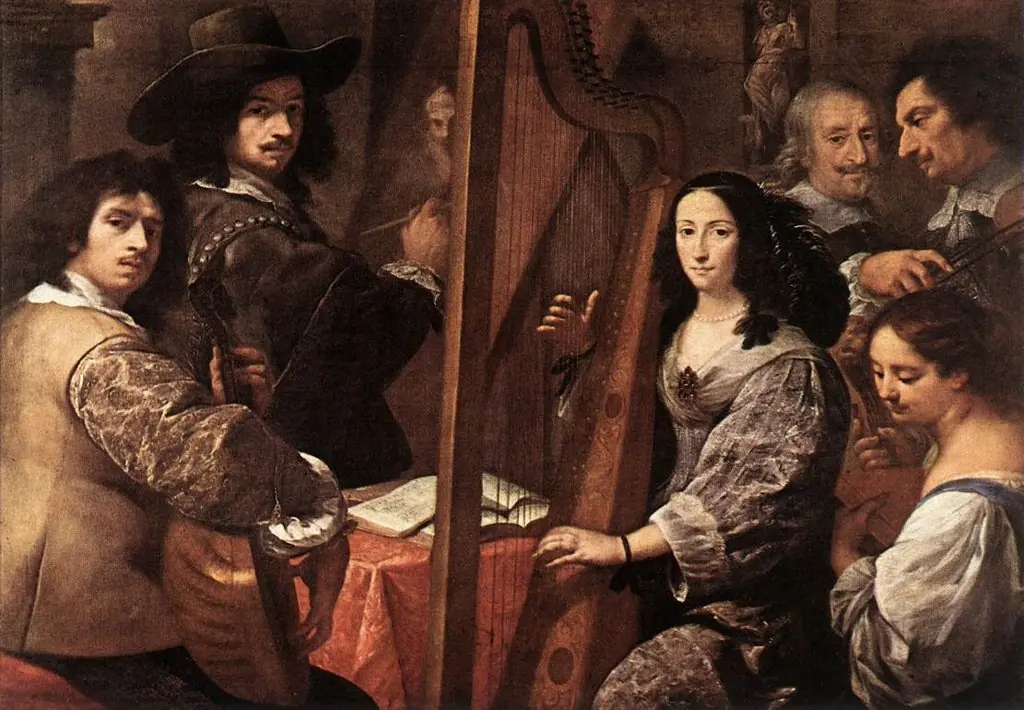 The Artist and his Family
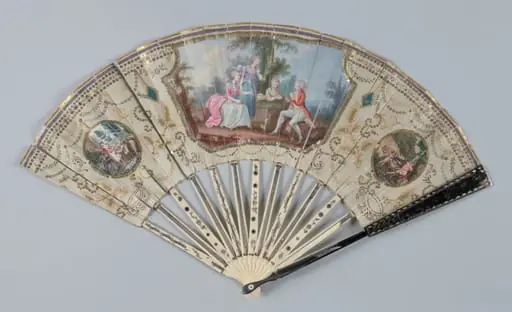 Eventail plié
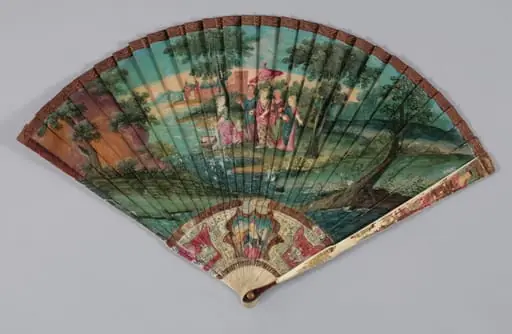 Eventail brisé
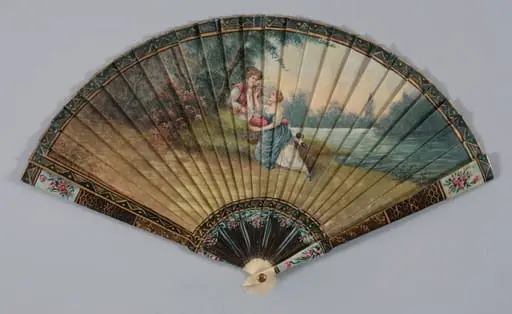 Eventail brisé
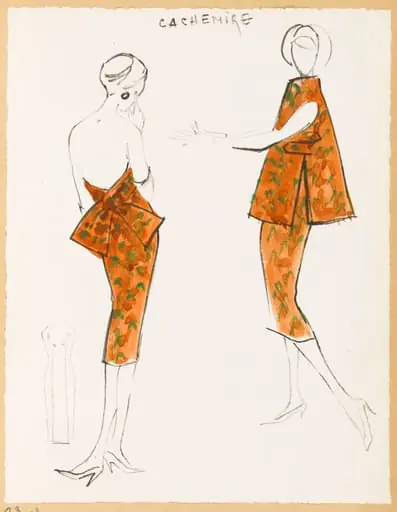 Cachemire
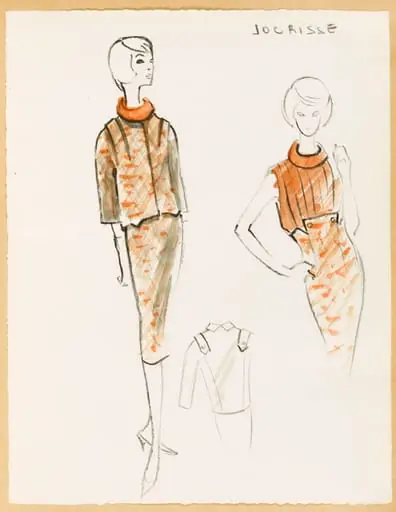 Jocrisse
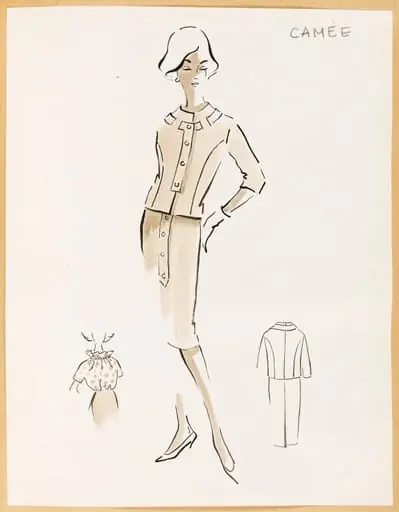 Camée
Camée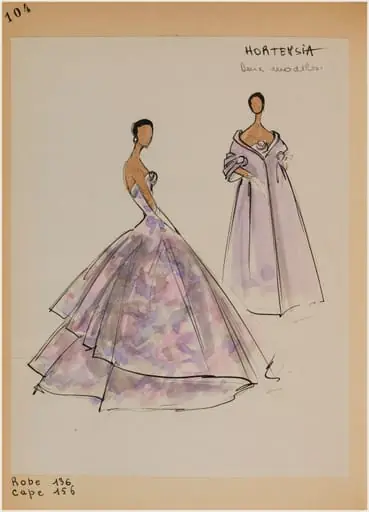 Hortensia
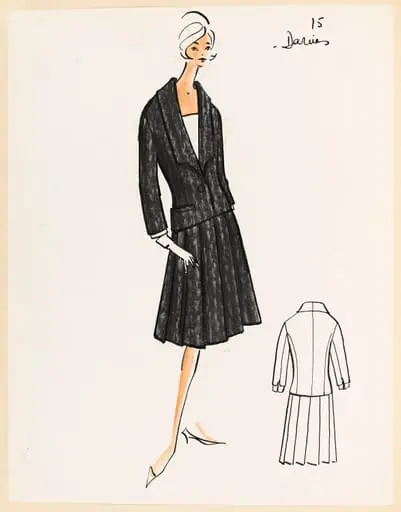 Darius
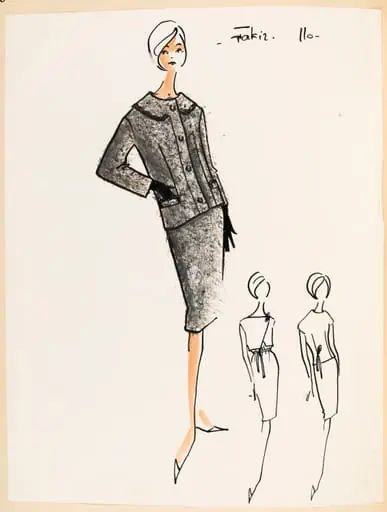 Fakir
Fakir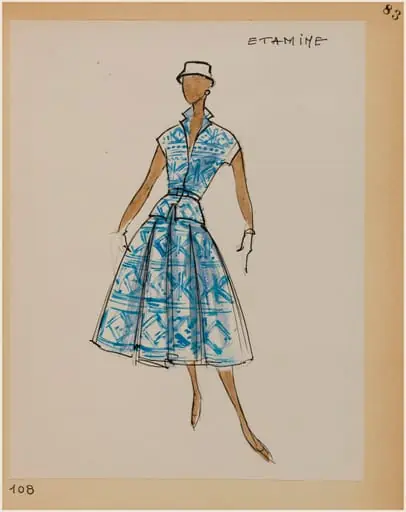 Etamine
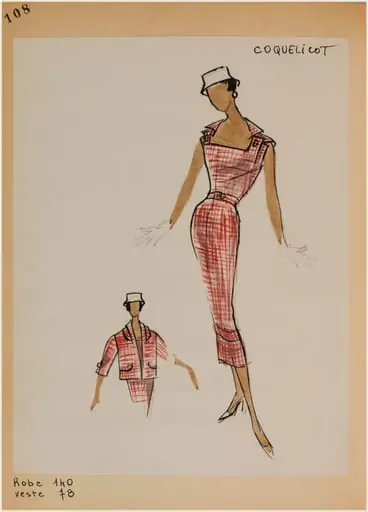 Coquelicot
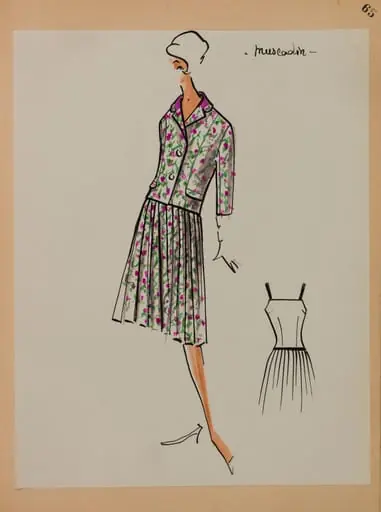 Muscadin
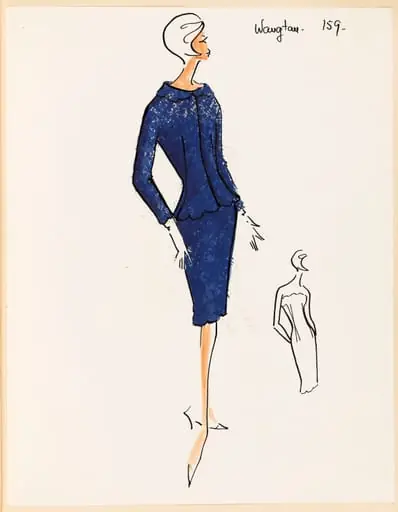 Wangtan
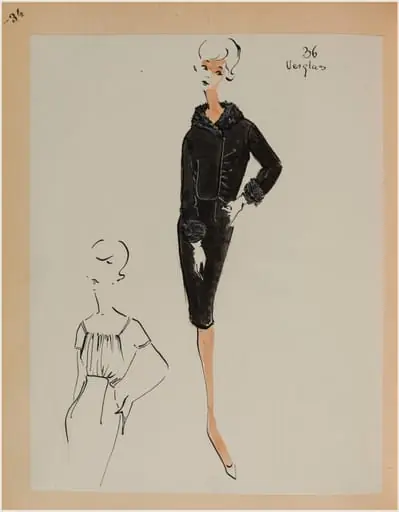 Verglas
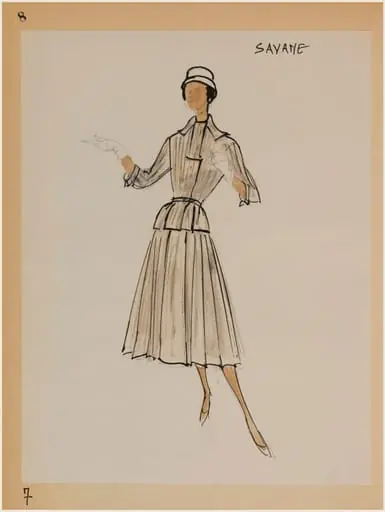 Savane
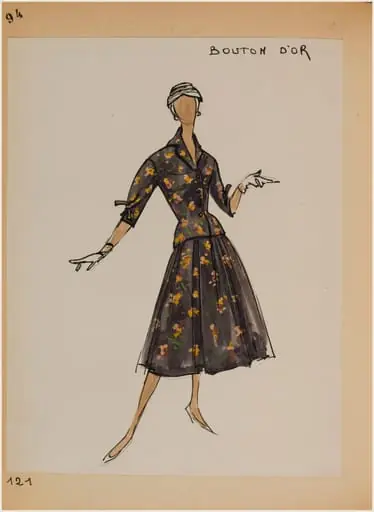 Bouton d'or
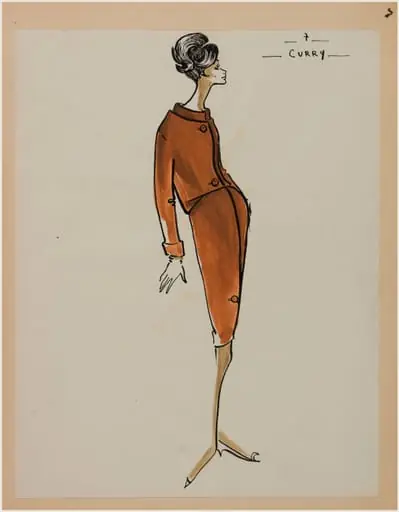 Curry
Curry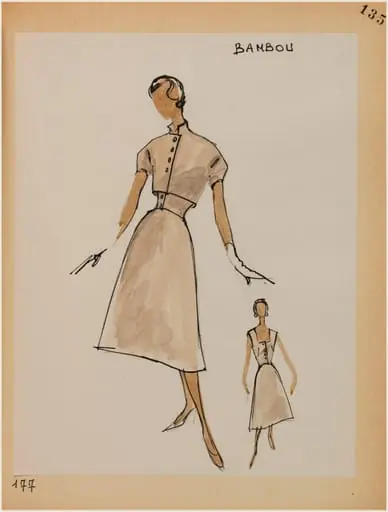 Bambou
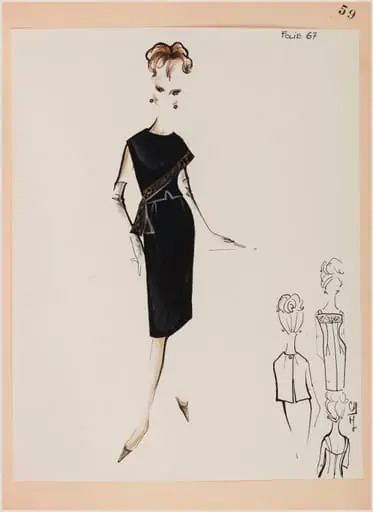 Folie
Folie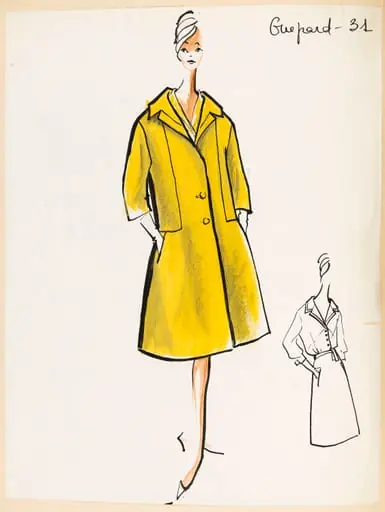 Guépard
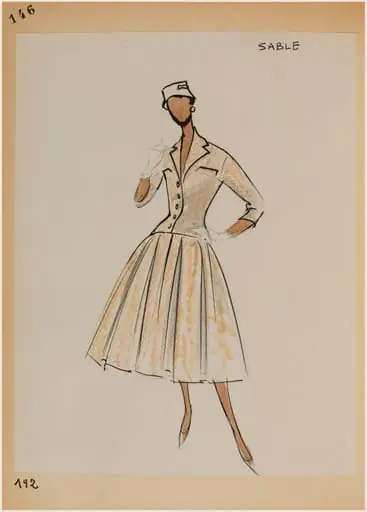 Sable
Sable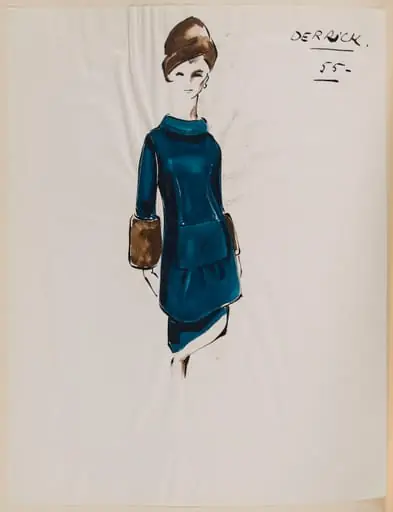 Derrick
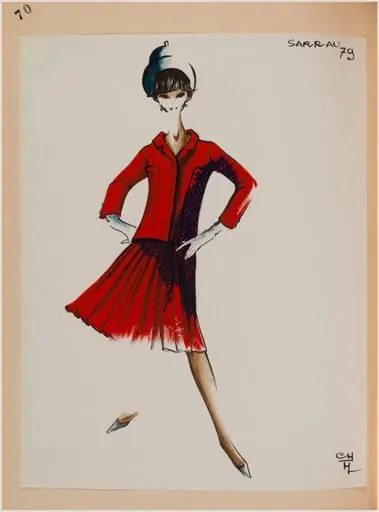 Sarrau
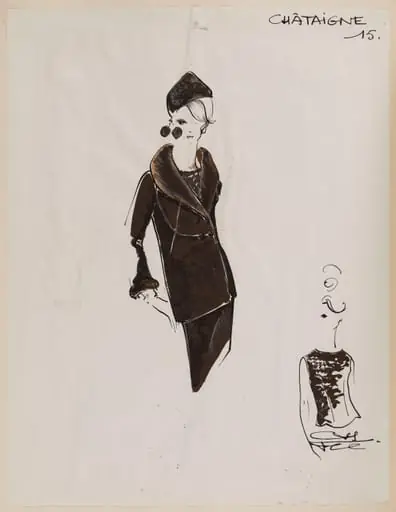 Châtaigne
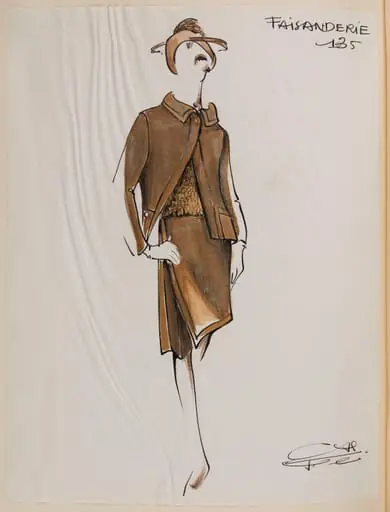 Faisanderie
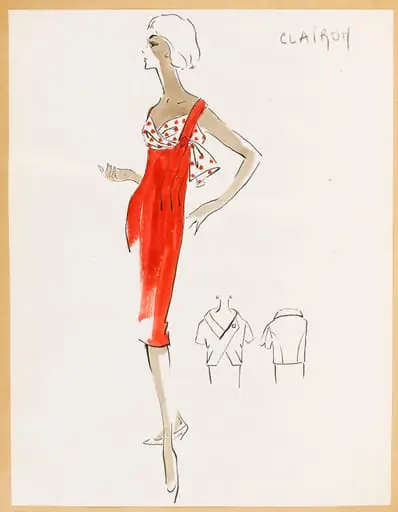 Clairon
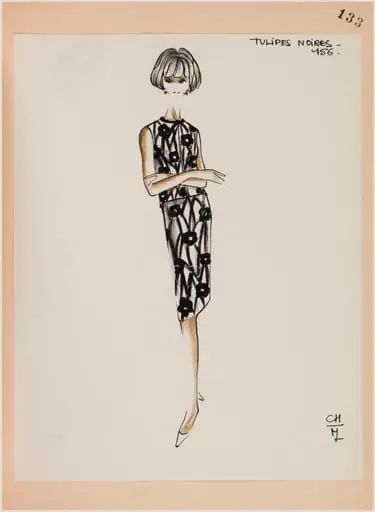 Tulipes noires
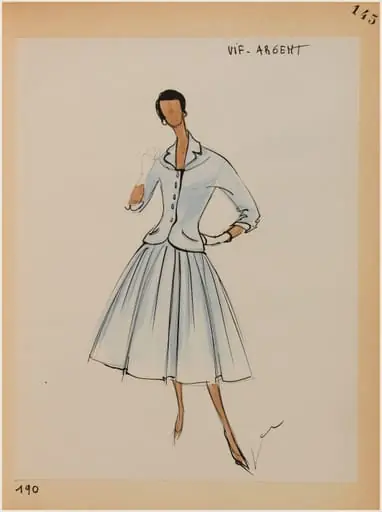 Vif-argent
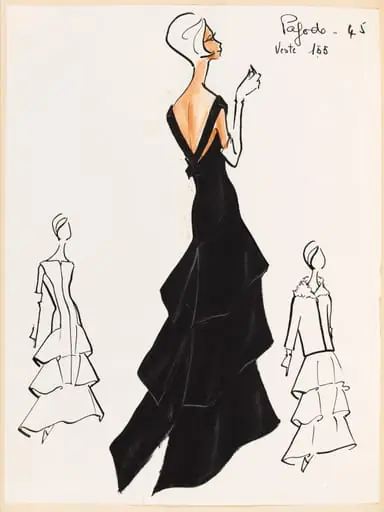 Pagode
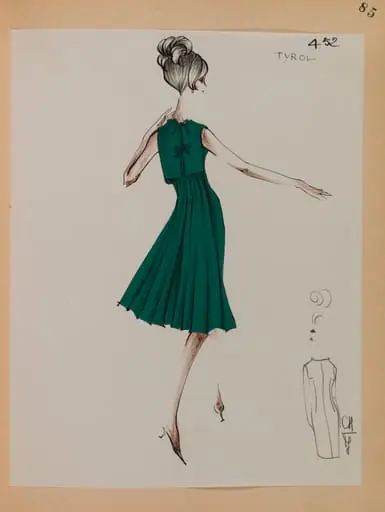 Tyrol
Tyrol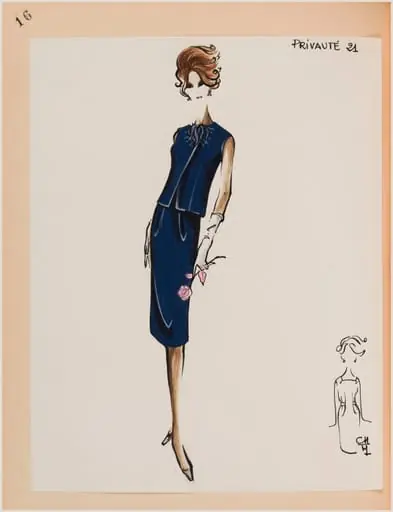 Privauté
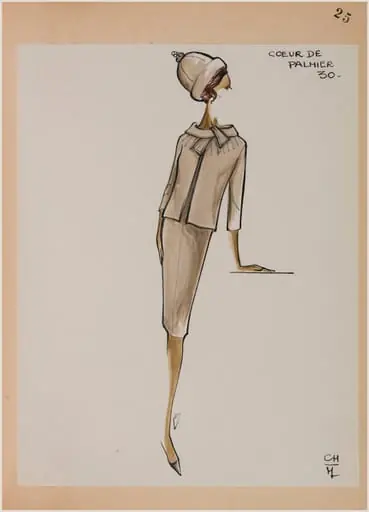 Coeur de palmier
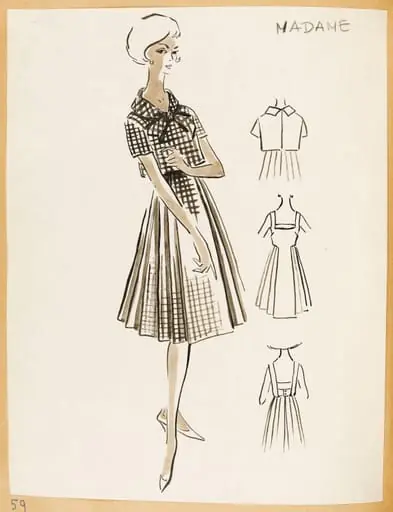 Madame
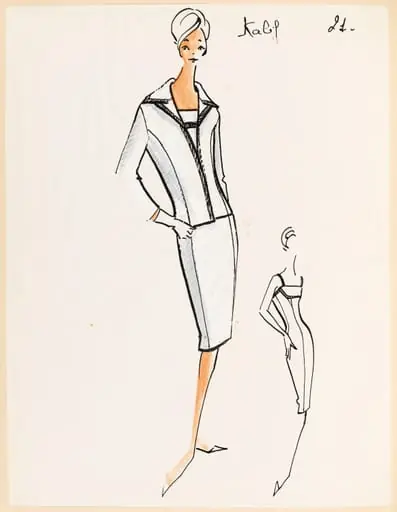 Kalif
Kalif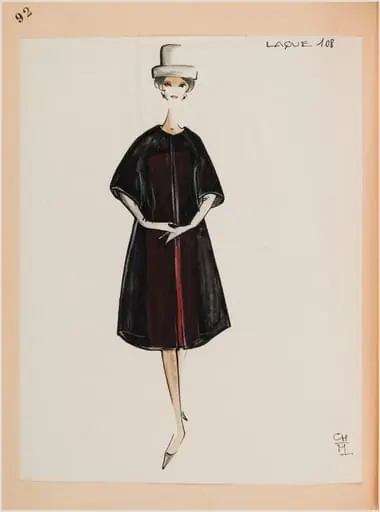 Laque
Laque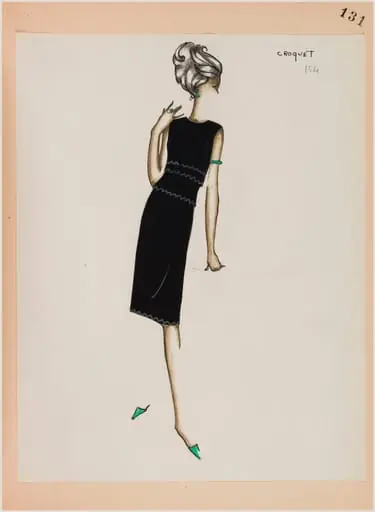 Croquet
 Paillote
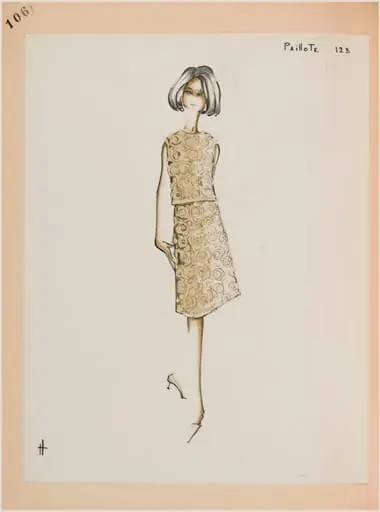
 Assouan
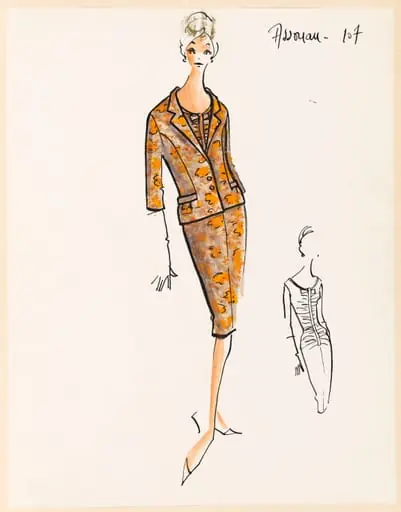
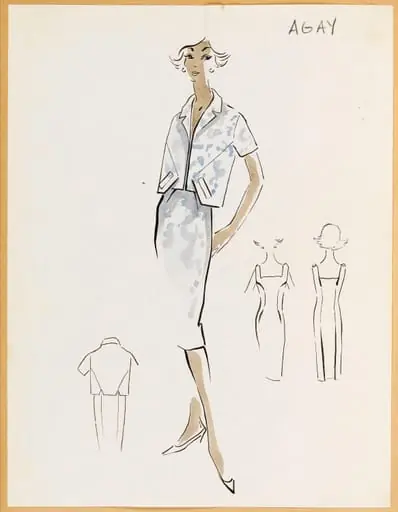 Agay
Agay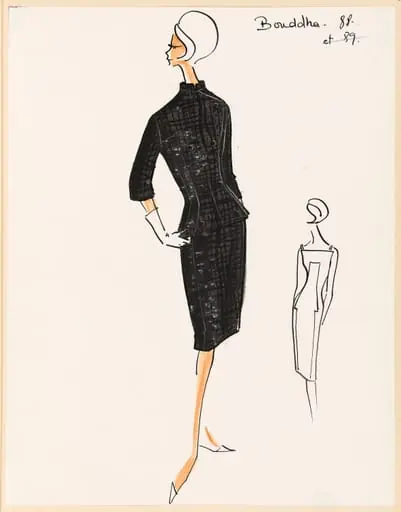 Bouddha
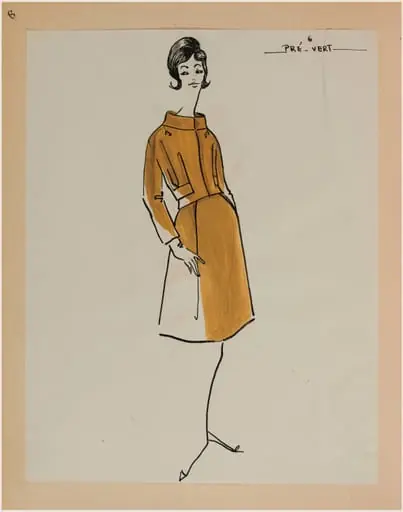 Pré-vert
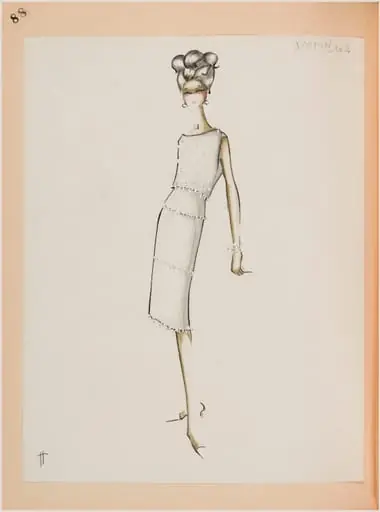 Jasmin
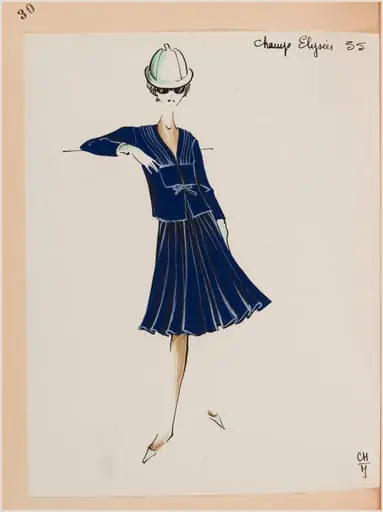 Champs Elysées
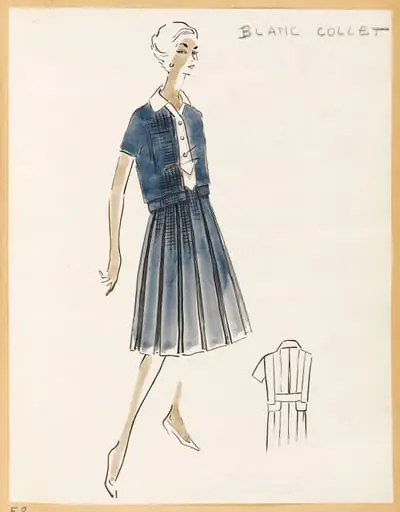 Blanc collet
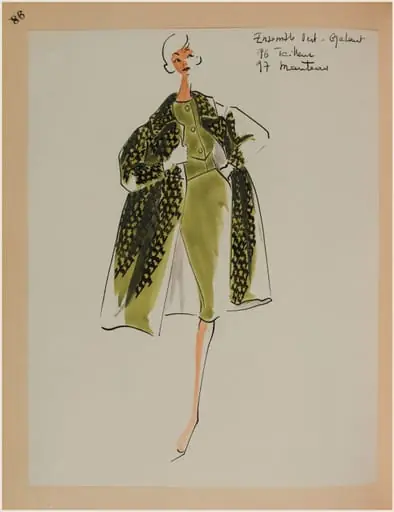 Ensemble vert galant tailleur et manteau
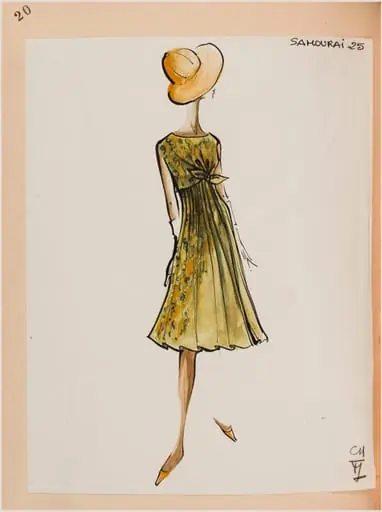 Samourai
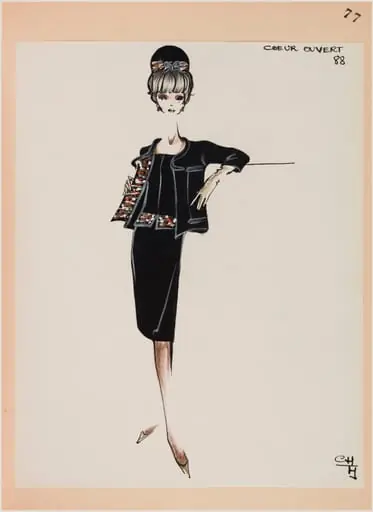 Coeur ouvert
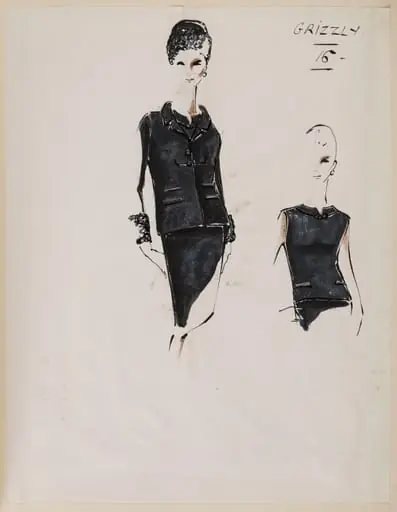 Grizzly
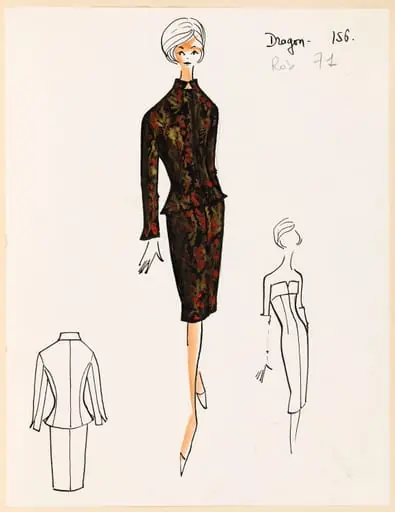 Dragon
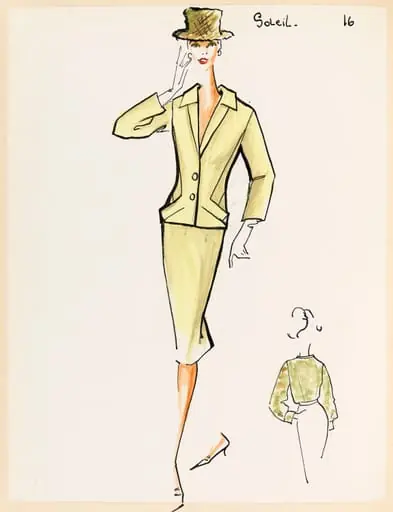 Soleil
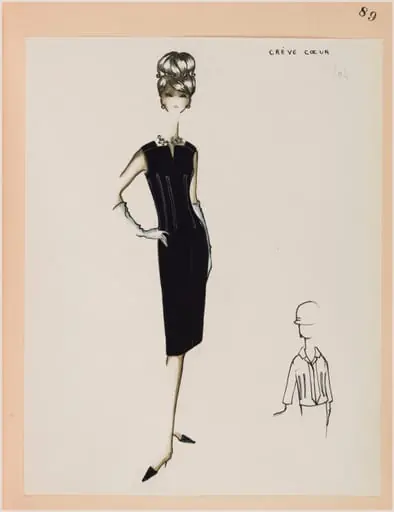 Crève coeur
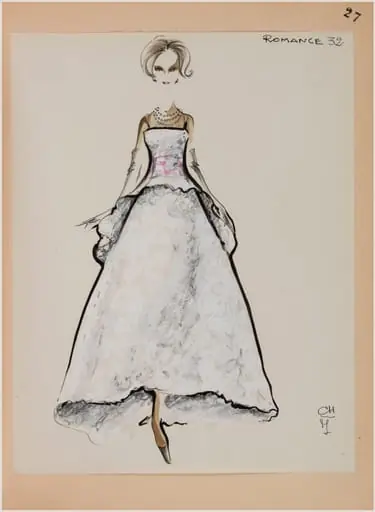 Romance
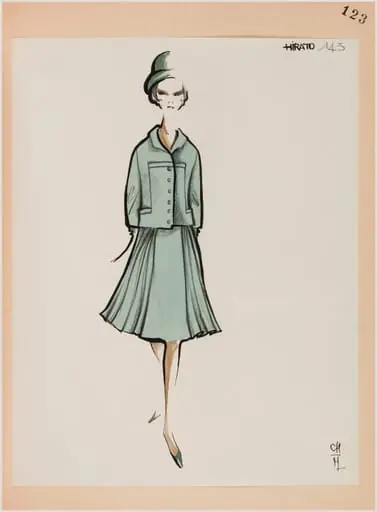 Hirato
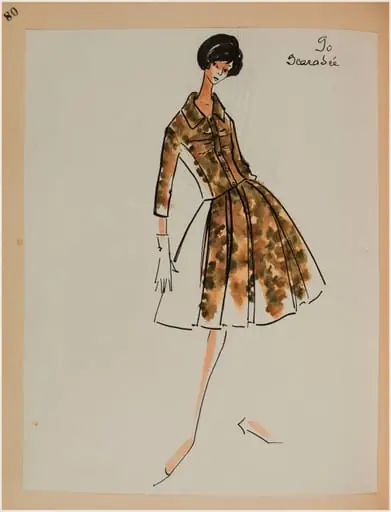 Scarabée
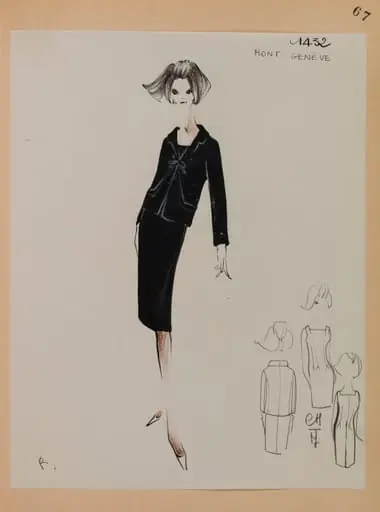 Mont Genève
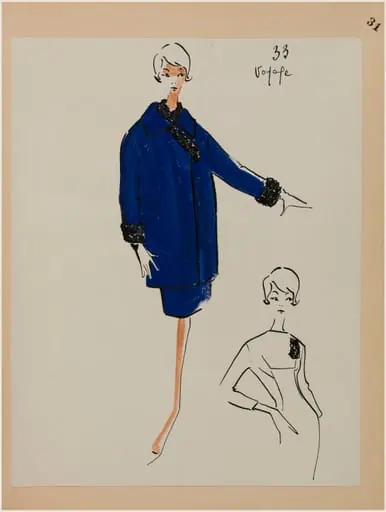 Voyage
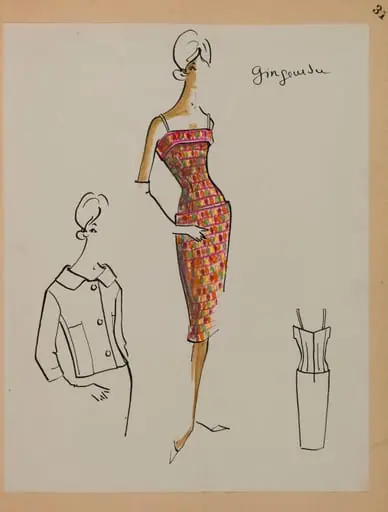 Gingembre
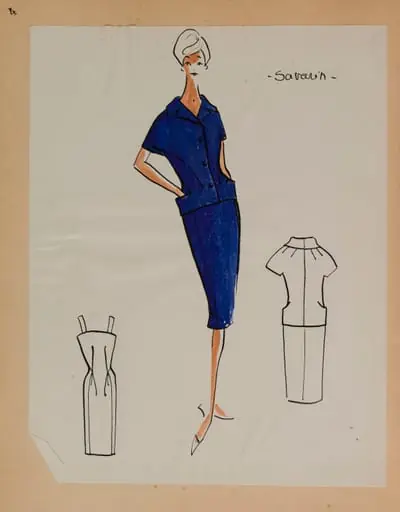 Savarin
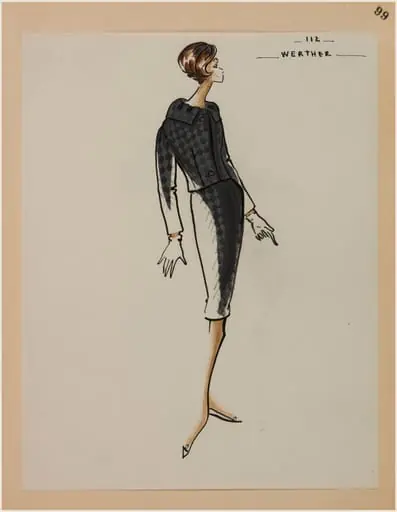 Werther
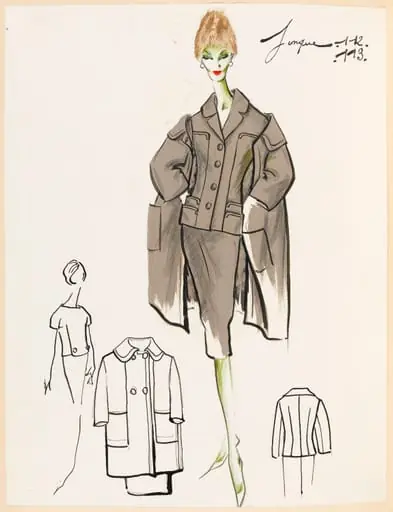 Jonque
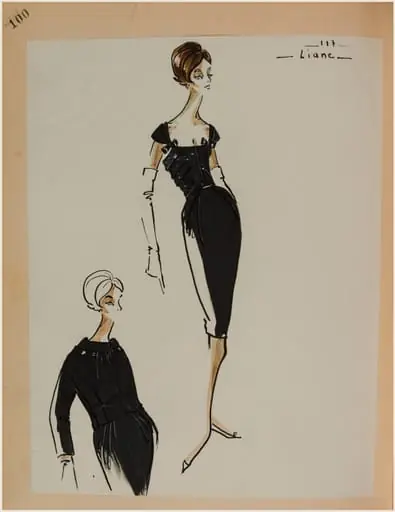 Liane
Liane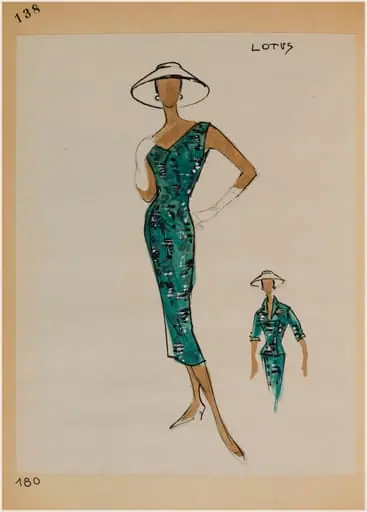 Lotus
Lotus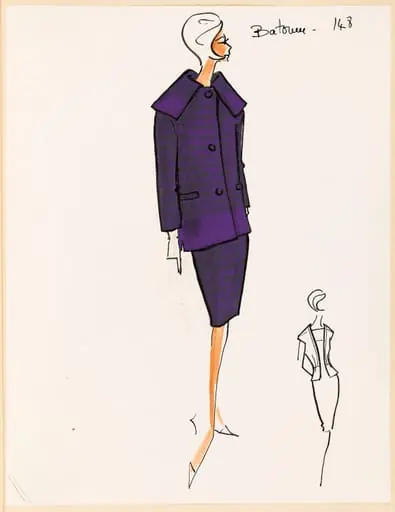 Batoum
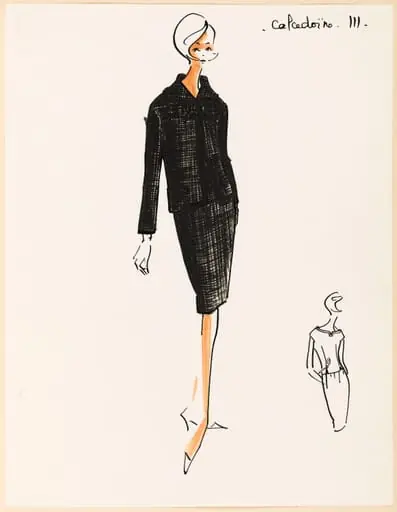 Calcédoine
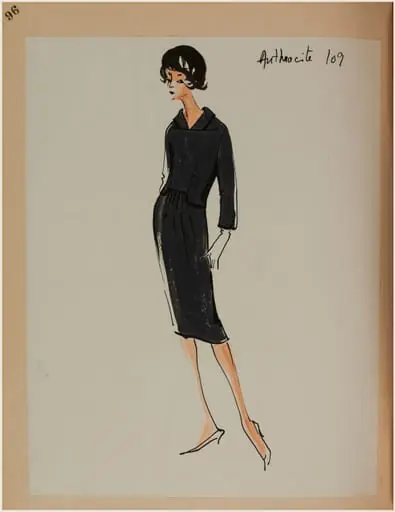 Anthracite
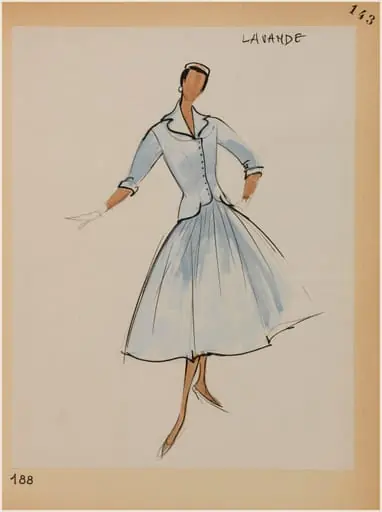 Lavande
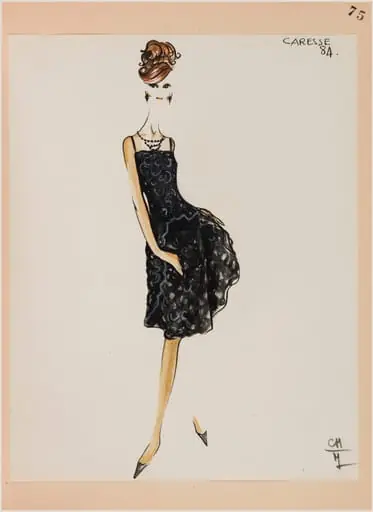 Caresse
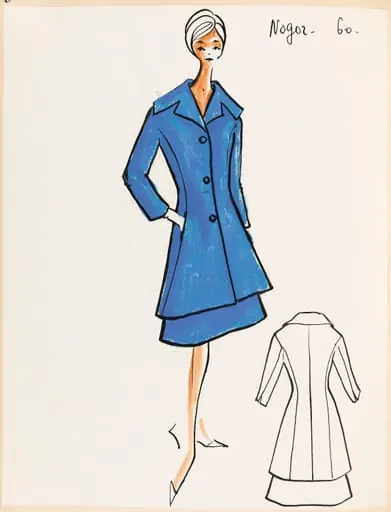 Nogor
Nogor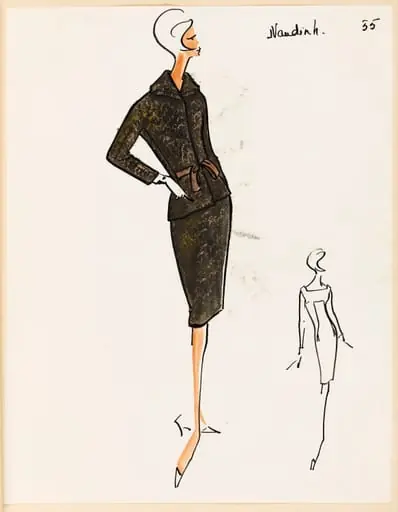 Nandinh
 Ensemble Picador au n° 74
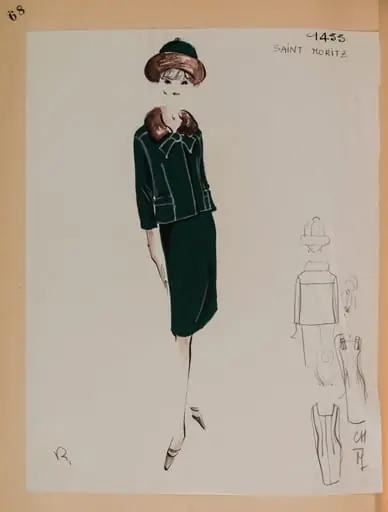 Saint Moritz
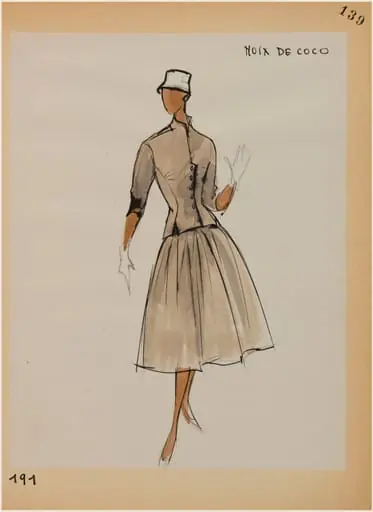 Noix de coco
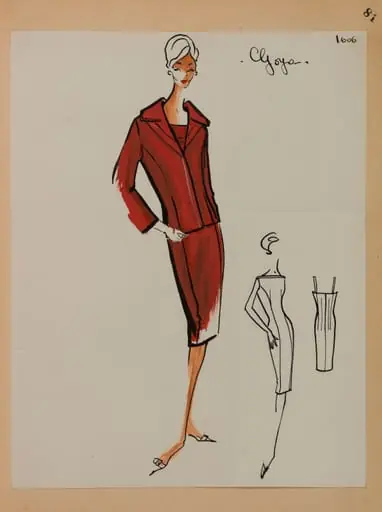 Goya
Goya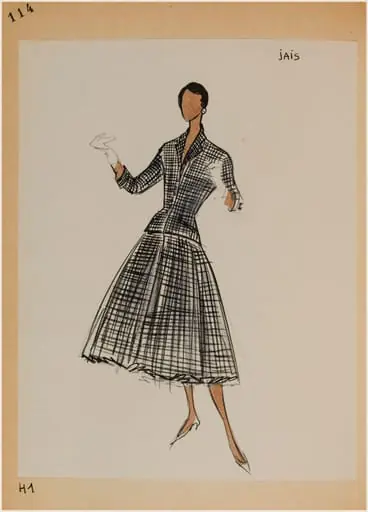 Jais
Jais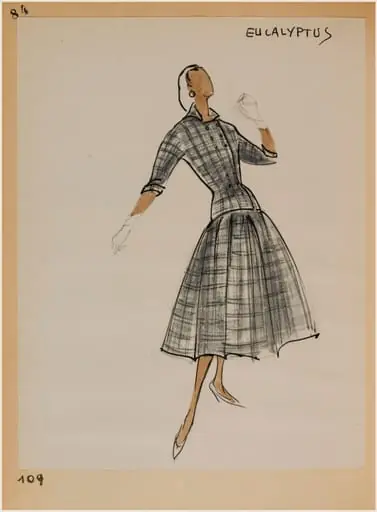 Eucalyptus
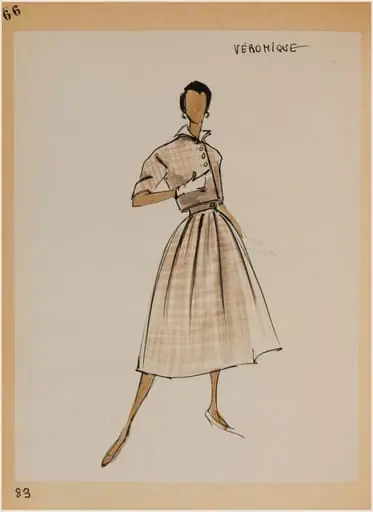 Véronique
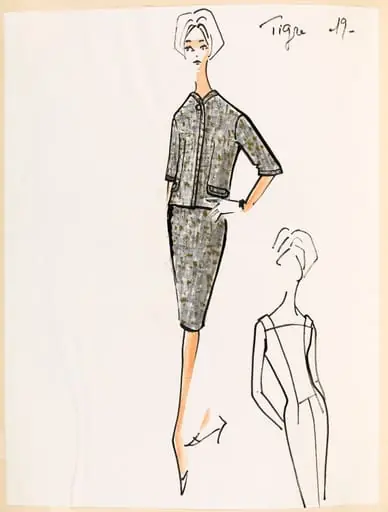 Tigre
Tigre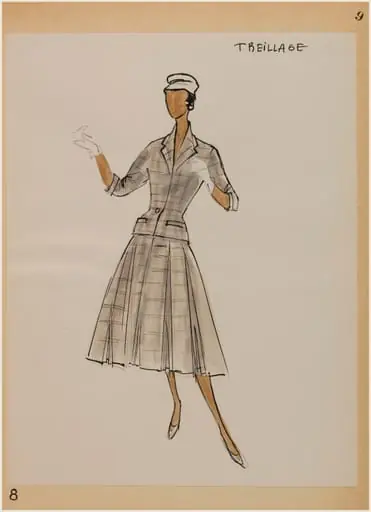 Treillage
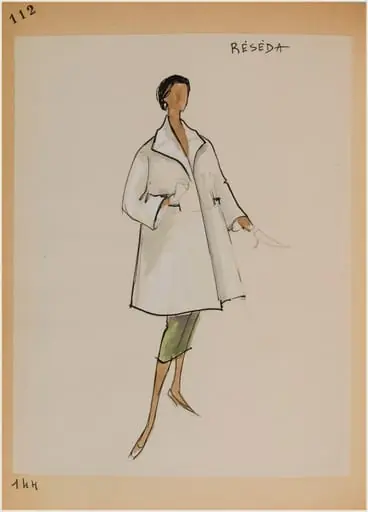 Réséda
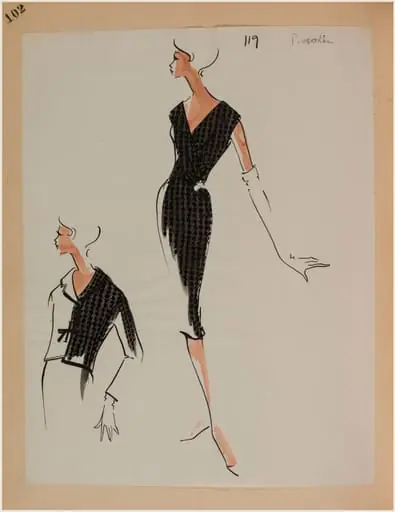 Pierralle
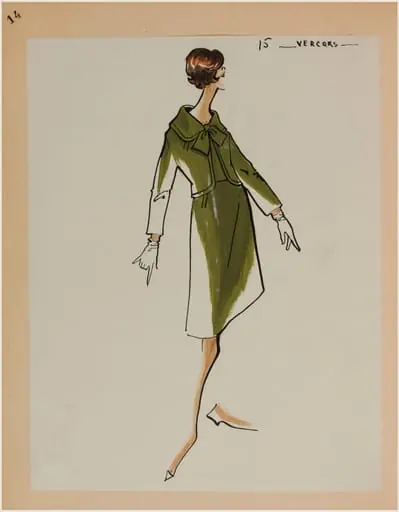 Vercors
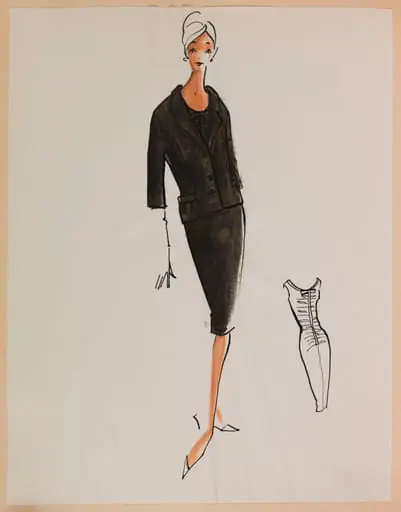 Ensemble robe ajustée et veste noires
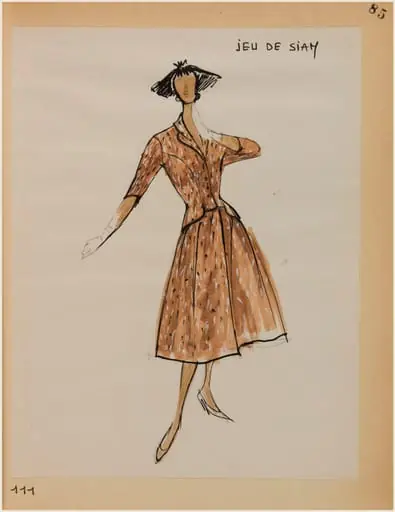 Jeu de Siam
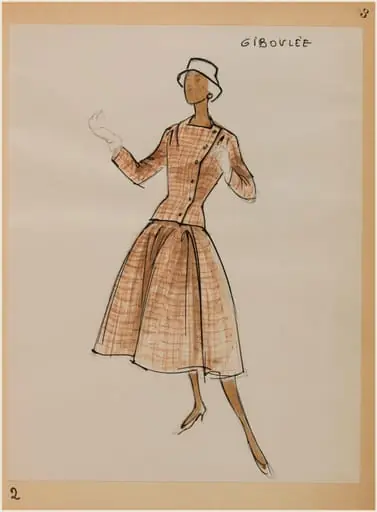 Giboulée
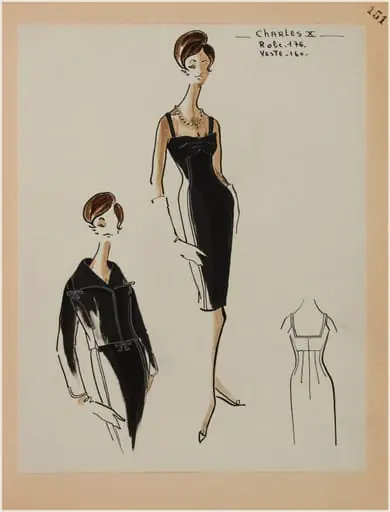 Charles X
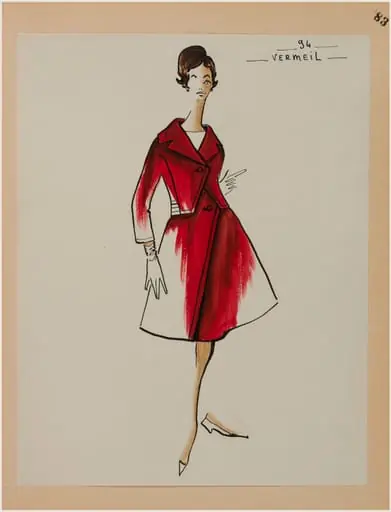 Vermeil
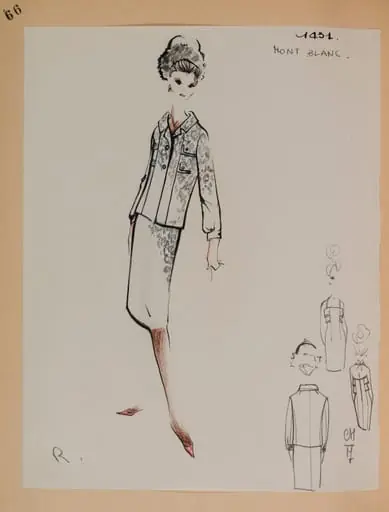 Mont Blanc
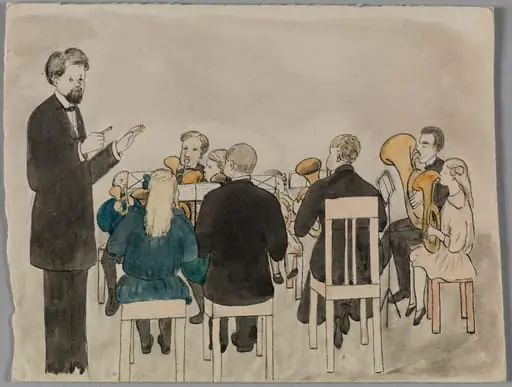 Käyrätorviorkesteri (Kansankorkeakoulun toverikunta)
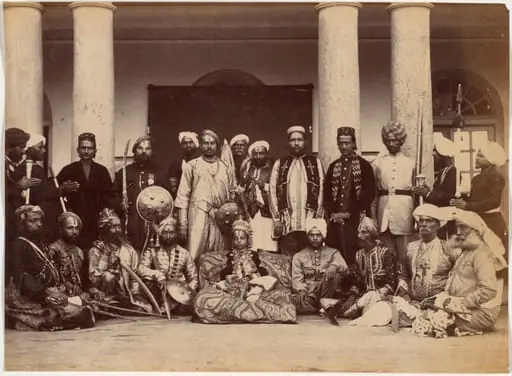 Maharaja of Rewa and Sardars
Frequently asked questions
What is Ensemble?
Ensemble is a subject in art. A musical ensemble, also known as a music group, musical group, or band, is a group of people who perform instrumental and/or vocal music, with the ensemble typically known by a distinct name.
How many Ensemble works does Artifact World Gallery have?
Artifact World Gallery holds 97 public-domain Ensemble works, all free to view and download.
Who are the key Ensemble artists?
Key Ensemble artists in the collection include Dirck Hals, Narcisse Virgilio Díaz and Franz Christoph Janneck.
Where can I see Ensemble works?
Ensemble works in the collection are held by Palais Galliera - Musée de la Mode de la Ville de Paris, National Gallery of Art and Kunsthistorisches Museum.