Artist
Subject
Satin
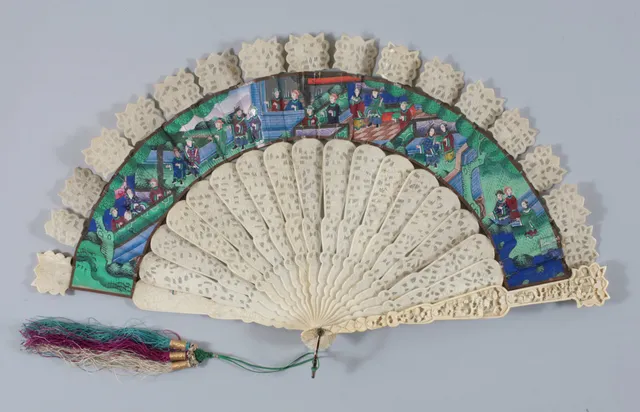
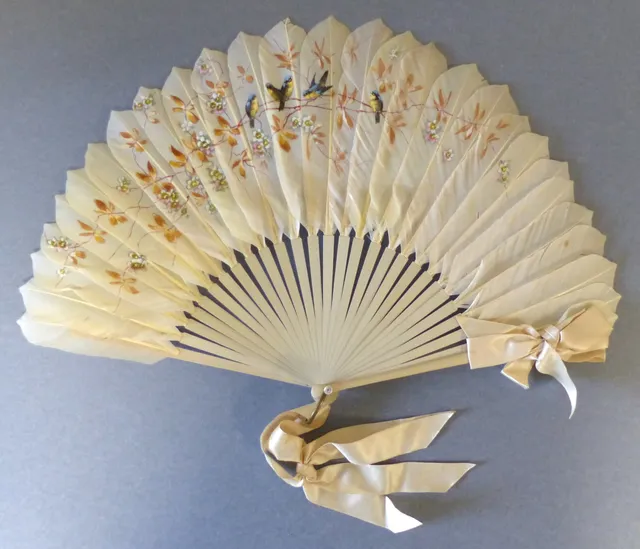
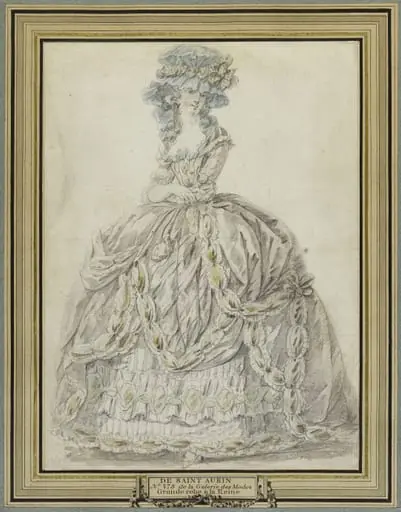
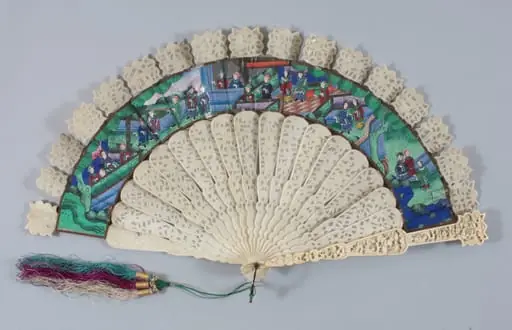
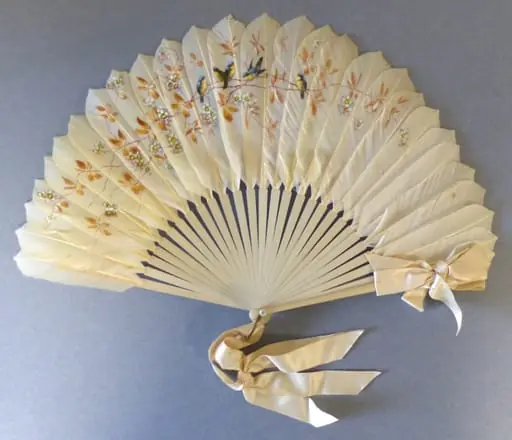
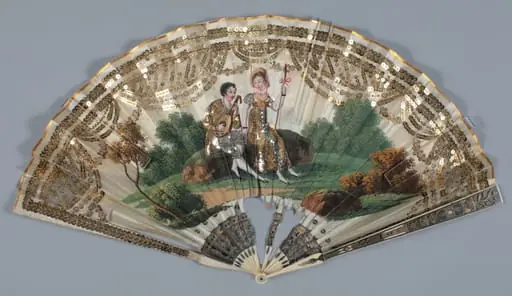
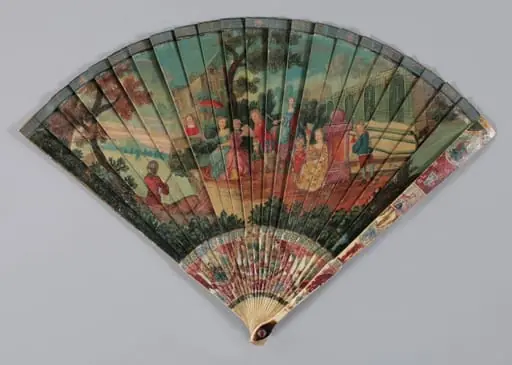
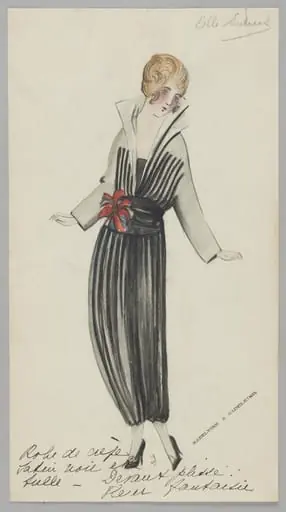
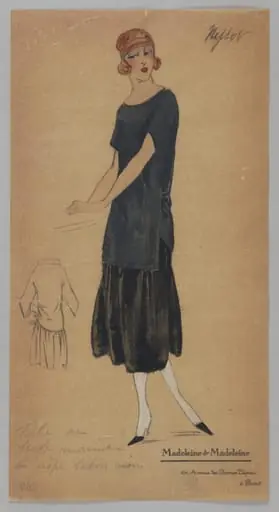
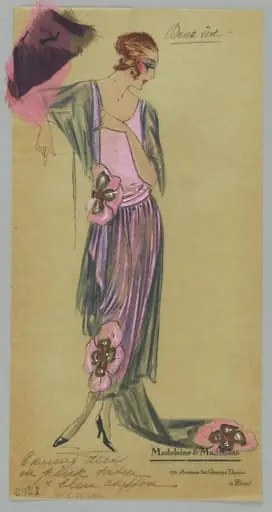
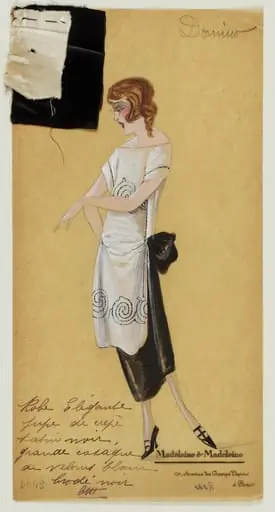
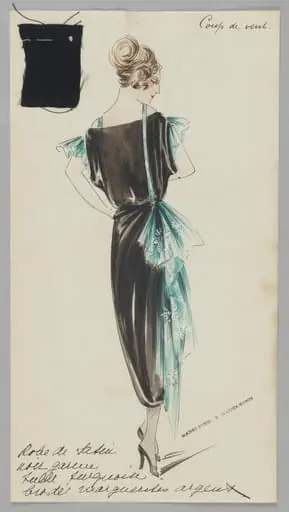
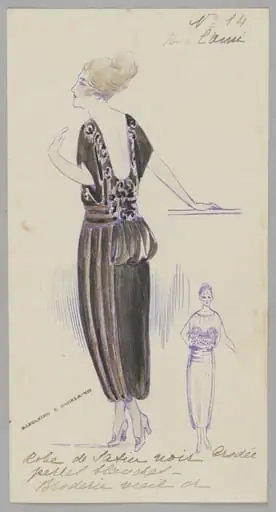
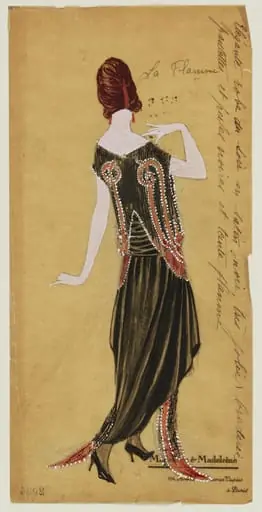
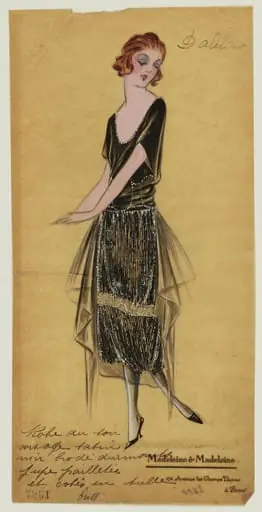
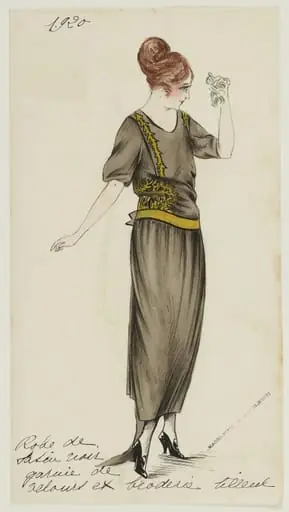
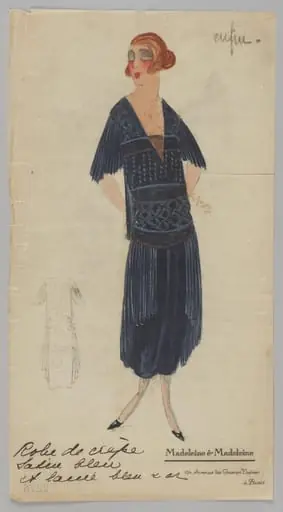
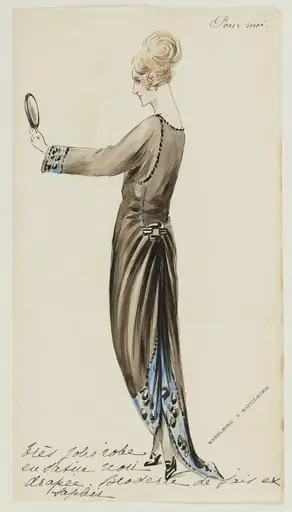
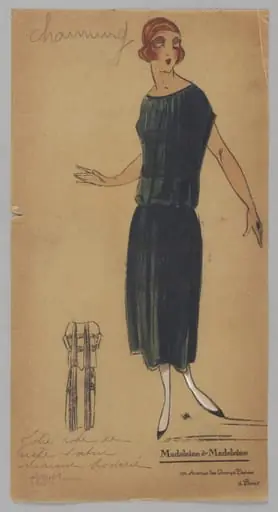
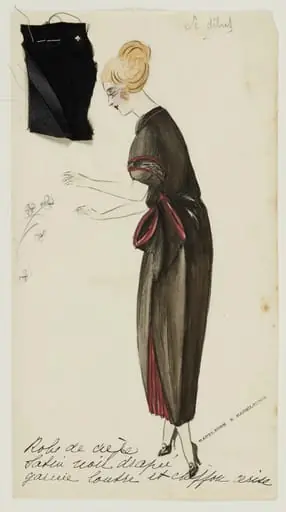
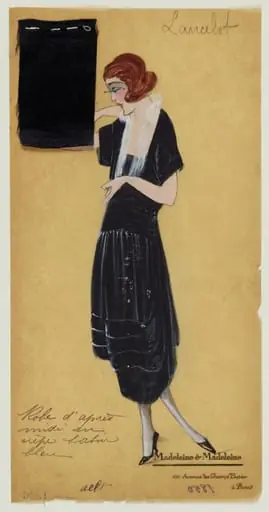
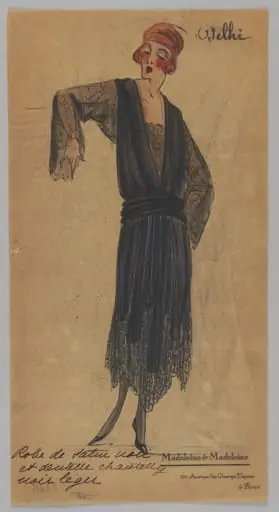
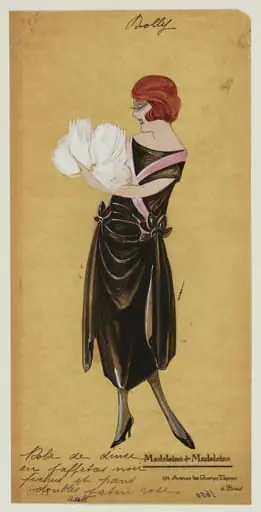
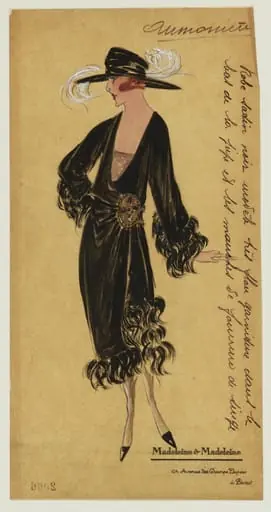
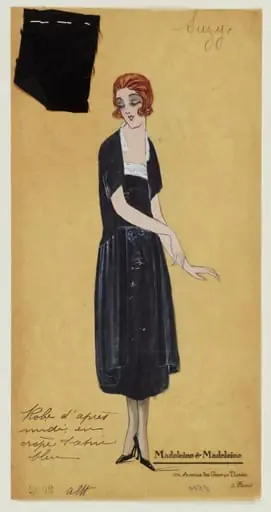
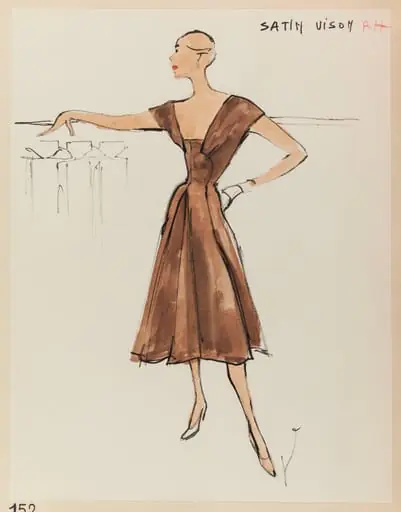
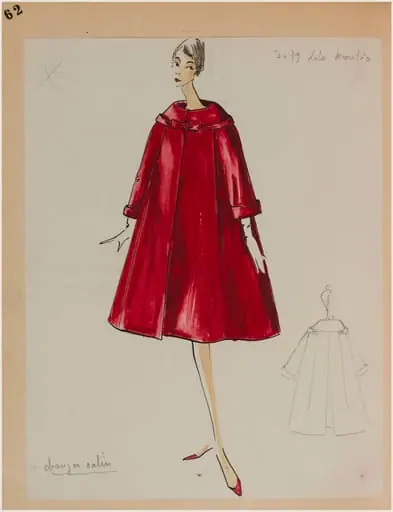
Satin is a subject in art. The gallery holds 27 works in this subject in art, including works by Franciscus Haagen, Augustin de Saint-Aubin and Madeleine & Madeleine.
family name
Key artists
Overview
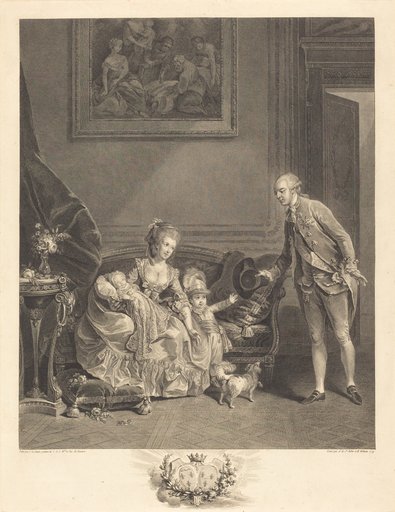
Satin is a weave characterized by a smooth, lustrous face and a dull back, resulting in a soft, flowing drape and a reflective, shiny surface. Originating in medieval China in the port city of Quanzhou, then called Zaitun in Arabic, the fabric took its name from this trading hub. Initially woven from silk along the Silk Road, satin was a costly luxury restricted to the upper classes. Italy became the first Western country to produce it in the 12th century, and by the 14th century it was popular throughout Europe for royal garments and upholstery. Because of its expense and high sheen, satin has long carried associations of wealth and formality, making it a recurring motif in art to denote status, luxury, and identity.
Iconography & meaning
In visual art, satin functions as a potent symbol of opulence, social standing, and identity. Its lustrous, shifting surface allows painters to demonstrate technical virtuosity while conveying the wealth of their sitters. Because of its historical rarity and cost, the fabric signals elite status, as seen in its use for royal garments and the ornate upholstery of the Palace of Versailles. In portraiture, satin garments communicate the sitter's place in high society or their deliberate rejection of its norms. The fabric's gorgeous drape and wrinkle resistance make it ideal for formal evening wear and bridal gowns, and its depiction in art consistently carries connotations of sophistication, sensuality, and grandeur.
Across movements & periods
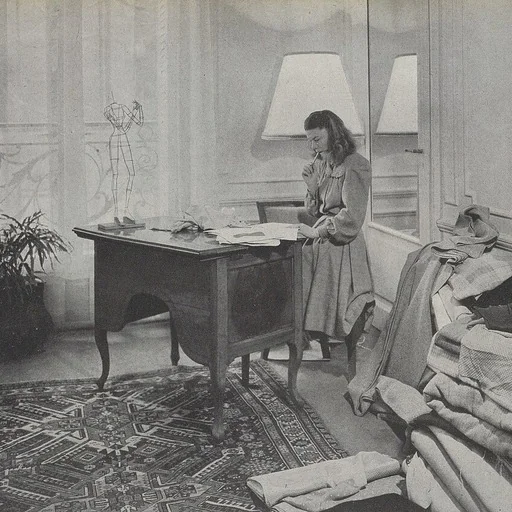
The treatment of satin in art and fashion shifted alongside its production and cultural meaning. During the late Middle Ages and Renaissance, its depiction was tied strictly to royalty and aristocracy. By the late 19th century, satin was central to the formal French gowns that signified status for American heiresses, who traveled to Europe for their trousseaus. In the 1890s, the restrictive, formal satin gown was challenged by the liberated, sporty Gibson Girl aesthetic, and by the 1910s, bohemian women adopted looser, more languid garments. The 1920s flapper abandoned the sweeping satin silhouette entirely for a flat, tubular chemise, though satin returned in the 1930s and 1940s as the fabric of choice for Hollywood screen sirens, who wore sexy crepes and lames to project a new ideal of physical and sexual liberation.
Notable depictions
John Singer Sargent utilized satin to express the identity and personality of his sitters. In his famous Madame X (1883 to 1884), Sargent painted the American socialite Virginie Gautreau in a black satin skirt and velvet bodice, a deliberate collaboration meant to secure their place in French society. The painting caused a scandal due to a daringly dropped shoulder strap, which Sargent later repainted. In Dr. Pozzi at Home (1881), Sargent depicted the surgeon in a crimson regal gown, using the vivid hues to reflect the subject's charm and style. Sargent also manipulated clothing to challenge gender norms, as in Vernon Lee (1881), where he featured a tailored, starched collar to convey the writer's identity, contrasting with the luxurious fabrics of his other portraits.
Legacy
While historically woven from expensive silk, modern satin is typically manufactured from synthetic materials like polyester and rayon, making it more budget-friendly and widely available. Despite this shift, the fabric retains its cultural association with luxury and formalwear. Its legacy extends beyond clothing into interior design, where it continues to be used for upholstery and curtains, echoing its historical use in royal palaces. In contemporary visual culture, the word satin itself evokes a specific aesthetic of elegance and shine, a meaning so entrenched that it serves as a conceptual foundation for creative works, such as the illustrated book Satin, which uses blue cyanotype washes and willow pattern china shards to build a visual world around the idea of gathering beautiful things.
Works


Frequently asked questions
What is Satin?
Satin is a subject in art. family name
How many Satin works does Artifact World Gallery have?
Artifact World Gallery holds 27 public-domain Satin works, all free to view and download.
Who are the key Satin artists?
Key Satin artists in the collection include Franciscus Haagen, Augustin de Saint-Aubin and Madeleine & Madeleine.
Where can I see Satin works?
Satin works in the collection are held by Palais Galliera - Musée de la Mode de la Ville de Paris and Walters Art Museum.