
Subject
Apron
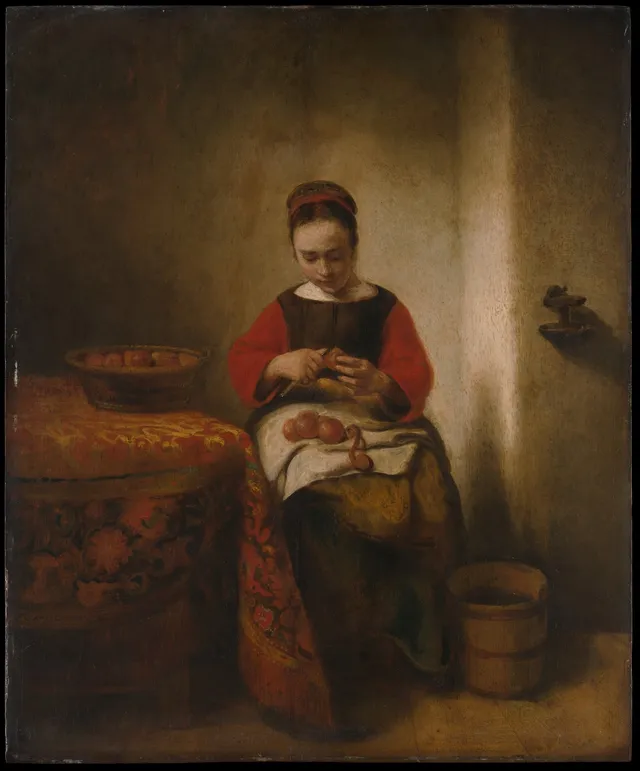
Apron is a subject in art. The gallery holds 28 works in this subject in art, including works by Titian, Francis William Edmonds and Camille Pissarro.
An apron is a garment covering the front of the body, over clothing, to protect the clothing underneath. They have several purposes, most commonly to protect clothes and skin from stains and marks, and also worn as a decoration, for hygienic reasons, as part of a uniform, or as protection from acid, allergens, excessive heat, etc.
Key artists



Overview
An apron is a protective outer garment worn over clothing to shield the front of the body from stains, damage, and hazards. Covering the torso and sometimes extending to the knees or beyond, aprons serve practical functions across domestic, professional, and ceremonial contexts, while also carrying rich symbolic weight in visual art. The term derives from Old French napron, a small cloth, which through rebracketing became "an apron." In the collection under discussion, the apron appears in 31 works, signaling its persistent role as a marker of labor, social position, and gender in pictorial representation. From milkmaids and washerwomen to waitresses and domestic servants, the apron identifies figures engaged in work, particularly within hierarchies of class and household economy.
Iconography & meaning
The apron functions as a multivalent symbol in art and material culture. Primarily it denotes protective labor, guarding clothing and skin from dirt, heat, and chemicals. Beyond utility, it signals social and occupational identity. In European folk costume, apron knots and placement communicate marital status, regional affiliation, and ritual transitions between activities. The French tradition emphasizes the apron as a symbol of hospitality, while in several African cultures it became an emblem of femininity. Masonic and clerical aprons carry ceremonial and hierarchical significance, the latter representing episcopal mobility on horseback, later becoming purely symbolic. The garment's material, form, and decoration, whether plain cotton for servants or embroidered silk for festive dress, encode class distinctions. In art, the apron transforms the body into a site of productive labor, framing the wearer within economies of domestic and waged work.
Across movements & periods
The treatment of the apron in art evolved significantly across movements and periods. Roman representations show early forms like the exomis, an asymmetrical work apron worn by slaves and merchants. Medieval and Renaissance depictions, including the Luttrell Psalter and Chaucer's fourteenth-century descriptions, establish the apron within agricultural and domestic labor. From the late fifteenth century, the apron entered fashionable dress as a decorative element, the Zierschürze or ornamental apron, blurring boundaries between utility and display. The nineteenth century saw Realist and Impressionist painters embrace the apron as a marker of contemporary working life, with artists capturing washerwomen, servants, and market workers in unidealized terms. By the 1960s, the apron's domestic associations led to its rejection as a symbol of constrained femininity, though subsequent decades witnessed a retro-chic revival. Across these shifts, the apron remained a barometer of changing attitudes toward labor, gender, and class.
Legacy
The apron's cultural afterlife reflects ongoing tensions between utility, identity, and representation. Its decline in everyday use from the mid-1960s, driven by cheaper clothing and mechanized laundry, paralleled feminist critiques of domestic confinement. Yet the garment persisted in professional contexts, culinary culture, and craft revival movements. A 2005 Wall Street Journal article noted its renaissance as retro-chic fashion accessory, signaling cyclical reclamation. In contemporary art and visual culture, the apron retains potency as a signifier of invisible labor, gendered work, and class stratification. Museums and collections that preserve and display aprons, from folk costume repositories to ethnographic holdings such as the Tropenmuseum's cross-cultural collection, sustain material evidence of its global significance. The apron endures not merely as clothing but as a contested symbol through which societies negotiate who works, who serves, and who is seen.
Works
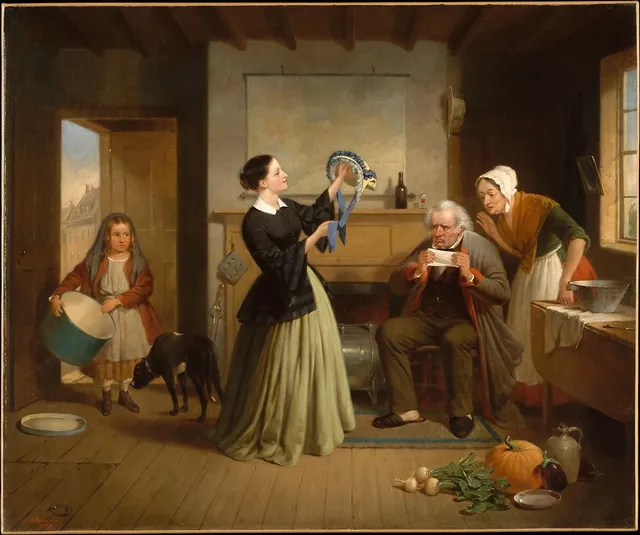
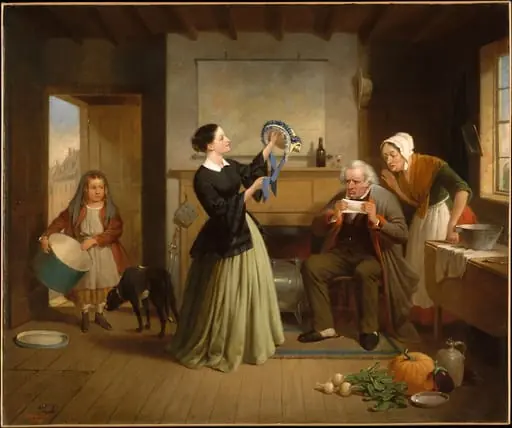 The New Bonnet
 Washerwomen
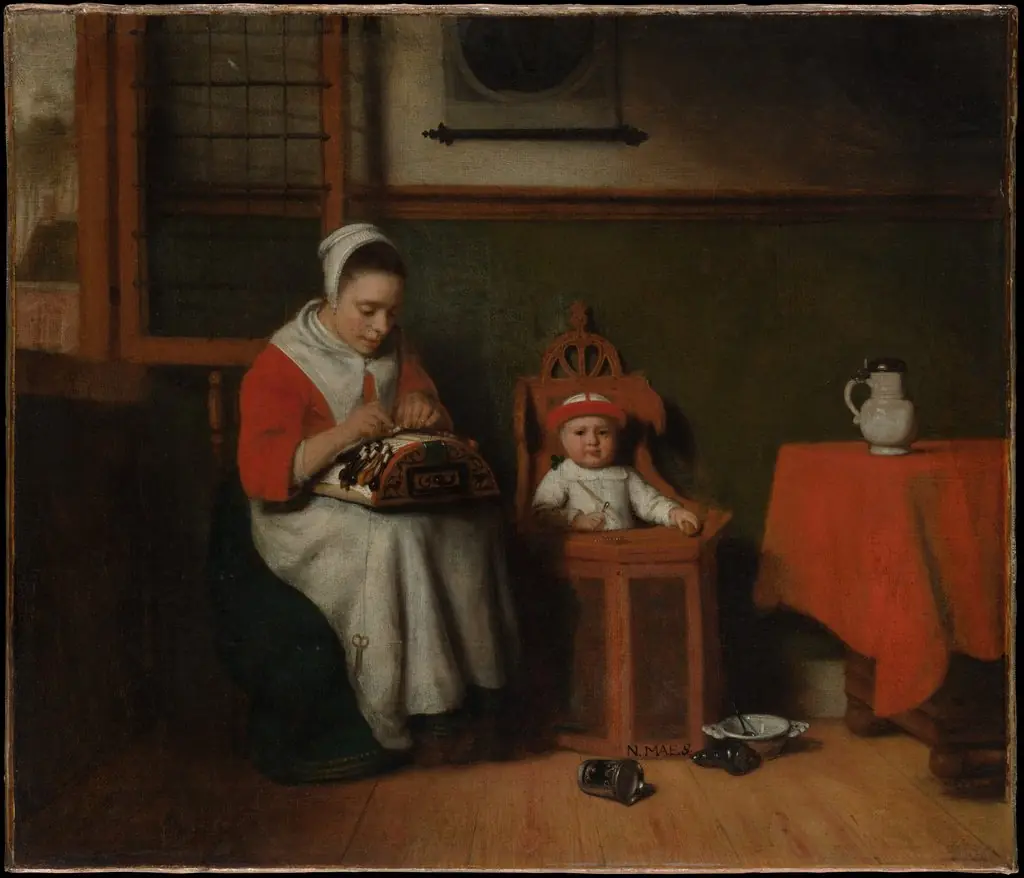 The Lacemaker
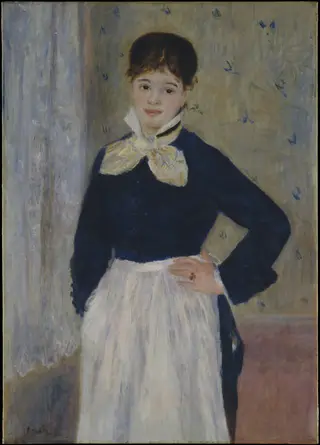 A Waitress at Duval's Restaurant
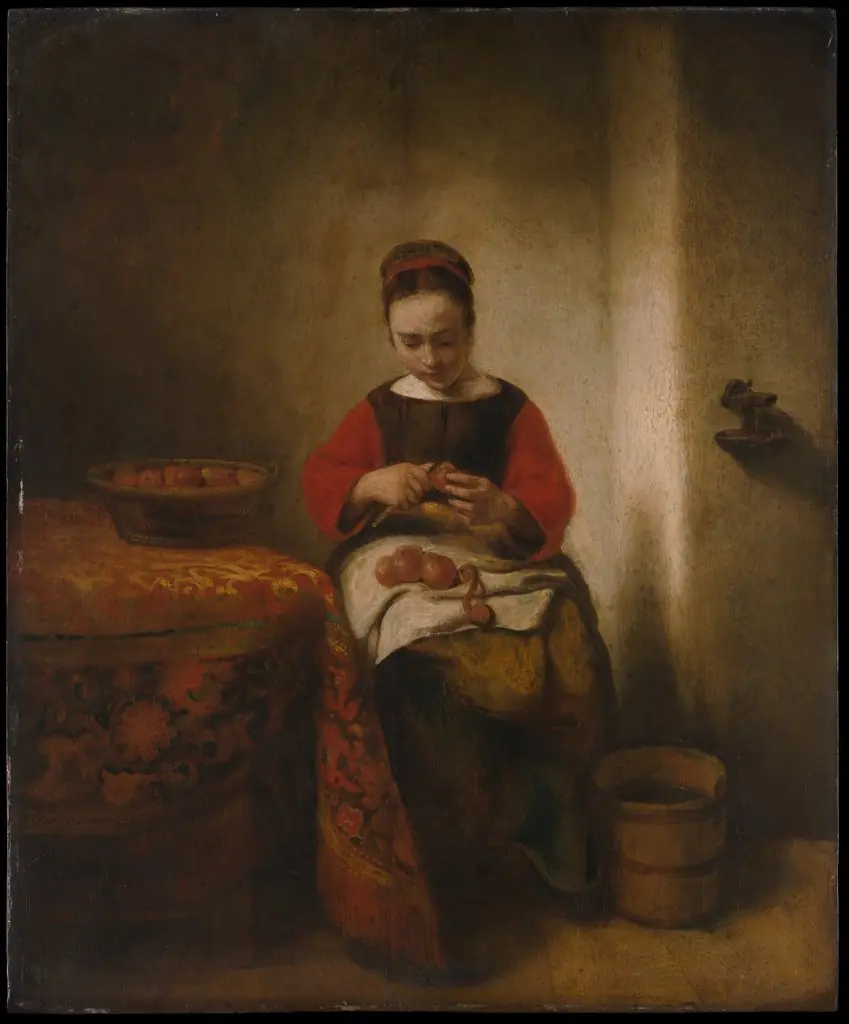 Young Woman Peeling Apples
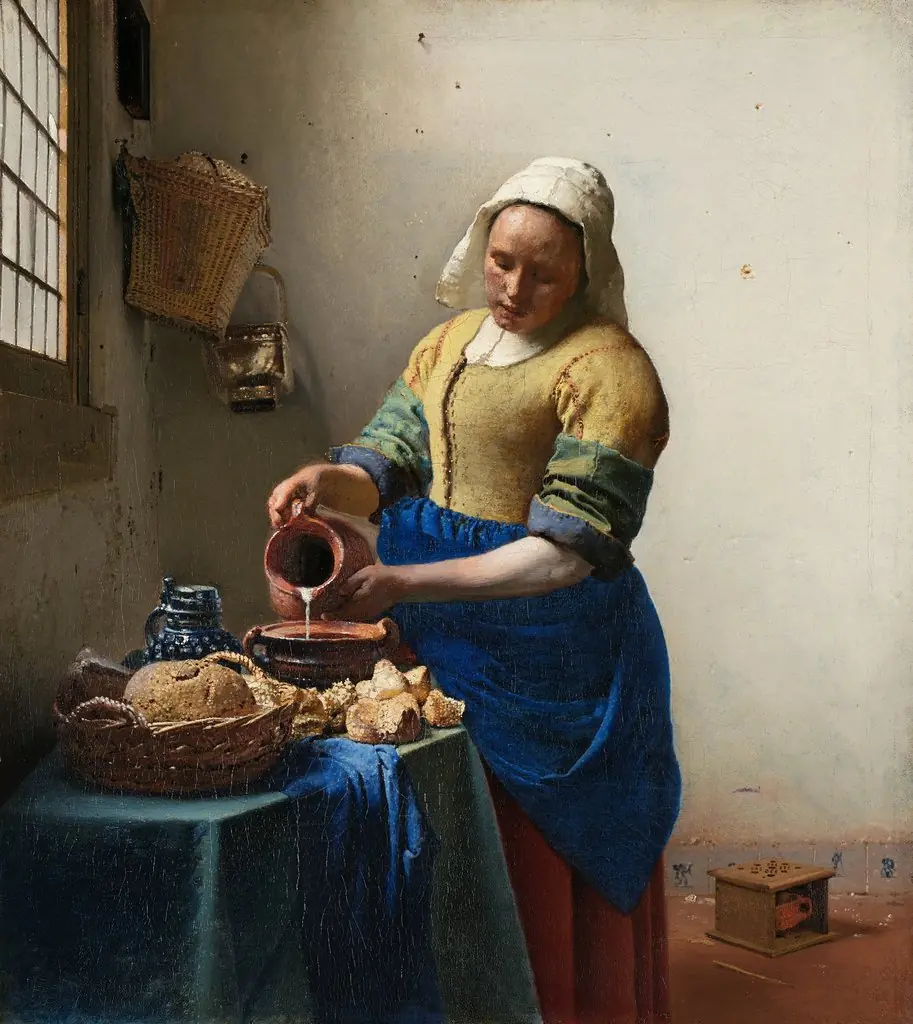 The Milkmaid
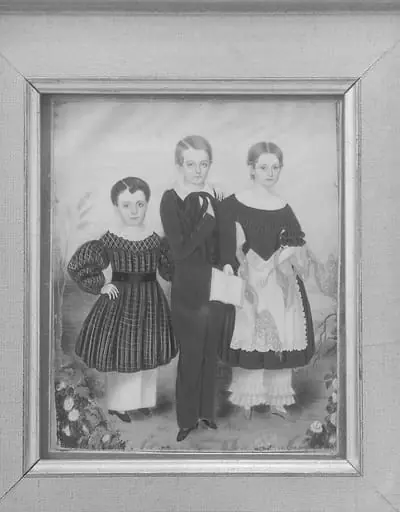 The Starbird Children
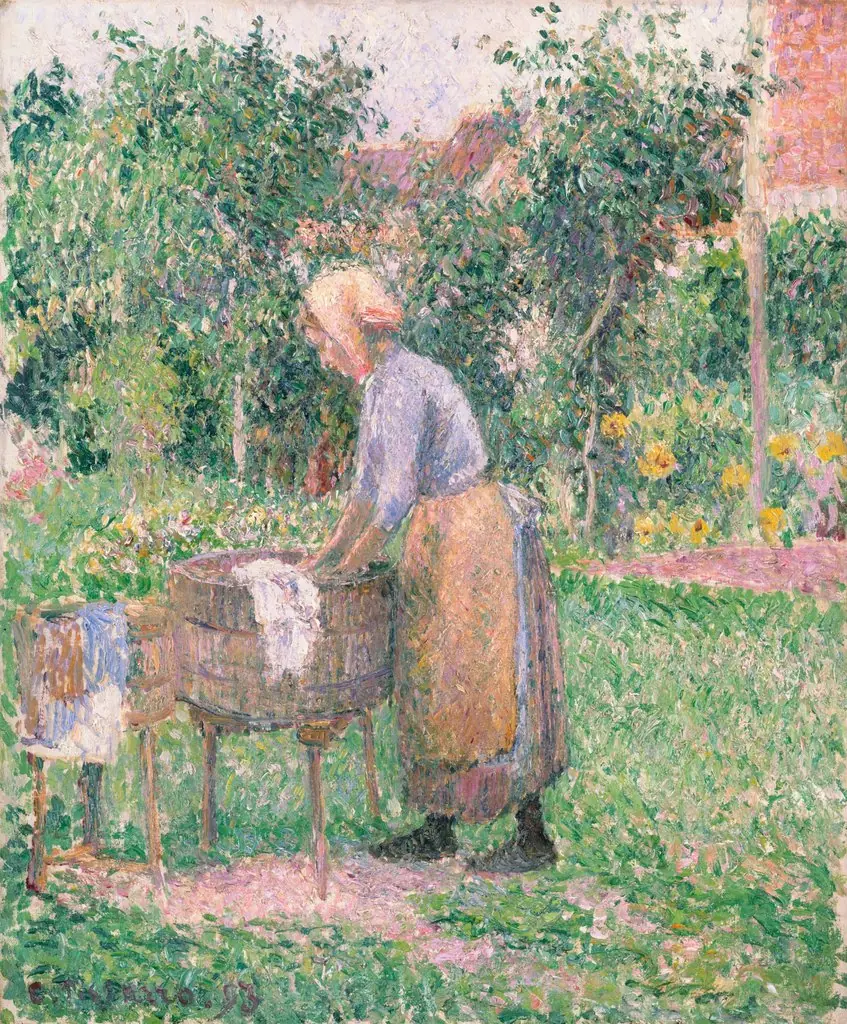 A Washerwoman at Éragny
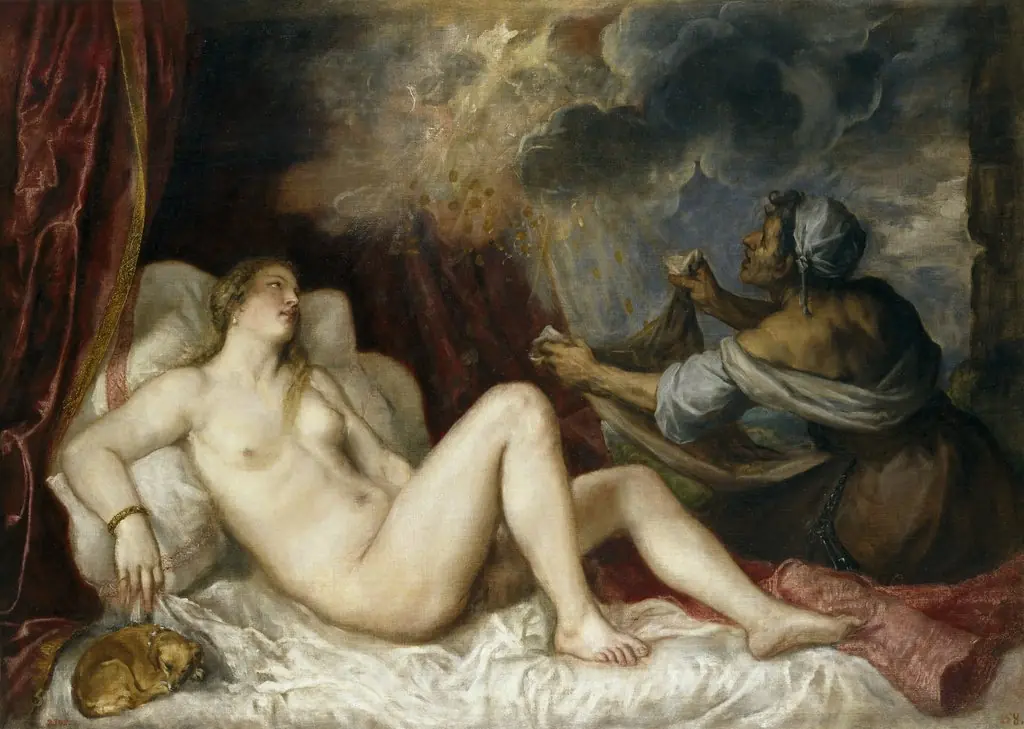 Danaë
Danaë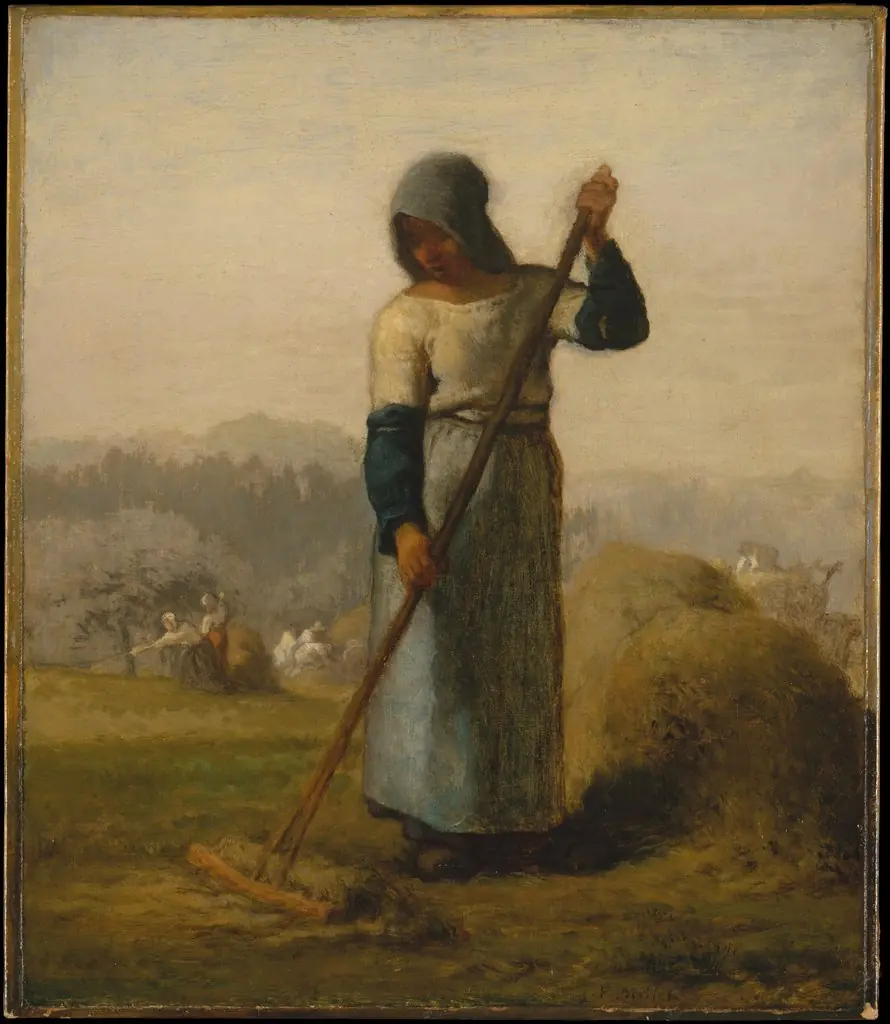 Woman with a Rake
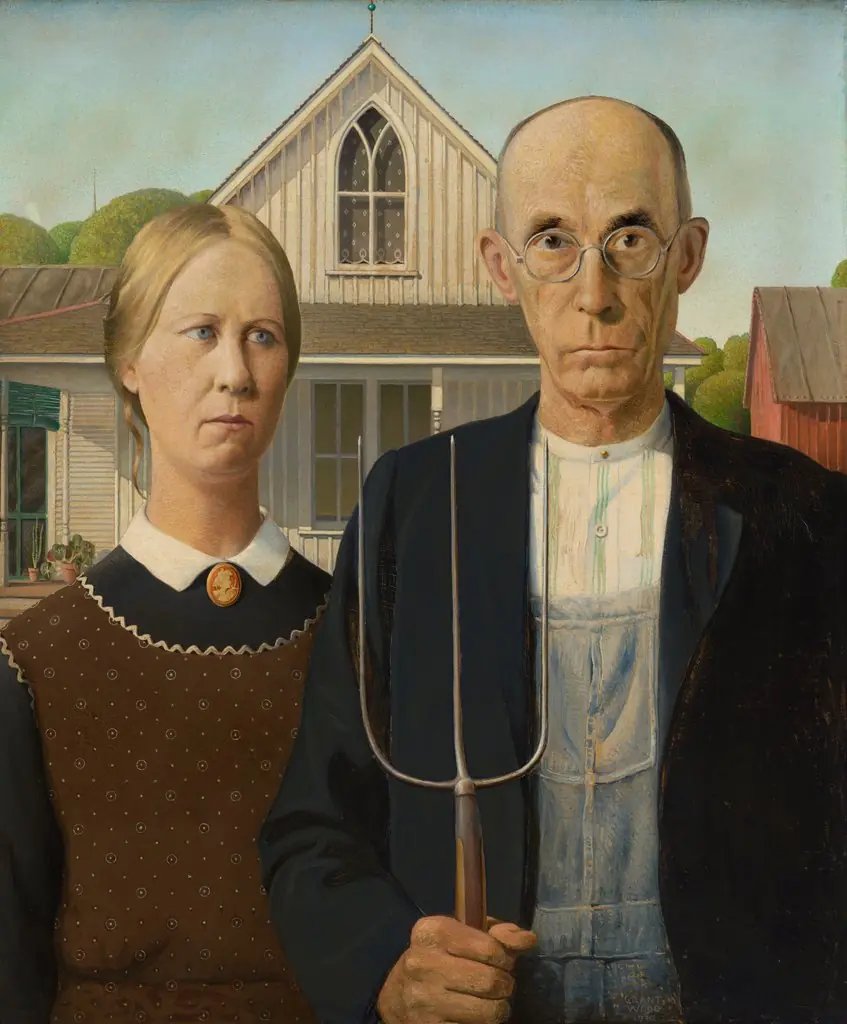 American Gothic
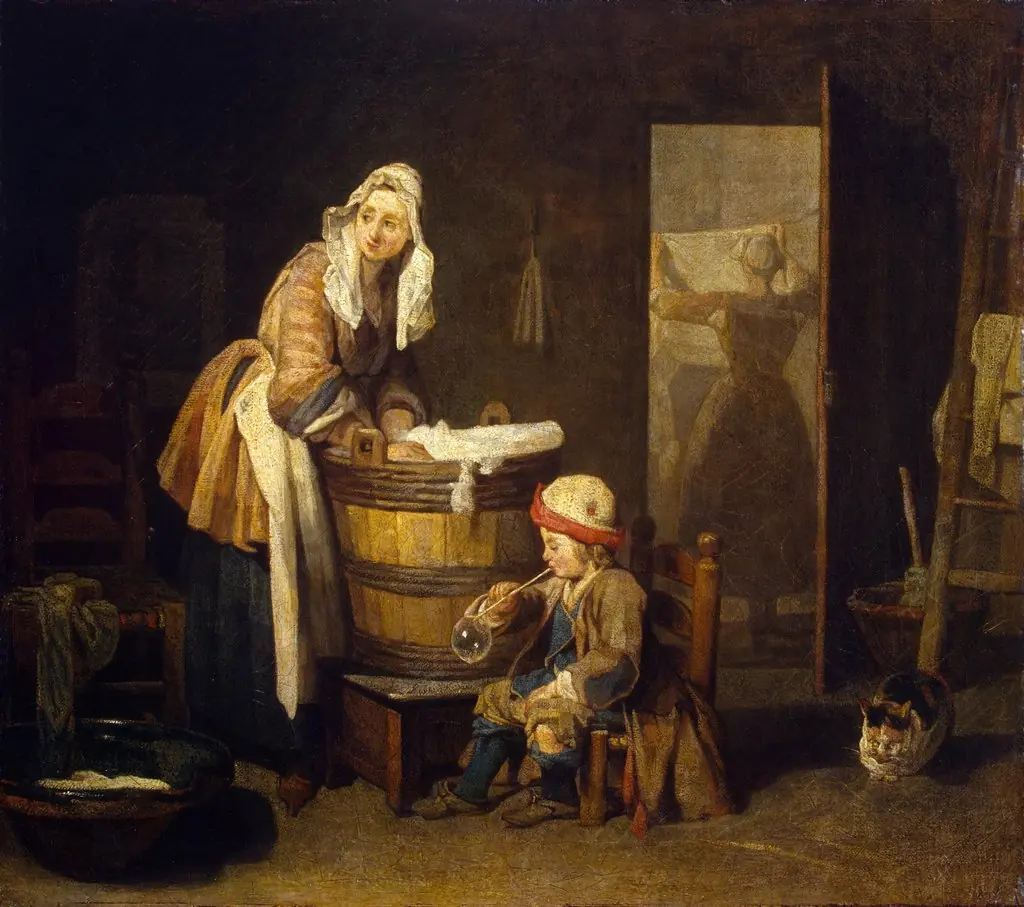 The Laundress
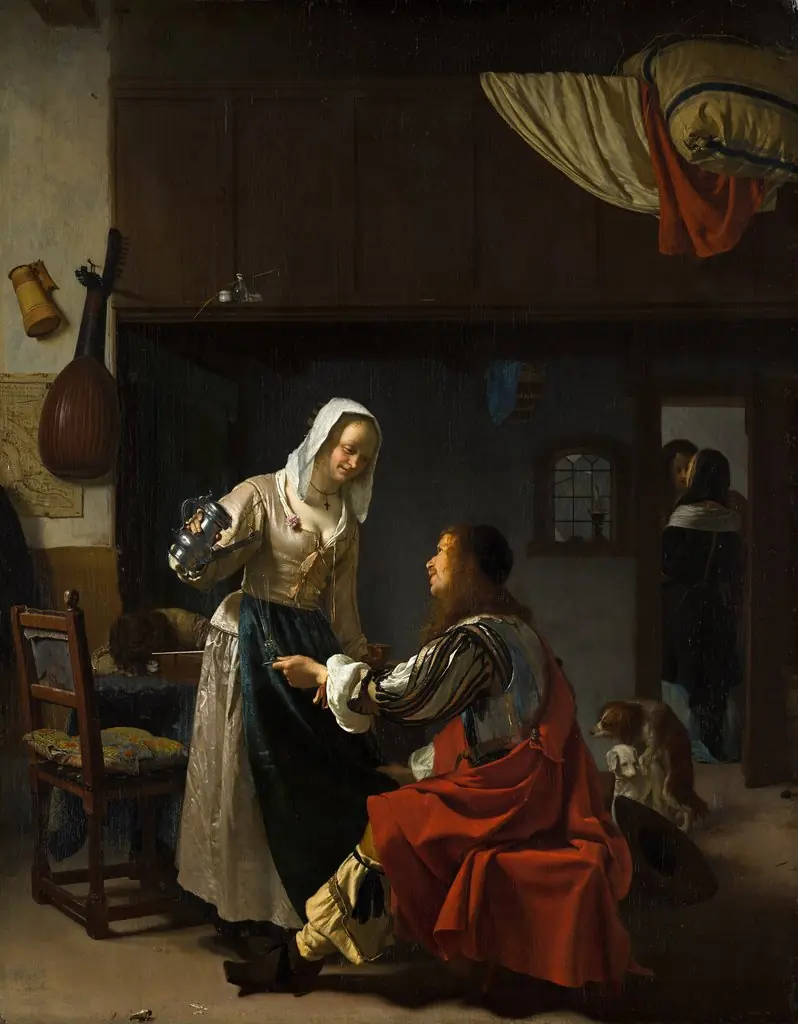 Brothel Scene
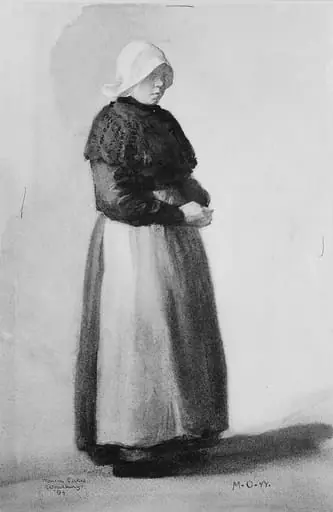 Dutch Woman
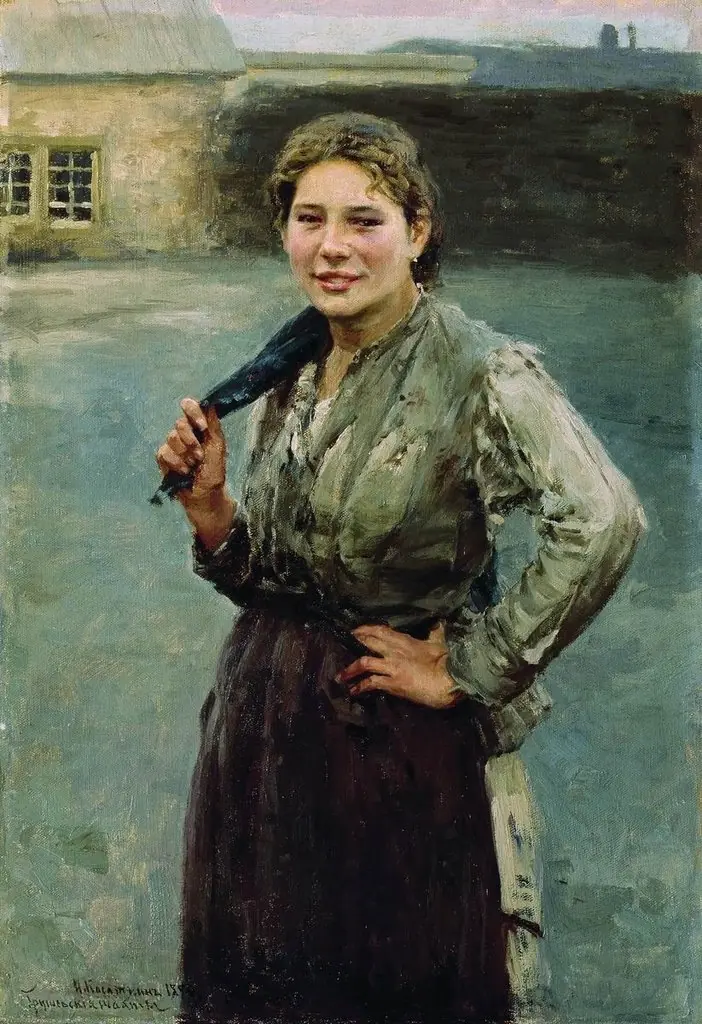 Chakhtiorka
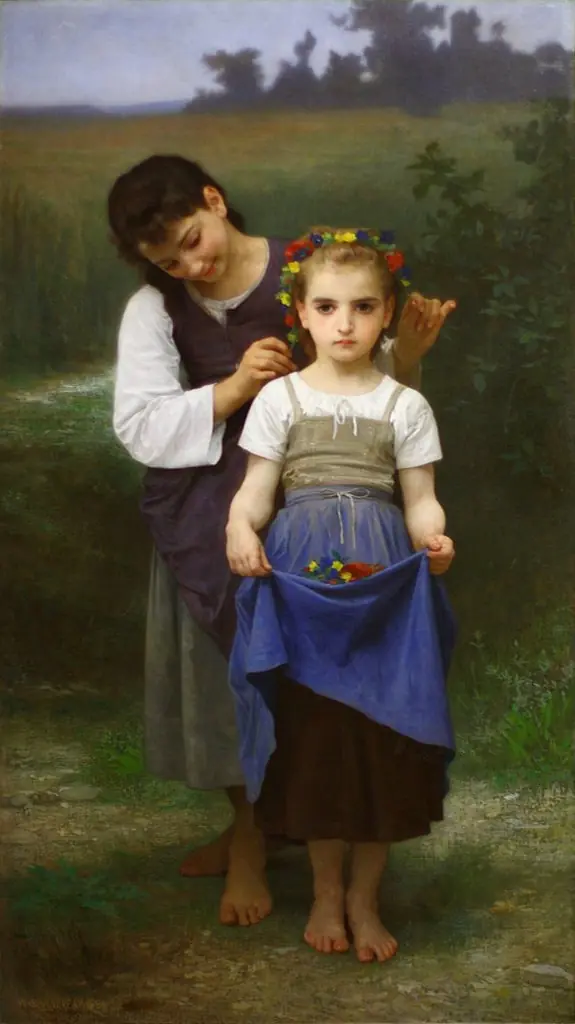 Crown of Flowers
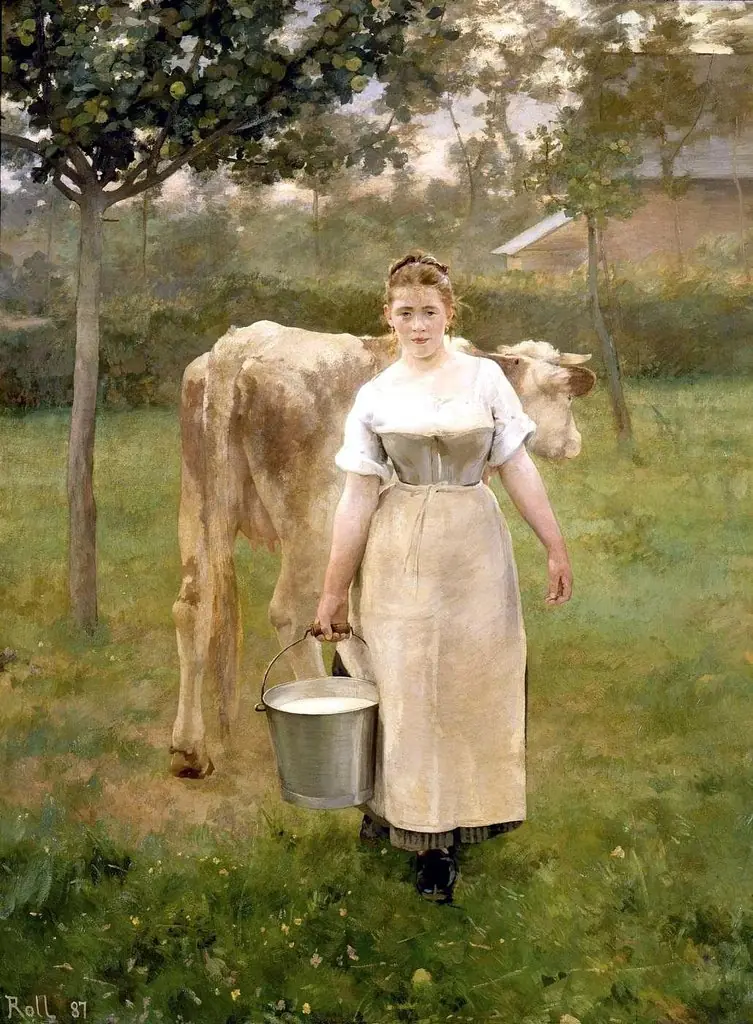 Manda Lamétrie, fermière
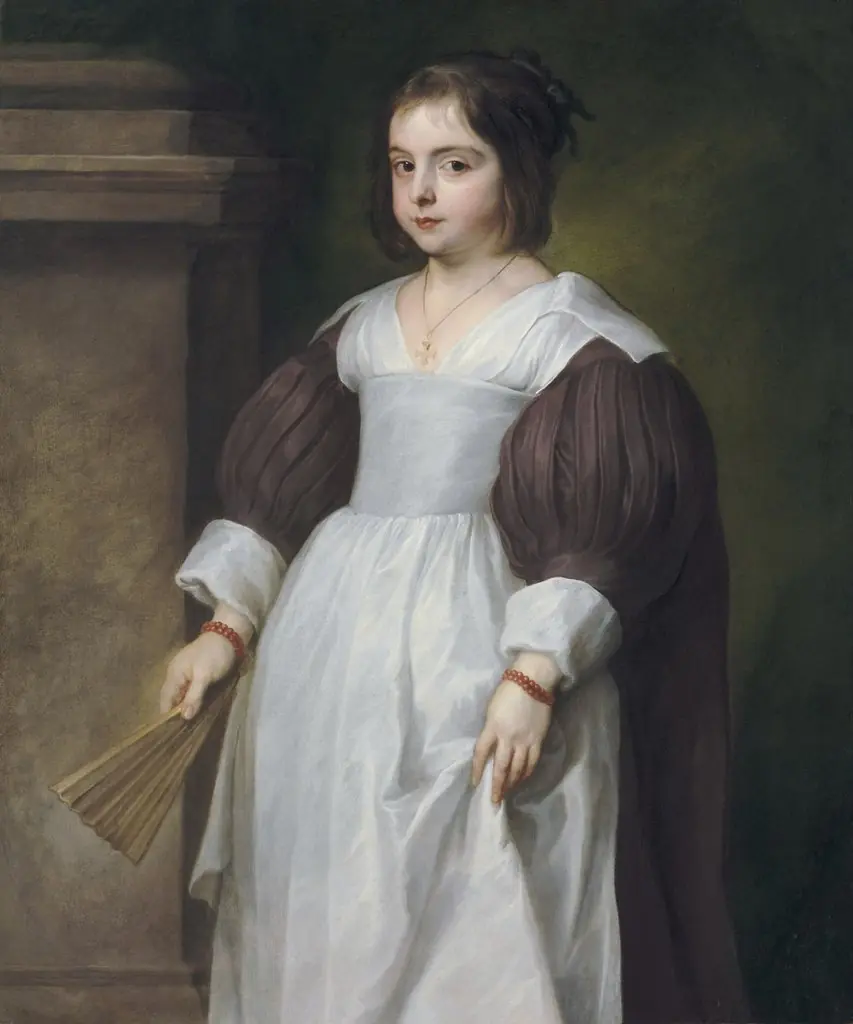 Portrait of a Young Girl
 Anticarul
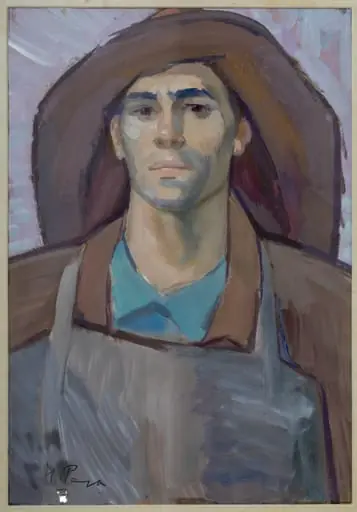 Miner
Miner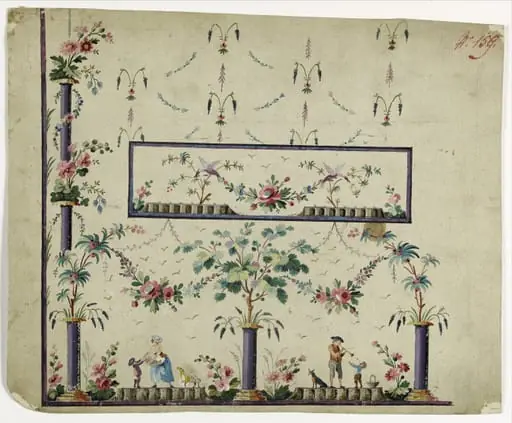 Gilet décor couple avec enfants, projets de broderies de gilet, XVIIIème siècle
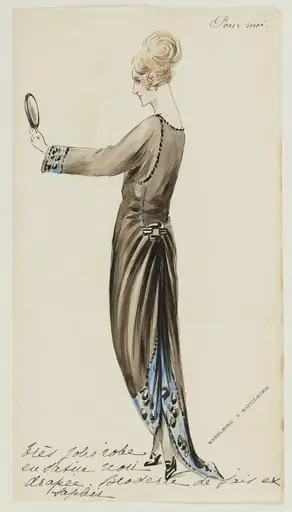 Pour moi.
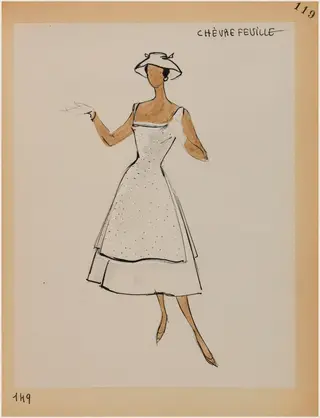 Chèvrefeuille
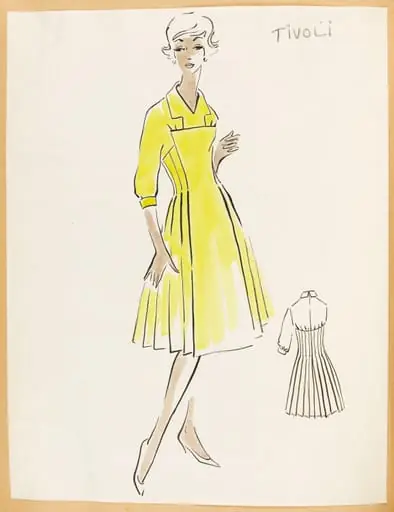 Tivoli
 Chelnerița
 Muncitor
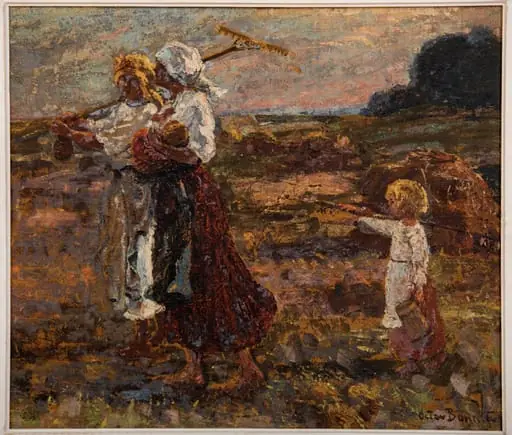 Femei pe câmp
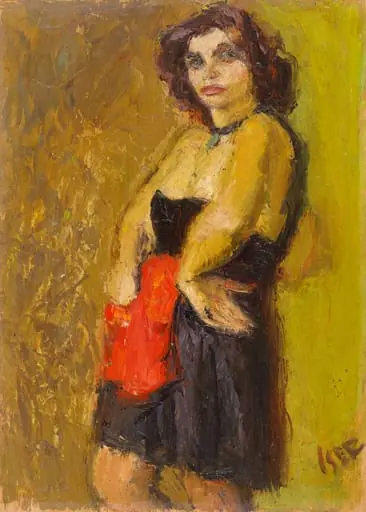 Femeie cu șorț roșu (Dna Nișta)
Frequently asked questions
What is Apron?
Apron is a subject in art. An apron is a garment covering the front of the body, over clothing, to protect the clothing underneath.
How many Apron works does Artifact World Gallery have?
Artifact World Gallery holds 28 public-domain Apron works, all free to view and download.
Who are the key Apron artists?
Key Apron artists in the collection include Titian, Francis William Edmonds and Camille Pissarro.
Where can I see Apron works?
Apron works in the collection are held by Metropolitan Museum of Art, Palais Galliera - Musée de la Mode de la Ville de Paris and Moldova National Museum Complex.