Subject
Cummerbund
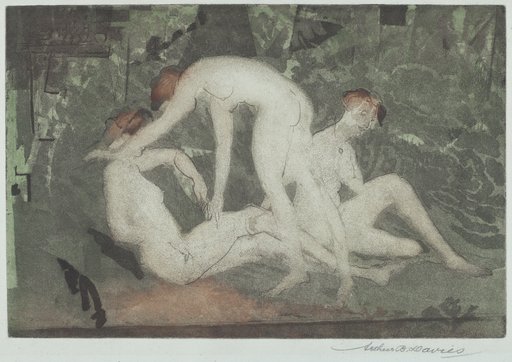
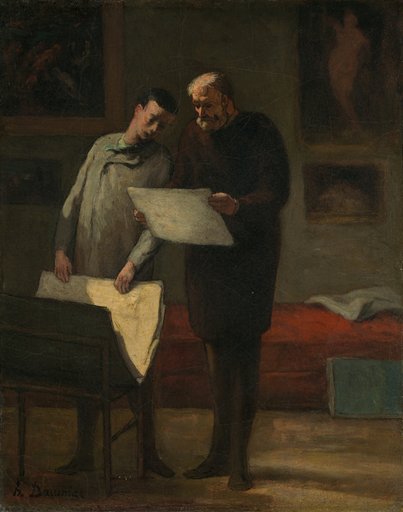
Cummerbund is a subject in art. The gallery holds 146 works in this subject in art, including works by George Bellows, William Blake and Arthur B. Davies.
The cummerbund is not an artistic movement or style but a garment that became a recurring motif in portraiture, fashion plate, and caricature. The word entered English around 1616, anglicized from the Hindustani kamarband, itself from the Persian kamar ("waist") and band ("to fasten"). In its homeland it was a broad sash worn by Indian men for many occasions. British military officers in colonial India—stationed there through the 1850s—adopted it after seeing it worn by sepoys of the British Indian Army, taking it up as a cooler alternative to the waistcoat for formal dining. From the officers' mess it migrated into civilian evening dress, and by the 1920s the loosely wound folds of the original sash had been formalized into the pleated, pre-shaped band that completes the modern black-tie ensemble.
As a visual object the cummerbund is a broad, horizontal sweep of silk—most often black faille or satin—drawn around the waist in regular pleats. Convention dictates that the pleats open upward, a detail commonly explained as a vestigial pocket for opera or theatre tickets. In pictures its role is compositional as much as sartorial: it closes the gap between jacket and trousers, anchors the vertical thrust of the dinner jacket, and supplies a band of concentrated tone or colour at the body's centre. In Orientalist and military imagery the older, brighter sash performs the same function, lending a note of exotic splendour to an otherwise sober figure.
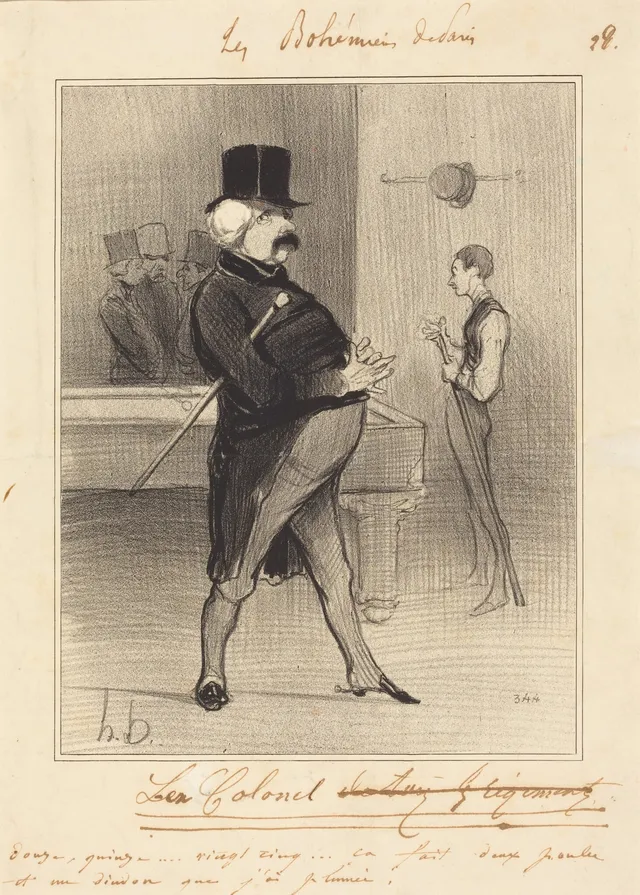
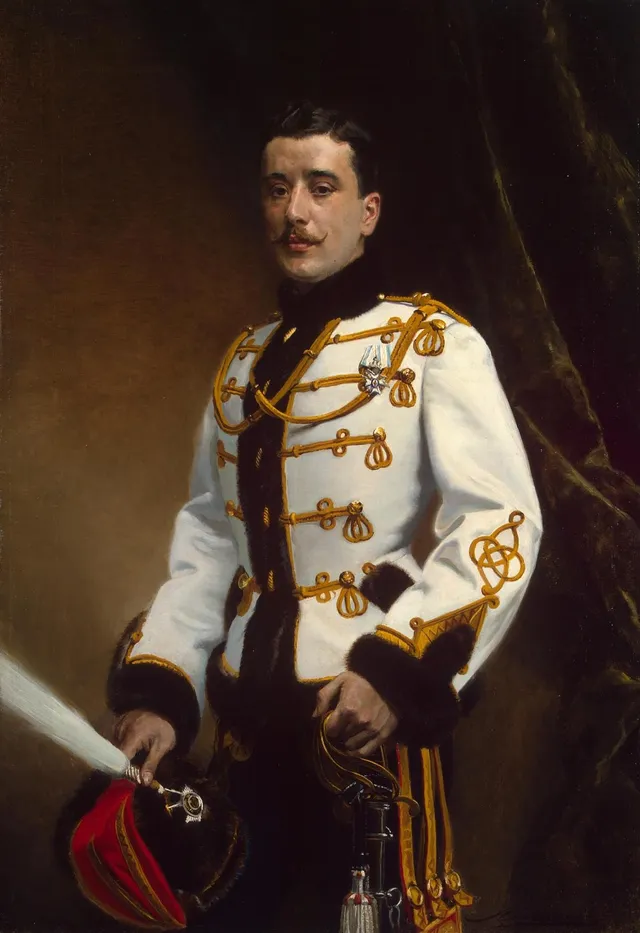
Because the cummerbund is an attribute of dress rather than a subject in its own right, it surfaces chiefly in portraiture and satire. Ernst von Liphart's Portrait of P. M. Rayevsky, Cornet of the Life-Guards Hussar Regiment exemplifies the military strain, in which the waist sash signals rank and regimental glamour. The French caricaturist Honoré Daumier (1808–1879), who produced some 4,000 lithographs for Le Charivari, repeatedly fixed the sashed and waistcoated bourgeois in his sights—as in Le Tailleur, Les petits présens, La Dot, L'Ex-Colonel, and Amiral Verhuel—using the trappings of fashionable dress to deflate pretension and vanity.
The cummerbund's history compresses a larger story of colonial exchange, in which a piece of everyday Indian dress was absorbed, refined, and codified into the rituals of Western formality. It belongs to the same family of waist treatments as the waistcoat and the military sash, and its appearances in art track the consolidation of the standardized black-tie code from the late nineteenth century onward. As a pictorial motif it endures as visual shorthand for ceremony and respectability and—especially in caricature—for the comedy of social aspiration.
Key artists
Overview
The cummerbund is a broad, usually pleated waist sash worn most commonly with single-breasted dinner jackets or tuxedos as part of formal Western dress. Originating from South Asian and Persian antecedents, it entered English usage in 1616 and was later adopted by British military officers in colonial India, who observed it worn by sepoys of the British Indian Army. The term derives from the Hindustani kamarband, combining kamar (waist) and band (to fasten or close), itself borrowed from Persian. In art, the cummerbund appears as a distinctive sartorial marker denoting formal male attire, military service, and social status, recurring across portraiture, caricature, and genre scenes from the nineteenth century onward.
Iconography & meaning
The cummerbund carries layered iconographic significance. In its original South Asian context, the patka or kamarband functioned as both practical garment and status symbol, with width, material, and decoration indicating rank and wealth. Under the Mughal Empire, elaborate silk brocade versions could reach two and a half meters long and half a meter wide, capable of holding daggers and small objects. When adopted by British officers, it signified colonial encounter and the incorporation of Indian military dress into imperial uniform. As civilian evening wear, the upward-facing pleats held ticket stubs, earning the slang term crumb-catcher. The restricted range of acceptable colors, predominantly black or midnight blue, reinforced its association with the black tie dress code. In French colonial contexts, cummerbunds distinguished European from native troops, with blue for Zouaves and Chasseurs d'Afrique, red for Spahis and Tirailleurs. The object's formal, waist-cinching silhouette creates a visual transition between shirt and trousers, serving an aesthetic function of bodily containment and sartorial completion.
Across movements & periods
The representation of cummerbunds tracks broader shifts in European and colonial visual culture. In the late eighteenth and early nineteenth centuries, British artists documenting the Indian subcontinent recorded the kamarband as ethnographic detail or as worn by Indian soldiers under Company and Crown rule. By the mid-nineteenth century, the accessory had migrated into European military and civilian portraiture, reflecting its adoption as an alternative to the waistcoat. The 1893 English introduction of the pleated version for evening wear, followed by its European-wide spread as summer smoking attire in the 1930s, generated new representational contexts. The collection's nineteenth-century works, including military portraits and satirical scenes, capture this transitional period when the cummerbund's meanings were still being negotiated between colonial, military, and civilian spheres. The persistence of the cummerbund in formal portraiture through the twentieth century, despite its gradual decline after the 1960s, testifies to its enduring value as a signifier of masculine ceremonial dress.
Notable depictions
Within the collection, the Portrait of P. M. Rayevsky, Cornet of the Life-Guards Hussar Regiment stands as a representative military example, documenting the cummerbund's integration into Russian imperial cavalry dress. The satirical works, including Le Tailleur, L'Ex-Colonel, and La femme du représentant, suggest artists employed the accessory to puncture pretension or signal social climbing. George Cumberland's Card and Excellent placement indicate its appearance in British graphic satire and social commentary. The Victoria and Albert Museum holds material examples that contextualize these representations: a black cummerbund with quilted white satin lining made by W & M Company of England between 1900 and 1929, and a 1950s Thai silk example made in Singapore, demonstrating both the object's British manufacture and its continued Asian material provenance. The German Wikipedia's detailed history of the patka and kamarband provides essential background for understanding how these depicted objects connect to millennia of South Asian and Middle Eastern textile waistbands, from Parthian antecedents through Mughal courtly splendor to colonial military adoption.
Legacy
The cummerbund's afterlife extends beyond formal dress into unexpected cultural domains. In military tradition elaborate, it persists in the full dress of several French regiments with colonial origins, including the Foreign Legion and Spahis, and in the ceremonial uniforms of South Asian armies. The accessory has also lent its name to contemporary cultural production, most notably DJ Cummerbund, an American mashup artist active since 2014 whose stage name repurposes the formal accessory for ironic effect. This naming choice itself reflects the cummerbund's embeddedness in codes of masculine presentation, now detached and recontextualized in popular music culture. The object's trajectory from Persian and Hindustani waistband to British colonial military wear, to global formal dress, to museum collection piece and pop cultural reference, illustrates how a single sartorial item can accumulate and shed meanings across centuries of political and social transformation. In art historical terms, the cummerbund remains a valuable index for scholars tracing the visual cultures of empire, class, and masculine ritual.
Works
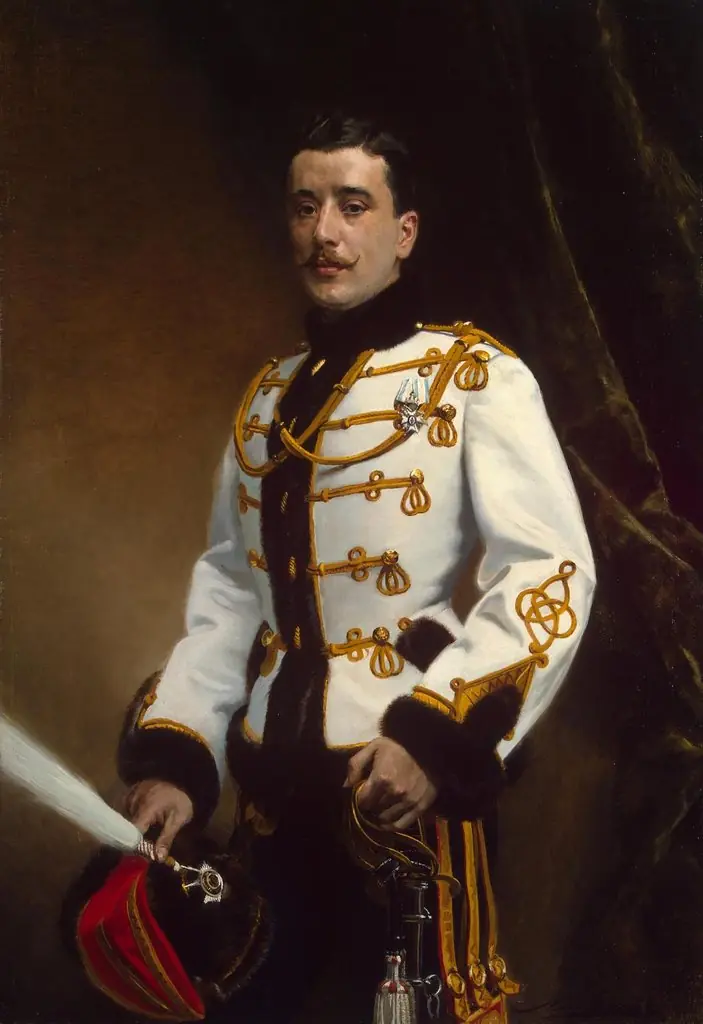 Portrait of P. M. Rayevsky, Cornet of the Life-Guards Hussar Regiment
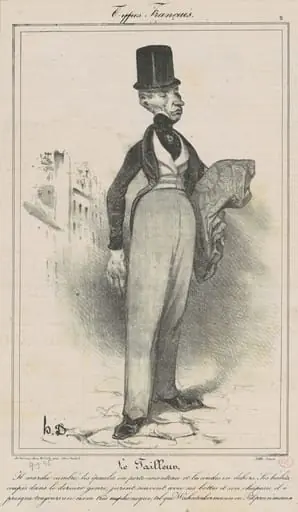 Le Tailleur
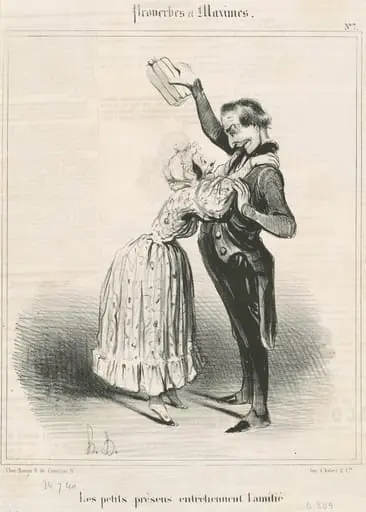 Les petits présens ...
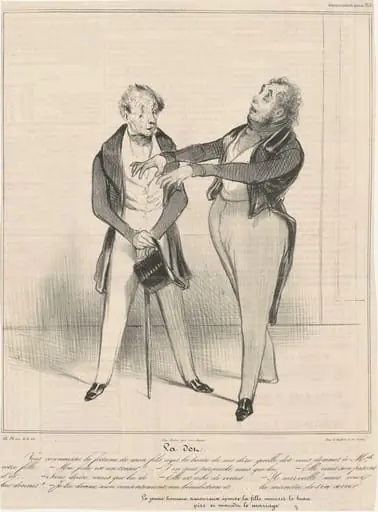 La Dot...vous connaissez la fortune...
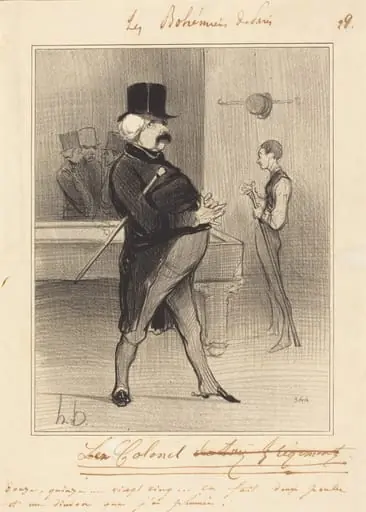 L'Ex-Colonel
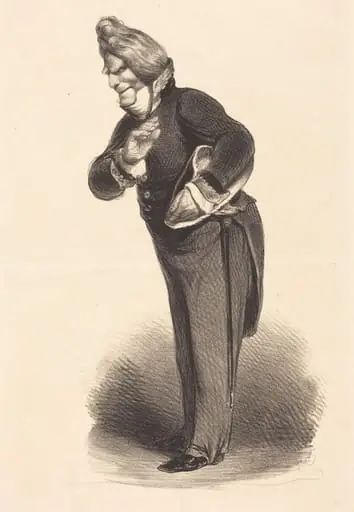 Amiral Verhuel
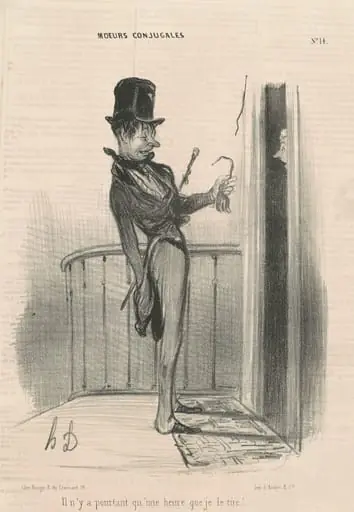 Il n'ya pas pourtant qu'une heure que je tire!
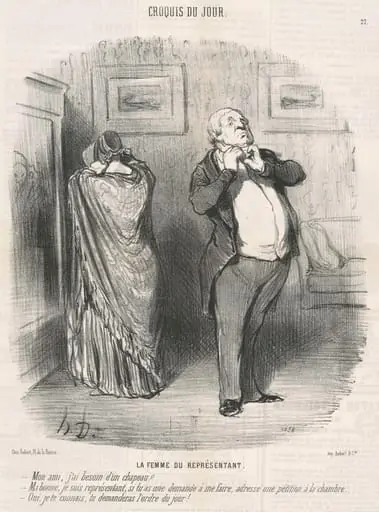 La femme du représentant
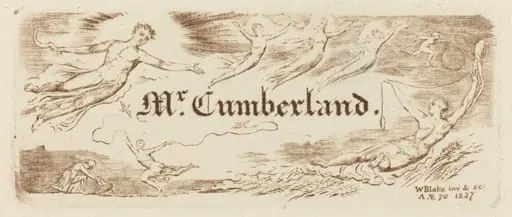 George Cumberland's Card
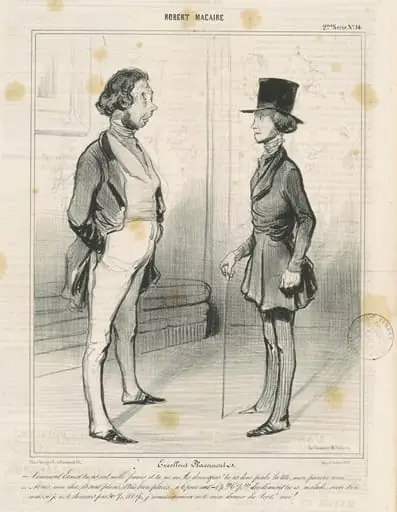 Excellent placement
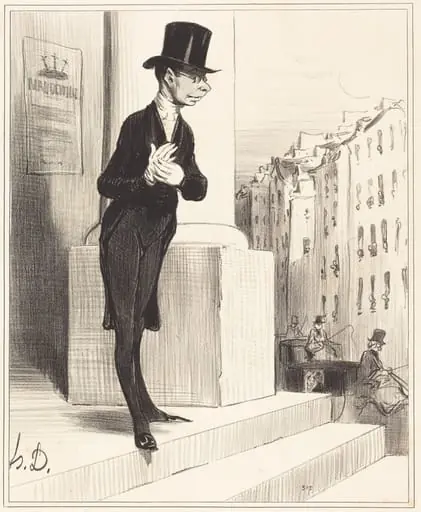 Pique-Assiette
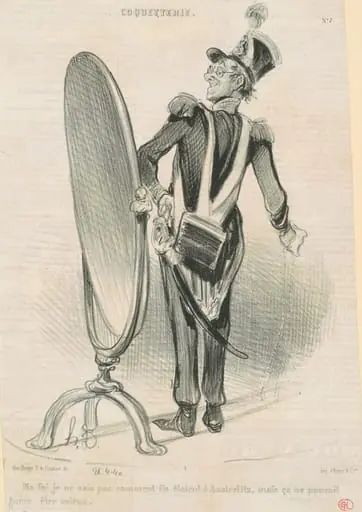 Ma fois je ne sais pas comment ils ...
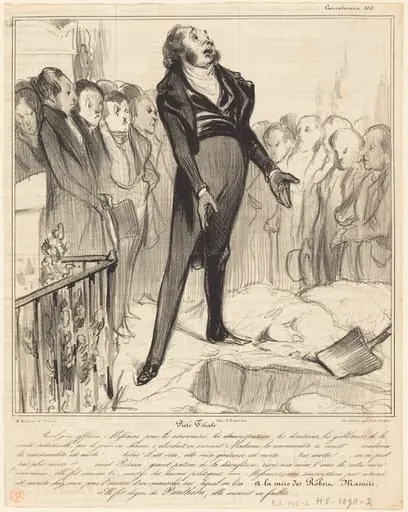 Piétié Filiale
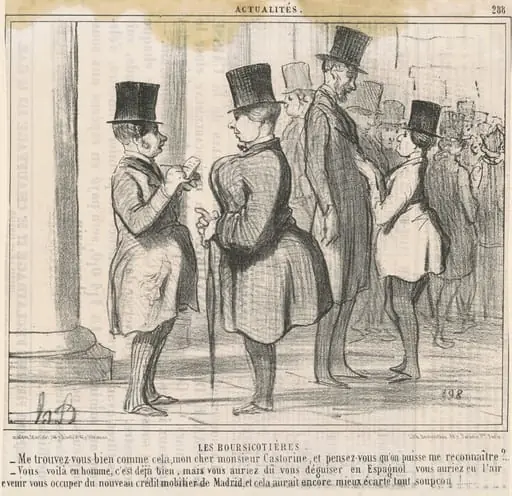 Les boursicotières. Me trouvez-vous bien ...
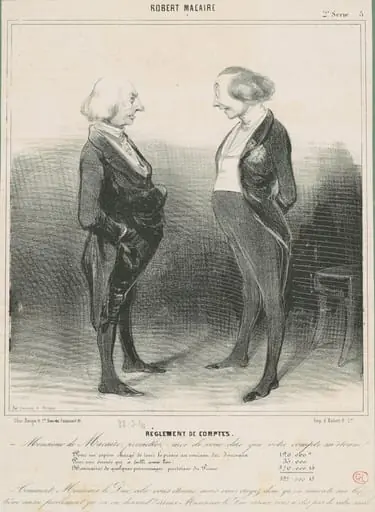 Réglement de comptes
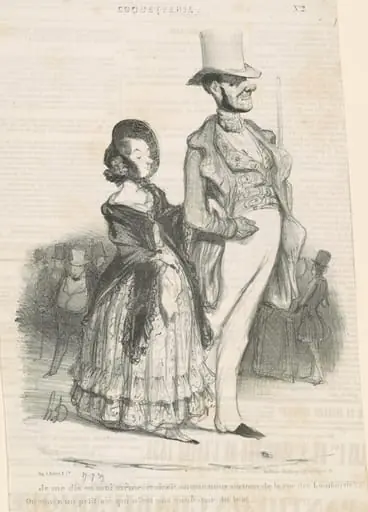 Je me dis en moi-même
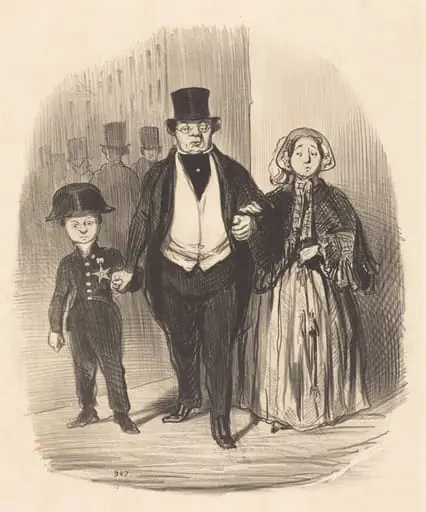 Un Jeune homme qui est l'espoir... de la famille Badinguet
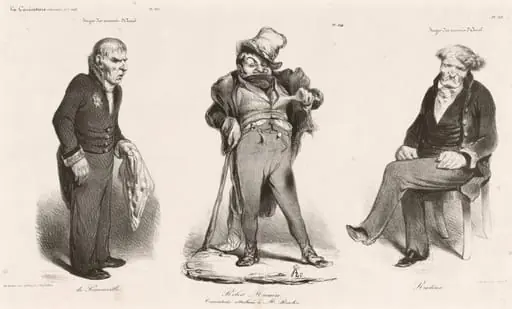 Huguet de Sémonville - Robert Macaire (Thiers) - Comte Roederer
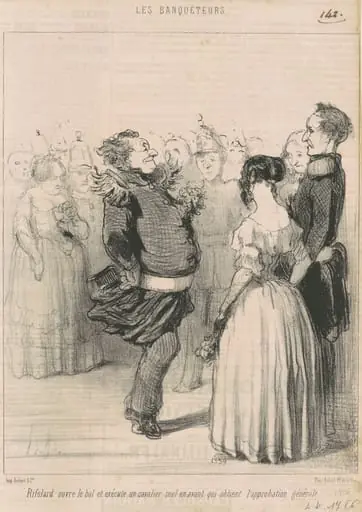 Rifolard ouvre le bal ...
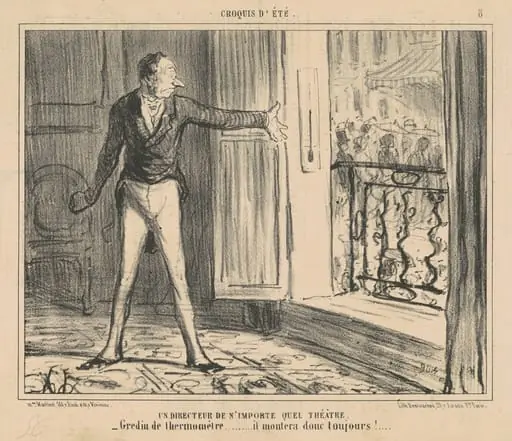 Un directeur de n'importe quel theatre
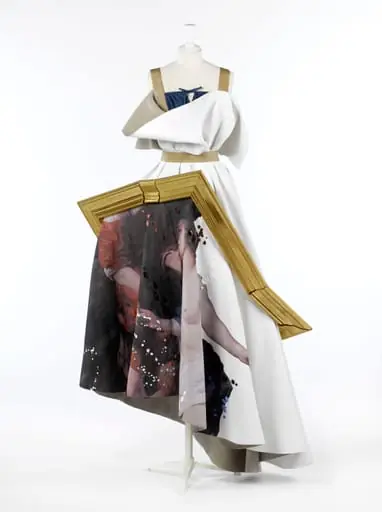 Sabina
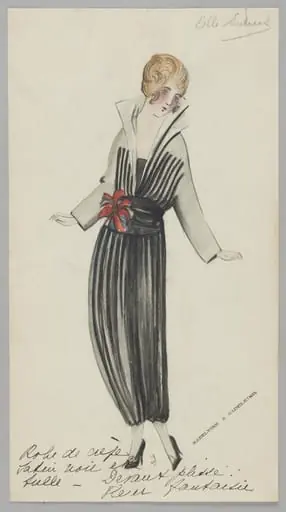 Elle séduit
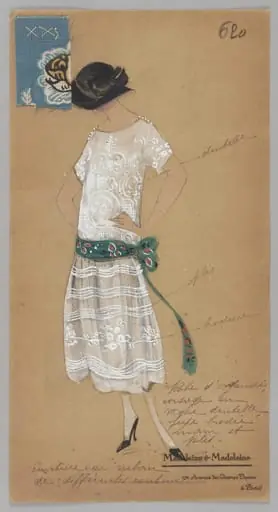 620
620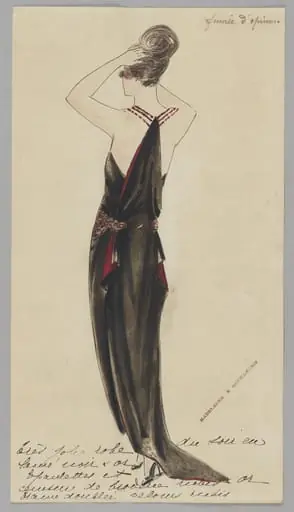 Fumée d'opium
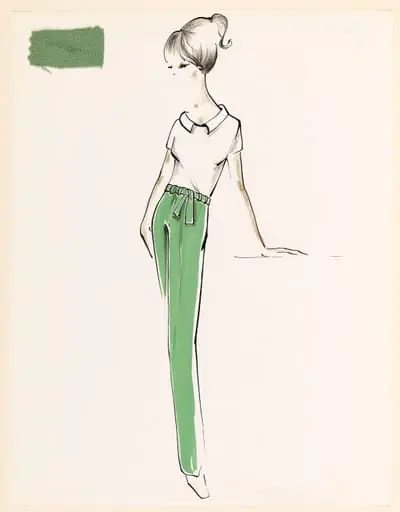 Haut blanc à manches courtes et pantalon vert à ceinture nouée
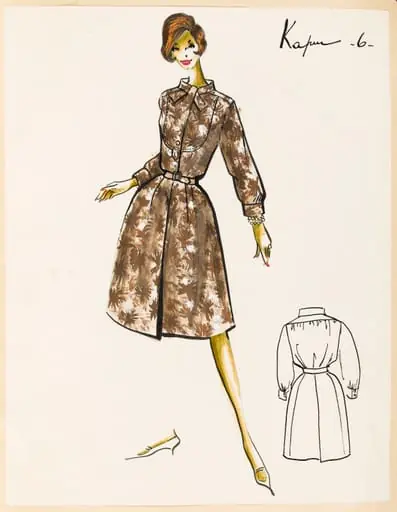 Kapur
Kapur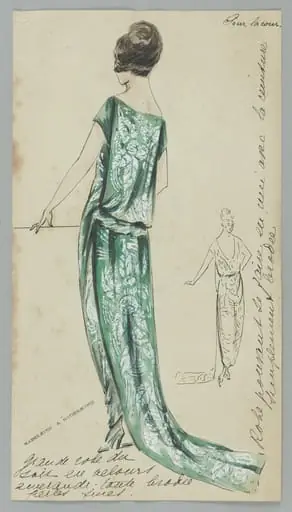 Pour la cour
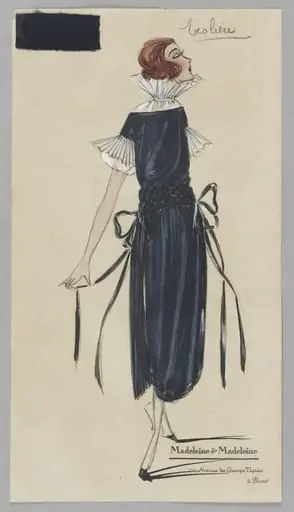 Ecolière
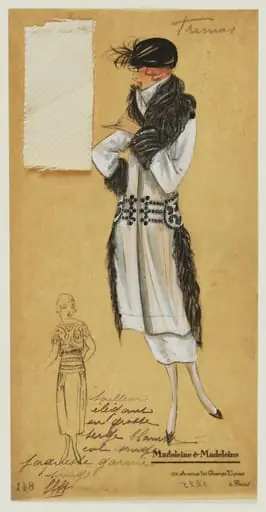 Trema
Trema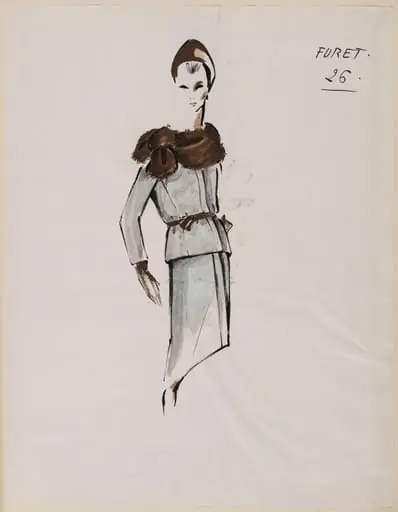 Furet
Furet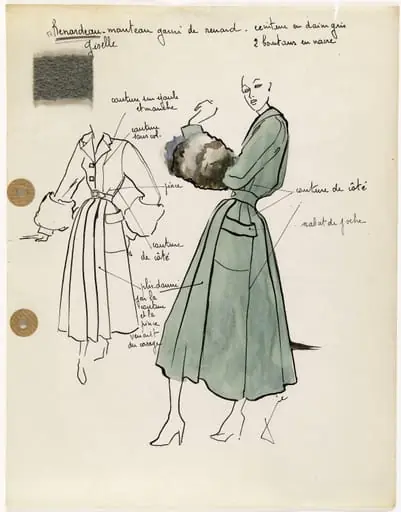 'Renardeau'
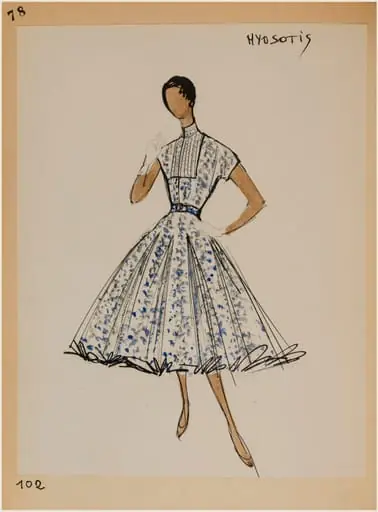 Myosotis
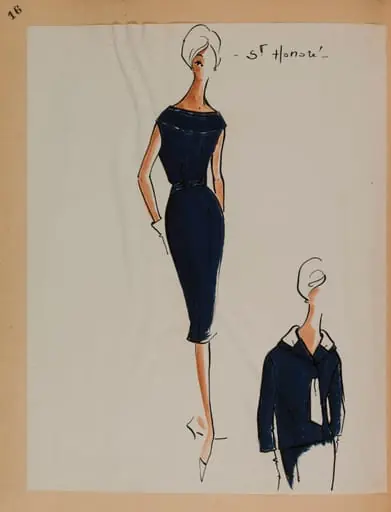 Saint Honoré
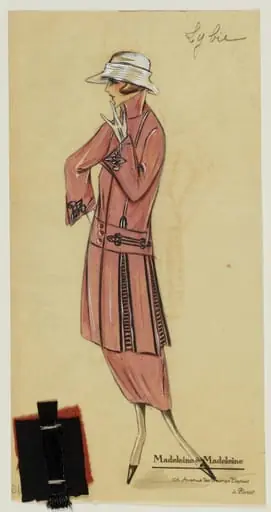 Lybie
Lybie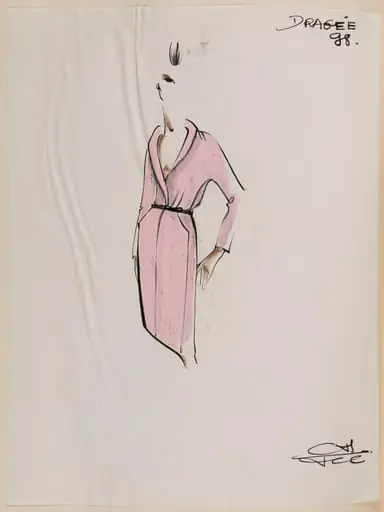 Dragée
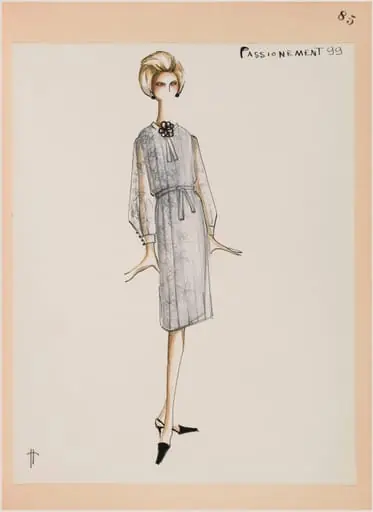 Passionement
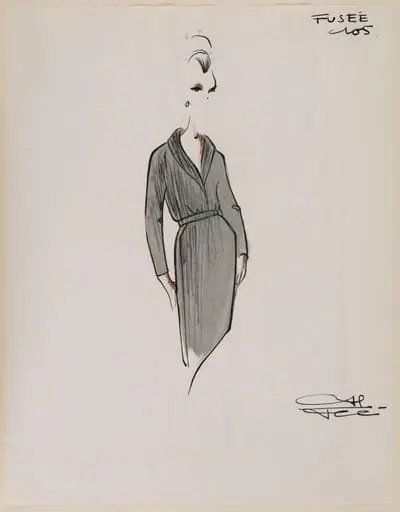 Fusée
Fusée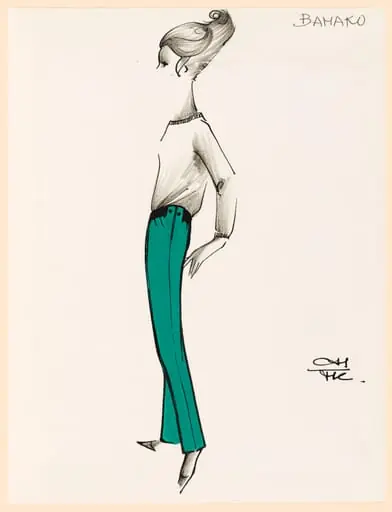 Bamako
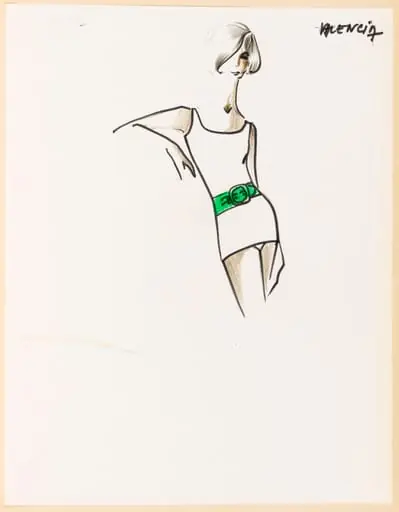 Valencia
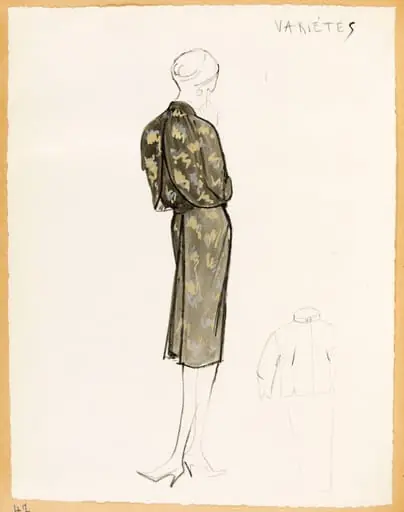 Variétés
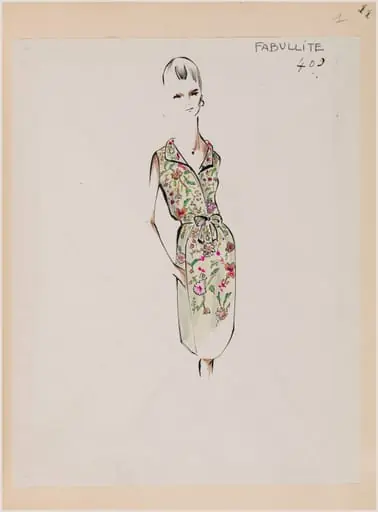 Fabullite
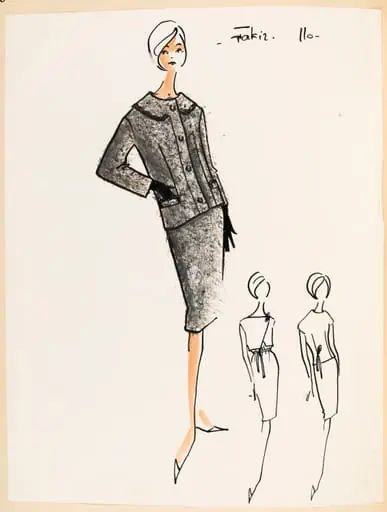 Fakir
Fakir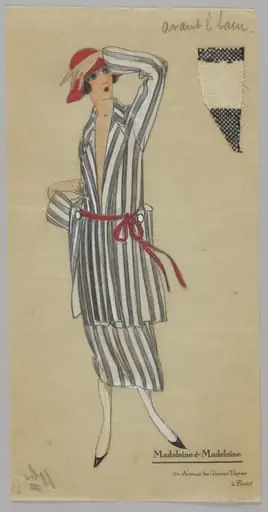 Avant le bain
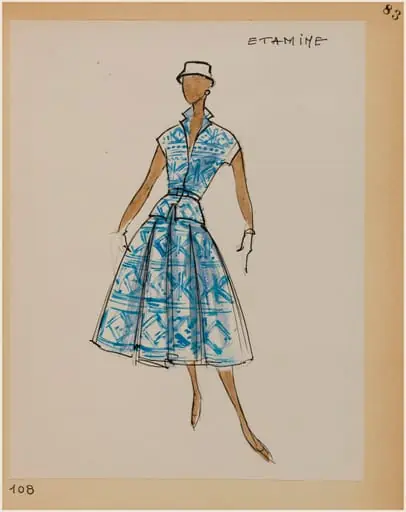 Etamine
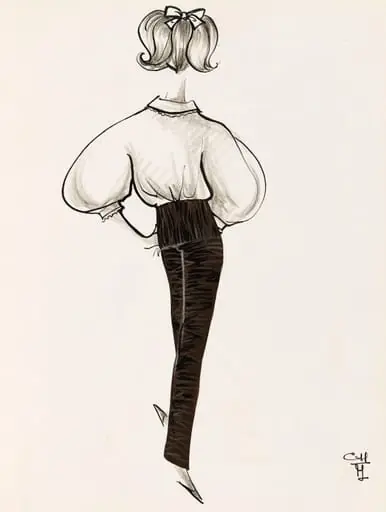 Pantalon marron à large ceinture
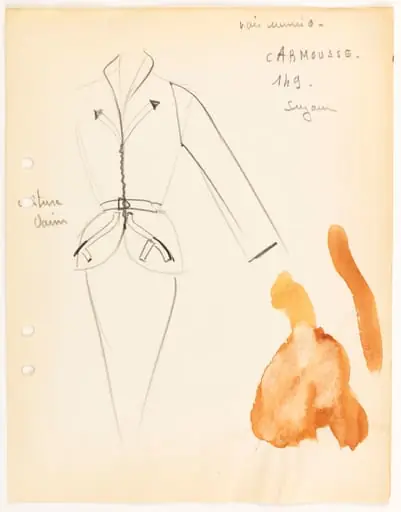 Carmousse
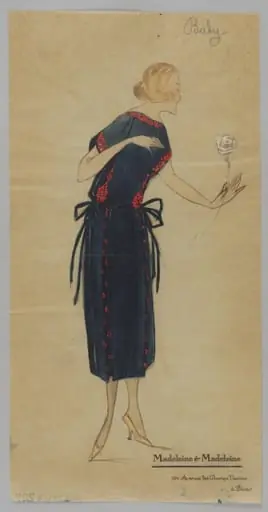 Baby
Baby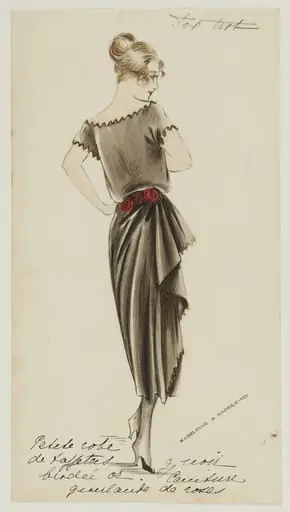 Top trot
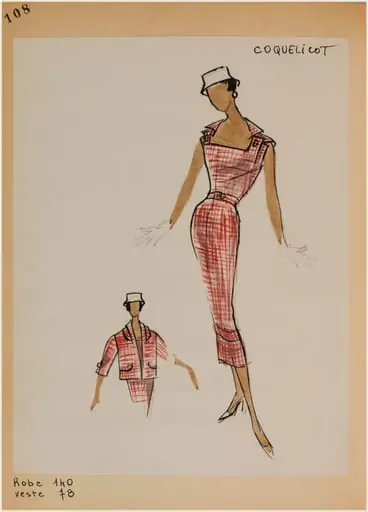 Coquelicot
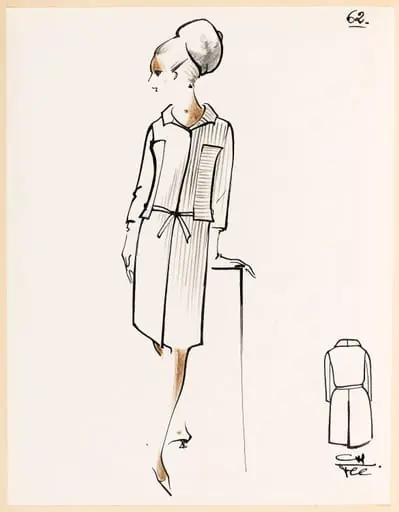 Manteau rayé à file ceinture et chapeau
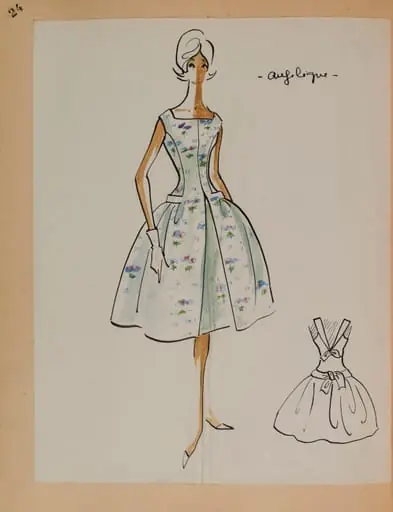 Angélique
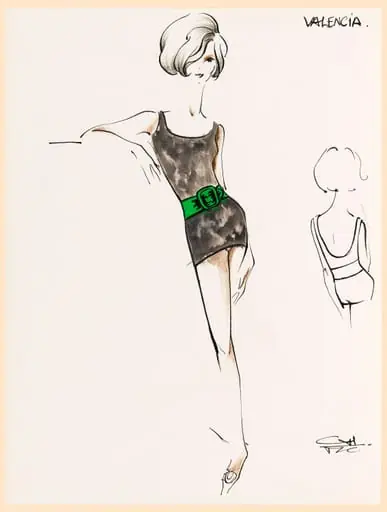 Valencia
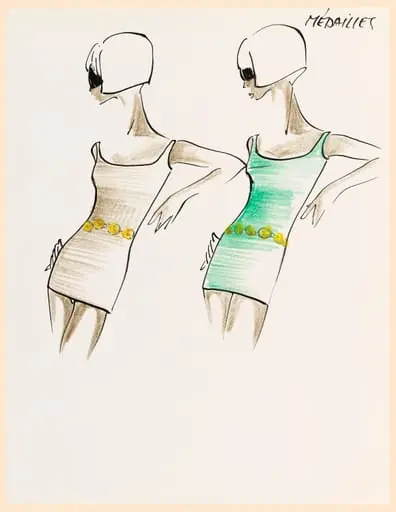 Médailles
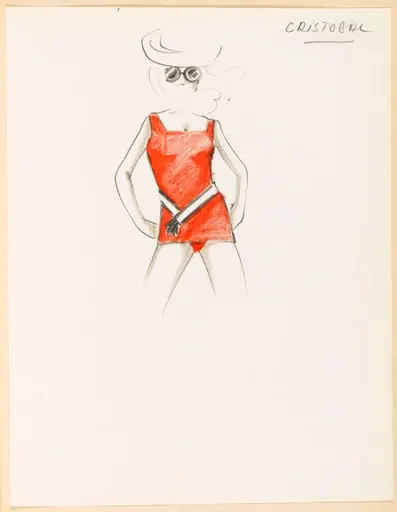 Cristobal
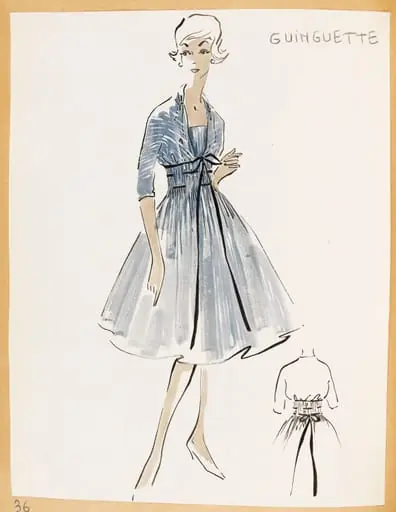 Guinguette
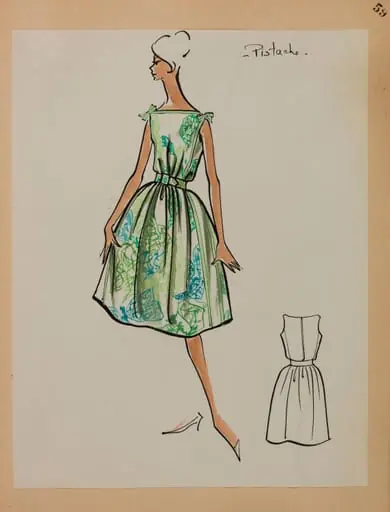 Pistache
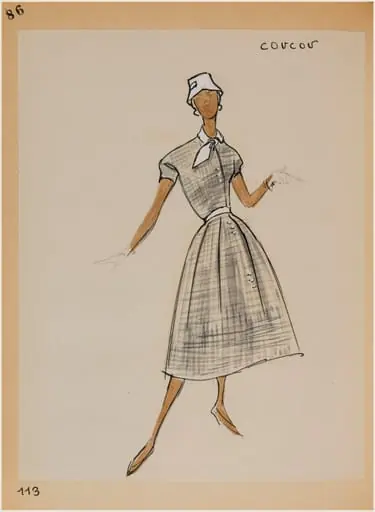 Coucou
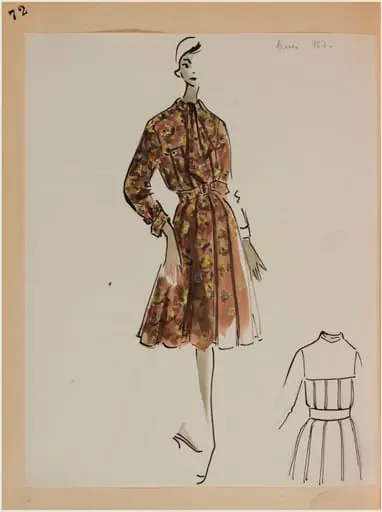 Ariane
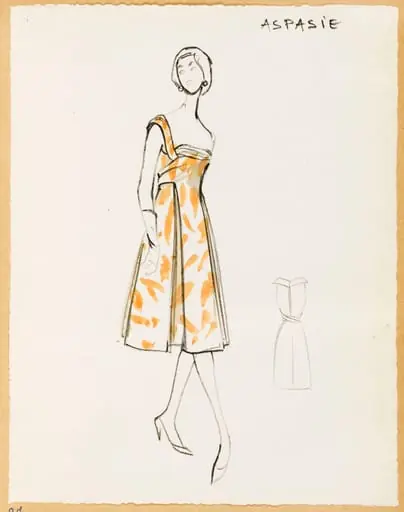 Aspasie
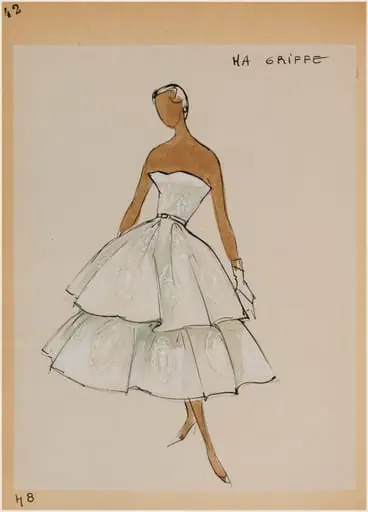 Ma griffe
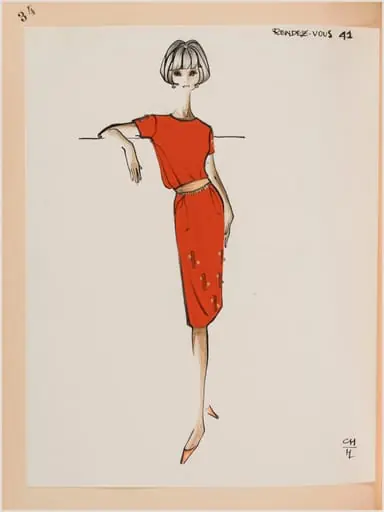 Rendez-vous
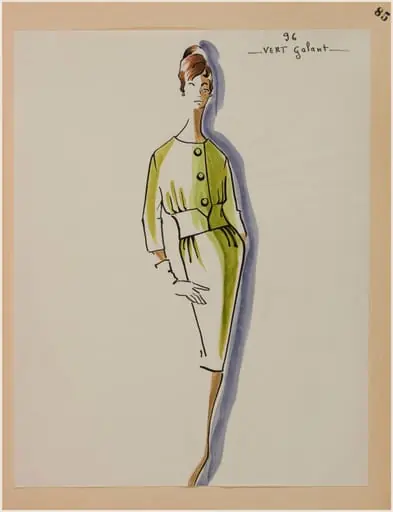 Vert galant
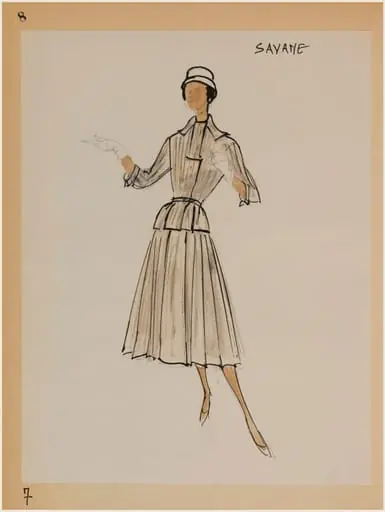 Savane
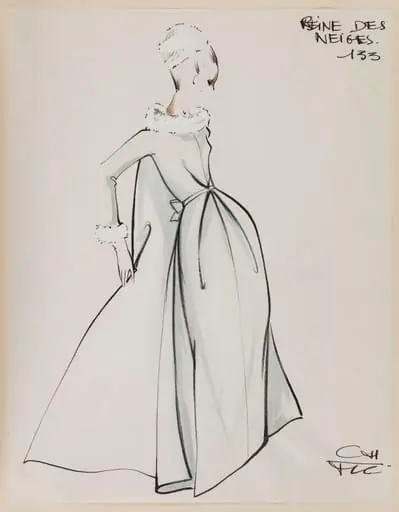 Reine des neiges
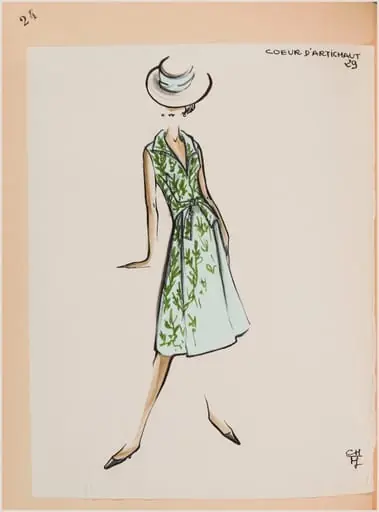 Coeur d'artichaut
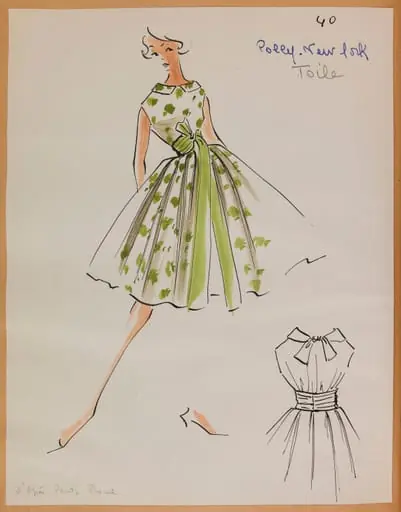 Robe sans manches blanche à motif pistache et grande ceinture pistache
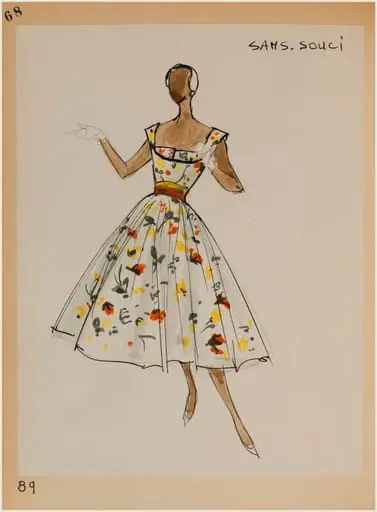 Sans-souci
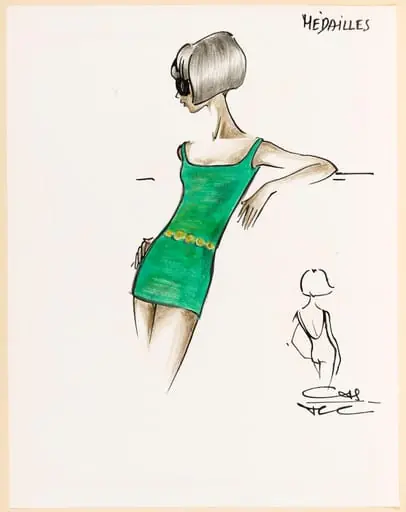 Médailles
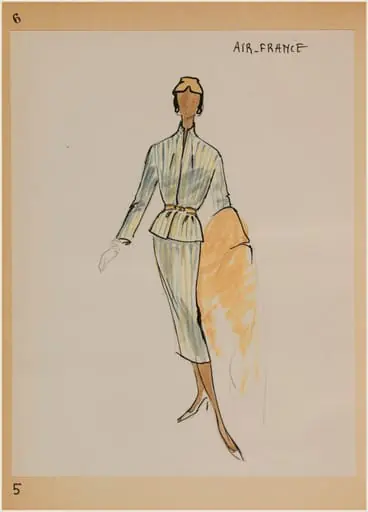 Air-France
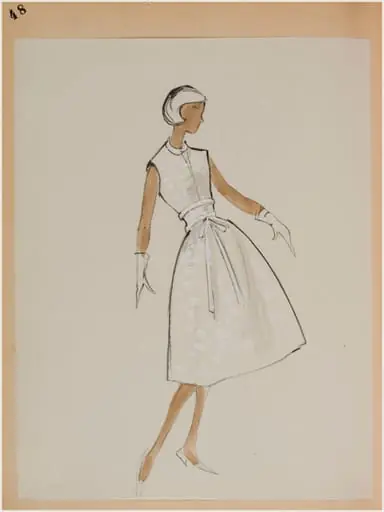 Robe sans manches blanche avec ceinture nouée à la taille
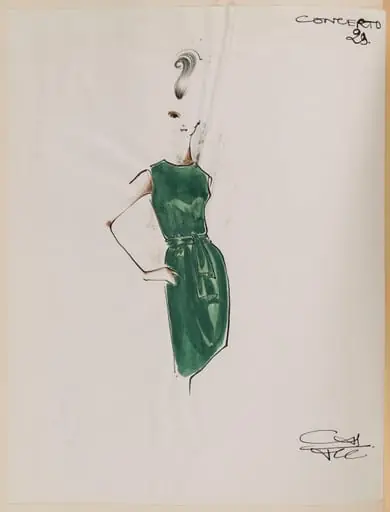 Concerto
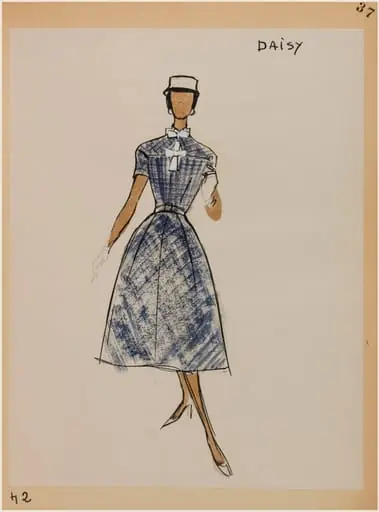 Daisy
Daisy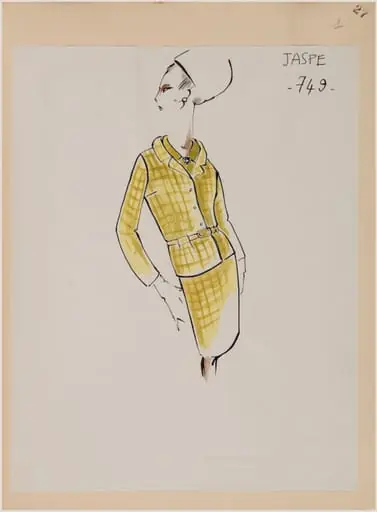 Jaspe
Jaspe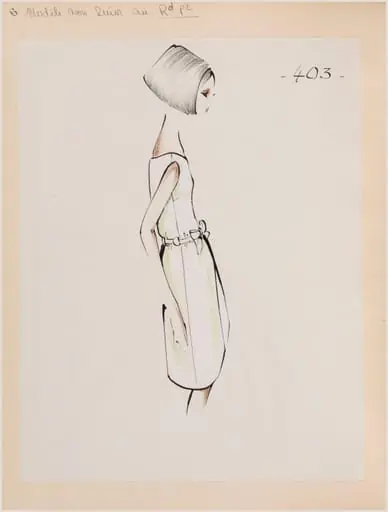 Robe sans manches vert pâle avec ceinture nouée
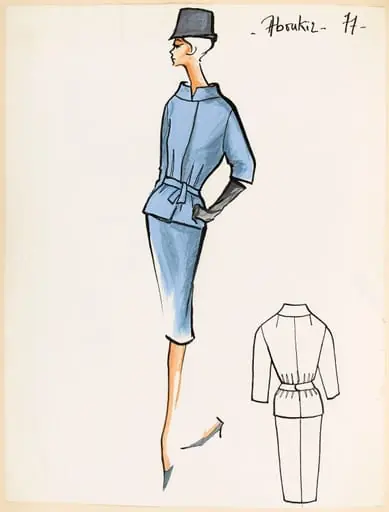 Aboukir
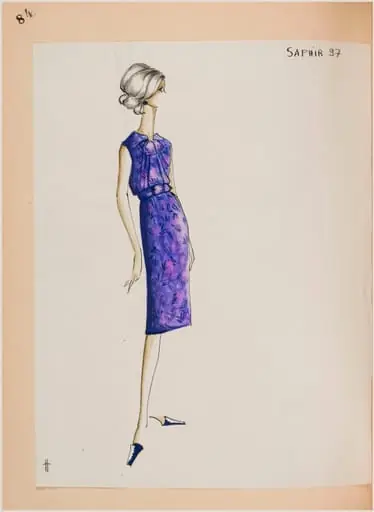 Saphir
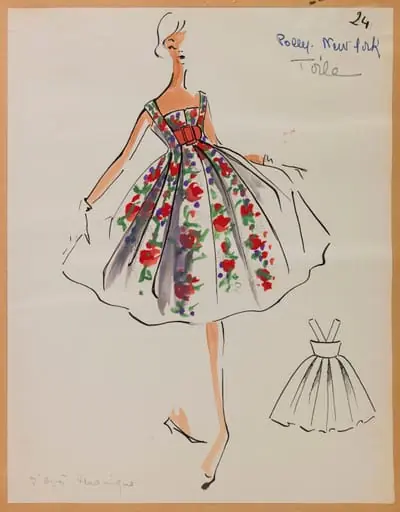 Robe à motif de fleur rouge et à large ceinture rouge sous la poitrine
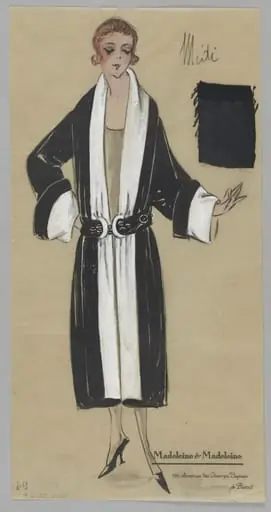 Midi
Midi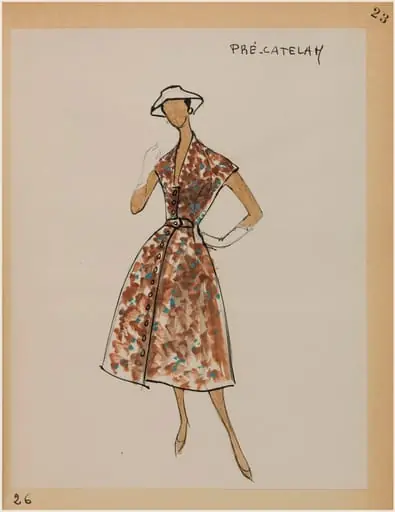 Pré-Catelan
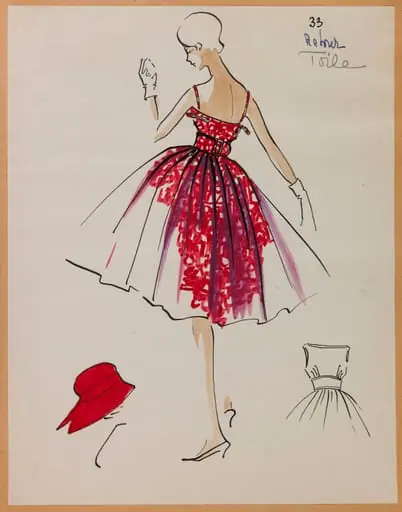 Robe rouge à ceinture à la taille
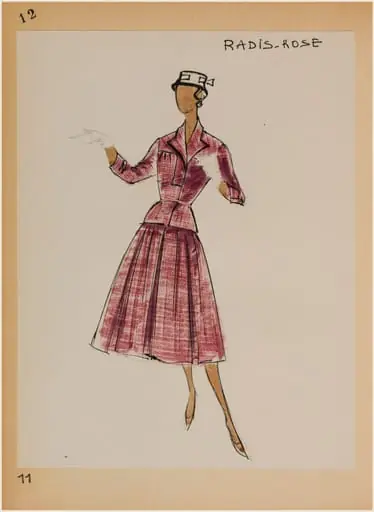 Radis rose
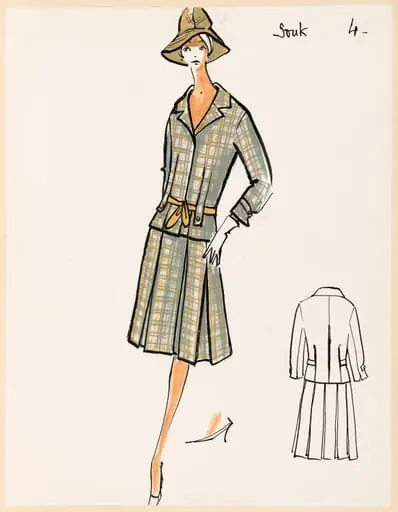 Souk
Souk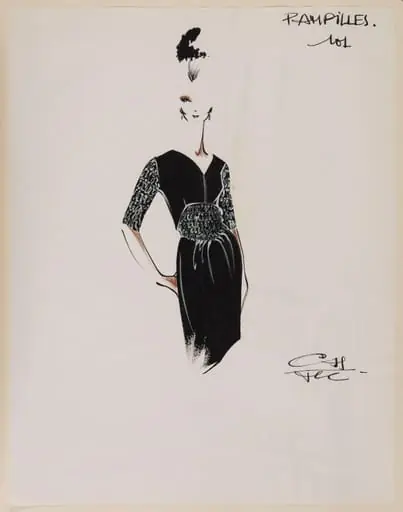 Pampilles
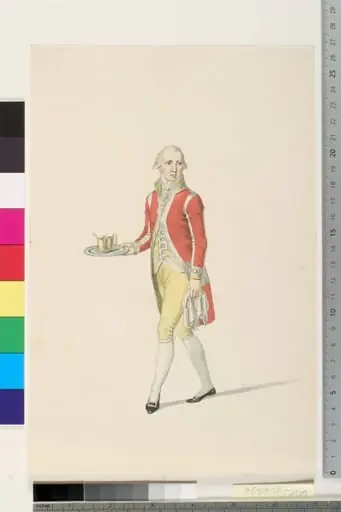 Kongelig lakaj med bakke med kopper
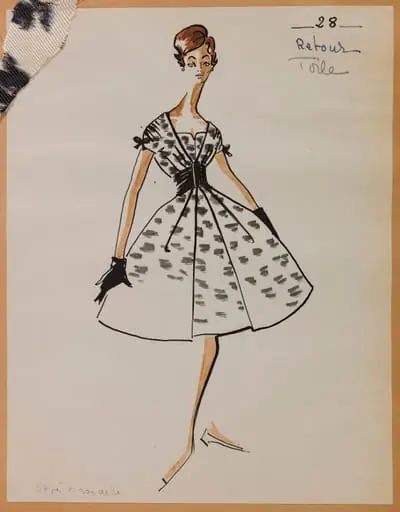 Robe blanche à motif noir avec large ceinture et noeuds aux épaules
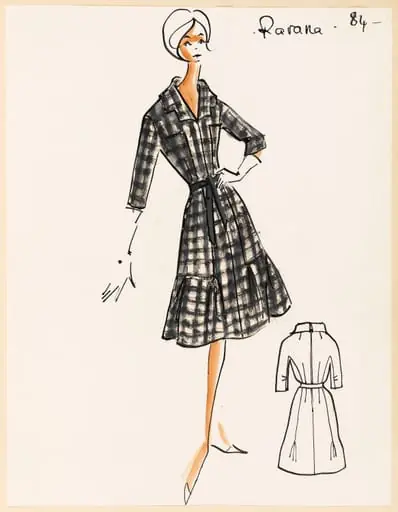 Ravana
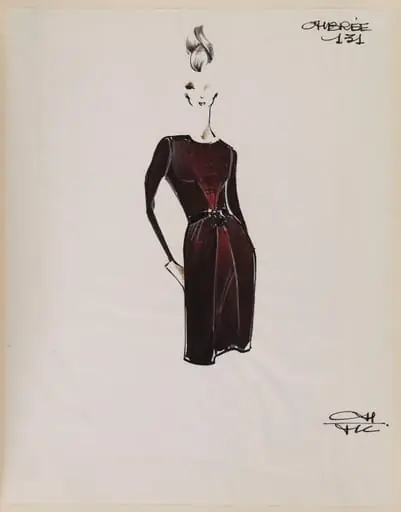 Ombrée
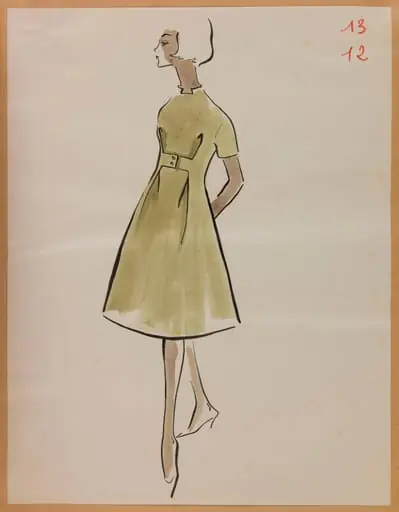 Robe amande avec ceinture sur le devant
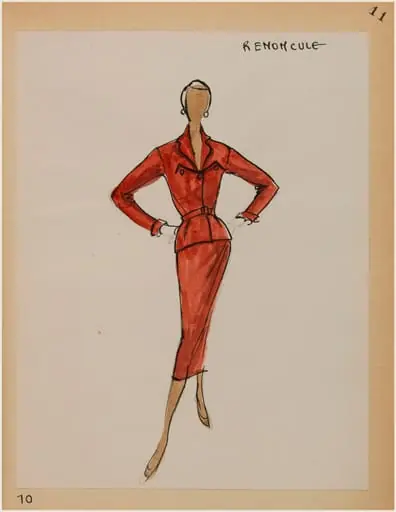 Renoncule
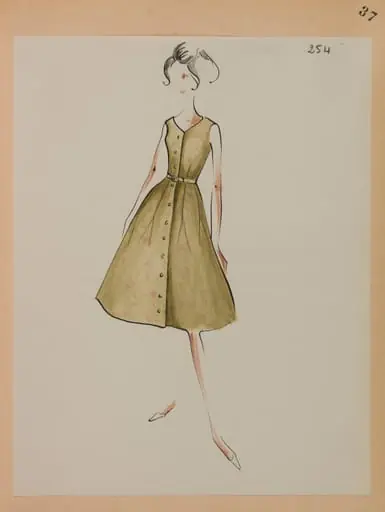 Robe à bretelles kaki clair à motif de soleil boutonnée de haut en bas avec fine ceinture
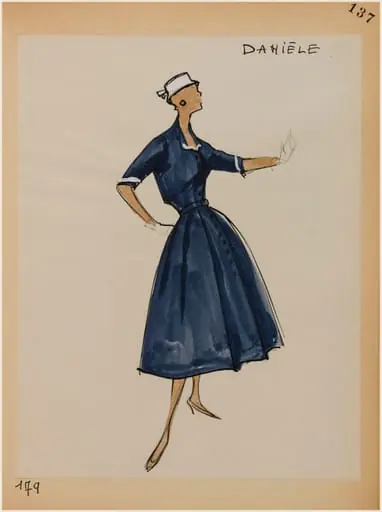 Danièle
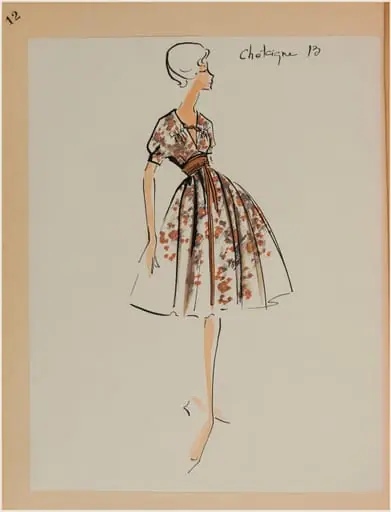 Chataîgne
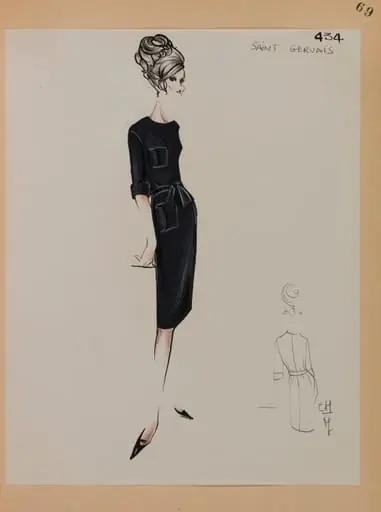 Saint Gervais
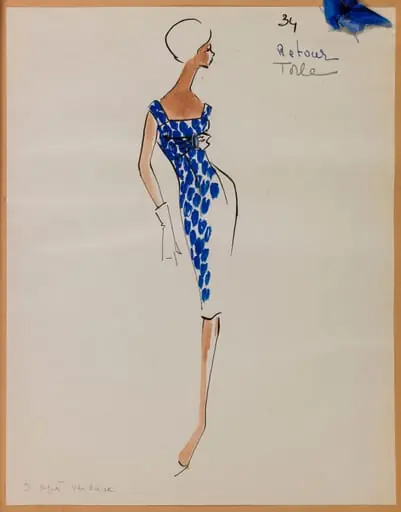 Robe ajustée à bretelles à motif bleu et ceinture sous la poitrine
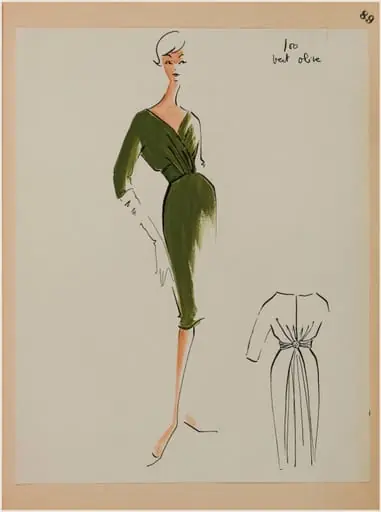 Vert olive
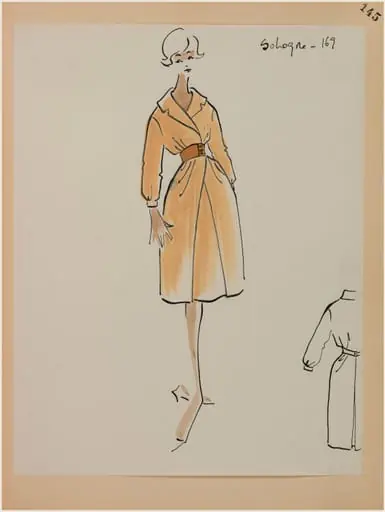 Sologne
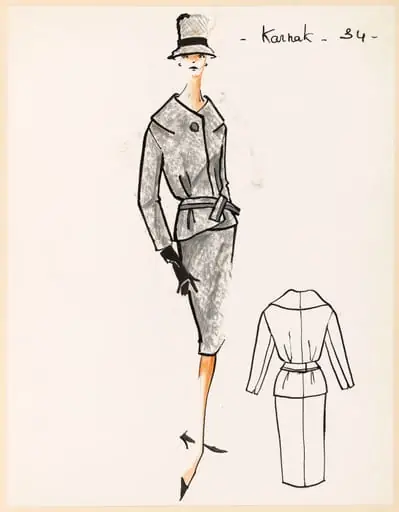 Karnak
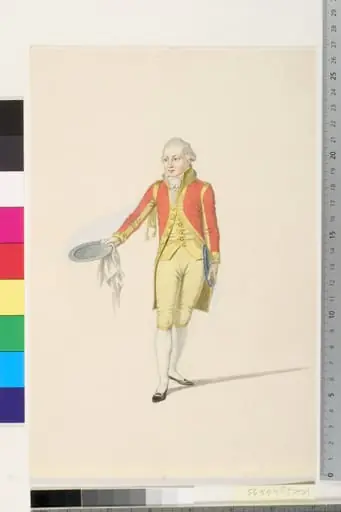 Kongelig lakaj med to tomme bakker
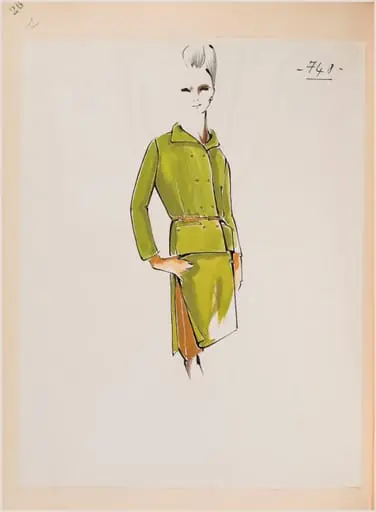 Tailleur vert et marron avec veste à fine ceinture et boutonnage
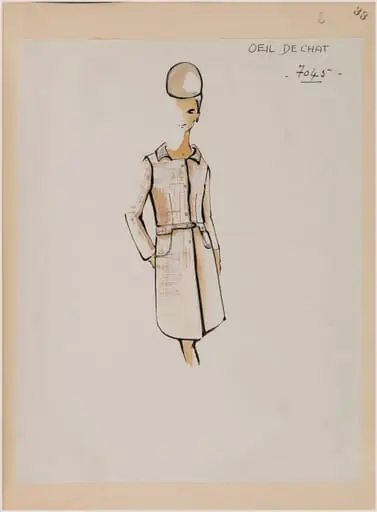 Oeil de chat
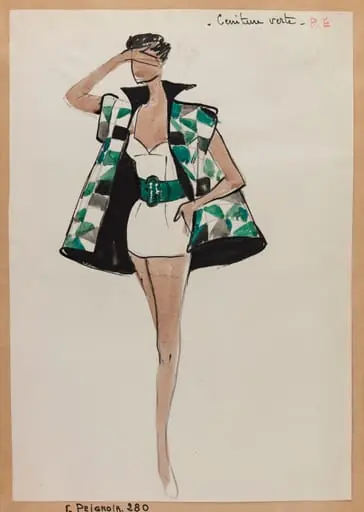 Ceinture verte
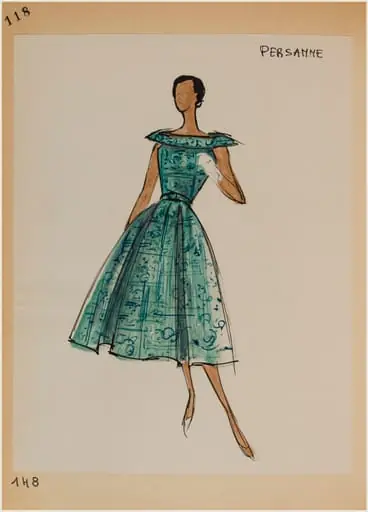 Persane
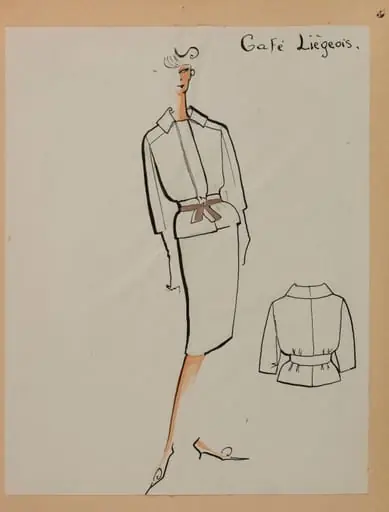 Café liégeois
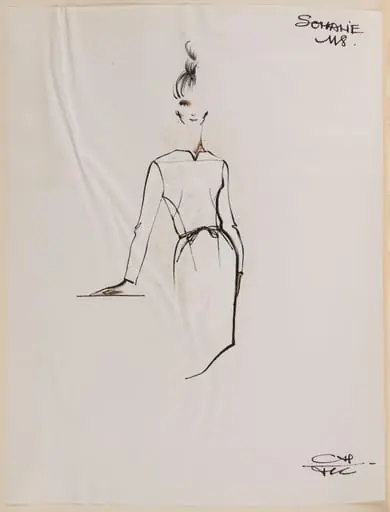 Somalie
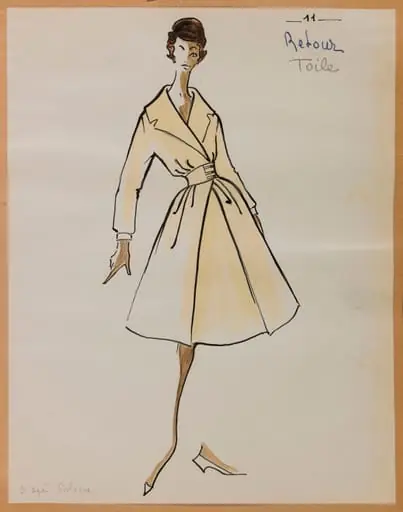 Manteau crème avec ceinture
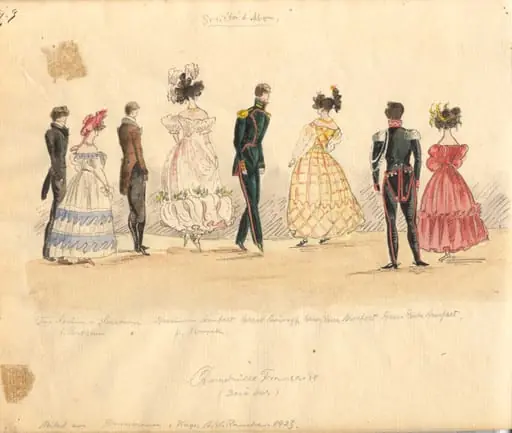 Quadrille Francaise
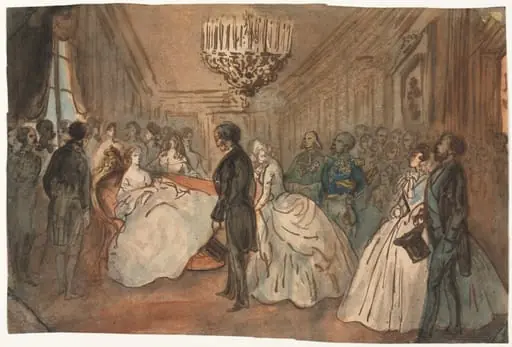 The Empress Eugénie Receiving the Diplomatic Corps after the Birth of the Imperial Prince
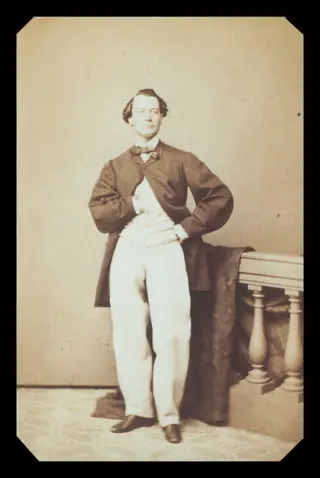 Guy Little Theatrical Photograph
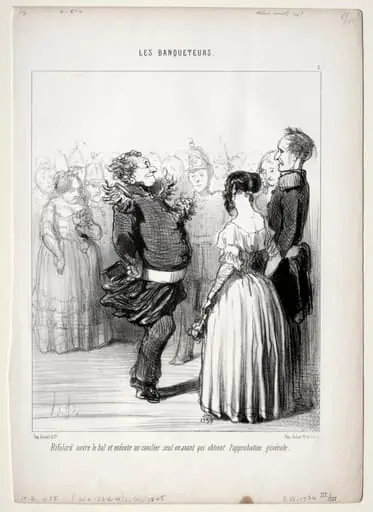 Rifolard opens the ball...
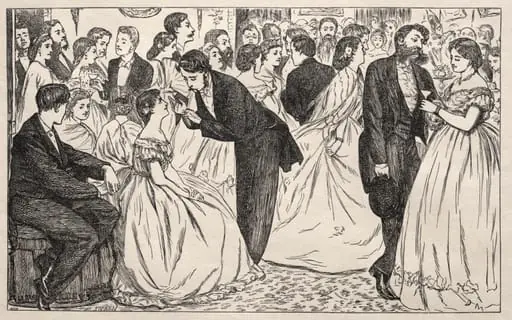 A Little Hop in Harley Street
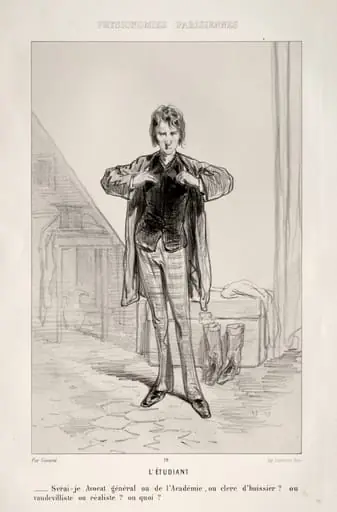 L'Étudiant
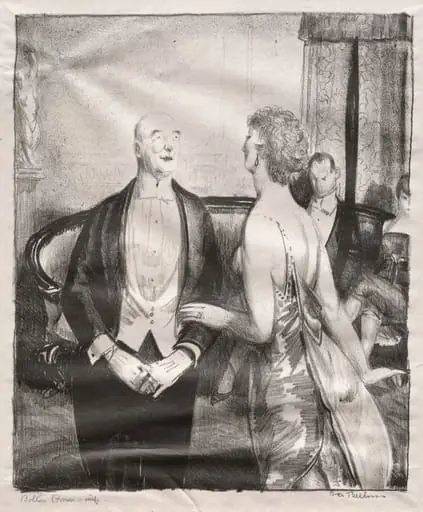 The Parlor Critic
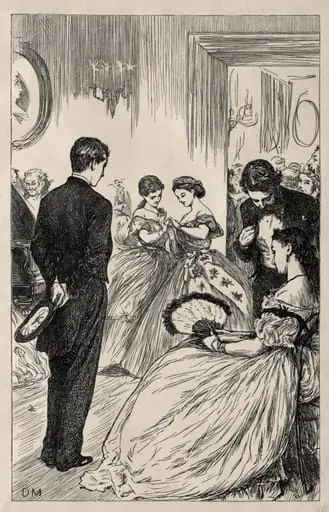 Coelebs in Search of a Mulready Envelope
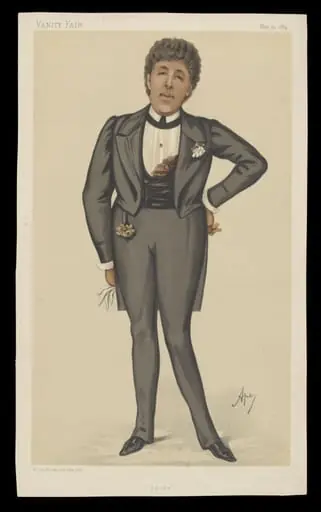 H Beard Print Collection
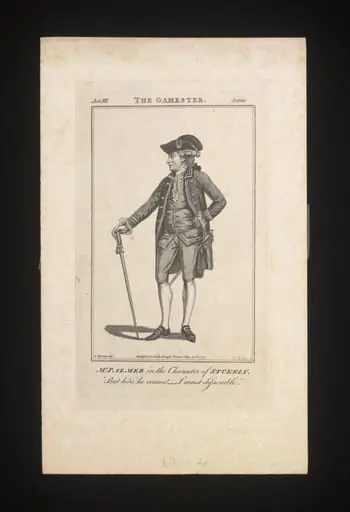 John Palmer Junior in the character of Stukely
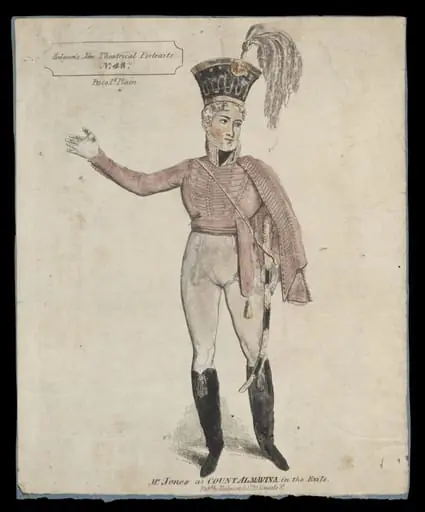 H Beard Print Collection
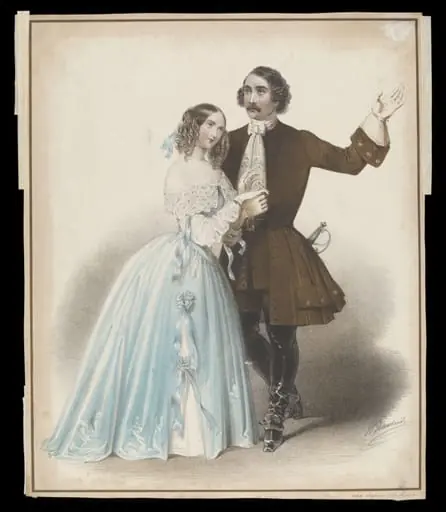 H Beard Print Collection
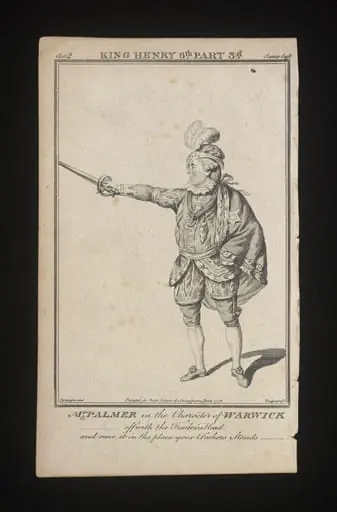 John Palmer Junior as the Earl of Warwick
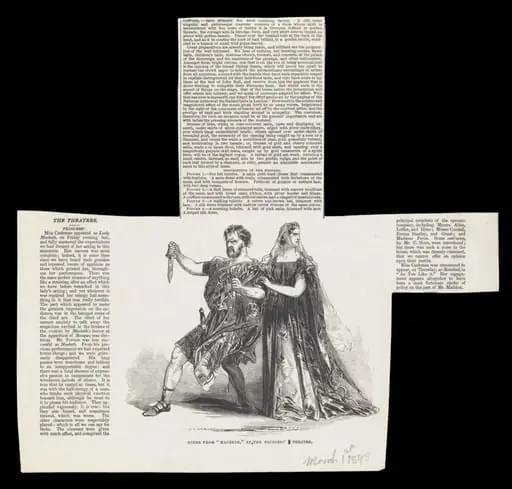 H Beard Print Collection
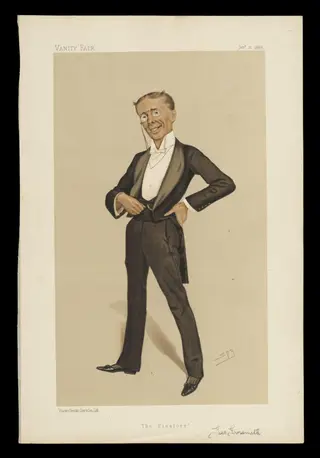 H Beard Print Collection
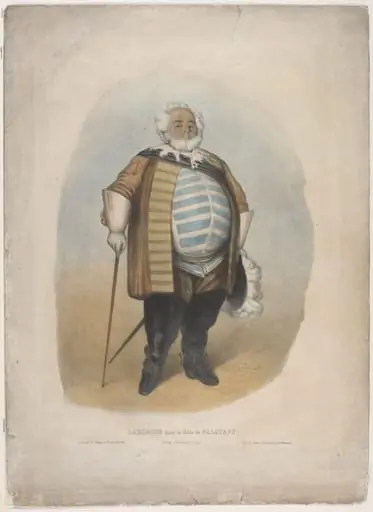 H Beard Print Collection
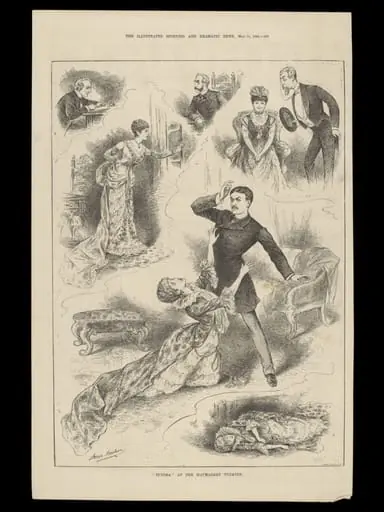 H Beard Print Collection
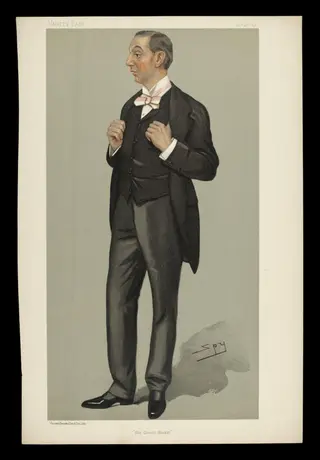 H Beard Print Collection
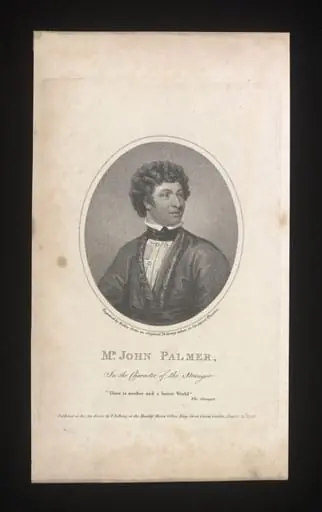 Mr John Palmer in the character of the Stranger
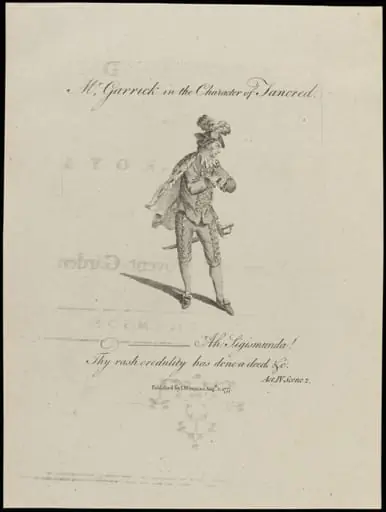 H Beard Print Collection
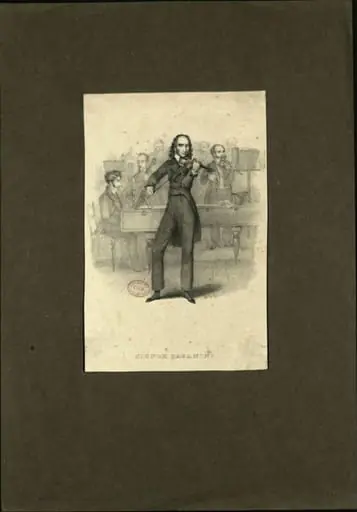 Print
Print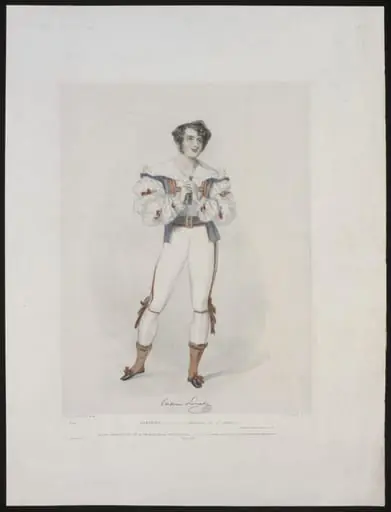 H Beard Print Collection
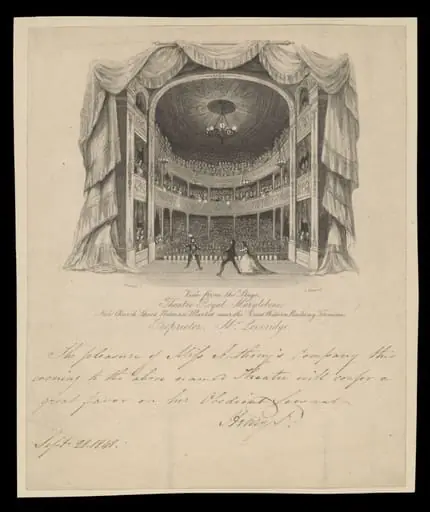 H Beard Print Collection
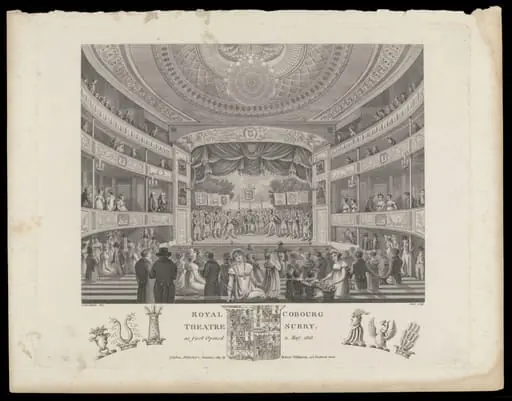 H Beard Print Collection
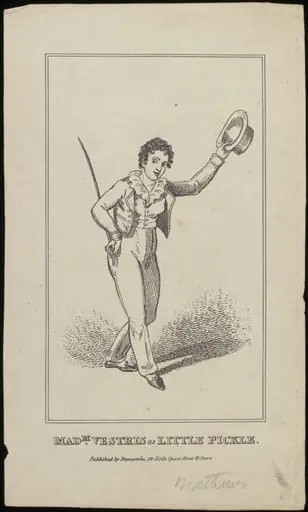 H Beard Print Collection
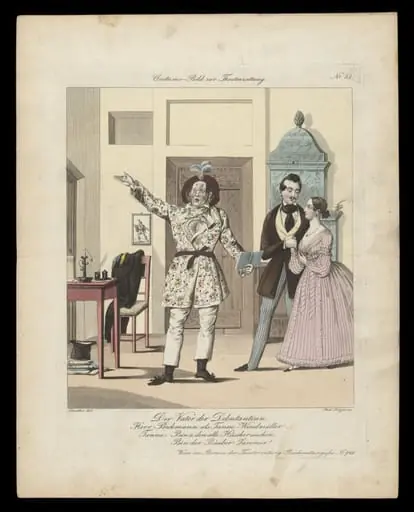 H Beard Print Collection
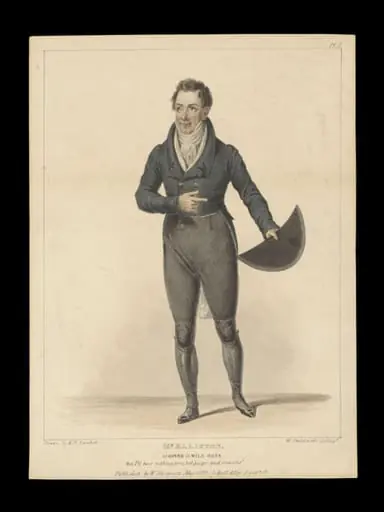 H Beard Print Collection
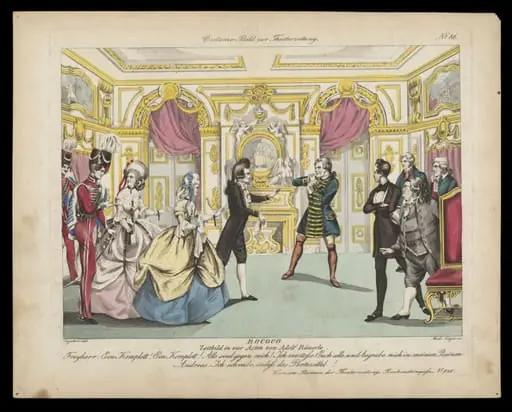 H Beard Print Collection
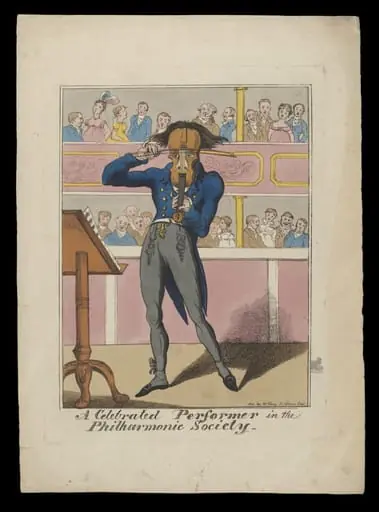 H Beard Print Collection
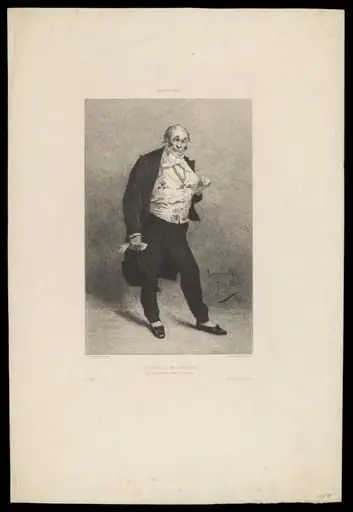 H Beard Print Collection
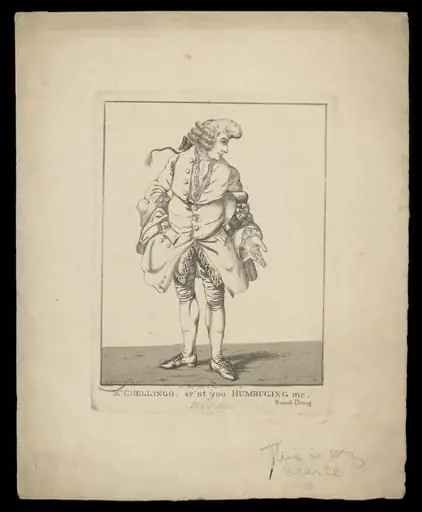 H Beard Print Collection
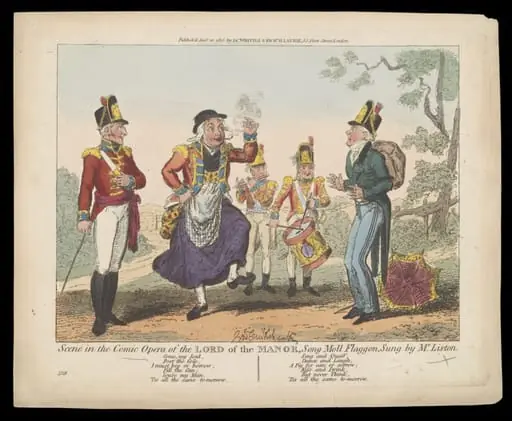 H Beard Print Collection
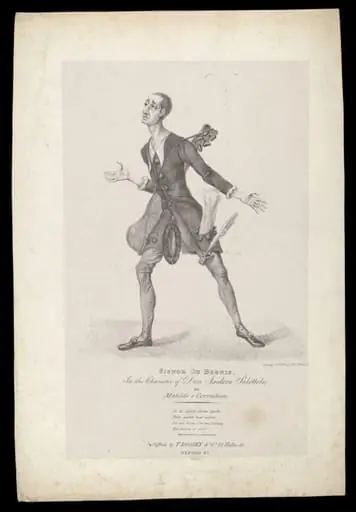 H Beard Print Collection
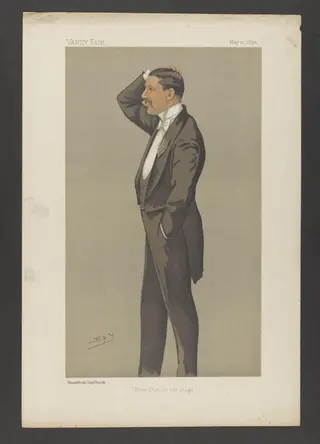 H Beard Print Collection
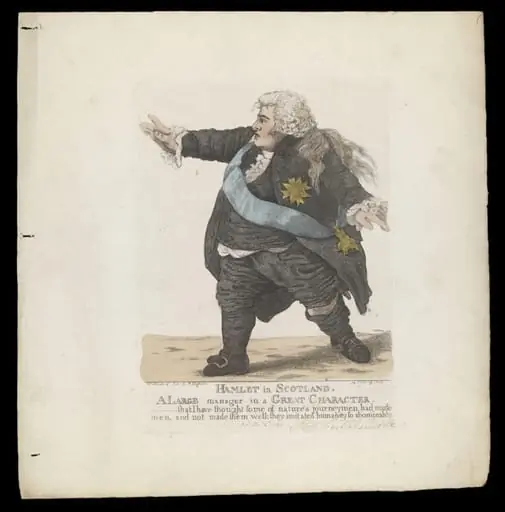 H Beard Print Collection
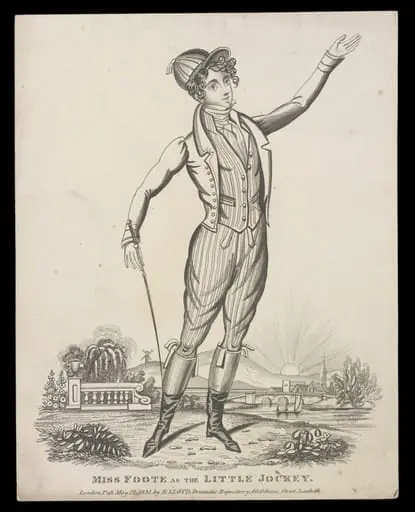 H Beard Print Collection
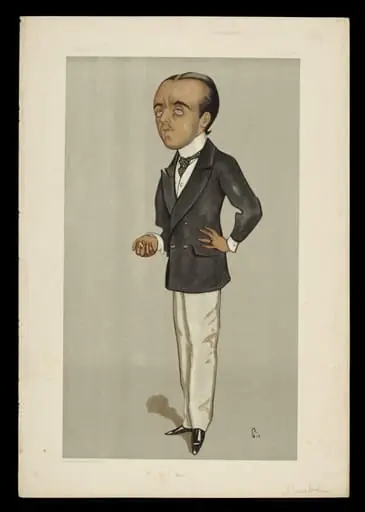 H Beard Print Collection
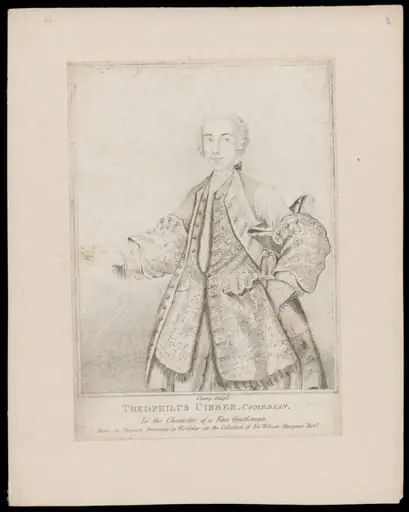 H Beard Print Collection
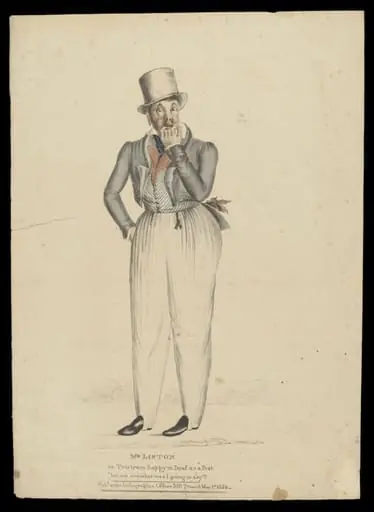 H Beard Print Collection
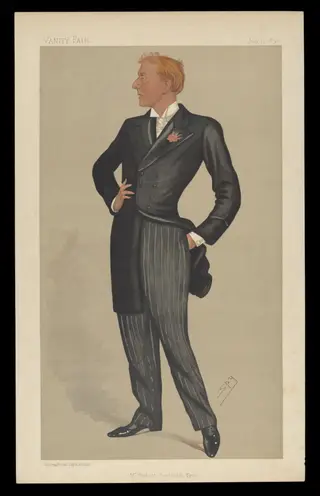 H Beard Print Collection
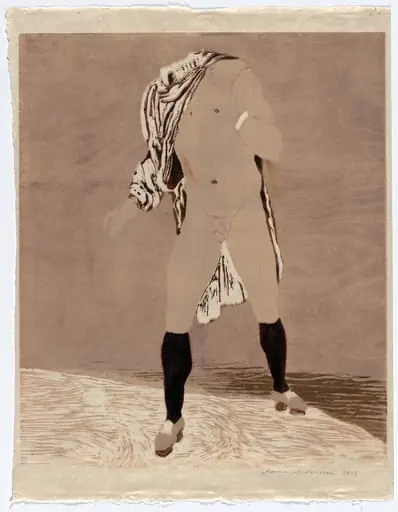 Untitled
Frequently asked questions
What is Cummerbund?
Cummerbund is a subject in art. A cummerbund is a broad waist sash, usually pleated, which is often worn with single-breasted dinner jackets (or tuxedos).
How many Cummerbund works does Artifact World Gallery have?
Artifact World Gallery holds 146 public-domain Cummerbund works, all free to view and download.
Who are the key Cummerbund artists?
Key Cummerbund artists in the collection include George Bellows, William Blake and Arthur B. Davies.
Where can I see Cummerbund works?
Cummerbund works in the collection are held by Palais Galliera - Musée de la Mode de la Ville de Paris, Victoria and Albert Museum and National Gallery of Art.