Artist
Subject
Silver
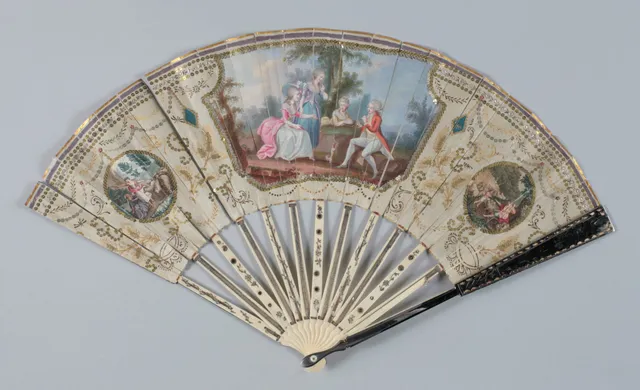
Silver is a subject in art. The gallery holds 38 works in this subject in art, including works by Madeleine & Madeleine, Duvelleroy and Marie-Louise Carven.
Silver is a chemical element; it has symbol Ag (from Latin argentum 'silver') and atomic number 47. A soft, whitish-gray, lustrous transition metal, it exhibits the highest electrical conductivity, thermal conductivity, and reflectivity of any metal.
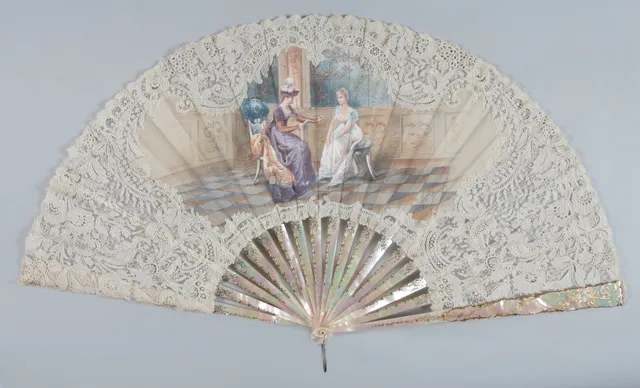
Key artists

Overview
Silver, a soft, whitish-gray, lustrous transition metal with the chemical symbol Ag and atomic number 47, has served as a recurring and significant material in art for over six millennia. Its distinctive properties, highest among metals for electrical conductivity, thermal conductivity, and reflectivity, made it both practically valuable and symbolically potent. As one of the seven metals of antiquity, silver has been fashioned into coins, jewelry, vessels, liturgical objects, and decorative arts across virtually every human culture. Its pale gleam, malleability, and resistance to oxidation when properly treated ensured its prominence in ornamental and monetary contexts, while its relative abundance compared to gold allowed broader access to luxury goods. In art collections worldwide, silver appears not merely as a material but as a subject and motif, reflecting its dual identity as a precious commodity and a bearer of complex cultural meanings.
Iconography & meaning
The iconography of silver in art is deeply rooted in lunar and feminine symbolism. From ancient Egypt to the Aztec civilization, silver's pale gleam was associated with the moon, in contrast to gold's solar connotations. This lunar connection linked silver to cycles, water, tides, and by extension to emotions, intuition, and the unconscious. In alchemy, silver was represented by the crescent moon and called Luna, paired with gold's Sol. Medieval and Renaissance religious art exploited silver's reflective brilliance to signify divine light, purity, and heavenly presence. Silver halos and backgrounds in Byzantine and medieval icons created an otherworldly luminosity that distinguished sacred figures. The metal's antimicrobial properties, observed since antiquity when food stored in silver vessels resisted spoilage and wounds bound with silver leaf healed better, contributed to beliefs in its protective and healing powers. Mirrors of silver were thought to deflect evil, and later folklore attributed to silver the power to harm werewolves. In secular contexts, silver became synonymous with wealth, status, and refined taste, its display signaling social position and cultural sophistication.
Across movements & periods
The treatment of silver in art evolved significantly across movements and cultures. The oldest silver artifacts date from ancient Sumer around 4000 BCE, where scarcity and brilliant white color established its ornamental primacy. In ancient Rome, silver dominated plate ware and household utensils before yielding position to gold, only to resurge during the Middle Ages as the principal material for European metal artwork. The influx of New World silver stimulated eager markets, while the Renaissance found expression for silver in virtually every conceivable form, often plating it with gold. The 18th century saw the development of Sheffield plate, fusing thin silver sheets to copper to democratize access. In East Asian traditions, Japanese artists from the 17th century refined techniques of applying silver leaf to paper and lacquer for folding screens and album leaves, while brushing powdered silver onto size for woodblock prints. European painting saw silver leaf beneath translucent oil glazes, as in Joos van Cleeve's portrait of Francis I, where it added depth and richness protected from tarnish. The silverpoint technique, predating graphite pencils, produced precise, feathery lines that warmed to brown-grey over time. Contemporary practice has largely replaced genuine silver with stainless steel, aluminum, and mica-based metallic paints that resist tarnishing, though silverpoint persists among dedicated practitioners.
Notable depictions
Several canonical works and artifacts exemplify silver's artistic significance. Andrea del Verrocchio's contribution to The Silver Altar of St. John the Baptist (1367-1483), specifically The Beheading of the Baptist panel now in the Museo dell'Opera del Duomo in Florence, represents a pinnacle of Renaissance goldsmithing, combining silver with enamel, gilding, and wood in an elaborate late Gothic structure. The altar demonstrates the collaborative nature of major silver commissions and the integration of sculpture and metalwork. In the Northern Renaissance, Hans Memling's Virgin and Child paintings employed silver leaf for halos and decorative elements, imparting divine luminosity. Andy Warhol's Silver Screen series of the 1980s utilized metallic silver ink and reflective surfaces to evoke Hollywood glamour and the transience of fame, translating silver's traditional associations into contemporary pop culture commentary. Jeff Koons's Louis XIV (1986), though executed in stainless steel, deliberately channels silver's Baroque connotations of sensuality, power, and kitsch spectacle. The Sainte-Chapelle Silver Reliquary from 13th-century France and the Ming Silver Phoenix from 14th-century China represent extraordinary achievements in their respective traditions, the former holding a fragment of the True Cross in filigreed sterling silver, the latter demonstrating masterful repousse work in pure silver.
Legacy
Silver's legacy in art extends from its ancient role as a precious material to its contemporary afterlife as a color and conceptual reference. The metal's tendency to tarnish when exposed to sulfur-laden gases has paradoxically preserved its historical interest, as conservators and scholars study the chemistry of degradation to understand original appearances. The shift from genuine silver to simulated materials in modern and contemporary art reflects both economic pragmatism and changed aesthetic priorities, yet the symbolic vocabulary established over millennium persists. Silver's association with the moon, femininity, and interiority continues to inform contemporary artistic practice, while its industrial applications in photography, electronics, solar energy, and data centers have created new contexts for its cultural significance. The metal's role in medallic art and commemorative portraiture, as evidenced in the collection's holdings, maintains its function as a medium of memory and status. Contemporary artists working in silverpoint and those employing metallic pigments demonstrate the ongoing vitality of techniques developed centuries ago, even as the material itself has become less central to artistic production.
Works
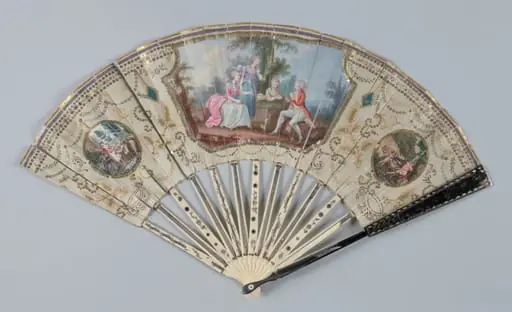 Eventail plié
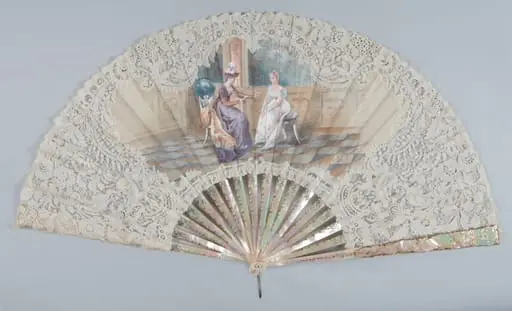 Eventail plié
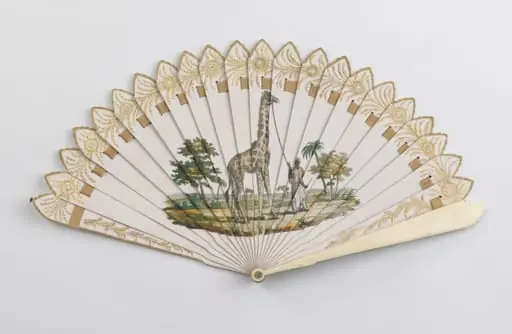 Eventail carnet de bal à la girafe
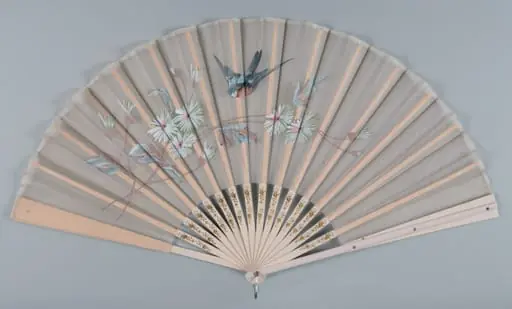 Eventail plié
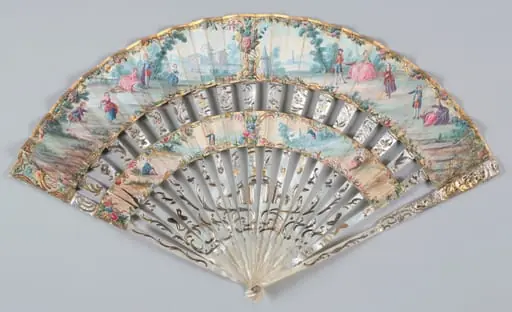 Eventail plié cabriolet
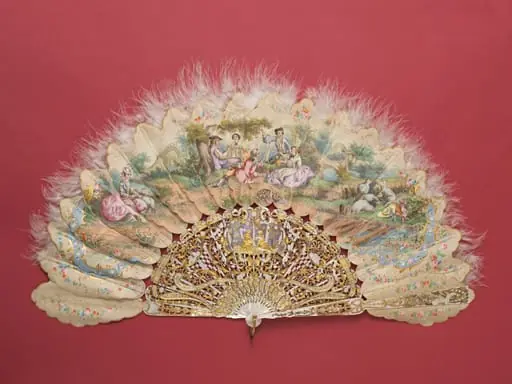 Eventail pliant
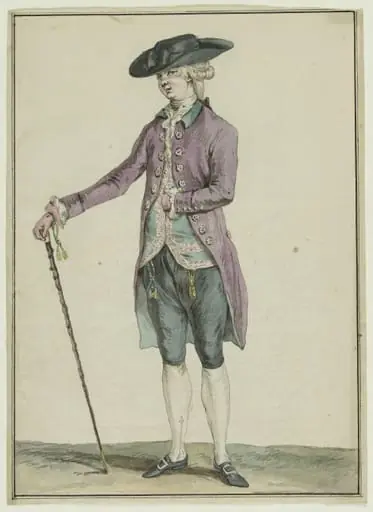 Petit maître en chenille, Habit du matin
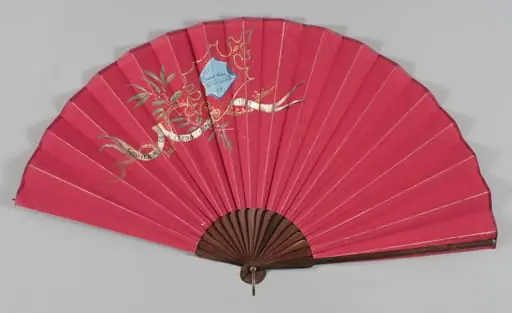 Eventail plié
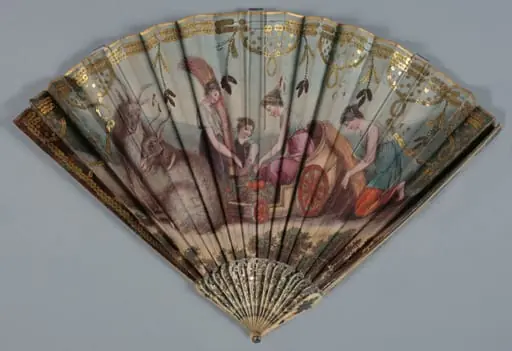 Eventail plié
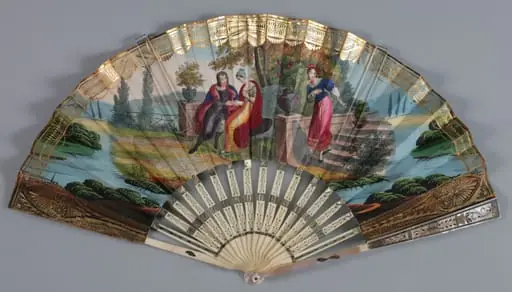 Eventail plié
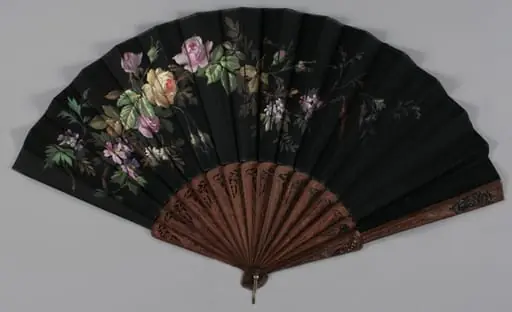 Eventail plié
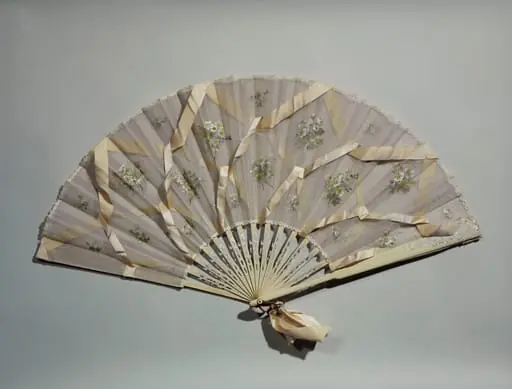 Eventail plié
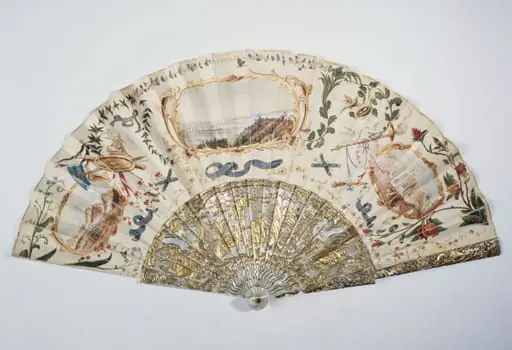 Eventail de mariage de la Maréchale Pélissier
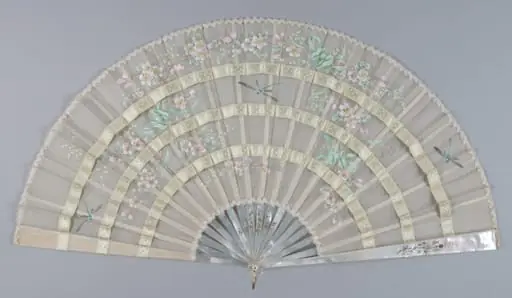 Eventail plié
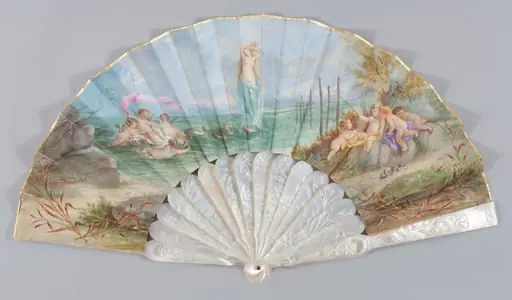 Naissance de Vénus
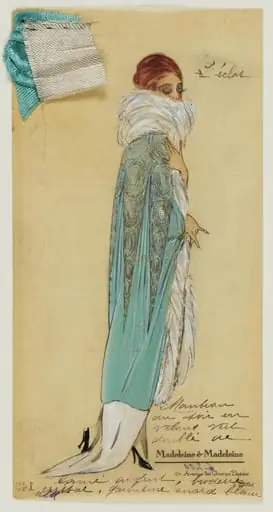 L'éclat
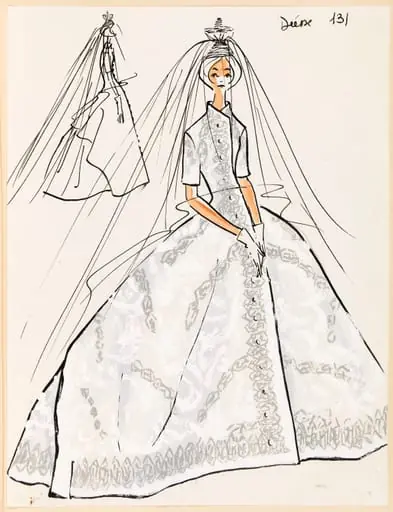 Déesse
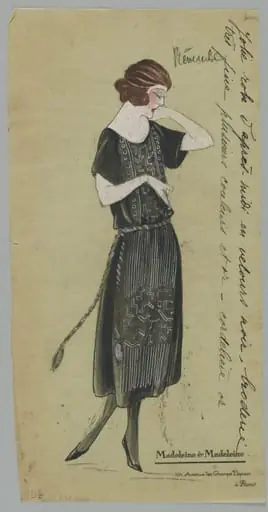 Rêveuse
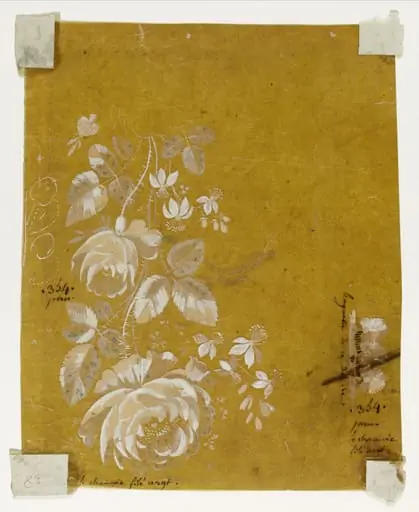 Bouquet de roses blanches pour étoffe, projets de broderies de gilet, XVIIIème siècle
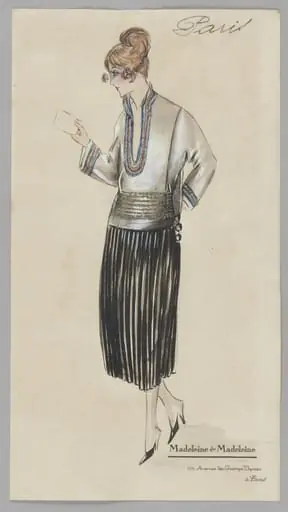 Paris
Paris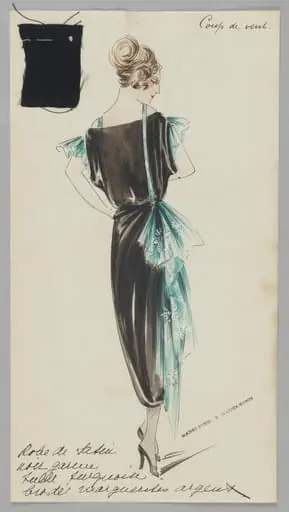 Coup de vent
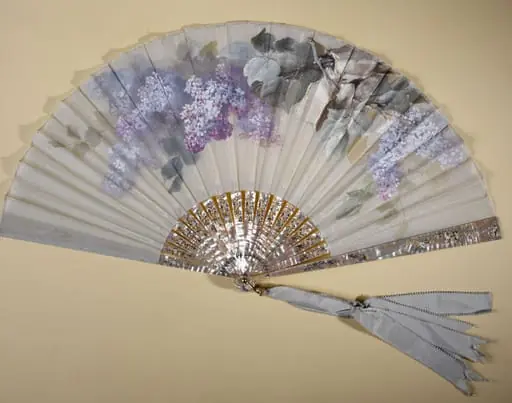 Eventail plié Les lilas
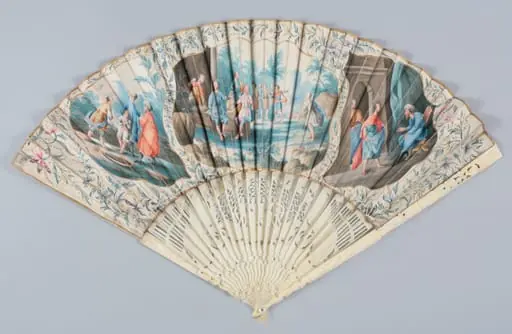 L'Histoire de Joseph
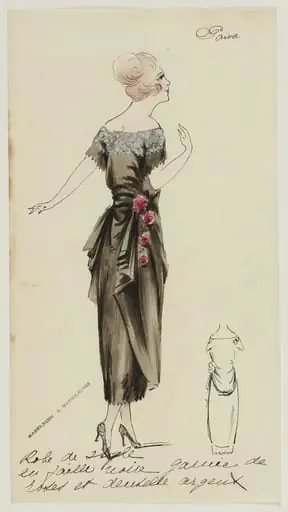 Païva
Païva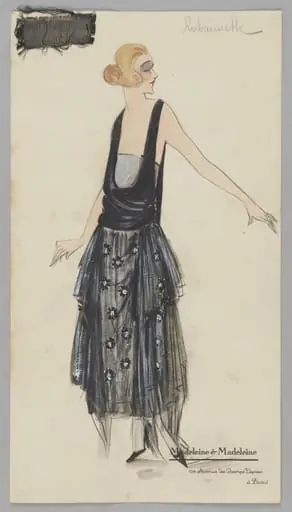 Rubannette
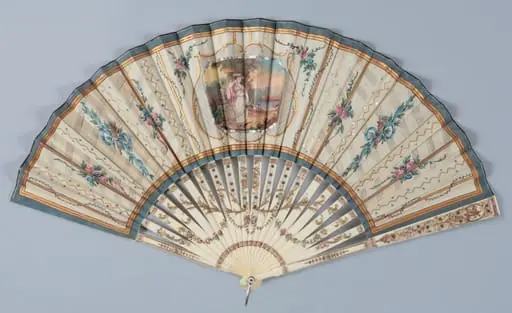 Eventail plié
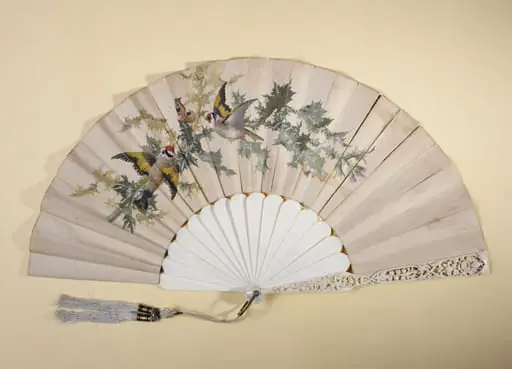 Eventail plié
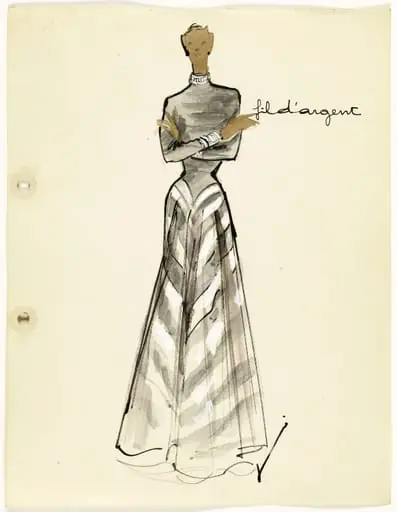 'Fil d'argent'
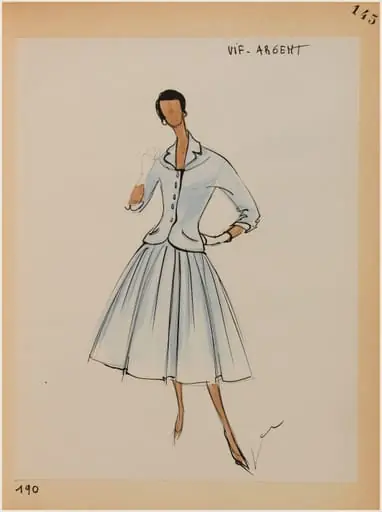 Vif-argent
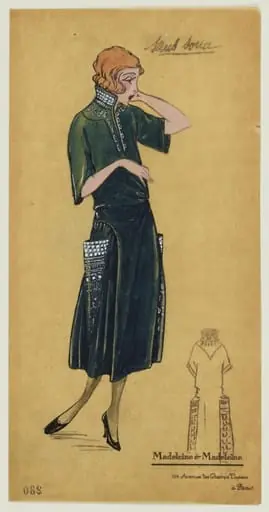 Sans souci
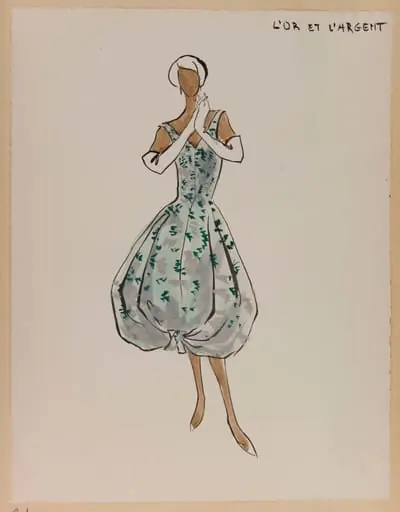 L'or et l'argent
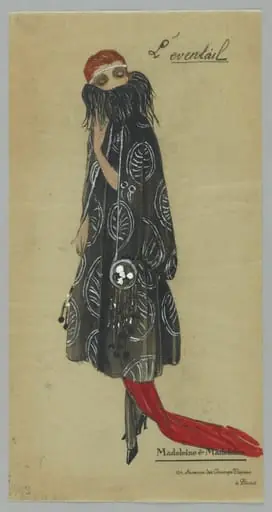 L'eventail
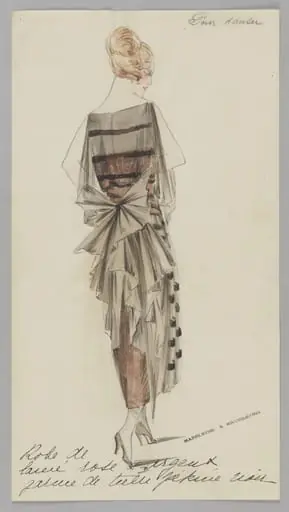 Pour danser
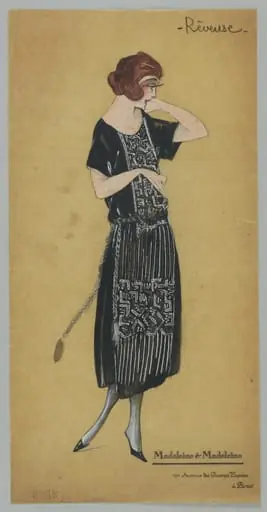 Rêveuse
 Tour d'argent
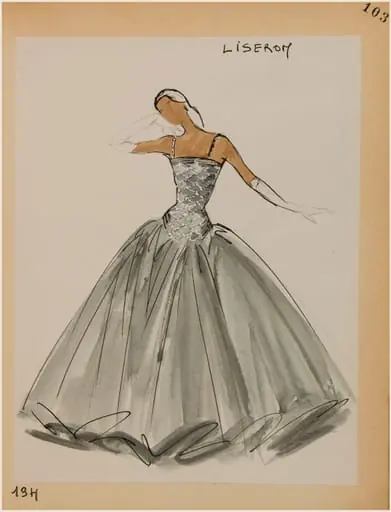 Liseron
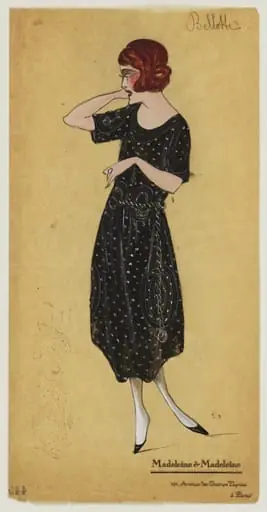 Bellotte
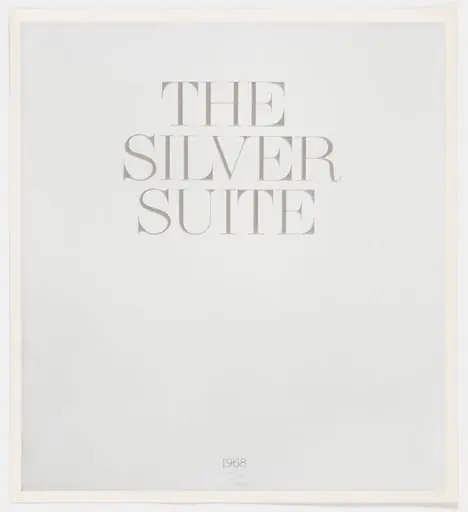 Untitled
Frequently asked questions
What is Silver?
Silver is a chemical element; it has symbol Ag (from Latin argentum 'silver') and atomic number 47.
How many Silver works does Artifact World Gallery have?
Artifact World Gallery holds 38 public-domain Silver works, all free to view and download.
Who are the key Silver artists?
Key Silver artists in the collection include Madeleine & Madeleine, Duvelleroy and Marie-Louise Carven.
Where can I see Silver works?
Silver works in the collection are held by Palais Galliera - Musée de la Mode de la Ville de Paris and Museum of Modern Art.