Romanticism at the Metropolitan Museum of Art
2,269–2,304 of 3,257 works · most celebrated first
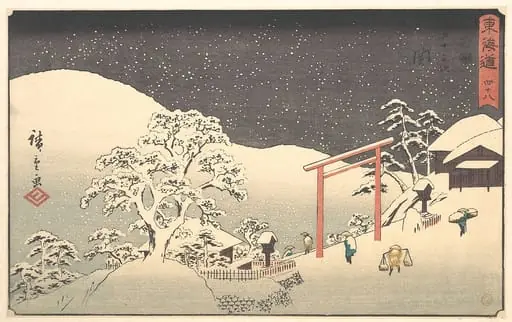 東海道五十三次 関|Seki
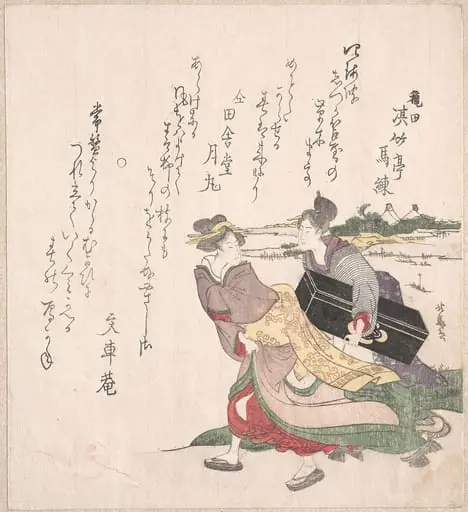 Untitled
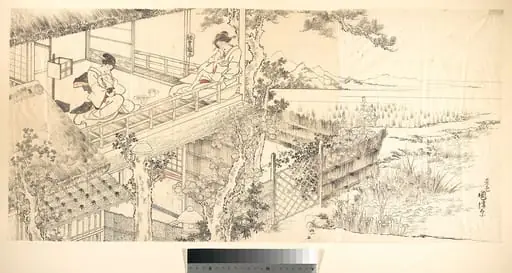 Untitled
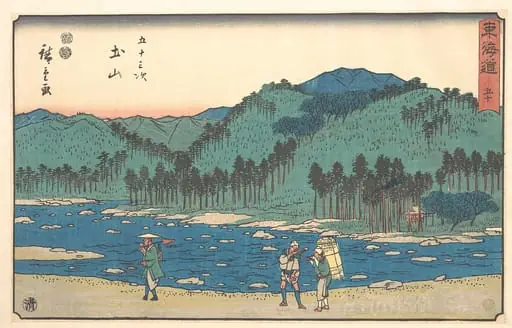 東海道五十三次 土山|Tsuchiyama
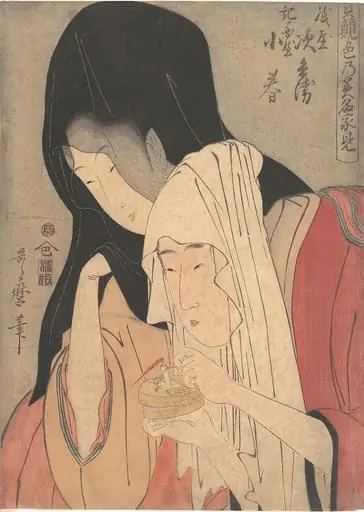 実競色乃美名家見 紙屋次兵衛 紀ノ国屋小春|Jihei of Kamiya Eloping with Koharu of Kinokuniya
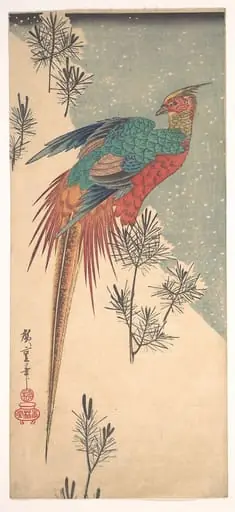 歌川広重画 雪中小松に錦雉|Golden Pheasant and Pine Shoots in Snow
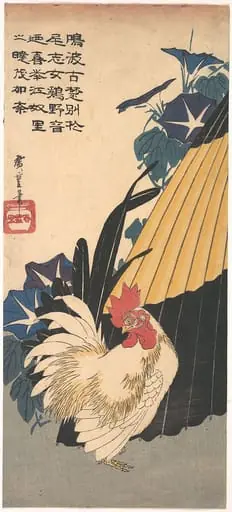 歌川広重画 朝顔に鶏と傘|Rooster, Umbrella, and Morning Glories
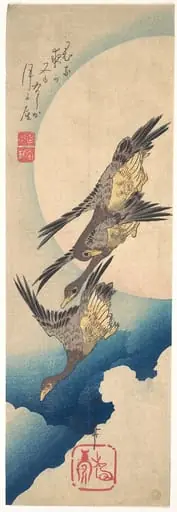 歌川広重画 月に雁|Wild Geese Flying under the Full Moon
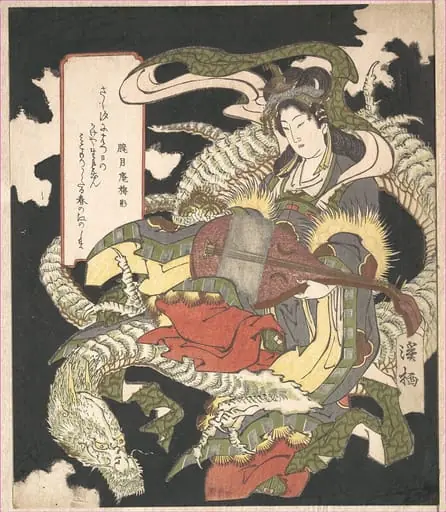 騎龍弁財天|Benzaiten (Goddess of Music and Good Fortune) Seated on a White Dragon
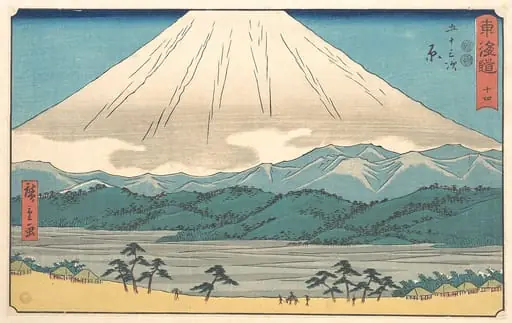 歌川広重画 東海道 十四 五十三次 原|Hara, Number 14, from the series Fifty-Three Stations of the Tōkaidō Road (Tōkaidō gojūsan tsugi), also known as the Clerical Script Tōkaidō (Reisho Tōkaidō)
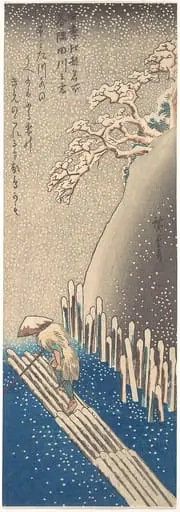 Sumidagawa no yuki|Sumida River in the Snow, from the series "Famous Places in Edo in the Four Seasons"
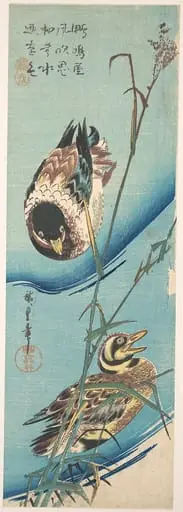 歌川広重画 雪中芦に鴨|Mallard Ducks and Snow-covered Reeds
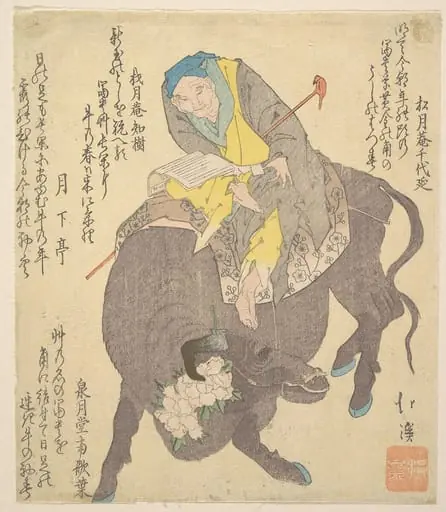 Untitled
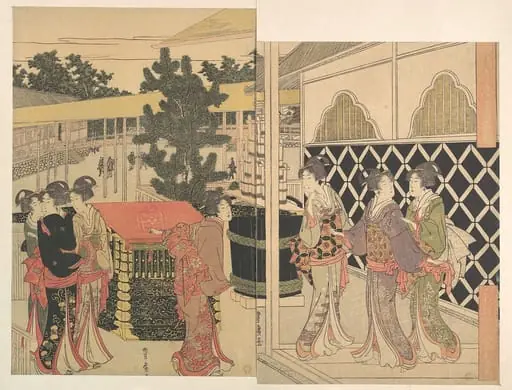 Horinouchi Myōhōji Eho Mairi no Zu|Pilgrimage to Myōhōji in Horinouchi, Edo
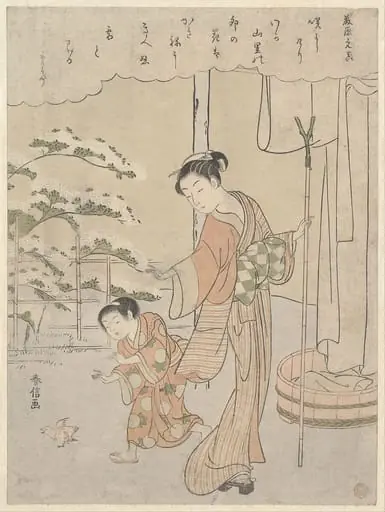 百人一首 藤原元真|Poem by Fujiwara no Motozane (ca. 860) from the Series Thirty-Six Poets
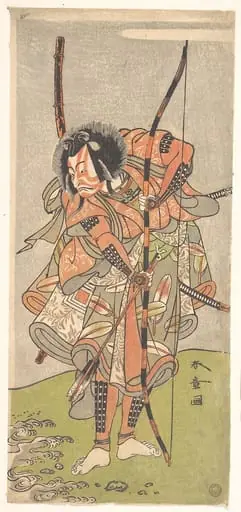 三代目市川海老蔵|Kabuki Actor Ichikawa Ebizō III (Ichikawa Danjūrō IV)
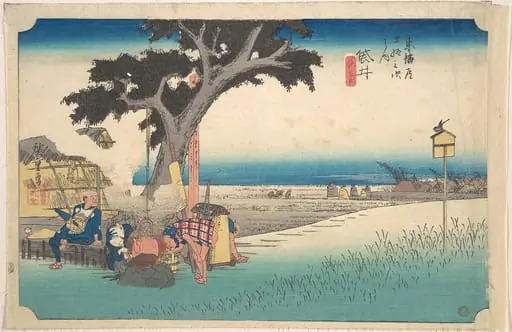 東海道五十三次之内 袋井 出茶屋の図|Fukuroi; De Chaya
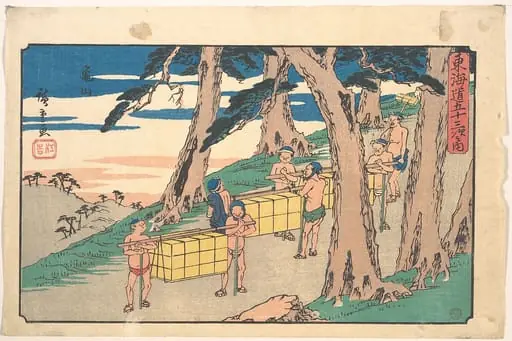 東海道五十三次之内 亀山|Kameyama
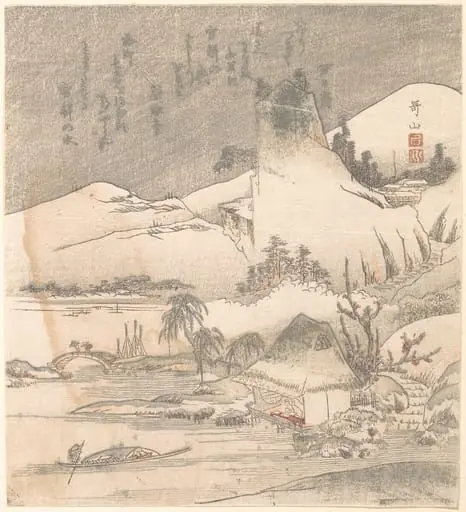 Untitled
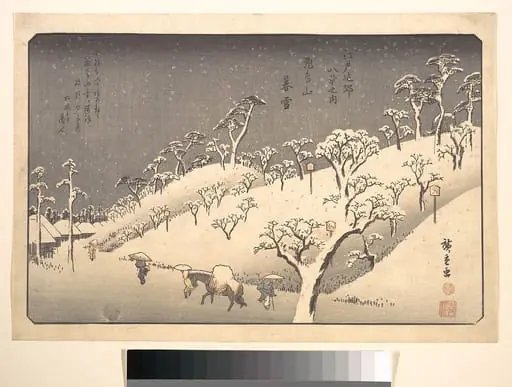 江戸近郊八景之内 飛鳥山暮雪|Asukayama in Evening Snow
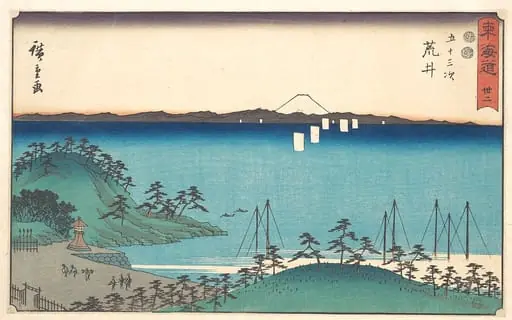 東海道五十三次 荒井|Arai
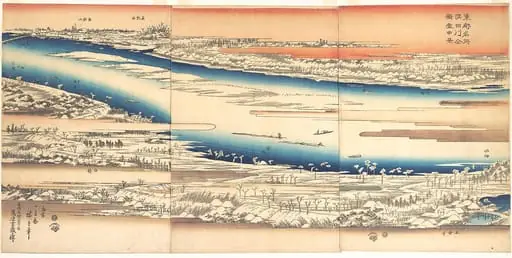 Toto meisho Sumidagawa zenzu settchukei|東都名所 隅田川全図雪中景|Celebrated Places in the Eastern Capital: Panoramic View of the Sumida River in Snow
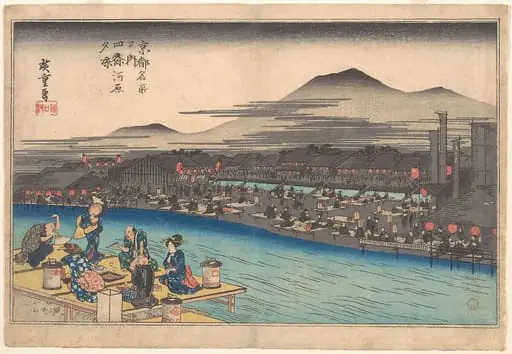 京都名所之内 四条河原夕涼|Cooling off in the Evening at Shijogawara
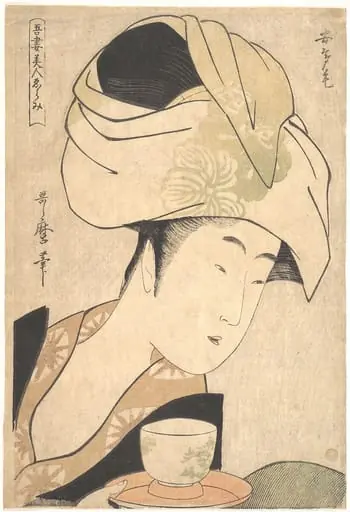 吾妻美人ゑらみ|A Tea-house Waitress
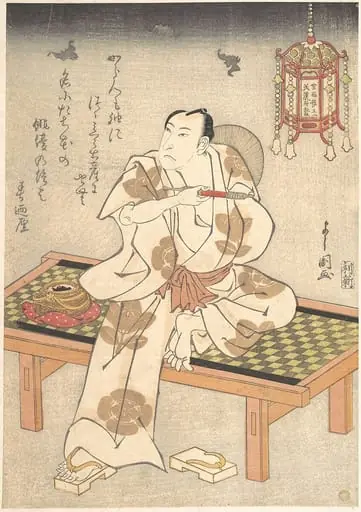 Untitled
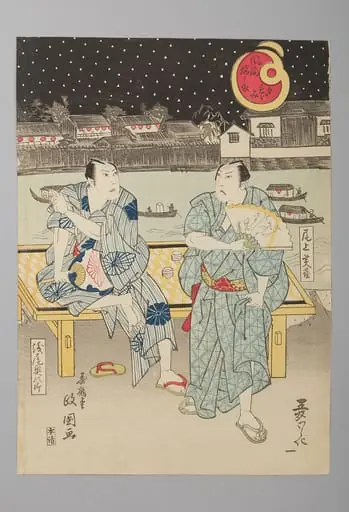 壽鶴堂政國画・壽暁堂梅國画・壽陽堂歳国画・壽松堂ふじ國画・方雅堂きし國画 「風流鍋島夕すゞみ」|“Enjoying the Evening Cool near Lord Nabeshima’s Warehouses” (Fūryū Nabeshima yūsuzumi)
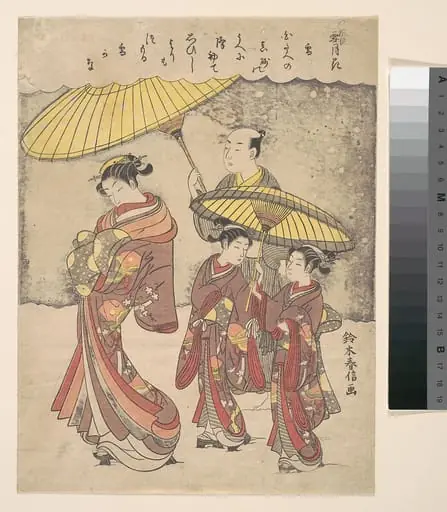 Yuki|雪月花 雪|Snow
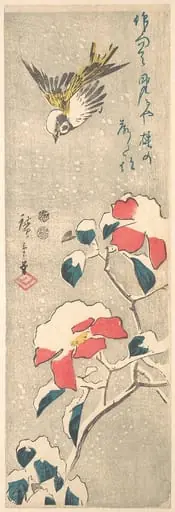 Untitled
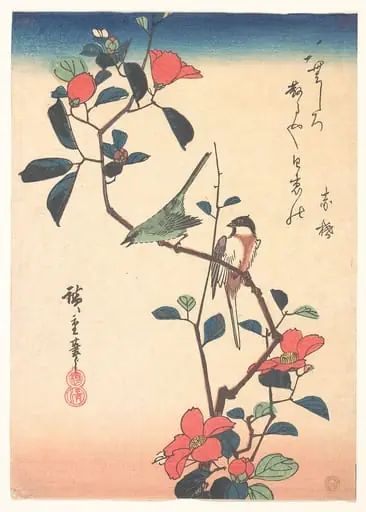 椿に目白と四十雀図|Japanese White-eye and Titmouse on a Camellia Branch
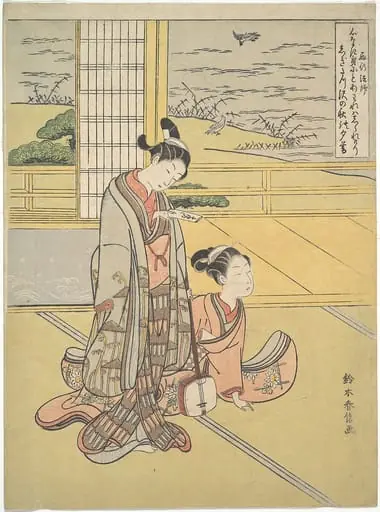 鈴木春信画 見立三夕 「西行法師」|A Young Man and Woman with a Shamisen; Monk Saigyō, from a series alluding to the Three Evening Poems (Sanseki waka)
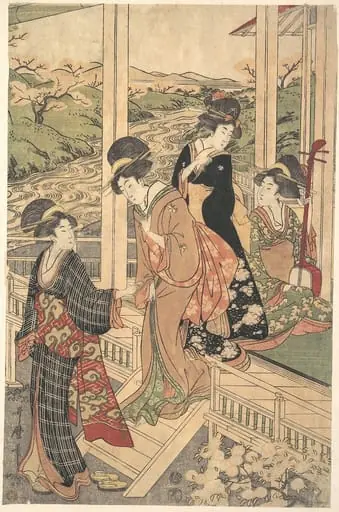 Untitled
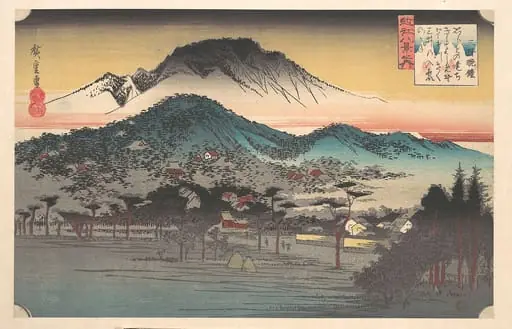 近江八景之内 三井晩鐘|Vesper Bell at Mii Temple, Lake Biwa
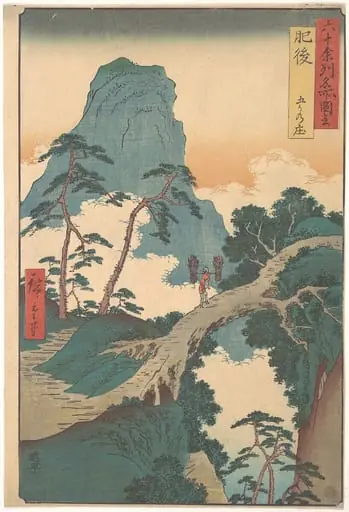 六十余州名所図会 肥後 五ヶの庄|Goka no Shō, Higo Province, from the series Views of Famous Places in the Sixty-Odd Provinces
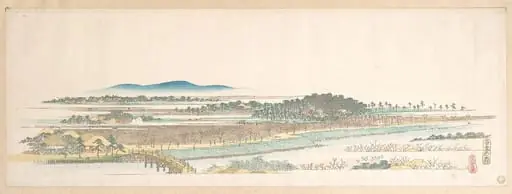 吾妻の森|View of Azuma Wood
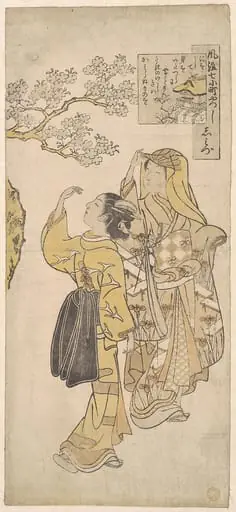 風流七小町 しみず|Shimizu Temple
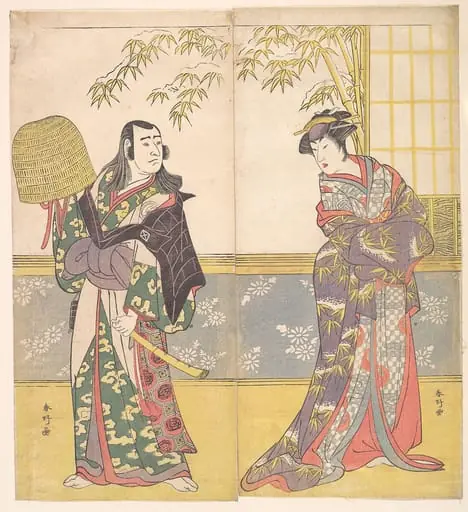 勝川春好画 三代目澤村宗十郎 三代目佐野川市松 |Kabuki Actors Sawamura Sōjūrō III and Sanogawa Ichimatsu III in "A Courtesan’s Mirror for the Eastern Provinces" (Keisei Azuma kagami)