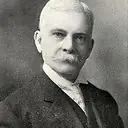
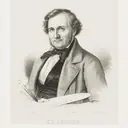
Artist
George Henry Hall

United States
George Henry Hall is an United States Impressionism artist. 8 works are cataloged here, principally at National Gallery of Art.
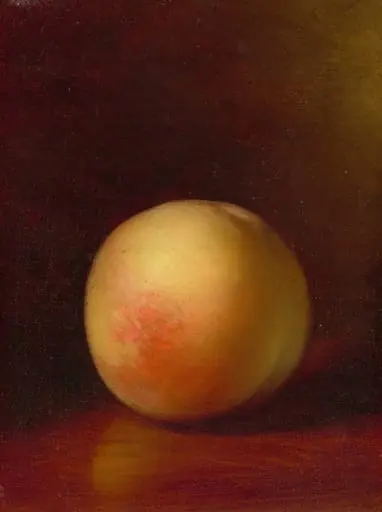
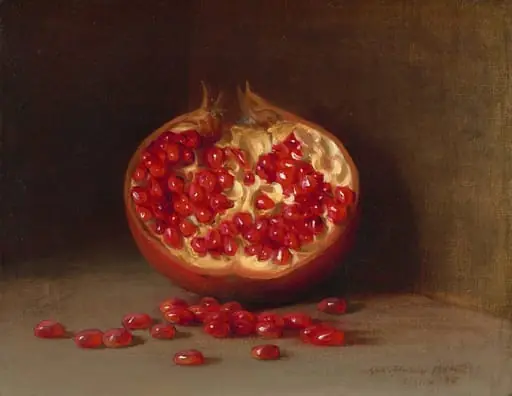
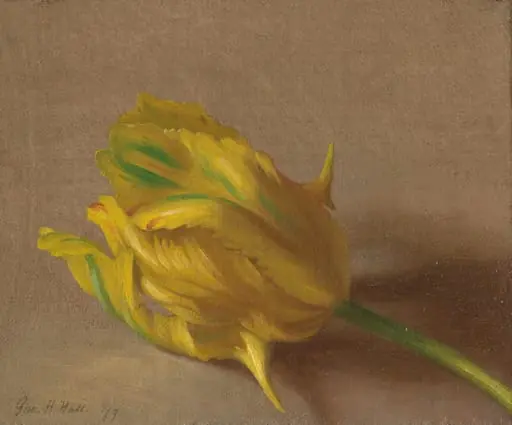
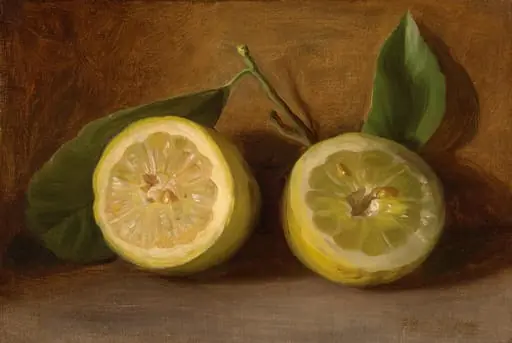
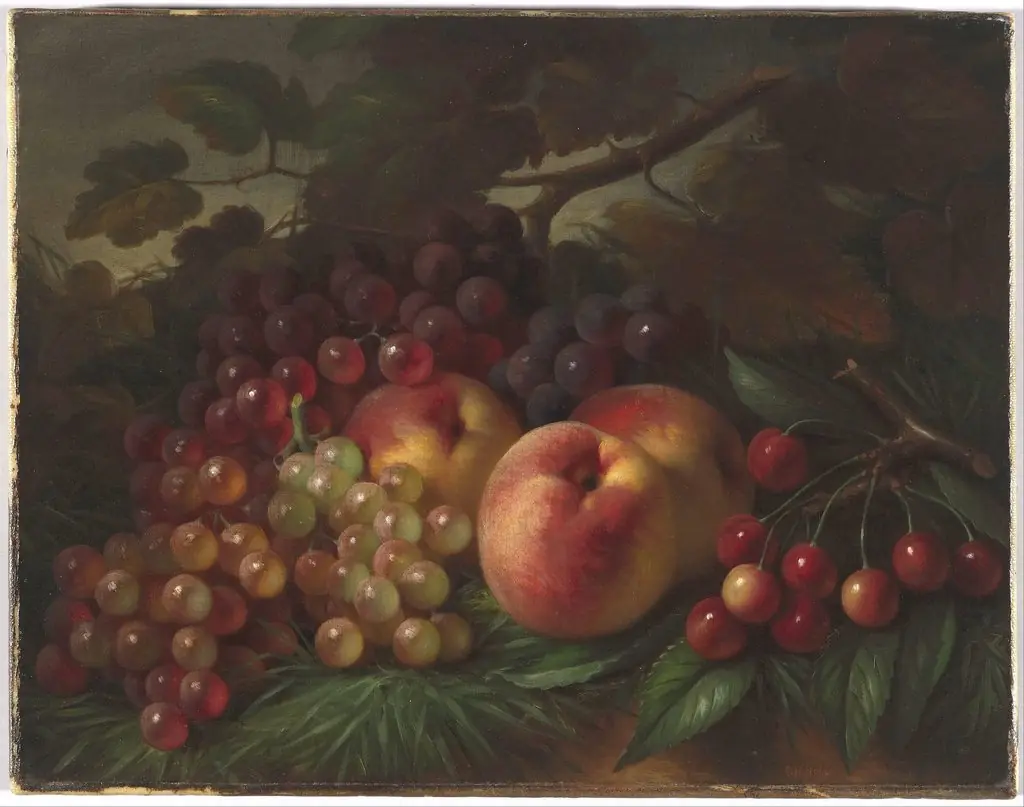
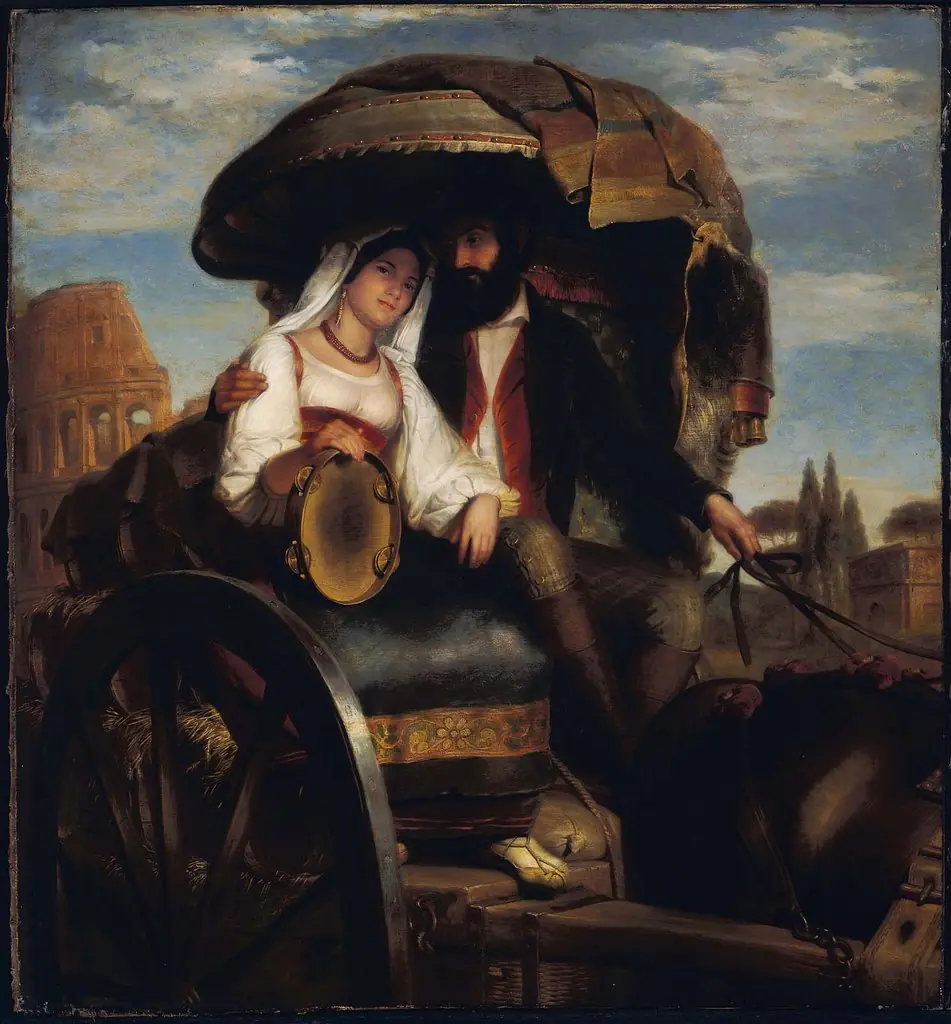
George Henry Hall (1825–1913) was an American still-life and landscape artist. He studied art in Düsseldorf and Paris and he worked and lived in New York City, the Catskills of New York and in Europe. His works are in museum collections in the United States and Europe. Over the course of his career he sold 1,659 paintings.
Overview
George Henry Hall (1825-1913) was an American painter best known for his still-life and landscape works, though his practice also encompassed genre scenes, portraits, and subjects inspired by his extensive travels in Europe and the Middle East. Born in Boston and raised in Manchester, New Hampshire, he received academic training in Düsseldorf and Paris before establishing himself in New York City, where he became a prominent figure in mid-19th-century American art circles. Over a career spanning more than six decades, Hall sold 1,659 paintings and exhibited regularly at major institutions. His works are now held in museum collections across the United States and Europe, including the Brooklyn Museum of Art, the Smithsonian American Art Museum, and the Museum of Fine Arts, Boston.
Biography & dates
George Henry Hall was born on September 21, 1825, in Boston, Massachusetts, and raised in Manchester, New Hampshire, where his father worked as a lumber dealer. The family had Irish ancestry, having arrived in the United States in the early 18th century. Hall began studying art at age sixteen, joining a Boston art association in the absence of formal art schools and meeting with fellow artists in their studios for critique and encouragement. In 1842, he established himself in Boston as a genre and portrait painter, and in 1846 he exhibited for the first time at the Boston Athenaeum, returning regularly until 1868.
In 1848, Hall sold three paintings to the American Art-Union in New York, and on the recommendation of its secretary, Andrew Warner, he traveled to Europe in 1849 to study, accompanied by fellow artist Eastman Johnson. The American Art-Union purchased seven additional works, funding the trip. Hall enrolled in the anatomy class of Rudolf Wiegmann at the Düsseldorf Academy, also studying with Heinrich Mücke, before moving to Paris for further training. He subsequently traveled through Switzerland and spent approximately a year in Rome, where he maintained a studio. He returned to Düsseldorf in 1851 and came back to the United States in 1852.
Hall opened a studio in New York City in 1852 and began exhibiting at the National Academy of Design in 1853, eventually showing nearly 250 works there. In 1856, he held a solo exhibition at Goupil and Company, a rare distinction at the time. He was elected to the National Academy of Design as an academician in 1868, having previously been an associate member; he had resigned in 1855 in protest of the institution's governance but was reinstated eight years later. From 1874 to approximately 1883, he maintained a studio in the Tenth Street Studio Building. He also kept a summer residence in Palenville, New York, in the Catskill Mountains from 1867 until his death, building a home and studio near La Belle Falls by 1893.
Hall undertook extensive international travel throughout his life. In the 1870s, he visited Palestine, Egypt, and Spain. From 1885 to 1896, he spent winters in Rome, where he had another studio. He died on February 17, 1913, in New York City.
Style & movement
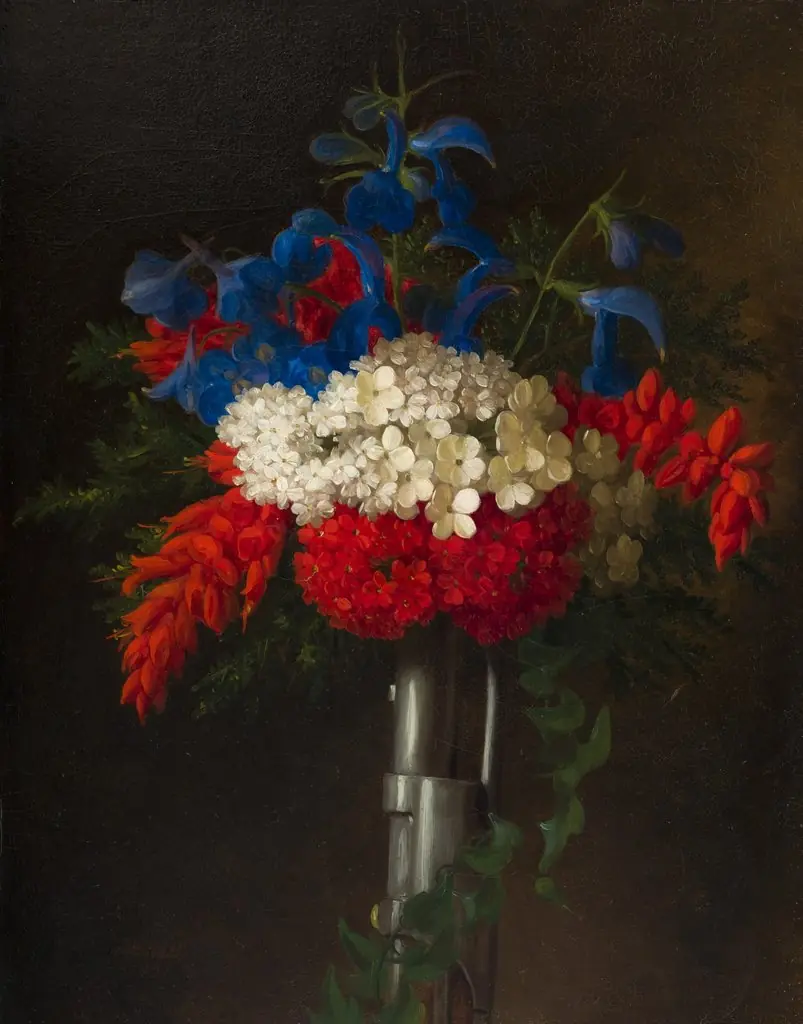
Hall's artistic practice was shaped by his European academic training and the broader currents of 19th-century American and European art. His early work was influenced by the British Pre-Raphaelite movement, and his paintings frequently depicted still lifes, Mediterranean scenes, and everyday life subjects. The Smithsonian American Art Museum has described him as "one of the most well-respected still-life painters in America." His still-life works from the mid-19th century participated in a wider trend toward "opulent botanical arrangements" in which the natural beauty of flowers and fruit supplanted earlier emphases on compositional structure, a mode also pursued by contemporaries such as Paul Lacroix, Severin Roesen, and John F. Francis.
Hall's genre paintings and figure works drew upon his extensive European experience, particularly his time in Italy and Spain, where he produced popular paintings of peasants. He also created works related to William Shakespeare, including a life-size painting of the playwright now held by the Royal Shakespeare Company. His 1858 painting A Dead Rabbit (Study of the Nude, or Study of an Irishman) responded to contemporary urban violence, depicting a bare-chested Irish gang member from the Dead Rabbits riot of July 4, 1857, clutching a brick against a stone wall. Wikidata categorizes his work within the Orientalist movement, reflecting his Middle Eastern subjects from the 1870s.
Major works
Hall's major works span multiple genres and reflect his diverse interests and travels. A Dead Rabbit (1858), also known as Study of the Nude or Study of an Irishman, depicted a participant in the Dead Rabbits gang riot and stands as a rare engagement with urban political violence in his oeuvre. His still-life paintings, which dominated his output through the 1860s and returned to prominence in the 1880s, were widely exhibited and collected. Among his most recognized works was a painting of a gypsy girl made for his friend William Cullen Bryant.
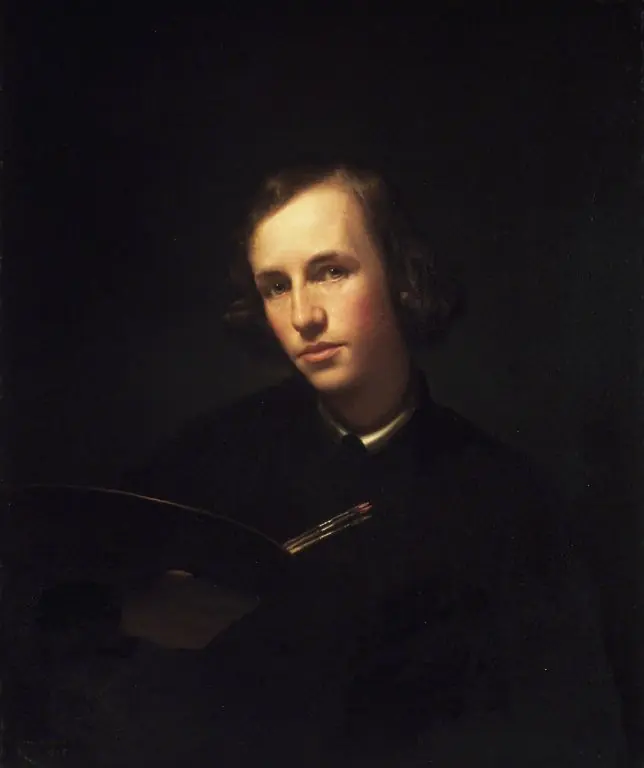
His Shakespeare-related works include a life-size portrait of William Shakespeare now in the collection of the Royal Shakespeare Company. Hall also produced a watercolor of a Pompeiian fresco and a self-portrait, both later donated to the Brooklyn Museum of Art by his companion Jennie Augusta Brownscombe. His Danaë and the Golden Shower by John Smibert, a work he owned rather than painted, was bequeathed to Brownscombe at his death; its location was unknown as of 1969.
Current institutional holdings include the Brooklyn Museum of Art, the Smithsonian American Art Museum in Washington, D.C., the Museum of Fine Arts, Boston, and St. Johnsbury, as well as the Bellver Collection in Seville, Spain.
Influences & students
Hall's artistic formation was shaped by his European training and his associations with prominent American artists of his generation. At the Düsseldorf Academy, he studied alongside Eastman Johnson, who became a lifelong colleague; both were protégés of the American Art-Union and its secretary Andrew Warner. In Düsseldorf, Hall received instruction from Heinrich Mücke, while Johnson studied with the same teacher. His European sojourns brought him into contact with continental academic traditions that informed his approach to genre painting, figure studies, and still life.
In New York, Hall was an active member of the Century Association, where he associated with Calvert Vaux, Frederic Edwin Church, Jervis McEntee, Eastman Johnson, and Sanford Robinson Gifford. The group gathered to socialize and advocate for the professional standing of artists. Vaux owned at least one of Hall's paintings. Hall's circle also included Hudson River School artists, and he maintained friendships with landscape painters who worked in the Catskill Mountains region where he summered.
The most significant figure in Hall's later professional life was Jennie Augusta Brownscombe, whom he met in Rome during one of his winter stays. Brownscombe became his companion, pupil, and eventual heir. From approximately 1908 until Hall's death in 1913, they shared a studio in Palenville, New York, during the summer months, while spending winters together in Rome from 1885 to 1896.
Legacy
Hall's posthumous reputation rests on his prolific output and his standing in 19th-century American art institutions. He sold more than 1,569 paintings over his career, a figure that attests to his commercial success and popularity during his lifetime. His resignation from and subsequent reinstatement in the National Academy of Design illustrates his principled engagement with professional organizations, and at his death he was among its oldest members.
His bequest to Jennie Augusta Brownscombe, including his Catskills property and the Smibert painting, ensured the preservation of aspects of his collection, though the current location of Danaë and the Golden Shower remains unknown. Brownscombe donated works by Hall to the Brooklyn Museum of Art, including a self-portrait and a watercolor of a Pompeiian fresco, as well as a sketchbook, securing his representation in a major public collection.
Hall's market presence has been sustained by institutional holdings in the United States and Europe, including the Brooklyn Museum of Art, the Smithsonian American Art Museum, the Museum of Fine Arts, Boston, and the Bellver Collection in Seville. The Artists Grotto in Kaaterskill Clove, near his Palenville studio, is believed to have been named for him, preserving his connection to the 19th-century artists' colony in the Catskills.
Works by George Henry Hall
Collections represented


Artists in a similar vein