Artist
Pietro degli Ingannati
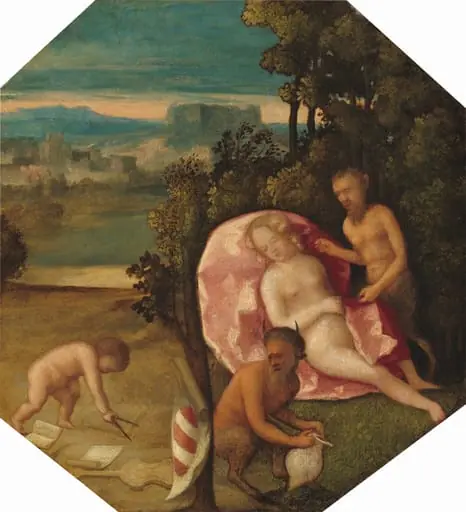
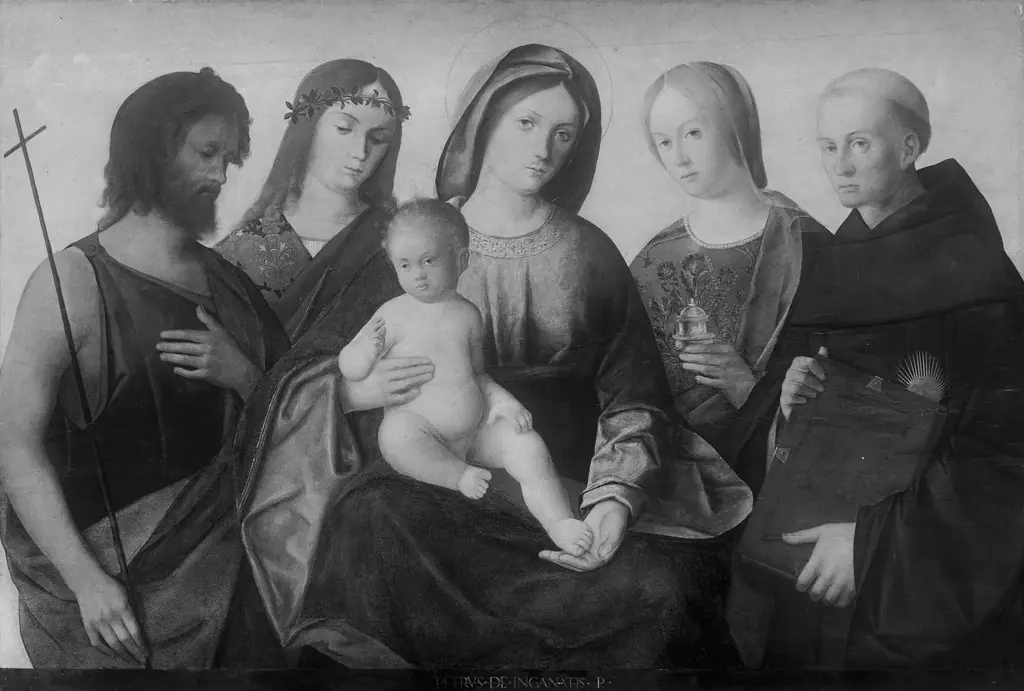
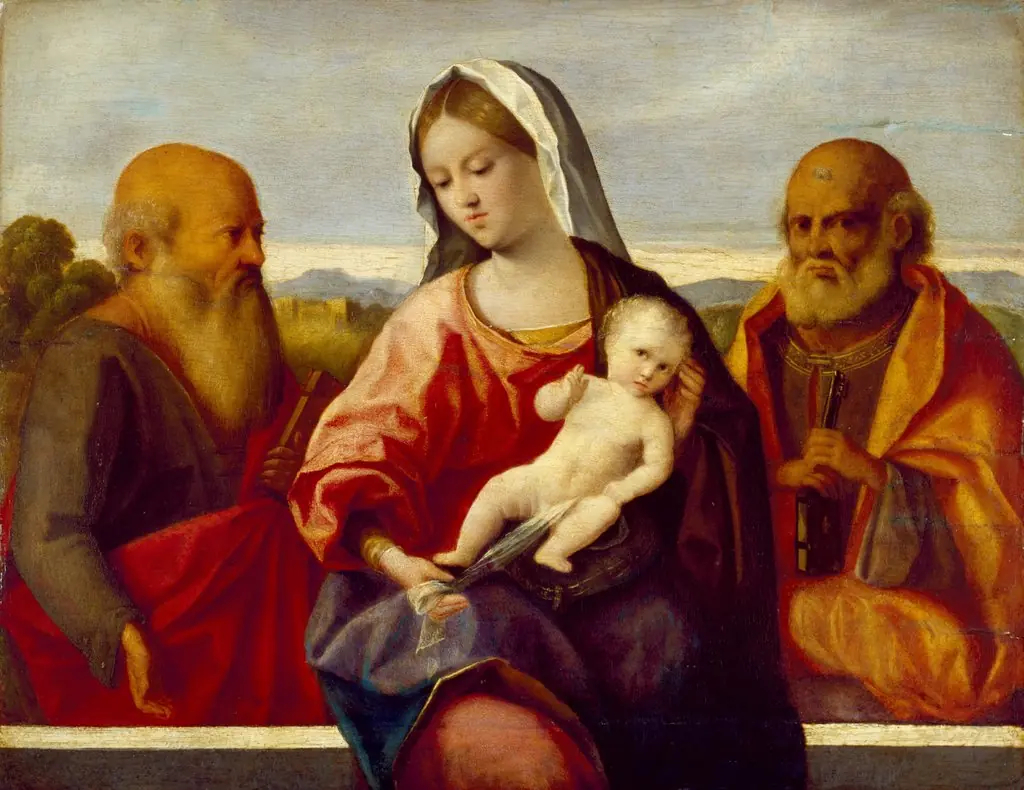
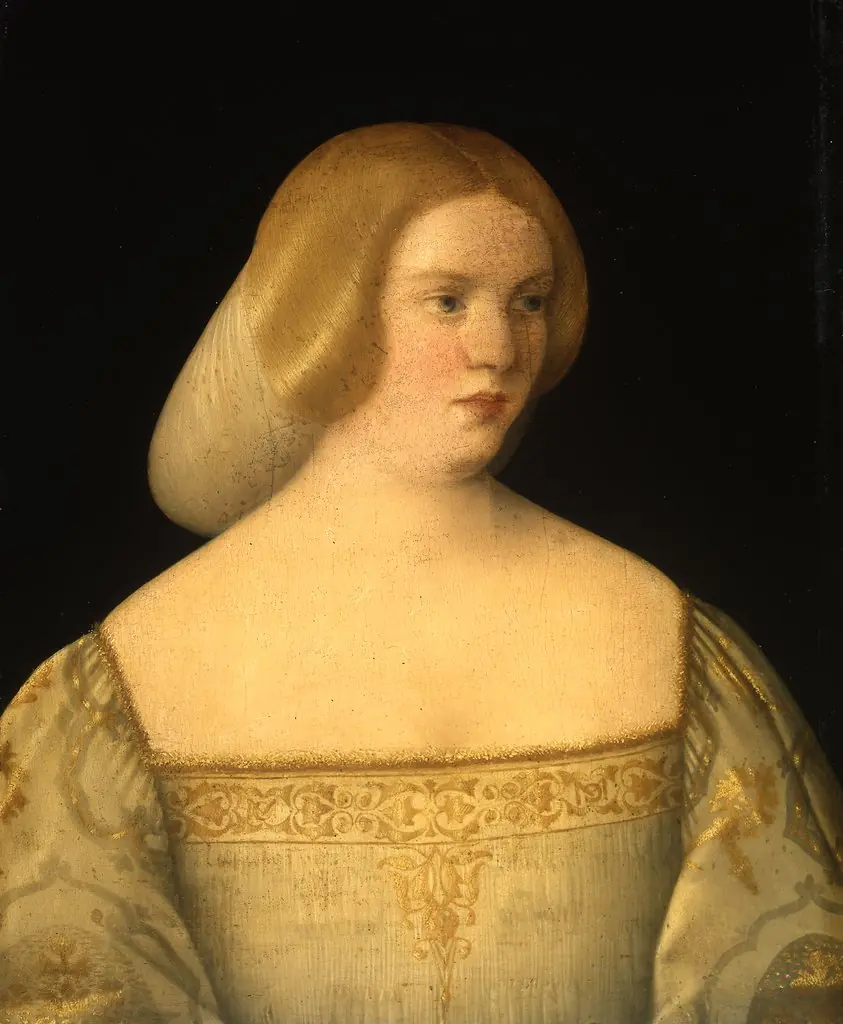
Republic of Venice
Pietro degli Ingannati is a Republic of Venice Mannerism artist. 4 works are cataloged here, principally at Gemäldegalerie Berlin.
Pietro degli Ingannati, also Pellegrino di Giovanni di Antonio, (active 1529–1548) was an Italian Renaissance painter who is known for his paintings of the Virgin and Child and his portraits.
Overview
Pietro degli Ingannati, also known as Pellegrino di Giovanni di Antonio, was an Italian Renaissance painter active in Venice from 1529 to 1548. He is known for his paintings of the Virgin and Child and his portraits, and his artistic importance has only relatively recently been recognized, as his work was long confused with that of Francesco Bissolo. His career represents a conservative strand within Venetian painting of the early sixteenth century, maintaining allegiance to the coloristic traditions of the Venetian school while remaining somewhat detached from the innovations of its most advanced masters.
Biography & dates
Ingannati's exact dates of birth and death are not known. He was probably born in Veneto around 1510 and likely died in Venice around 1550. He trained in the studio of Alvise Vivarini, a connection that placed him within a significant Venetian artistic lineage. His activity is documented from 1529 to 1548, with his last known work, a Holy Family with Saints Catherine and John the Baptist, signed and dated 1548. The Italian biographical source suggests a lifespan of approximately 1510 to circa 1550, though these dates remain approximate.
Style & movement
Ingannati's early works reveal the influence of Giovanni Bellini, particularly in composition, though his art is closer to that of Lazzaro Bastiani, Marco Basaiti, and Benedetto Rusconi. Later, his style became more strongly belliniano, approaching the manner of Vincenzo Catena and showing superficial influence from innovations introduced by Giorgione. He returned often to the theme of the Sacra Conversazione, a depiction of the Virgin and Child surrounded by saints that was typical of Venetian painting and had been popularized by Titian. His many representations of this theme included repetitive patterns, especially in the figures. Artists like Ingannati and Rocco Marconi remained attached to an archaic style that copied the essence but not the innovations of the most advanced Venetian masters such as Francesco Vecellio or Palma Vecchio, without losing the taste for the classic color of the Venetian school. The French source notes that he adapted the theme of the Sacra Conversazione to the typical Venetian style with sober repetition of Bellini's models.
Major works
Ingannati's oeuvre includes several significant works with known locations. The Holy Family with the Young Saint John the Baptist is in Ca' Rezzonico, Venice. His Portrait of a Young Girl, dated circa 1515, is in the Staatliche Museen, Berlin. The Virgin and Child with Saint Agnes in a Landscape, circa 1525, is in the Museo Thyssen-Bornemisza, on deposit at the MNAC in Barcelona. The Virgin and Child with Four Saints, formerly in the Kaiser Friedrich Museum in Berlin, was destroyed in 1945. The Virgin and Child with Two Saints is in the Museo Civico Borgogna, Vercelli. His Portrait of a Young Girl as Saint Catherine is in the Museo Poldi Pezzoli, Milan. The Portrait of a Lady, dated 1530, is in the Portland Art Museum, Portland. Christ Blessing with Four Saints is in the Marinotti Collection, Milan. The Adoration of the Magi is in the Galleria Nazionale dell'Umbria, Perugia. The Virgin and Child with the Magdalene was formerly in the Gentner Collection, Worcester. The Virgin and Child is in the Schrafl Collection, Zurich. His last known work, the Holy Family with Saint John the Baptist and Saint Ursula, signed and dated 1548, is of unknown whereabouts. The Italian source also notes a signed Portrait of a Young Woman as a Martyr in the Portland Art Museum and a Portrait of a Bearded Young Man in a Niche.
Influences & students
Ingannati trained in the studio of Alvise Vivarini, from whom he received his foundational education. His early work was influenced by Giovanni Bellini, particularly in compositional arrangements. The Italian biographical source indicates that he also deepened his knowledge under the guidance of Francesco Bissolo, and in his final creative phase he approached the style of Jacopo Palma il Vecchio. His Portrait of a Young Woman as a Martyr in the Portland Art Museum shows Palmesque inspiration, while his Portrait of a Bearded Young Man in a Niche reveals elements in common with Bernardino Licinio, from the small round eyes to the characterization of a rounded, bearded face. There is no record of pupils or followers in the provided sources.
Legacy
Ingannati's posthumous reputation suffered from long-standing confusion with Francesco Bissolo, an artist whose work was similarly reminiscent of Giovanni Bellini. This misattribution obscured his individual contribution until relatively recent scholarly reevaluation. The recovery of his oeuvre has depended on careful stylistic analysis, particularly using his signed works as benchmarks for attribution. His market presence is modest, with works in regional and national museums rather than major international collections, though the Thyssen-Bornemisza deposit at MNAC indicates some institutional recognition. His significance lies less in innovation than in representing the persistent appeal of Bellini's legacy among Venetian painters of the early Cinquecento who maintained traditional coloristic values while the mainstream of Venetian painting moved toward greater dynamism and chromatic richness.
Works by Pietro degli Ingannati
Collections represented


