Artwork
A Party in the Artist's Home
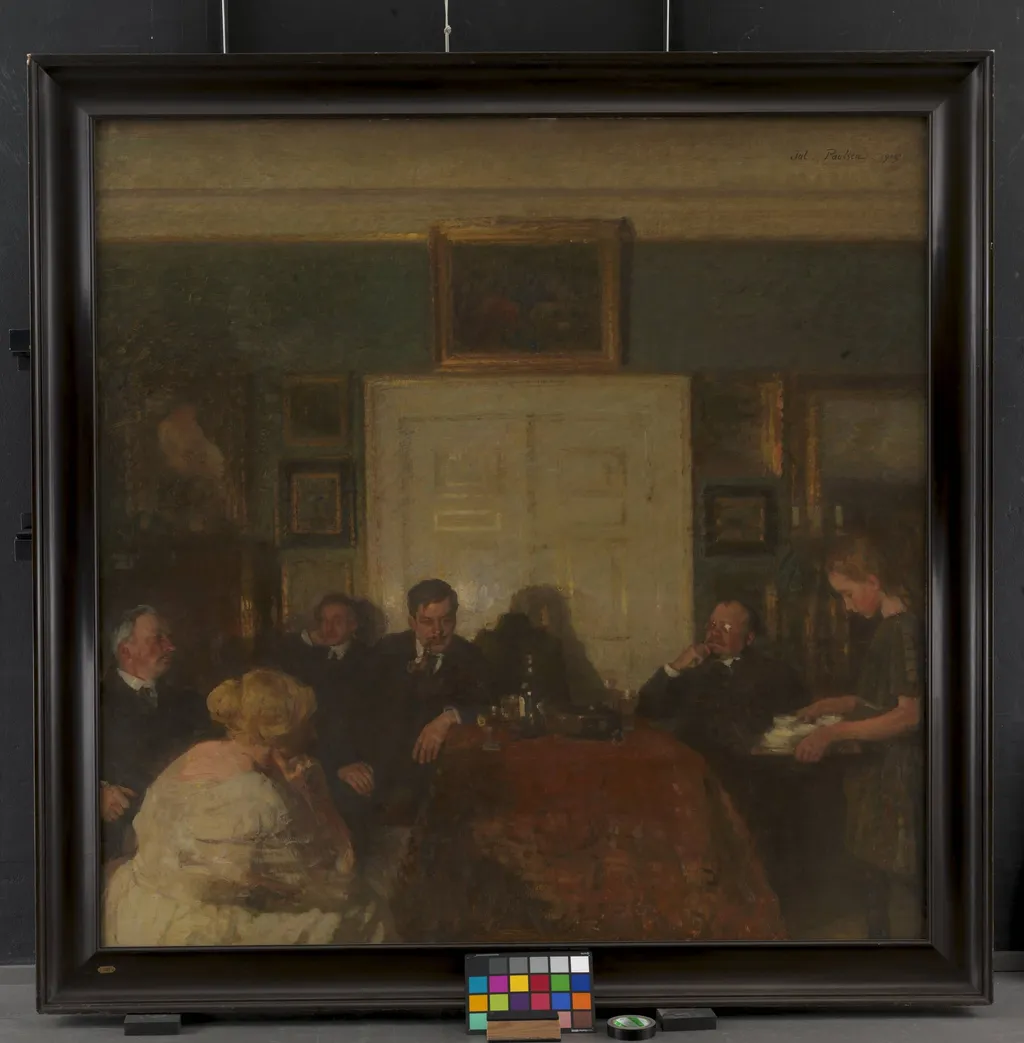
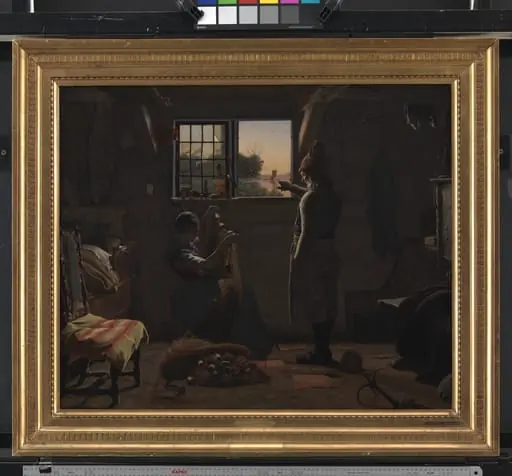
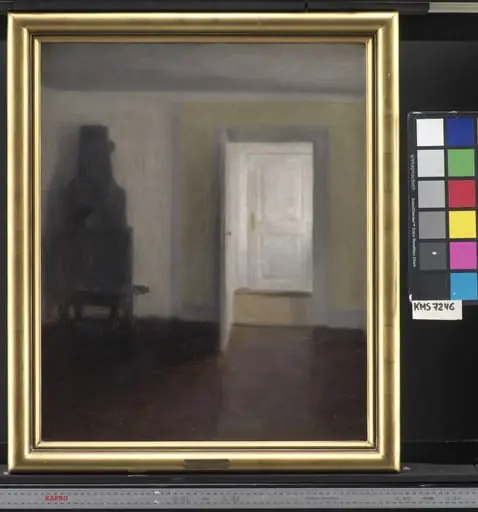
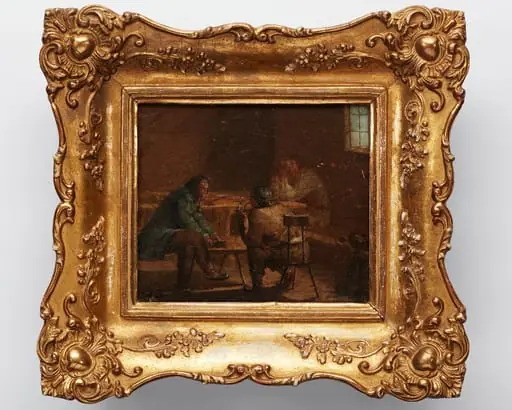
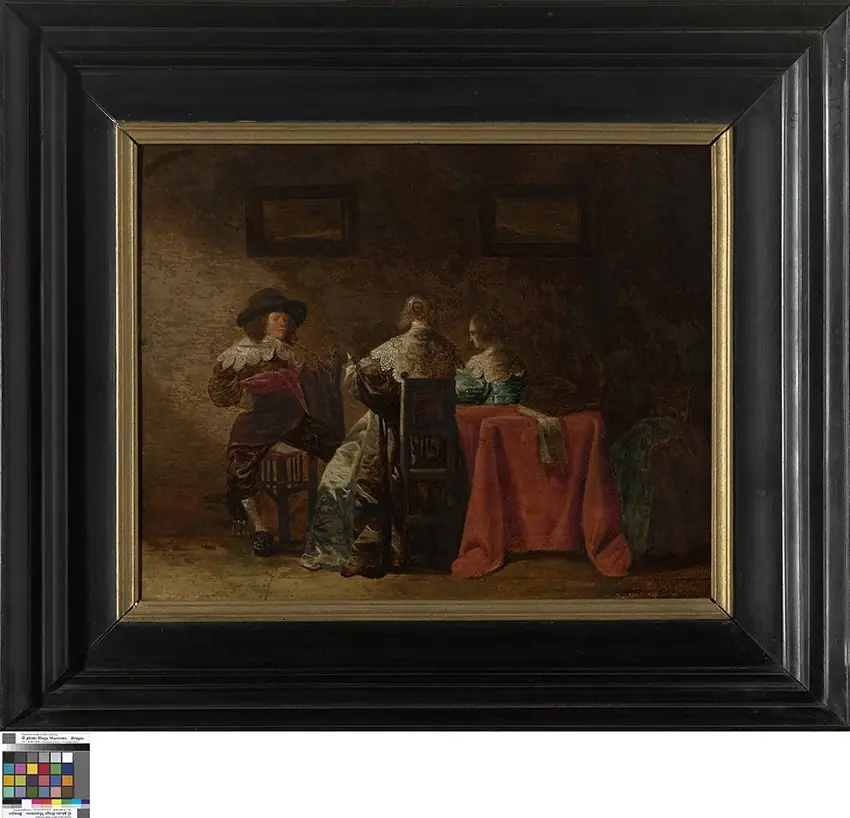
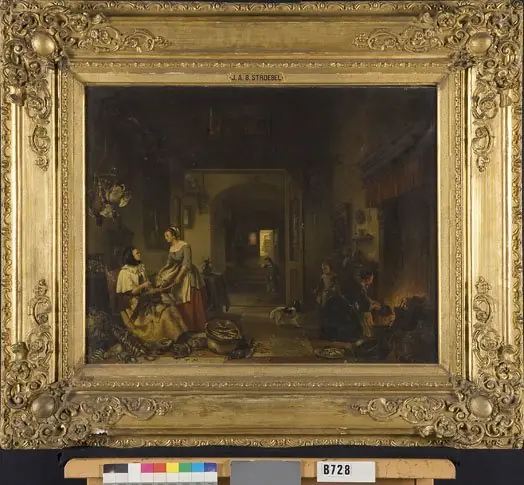
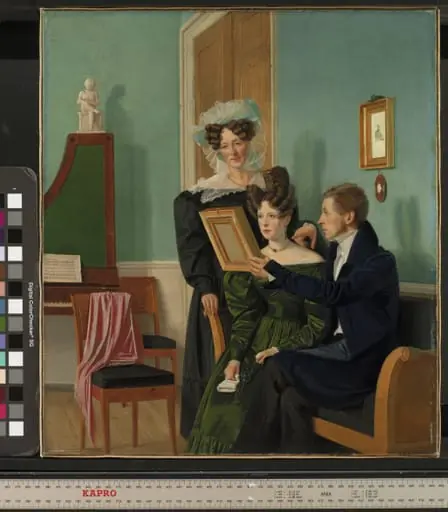
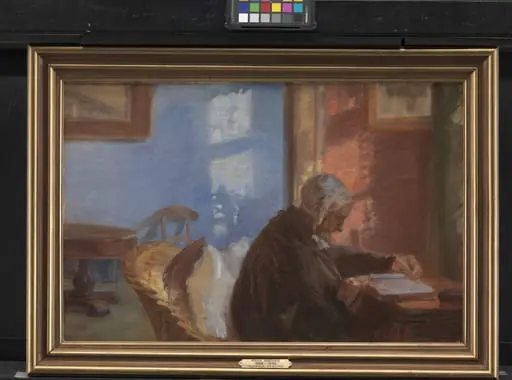
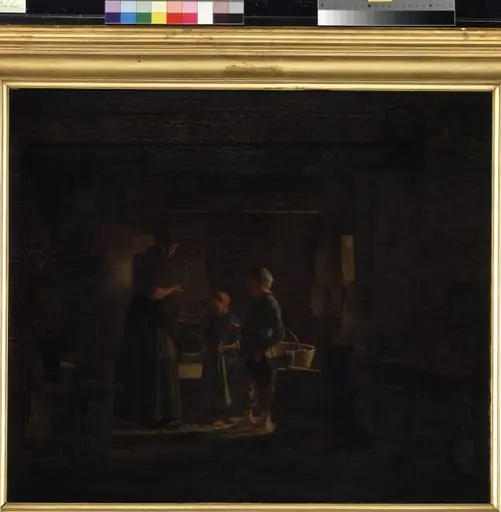
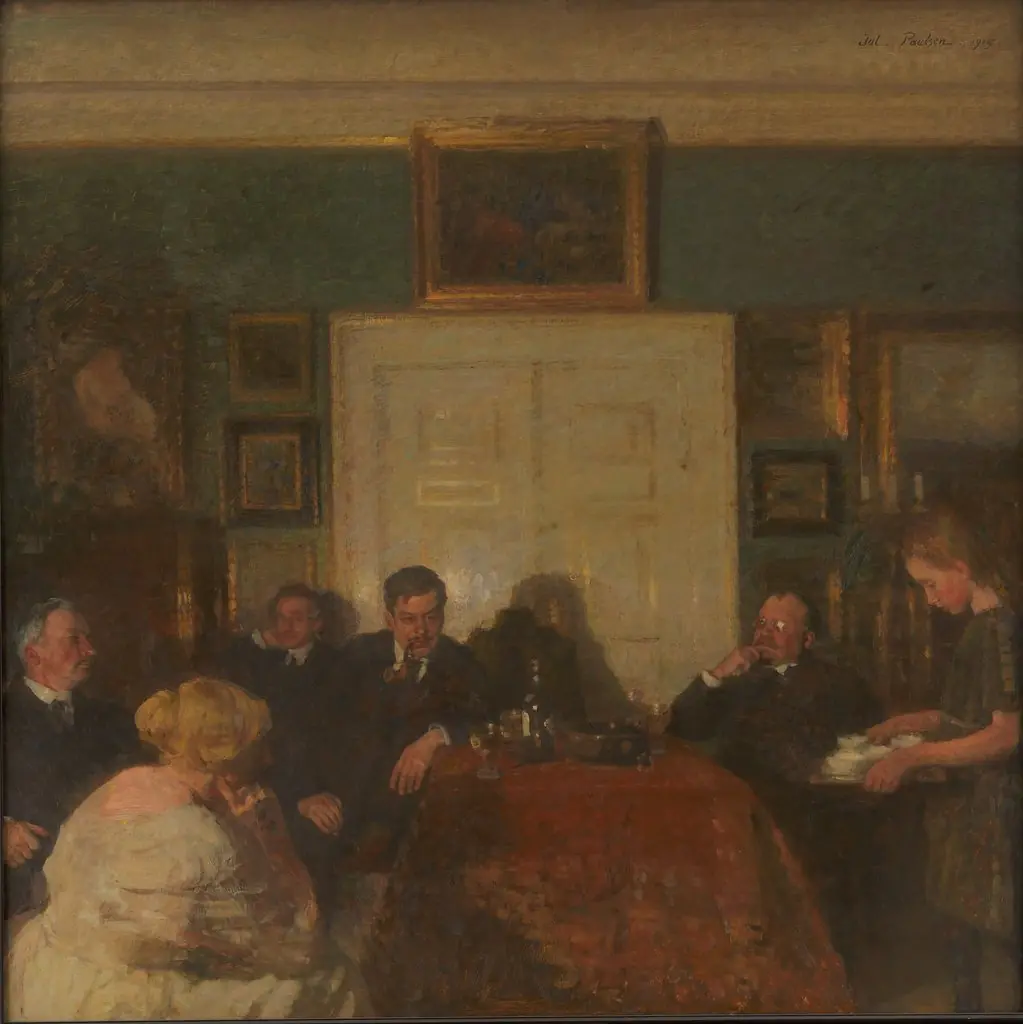
A Party in the Artist's Home is a photography by Unknown. It dates from 1915 and is held in the collection of the Statens Museum for Kunst. Painted in 1915 by 1077_person, this interior scene depicts a gathering of individuals in a domestic setting.
About this work
Overview
Painted in 1915 by 1077_person, this interior scene depicts a gathering of individuals in a domestic setting.
Painted in 1915 by 1077_person, this interior scene depicts a gathering of individuals in a domestic setting. The work is part of the Museum of Ethnography’s collection and reflects a moment of quiet social interaction. Unlike celebratory party scenes, the composition emphasizes stillness and introspection, with figures arranged in loose clusters, their attention turned inward rather than toward one another.
Subject & Meaning
The figures, dressed in formal evening wear, are not engaged in conversation or activity but appear absorbed in private thought. The absence of overt interaction suggests a meditation on solitude within community. The setting, likely the artist’s own home, transforms a common social ritual into a contemplative study of human presence, where formality coexists with emotional restraint.
Technique & Style
Chiaroscuro is employed to model the figures and define the space, with light concentrated at the center of the room and fading toward the edges. This directional illumination enhances the sense of depth and isolates the subjects within their own psychological spheres. Brushwork is restrained, favoring smooth transitions over texture, reinforcing the painting’s hushed, almost theatrical atmosphere.
History & Provenance
The painting remained in the artist’s possession until its acquisition by the Museum of Ethnography, where it entered the collection in the early 20th century. Its transition from private studio to institutional archive reflects a shift in how domestic scenes were valued, not as mere records of social life, but as artifacts of cultural mood and personal expression.
Context
Created during a period of social and political upheaval, the work contrasts with the dynamism of contemporary modernist movements. Its quietude may reflect a retreat from public turmoil into the intimate sphere of the home. The formal dress and enclosed setting align with pre-war bourgeois norms, yet the emotional ambiguity of the figures suggests an underlying unease or disillusionment.
Legacy
Though not widely exhibited, the painting has influenced later artists interested in psychological interiors and the quiet tension of social rituals. Its emphasis on stillness over narrative, and light as emotional cue, aligns it with a quieter strand of early 20th-century realism that prioritized mood over event, offering a counterpoint to the era’s more overtly expressive styles.
Artist & collection