Artwork
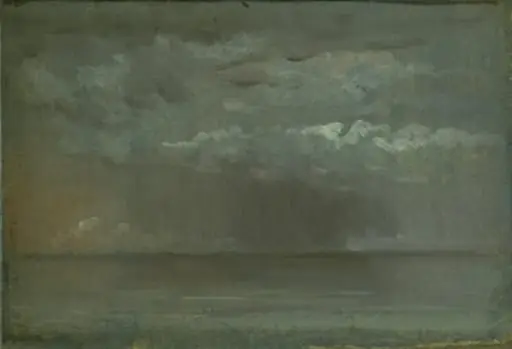
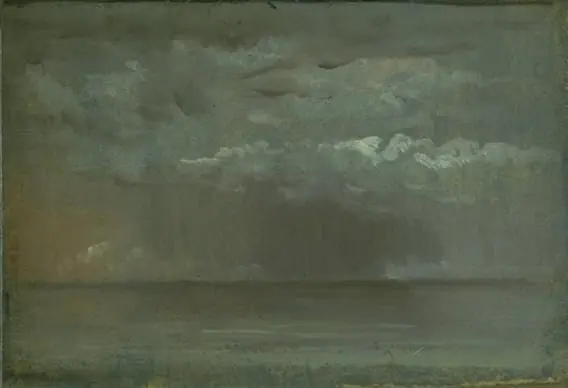
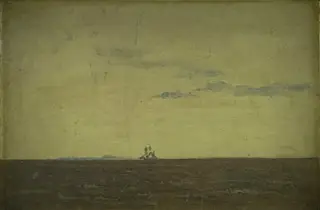
Seascape. Sky at Sunset
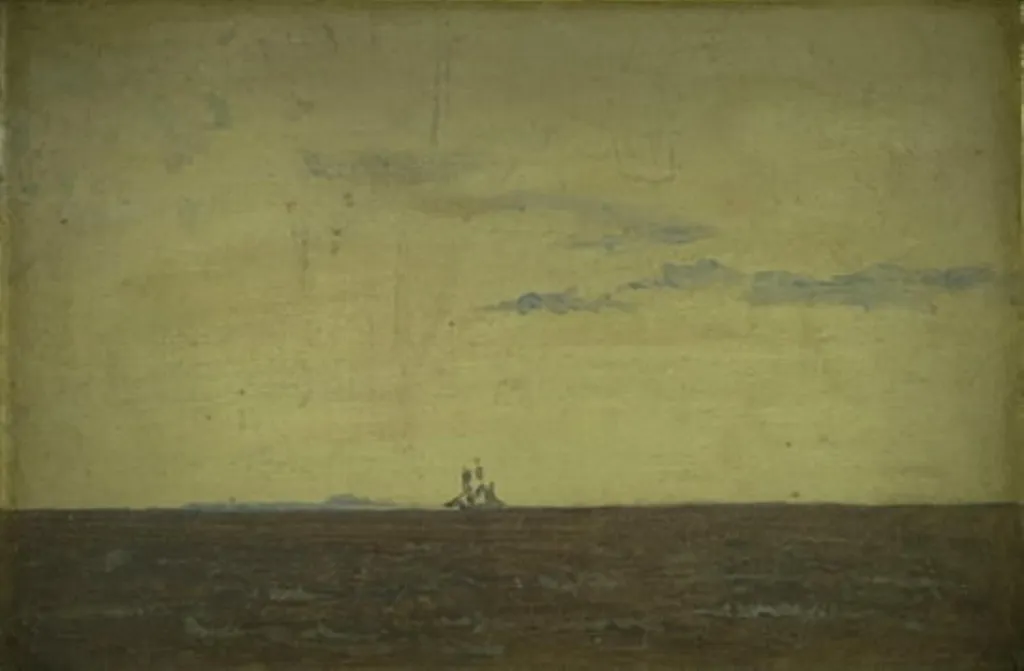
Seascape. Sky at Sunset is a photography by Unknown. It dates from 1837 and is held in the collection of the Statens Museum for Kunst. Seascape.
About this work
Overview
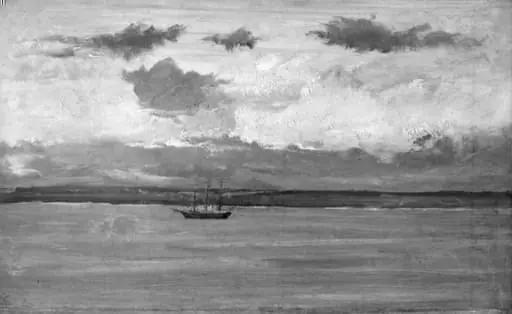
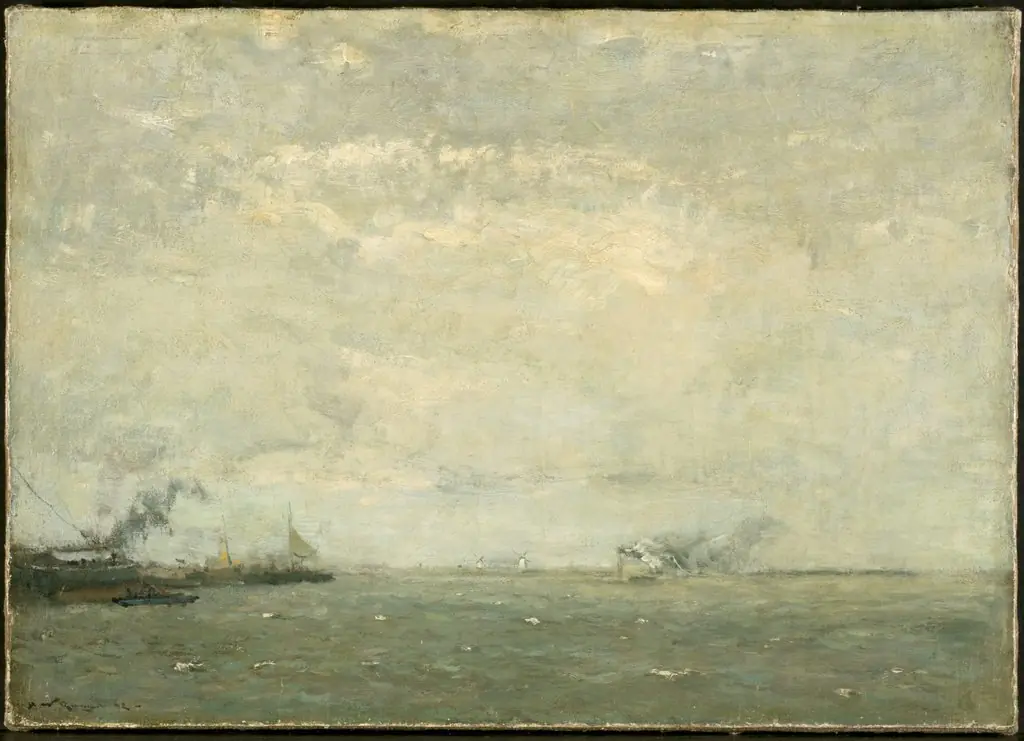
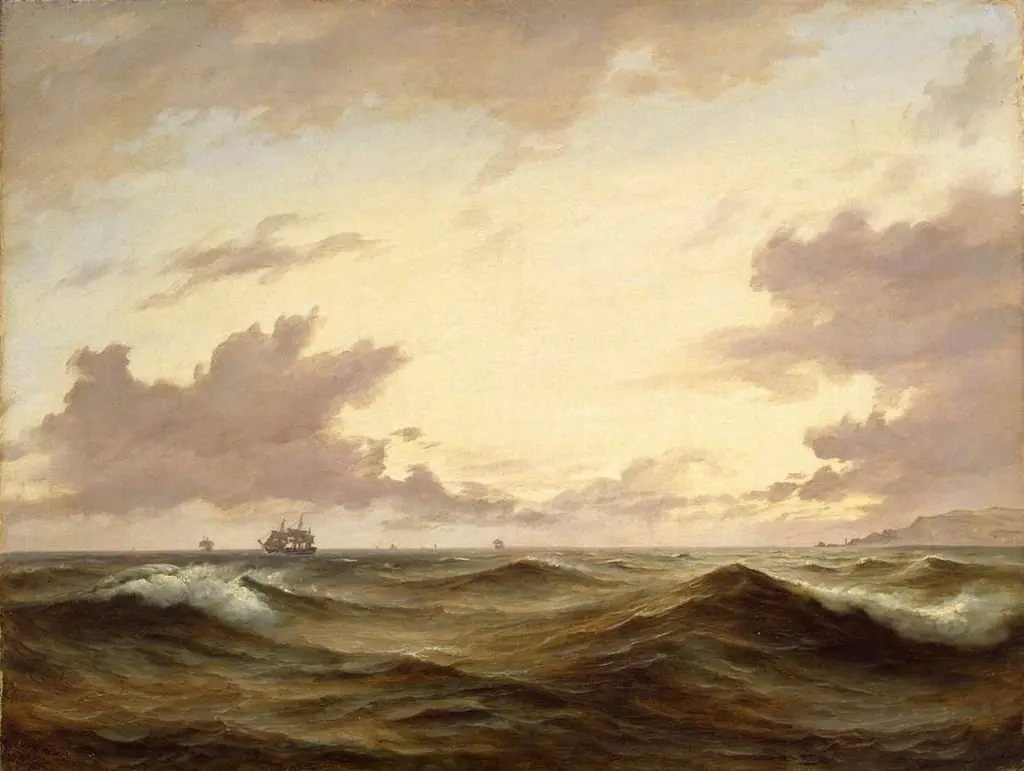
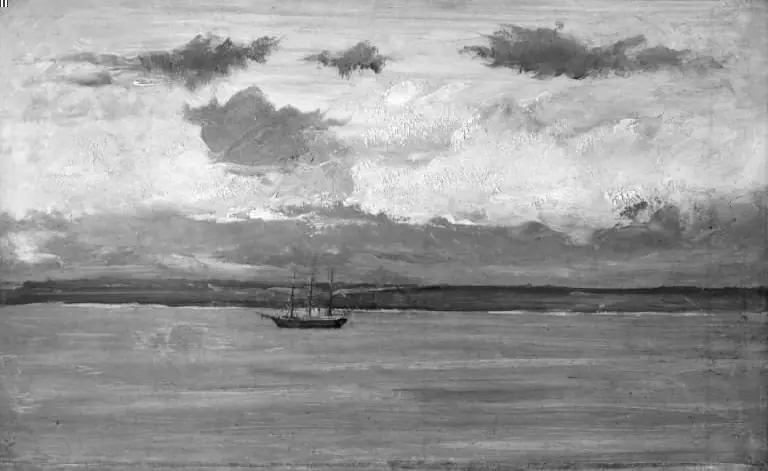
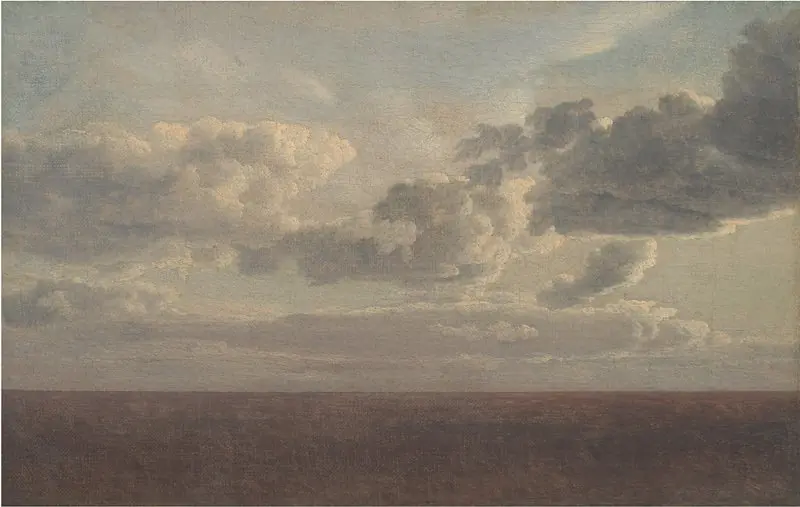
It depicts a quiet coastal horizon at twilight, with the sky transitioning from warm yellows and oranges above to a cooler blue near the sea.
Seascape. Sky at Sunset is a marine painting dated around 1837, attributed to the artist 1117_person. It depicts a quiet coastal horizon at twilight, with the sky transitioning from warm yellows and oranges above to a cooler blue near the sea.
The work is held in the collection of the Museum of Ethnography, where it is presented as part of a broader assemblage of visual materials documenting natural and cultural landscapes.
Subject & Meaning
The painting captures a moment of stillness between day and night, focusing on the meeting of sea and sky without human or vessel presence. The absence of narrative elements emphasizes the quiet rhythm of nature. The subdued palette and gentle gradations suggest contemplation rather than drama, inviting observation of light’s transient effects rather than storytelling.
Technique & Style
The artist employs soft tonal transitions to model the sky and sea, avoiding sharp contours or dramatic contrasts. Colors are blended to suggest atmospheric haze, with darker blues and browns in the water providing a grounding counterpoint to the luminous upper register. The handling is restrained, prioritizing mood over detail, aligning with early 19th-century tendencies toward lyrical landscape expression.
History & Provenance
The painting entered the Museum of Ethnography’s collection in the late 19th or early 20th century, likely as part of a broader acquisition of visual materials related to natural phenomena. Its attribution to 1117_person remains based on archival records, though little is documented about the artist’s life or other known works. The piece has remained in the museum’s care since acquisition.
Context
Created during a period when European artists increasingly turned to nature as a subject independent of myth or history, this work reflects a growing interest in atmospheric effects and emotional resonance in landscape. Though not part of a recognized school, its quiet approach aligns with contemporaneous tendencies in Romantic and early Realist painting, particularly in coastal regions.
Legacy
The painting contributes to the Museum of Ethnography’s collection as an example of non-narrative, nature-focused imagery from the early 1800s. It is not widely reproduced or studied outside institutional contexts, but it remains a quiet testament to the period’s quietude in depicting the natural world, valued more for its presence than its prominence.
Artist & collection