Artwork
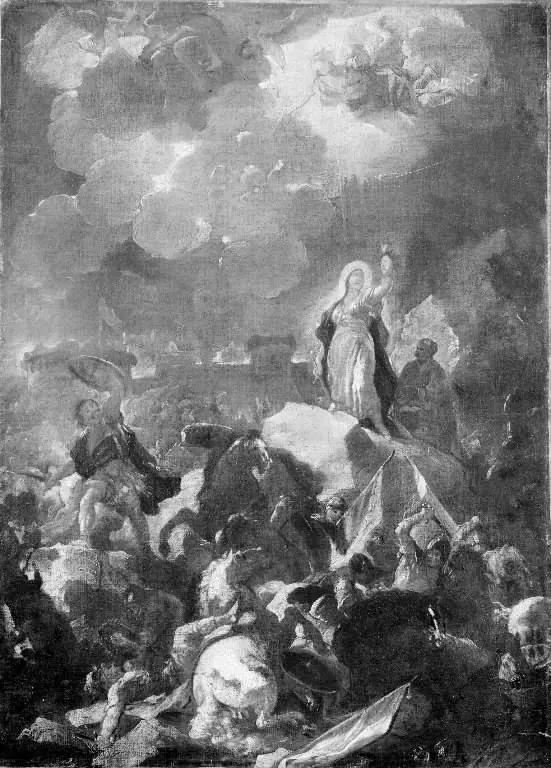
Judith with the Head of Holophernes
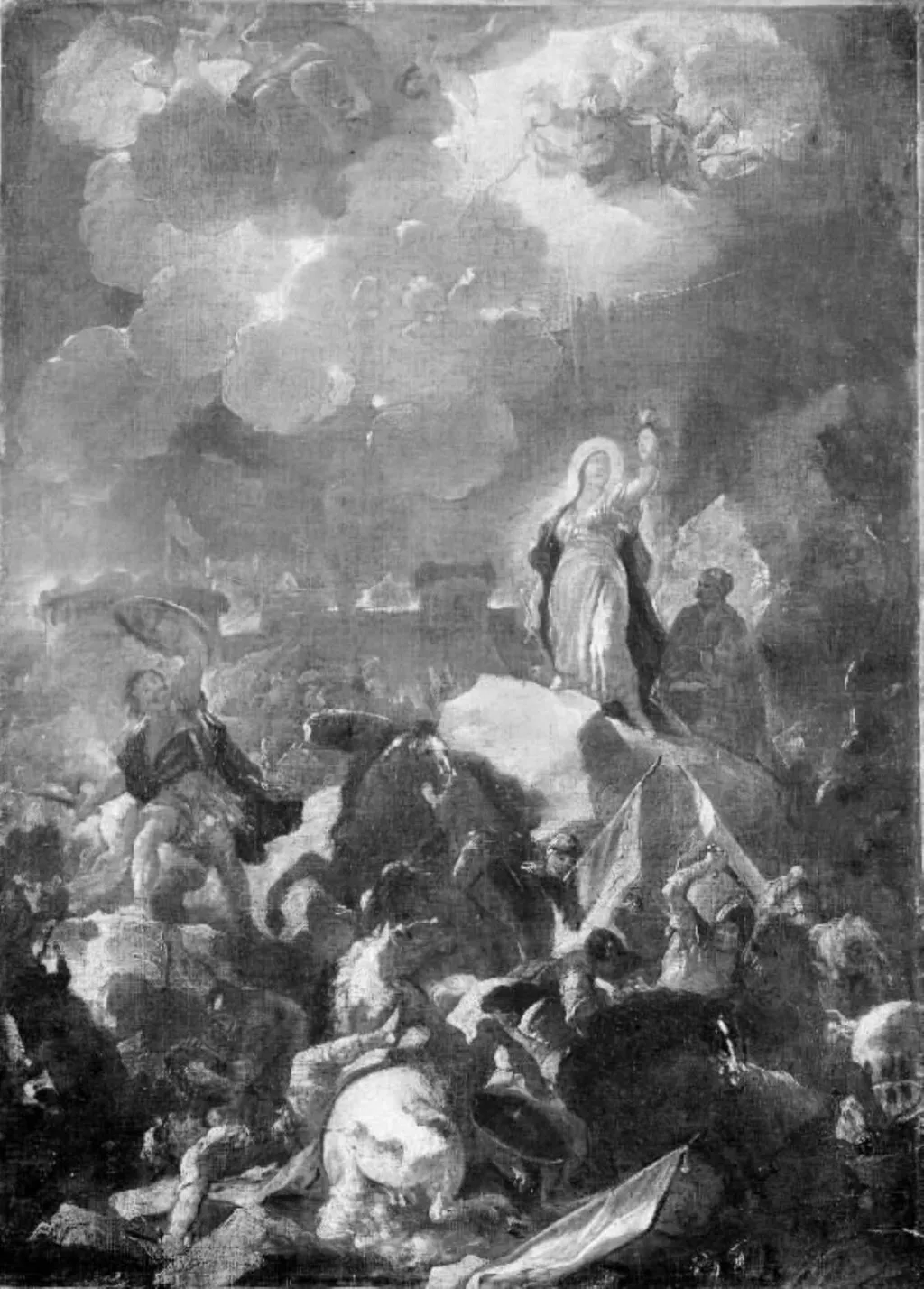
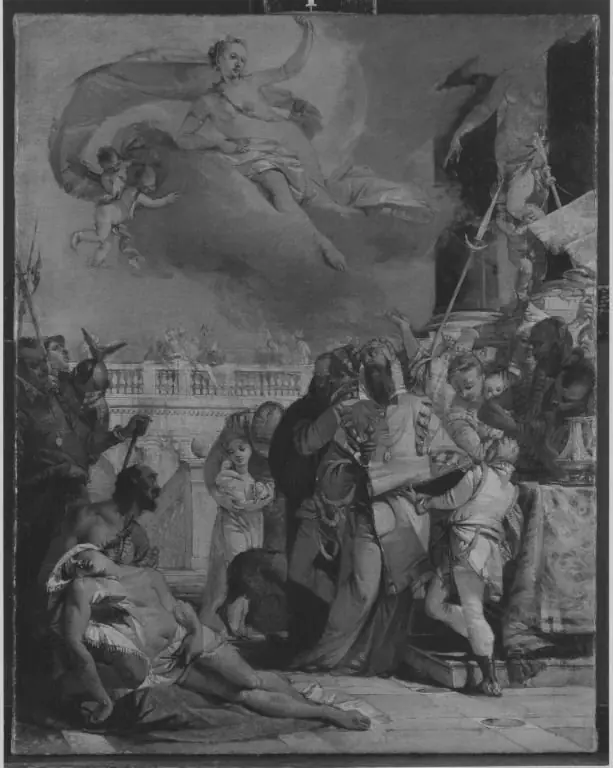
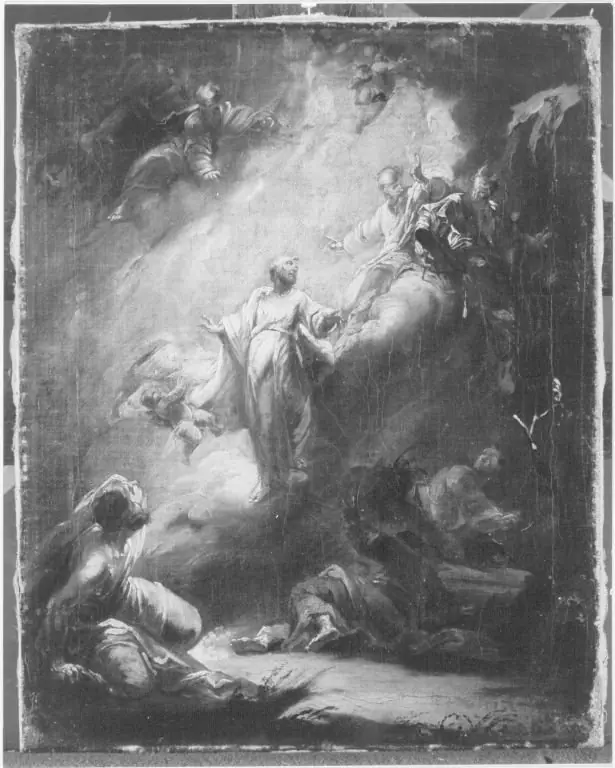
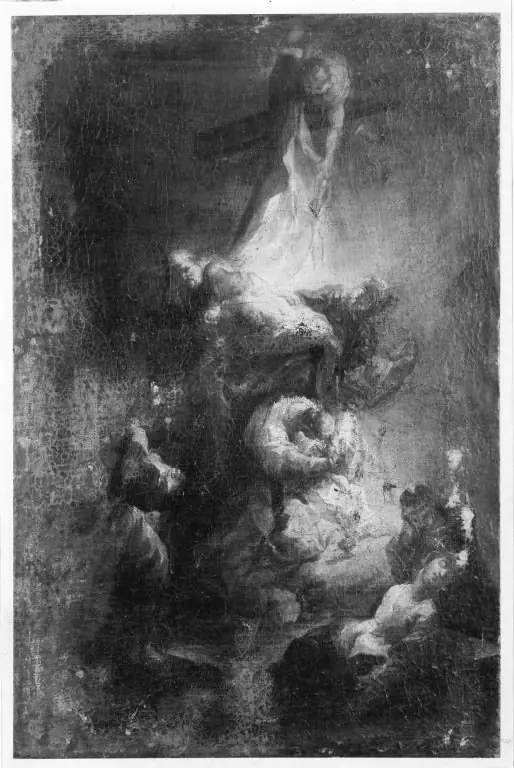
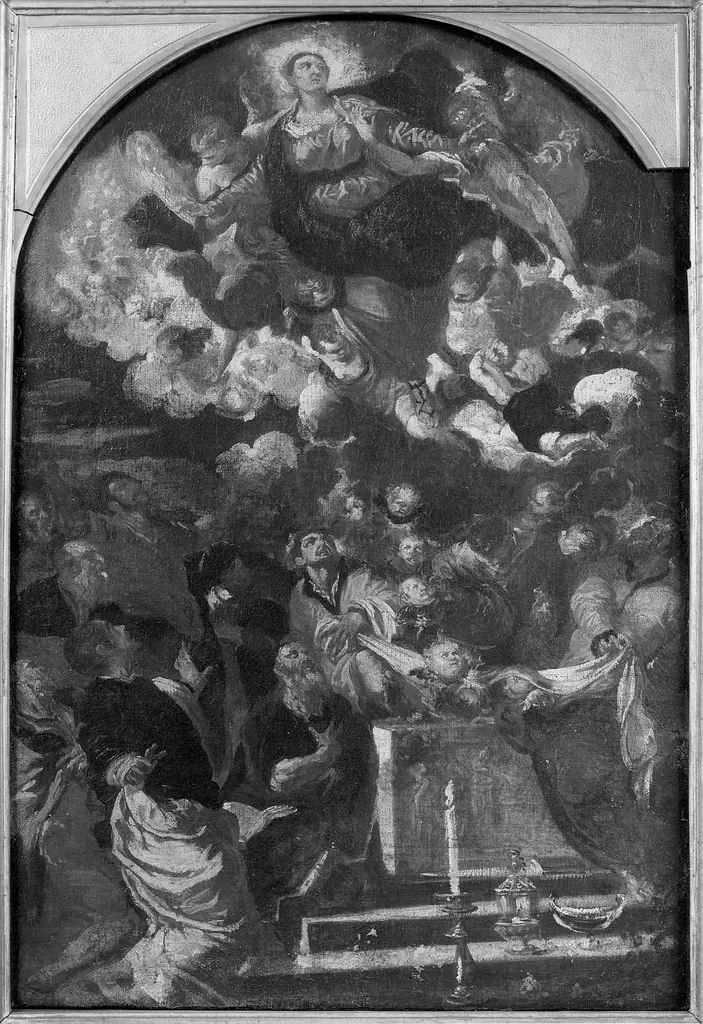
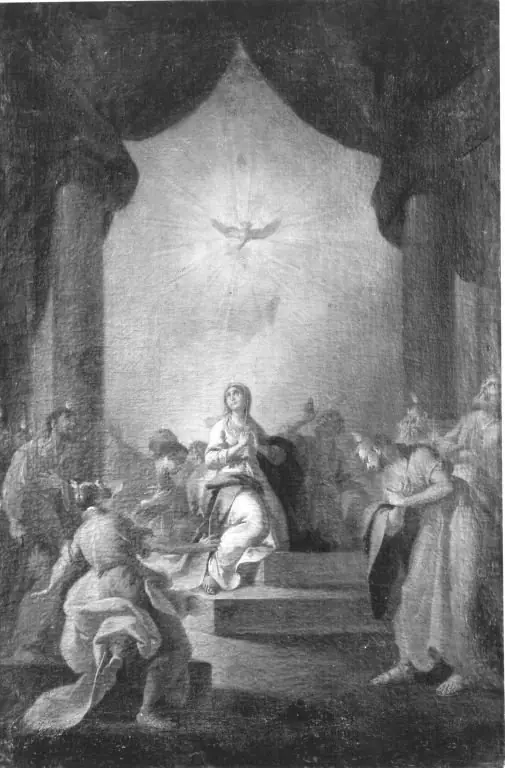
Judith with the Head of Holophernes is a photography by Unknown. It dates from 1750 and is held in the collection of the Statens Museum for Kunst. This black-and-white photograph depicts a dramatic scene attributed to an artist active around 1750.
About this work
Overview
Though presented as a photograph, it captures a painted composition originally rendered in oil or tempera, likely inspired by biblical narratives.
This black-and-white photograph depicts a dramatic scene attributed to an artist active around 1750. The image is held in the collection of the Museum of Ethnography. Though presented as a photograph, it captures a painted composition originally rendered in oil or tempera, likely inspired by biblical narratives. The contrast between light and dark suggests a Baroque aesthetic, emphasizing emotional intensity through controlled illumination.
Subject & Meaning
The scene illustrates Judith, a biblical heroine, holding the severed head of Holophernes, the Assyrian general she slew to save her people. Her composed posture contrasts with the violent act, suggesting moral resolve over brutality. The rocky terrain and turbulent sky frame her as a figure of divine justice, elevated above the carnage. The composition invites contemplation of courage, sacrifice, and the moral ambiguity of violence in service of survival.
Technique & Style
The image employs strong chiaroscuro, with sharp contrasts between illuminated forms and deep shadows to model volume and heighten drama. The flowing robes and angular rocks are rendered with precise tonal gradations, suggesting a painterly origin. The swirling clouds and stark lighting create a theatrical atmosphere, characteristic of late Baroque visual language. The absence of color focuses attention on form, gesture, and emotional weight rather than decorative detail.
History & Provenance
The original painting, dated circa 1750, entered the Museum of Ethnography’s collection through documented acquisition, though the artist’s full identity remains unconfirmed. The current photograph is a 20th-century reproduction, likely made for archival or educational purposes. No records indicate prior ownership by royal or ecclesiastical patrons, suggesting it may have been commissioned by a private collector or regional academy.
Context
Created during a period when biblical heroines were popular subjects in European art, this work reflects broader cultural interest in female agency and moral strength. While many such depictions were commissioned by churches or nobility, this version’s intimate scale and dramatic lighting hint at a more personal or scholarly audience. Its presence in an ethnographic museum suggests later reinterpretation as a cultural artifact rather than purely religious imagery.
Legacy
Though not widely reproduced in major art histories, the image persists in institutional archives as an example of 18th-century narrative painting adapted for visual study. Its emphasis on psychological tension and chiaroscuro continues to serve as a pedagogical tool for understanding Baroque techniques. The photograph’s preservation underscores the role of reproduction in sustaining lesser-known works beyond their original context.
Artist & collection