Artwork
Hero ventende Leander
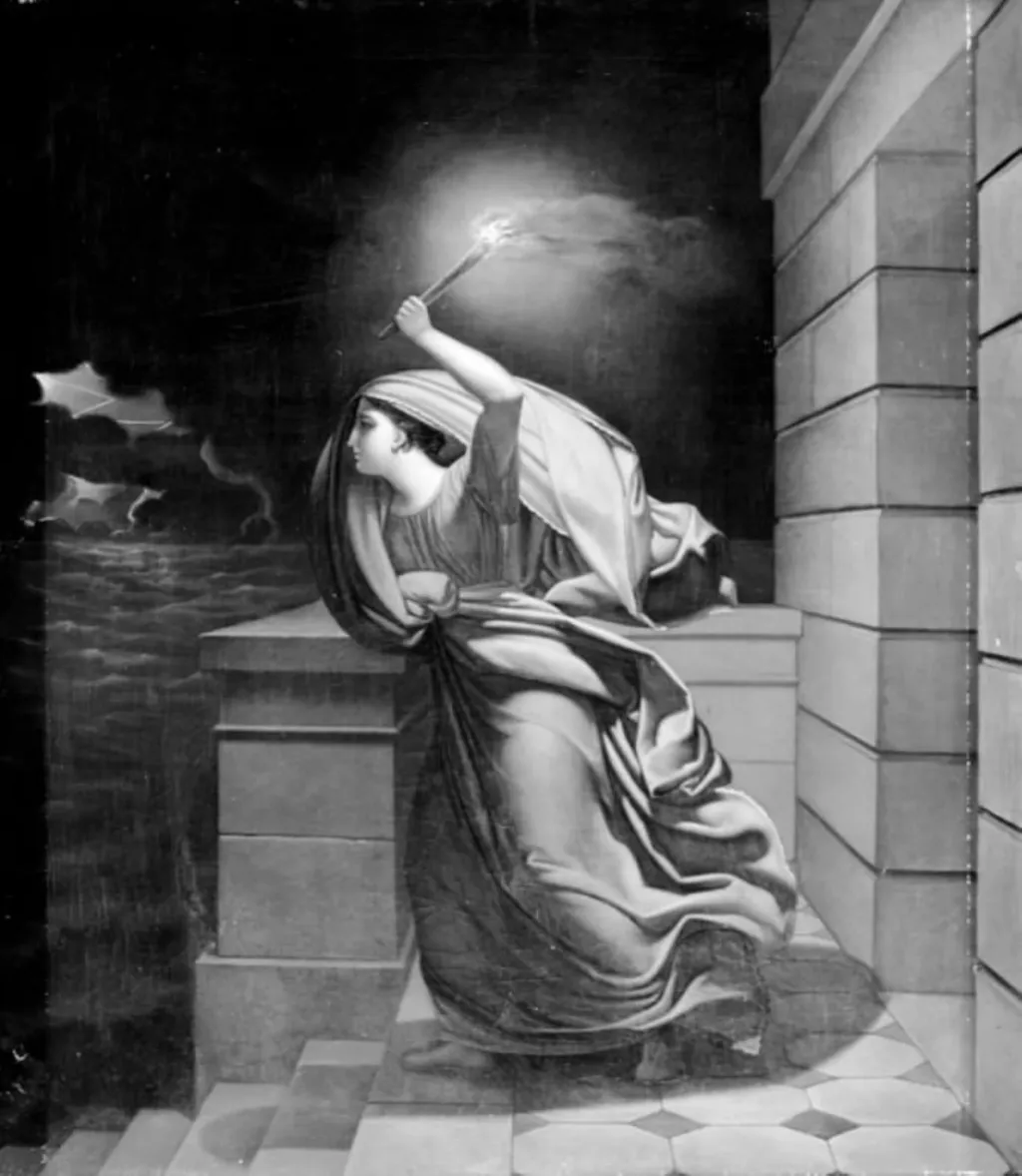
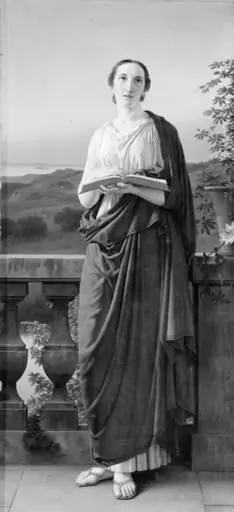
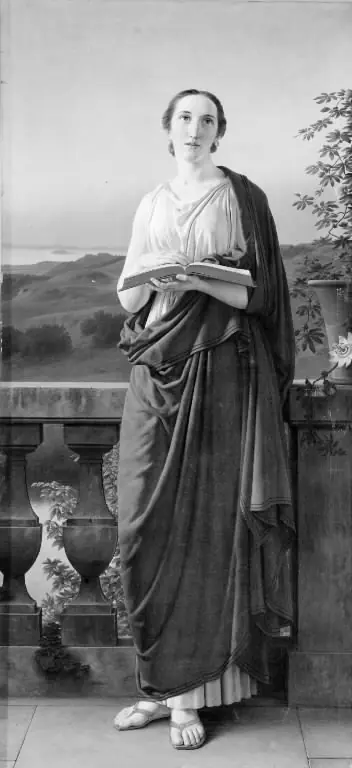
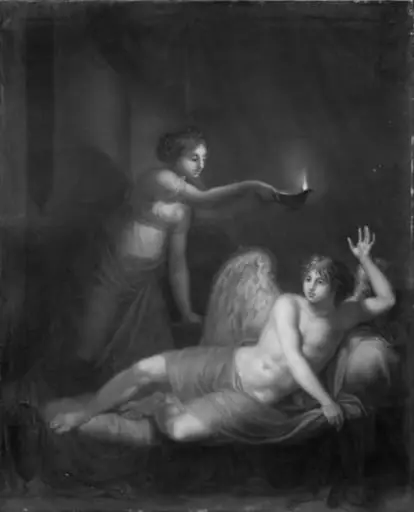
Hero ventende Leander is a photography by Unknown. It dates from 1821 and is held in the collection of the Statens Museum for Kunst. Painted around 1821, this work portrays a solitary female figure holding a torch in a dimly lit interior.
About this work
Overview
Painted around 1821, this work portrays a solitary female figure holding a torch in a dimly lit interior. The artist, whose identity is recorded as 2682_person, rendered the scene with deliberate contrasts of light and shadow. The painting is part of the collection at the Museum of Ethnography, where it is preserved as an example of early 19th-century figurative painting with classical allusions.
Subject & Meaning
Though not explicitly tied to a known narrative, the imagery invites associations with figures like Hecate or personifications of hope or knowledge.
The figure, dressed in a flowing garment reminiscent of antiquity, stands in a posture of vigilance, her gaze directed upward as if awaiting or summoning something beyond the frame. The torch suggests illumination, guidance, or endurance, evoking mythic or allegorical themes common in the period. Though not explicitly tied to a known narrative, the imagery invites associations with figures like Hecate or personifications of hope or knowledge.
Technique & Style
The artist employs chiaroscuro to model the figure with dramatic precision, isolating her against a deep, unbroken background. The warm glow of the torch casts soft highlights on her face and dress, while the stone wall to her right anchors the composition in tangible space. Brushwork is controlled, favoring smooth transitions over texture, reinforcing the idealized, timeless quality of the subject.
History & Provenance
The painting entered the Museum of Ethnography’s holdings in the 19th century, likely through acquisition or donation. Its attribution to 2682_person is documented in early catalogues, though little is known about the artist’s broader career. The work has remained in institutional custody since, with no record of public exhibition prior to the 20th century.
Context
Created during a period when European artists frequently drew from classical mythology and romanticized antiquity, the painting reflects a broader trend of using ancient motifs to convey moral or emotional themes. While not part of a major artistic movement, it aligns with the quiet, introspective figure studies favored by lesser-known painters of the era who worked outside academic circles.
Legacy
The painting remains a quiet example of early 19th-century figurative work, valued for its atmospheric lighting and restrained composition. It contributes to the Museum of Ethnography’s collection of non-mainstream European art, offering insight into how classical imagery was adapted by artists beyond the established canon. Its preservation underscores interest in overlooked regional or individual voices of the period.
Artist & collection