Artwork
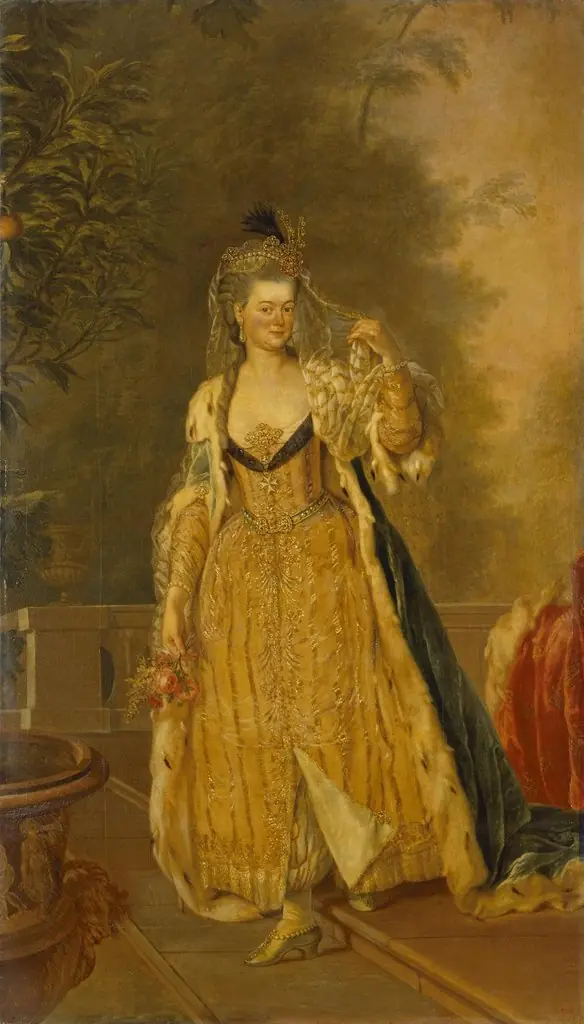
Frederikke Sofie Wilhelmine, Margravine of Bayreuth
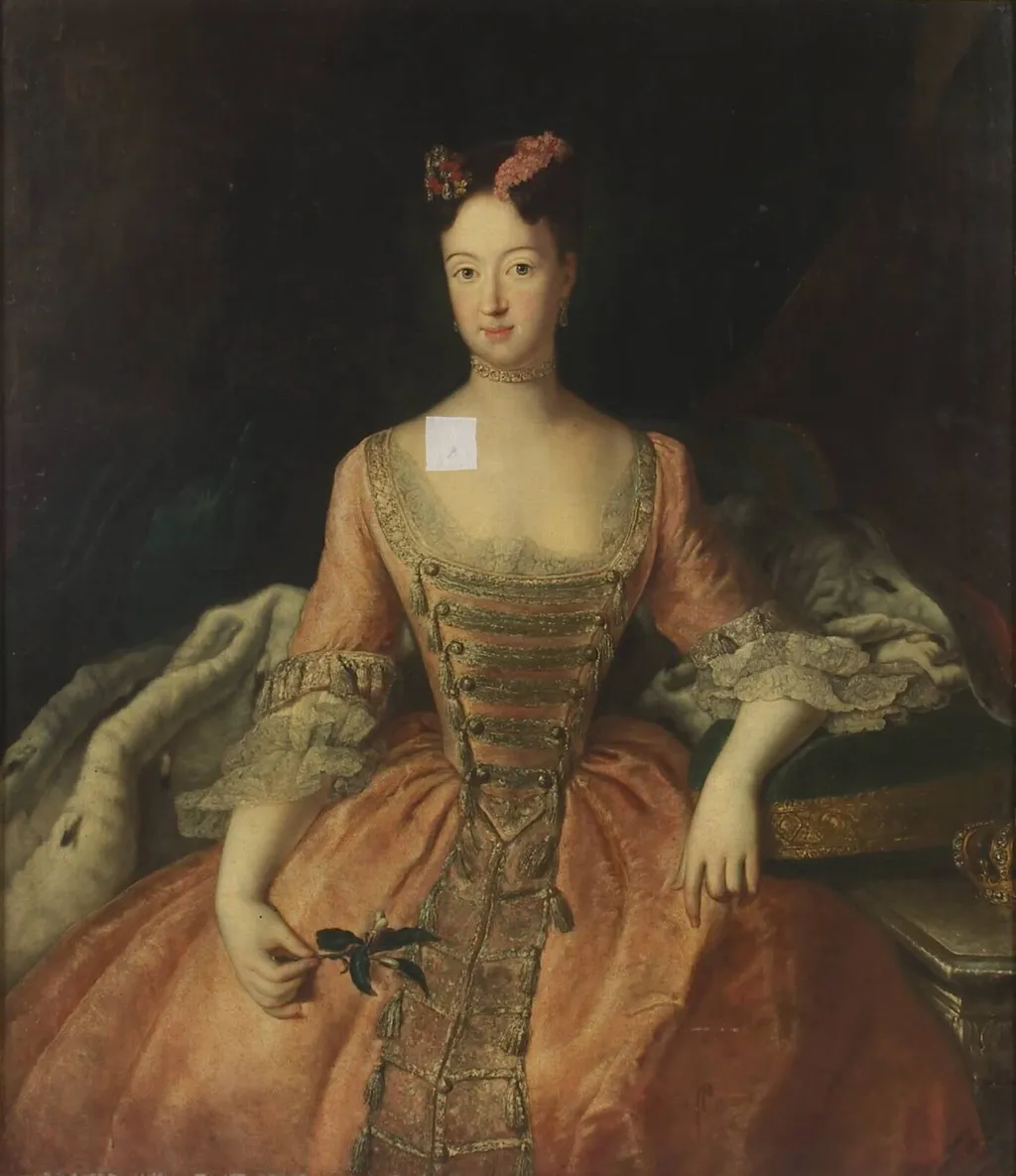
Frederikke Sofie Wilhelmine, Margravine of Bayreuth is a photography by Unknown. It dates from 1750 and is held in the collection of the Statens Museum for Kunst.
About this work
Overview
The work is attributed to an artist identified only by a numerical catalog code, and it resides in the Museum of Ethnography.
This portrait depicts Frederikke Sofie Wilhelmine, Margravine of Bayreuth, painted around 1750. The work is attributed to an artist identified only by a numerical catalog code, and it resides in the Museum of Ethnography. The composition centers on the sitter in a formal pose, rendered with attention to textile detail and subtle lighting. The dark background isolates her figure, emphasizing her attire and poise.
Subject & Meaning
The sitter, a noblewoman of the Bayreuth court, is portrayed in private elegance rather than ceremonial grandeur. Her modest adornments, a pink flower in her hair and a delicate choker, suggest refined taste over ostentation. The small black object in her left hand remains unidentified but may indicate a personal item, such as a snuff box or prayer beads, hinting at daily rituals of aristocratic life.
Technique & Style
The artist employs a restrained chiaroscuro to model the sitter’s form, with soft transitions between light and shadow that enhance the texture of lace and silk. The pink dress, rendered with careful brushwork, contrasts subtly against the deep background. The pose is relaxed yet controlled, reflecting the conventions of mid-18th-century portraiture that valued composure over dramatic gesture.
History & Provenance
The painting entered the Museum of Ethnography’s collection without clear documentation of its early ownership. Its presence in an ethnographic institution, rather than a fine arts museum, suggests a later reclassification, possibly due to its association with European court culture as a specimen of social hierarchy. The artist’s identity remains unverified beyond a catalog reference.
Context
Painted during the height of the Rococo period, the portrait aligns with trends in German and Austrian courts that favored intimate, graceful depictions of nobility. While grand state portraits dominated public spaces, private likenesses like this one reflected personal identity and domestic refinement. The Margravine’s attire and demeanor mirror the aesthetic values of her social circle, where subtlety signaled status.
Legacy
Though not widely exhibited or studied, the portrait contributes to the understanding of lesser-known noblewomen in 18th-century Germany. Its preservation in an ethnographic context invites reflection on how cultural artifacts are categorized over time. The work remains a quiet testament to the visual language of aristocratic femininity in a period of evolving social norms.
Artist & collection









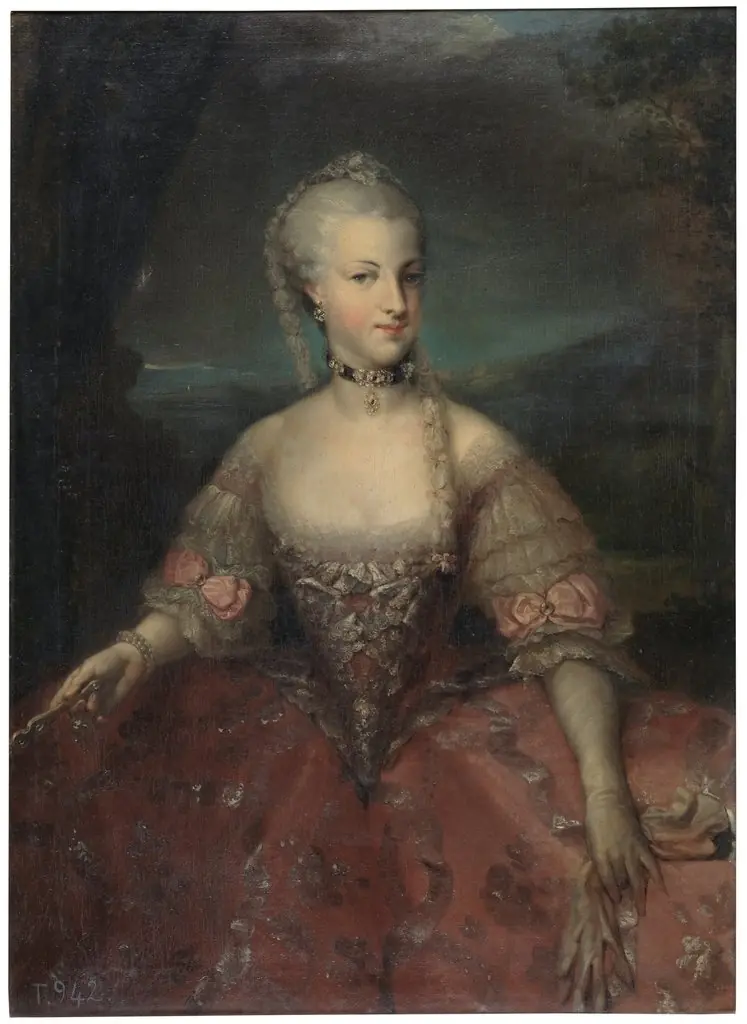
- Maria Carolina of Habsburg-Lorraine, Queen of Naples
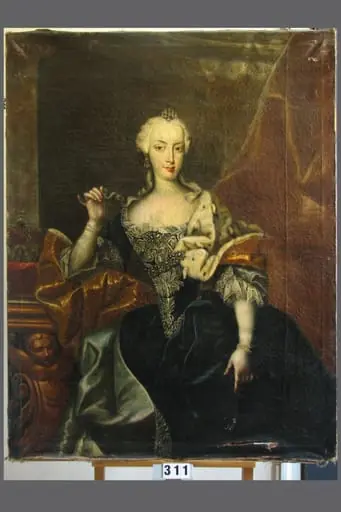 Maria Theresia, arhiducesă de Austria ; în registrul inventar: Prințesă în haină albastră
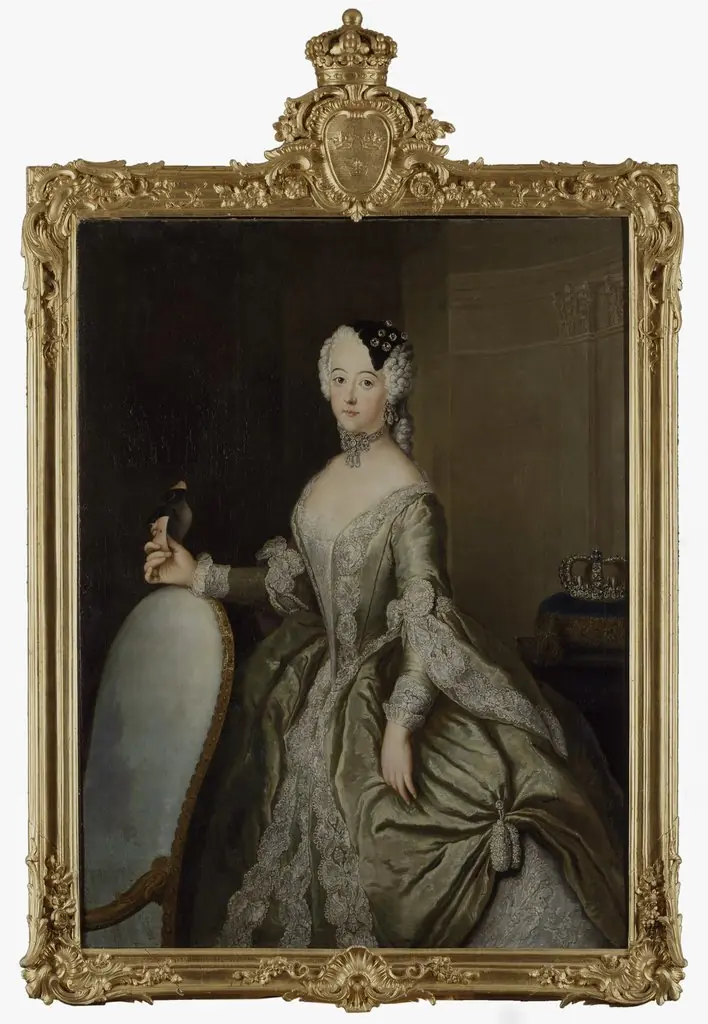 Lovisa Ulrika, 1720-1782, drottning av Sverige prinsessa av Preussen
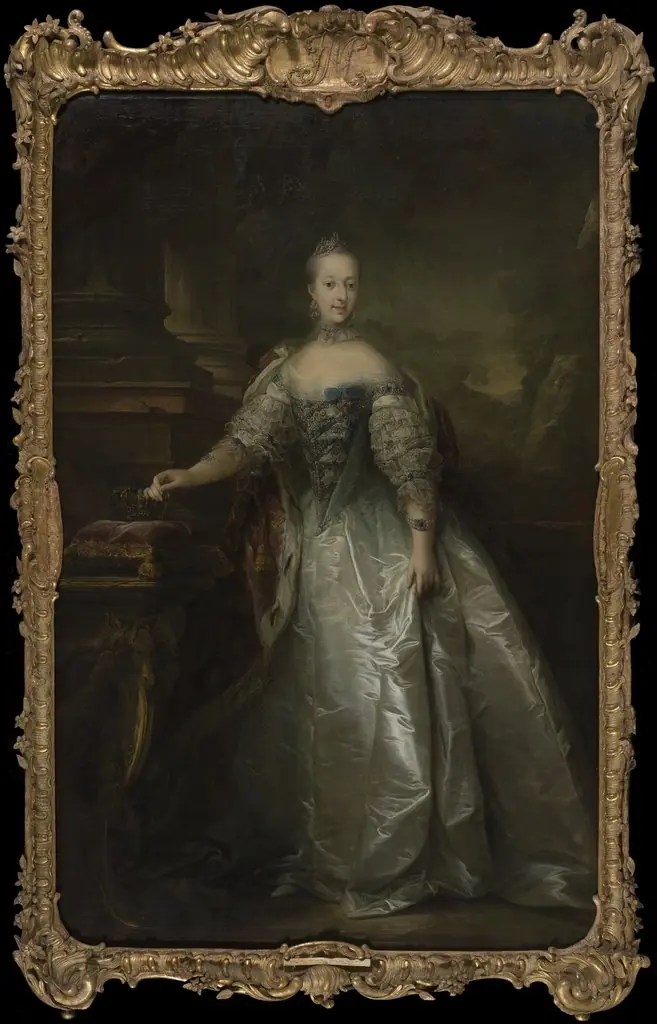 Juliane Marie, Queen of Denmark
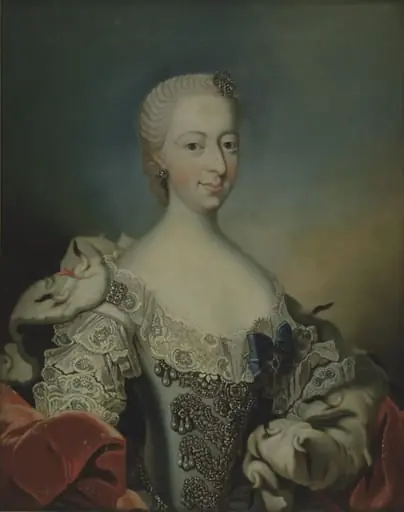 Juliane Marie, Frederik V's anden dronning
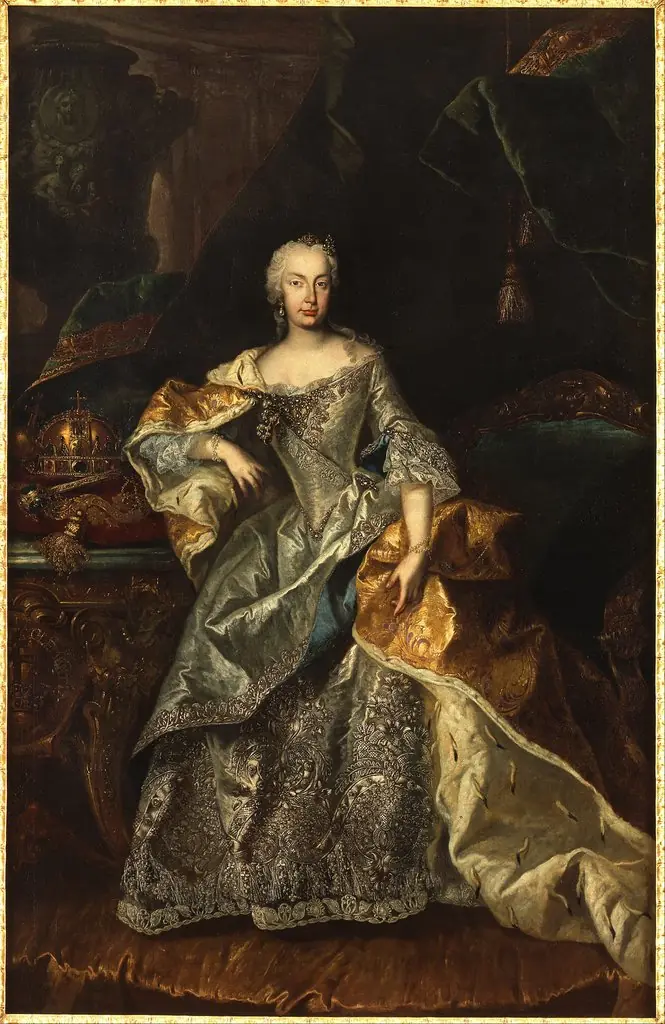 Maria Theresa as Queen of Hungary
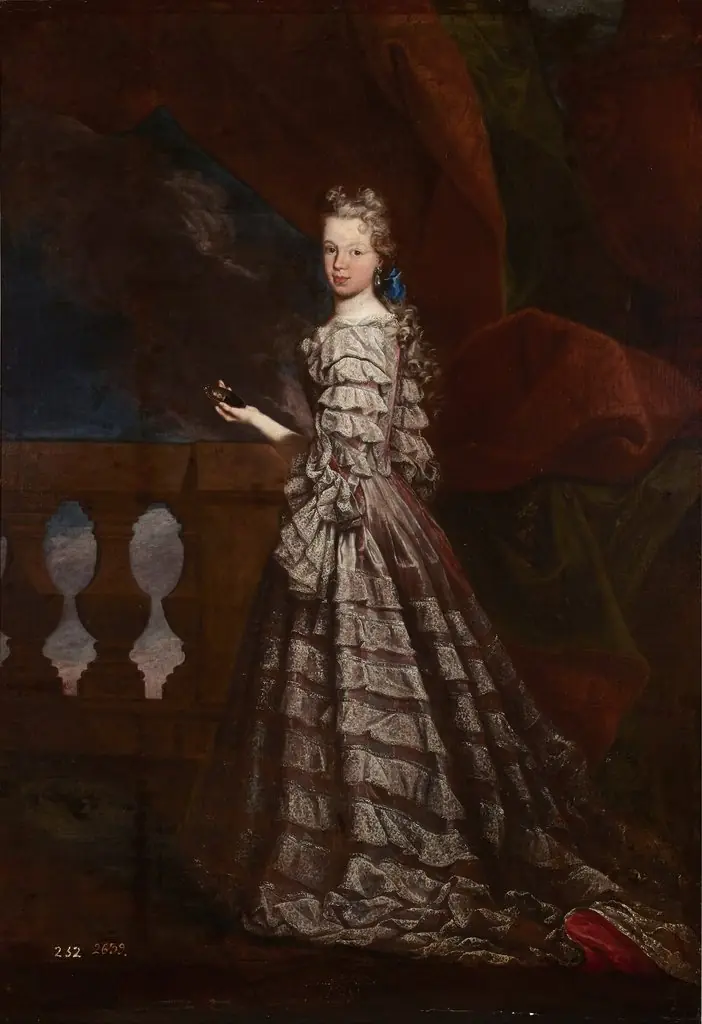 Portrait of Maria Luisa of Savoy, Queen of Savoy
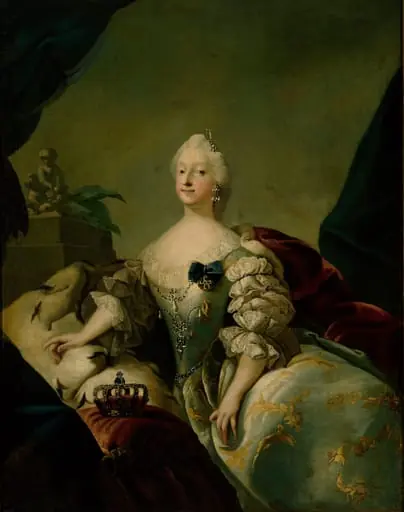 Tanskan kuningatar Louise
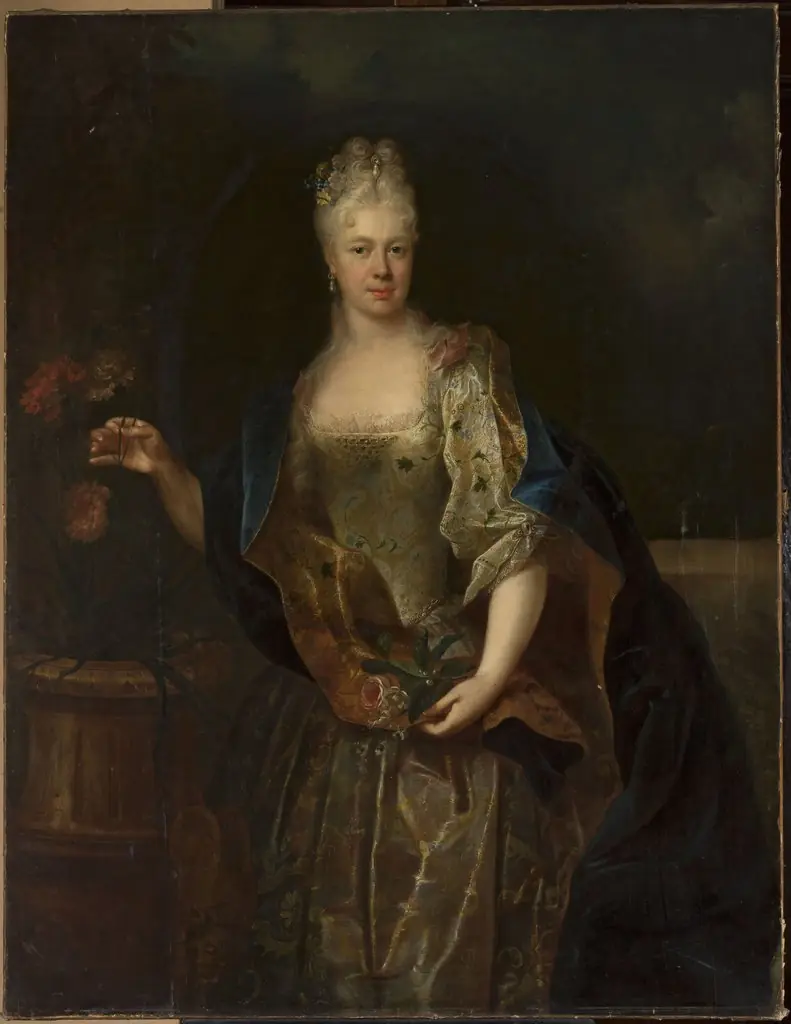 Portrait of Ludwika Amalia Lubomirska (1722–1778)
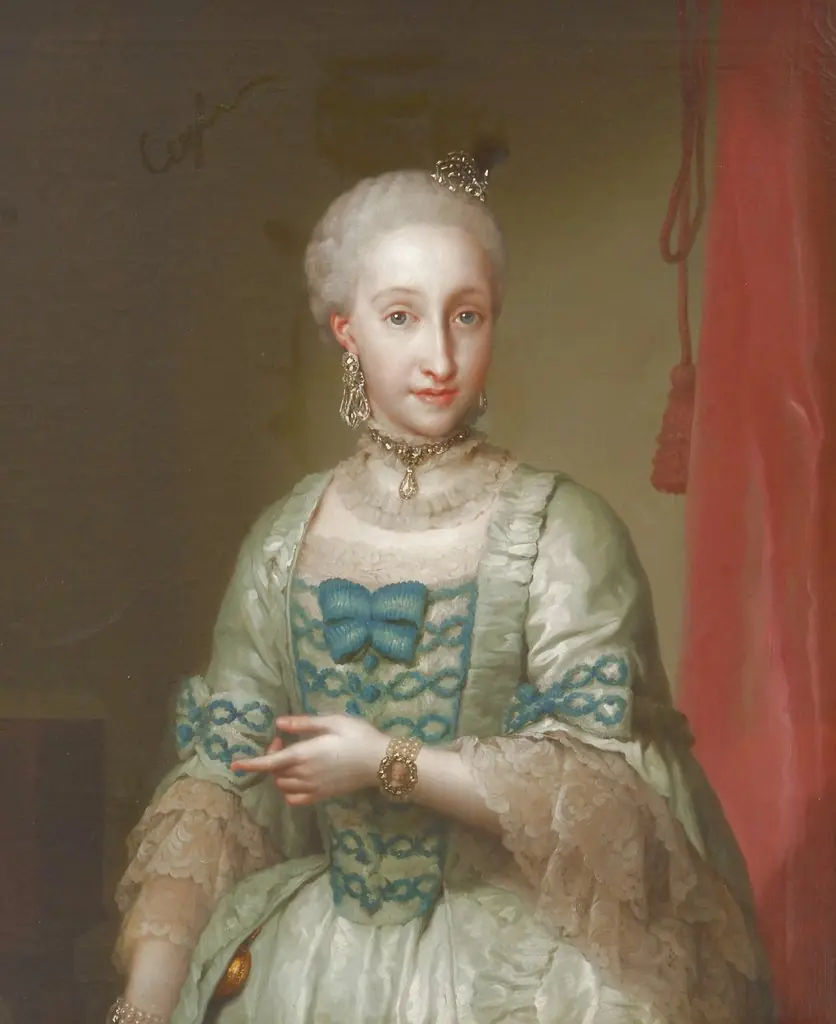 Ritratto di Maria Giuseppa Carmela di Borbone
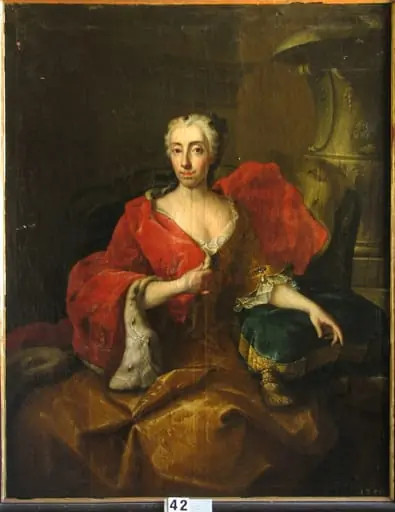 Marie Henriette von Waldstein-Wartenburg, soția principelui Johann Georg Christian von Lobkowitz. Pandant: Principele Johann Georg Christian von Lobkowitz, general comandant în Transilvania
 Portrait of Anna Elizabeth Louise Ferdinanda of Prussia