Artwork
An Amsterdam East Indiaman
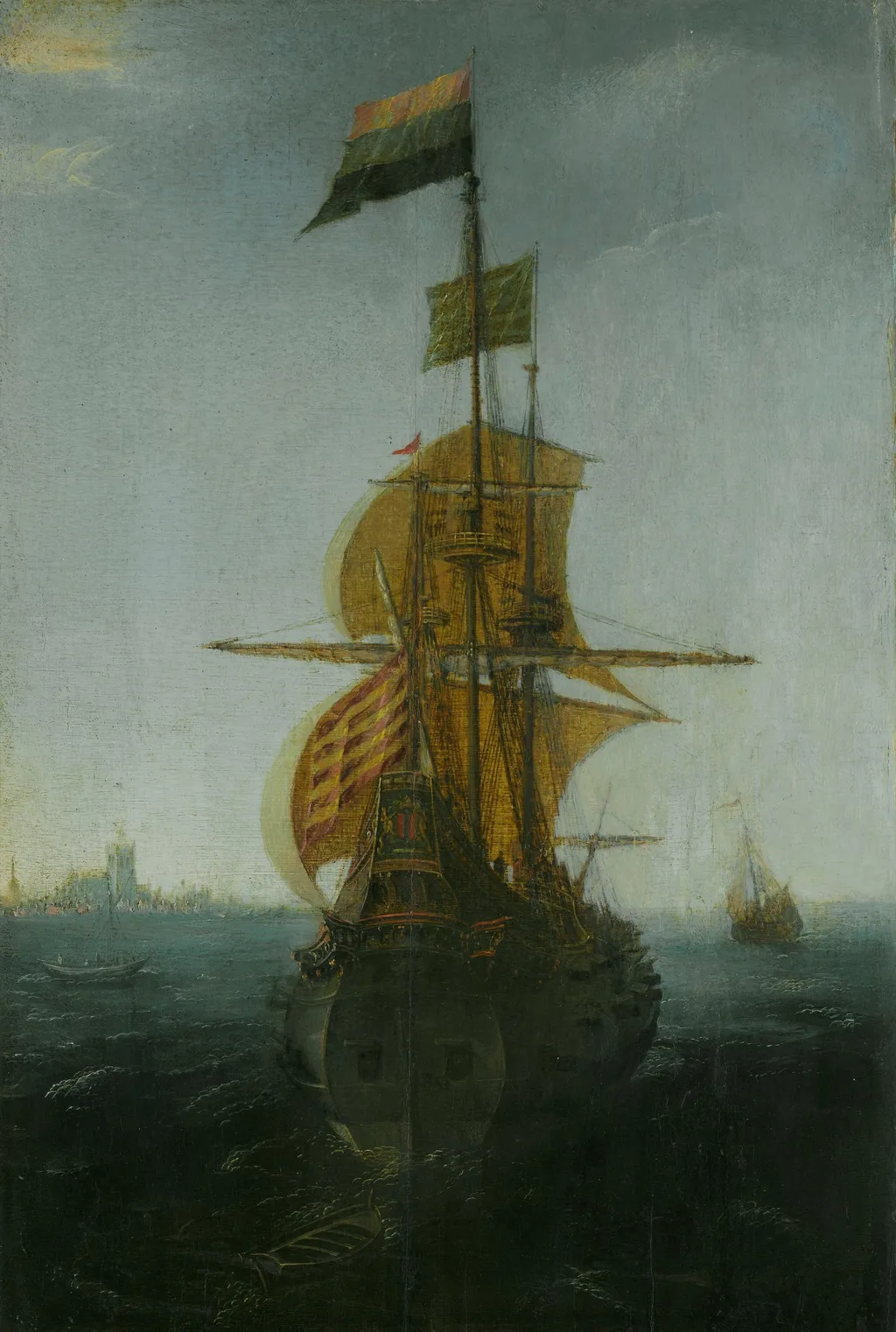
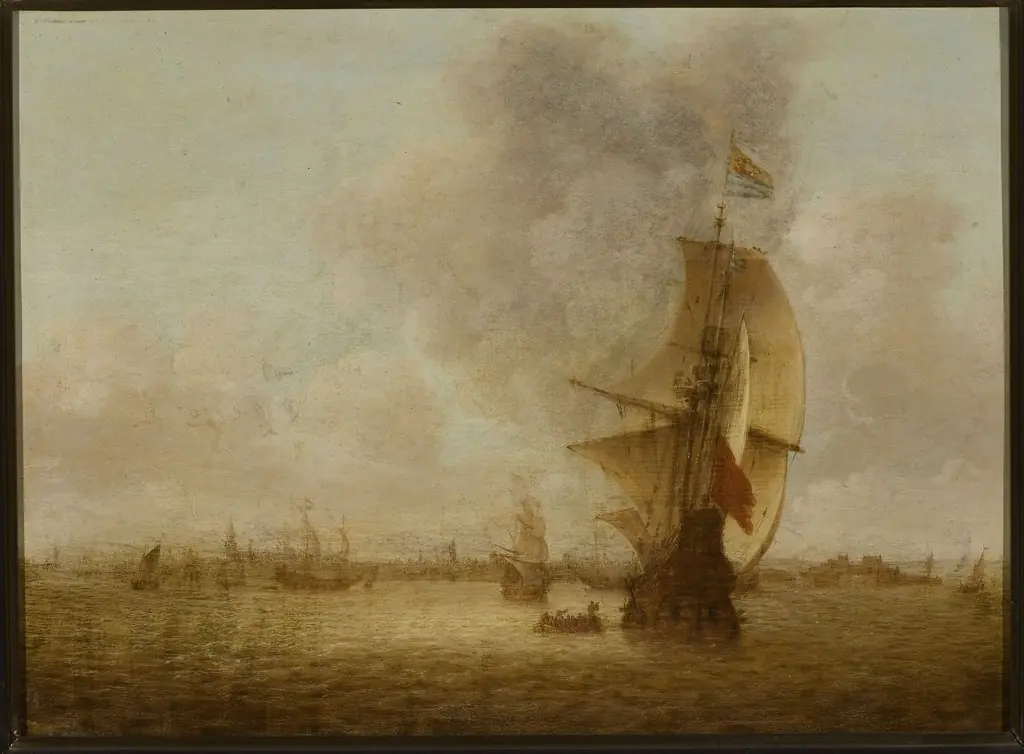
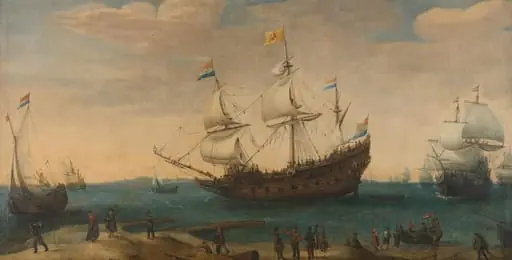
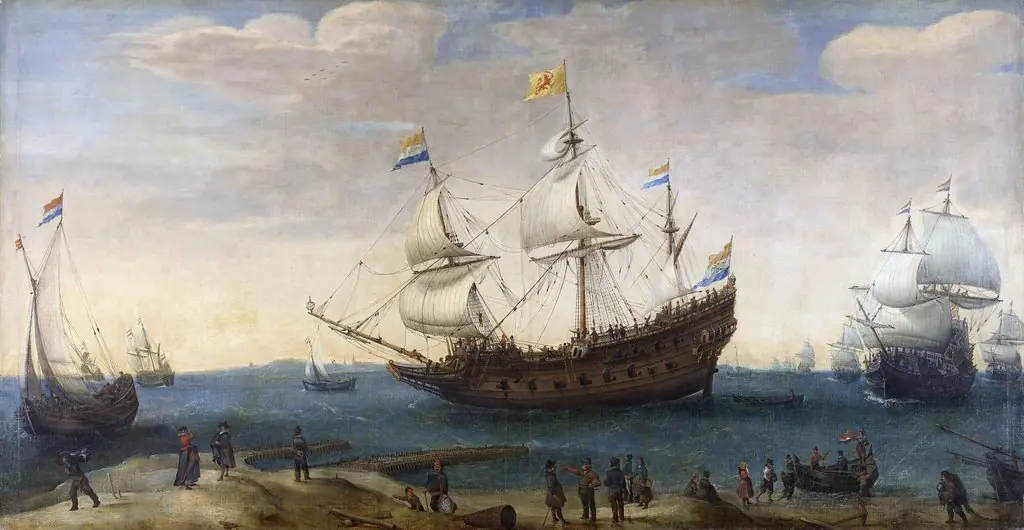
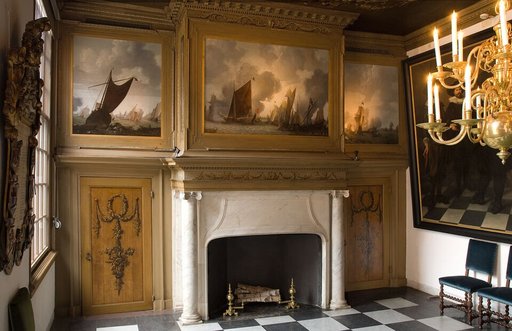
An Amsterdam East Indiaman is an oil painting by the Dutch Golden Age artist Abraham de Verwer. It dates from 1650 and is held in the collection of the Rijksmuseum.
About this work
Subject & Meaning
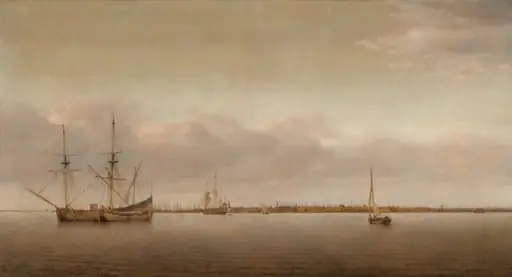
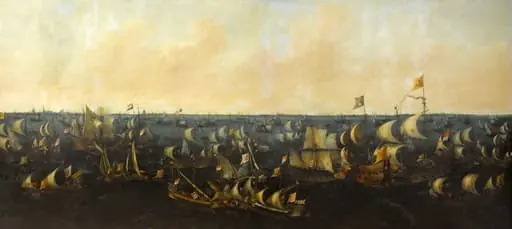
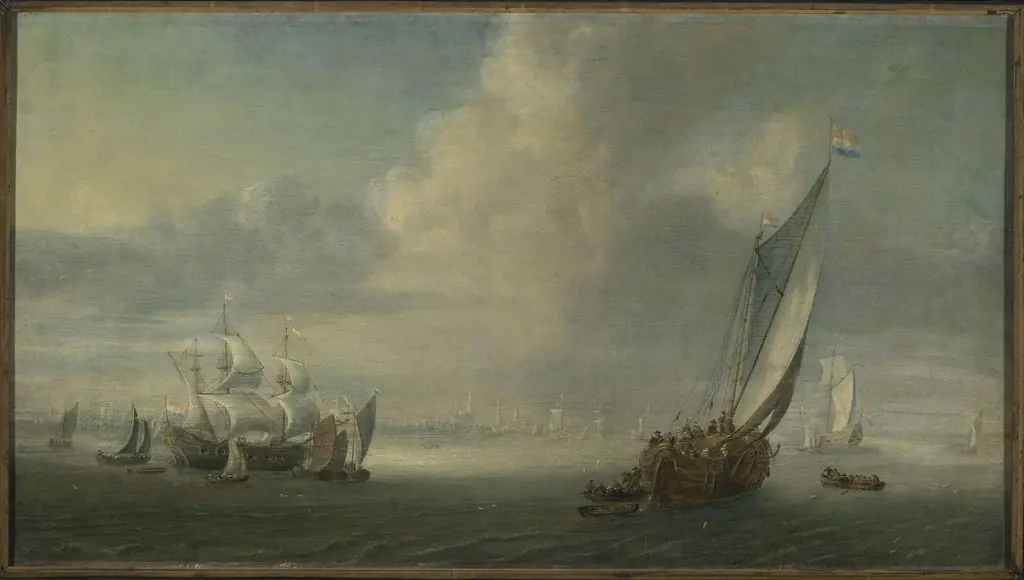
The painting depicts a merchant vessel sailing under billowing clouds, its billowing sail and rigging emphasizing the ship's role as an East India Company cargo carrier on a commercial voyage. The work's marine genre underscores the significance of seafaring trade to the Dutch Golden Age economy, while the precise rendering of the ship's rigging reflects contemporary maritime knowledge and the prestige associated with Dutch maritime prowess. The subject embodies the era's intertwining of naval enterprise and national identity, symbolizing both the wealth generated by overseas trade and the technological sophistication of Dutch shipbuilding.
Technique & Style
Abraham de Verwer painted An Amsterdam East Indiaman in 1650 using oil paint on a wooden panel, a technique typical of Dutch marine art of the period.
Abraham de Verwer painted An Amsterdam East Indiaman in 1650 using oil paint on a wooden panel, a technique typical of Dutch marine art of the period. The work measures 43.5 cm in height and 29.3 cm in width, reflecting the modest scale common for detailed ship portraits. Its surface shows careful handling of light and atmospheric perspective, emphasizing the vessel's rigging and billowing sails against a muted sky.
The painting's condition remains stable, with minimal craquelure and no significant pigment loss, preserving the fine brushwork that defines its formal composition.
History & Provenance
An Amsterdam East Indiaman was created by the marine painter Abraham de Verwer in 1650, executed in oil paint. The work is documented as a panel painting within the maritime genre, with its inception recorded to that year.
The painting's documented holdings trace to the collections of the Rijksmuseum, the Amsterdam Museum, and the Nieuwezijds Huiszittenhuis, with current locations recorded at the Rijksmuseum and the Amsterdam Museum. No additional details regarding commission, intermediate ownership, or earlier provenance are recorded in the available sources.
Overview
An Amsterdam East Indiaman is a 17th-century oil painting by Abraham de Verwer, a Dutch artist known for his landscapes and seascapes. Created around 1650, it is a representative work of the marine genre.
Own this work as a print
Artist & collection
Artist
Abraham de Verwer (1585, Haarlem – 19 August 1650 (buried), Amsterdam), was a Dutch Golden Age painter of cityscapes, (river) landscapes and seascapes.