Artwork
Incostanza. An Allegory of Fickleness
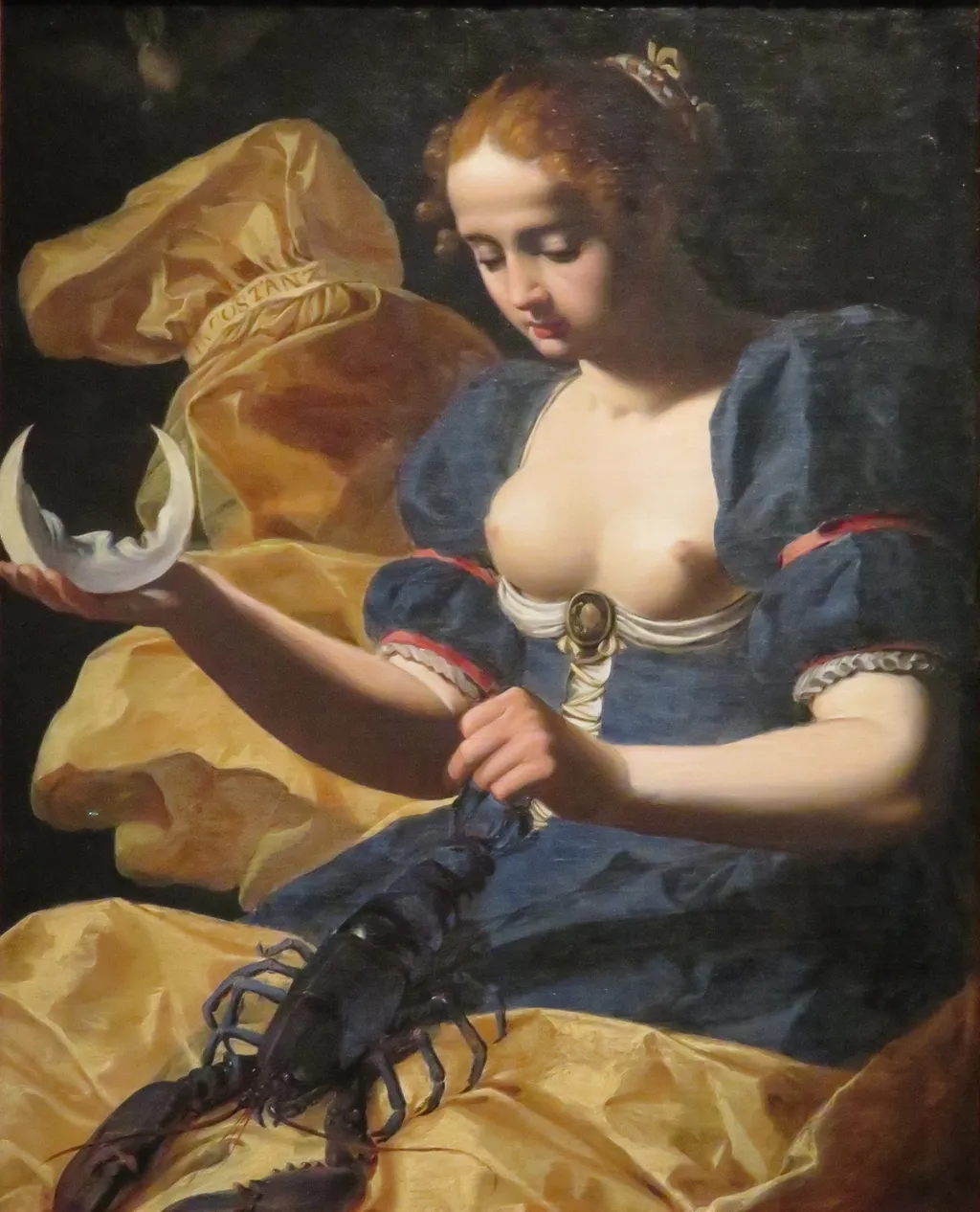
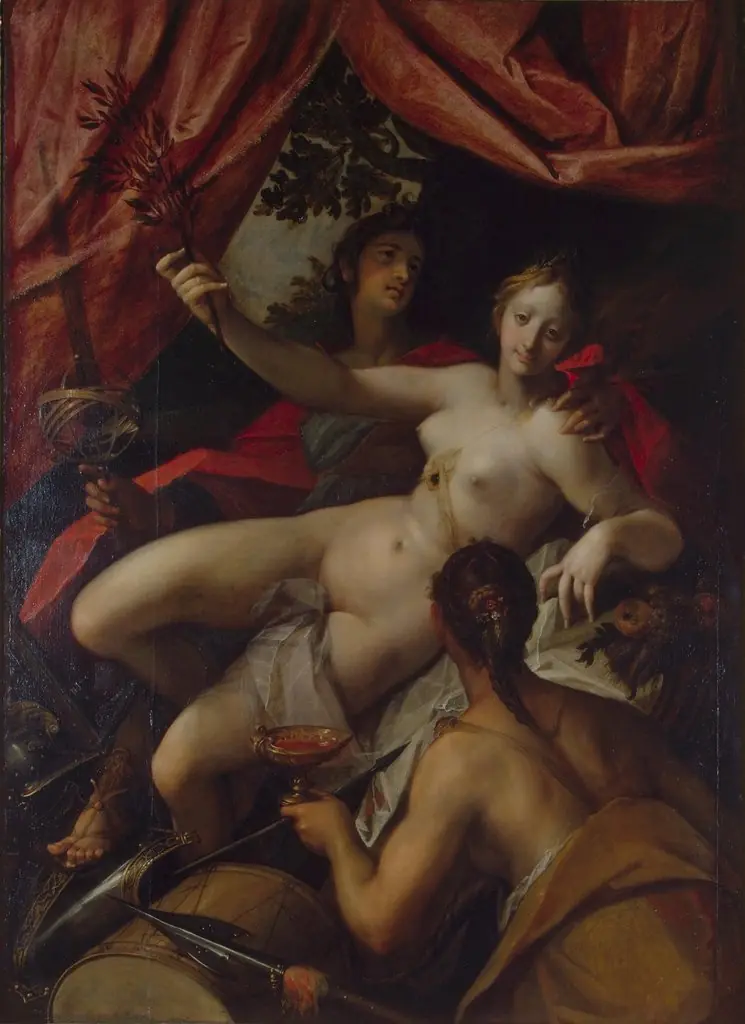
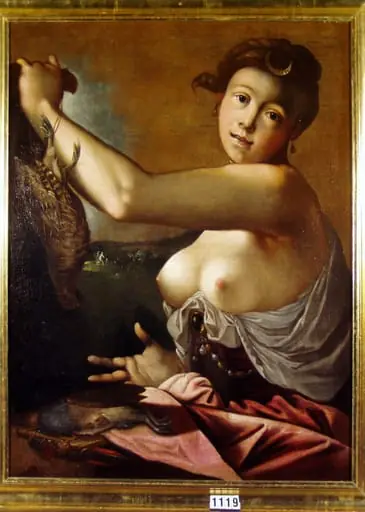
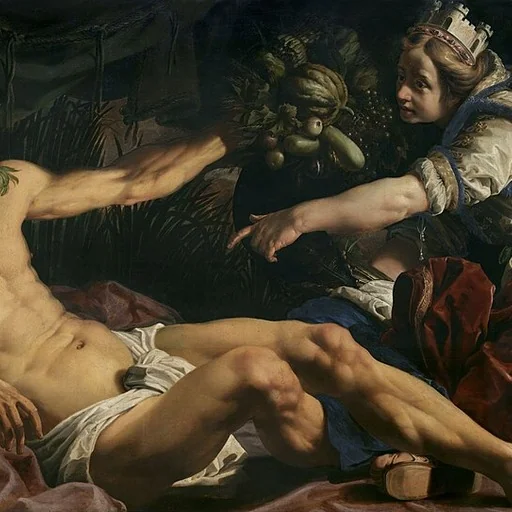
Incostanza. An Allegory of Fickleness is an oil painting by the Flemish Baroque painting artist Abraham Janssens I. It dates from 1617 and is held in the collection of the Statens Museum for Kunst.
About this work
Subject & Meaning
Created in 1617, this oil painting functions as an allegory representing the concept of fickleness, explicitly titled to reflect this theme of inconstancy.
Created in 1617, this oil painting functions as an allegory representing the concept of fickleness, explicitly titled to reflect this theme of inconstancy. The visual narrative centers on a female figure who embodies the abstract quality of unpredictability. Her identity is further clarified through specific iconographic elements, including the presence of the Moon and a lobster, which serve as traditional symbols associated with changeability and shifting nature.
By combining these motifs, the work visually articulates the transient and unreliable characteristics inherent to the subject matter.
Technique & Style
Executed in oil on canvas in 1617, the work measures 127.5 × 105.4 cm. Janssens renders the allegorical figure with smooth, blended modeling that unifies flesh, drapery, and accessories into a coherent whole. The handling privileges clear contours and volumetric forms, aligning with the early seventeenth-century Antwerp tradition of polished illusionism. Flickering light across the composition and the figure's restless gesture reinforce the theme of fickleness, while the restrained palette and controlled brushwork maintain an overall harmony.
History & Provenance
Abraham Janssens I created the oil painting Incostanza. An Allegory of Fickleness in 1617. Executed on canvas, the work measures 127.5 × 105.4 cm and depicts an allegorical figure alongside symbols including the Moon and a lobster.
The painting is held in the collection of the Statens Museum for Kunst, where it was accessioned in 1843 under inventory number 1843. Its exhibition history includes the presentation "The Moon: From real travel to imaginary journeys."
Overview
Abraham Janssens I’s Incostanza. An Allegory of Fickleness (1617) is an oil painting executed in the Flemish Baroque period. The work belongs to the allegorical tradition and is part of the collection of the Statens Museum for Kunst in Copenhagen.
Context
The work exemplifies the Flemish Baroque interest in allegory and moralizing subjects, integrating symbolic objects such as the scorpion and lobster to convey the instability of human fortunes. Its Caravaggesque lighting indicates the diffusion of Italian tenebrism into Northern European art during the early seventeenth century.
Own this work as a print
Artist & collection
Artist
Abraham Janssens I, Abraham Janssen I or Abraham Janssens van Nuyssen (1575–1632) was a Flemish painter, who is known principally for his large religious and mythological works, which show the influence of Caravaggio.