Artwork
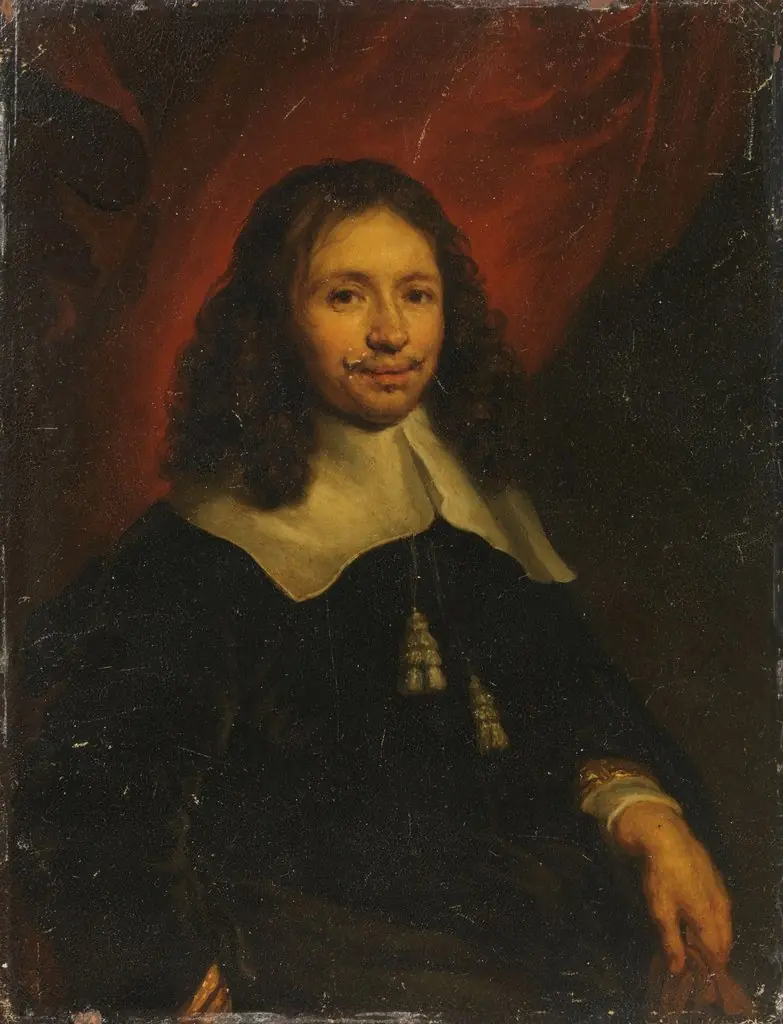
Portrait of Cornelis Meijer, engineer
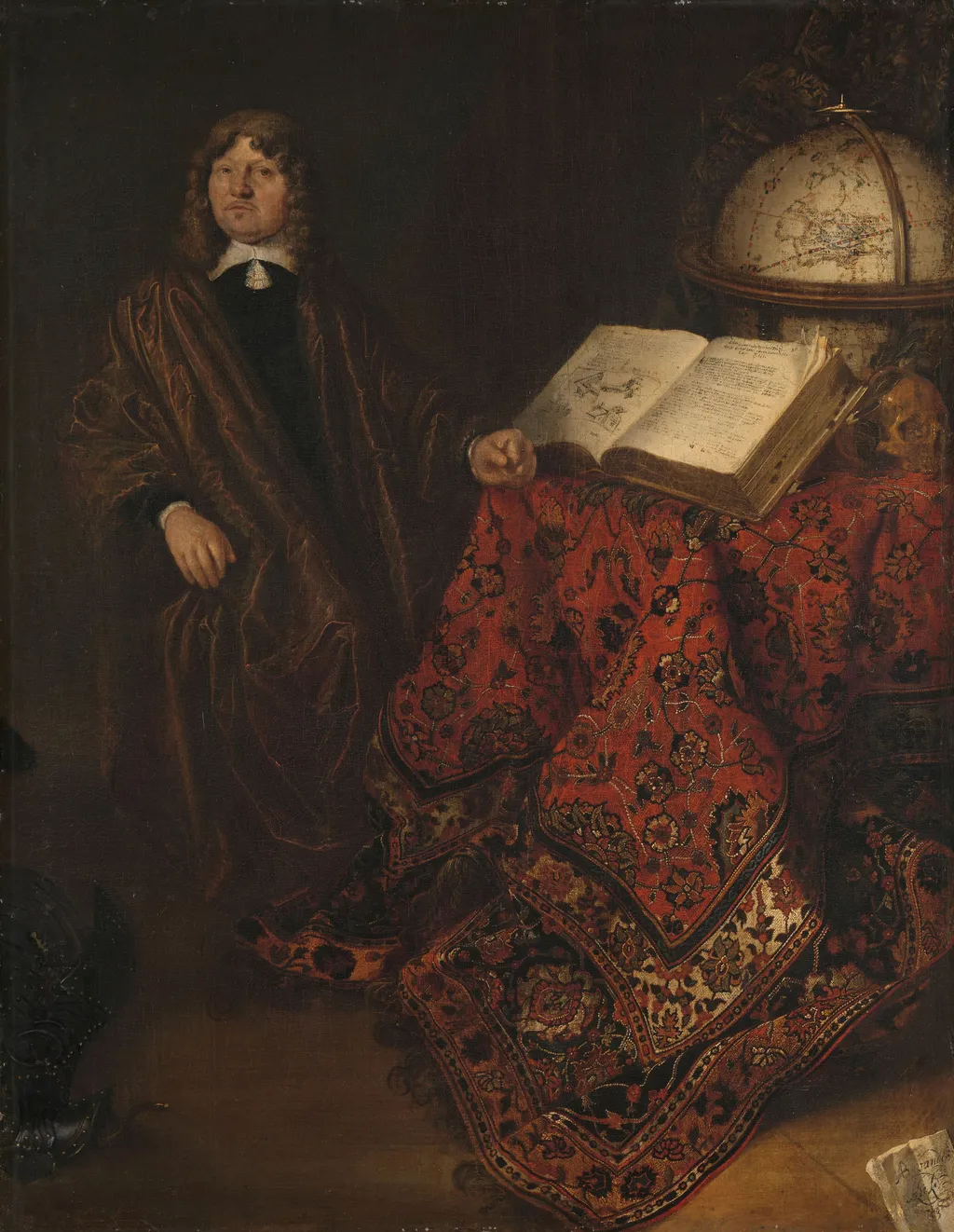
Portrait of Cornelis Meijer, engineer is an oil painting by the Dutch Golden Age artist Abraham van den Hecken the Younger. It dates from 1650 and is held in the collection of the Rijksmuseum.
About this work
Subject & Meaning
The work depicts Cornelis Meijer, identified explicitly as an engineer, serving as the sole main subject of this 1650 portrait by Abraham van den Hecken the Younger. As a formal portrait genre piece, the painting focuses on the individual identity and professional status of Meijer rather than incorporating broader allegorical scenes or complex symbolic narratives. The composition presents the engineer directly, establishing his personal and vocational presence as the central meaning of the artwork without additional iconographic layers described in the available records.
Technique & Style
The medium and support align with standard Dutch Golden Age portraiture practices of the mid-17th century.
The portrait is executed in oil paint on canvas, measuring 81 × 64 cm. The medium and support align with standard Dutch Golden Age portraiture practices of the mid-17th century. As a genre portrait from 1650, the work likely exhibits the restrained palette and attentive characterization typical of Abraham van den Hecken the Younger's approach, focusing on the professional status of the sitter as an engineer.
History & Provenance
The portrait of engineer Cornelis Meijer was created in 1650 by the artist Abraham van den Hecken the Younger. Executed in oil on canvas, the work measures 81 by 64 centimeters. Historical records indicate that the painting was once owned by Jan Hendrik Cremer. The artwork currently resides in the collection of the Rijksmuseum.
The Portrait of Cornelis Meijer, engineer has been part of the Rijksmuseum’s collection since at least the late nineteenth century. It is inventoried under the accession number SK-A-413. The painting remains in the museum’s holdings and is displayed in its permanent galleries.
There is no documented exhibition history beyond its inclusion in the Rijksmuseum’s own presentations. The work has not been lent for major traveling exhibitions or temporary shows outside the institution.
Overview
Created circa 1650 by Abraham van den Hecken the Younger, this oil on canvas depicts Cornelis Meijer, identified as an engineer. The work belongs to the Dutch Golden Age and is part of the Rijksmuseum’s collection.
Context
During the mid‑1600s, Dutch society valued scientific and technical expertise, a sentiment reflected in Meijer’s portrayal. Portraits of engineers and scholars were less common than those of merchants, indicating the sitter’s elevated status within his professional community.
Own this work as a print
Artist & collection
Artist
Abraham van den Hecken the Younger
Abraham van den Hecken or Abraham van den Hecken the Younger (Antwerp, 1616 - between 1655 and 1669) was a Dutch-Flemish painter. He is known for his genre pieces, religious and historical scenes, portraits and still lifes.

- Portrait of Count Ulrik Frederik Gyldenløve
 Portrait of a Boy
 Portrait of a Young Gentleman
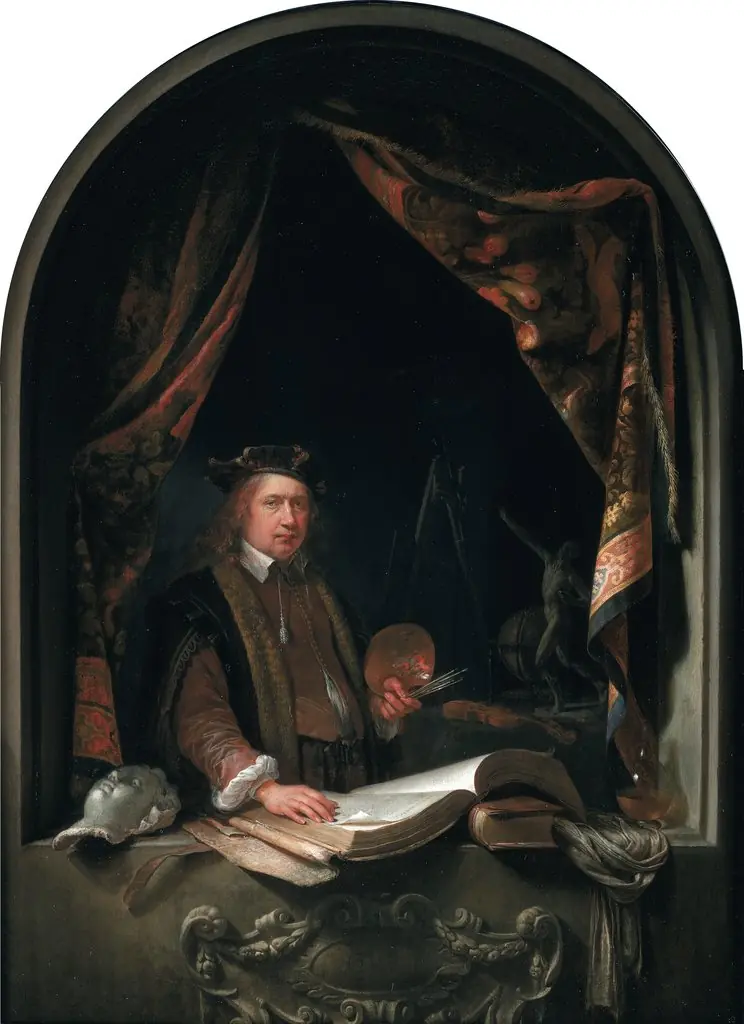 Self-portrait of Gerard Dou
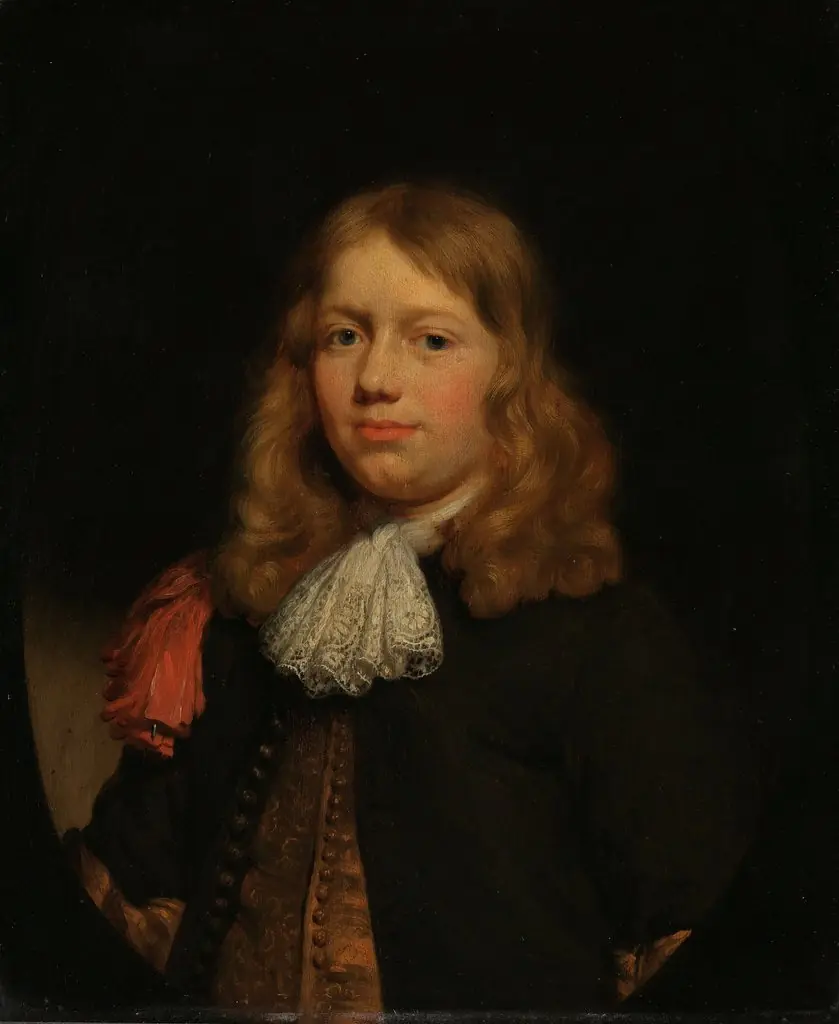 Portrait of a young man
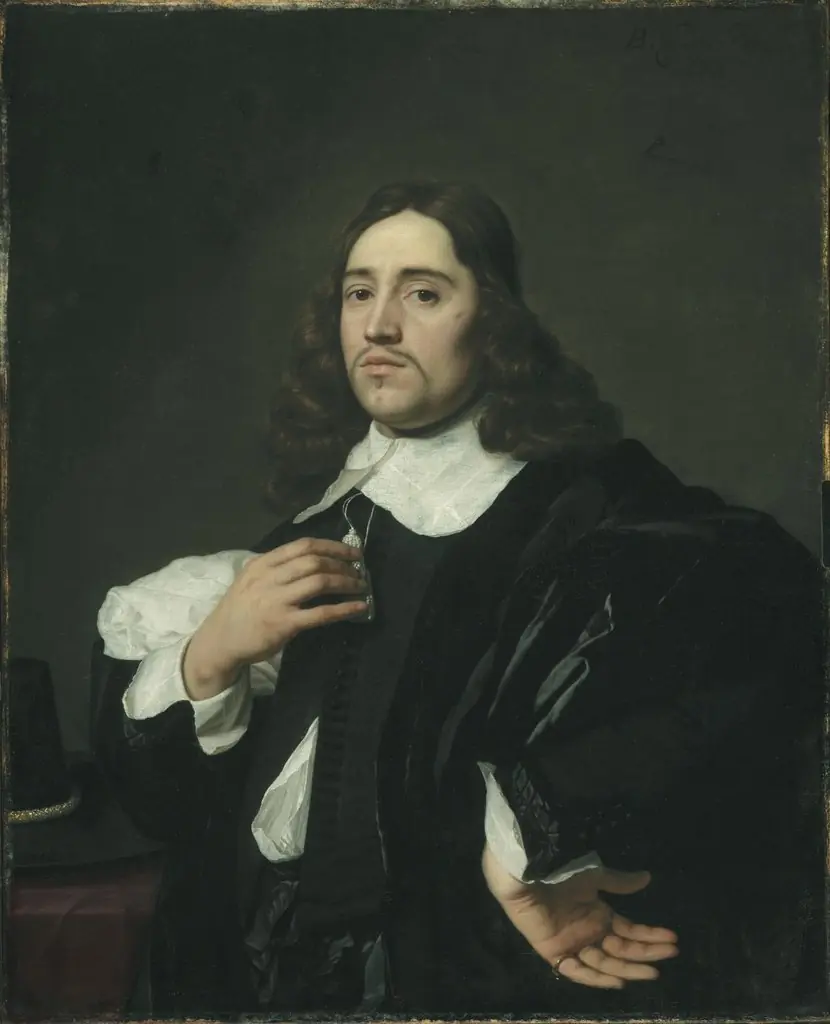 Portrait of a Gentleman (hand on hip)
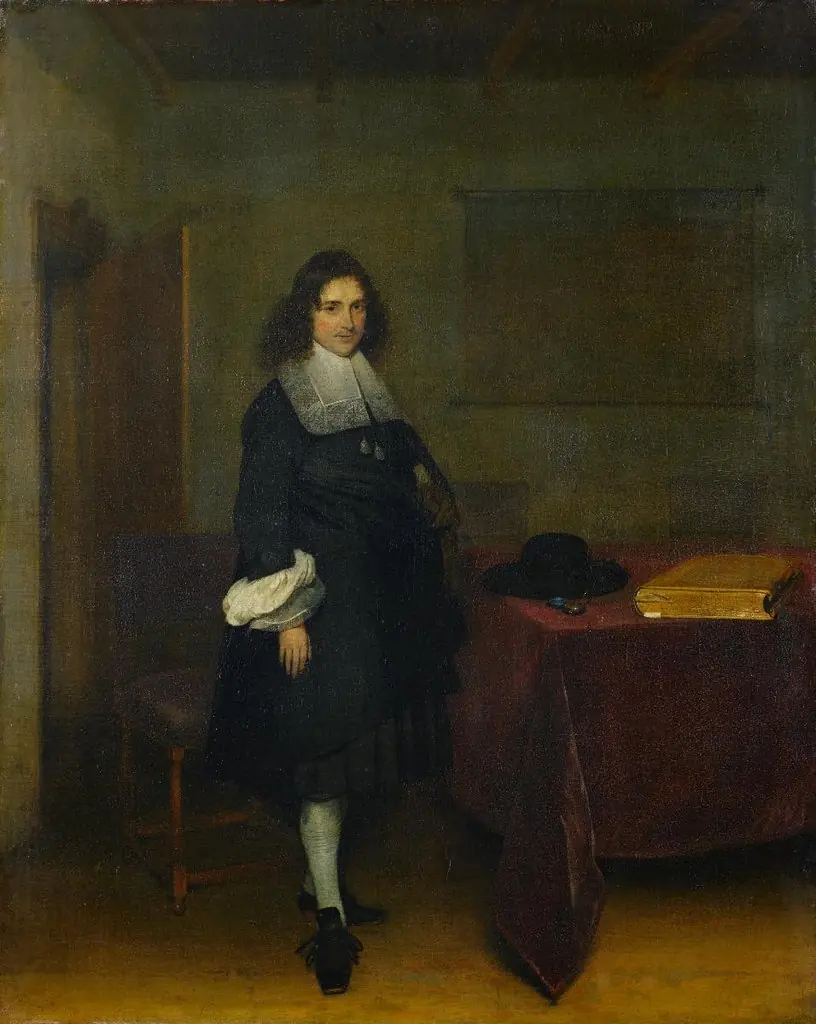 Bildnis eines jungen Herrn im Interieur
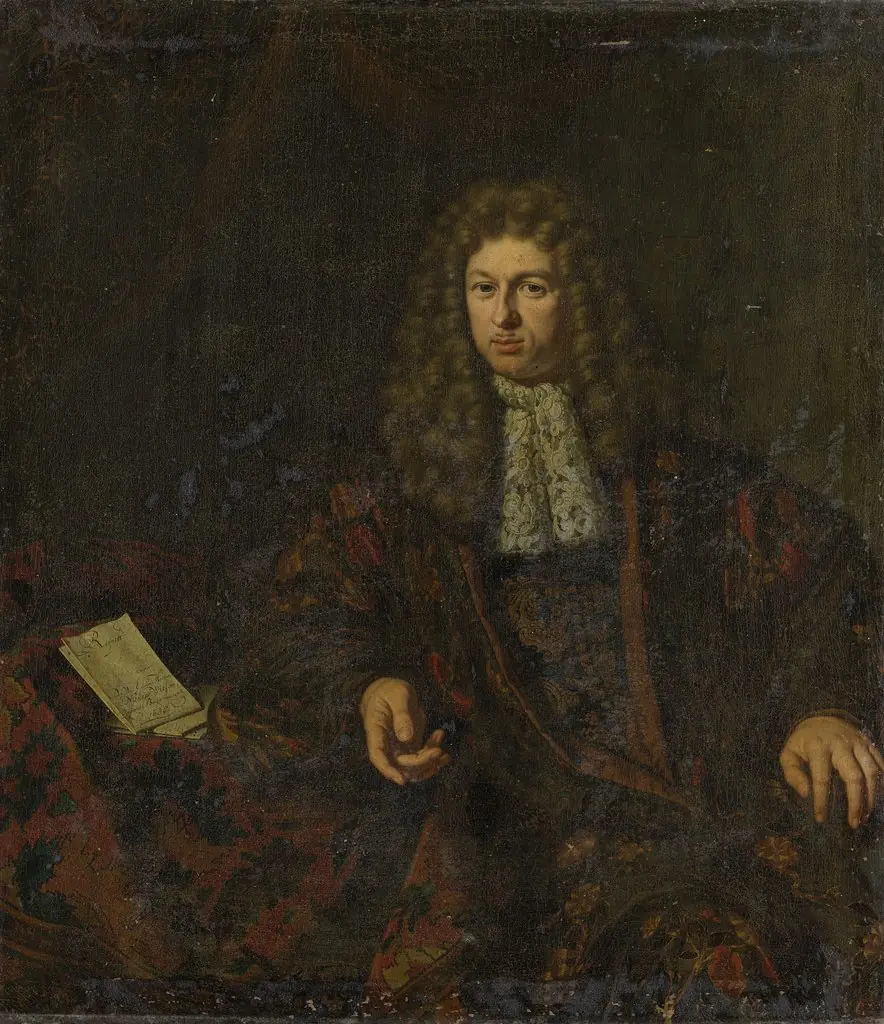 Portret van Nicolaes Witsen (1641-1717)
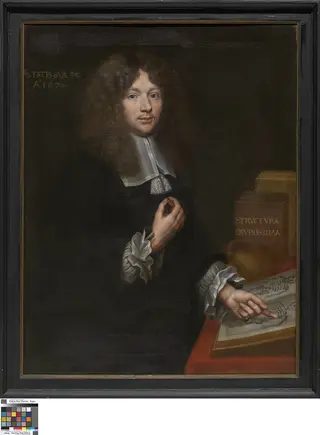 Portret van Nicolaas van den Heede
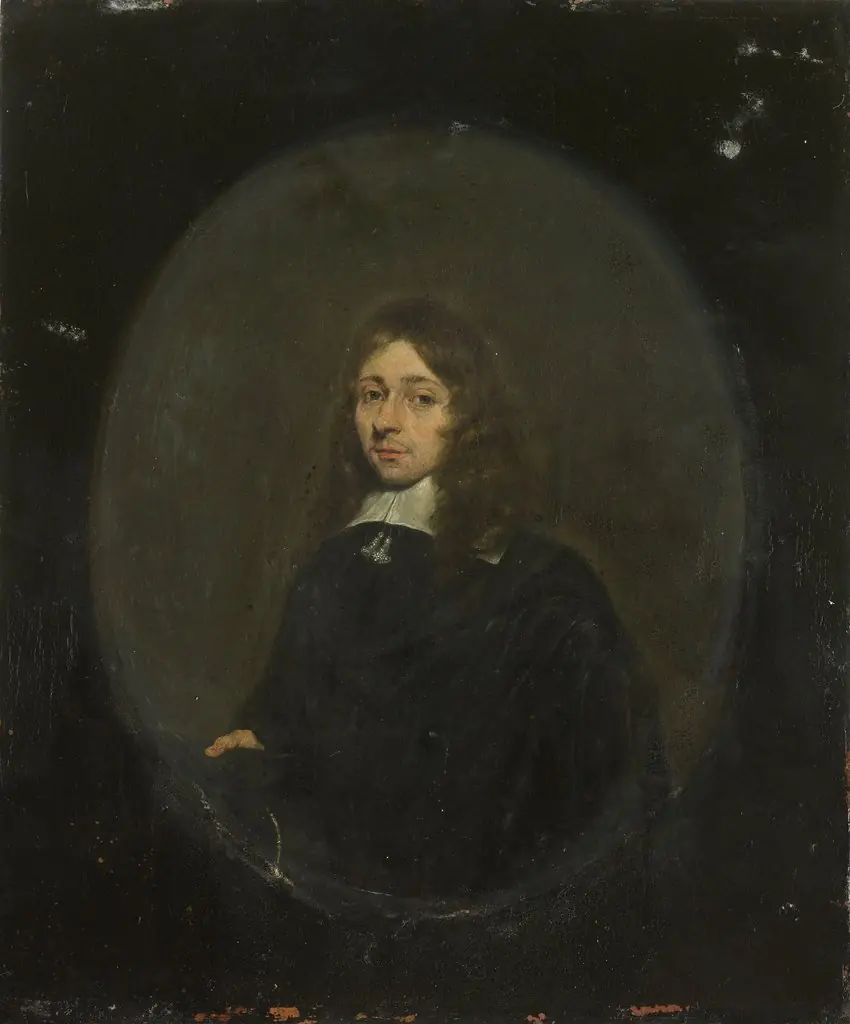 Portrait of a man
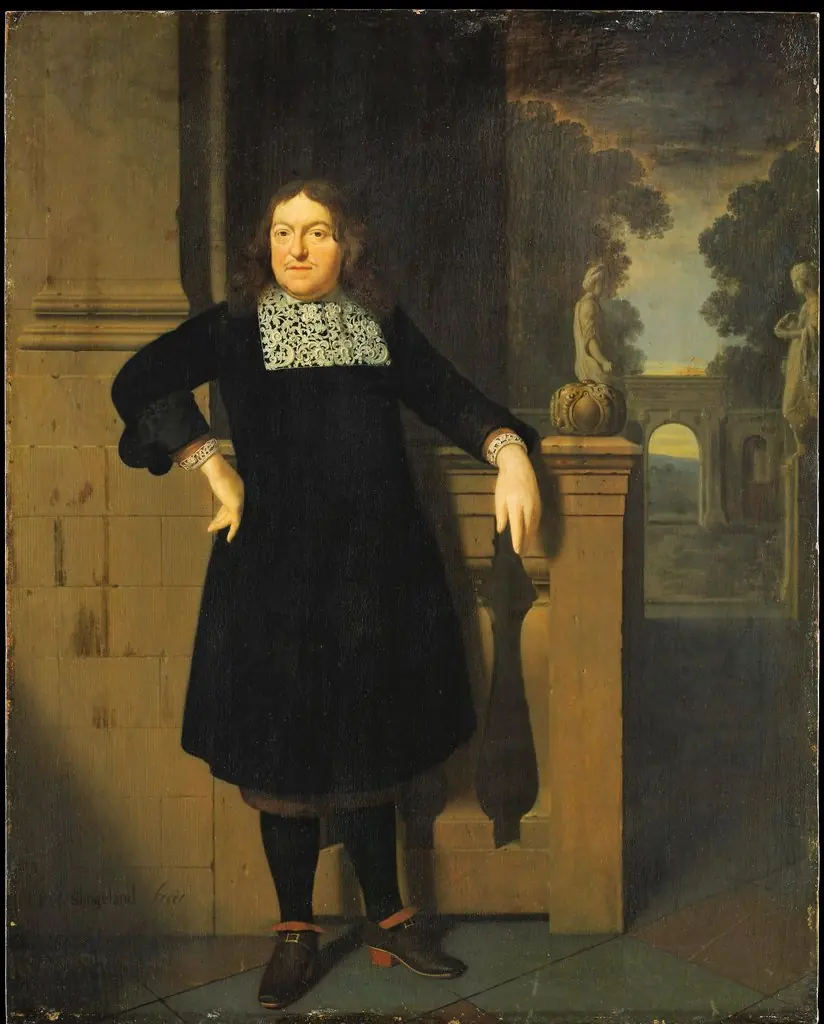 Portrait of Johan Hulshout (1623–1687)
 Dionijs Wijnands (1628-73). Amsterdam merchant