Artwork
The Expulsion
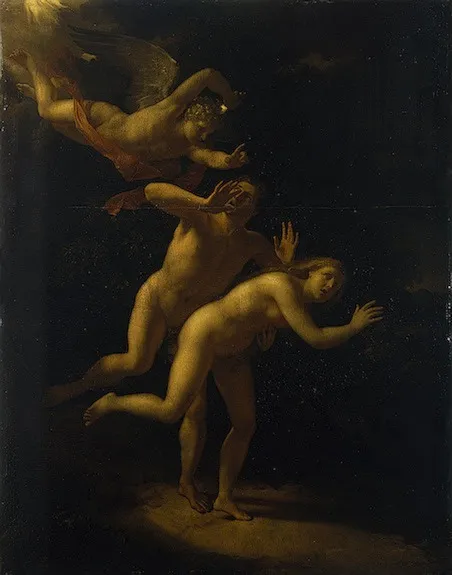
The Expulsion is an oil painting by the Dutch Golden Age artist Adriaen van der Werff. It dates from 1700 and is held in the collection of the Hermitage Museum.
About this work
Subject & Meaning
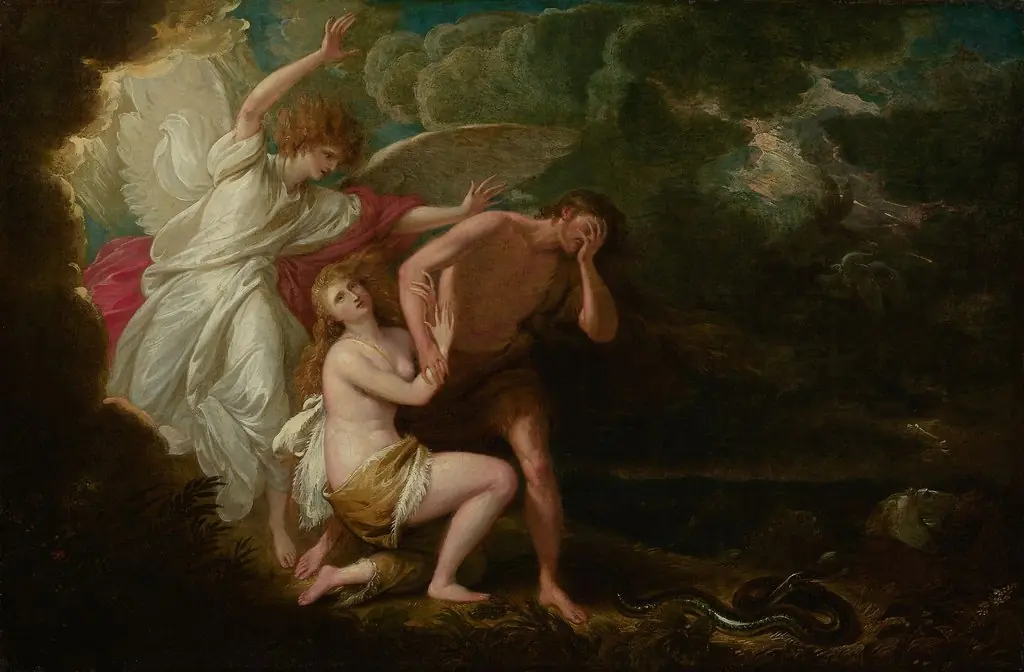
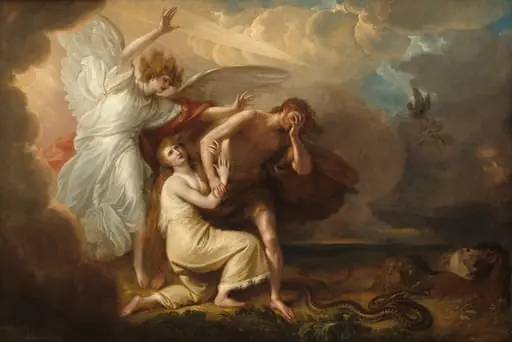
Van der Werff renders Adam and Eve in the instant of divine banishment, their gestures and anguished expressions emphasizing the gravity of disobedience.
The painting depicts the biblical moment of expulsion from Eden, illustrating the fall of man as recounted in Genesis. Van der Werff renders Adam and Eve in the instant of divine banishment, their gestures and anguished expressions emphasizing the gravity of disobedience. The composition incorporates symbolic elements such as the serpent, the forbidden fruit, and the looming gates of paradise, underscoring themes of sin, redemption, and the loss of innocence.
Executed in oil on panel, the work measures 39.5 cm by 31 cm and is housed in the Hermitage Museum, where it contributes to the museum’s collection of Dutch religious art.
Technique & Style
The Expulsion is an oil painting executed on wooden panel. Adriaen van der Werff applied oil paint to the panel surface, creating a religious composition depicting the fall of man and deportation from the Garden of Eden. The work measures 39.5 cm in height and 31 cm in width, reflecting the formal dimensions recorded for the piece.
Stylistically, the painting belongs to the religious art genre and demonstrates the technical handling characteristic of early 18th-century Dutch painting, with careful attention to composition and subject matter drawn from biblical narratives.
History & Provenance
The Expulsion was created in 1700 by Adriaen van der Werff in the Netherlands. Executed in oil on panel, the work measures 39.5 cm in height and 31 cm in width and depicts the expulsion from the Garden of Eden, a religious subject. The painting’s inception is recorded as 1 January 1700.
It is currently in the collection of the Hermitage Museum. No earlier ownership records or commission details are provided in the available sources.
Context
The Expulsion, painted by Adriaen van der Werff in 1700, depicts the biblical fall of man, including the expulsion from Eden and associated deportation imagery, reflecting the artist's focus on religious themes within the Dutch painting tradition. The work, created in the Netherlands, is housed in the Hermitage Museum and exemplifies the religious art genre prevalent in 18th-century Dutch painting, situating it within the broader context of Dutch religious painting and the artist's devotional practice.
Scholarly attention to the painting emphasizes its narrative precision and devotional function, though specific critical commentary is not detailed in the provided sources. Its placement in a major collection like the Hermitage underscores its recognized significance within the corpus of Dutch religious art, though further scholarly analysis of its reception and historical context would require additional documentation beyond the current source set.
Overview
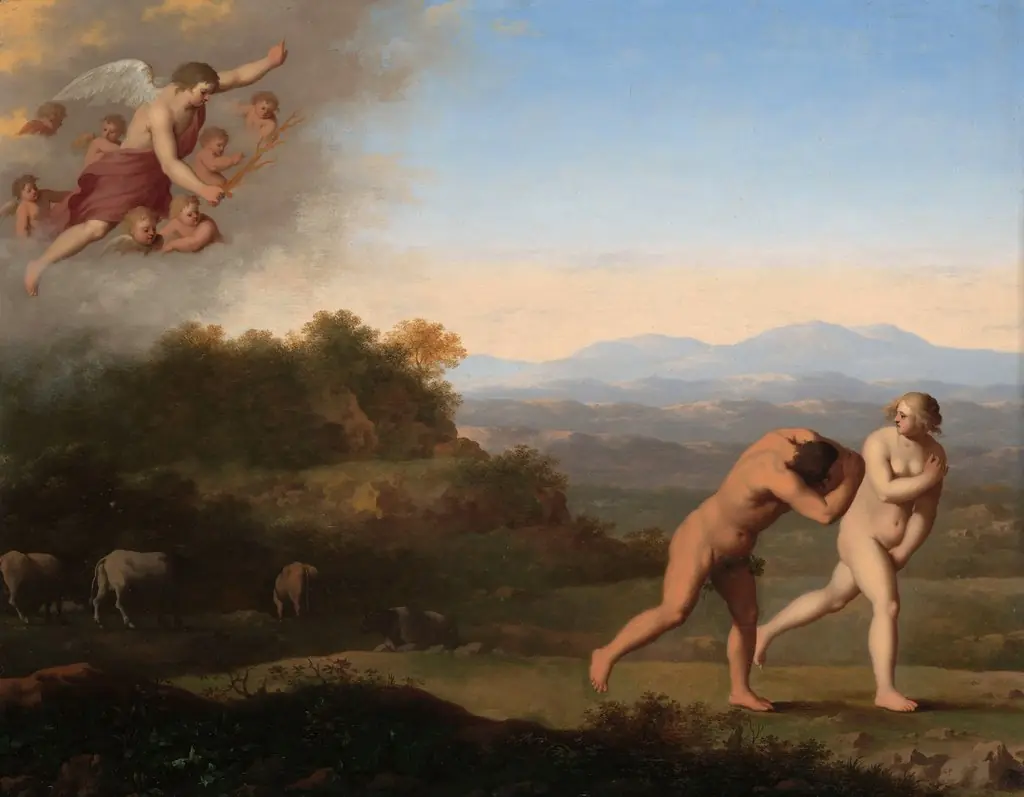
Adriaen van der Werff’s oil painting The Expulsion, executed in 1700, portrays the biblical moment when humanity is driven out of Eden. The work belongs to the Dutch Golden Age and is presently part of the collection of the State Hermitage Museum in Saint Petersburg.
Artist & collection
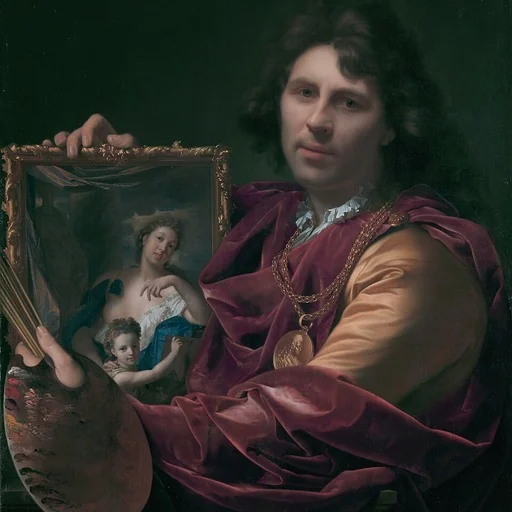
Artist
Adriaen van der Werff (21 January 1659 – 12 November 1722) was a Dutch painter of portraits and erotic, devotional and mythological scenes.

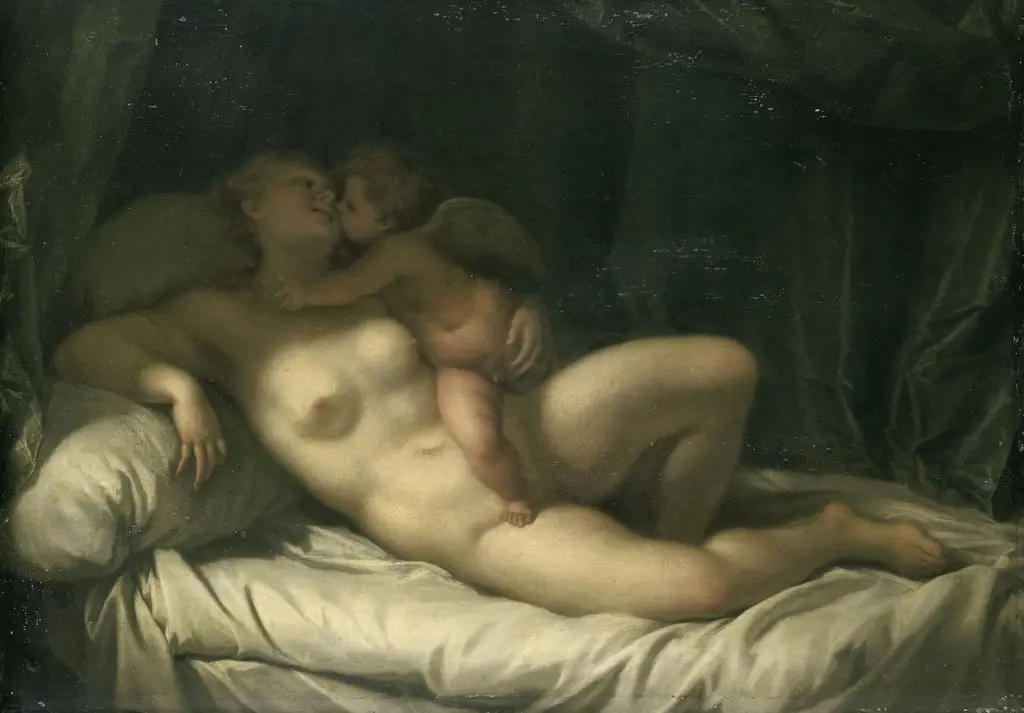 Cupid Kissing Venus (Venus Kissed by Amor)
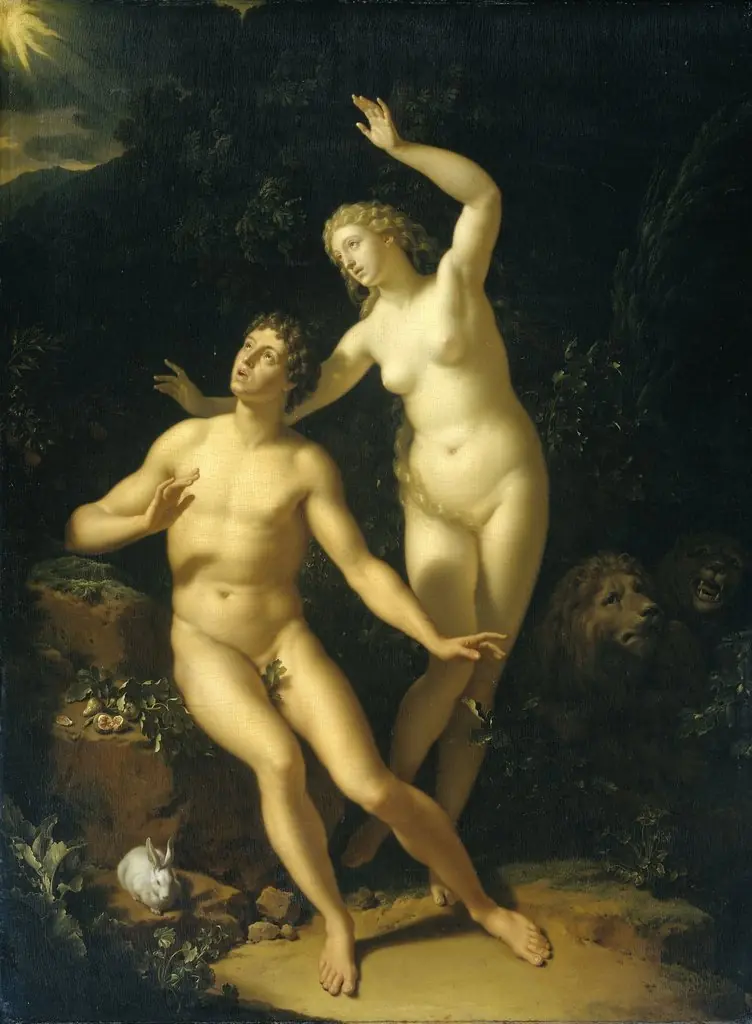 God Holds Adam and Eve Responsible
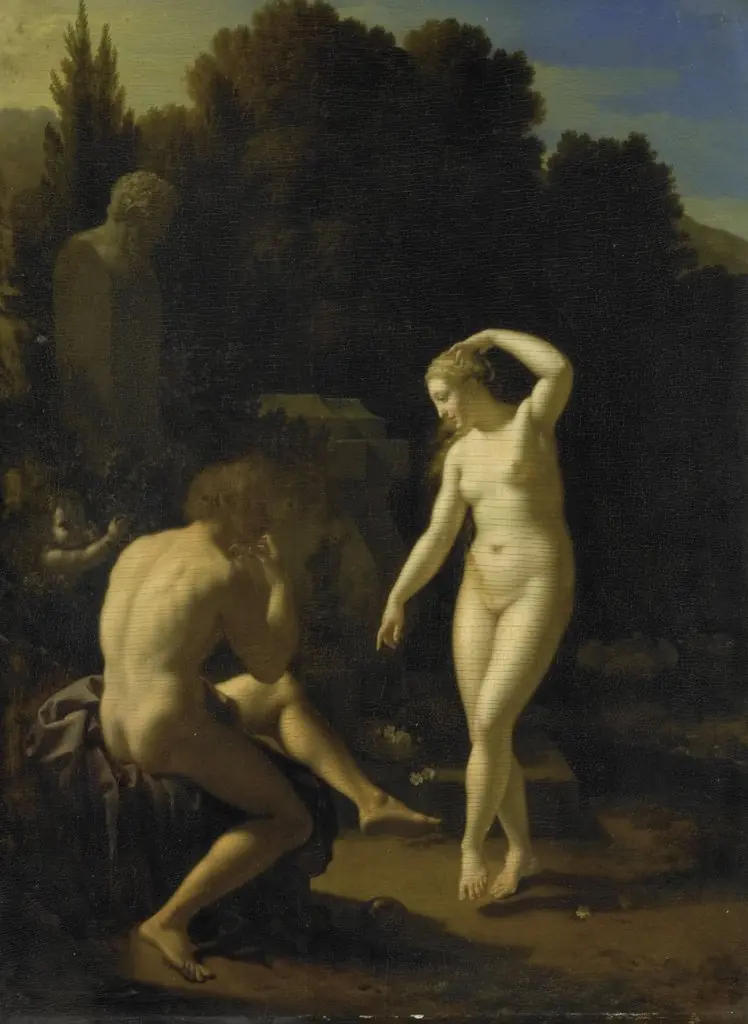 A Nymph Dancing to a Shepherd's Flute-Playing
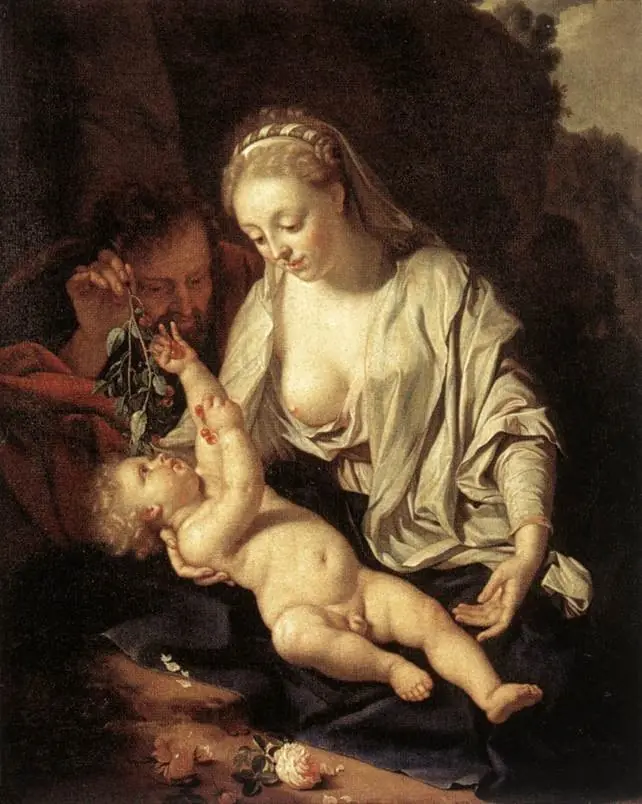 The Holy Family
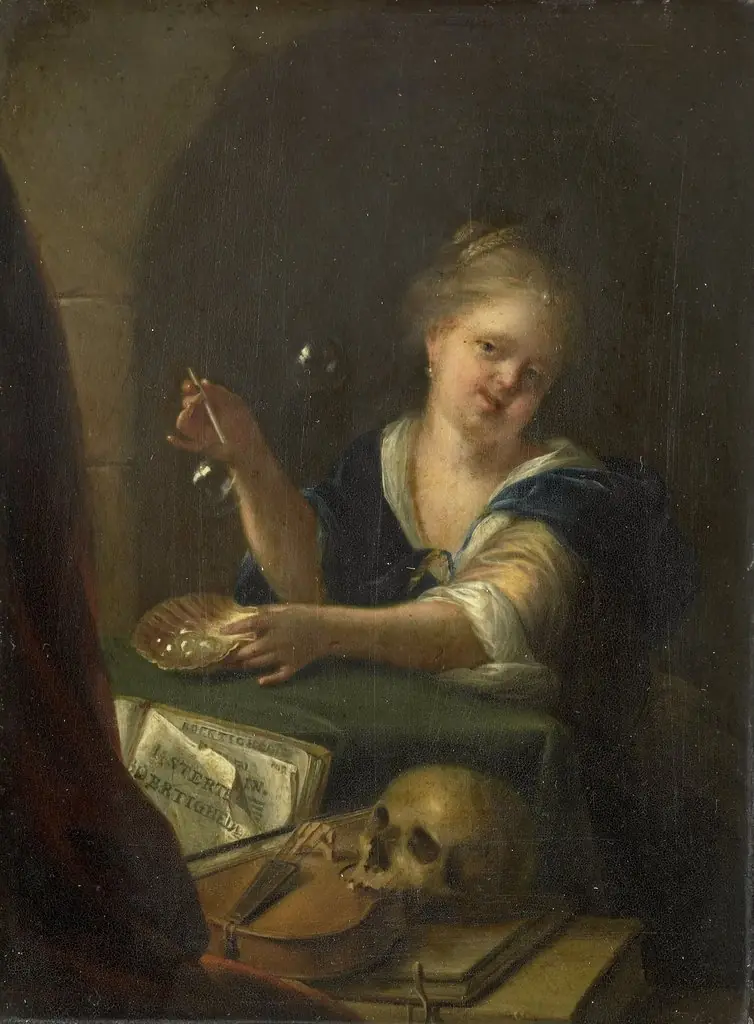 Bubble-blowing Girl with a Vanitas Still Life
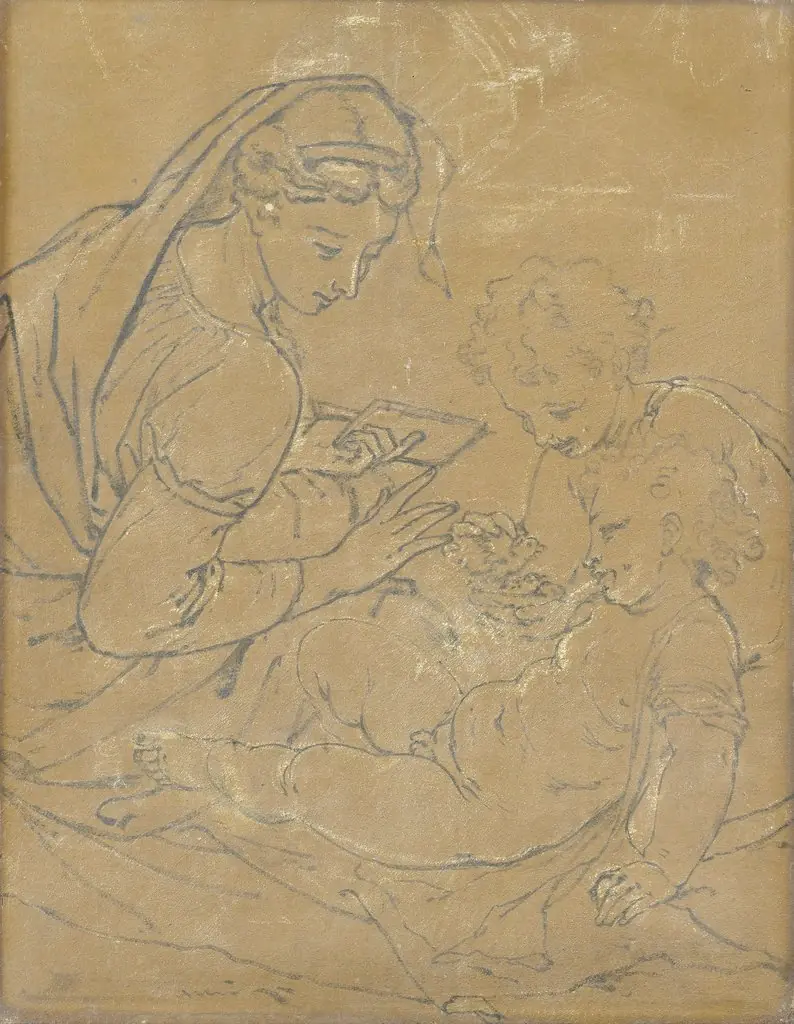 Virgin and Child with Saint John (chalk sketch)
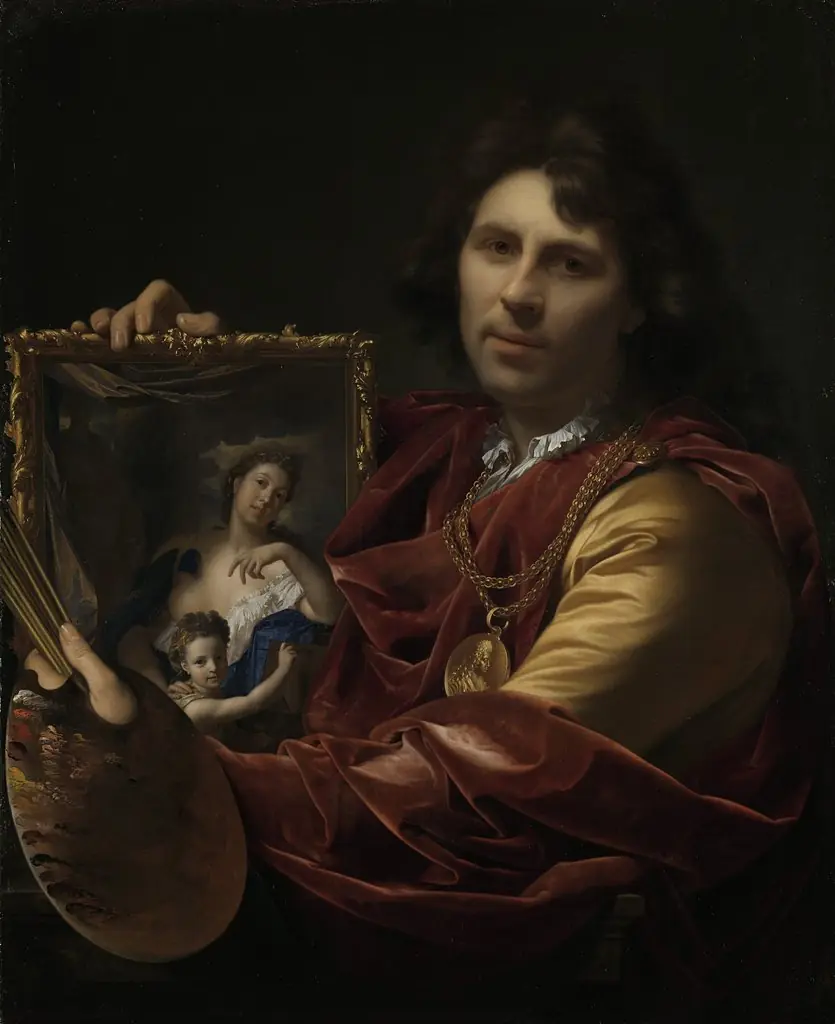 Self-portrait with the Portrait of his Wife, Margaretha van Rees, and their Daughter Maria
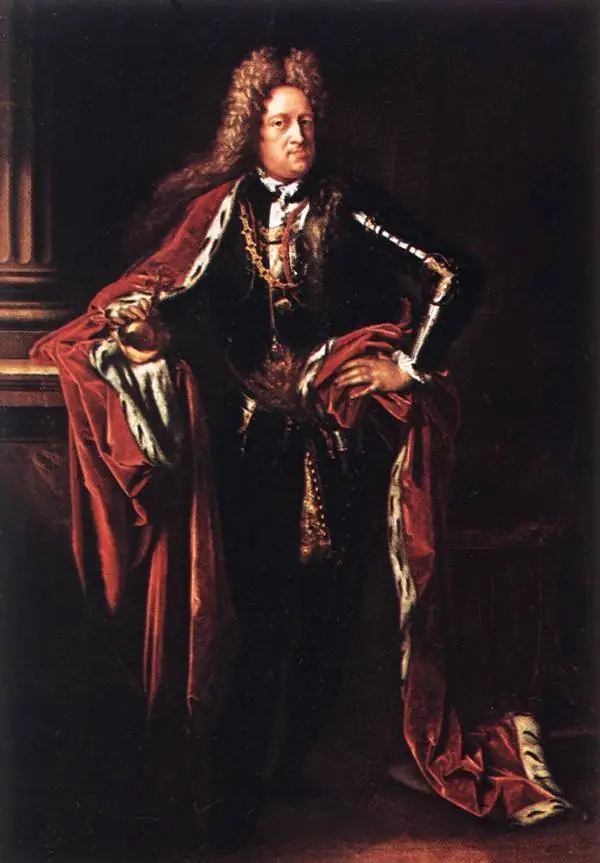 Portrait of Johann Wilhelm Elector of Palatine (1658-1716)