Artwork
A musician as Orpheus, possibly a Self-portrait
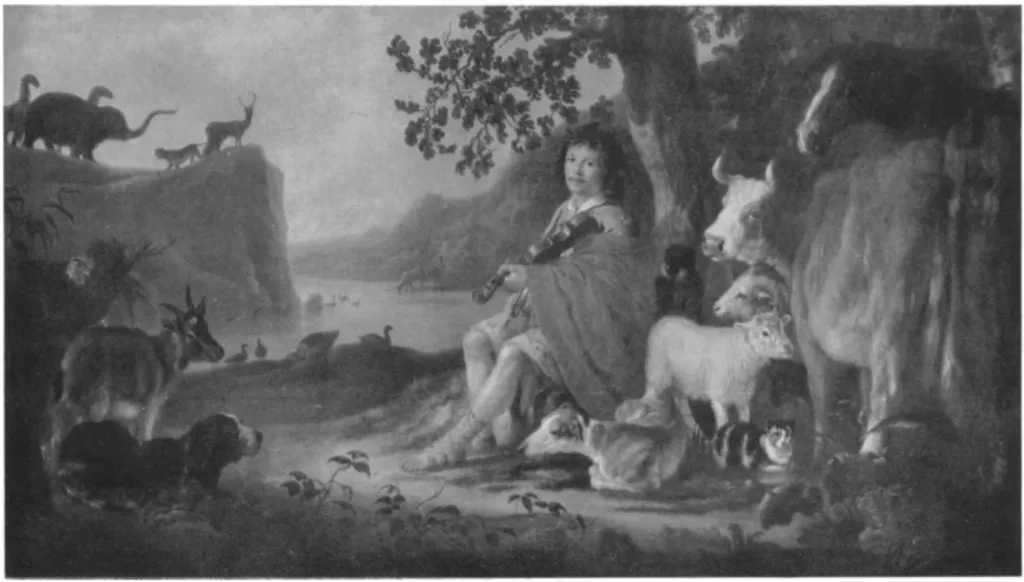
A musician as Orpheus, possibly a Self-portrait is an oil painting by the Dutch Golden Age artist Aelbert Cuyp. It dates from 1647 and is held in the collection of the Bute Collection at Mount Stuart.
About this work
Subject & Meaning
By combining these symbolic animals with the figure of the musician, the composition suggests a harmonious mastery of both the earthly and artistic realms.
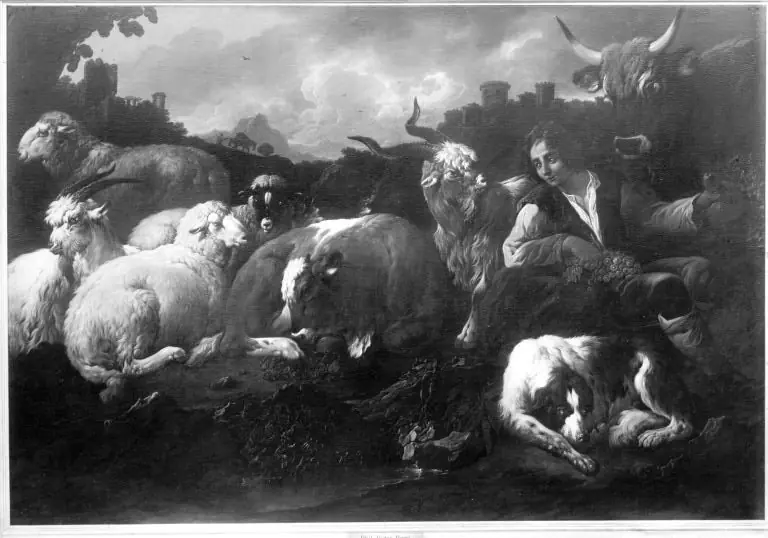
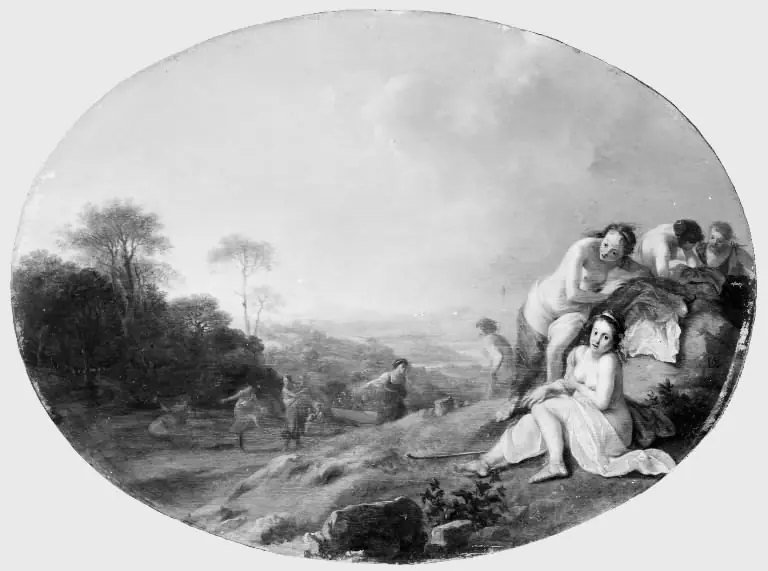
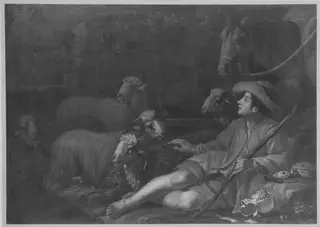
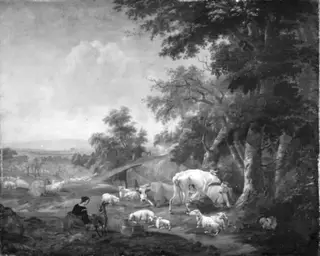
The painting portrays Orpheus, the mythological musician who charmed all living things with his song, shown amid cattle, a river, and other animals that underscore his legendary power over nature. The musician holds a stringed instrument, and the work is thought possibly to function as a self-portrait, linking the artist's own identity as a virtuoso with the heroic figure of Orpheus. By combining these symbolic animals with the figure of the musician, the composition suggests a harmonious mastery of both the earthly and artistic realms.
History & Provenance
The work is dated to 1647 on stylistic grounds, aligning with Aelbert Cuyp's mature period. Its provenance traces to the Bute Collection at Mount Stuart, the Scottish aristocratic collection in which it has been held. Beyond this association, the available records do not document a detailed chain of ownership or exhibition history for the painting.
Legacy
The painting's status as a self-portrait remains debated among scholars, and it is discussed in connection with the tradition of depicting a musician in a mythological guise. Its attribution to Aelbert Cuyp rests on stylistic analysis of his handling of light and texture. The work's continued presence in the Bute Collection at Mount Stuart has kept it within the record of seventeenth-century Dutch painting that engaged Orphic and musical subjects.
Overview
Aelbert Cuyp’s 1647 oil painting, titled A Musician as Orpheus, possibly a Self‑portrait, presents a seated figure in a long robe holding a violin. The man is placed before a tree with a river in the distance, surrounded by a tranquil assembly of cattle, sheep, dogs and an elephant, creating a calm, contemplative atmosphere.
Technique & Style
Cuyp employs a subtle chiaroscuro, using light to model the figure and the surrounding fauna, which gives the scene depth and a three‑dimensional quality. The handling of oil paint is characteristic of his Dutch Golden Age practice, with luminous tones that render the river and foliage with a gentle realism.
Context
During the mid‑17th century Dutch art often blended genre scenes with allegorical references. Cuyp’s inclusion of his typical cattle and river settings within a portrait reflects this trend, linking his landscape expertise to a narrative about music’s universal appeal.
Artist & collection

Artist
Aelbert Jacobszoon Cuyp or Cuijp (Dutch pronunciation: ; 20 October 1620 – 15 November 1691) was one of the leading Dutch Golden Age painters, producing mainly landscapes.
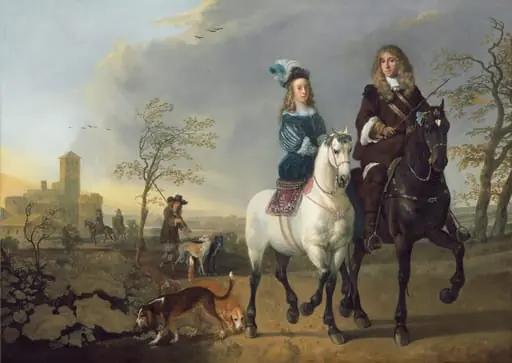 Lady and Gentleman on Horseback
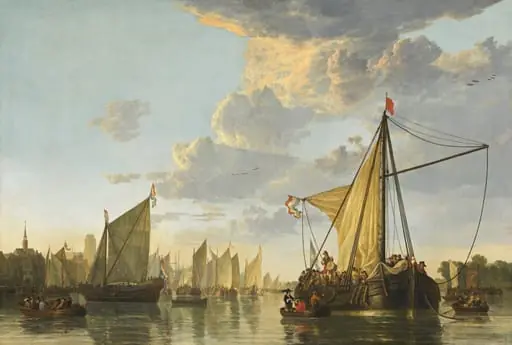 The Maas at Dordrecht
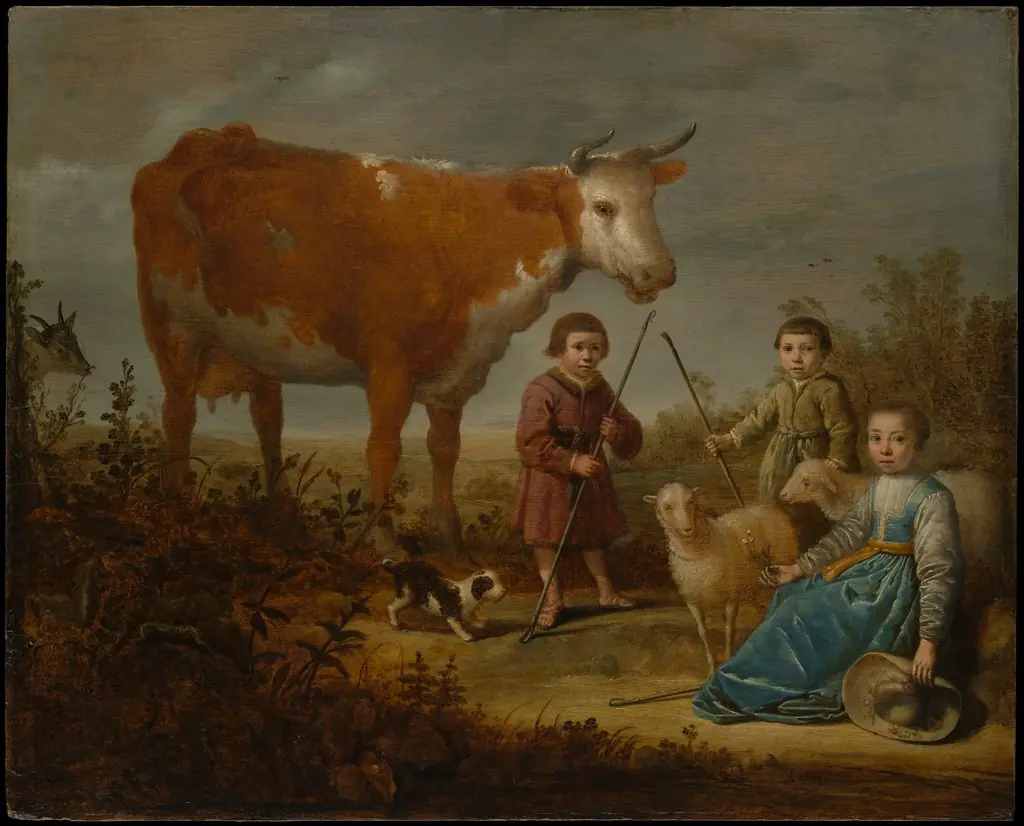 Children and a Cow
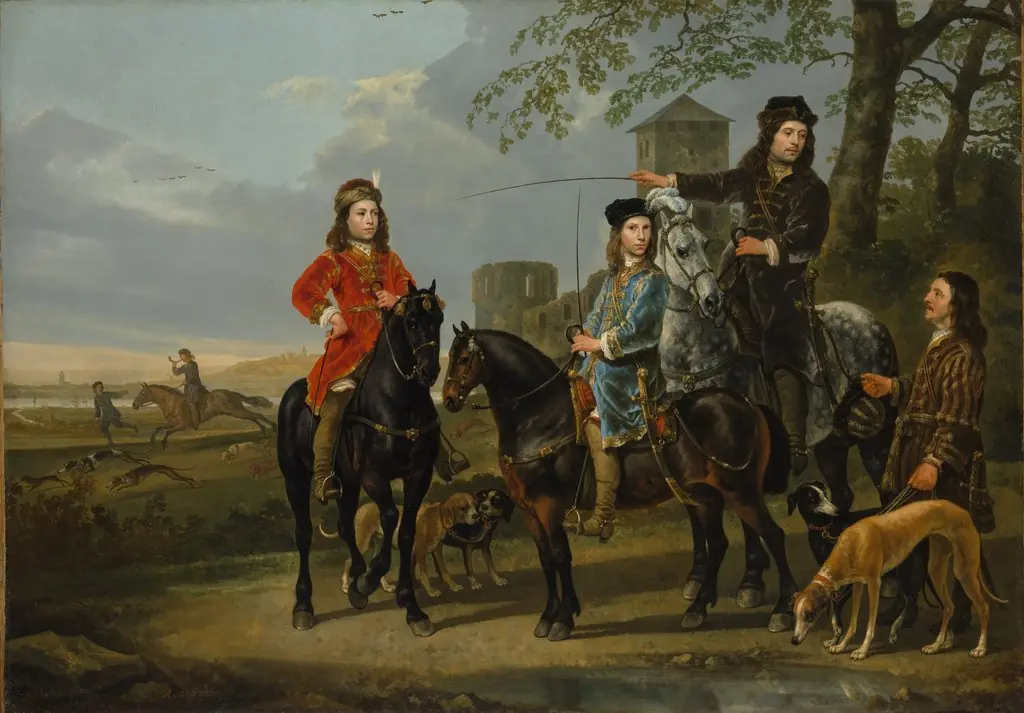 Equestrian Portrait of Cornelis (1639–1680) and Michiel Pompe van Meerdervoort (1638–1653) with Their Tutor and Coachman ("Starting for the Hunt")
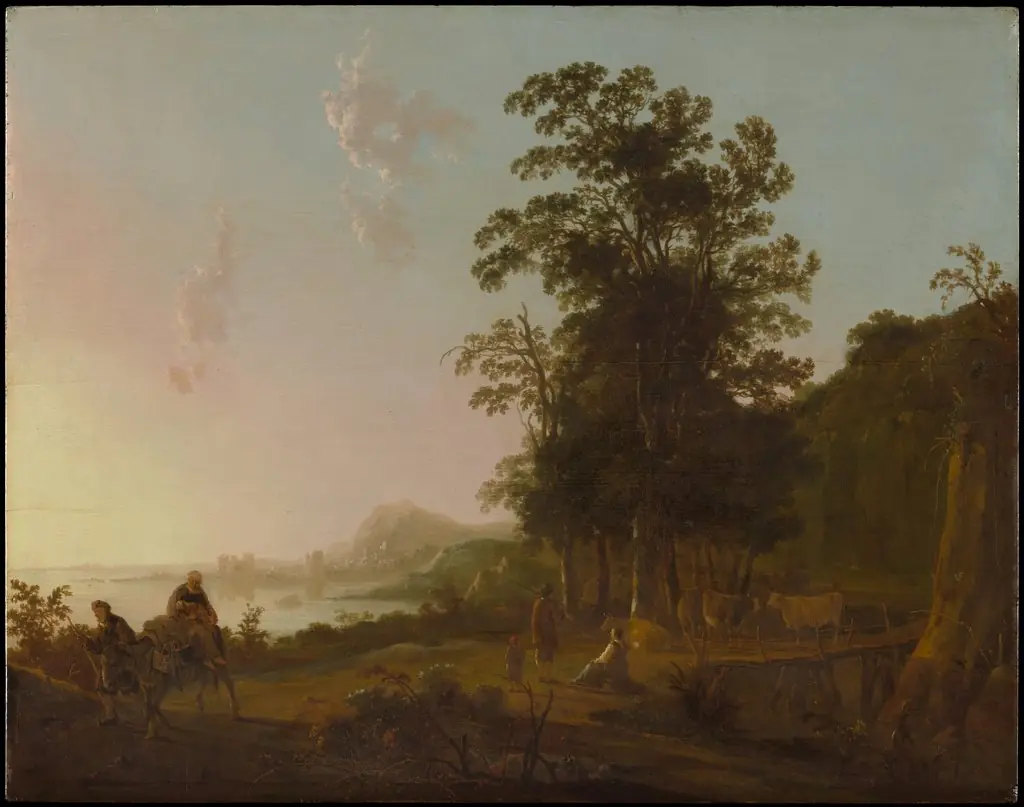 Landscape with the Flight into Egypt
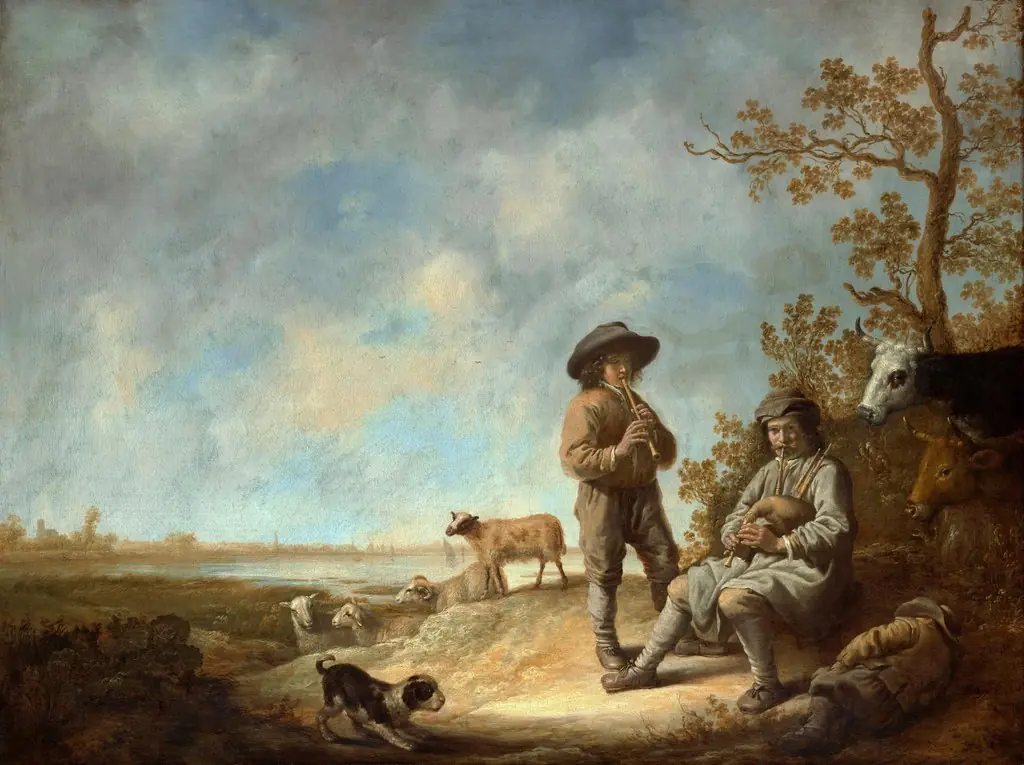 Piping Shepherds
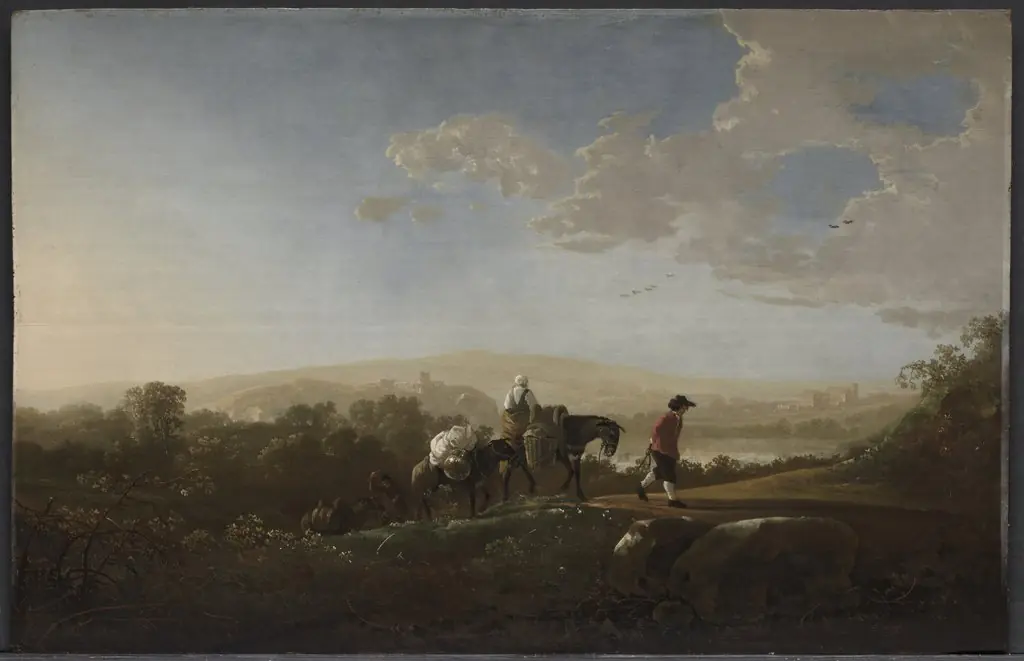 Travellers in Hilly Countryside
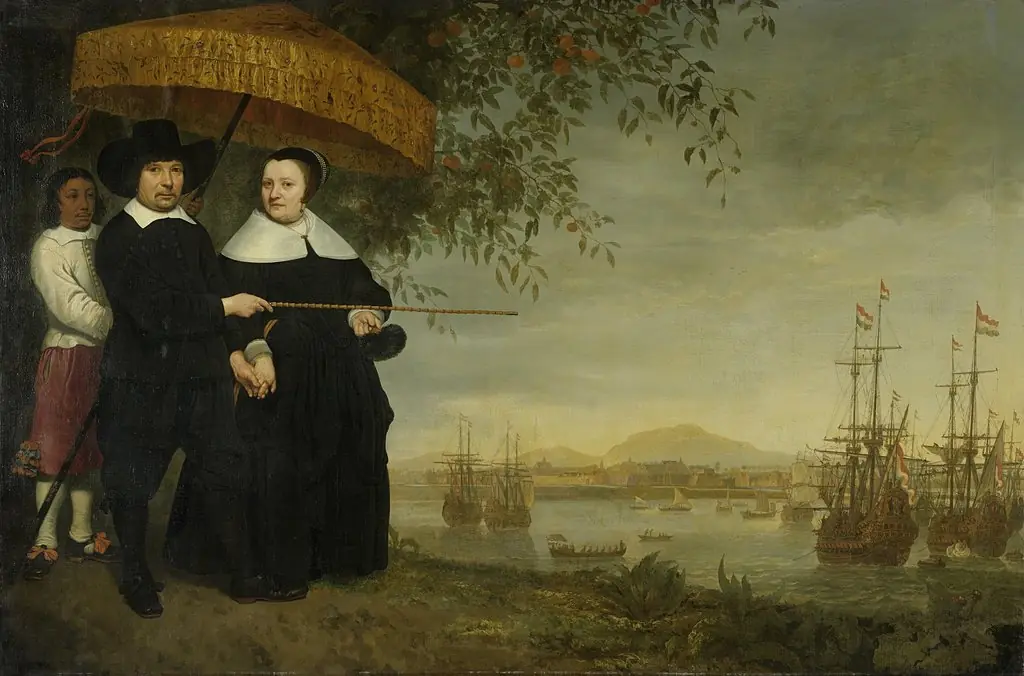 A Chief Merchant of the VOC with his Wife and an Enslaved Servant