Artwork
De roeping van Sint-Antonius
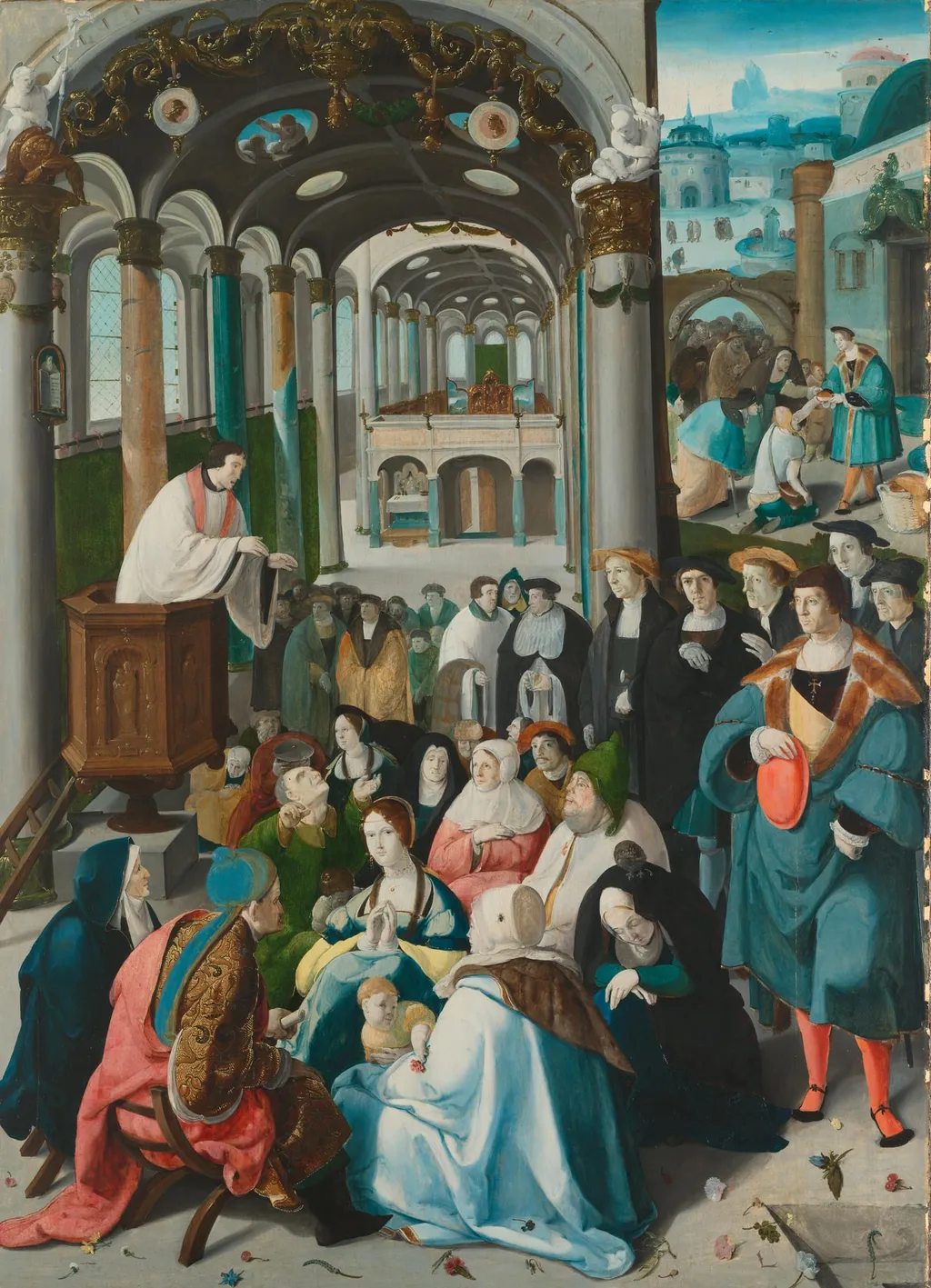
De roeping van Sint-Antonius is an unspecified painting by the Mannerist artist Aertgen van Leyden. It dates from 1530 and is held in the collection of the Rijksmuseum.
About this work
History & Provenance
The painting had long been attributed to Lucas van Leyden and was reattributed to Aertgen Claesz.
De roeping van Sint-Antonius is held by the Rijksmuseum in Amsterdam. The painting had long been attributed to Lucas van Leyden and was reattributed to Aertgen Claesz. van Leyden only in 1960, a reassignment that helped establish the artist's stylistic profile alongside the Last Judgment triptych recovered in Valenciennes in 1969.
No specific inventory or accession number is recorded in the available sources, and no exhibition history for this individual work is documented beyond its presence in the Rijksmuseum collection.
Context
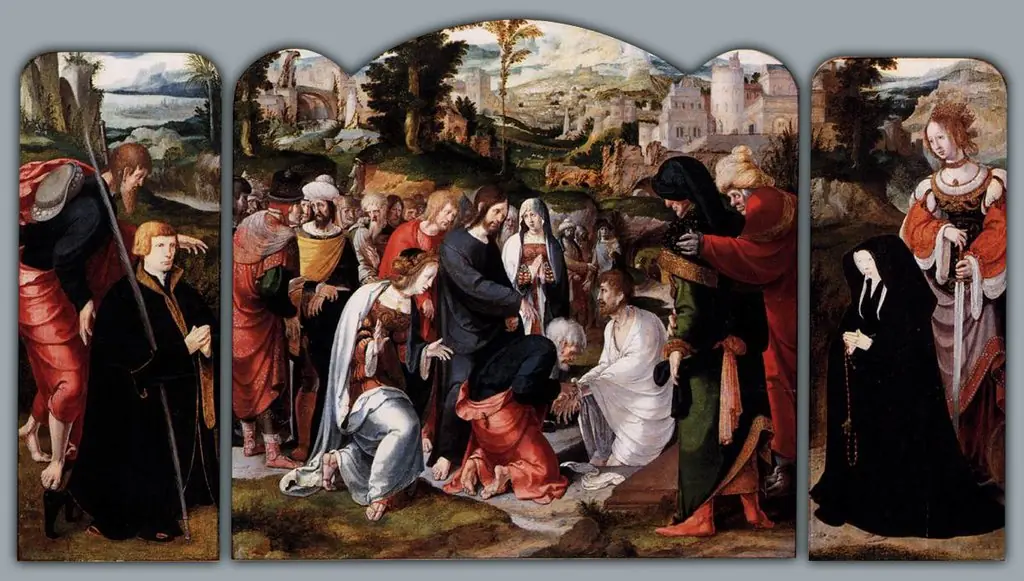
Aertgen Claesz van Leyden, also known as Aertgen van Leyden or Allaert van Leyden, was a 16th-century Dutch painter active in Leiden from 1521 to 1564. He drowned in the Vollersgracht canal in Leiden in 1564. His work, including The Calling of St. Anthony (c. 1530), was initially misattributed to Lucas van Leyden but was correctly assigned to him by 1960. The painting had been part of Rubens' collection and appeared in Rembrandt's 1656 inventory. Major institutions holding his work include the Rijksmuseum in Amsterdam, Stedelijk Museum De Lakenhal in Leiden, the Metropolitan Museum of Art in New York, and the Museo Thyssen-Bornemisza in Madrid. A triptych of the Last Judgment, dated to around 1530, was purchased by Stedelijk Museum De Lakenhal in 2009 and featured in a 2011 joint exhibition with the Rijksmuseum and the Metropolitan Museum of Art.
Legacy
Aertgen van Leyden's painting De roeping van Sint-Antonius, created around 1530, became part of a broader legacy shaped by the artist's contested attributions and posthumous recognition. For centuries, his works were frequently misattributed, including to Lucas van Leyden, until 20th-century scholarship clarified his oeuvre. The painting itself was among those reattributed to van Leyden in 1960, reflecting the evolving understanding of his artistic identity. His influence persisted through the collections of later artists, such as Rubens, who owned one of his works, and Rembrandt, who listed several of van Leyden's pieces among his possessions in 1656. The 2009 acquisition of a related triptych by Stedelijk Museum De Lakenhal, tied to an exhibition on Lucas van Leyden, further underscored his enduring relevance in museum narratives.
Own this work as a print
Artist & collection
Artist
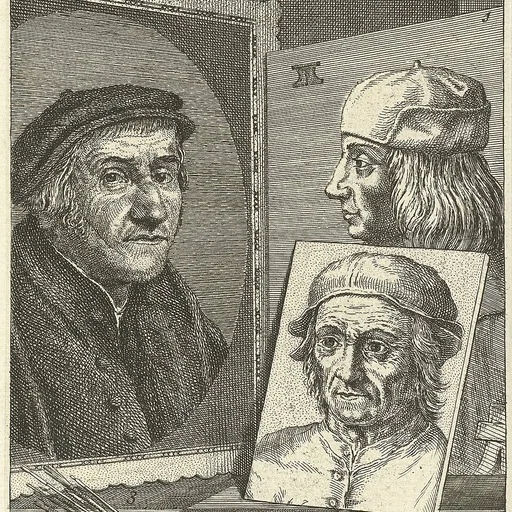
Aertgen Claesz. van Leyden (c. 1498 – c. 1564), also known as Allaert or Aert van Leyden or Aert Claesz. van Leyden, was a 16th-Century Dutch painter, draughtsman and designer of stained glass. Works by this artist can…

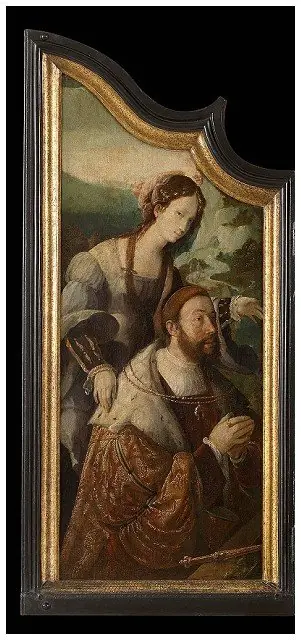
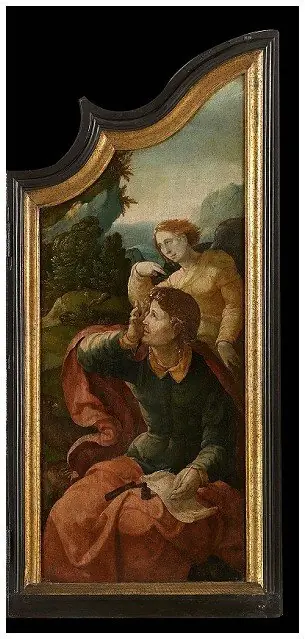
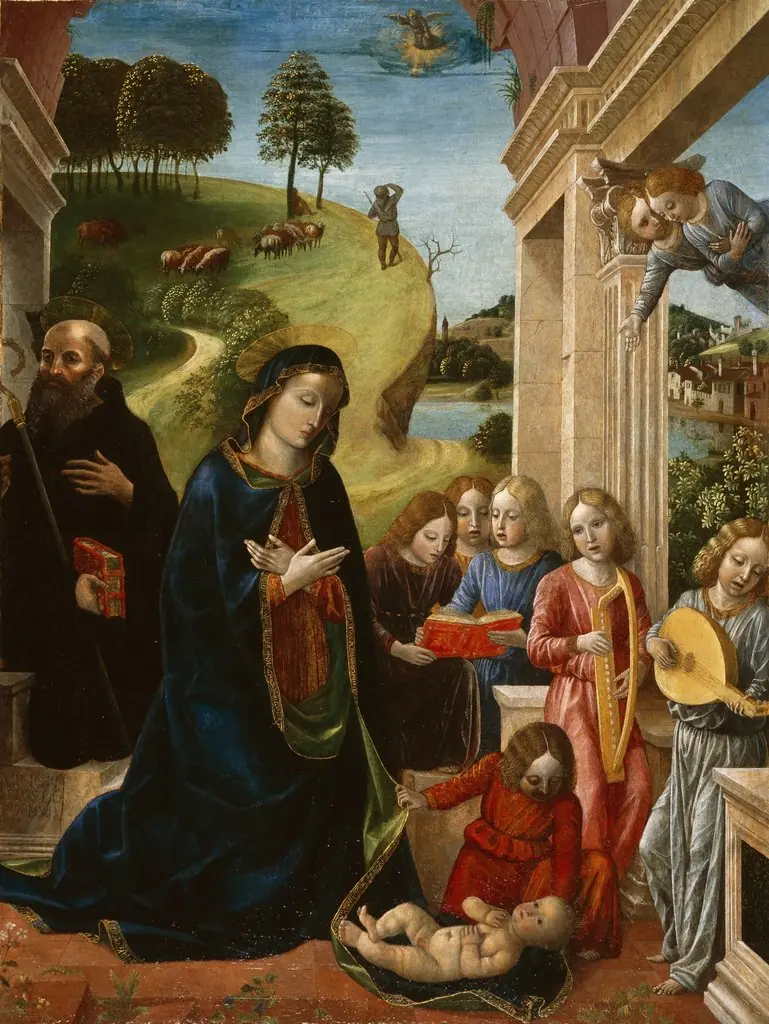 Adoration of the Child with St. Benedict and Angels
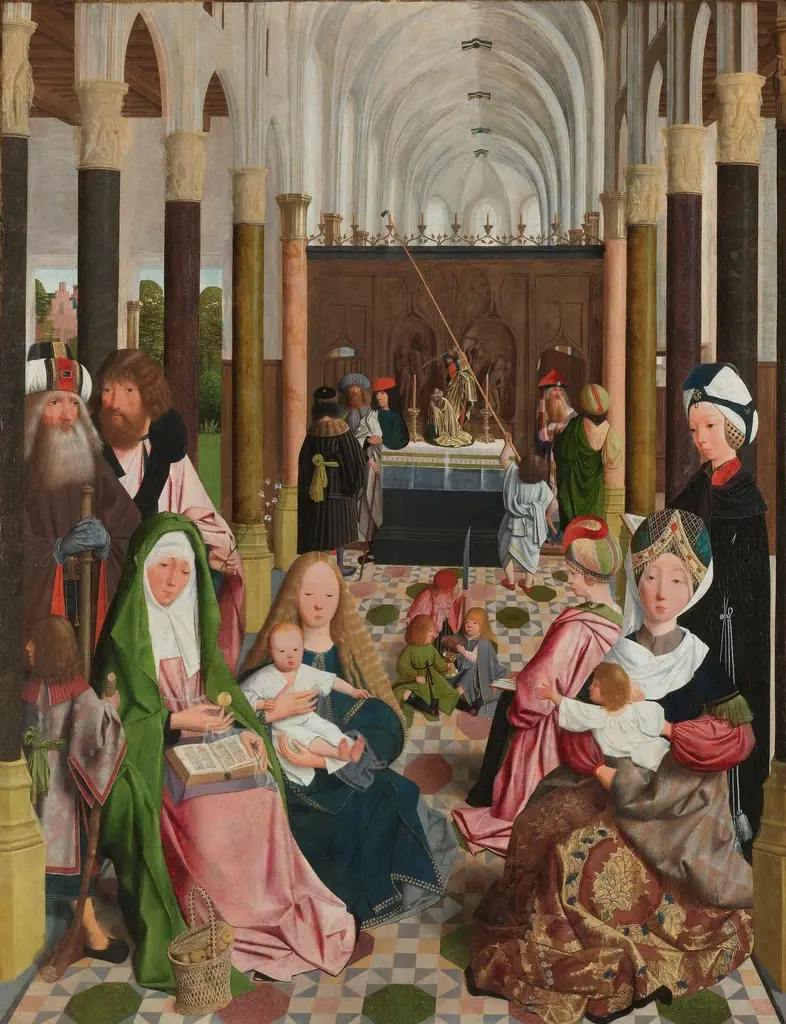 The Holy Kinship
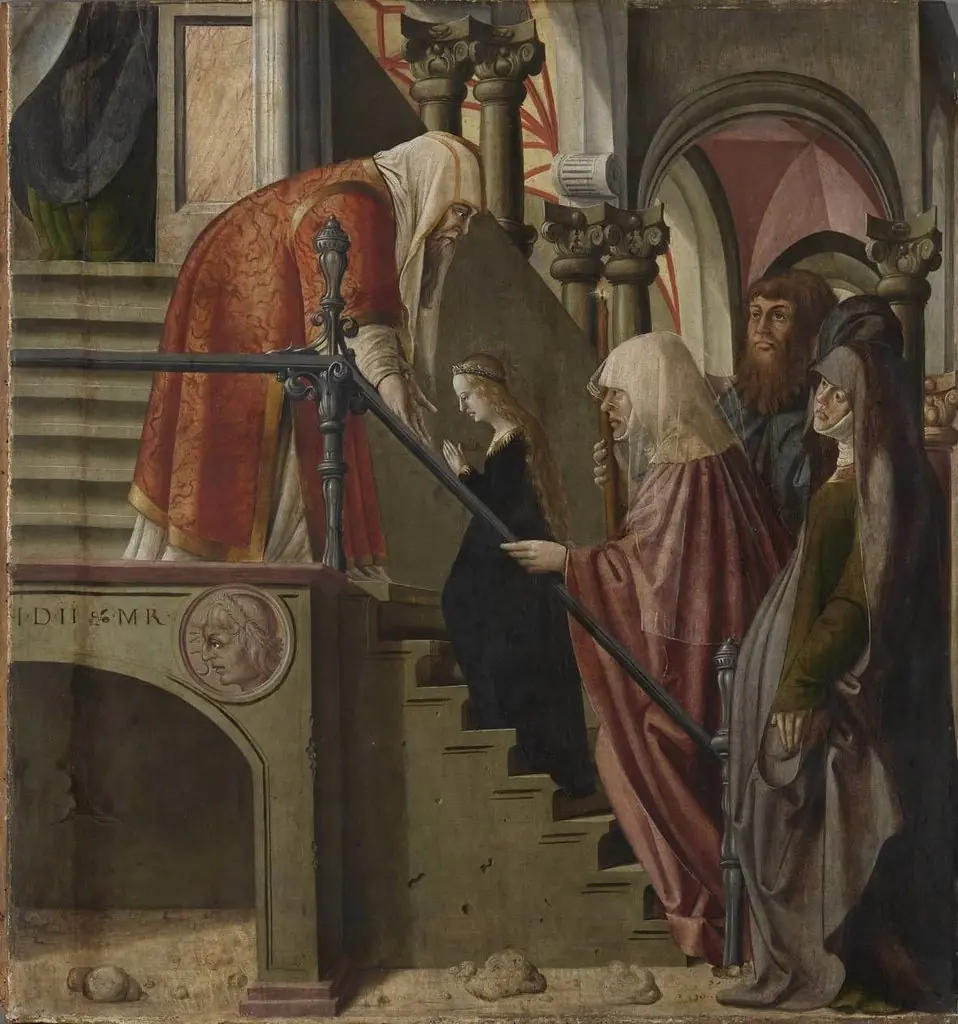 Marienaltar: Tempelgang Mariae
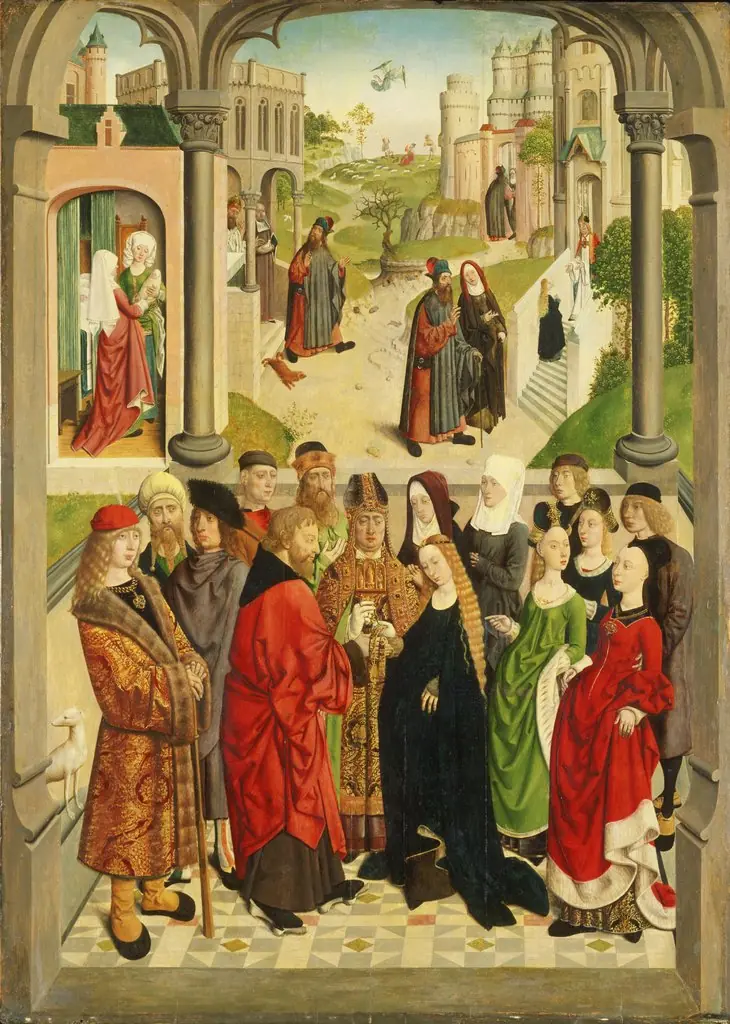 The Marriage of the Virgin, with the Expulsion of Saint Joachim from the Temple, the Angel Appearing to Saint Joachim, the Meeting at the Golden Gate, the Birth of the Virgin, and the Presentation of the Virgin
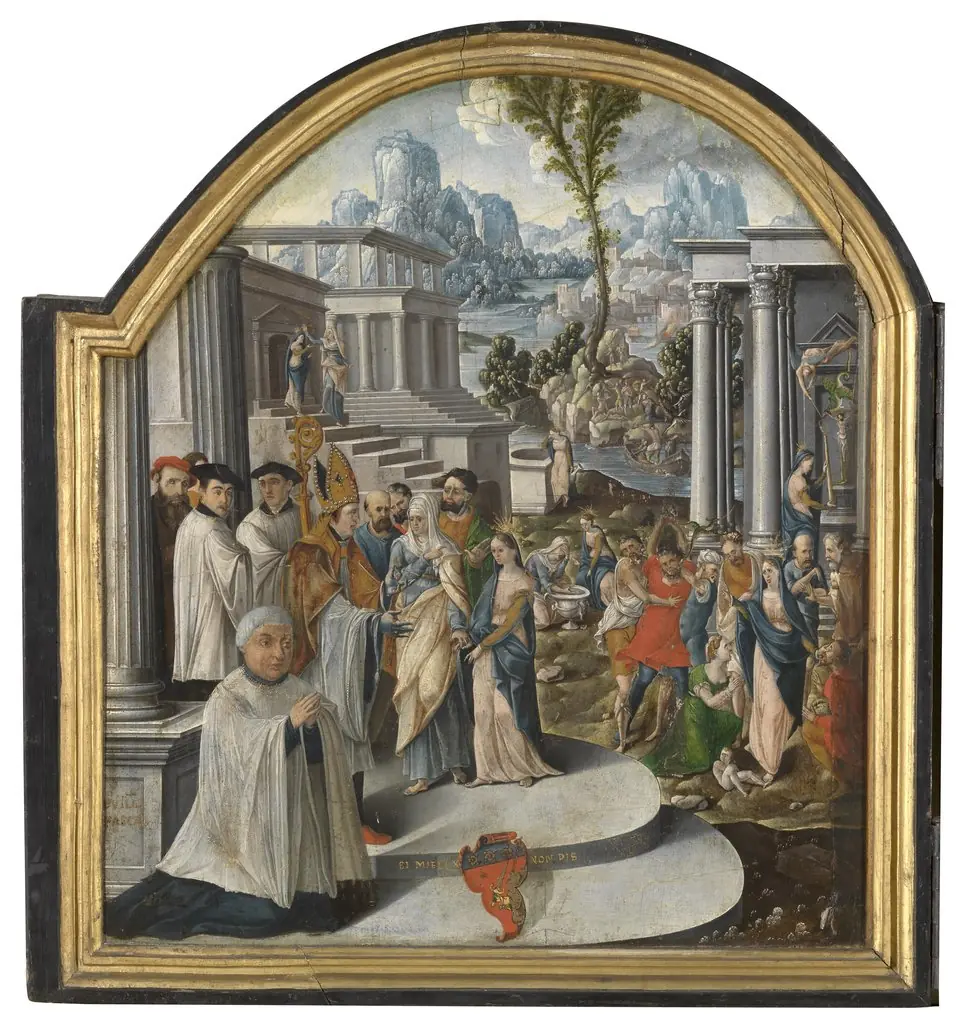 The Life of Saint Genevieve
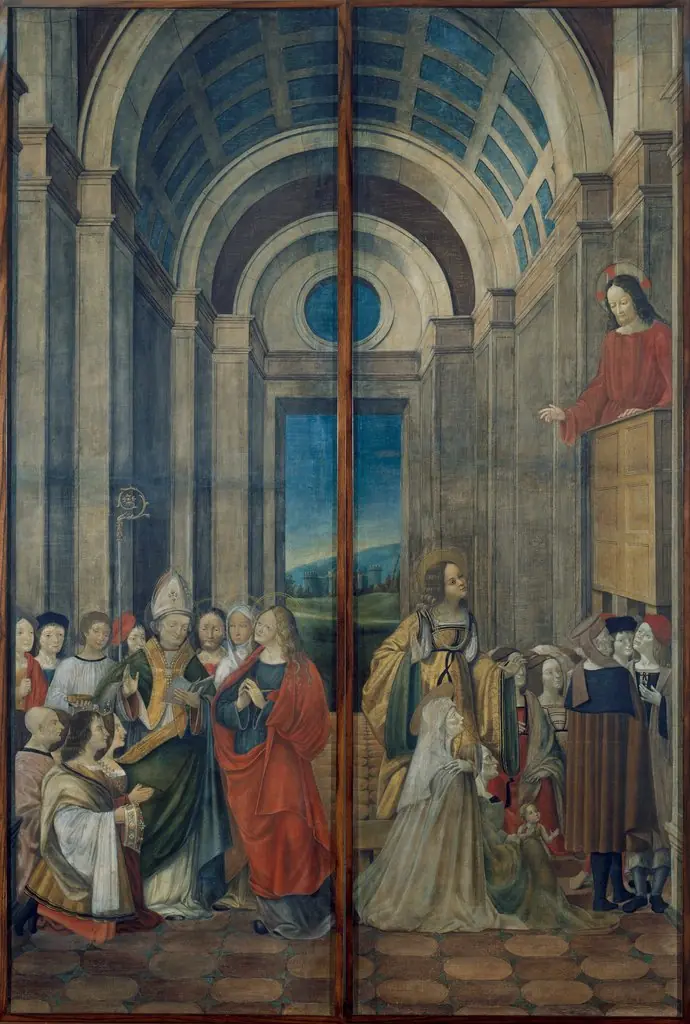 Mary Magdalene, Martha, Lazarus and Maximinus Worshipped by the Prince and Princess of Provence and Mary Magdalene Listening to Christ's Sermon
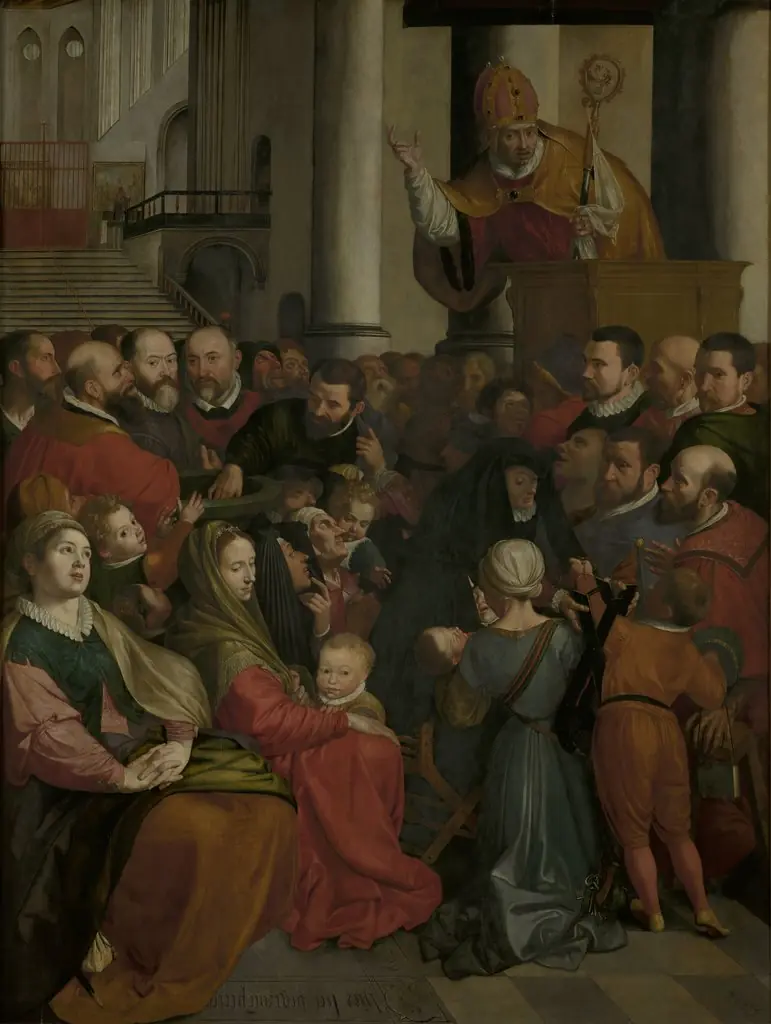 Saint Eligius preaches in Antwerp
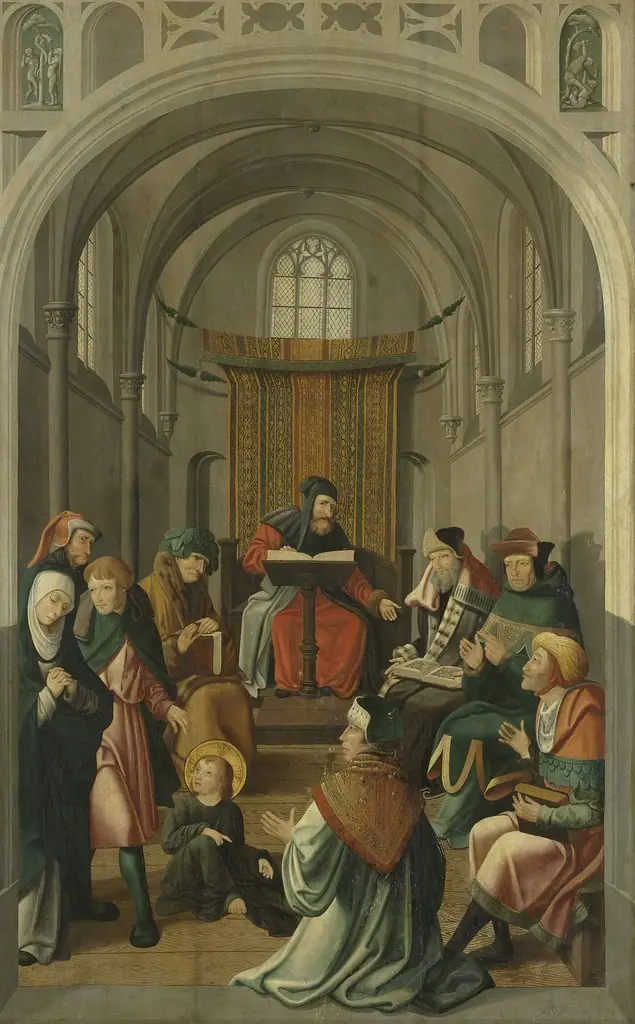 Panel of an altarpiece with Jesus disputing with the doctors in the Temple (inner wing) and Christ appearing to his mother (outer wing)
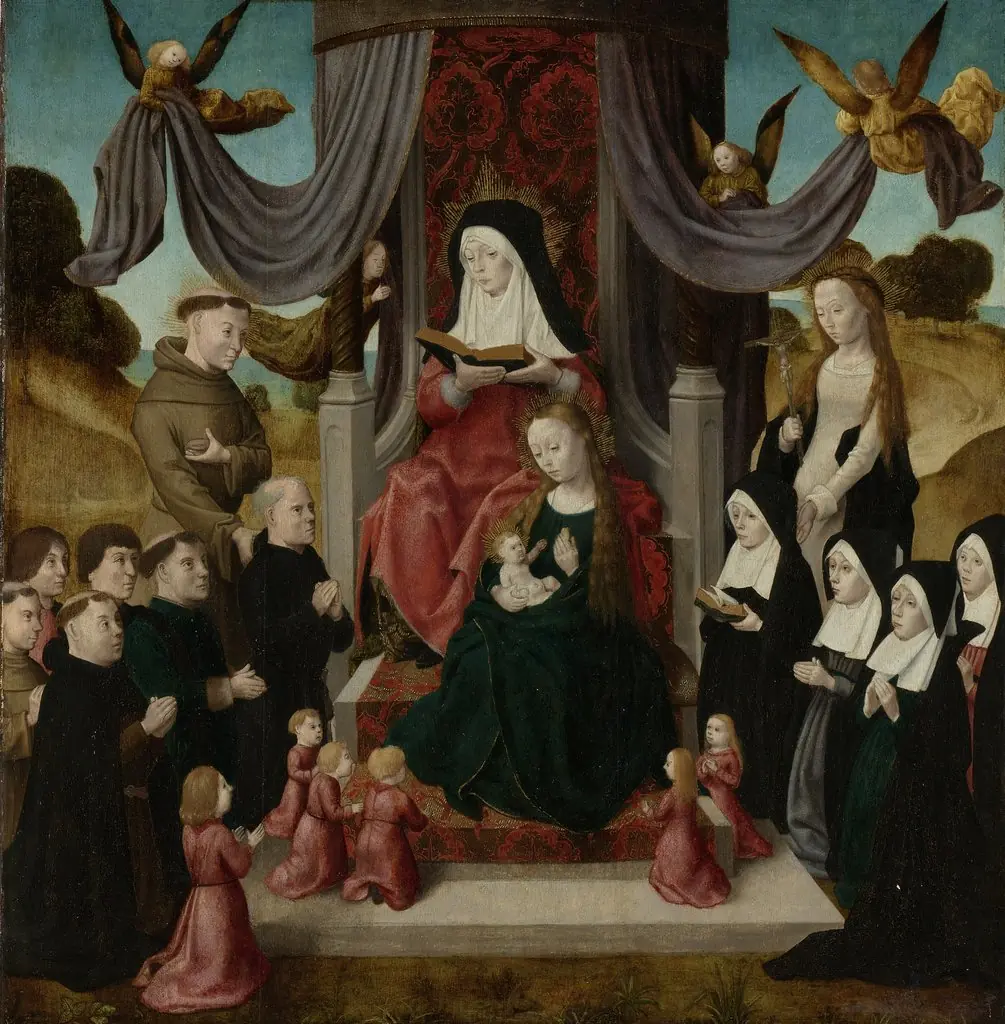 The Virgin and Child with St Anne, donors and Sts Francis and Lidwina
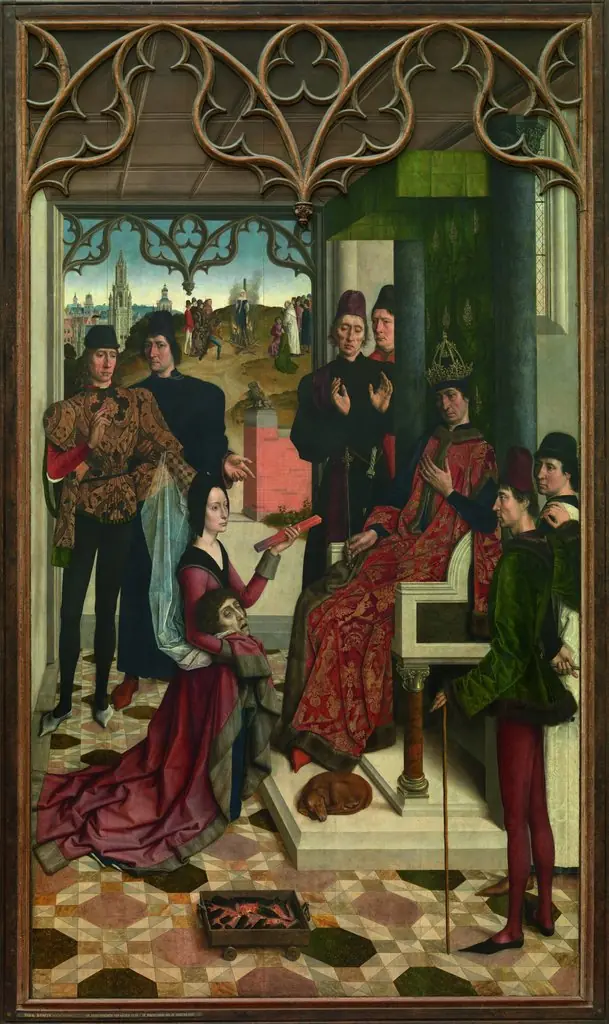 Justice of Emperor Otto III: The Trial by Fire