Artwork
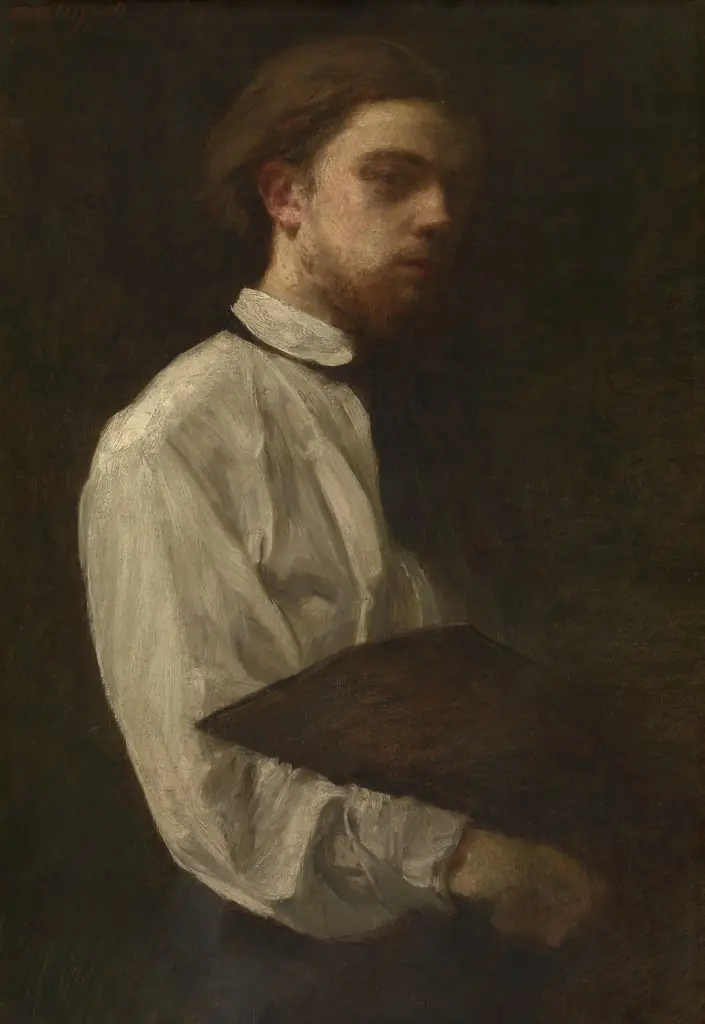
Zelfportret voor de ezel
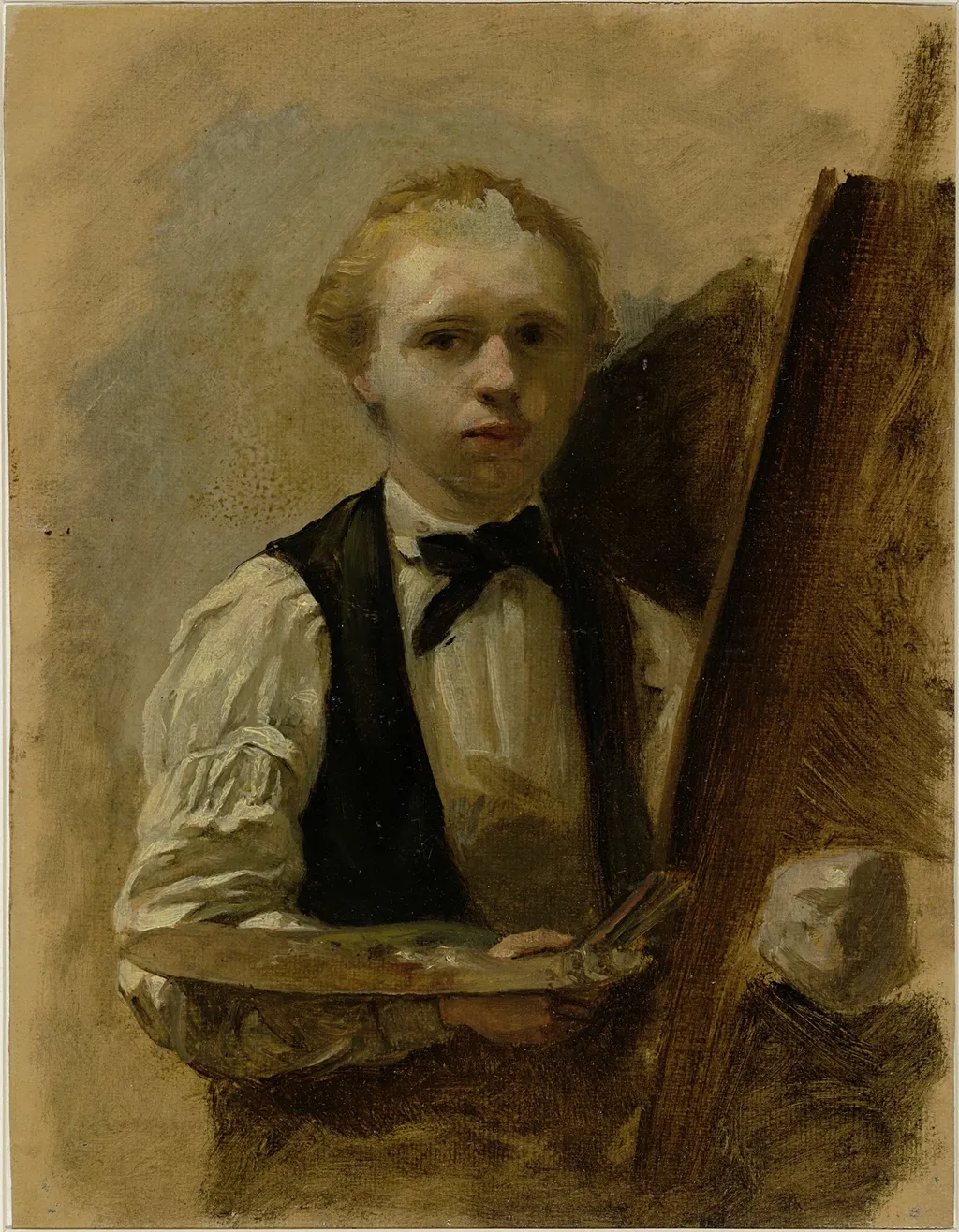
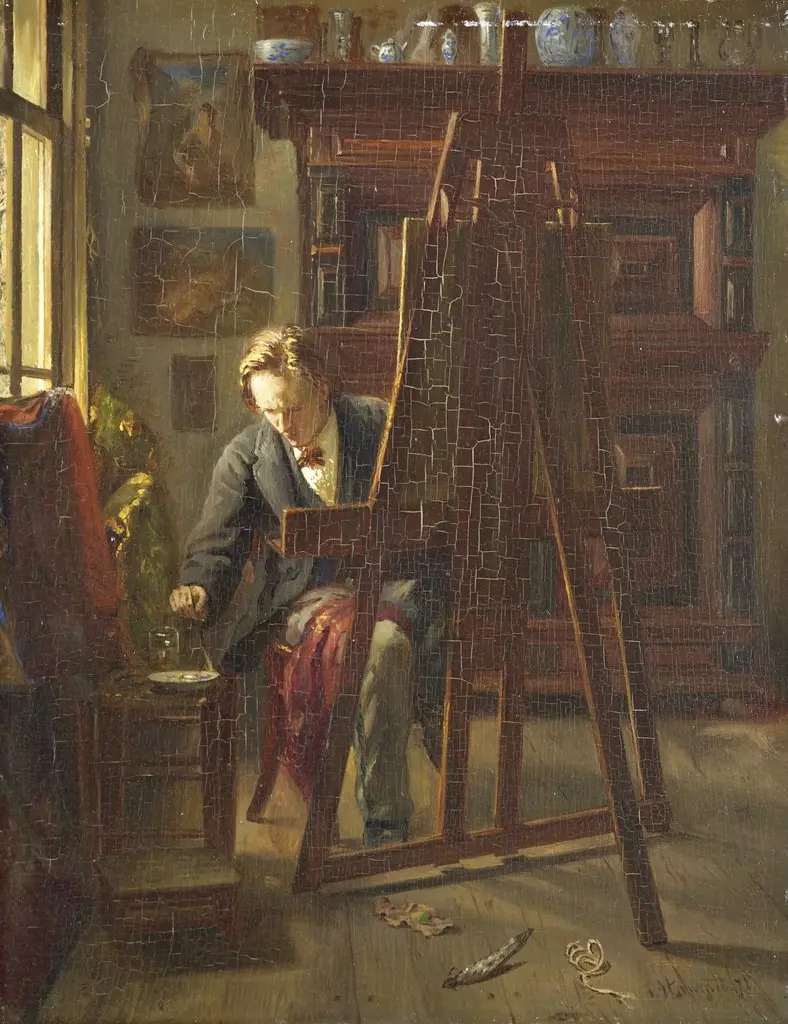
Zelfportret voor de ezel is an oil painting by the Impressionist artist Albert Neuhuys. It dates from 1900 and is held in the collection of the Rijksmuseum.
About this work
Subject & Meaning
The work belongs to the genre of self-portraiture, a tradition in which artists represent themselves as the central figure of the composition.
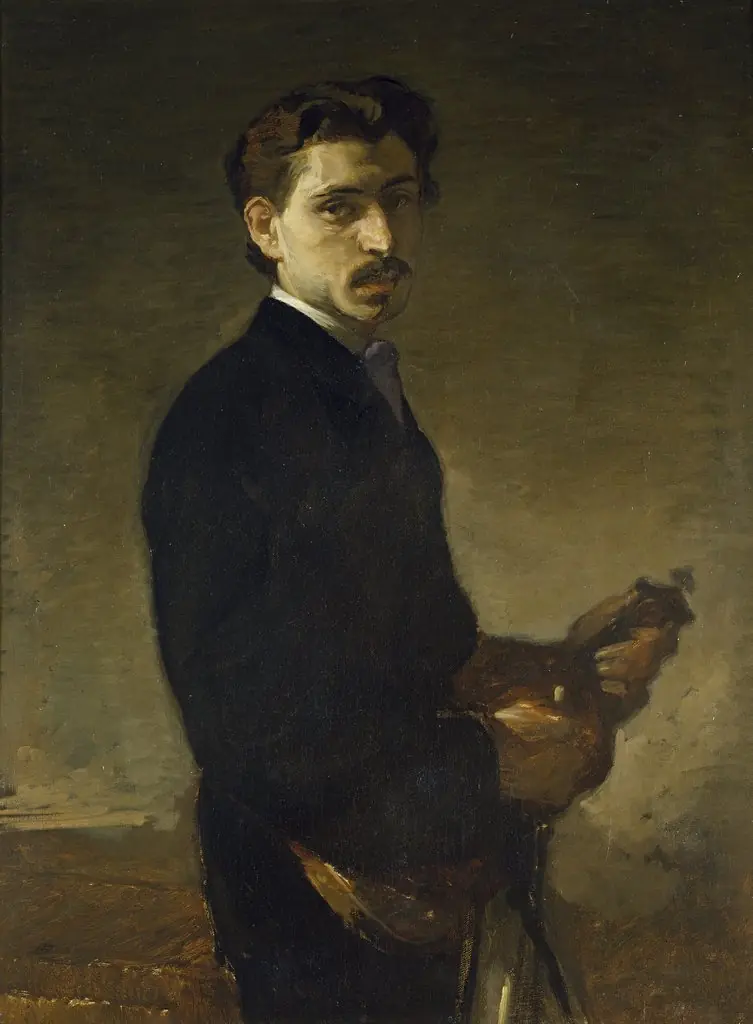
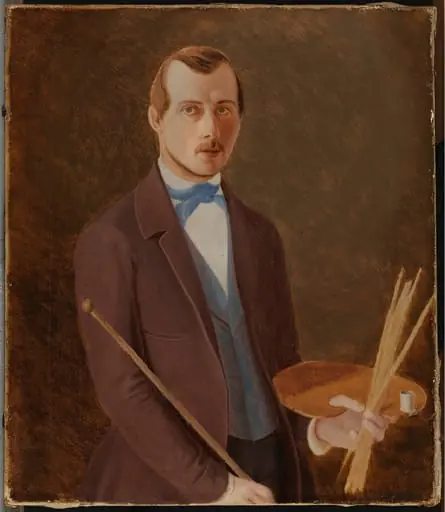
Zelfportret voor de ezel is a self-portrait by Albert Neuhuys, and the painting's subject is the artist himself, as confirmed by both its classification as a portrait and its identification as a self-portrait. The work belongs to the genre of self-portraiture, a tradition in which artists represent themselves as the central figure of the composition. By depicting himself at his easel, Neuhuys engages with a longstanding convention in which the act of painting becomes a means of self-presentation, situating the artist within his own creative practice rather than alongside a separate sitter.
Technique & Style
Albert Neuhuys created Zelfportret voor de ezel in 1900 using oil paint applied to a canvas support. The work is classified as a portrait within the self-portrait genre, depicting the artist himself. Executed in oil, the painting demonstrates the artist's handling of the medium on a traditional textile ground, consistent with standard painting practices of the period.
History & Provenance
Albert Neuhuys painted Zelfportret voor de ezel in 1900, an oil on canvas work depicting himself. The painting entered the collection of the Rijksmuseum, where it remains on display. Its creation was recorded in 1900, and it is classified as a self‑portrait within the museum's holdings.
Zelfportret voor de ezel has been in the collection of the Rijksmuseum in Amsterdam. The painting entered the museum's holdings as part of its broader accumulation of Dutch art, and its association with the national collection is recorded in the linked Wikidata entry, which lists both the collection and the location as the Rijksmuseum.
No specific inventory or accession number is provided in the available sources, and no exhibition history, loan record, or display dates are documented for the work. Consequently, the painting's curatorial movement within or beyond the museum cannot be traced from the supplied material.
Overview
Albert Neuhuys’s 1900 oil painting Zelfportret voor de ezel presents the artist standing before an easel, brush in hand. Rendered in a loose, light‑filled manner typical of late‑19th‑century Dutch Impressionism, the work captures a moment of self‑observation within the artist’s studio environment.
Context
The Laren School, active in the late 19th and early 20th centuries, sought to blend the realism of the Hague School with the freer brushwork of Impressionism. Neuhuys, a leading figure in this movement, often depicted rural life; this self‑portrait offers a rare glimpse of the artist at work rather than his usual subjects.
Own this work as a print
Artist & collection
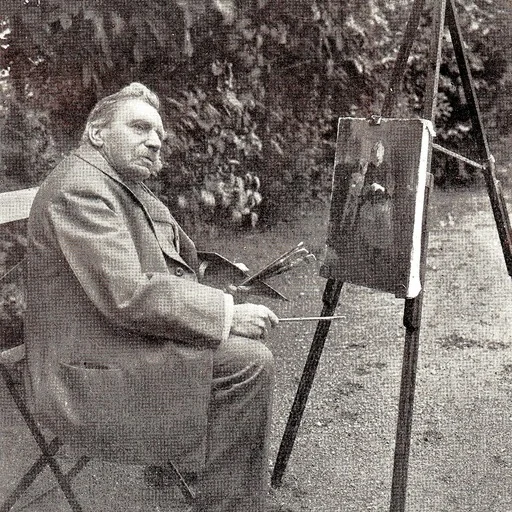
Artist
Johannes Albert Neuhuys (10 June 1844 – 6 February 1914) was one of the best-known painters of the Laren School and a friend of many of the Hague School painters.