
Subject
Palette
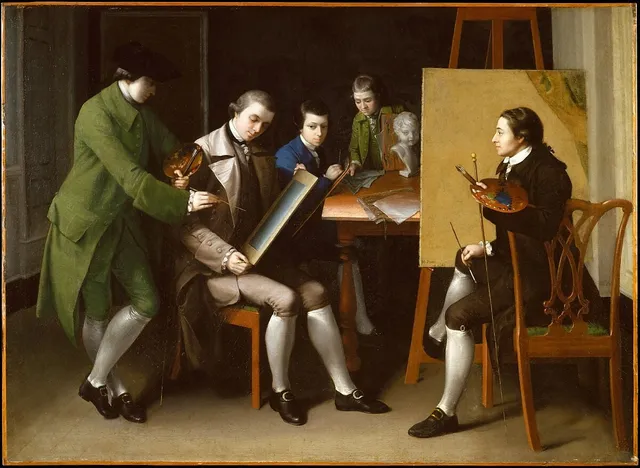
Palette is a subject in art. The gallery holds 79 works in this subject in art, including works by Matthew Pratt, Adélaïde Labille-Guiard and Marie-Victoire Lemoine.
A palette () is a surface on which a painter arranges and mixes paints. A palette is made of materials such as wood, paper, glass, ceramic or plastic, and can vary greatly in size and shape.
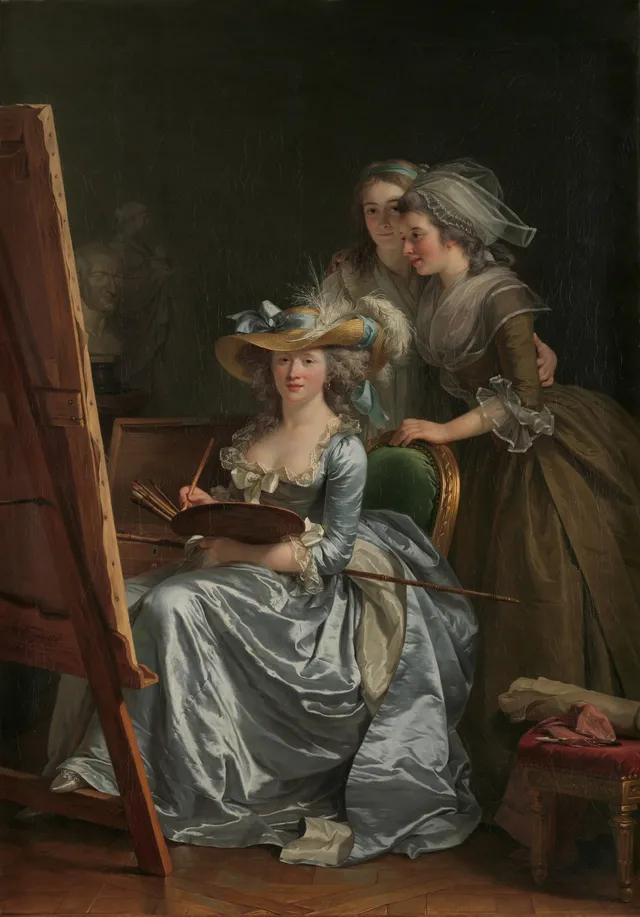
Key artists
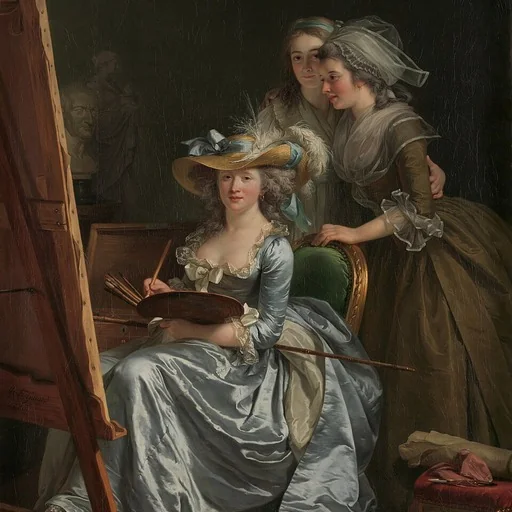
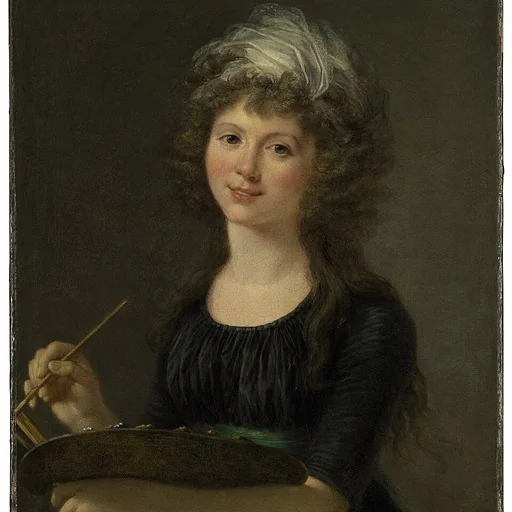

Artist
Overview
A palette is a flat surface on which a painter arranges and mixes paints, traditionally held in the non-dominant hand while the other hand applies color to the support. Made of wood, paper, glass, ceramic, or plastic, palettes vary greatly in size and shape, though the classical form is oval with a thumbhole and brush insert, tapered for balanced weight distribution. The word derives from French palette, meaning small round board, which in turn comes from Latin pala, meaning shovel or spade. The earliest known depictions of the still hand-mirror-shaped tool appear in miniatures from a 1374 manuscript of Giovanni Boccaccio's De mulieribus claris. Beyond its practical function, the palette has become a universal symbol of painting and art in general, appearing across 79 works in the collection and serving as an attribute in portraits, studio scenes, allegories, and still lifes from the fourteenth century to the present.
Iconography & meaning
In its characteristic asymmetric form, the palette functions as a symbol or attribute that stands for painting itself, often serving as a personification of pictura, the allegorical embodiment of the art of painting. When held by an artist in self-portraiture, it signals professional identity and craft mastery. In vanitas still lifes, the palette can appear among objects that meditate on the transience of earthly achievements, including artistic fame. The palette's presence in studio interiors, whether held by the painter or resting on a table, transforms the scene into a space of labor and invention. Its material accumulation of dried paint over years of use also lends it sentimental value; painters often grow attached to their worn palettes, which bear the physical residue of creative process. As a synecdoche, the term extends to the range of colors an artist employs, and by further extension to the digital color selectors in graphics software.
Across movements & periods
The treatment of the palette has shifted in response to changing materials, techniques, and conceptions of the artist. In the early period, as evidenced by the 1374 Boccaccio manuscript, the palette was still hand-mirror-shaped, reflecting its recent evolution from practical tool to recognizable artistic equipment. By the seventeenth century, it had become a standard attribute in Dutch and Flemish studio scenes and vanitas still lifes, where it carried moral and professional significance. The eighteenth century saw systematized approaches to color arrangement; a 1795 handbook described the convention of placing simple colors above and mixed colors below. In the nineteenth century, the palette became a vehicle for asserting individual artistic identity, particularly in self-portraiture by women artists who used it to claim professional status in a male-dominated field. Modern and contemporary practice has seen material diversification: Picasso famously used a sheet of newspaper as a palette, while contemporary artists employ plastic, glass, porcelain, and disposable paper versions. The digital era has produced the virtual palette, a software interface that translates the physical tool into a screen-based color selector.
Legacy
The palette persists as a recognizable emblem of painting in popular and digital culture, most visibly as the icon for Microsoft Paint and similar graphics applications. Museums preserve the actual palettes of famous painters as relics of creative process, treating these worn, paint-encrusted objects as material witnesses to artistic labor. The palette's form has influenced the design of modern and contemporary painting equipment, from stay-wet palettes for acrylic painting to disposable paper blocks for outdoor work. In art historical discourse, the palette remains a touchstone for discussions of technique, color theory, and the material conditions of painting. Its appearance in self-portraiture by women artists has become a subject of feminist art historical analysis, examining how the attribute functioned within strategies of professional self-fashioning. The extension of palette to mean a selected range of colors, and then to digital color selection tools, demonstrates the term's remarkable semantic flexibility and enduring centrality to visual practice across media.
Works
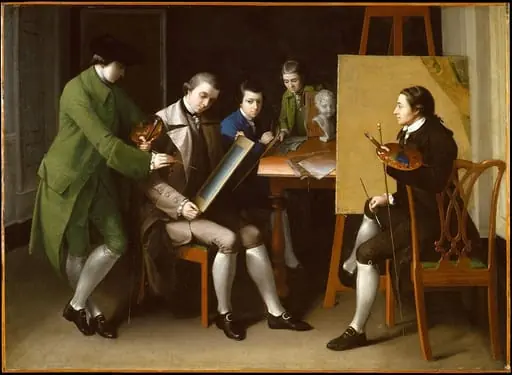 The American School
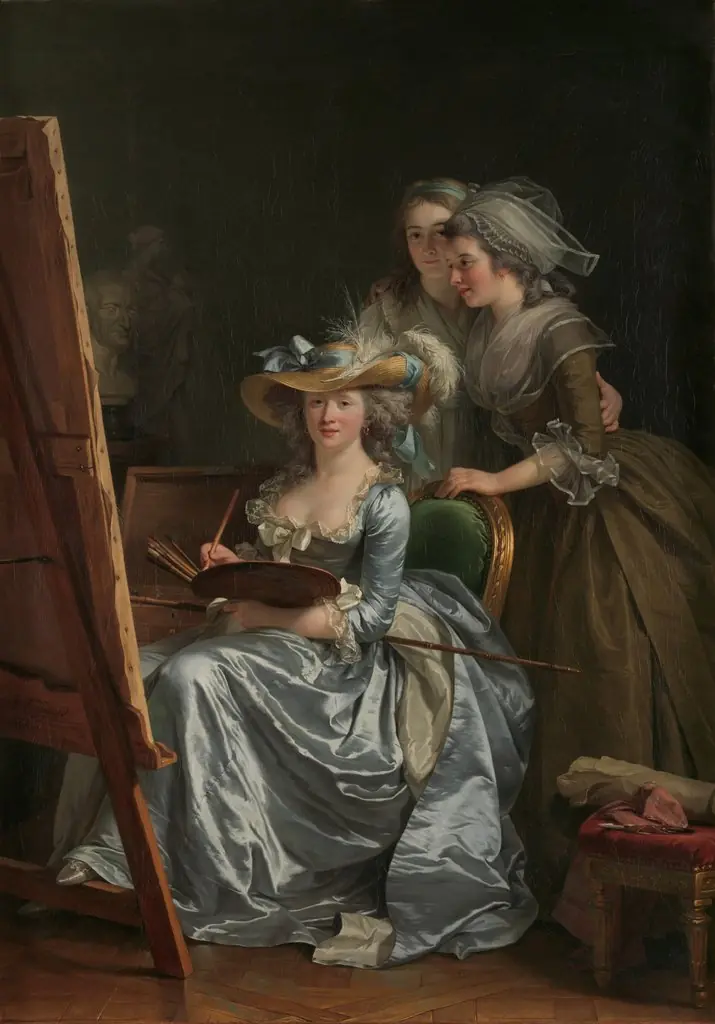 Self-Portrait with Two Pupils
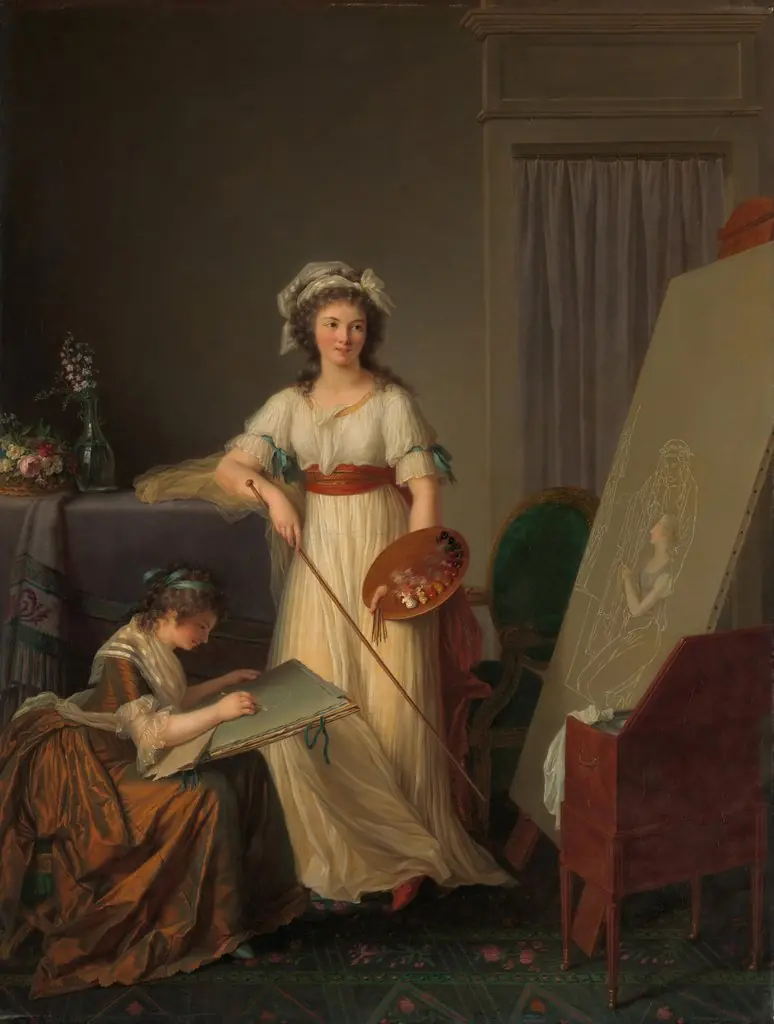 The Interior of an Atelier of a Woman Painter
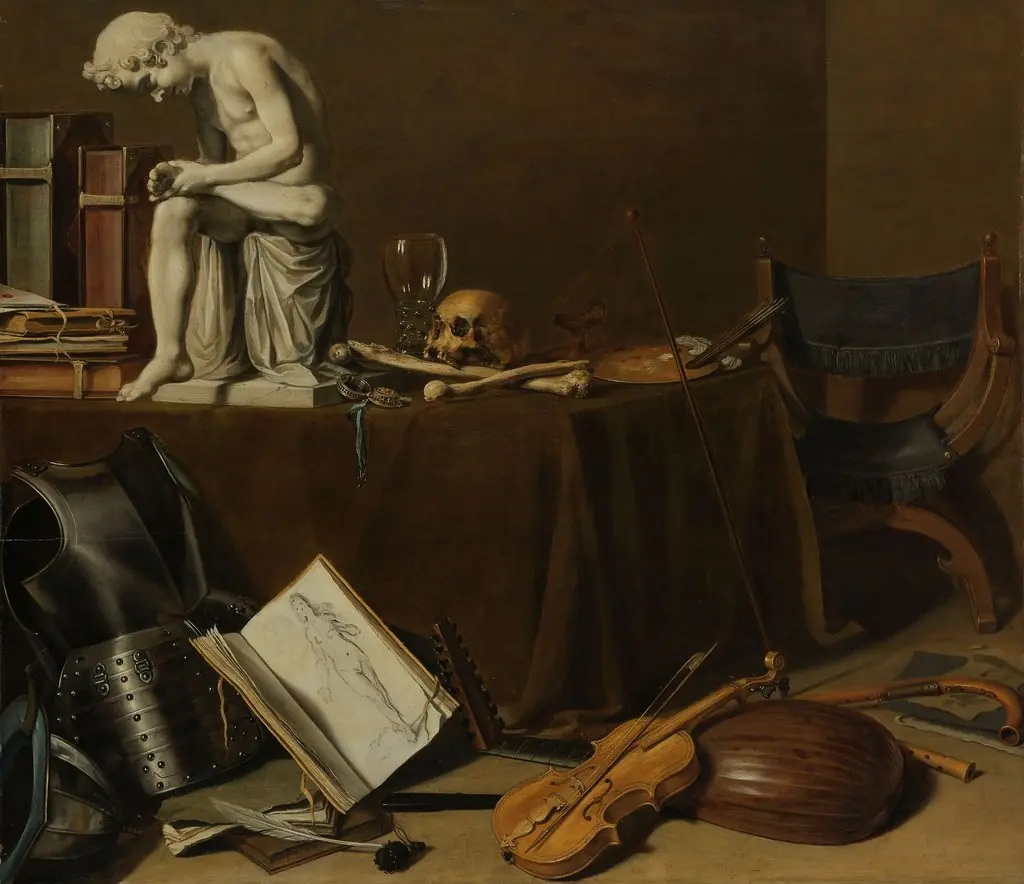 Vanitas Still Life with the Spinario
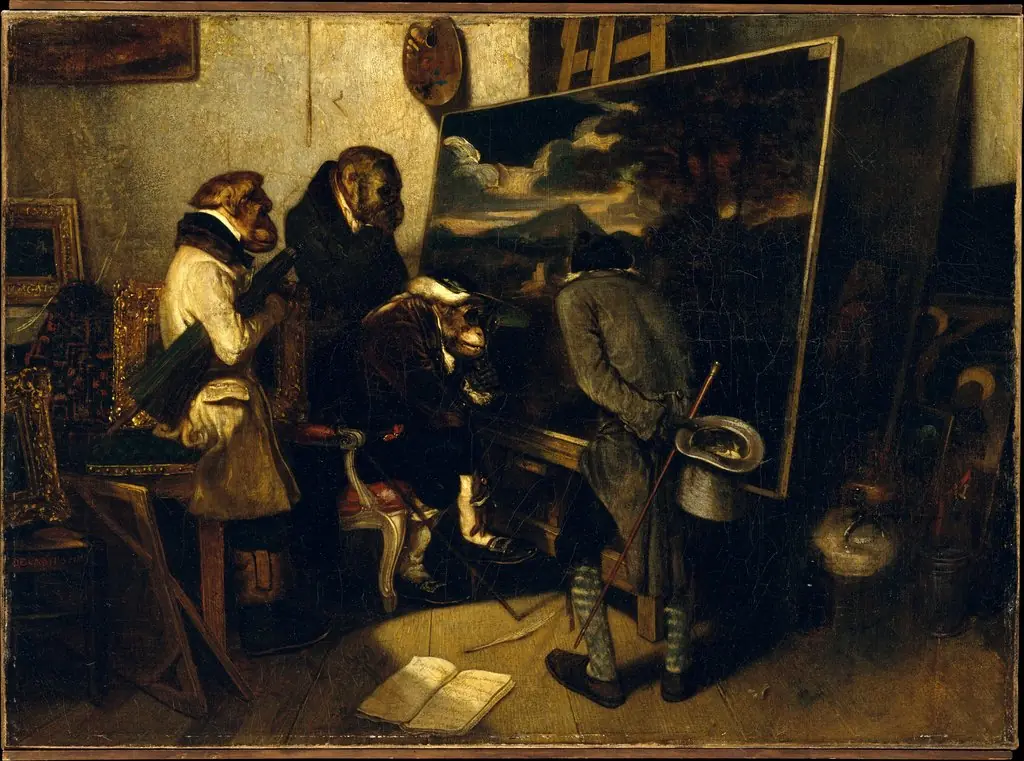 The Experts
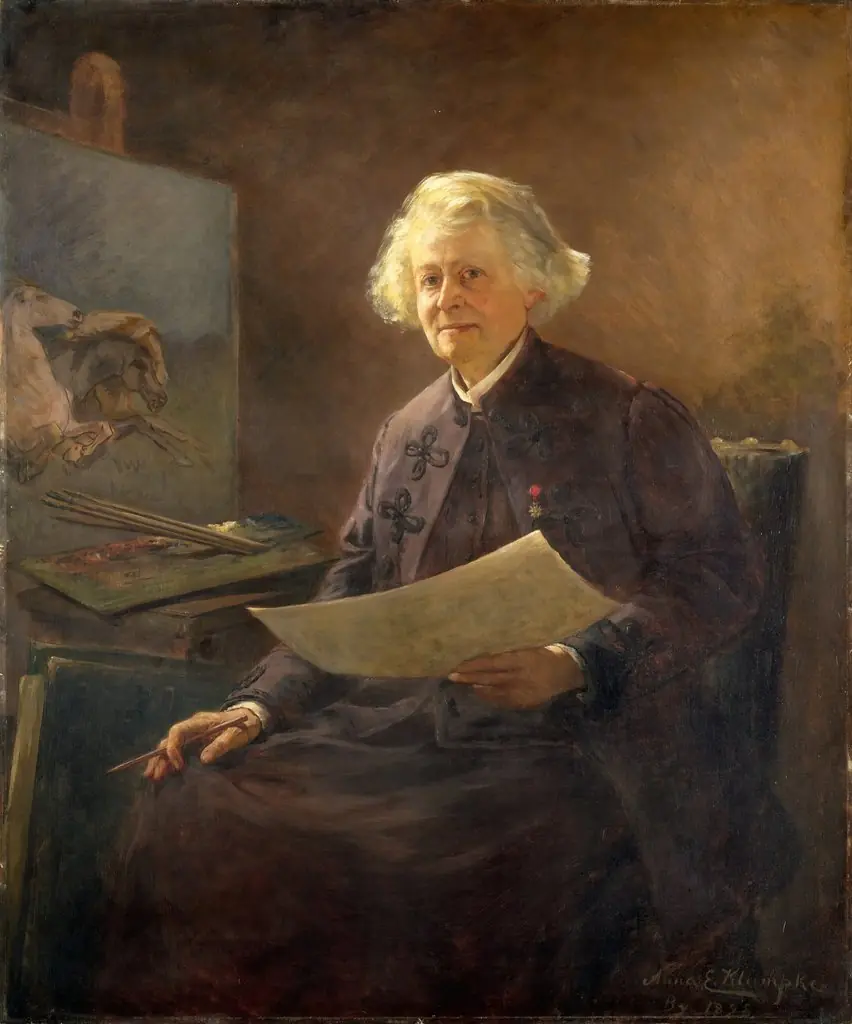 Rosa Bonheur
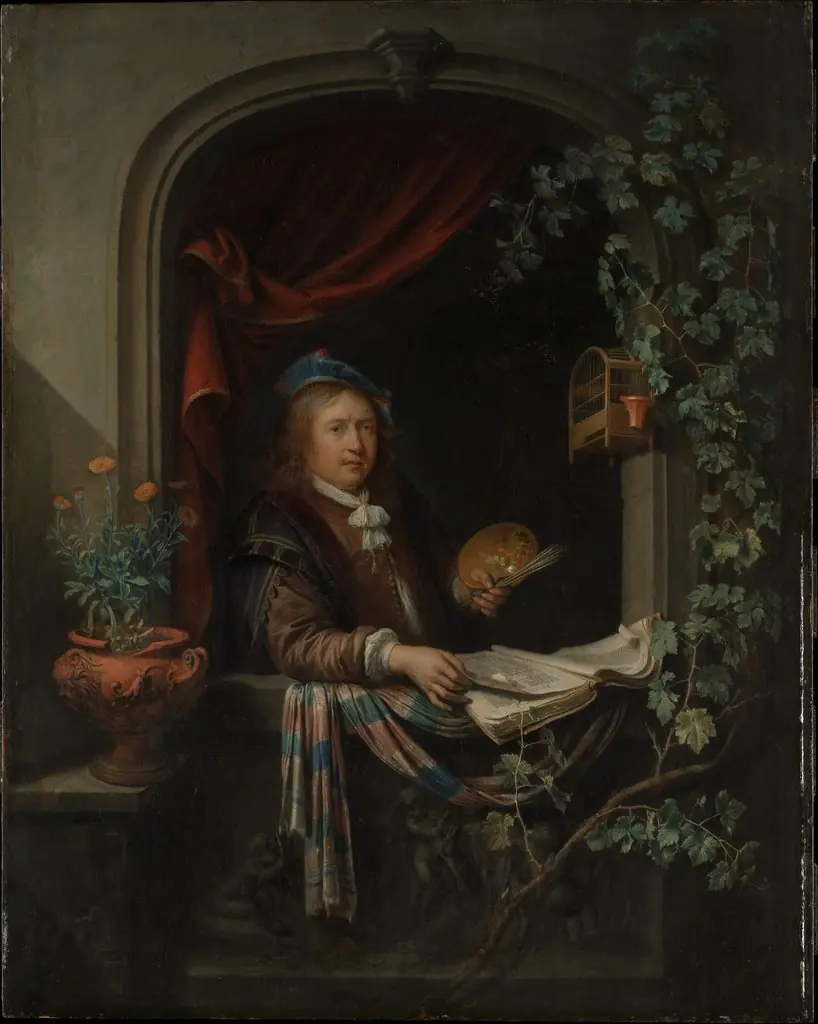 Self-Portrait
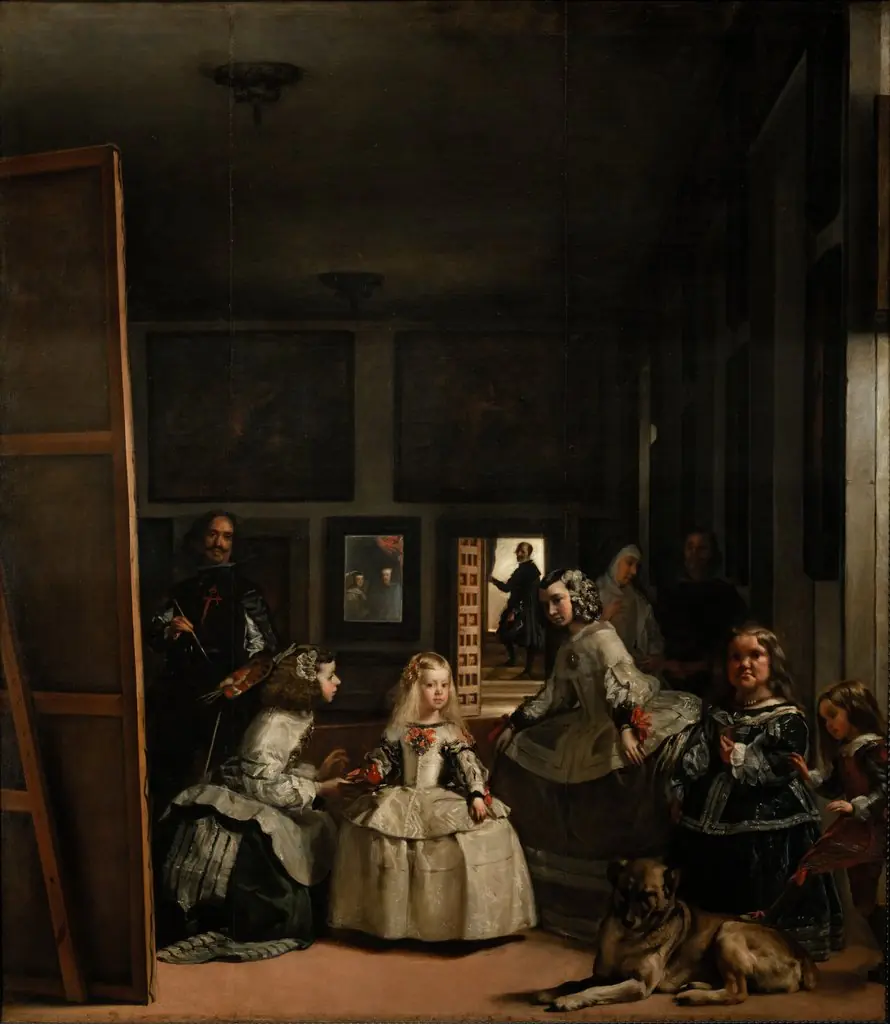 Las Meninas
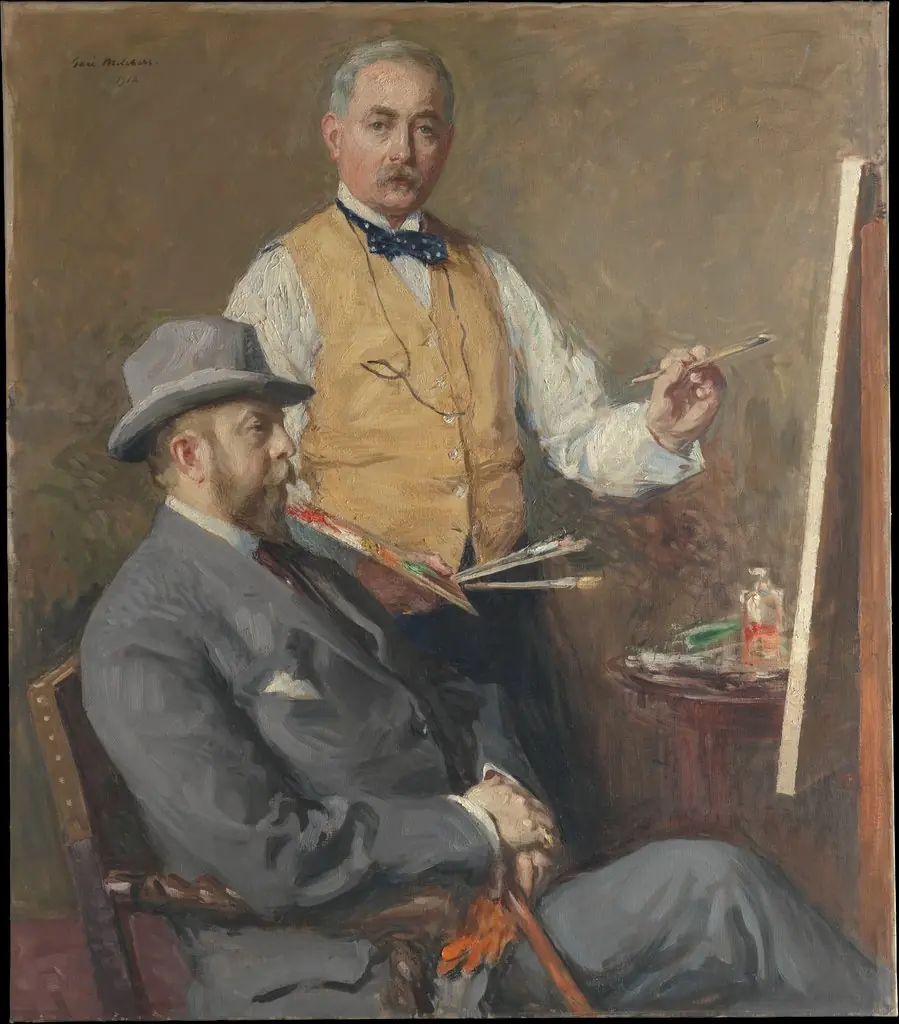 In the Studio (Gari Melchers and Hugo Reisinger)
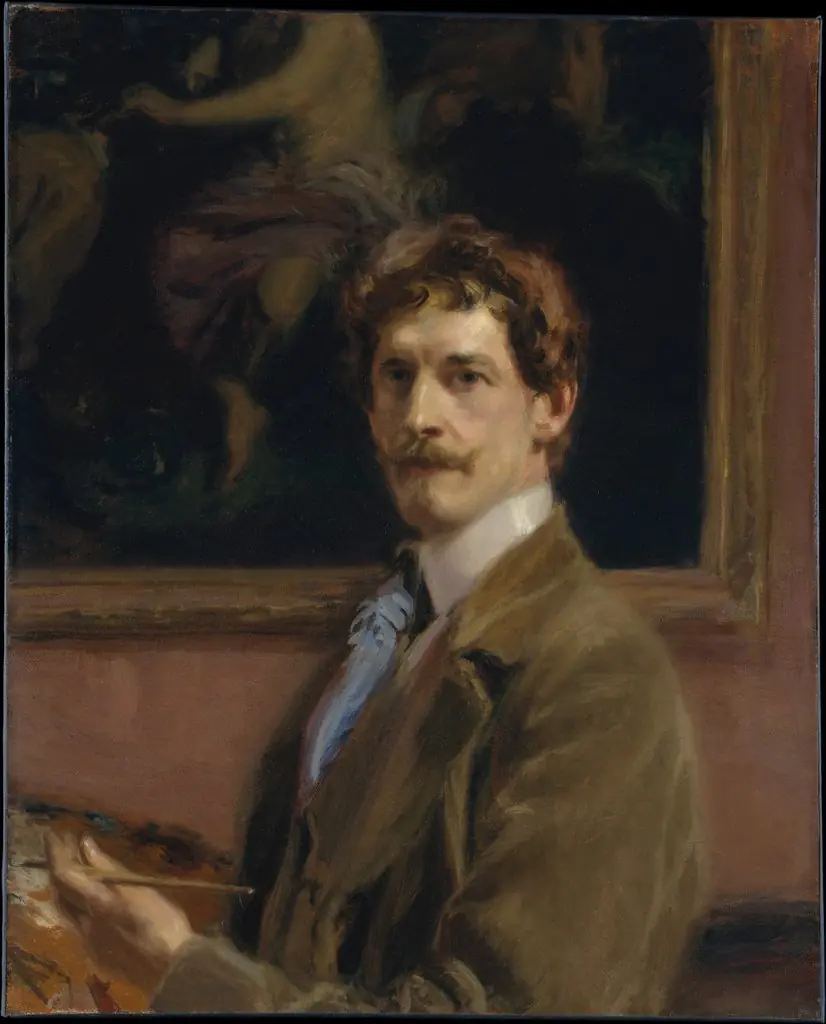 Self-portrait
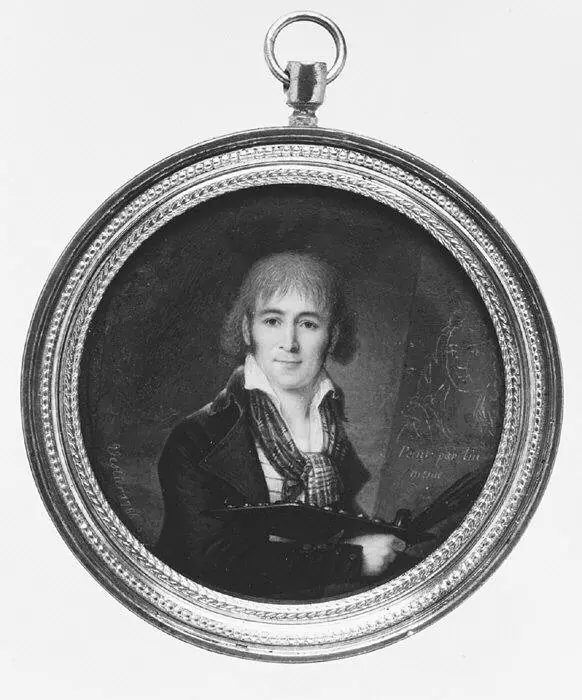 Self-Portrait of an Unidentified Artist
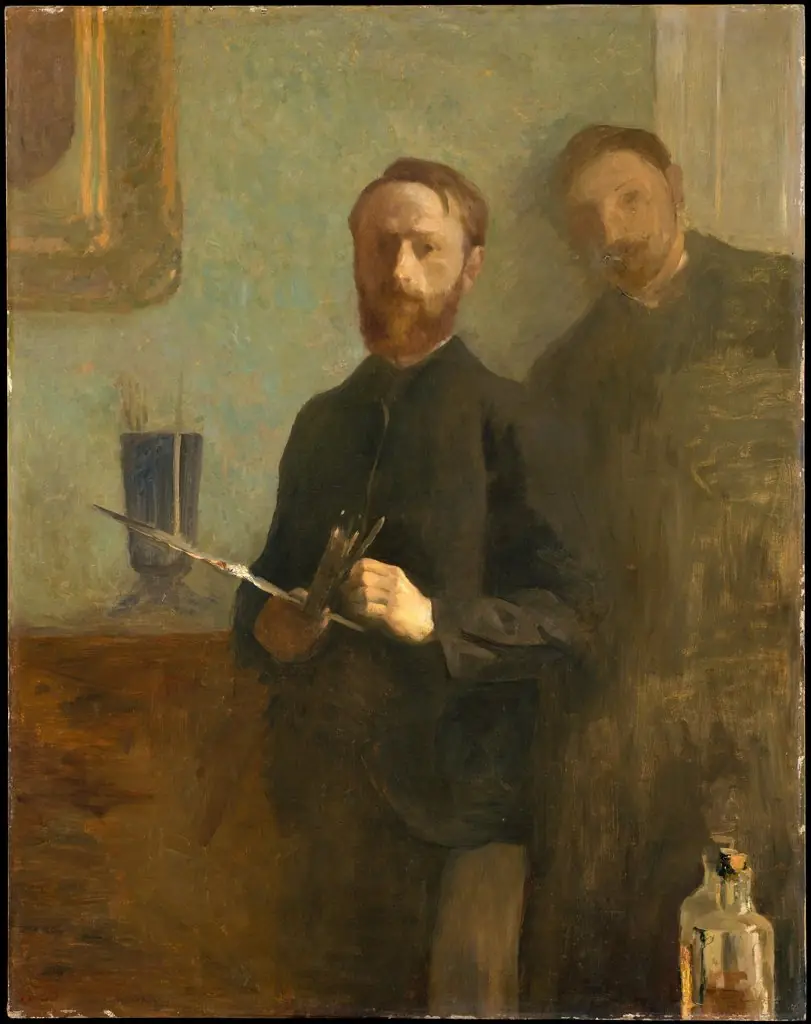 Self-Portrait with Waroquy
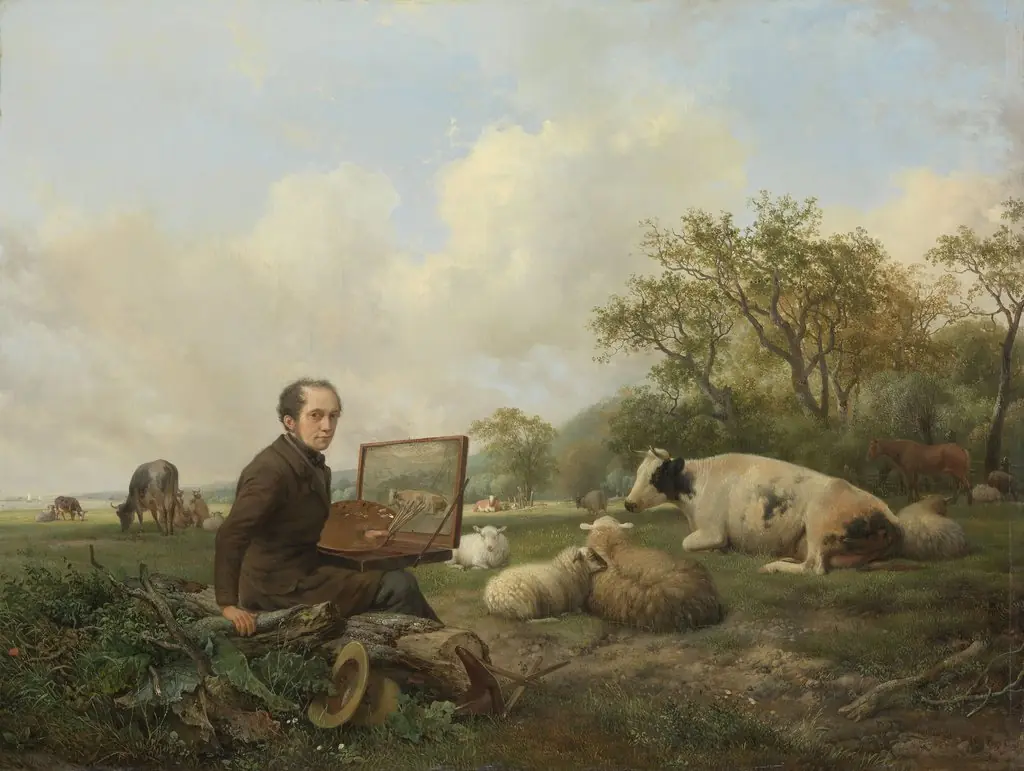 The Artist Painting a Cow in a Meadow
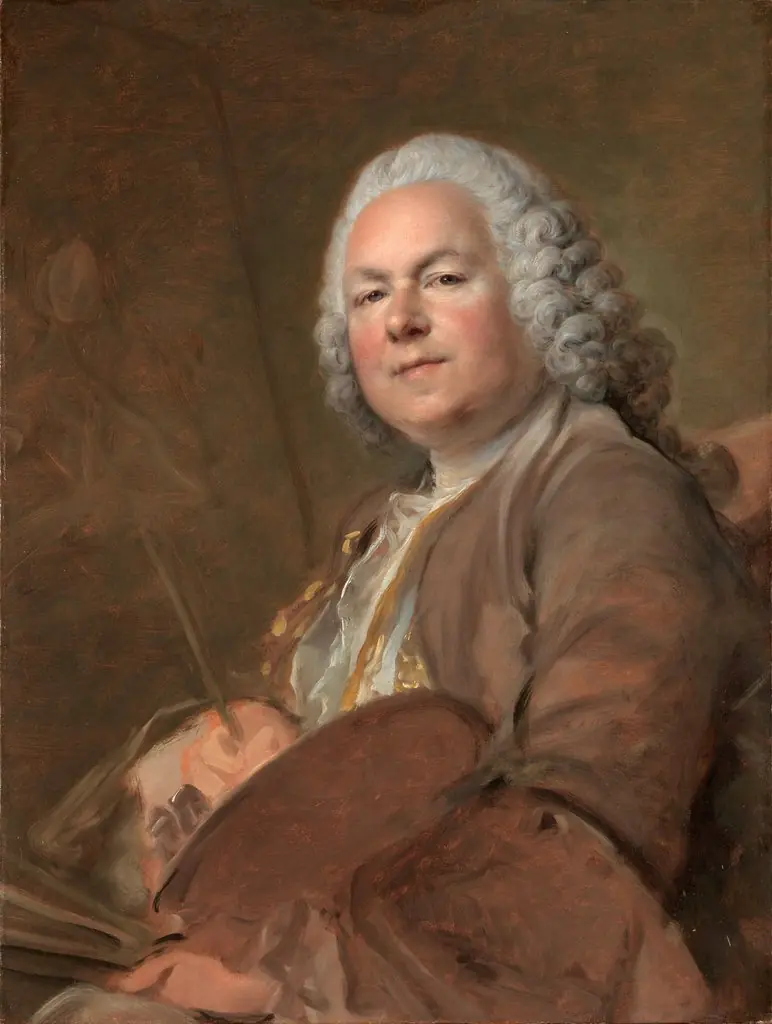 Jean Marc Nattier (1685–1766)
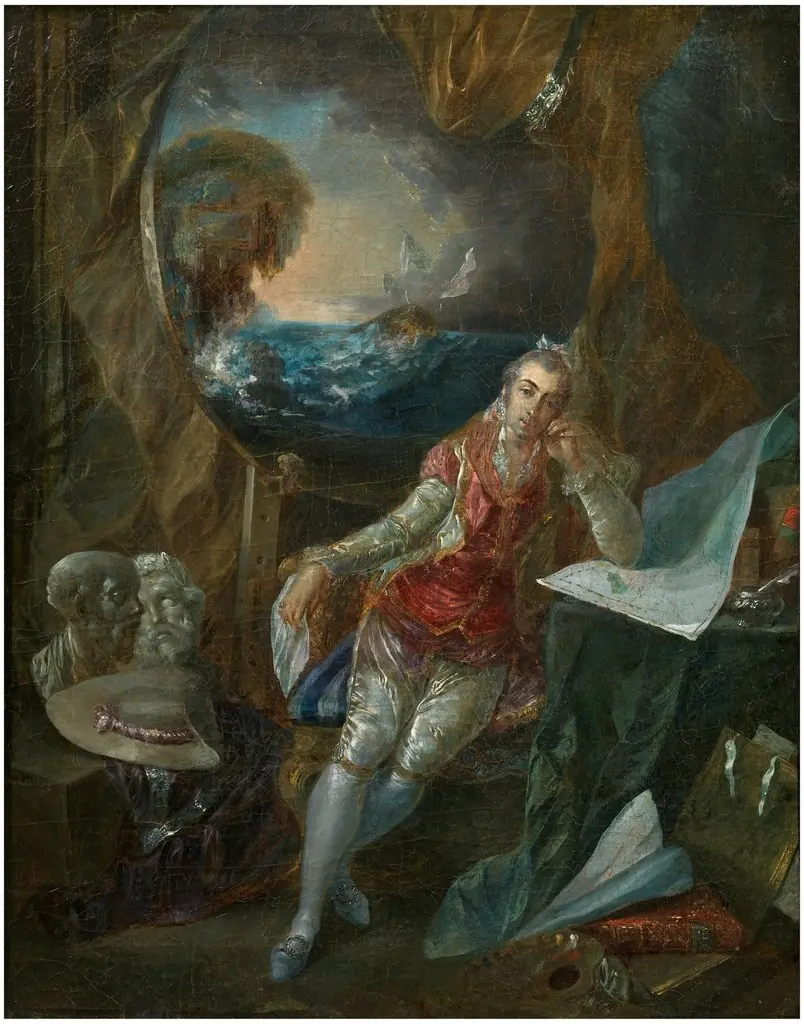 Self-portrait of the Artist in his Studio
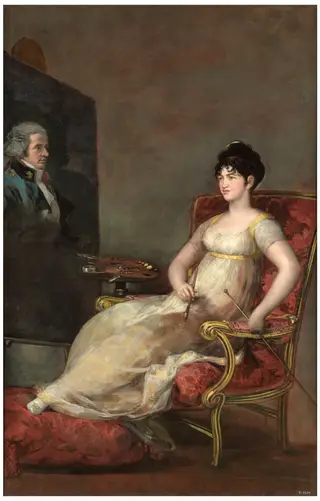 The Marchioness of Villafranca Painting her Husband
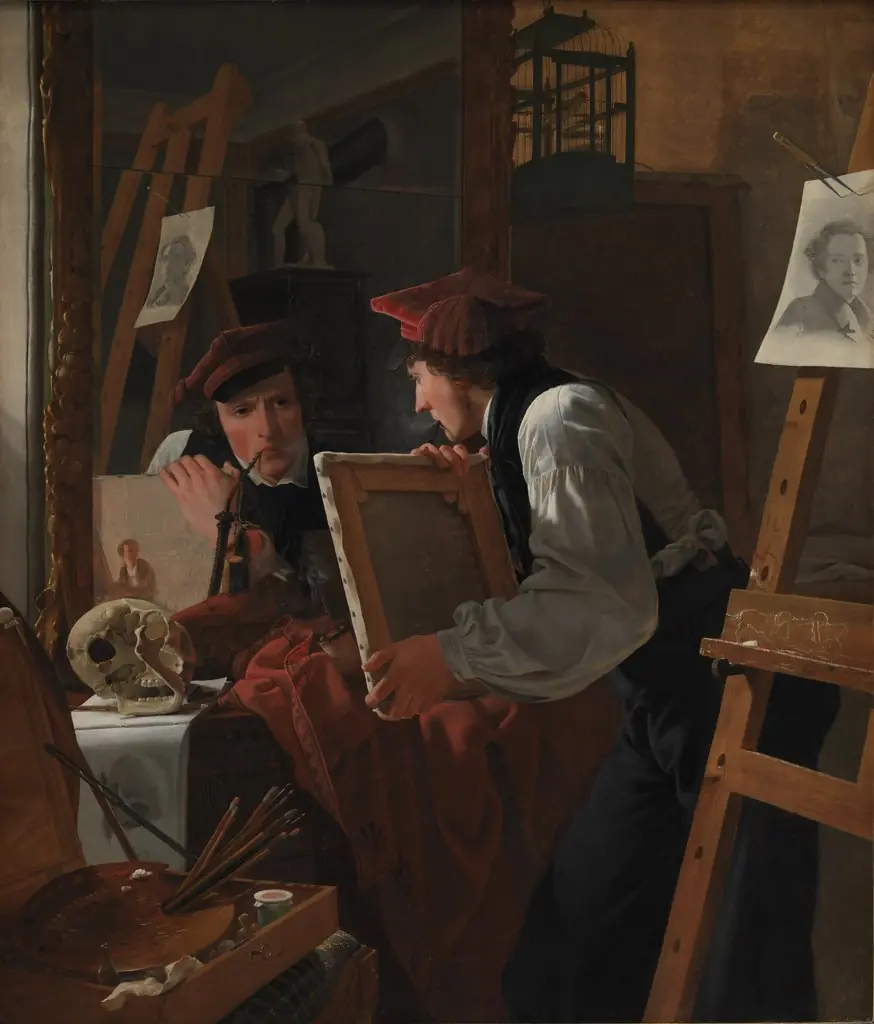 A Young Artist (Ditlev Blunck) Examining a Sketch in a Mirror
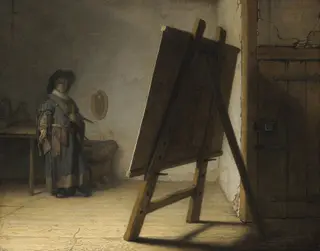 Artist in his studio
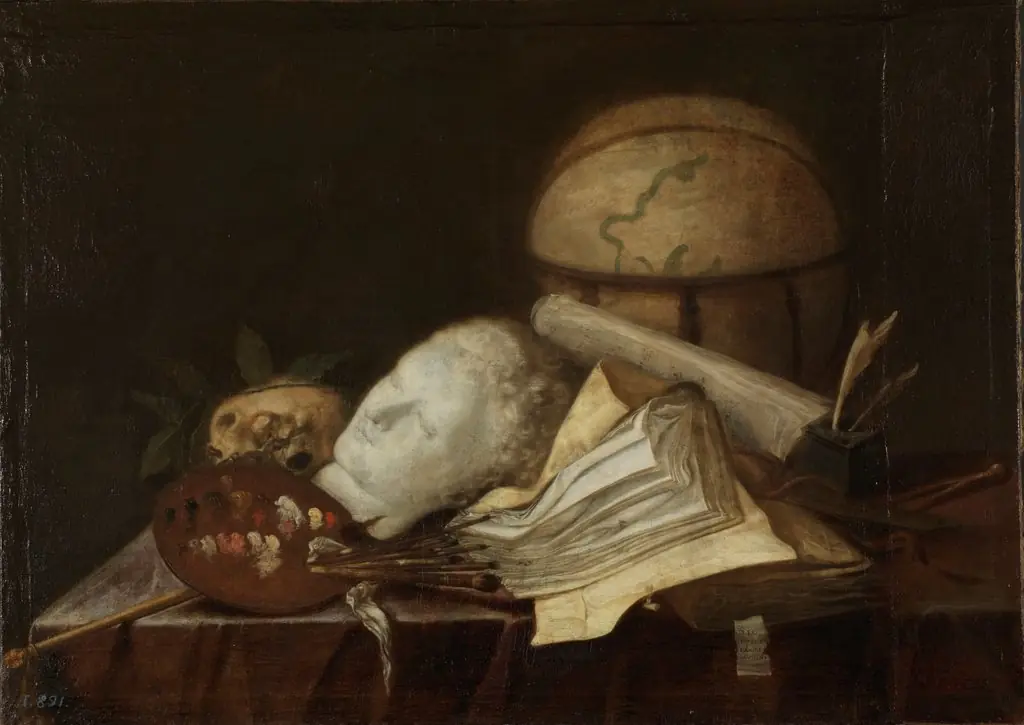 Allegory of the Arts and Sciences
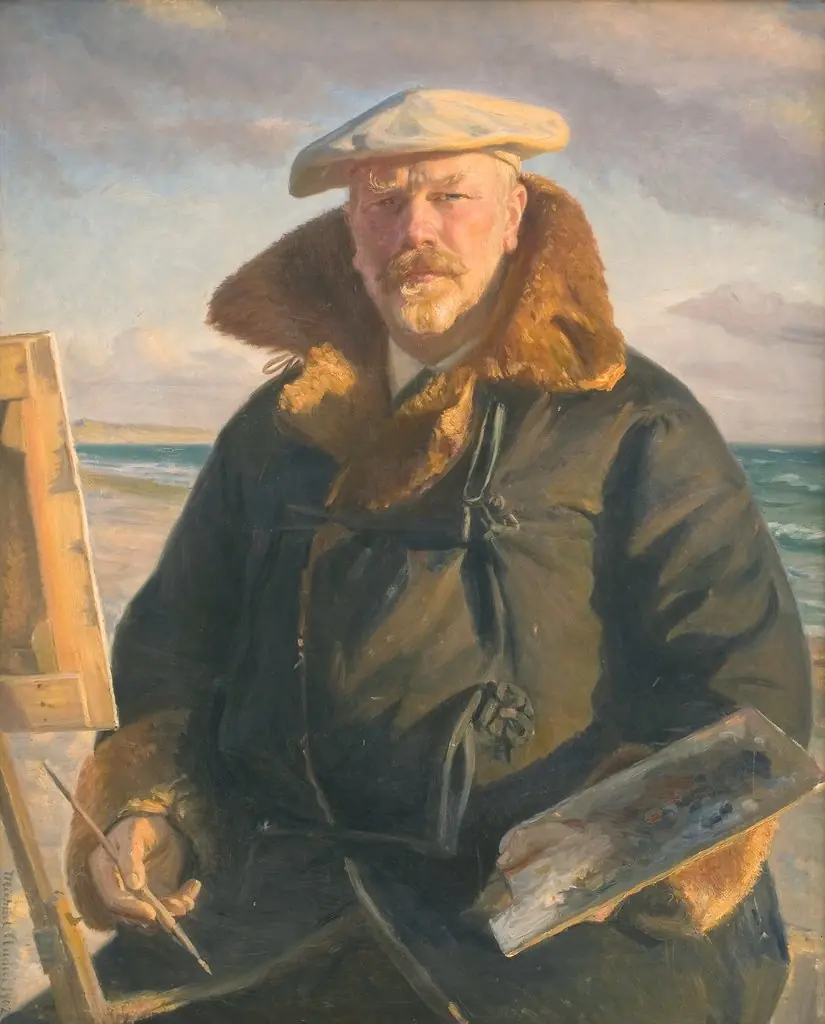 Self-Portrait
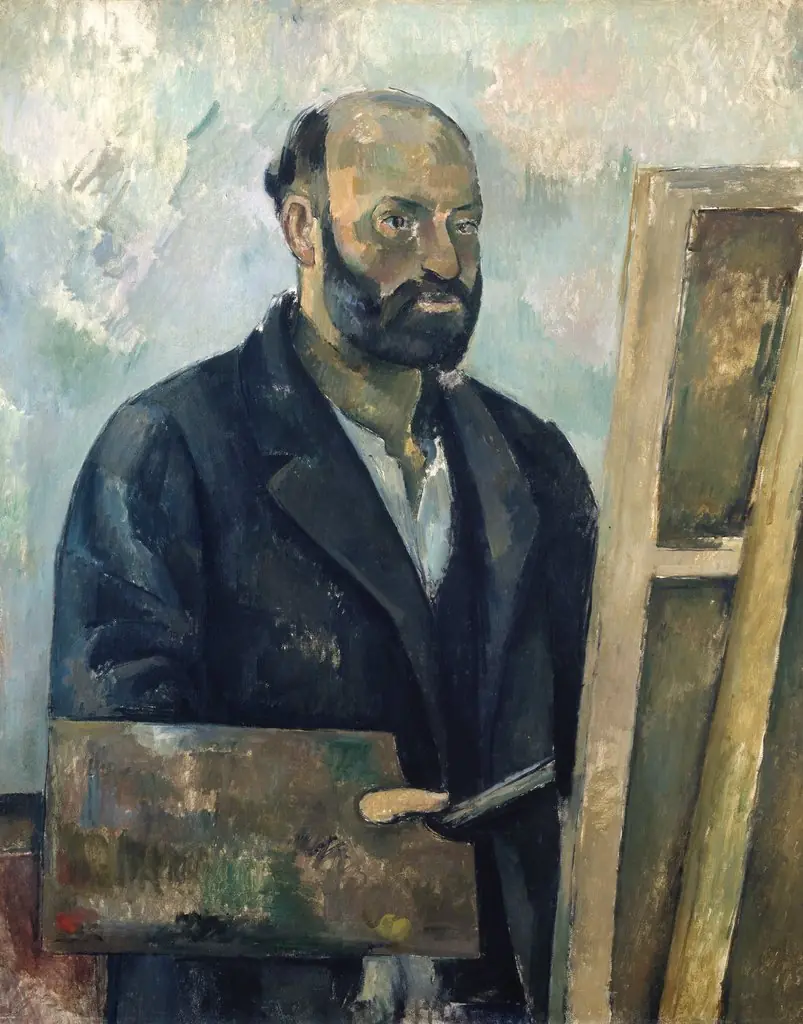 Self-Portrait with Palette
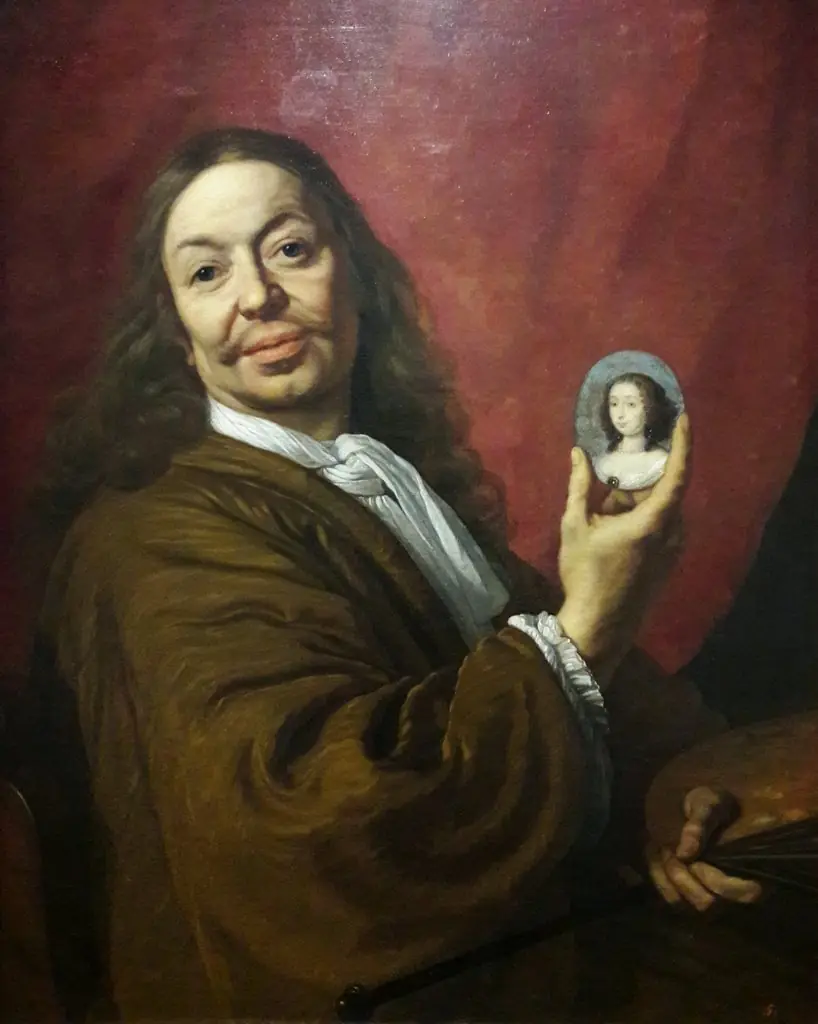 Self-portrait
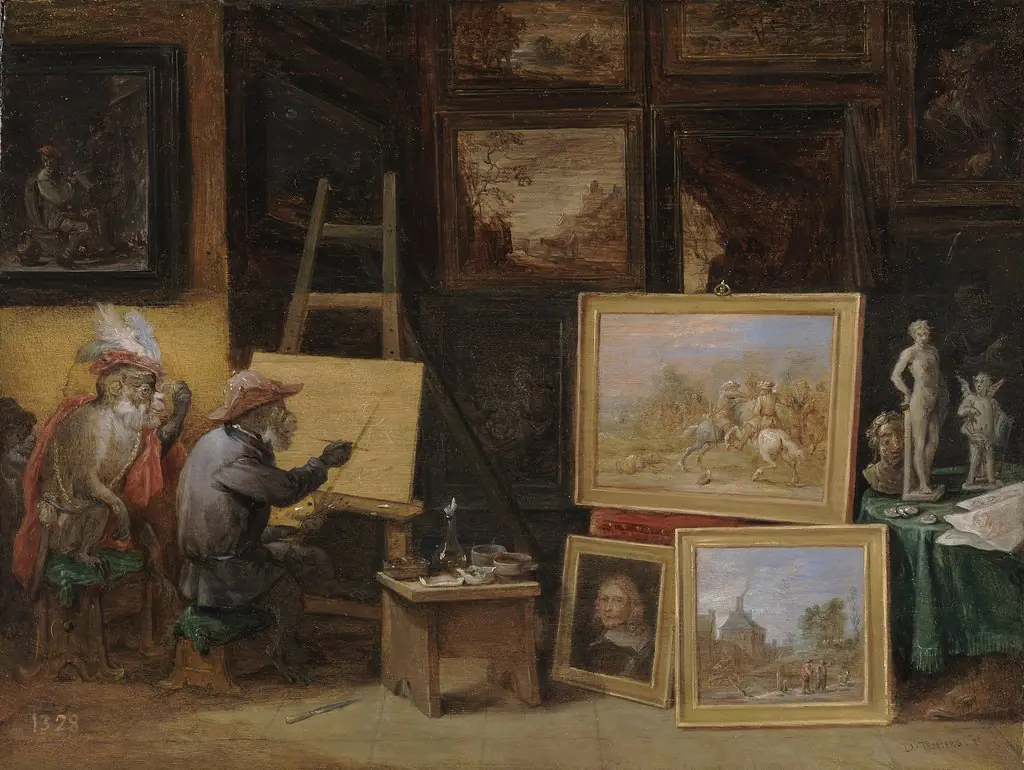 The Monkey Painter
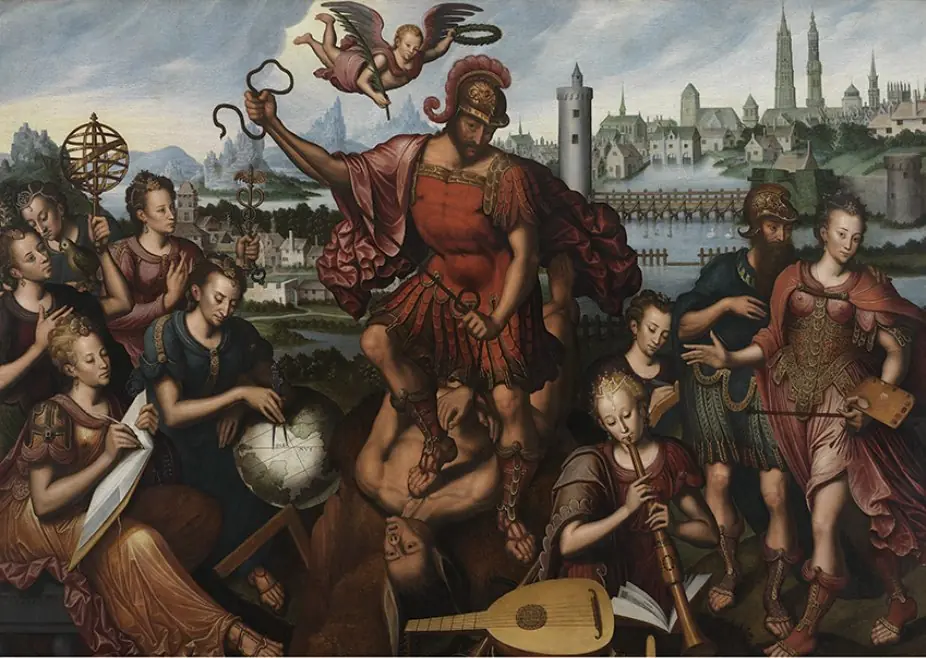 Mars, surrounded by the Arts and Sciences, conquers Ignorance
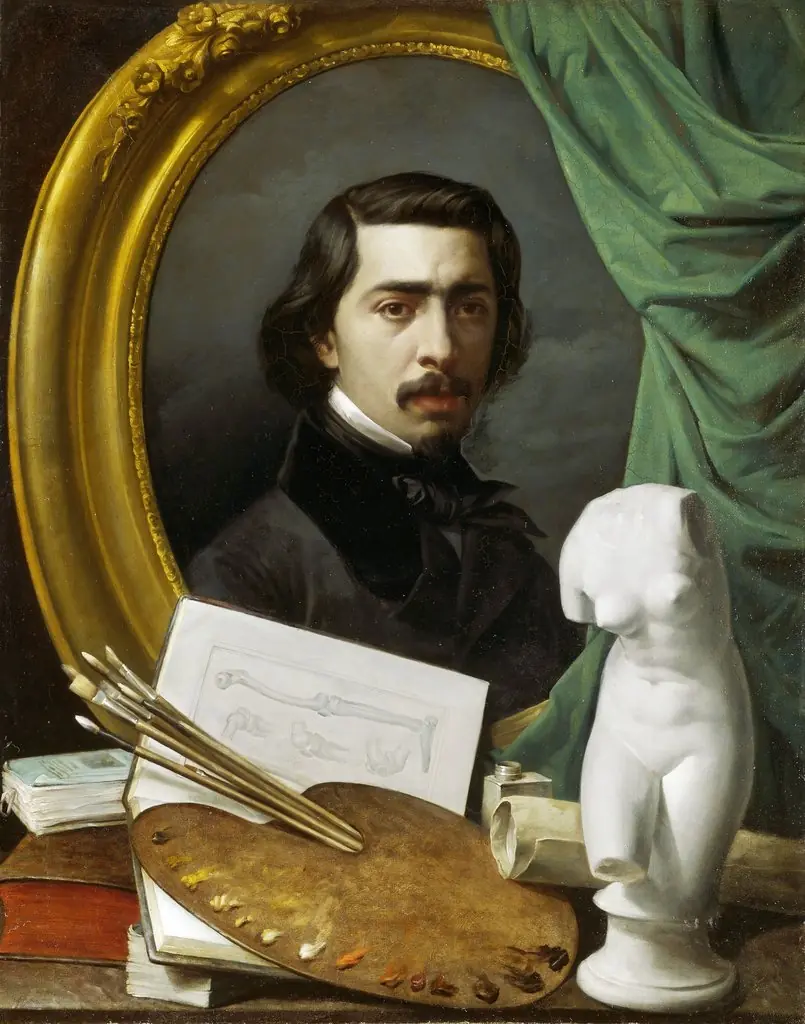 Self-portrait
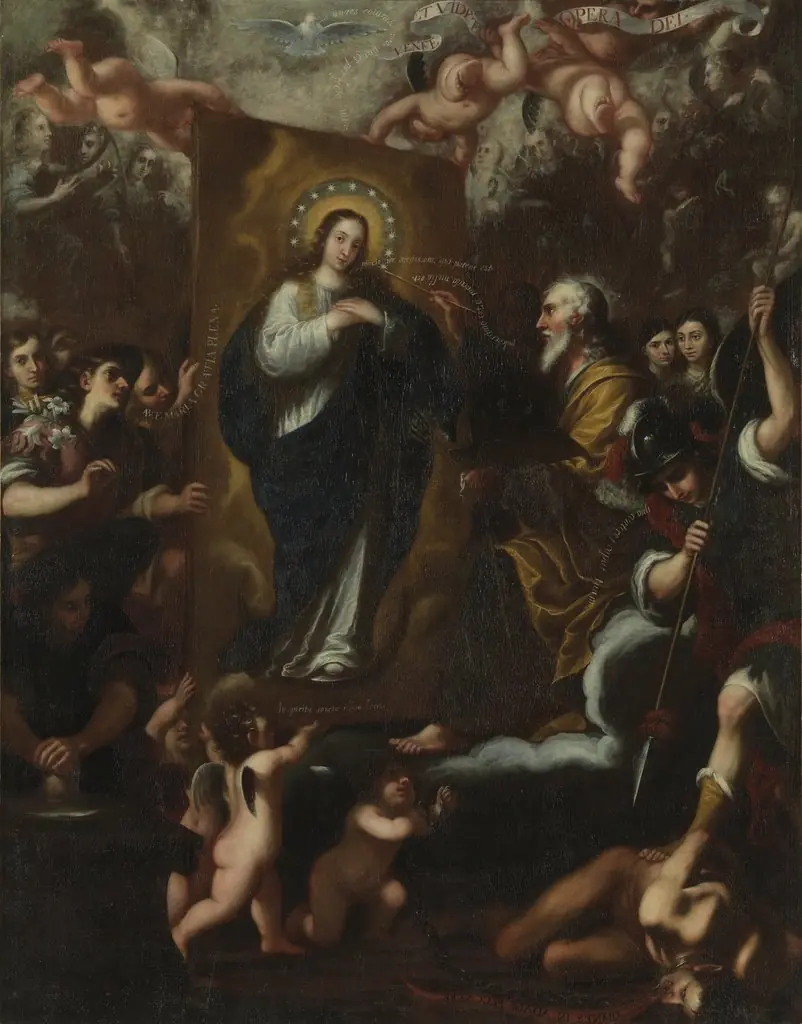 God the Father painting the Immaculate Conception
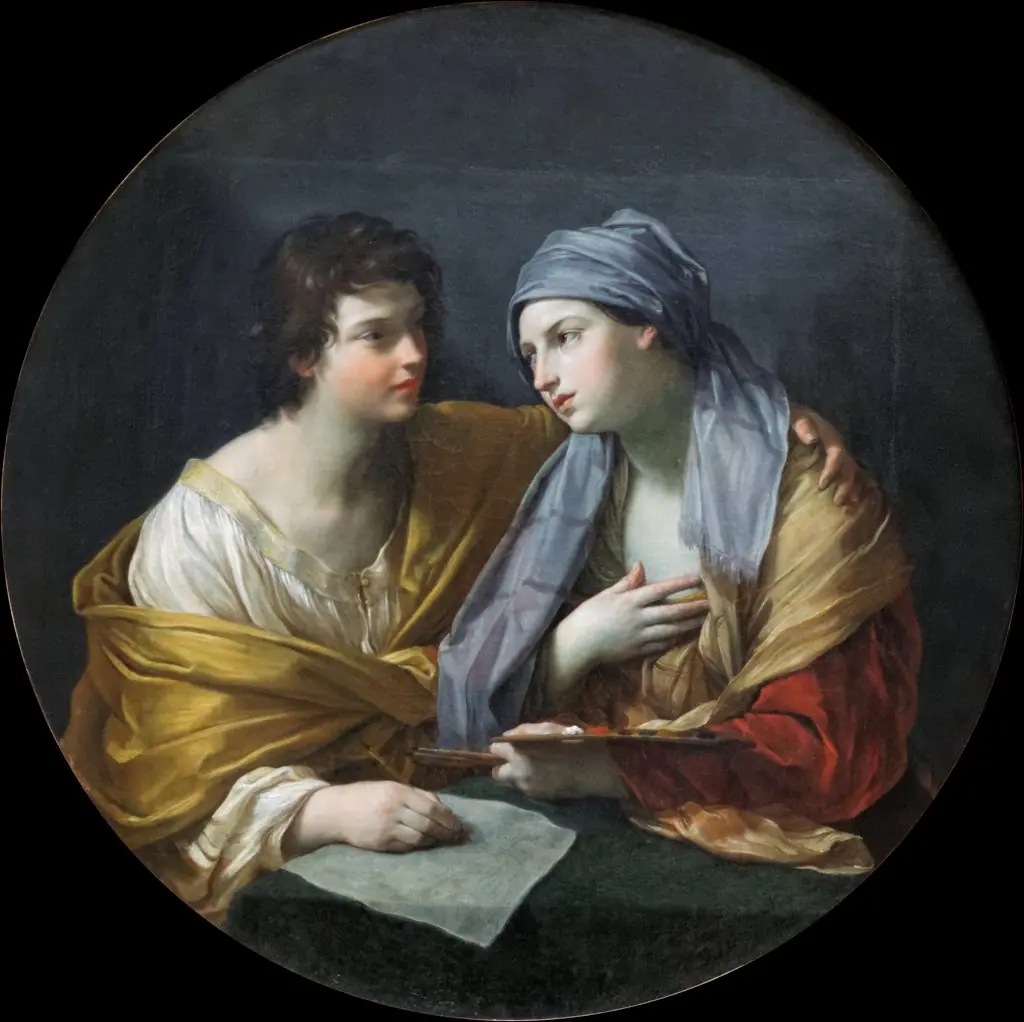 The Union of Drawing and Color
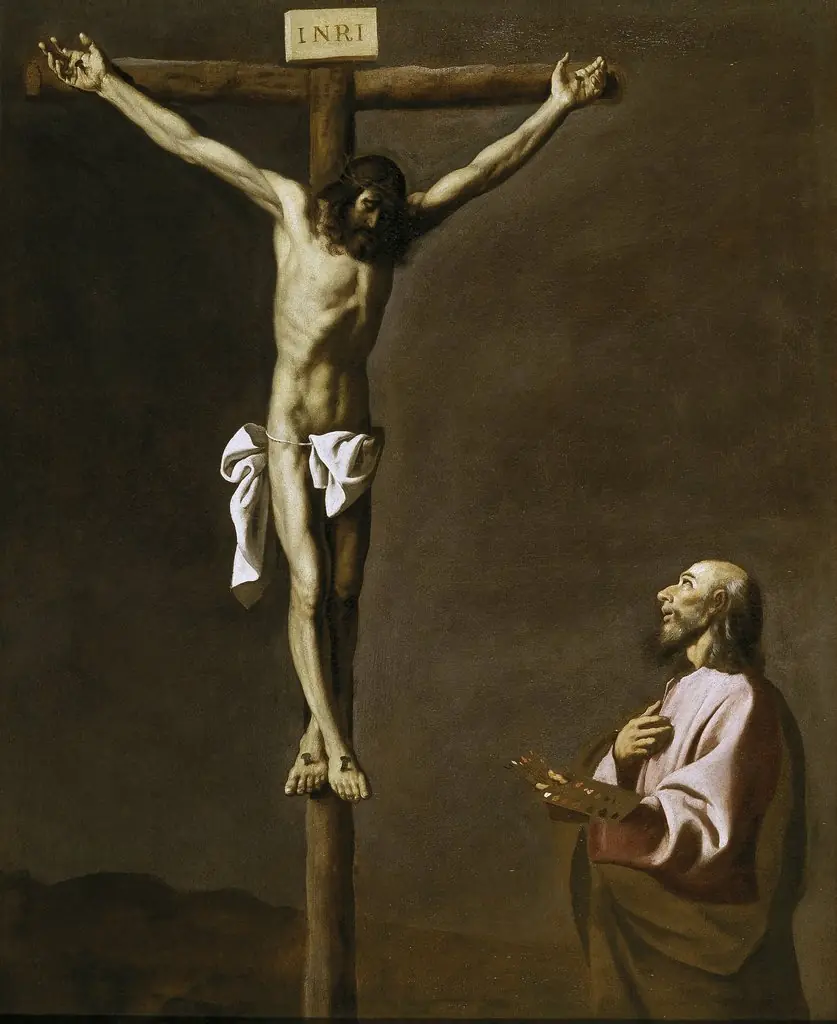 Saint Luke as a painter, before Christ on the Cross
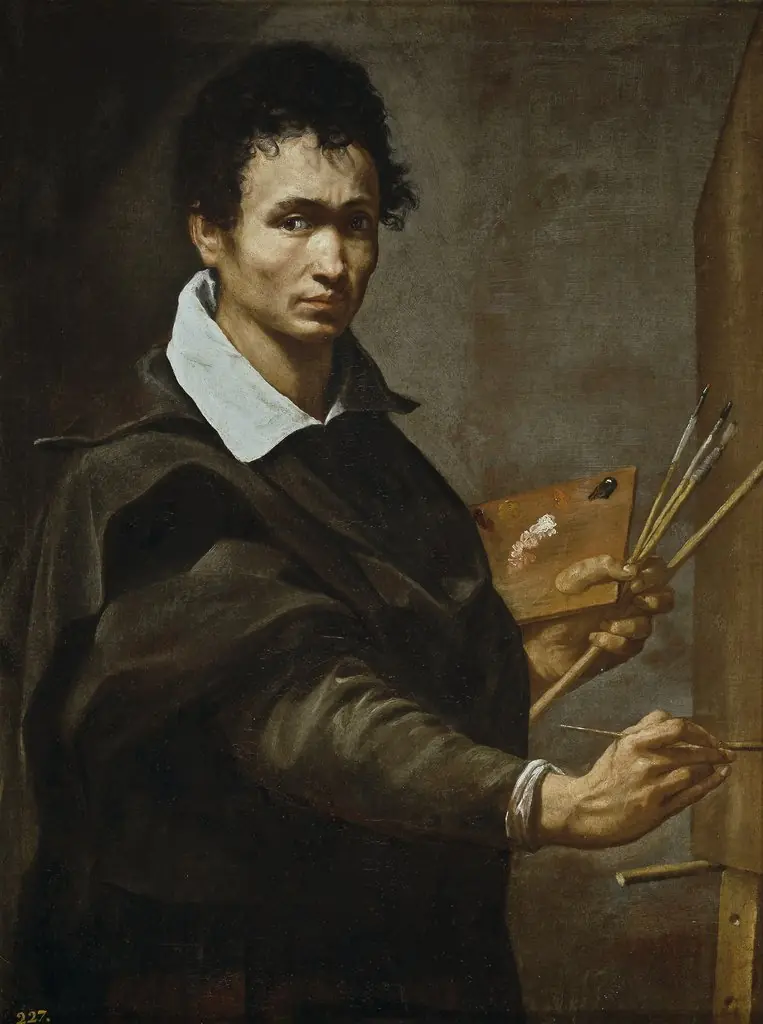 Self-Portrait (¿?)
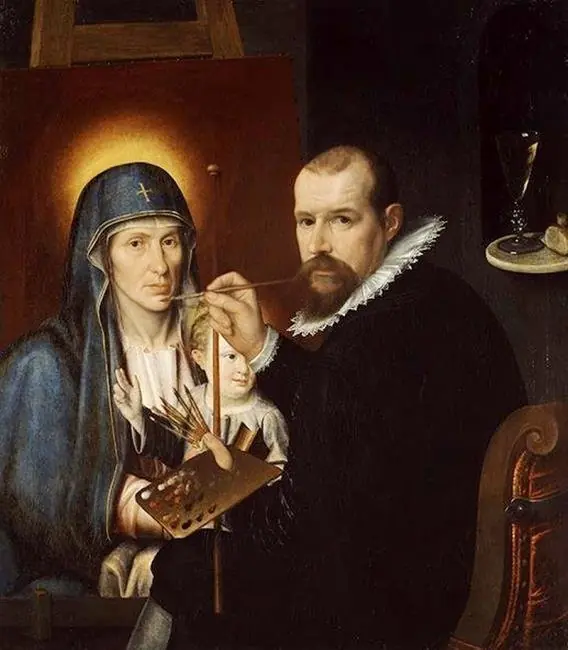 Self portrait at the easel
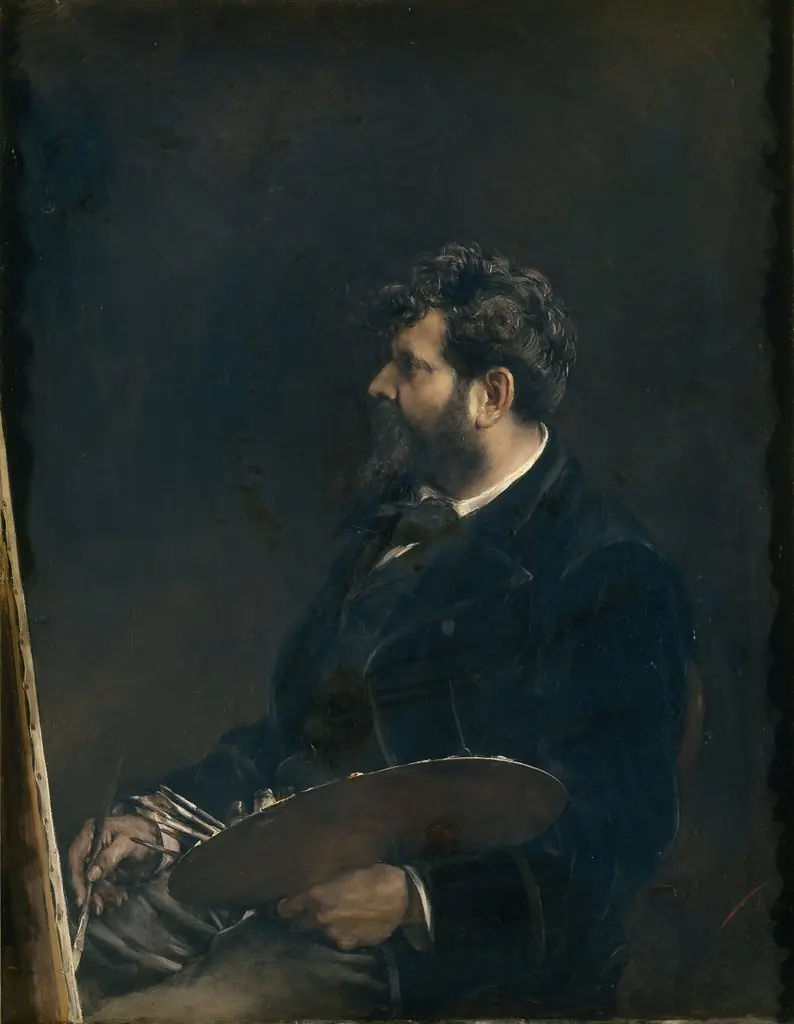 Self-Portrait
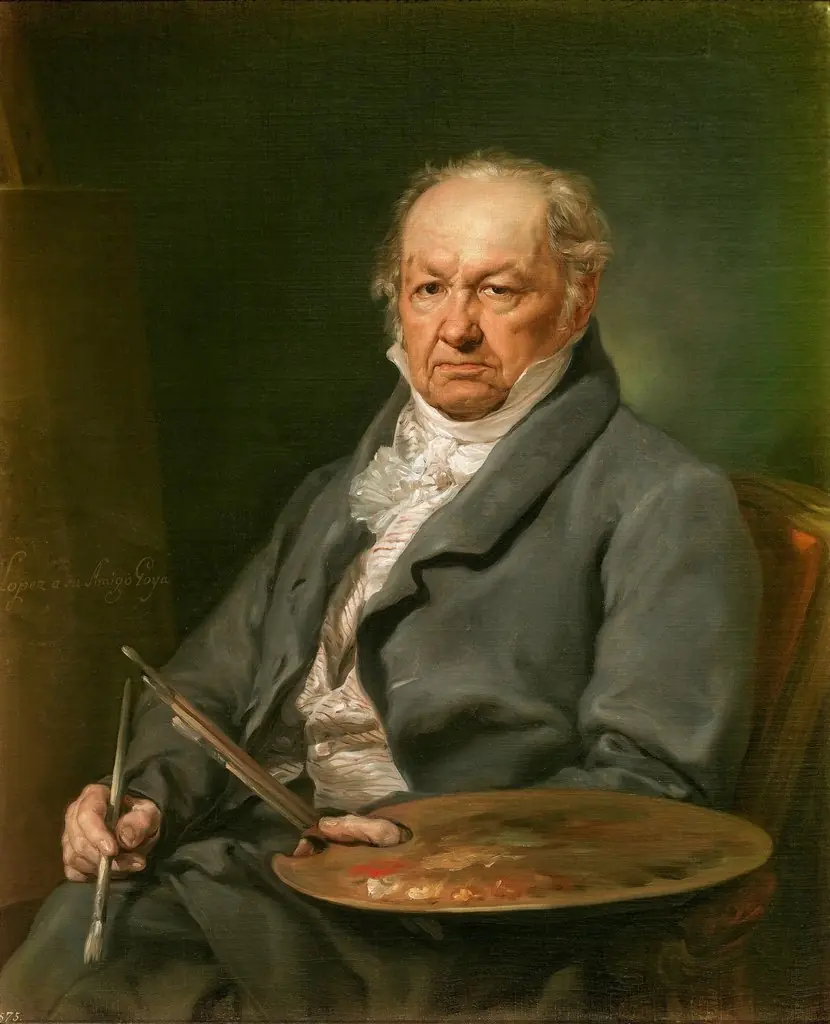 The Painter Francisco Goya
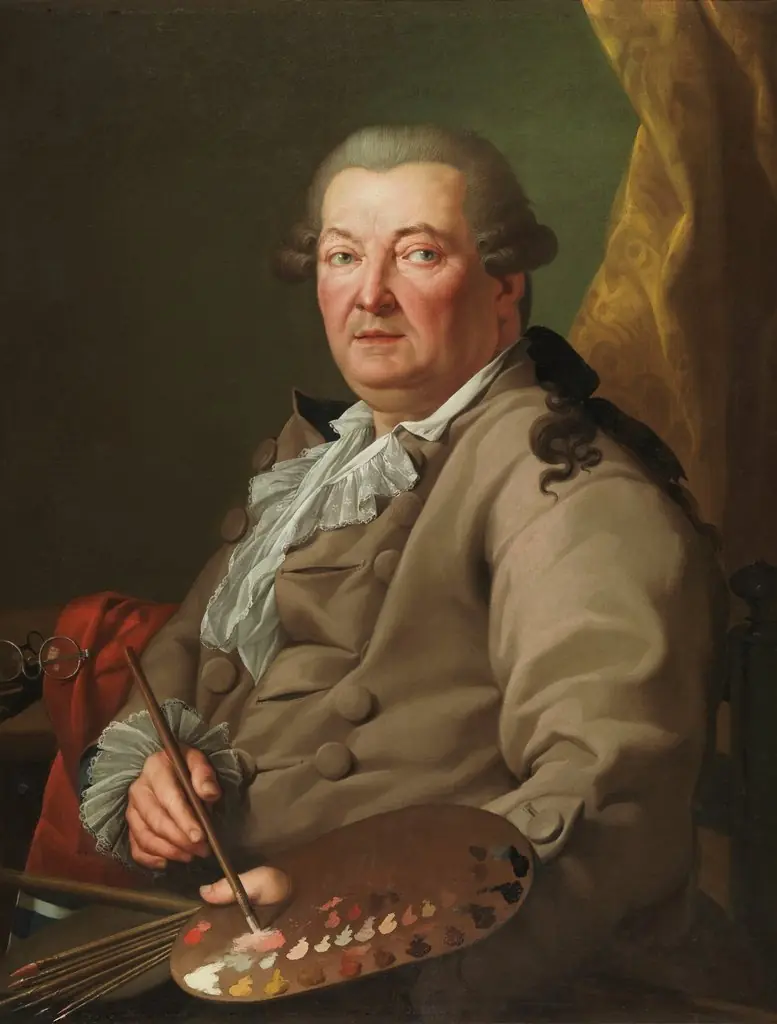 Antonio González Velázquez
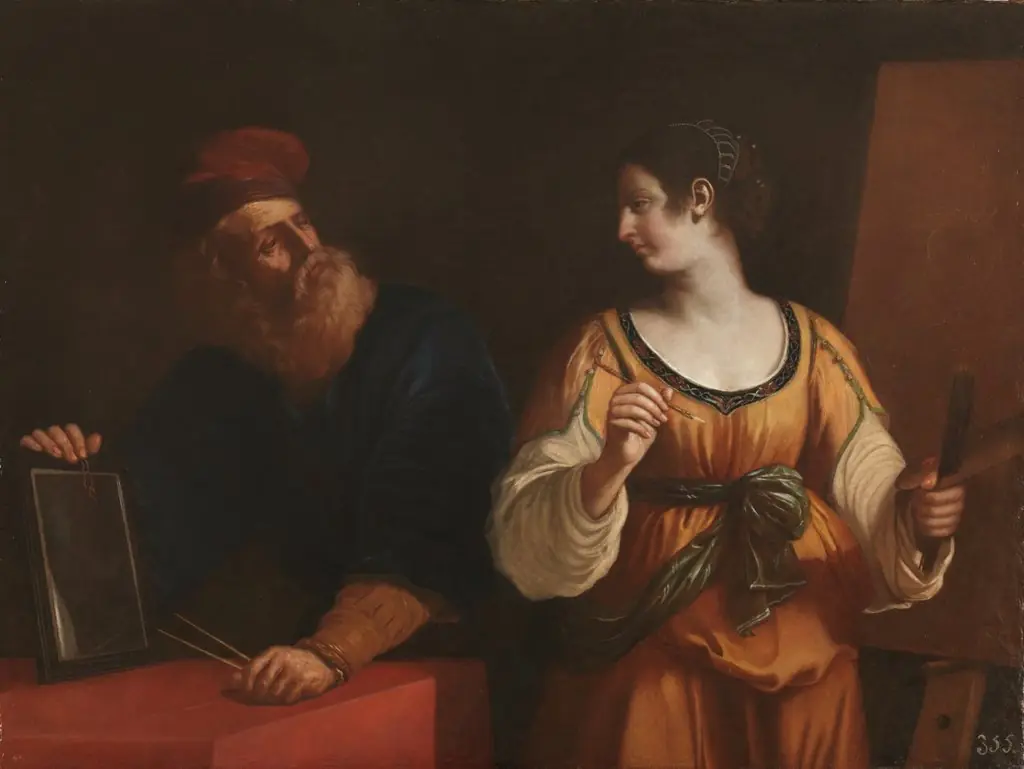 Tiziano y la Pintura o El Dibujo y la Pintura
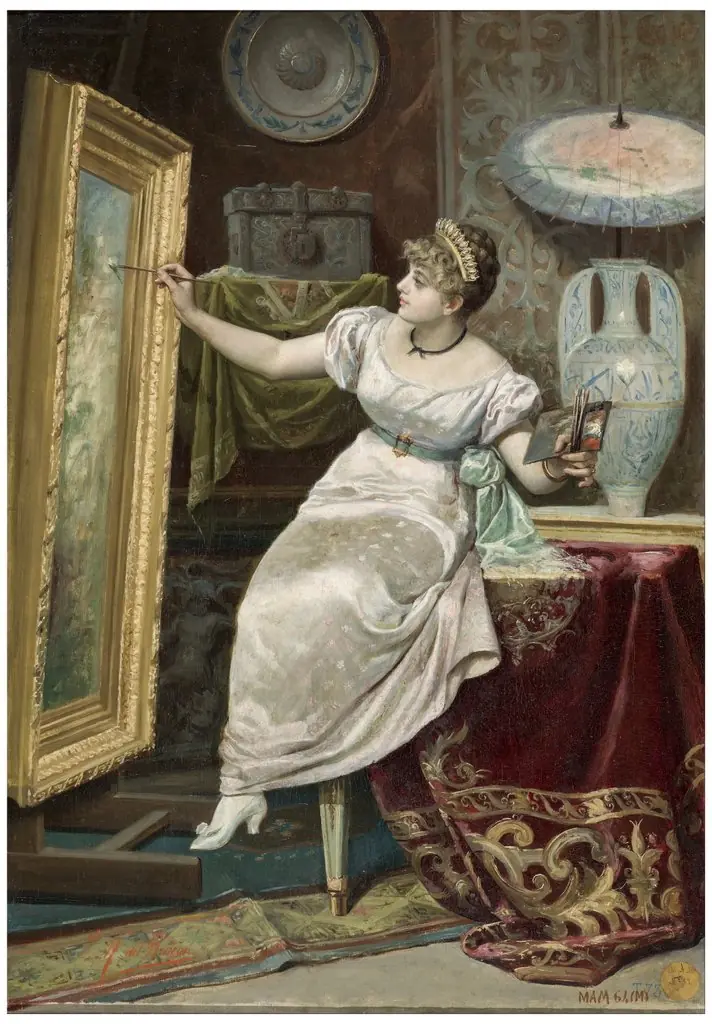 La artista
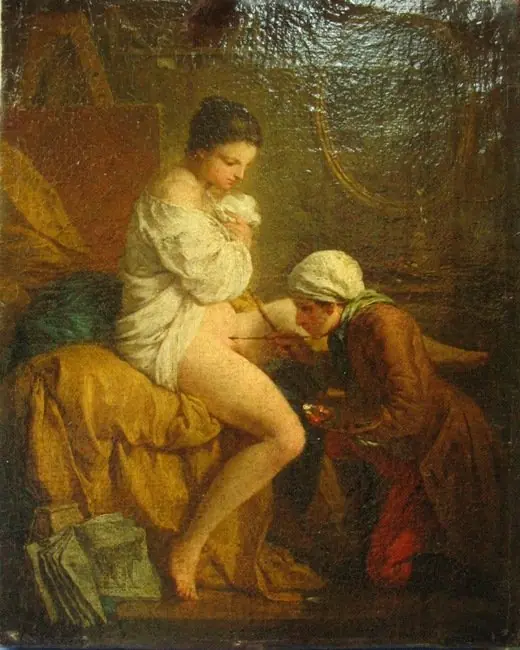 Scene from La Fontaine's Fable 'The Mare of Peasant Pierre'
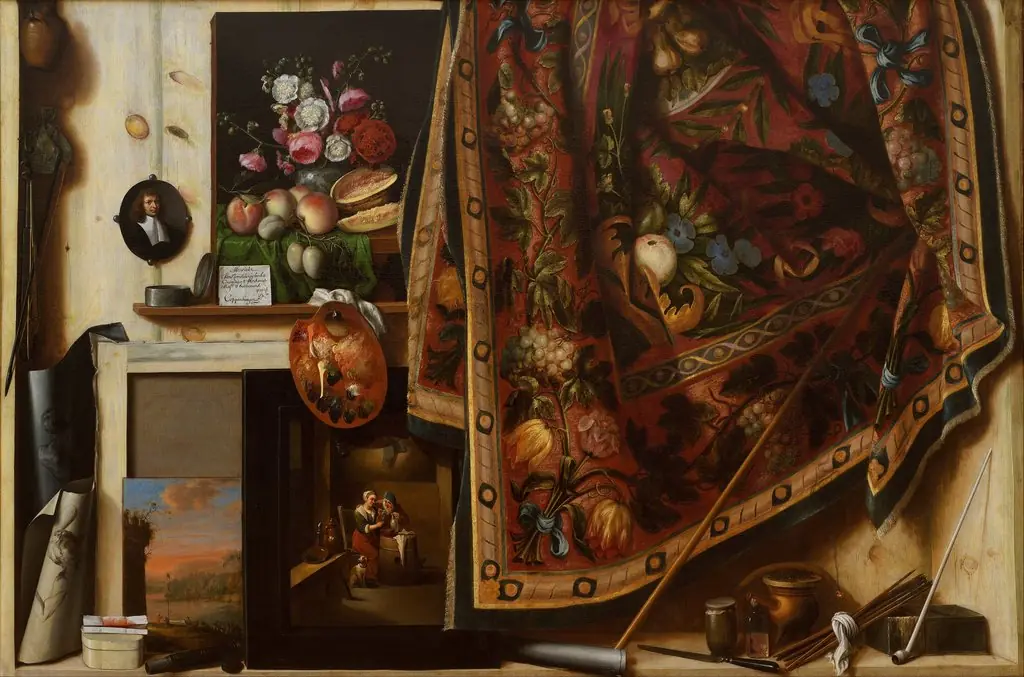 Trompe-l'œil. A Cabinet in the Artist's Studio
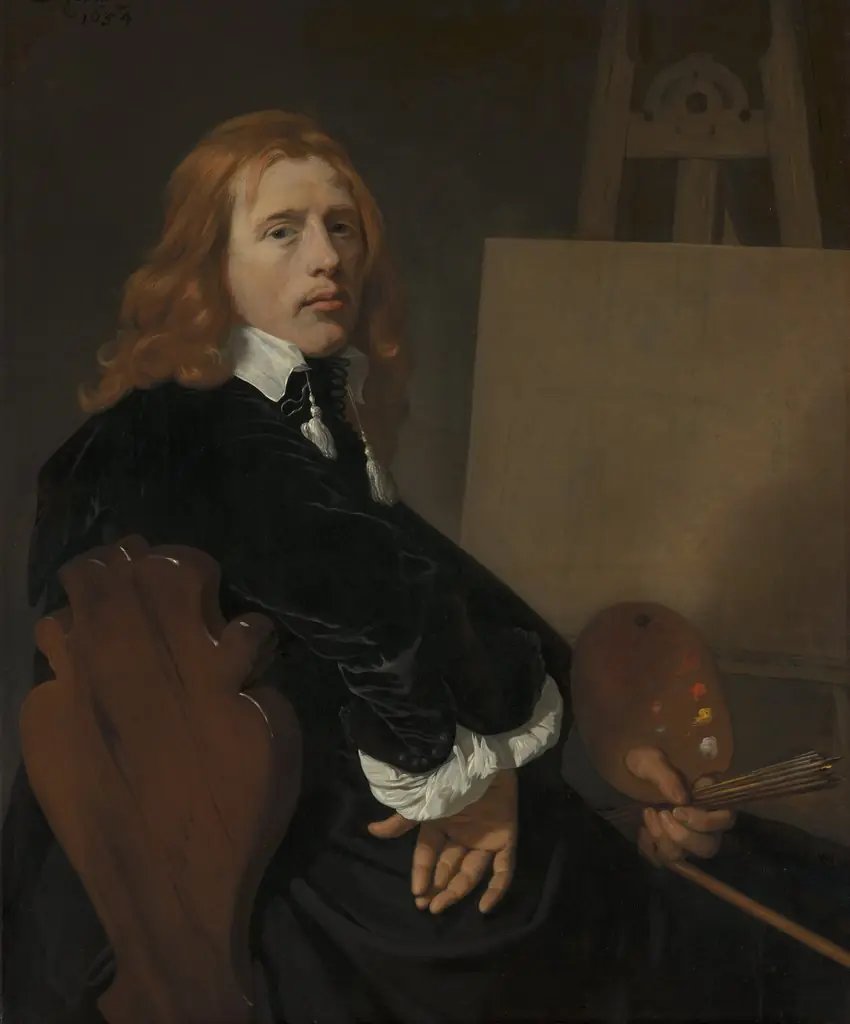 Portrait of Paulus Potter
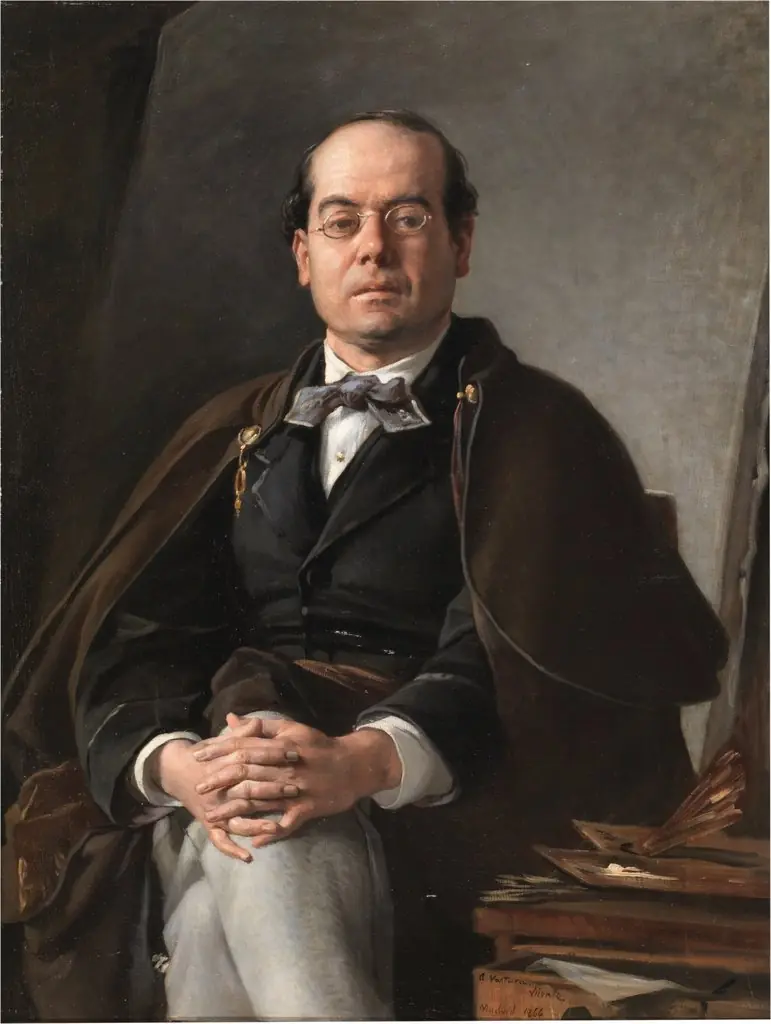 El pintor Ventura Miera
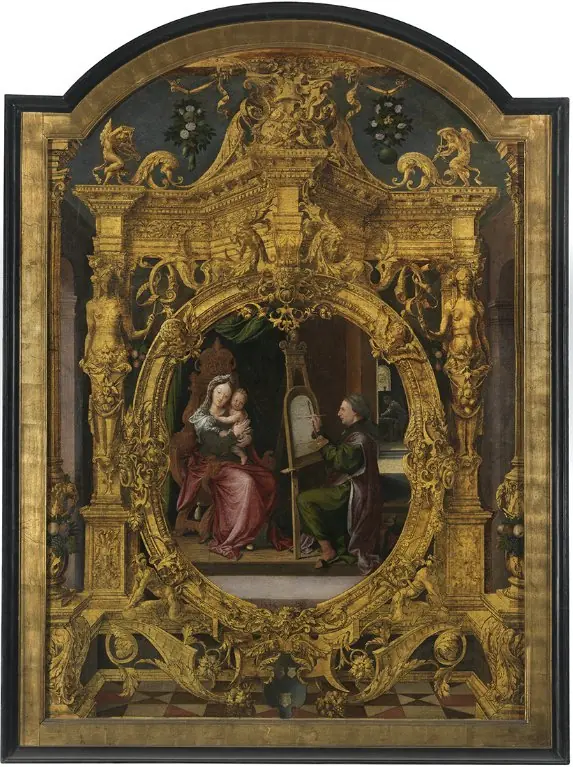 Saint Luke painting the Madonna
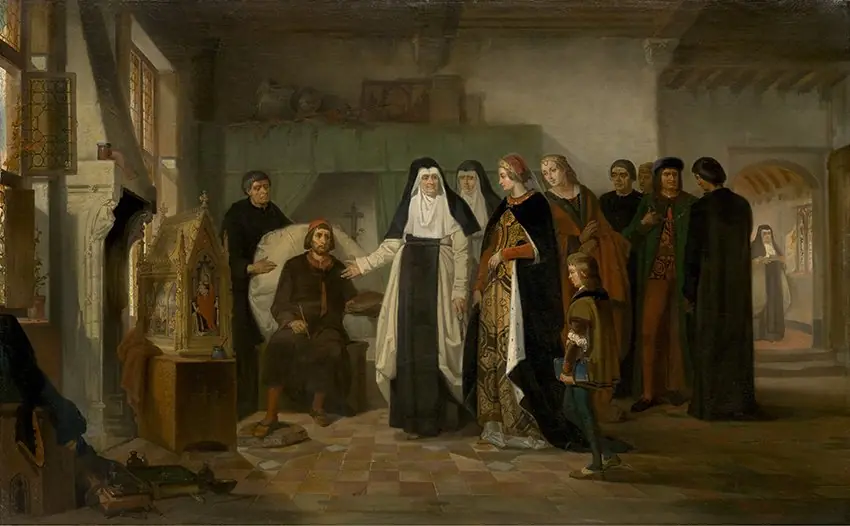 Memling schildert de Rijve van de Heilige Ursula
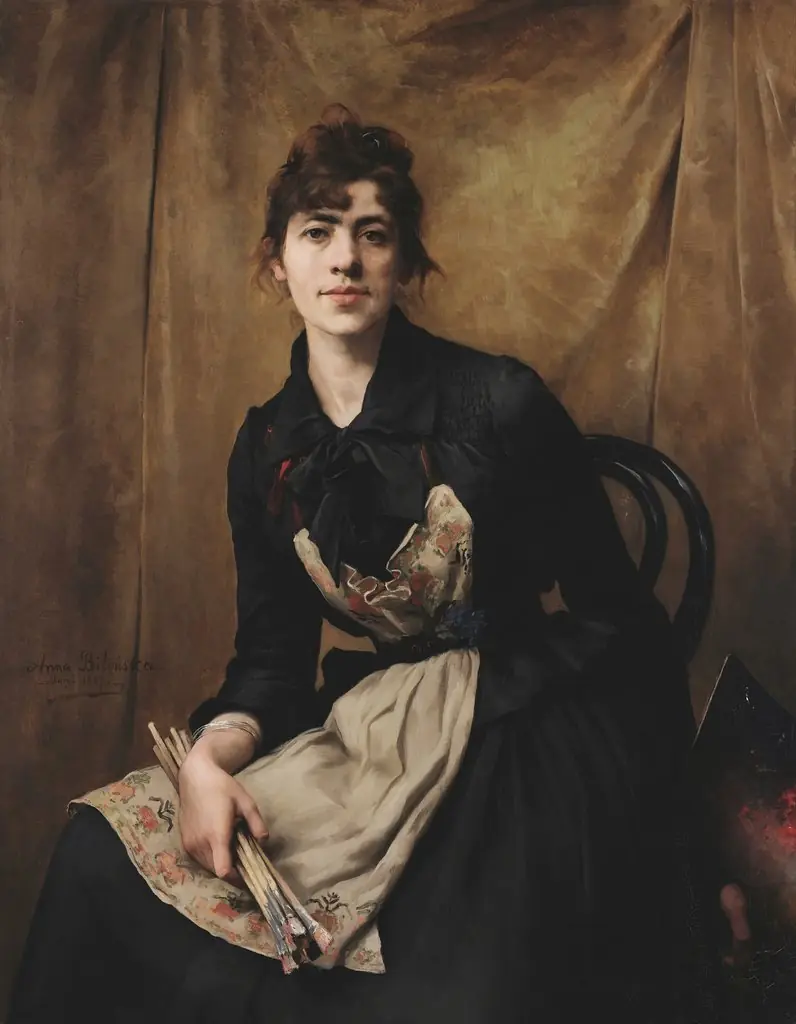 Self-Portrait with Apron and Brushes
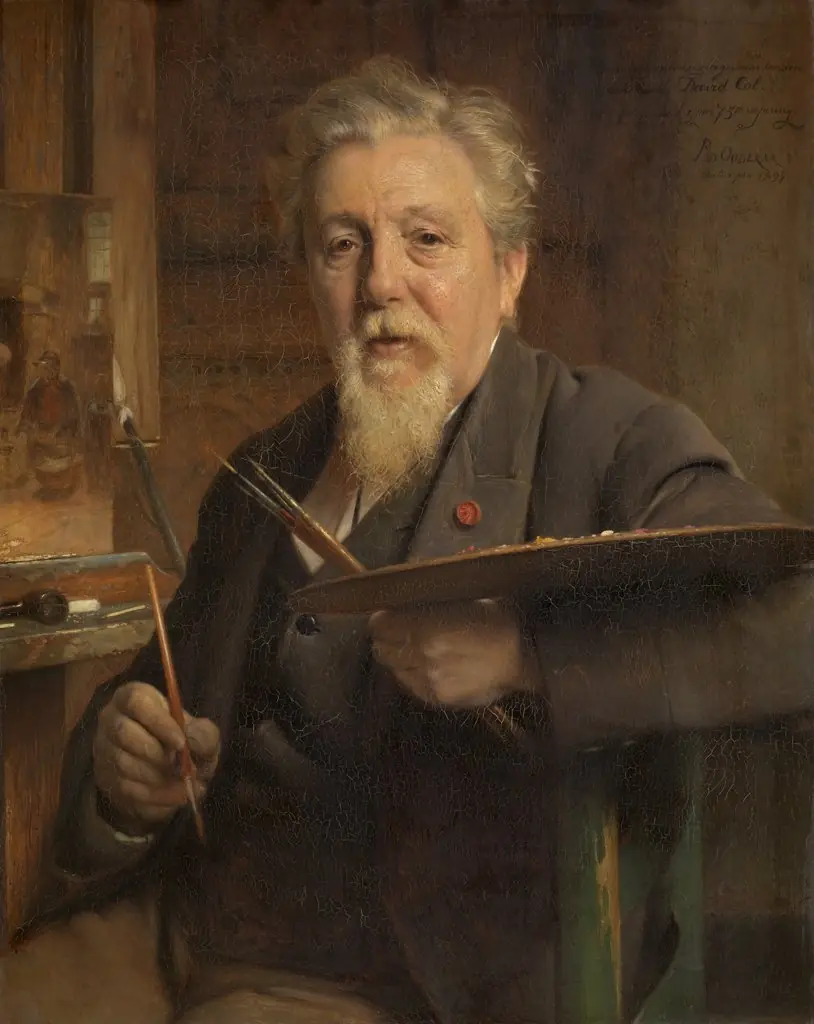 The Painter Jan David Col
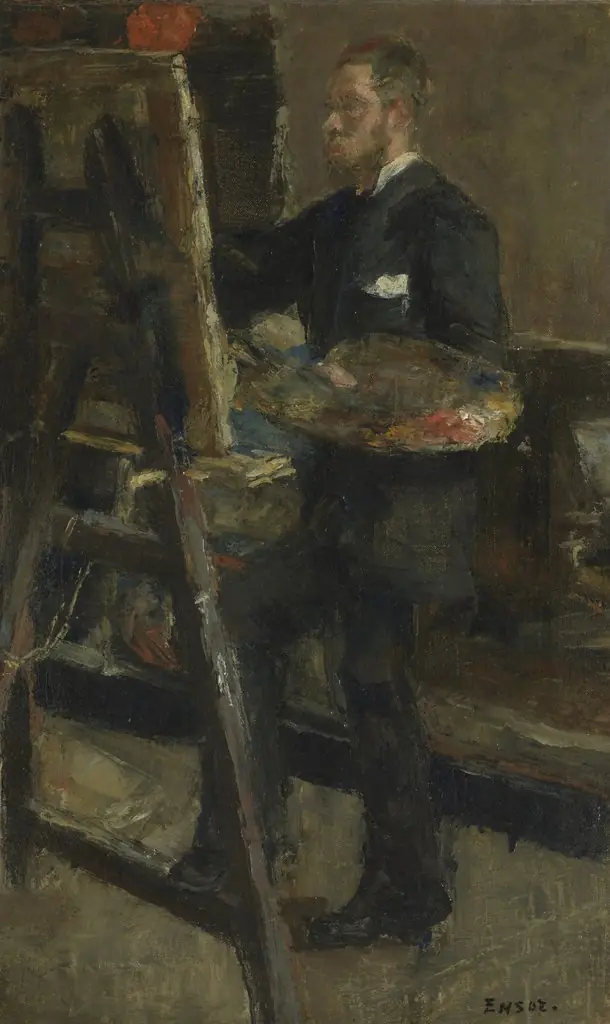 The Painter Alfred William Finch
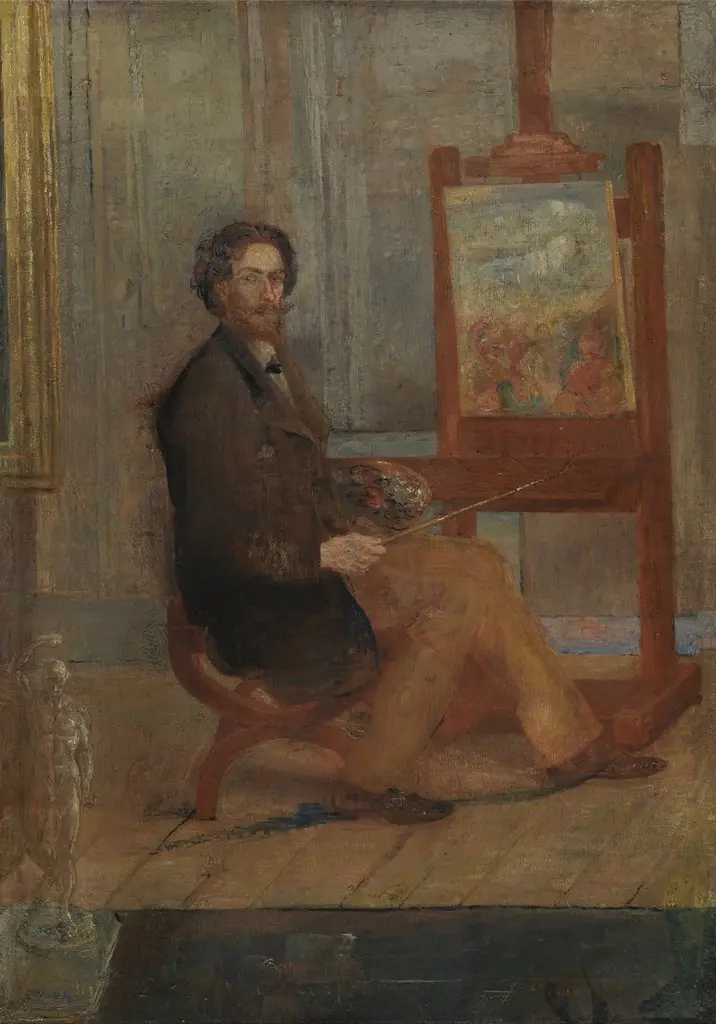 Ensor at his Easel
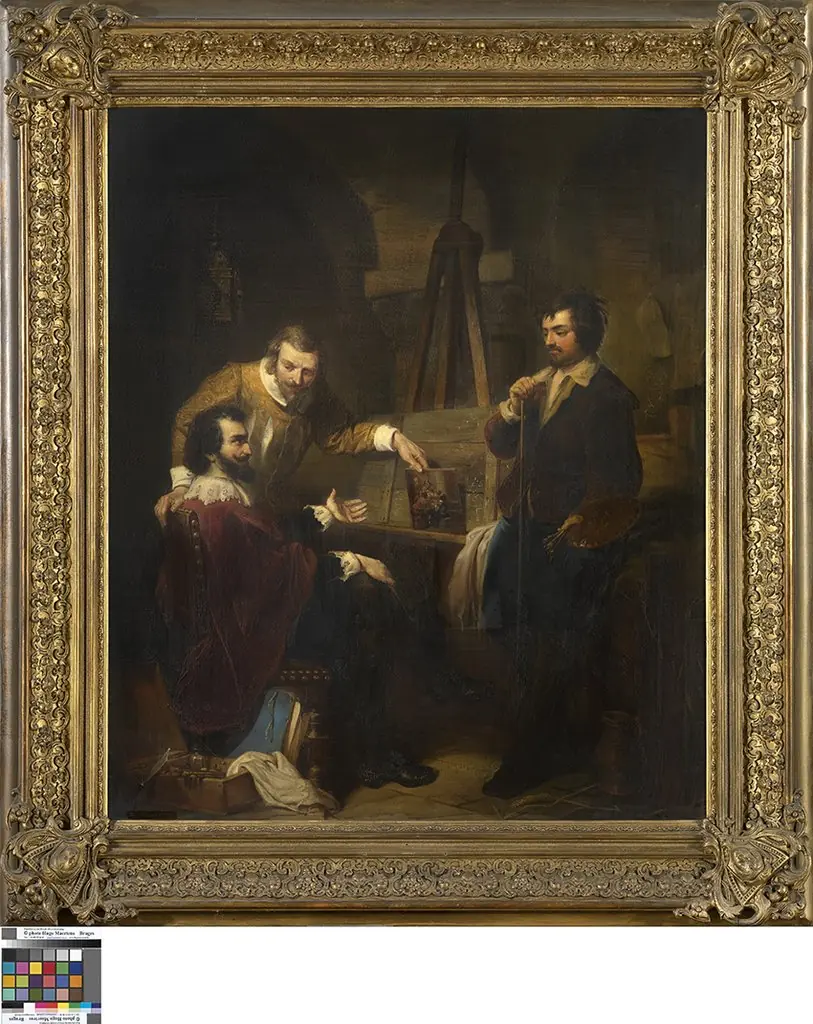 Peter Paul Rubens bezoekt Adriaen Brouwer in de Citadel van Antwerpen
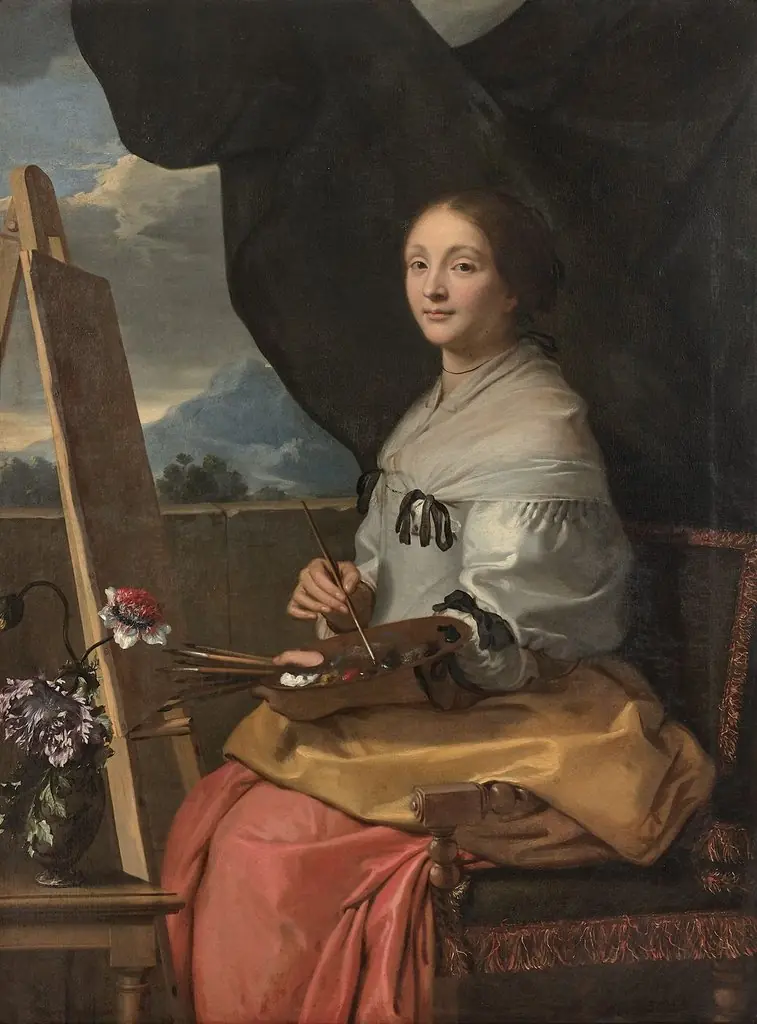 Portrait of Catherine Duchemin
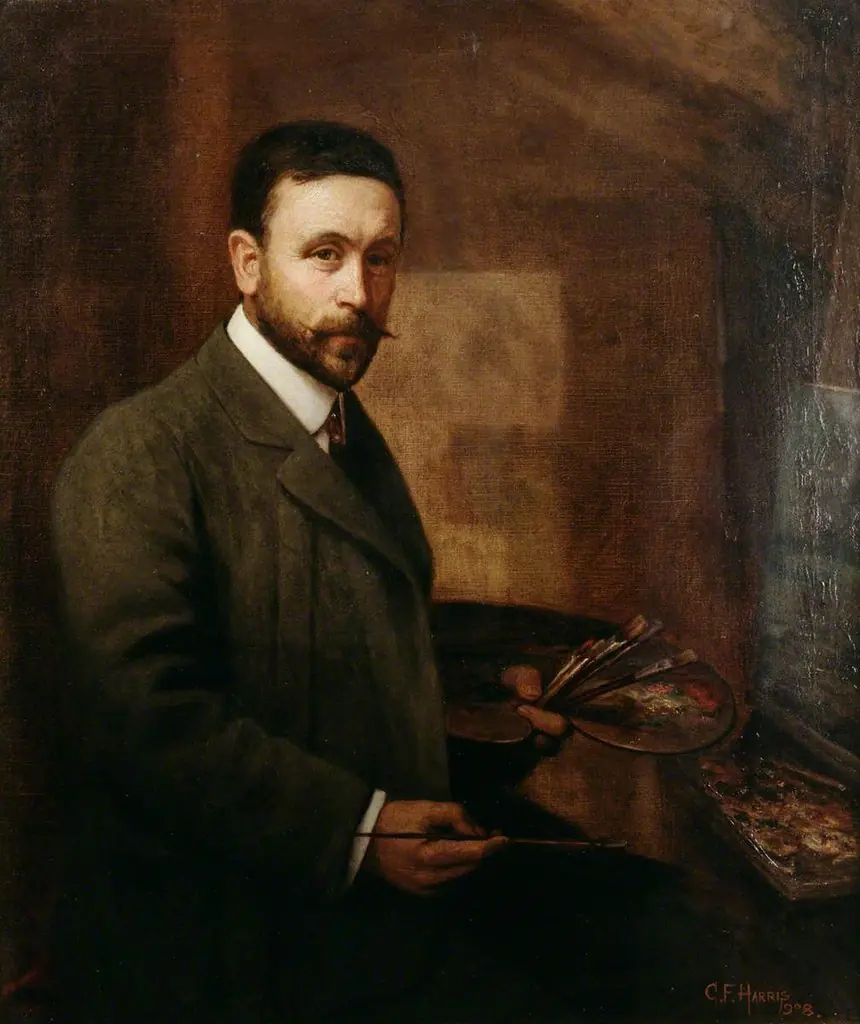 Portrait of a Man
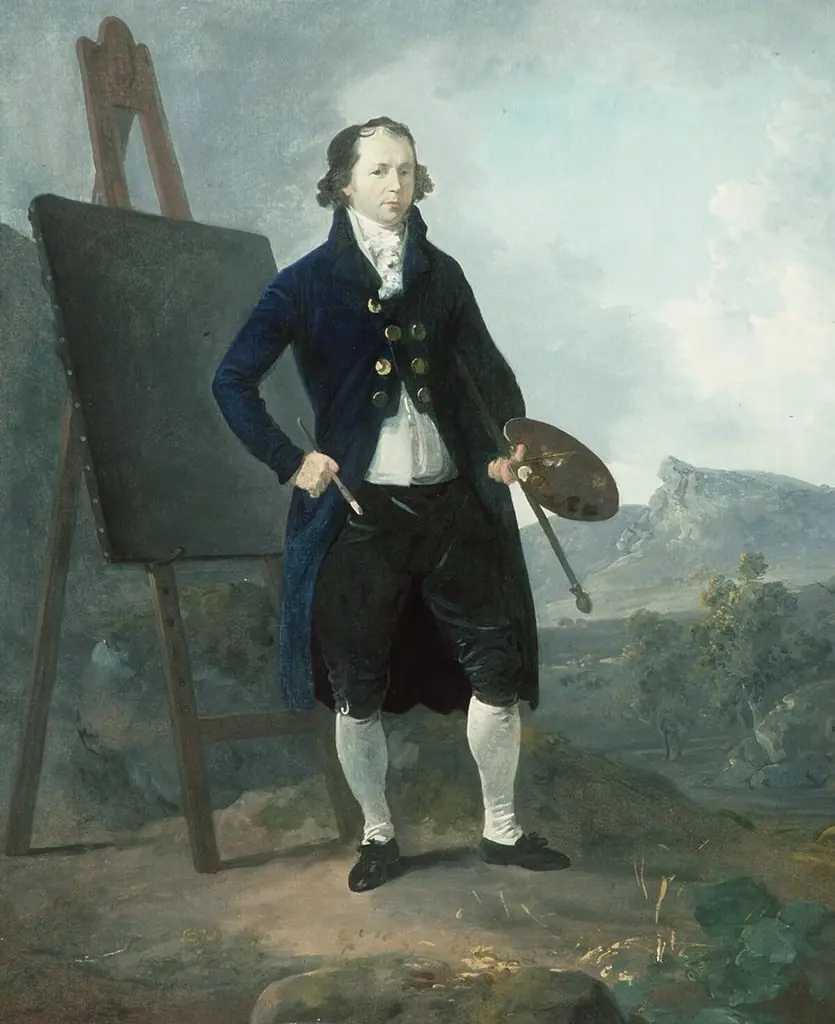 Self portrait of artist in landscape
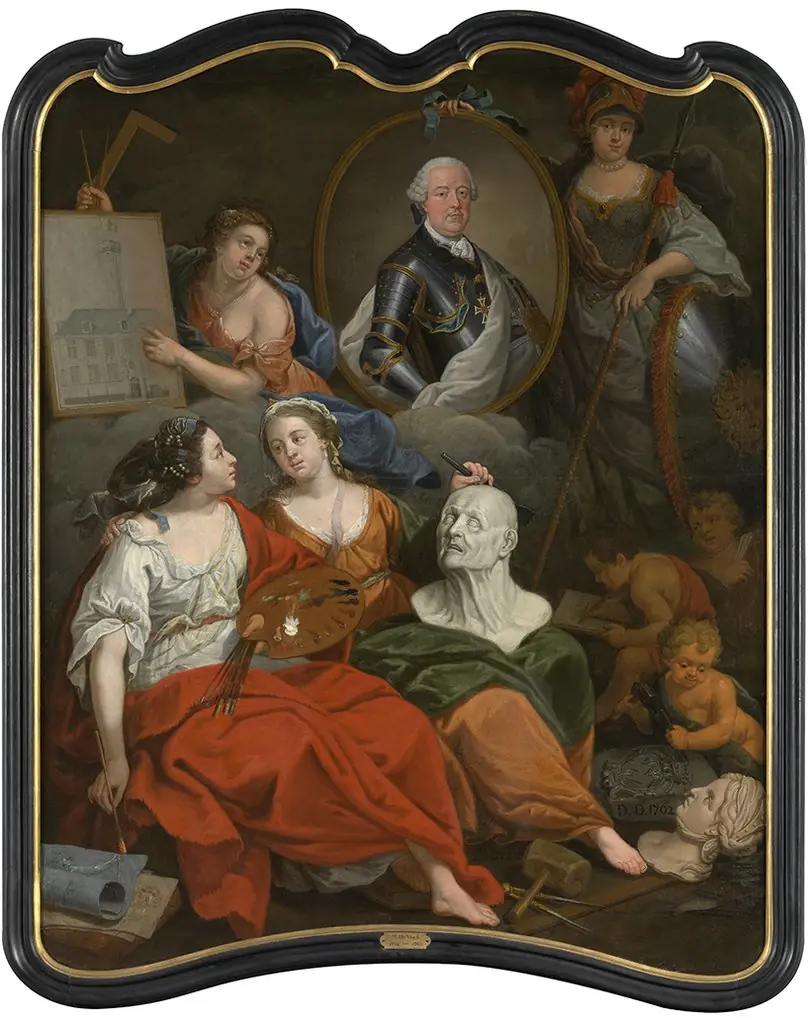 Karel van Lotharingen als beschermheer van de Kunsten
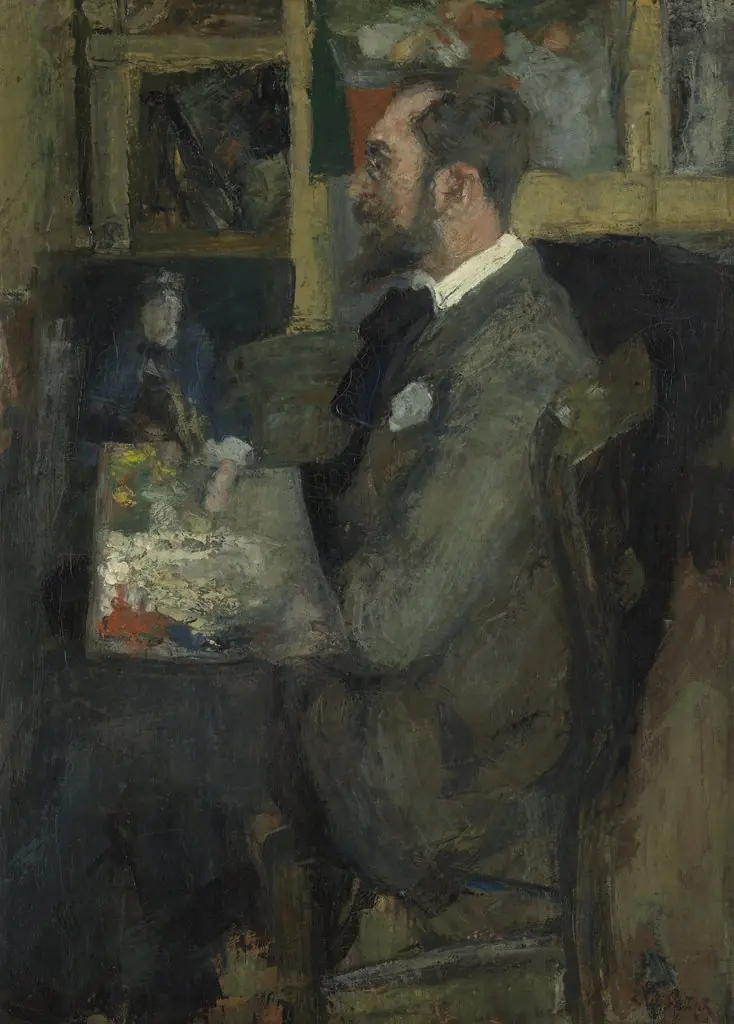 Theo Hannon
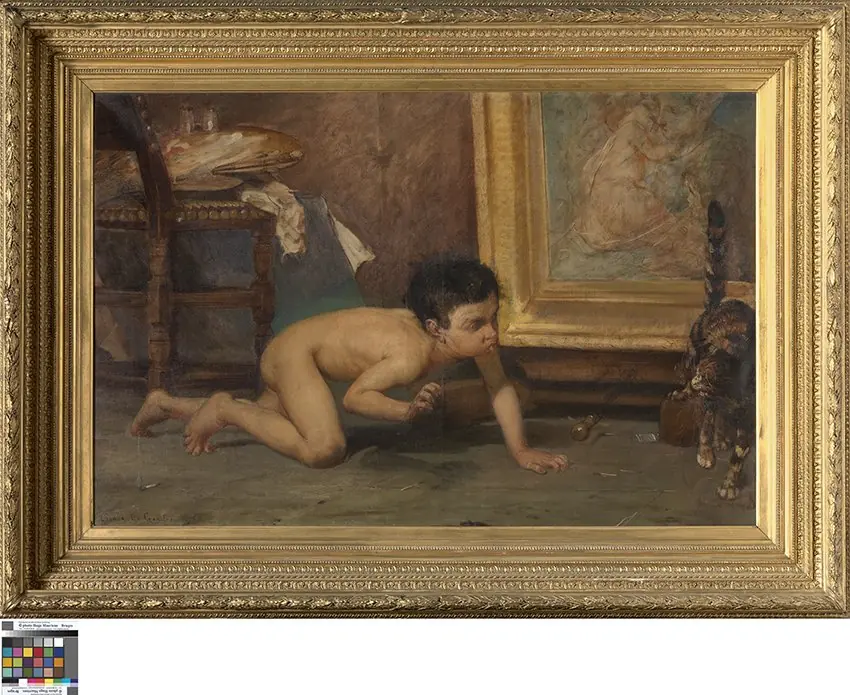 Alleen in het atelier
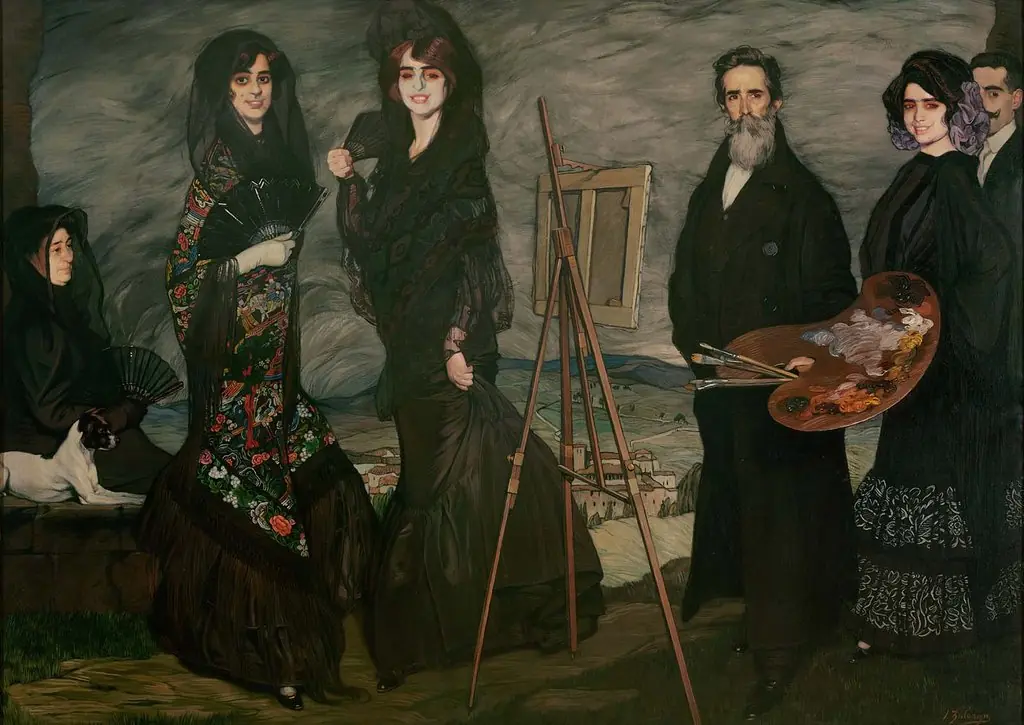 My Uncle Daniel and his Family
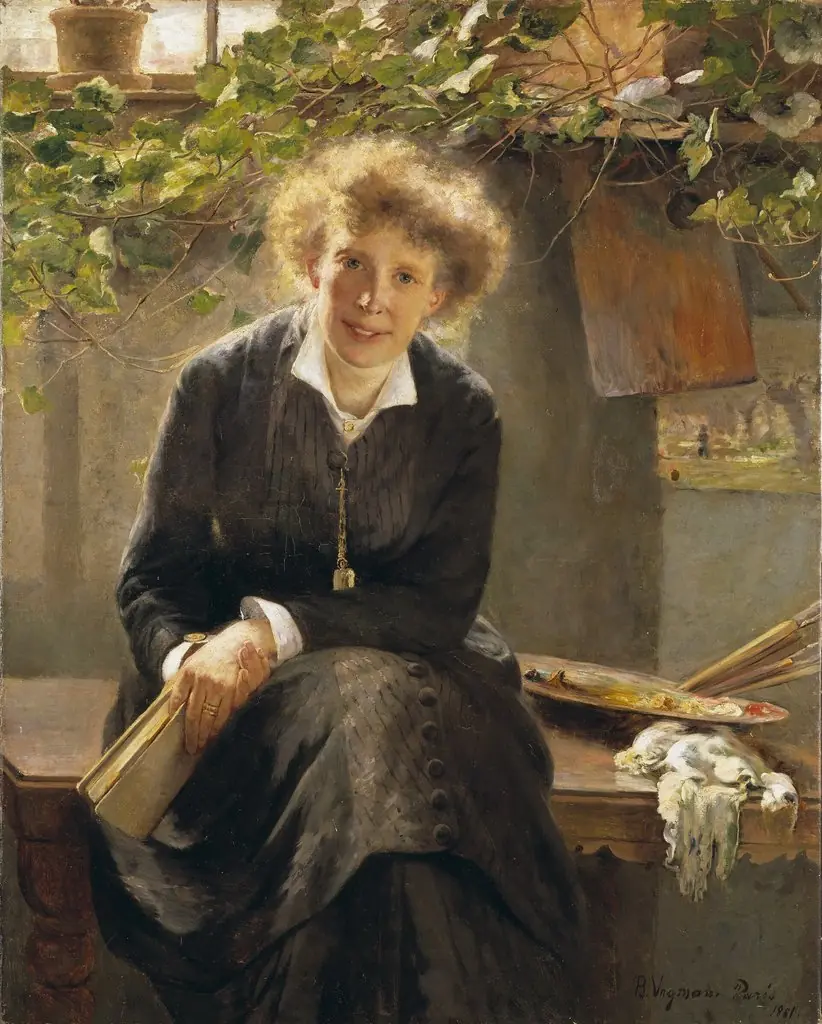 Portrait of the painter Jeanna Bauck
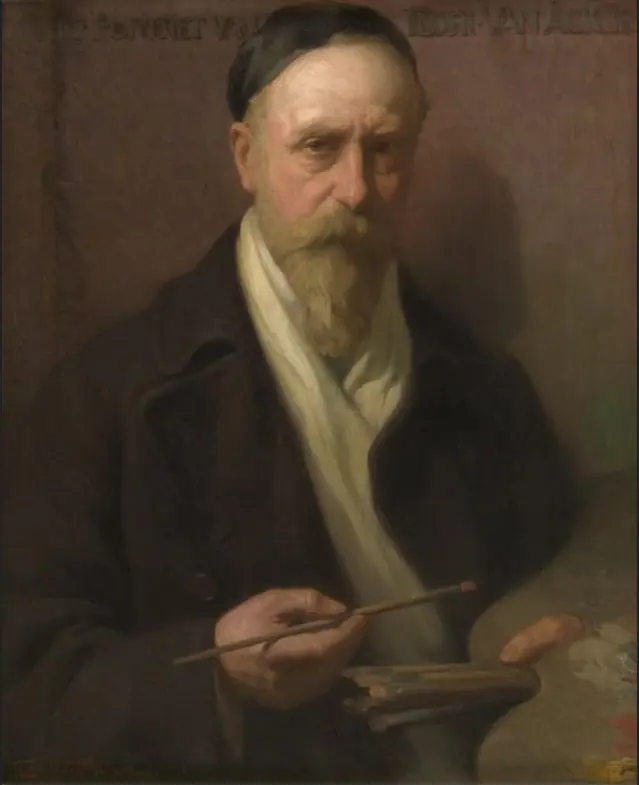 Zelfportret
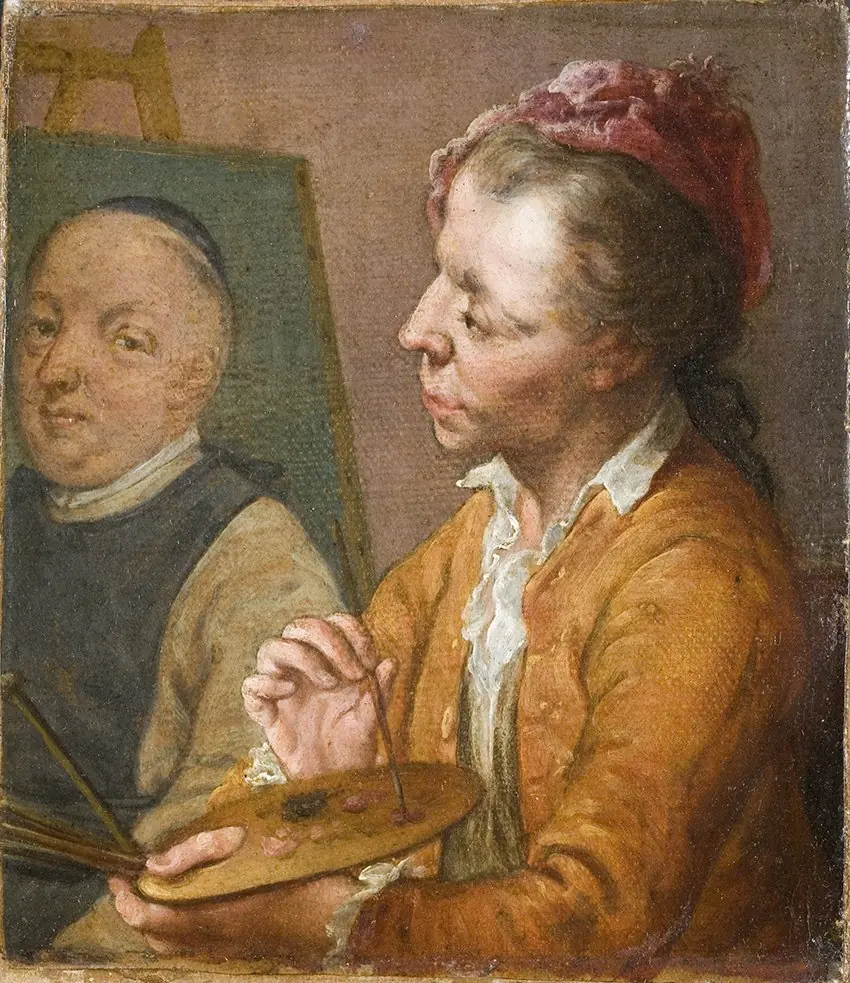 Een schilder aan het werk
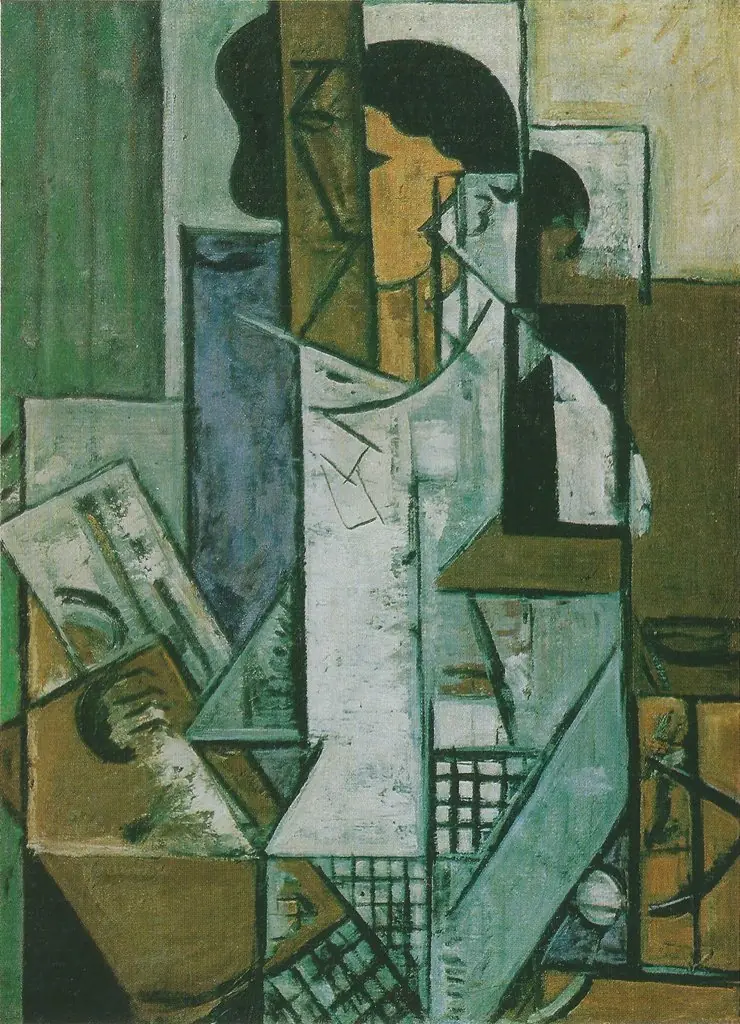 Self-Portrait with Palette
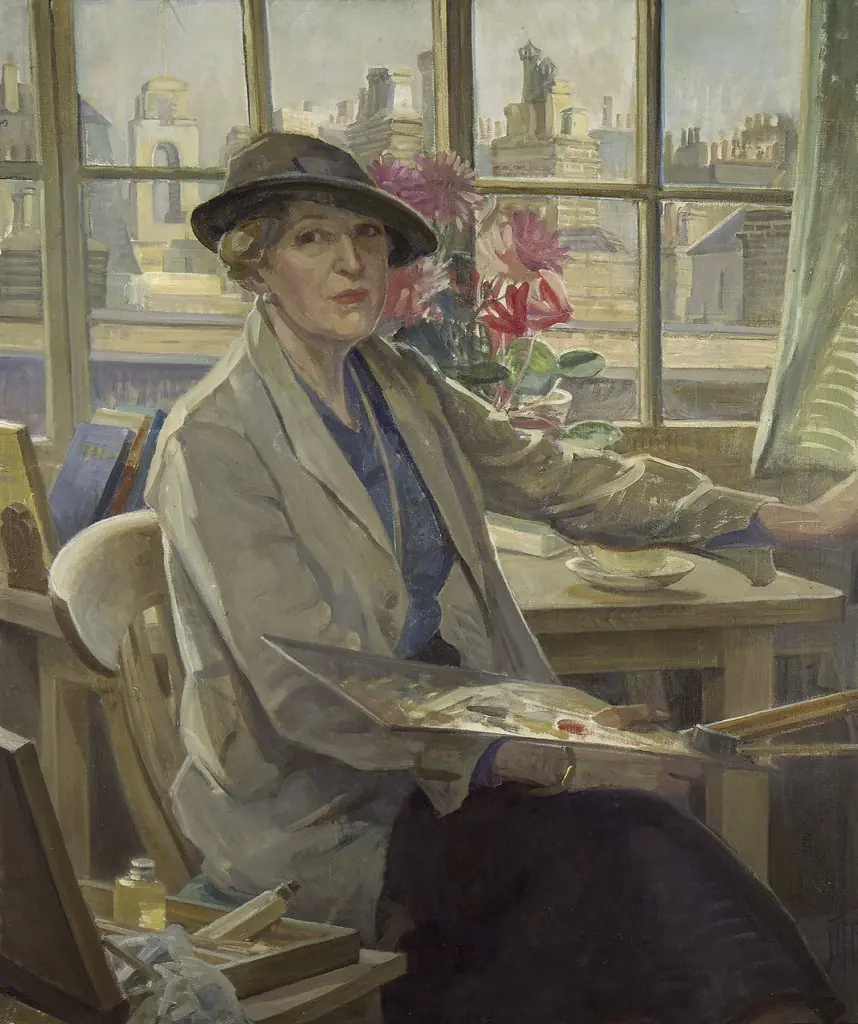 Self portrait
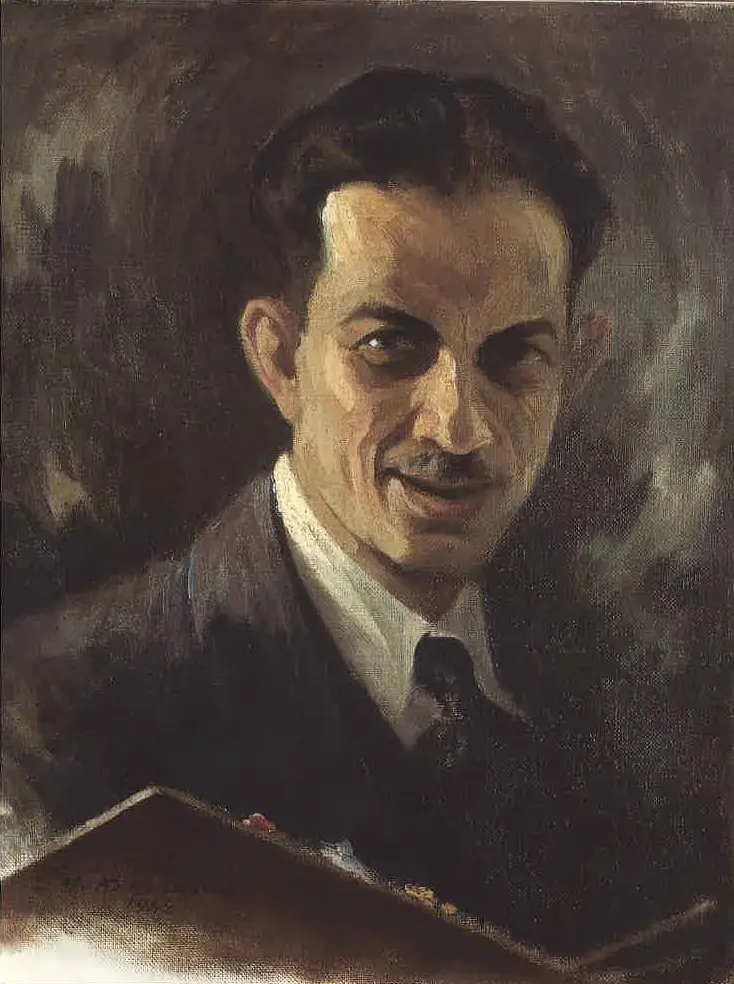 Autoportrait with the Palette
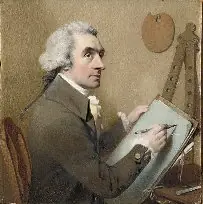 Self-Portrait
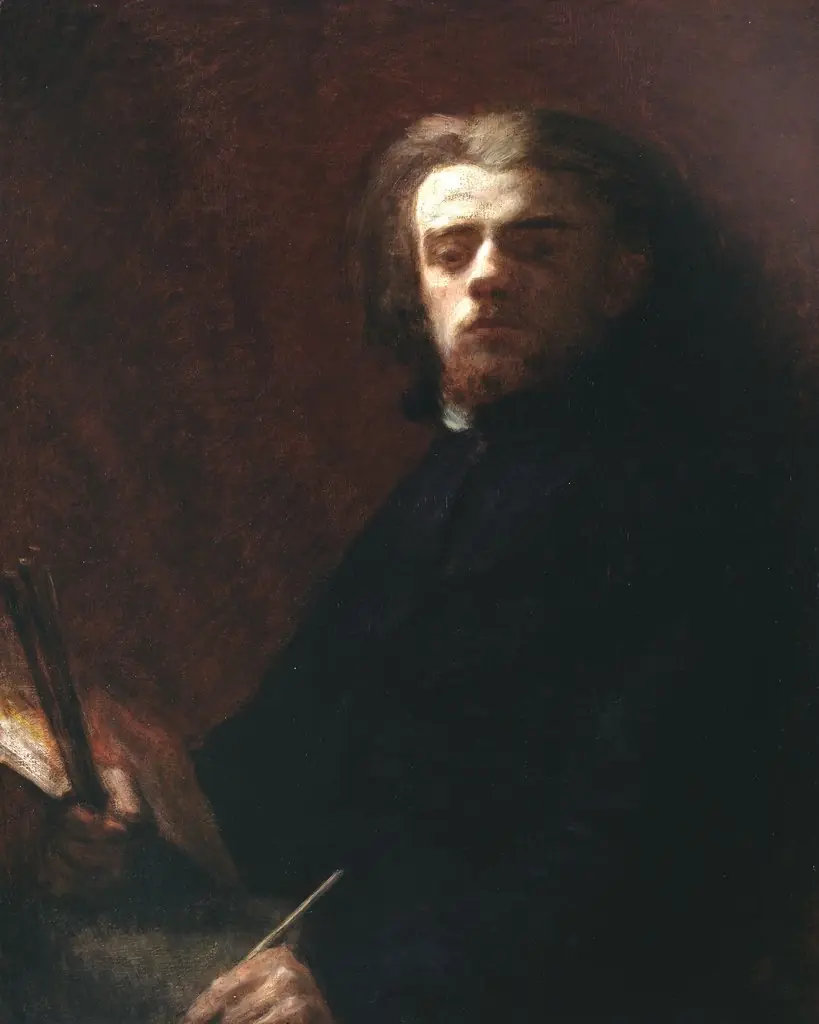 Autoportrait assis, palette à la main
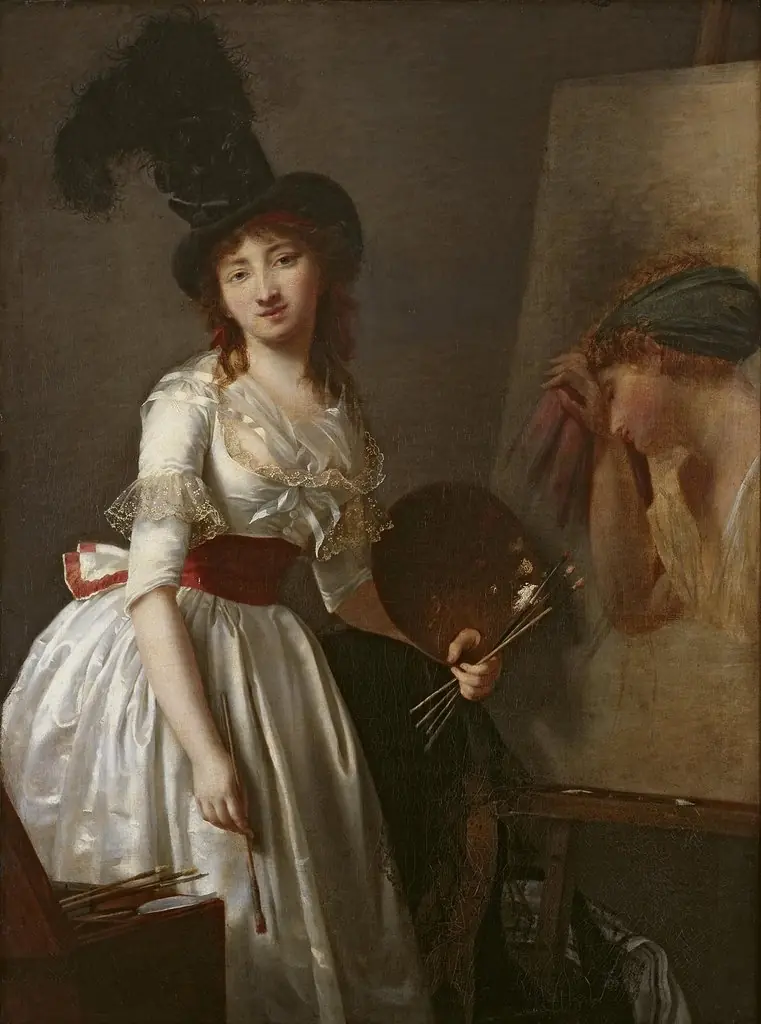 Portrait of a Female Painter, Pupil of David
 Femeie cosând
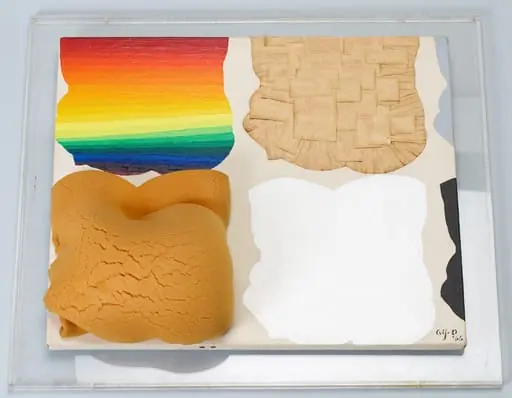 Untitled
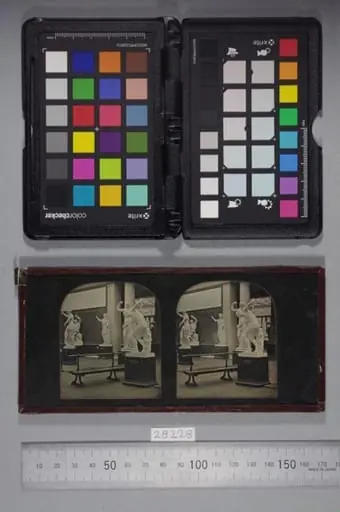 Sculpture Court at Crystal Palace, including the Discobolus
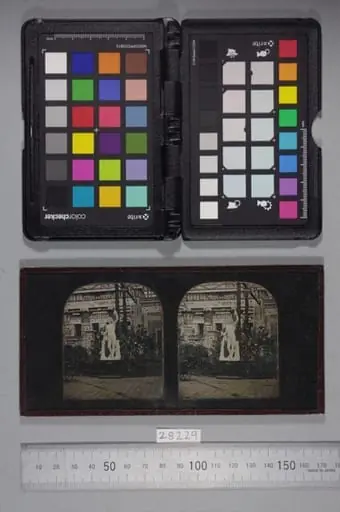 Sculpture of Bacchus at Crystal Palace
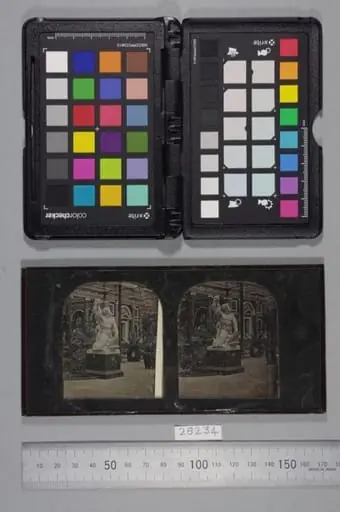 'Triton' by Giovanni Angelo Montorsoli at Crystal Palace
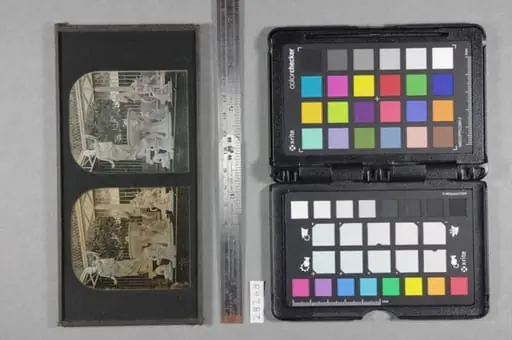 Greco-Roman Sculptures at Crystal Palace
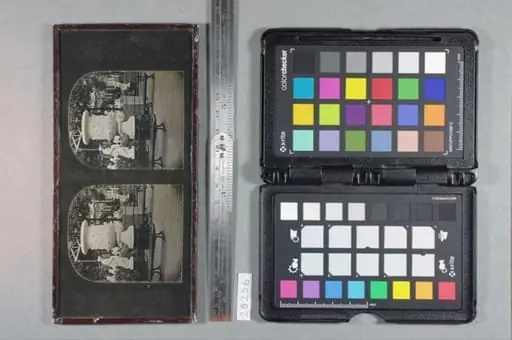 Sculptures at Crystal Palace
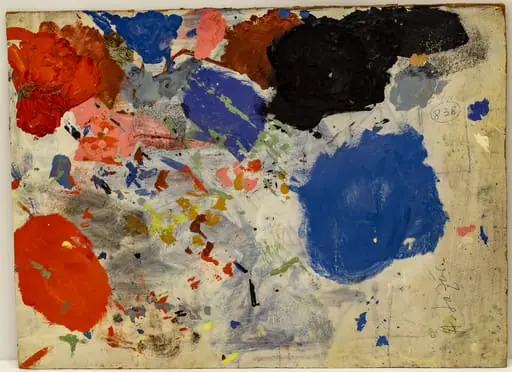 Album
Album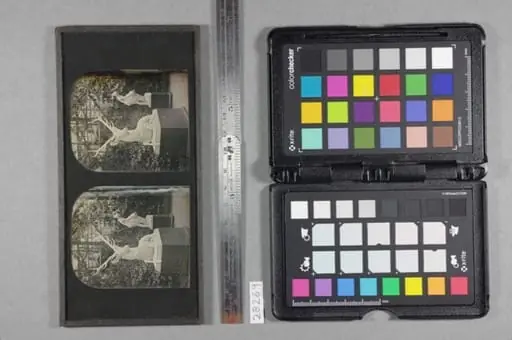 Statue of a Stag at Crystal Palace
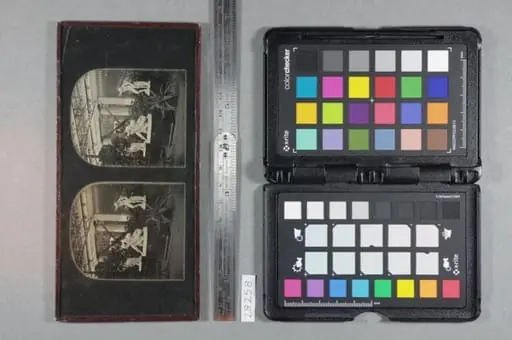 Sculpture Court at Crystal Palace, including 'The Wrestlers'
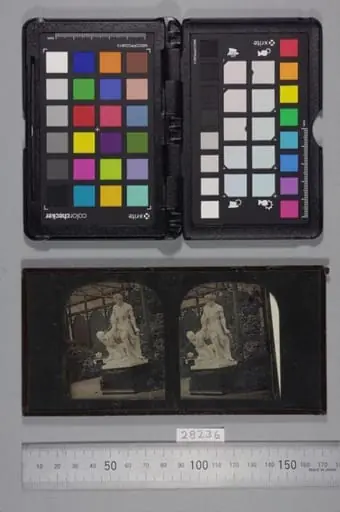 'The Murder of the Innocents' by Giuseppe Dini at Crystal Palace
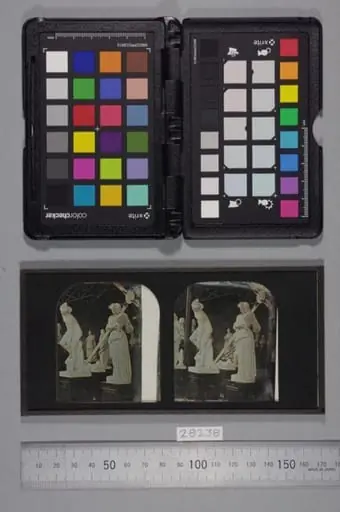 Sculptures at the Crystal Palace
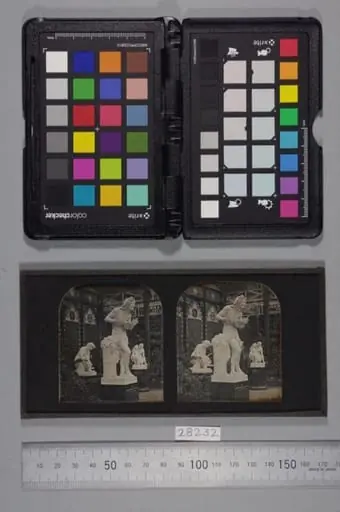 Sculpture Court at Crystal Palace
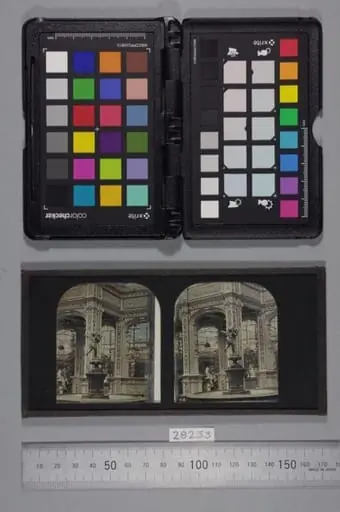 Crystal Palace Interior
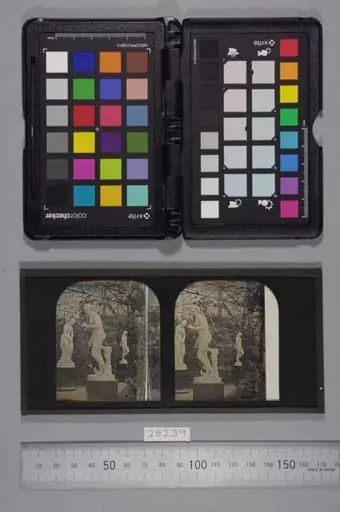 Sculptures at the Crystal Palace
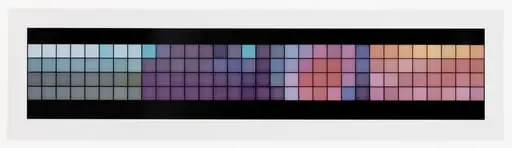 Untitled
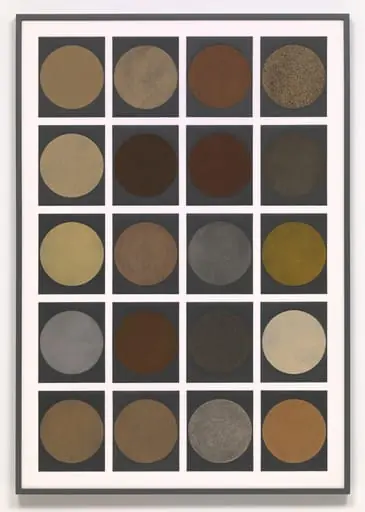 Untitled
Frequently asked questions
What is Palette?
Palette is a subject in art. A palette () is a surface on which a painter arranges and mixes paints.
How many Palette works does Artifact World Gallery have?
Artifact World Gallery holds 79 public-domain Palette works, all free to view and download.
Who are the key Palette artists?
Key Palette artists in the collection include Matthew Pratt, Adélaïde Labille-Guiard and Marie-Victoire Lemoine.
Where can I see Palette works?
Palette works in the collection are held by Museo del Prado, Victoria and Albert Museum and Metropolitan Museum of Art.