Artwork
Maria mit dem Kinde in der Glorie; (Rückseite: Maria Magdalena am Grab Christi)
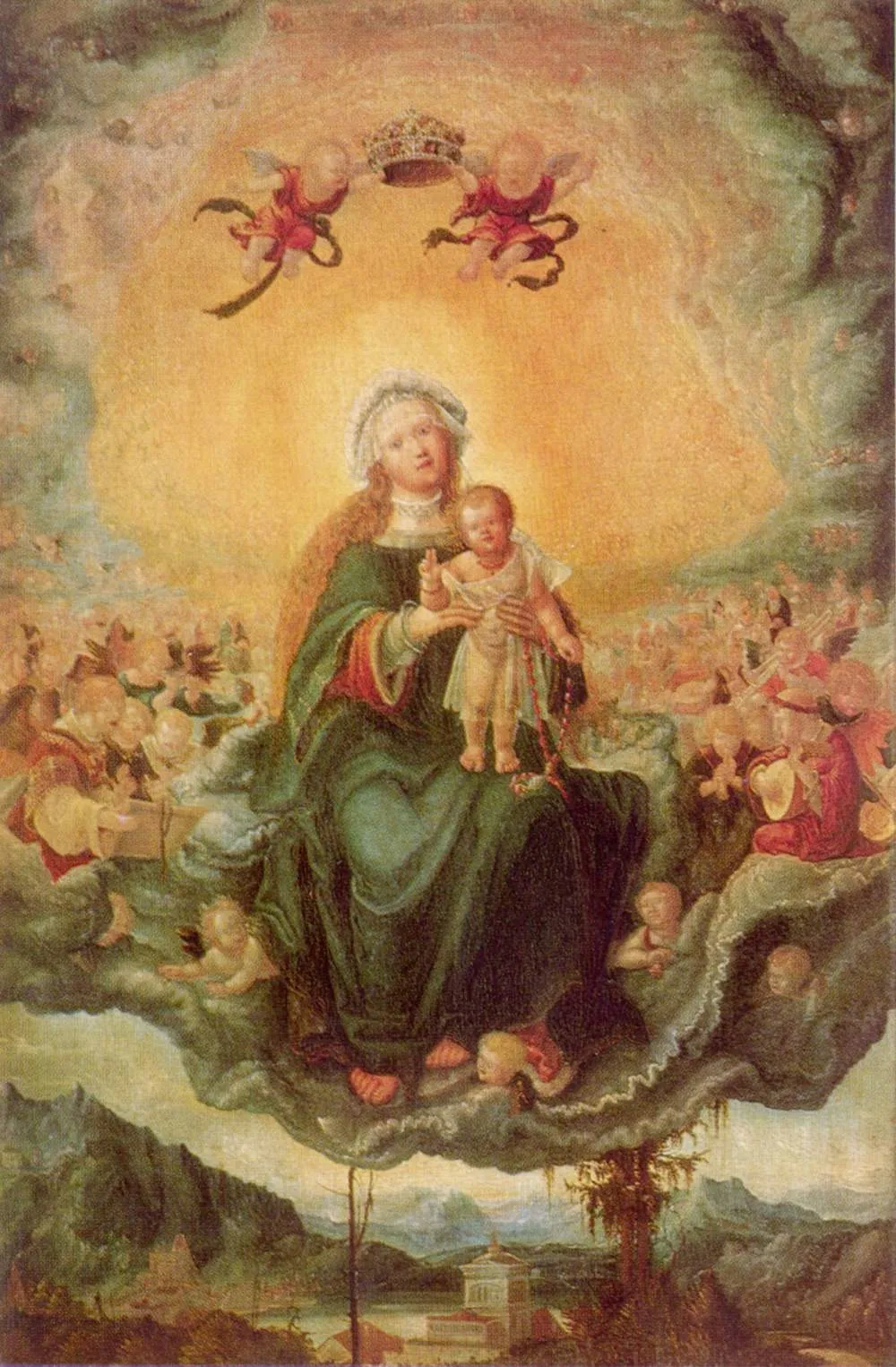
Maria mit dem Kinde in der Glorie; (Rückseite: Maria Magdalena am Grab Christi) is an oil painting by the Early Baroque Italian artist Albrecht Altdorfer. It dates from 1522 and is held in the collection of the Bavarian State Painting Collections.
About this work
Overview
Executed in the tradition of the Danube School, the work reflects Altdorfer’s distinctive fusion of sacred narrative with atmospheric landscape.
Painted in 1522 by Albrecht Altdorfer, this double-sided wood panel features the Virgin Mary enshrined in glory on one face and Mary Magdalene at Christ’s tomb on the reverse. Executed in the tradition of the Danube School, the work reflects Altdorfer’s distinctive fusion of sacred narrative with atmospheric landscape. Its dual imagery invites contemplation of divine presence and human mourning, bound together in a single devotional object.
Subject & Meaning
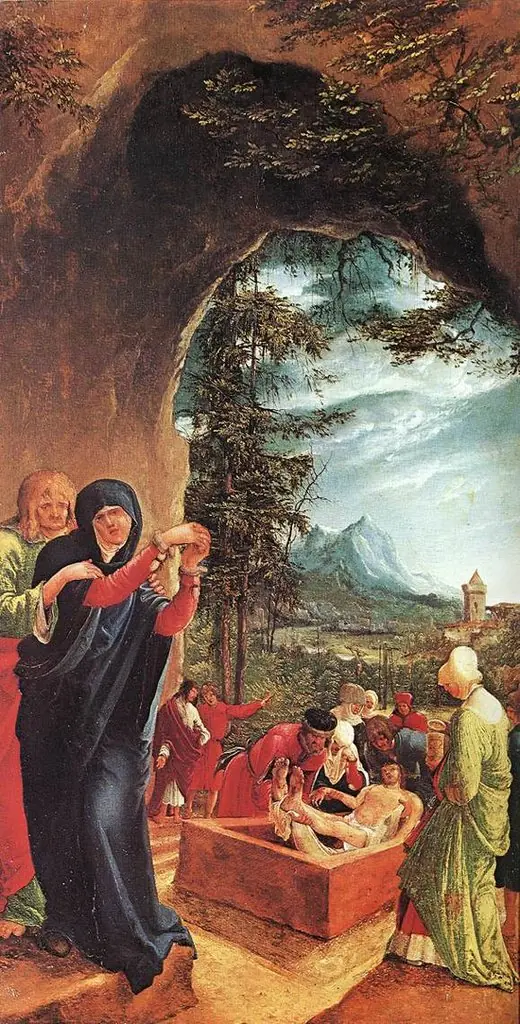
The obverse depicts the Virgin Mary seated among celestial beings, holding the Christ Child amid a luminous sky populated by angels. Below, a gathering of mortals kneels in reverence, suggesting earthly devotion to heavenly grace. The reverse portrays Mary Magdalene alone at the empty tomb, a moment of quiet revelation.
Together, the panels frame the cycle of resurrection: ascension and awakening, glory and grief, in a single devotional experience.
Technique & Style
Altdorfer employed delicate brushwork and soft, luminous pigments to create an ethereal atmosphere. The sky glows with muted golds and pinks, while figures are rendered with gentle contours and minimal detail, enhancing the dreamlike quality. The use of wood as support allowed for fine precision, and the layered application of glazes lends depth to the celestial realm. The composition avoids harsh lines, favoring a hazy, poetic light that unifies both panels.
History & Provenance
Created in Regensburg during Altdorfer’s mature period, the panel was likely intended for private devotion. It entered the collection of the Alte Pinakothek in Munich in the 19th century, where it remains today. Its survival in near-original condition is rare for works of this era, and its double-sided format suggests it may have been part of a devotional altarpiece or portable shrine used in domestic or monastic settings.
Context
Though produced in early 16th-century Germany, the painting diverges from the emerging Protestant Reformation’s iconoclastic trends. Instead, it reflects a Catholic devotional culture that embraced visual symbolism and emotional resonance. Altdorfer’s integration of landscape as spiritual backdrop aligns with the Danube School’s broader interest in nature as a vessel for divine presence, distinct from Italian Renaissance formalism.
Legacy
The work exemplifies Altdorfer’s unique synthesis of religious subject matter and atmospheric landscape, influencing later German painters who sought emotional depth over classical idealism. Its preservation in the Alte Pinakothek ensures continued study of Northern Renaissance spirituality expressed through color, light, and composition rather than doctrinal rigidity. The piece remains a quiet testament to the introspective devotional practices of its time.
Artist & collection
Artist
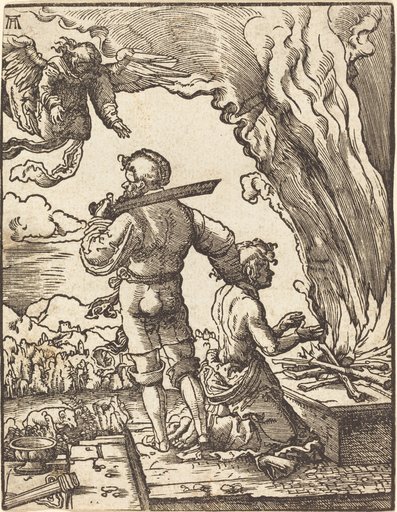
Albrecht Altdorfer (c. 1480 – 12 February 1538) was a German painter, engraver and architect of the Renaissance working in Regensburg. Along with Lucas Cranach the Elder and Wolf Huber he is regarded to be the main…

- Immaculate Conception
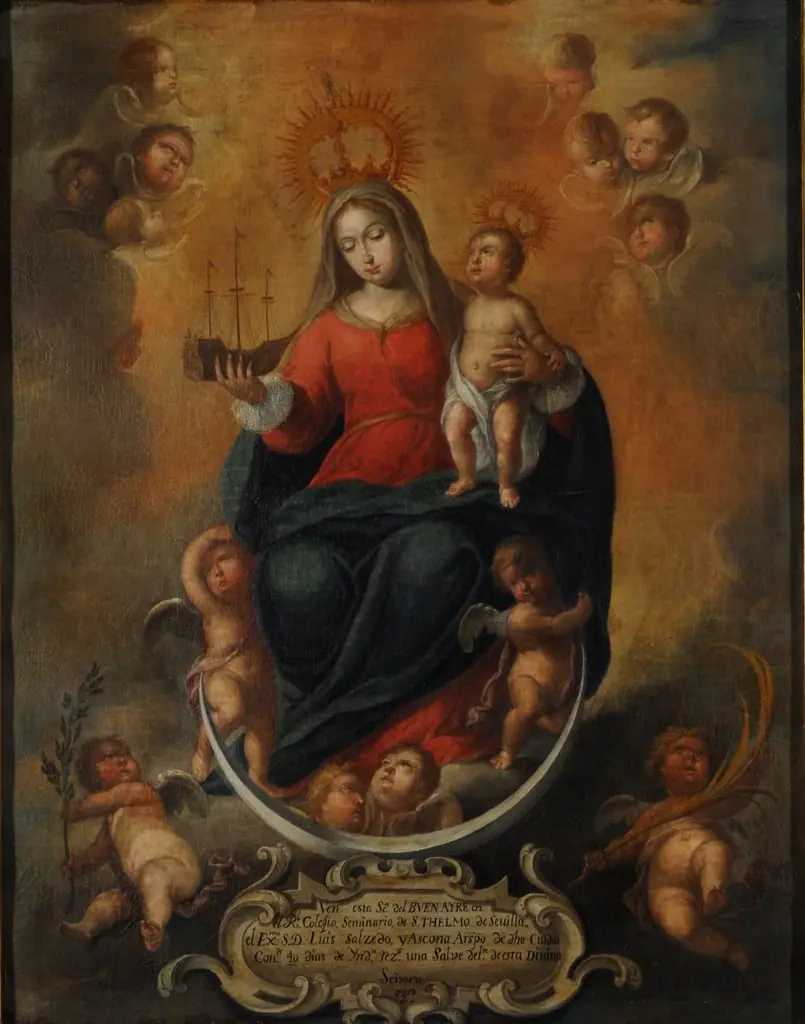 The Virgin of Buen Ayre
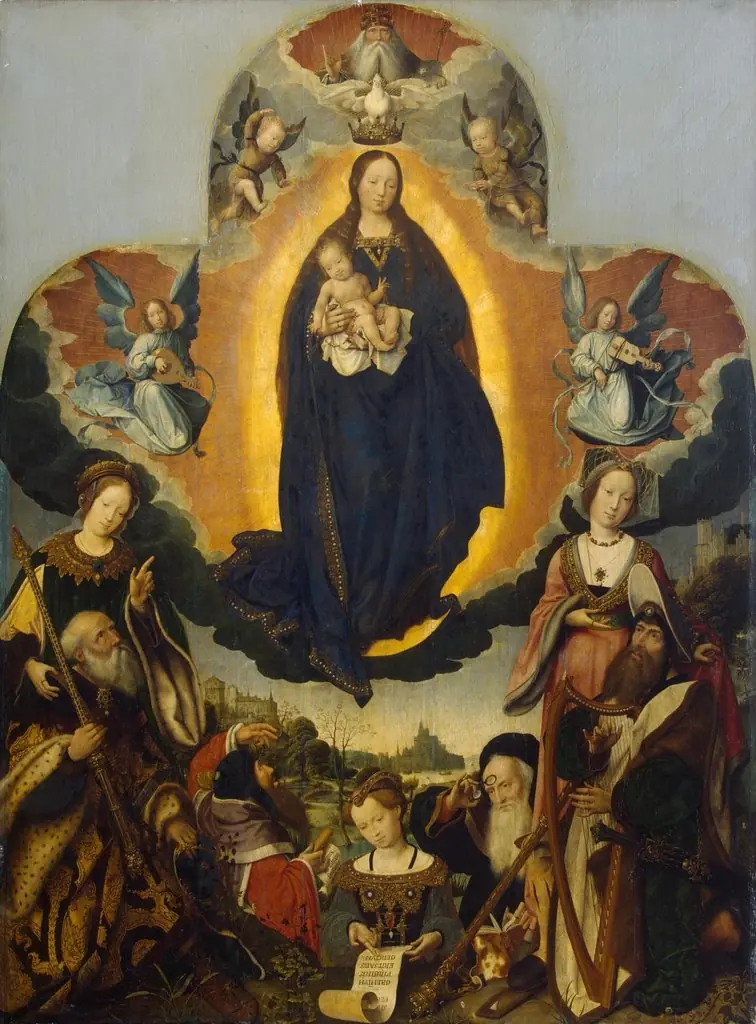 The Virgin Mary in Glory
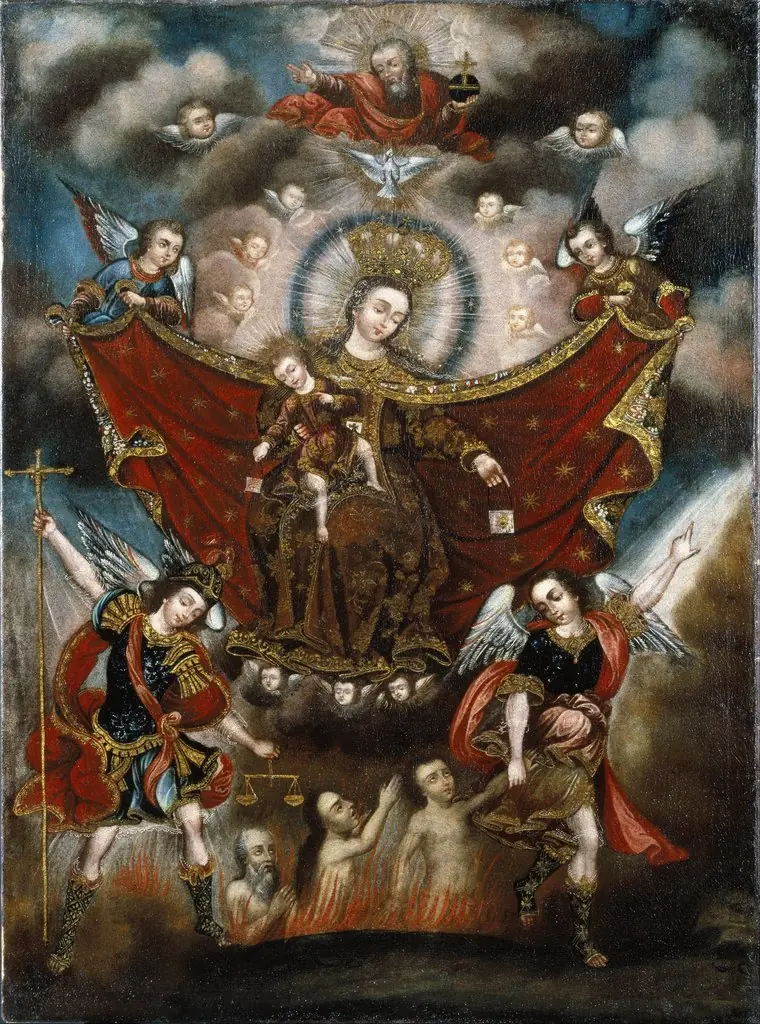 Virgin of Carmel Saving Souls in Purgatory
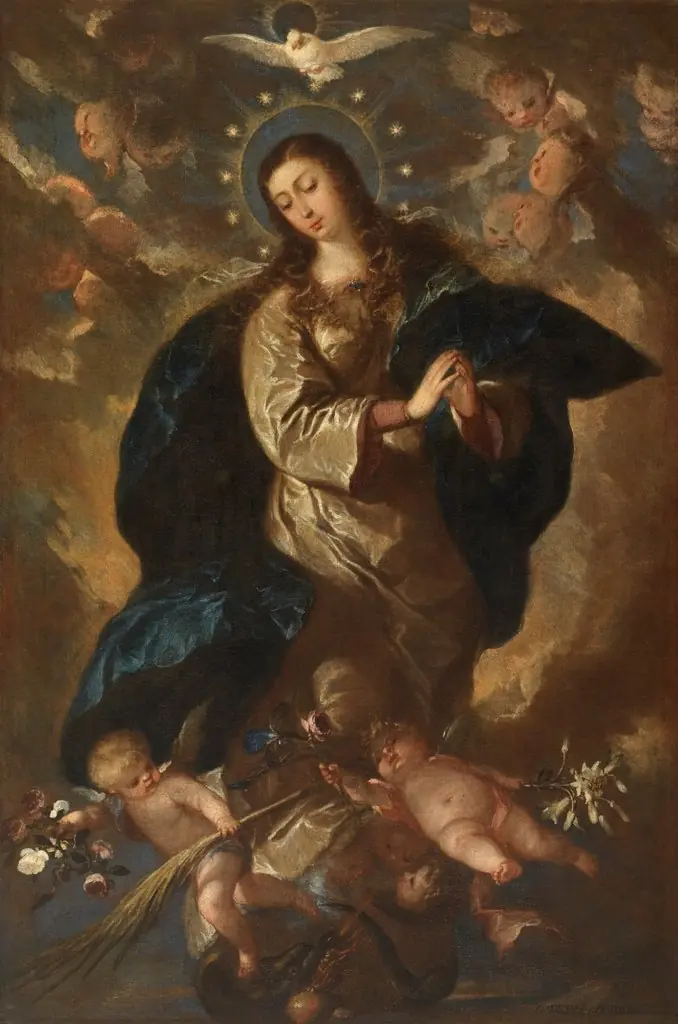 The Immaculate Conception
 Madonna mit musizierenden Engeln
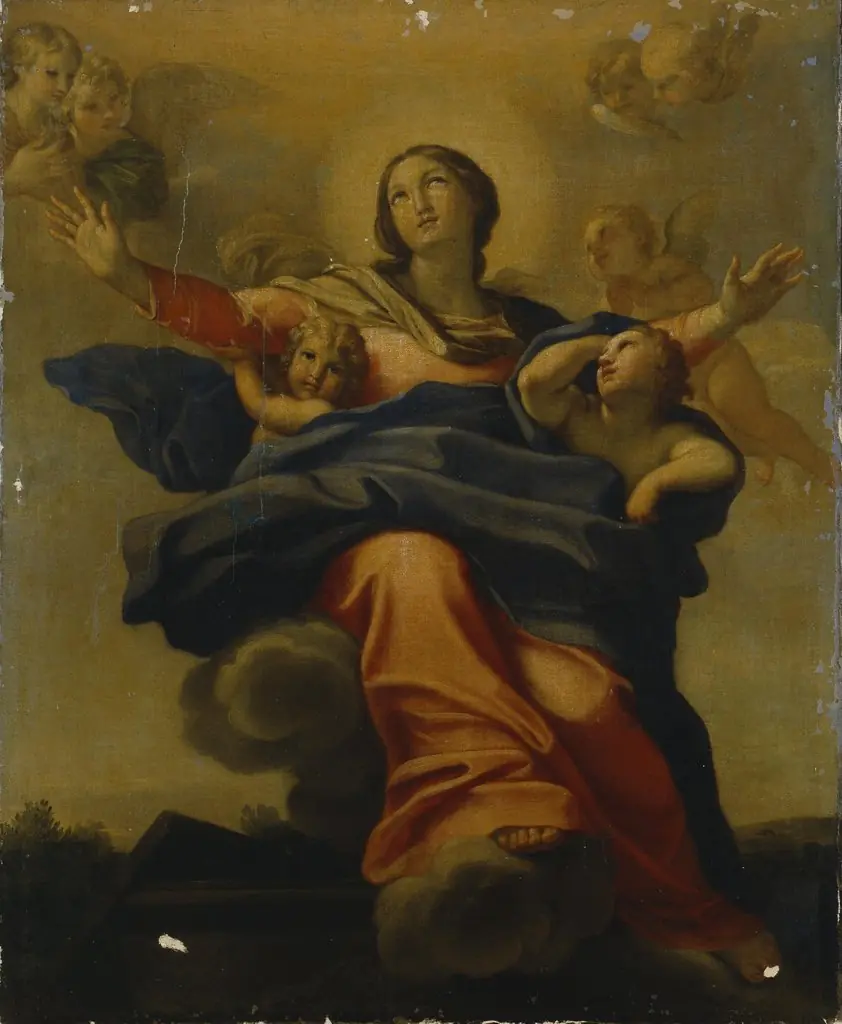 Assumption of the Virgin Mary
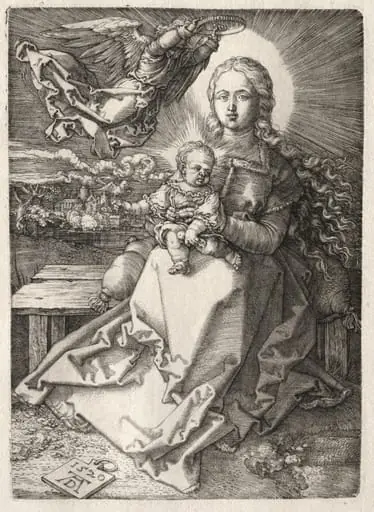 Virgin Crowned by an Angel
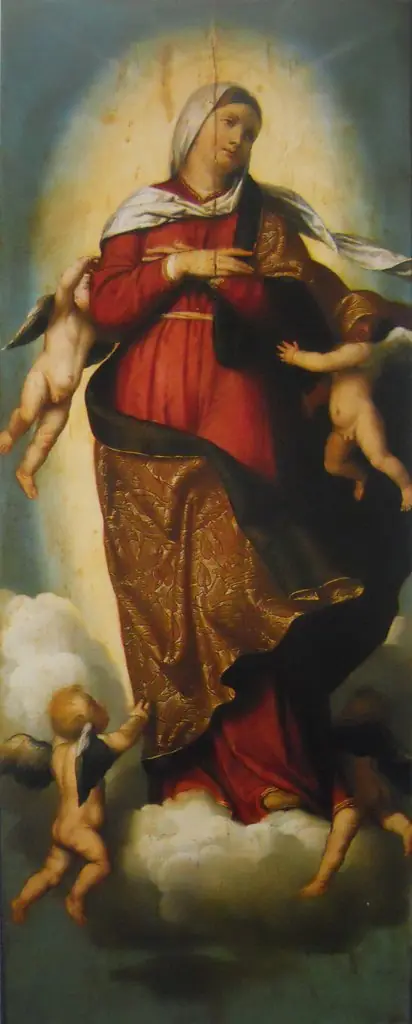 Assumption
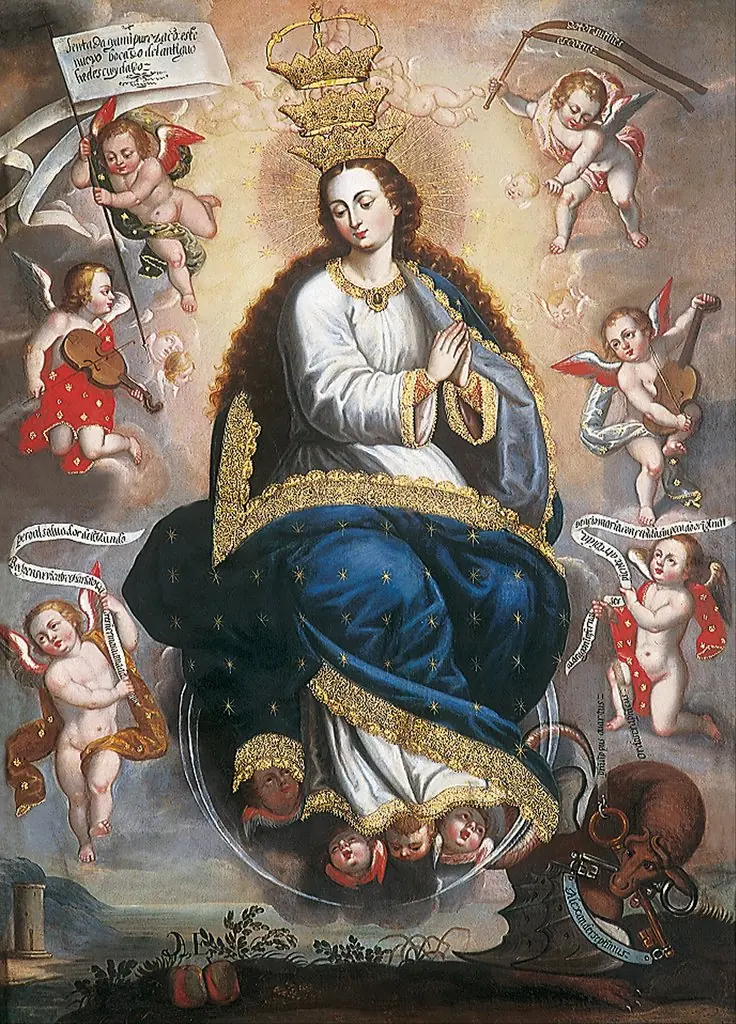 Immaculate Virgin Victorious over the Serpent of Heresy
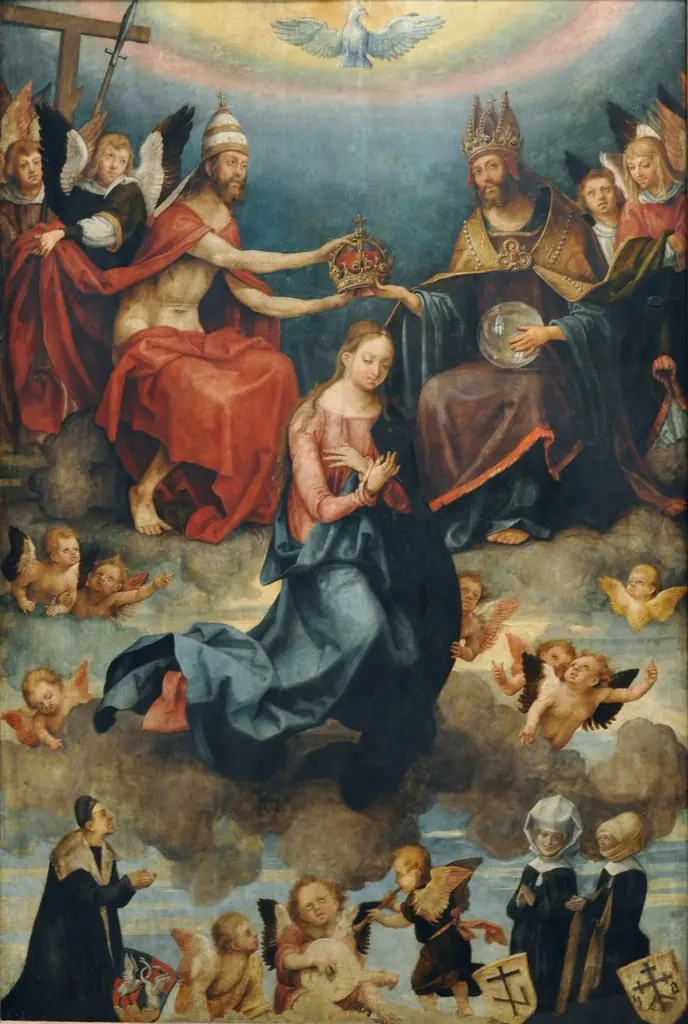 Coronation of the Virgin
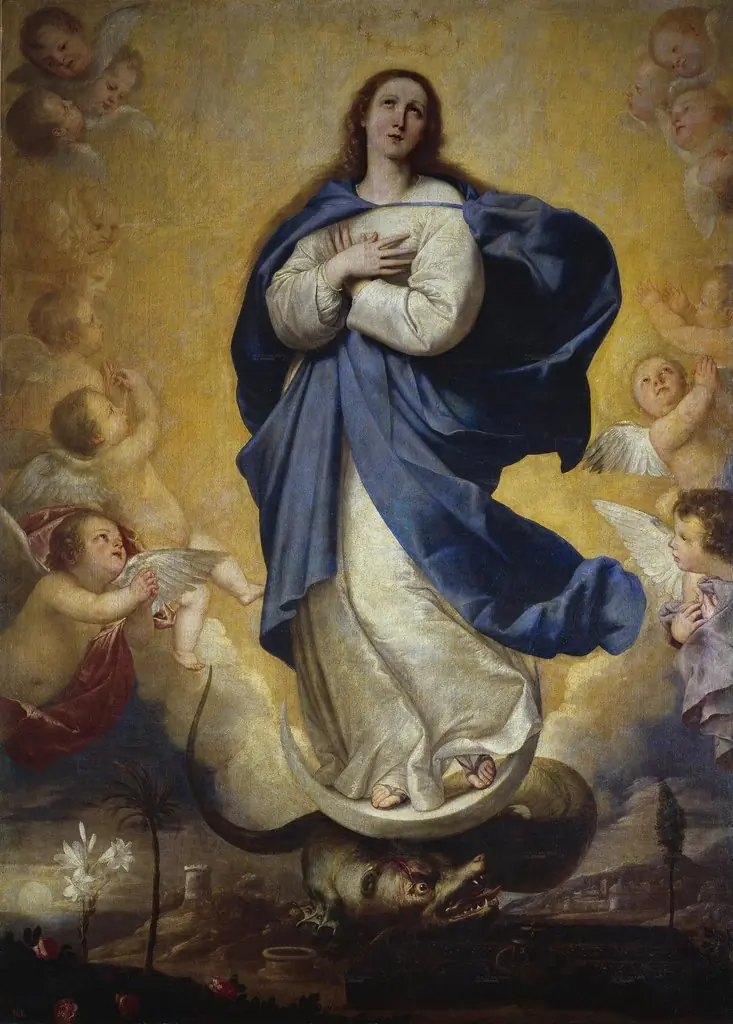 The Immaculate Conception