Artwork
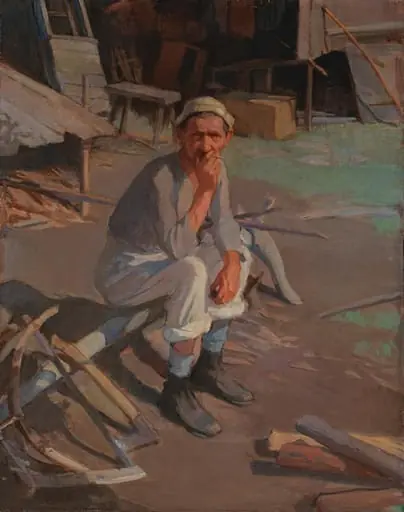
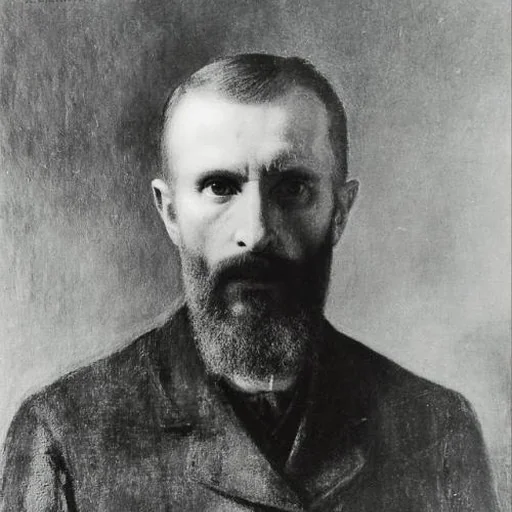
Peasant smoking a pipe, study for the painting “Peasant coffin”
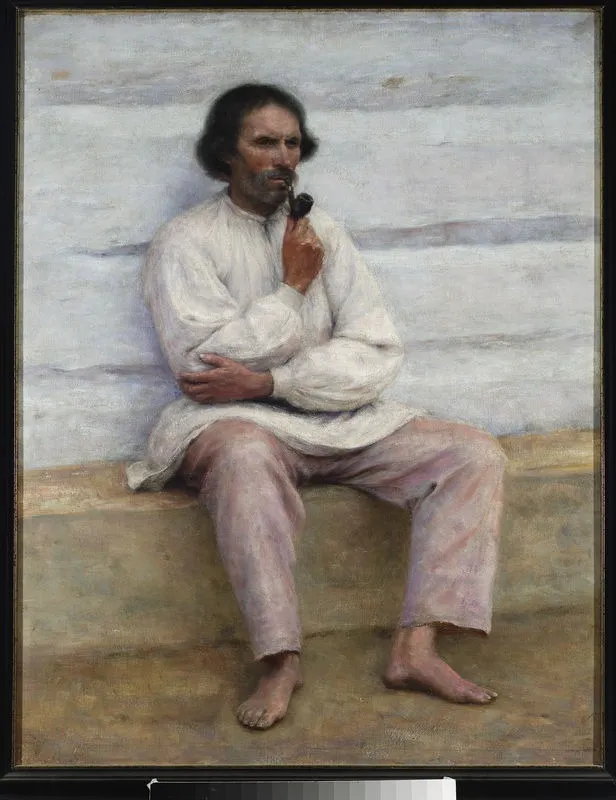
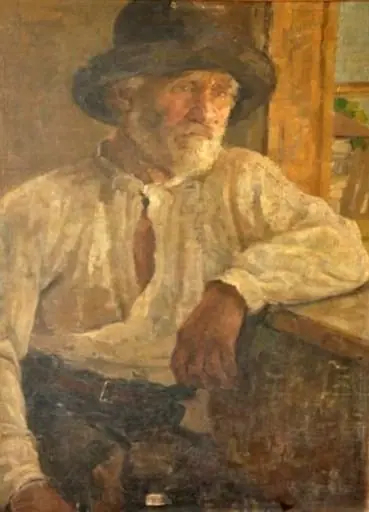
Peasant smoking a pipe, study for the painting “Peasant coffin” is an oil painting by the Post-Impressionist artist Aleksander Gierymski. It dates from 1898 and is held in the collection of the National Museum in Warsaw.
About this work
Overview
Painted in 1898 by Aleksander Gierymski, this oil study was prepared for his larger work, 'Peasant coffin.
Painted in 1898 by Aleksander Gierymski, this oil study was prepared for his larger work, 'Peasant coffin.' Executed in a quiet, observational style, it captures a solitary rural figure in a moment of stillness. Though rooted in Realism, Gierymski’s handling of light and texture shows an awareness of emerging Impressionist concerns, particularly in the way atmosphere is suggested through subtle tonal shifts rather than defined outlines.
Subject & Meaning
The subject is a peasant man seated outdoors, leaning against a wall, pipe in hand. His posture and simple clothing reflect daily life in the Polish countryside. The act of smoking suggests a pause in labor, evoking introspection rather than narrative drama. Gierymski avoids sentimentality, presenting the figure with dignity through restraint, emphasizing presence over story.
Technique & Style
Gierymski employed soft, blended brushwork and a restrained palette of earth tones to convey texture and ambient light. Shadows are rendered with delicate gradations, enhancing the three-dimensionality of the figure without harsh contrast. The surface retains a tactile quality, with slight impasto on fabric folds and the pipe’s bowl, grounding the scene in physical reality while avoiding theatricality.
History & Provenance
Created as a preparatory study for 'Peasant coffin,' this work remained in the artist’s possession until his death in 1901. It entered the collection of the National Museum in Warsaw in the early 20th century, where it has been consistently exhibited as part of Gierymski’s broader exploration of rural Polish life. Its status as a study underscores its role in the artist’s process rather than as a finished public piece.
Context
In late 19th-century Poland, artists increasingly turned to peasant subjects as symbols of national identity under foreign partitions. Gierymski, influenced by French Realism and early Impressionism, sought to portray rural life without idealization. This study reflects a broader cultural shift toward documenting everyday existence with psychological nuance, distinct from Romanticized folk imagery.
Legacy
Though lesser known than his larger compositions, this study exemplifies Gierymski’s quiet innovation in Polish painting. His sensitivity to light and ordinary gesture influenced later generations of realist artists in Poland, who valued emotional restraint and observational honesty. The work remains a quiet testament to his commitment to portraying the dignity of the marginalized without embellishment.
Artist & collection
Artist
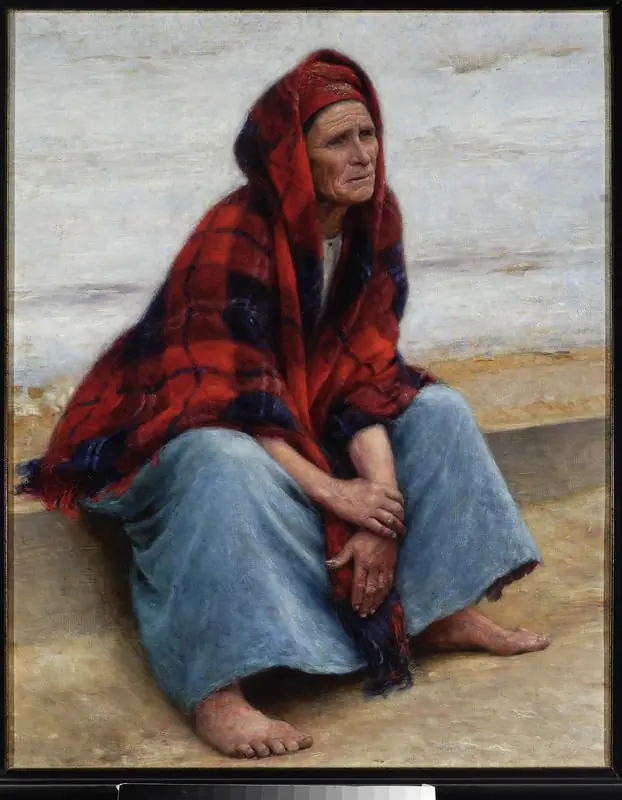
Ignacy Aleksander Gierymski (30 January 1850, Warsaw – d. 6–8 March 1901, Rome) was a Polish painter of the late 19th century, the younger brother of Maksymilian Gierymski. He was a representative of Realism as well as…