Artwork
Self-portrait in a room
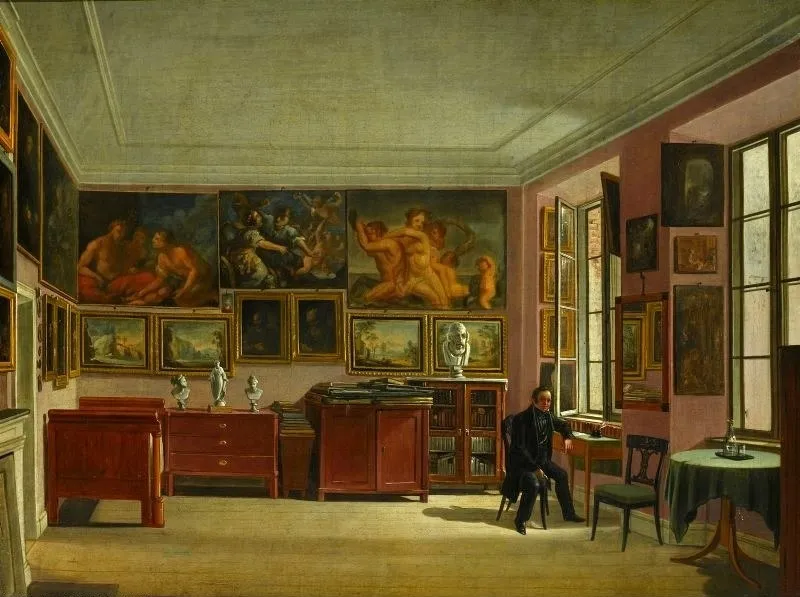
Self-portrait in a room is an oil painting by the Biedermeier artist Aleksander Kokular. It dates from 1830 and is held in the collection of the National Museum in Warsaw.
About this work
Overview
5 centimeters, the work is classified as a portrait and depicts the artist situated within a domestic interior.
Self-portrait in a Room is an oil painting on canvas created by the Polish artist Aleksander Kokular in 1830. Measuring 55 by 72.5 centimeters, the work is classified as a portrait and depicts the artist situated within a domestic interior. It is currently held in the collection of the National Museum in Warsaw. The painting stands as a significant document of the artist's environment and professional identity, created during a pivotal period in his career, shortly before the closure of the Warsaw Lyceum where he taught.
Subject & Meaning
The painting presents Kokular seated in a chair near a window, wearing dark clothing and facing slightly toward the viewer. The spacious room surrounding him functions as a portrait of his professional life. Pale pink walls and a light-colored ceiling with simple molding frame a dense, floor-to-ceiling display of paintings of various sizes, including large mythological or religious scenes above smaller landscapes and portraits. A white bust sits atop a bookcase filled with books, while red wooden furniture, including a cabinet and chest, stands against the left wall topped with small white sculptures. A round table covered with a green cloth and a bottle sits near the window. This carefully constructed environment communicates the artist's identity as a cultured collector and connoisseur, reflecting his documented activities restoring and selling antique paintings from the collection of Count Potocki and maintaining his own collection of contemporary works.
Technique & Style
Kokular employed oil paint on canvas with smooth, precise brushwork, paying careful attention to architectural detail and surface textures. The composition is illuminated by light streaming from windows on the right, which casts soft shadows across the wooden floor. The overall palette combines the warm reds of the wooden furniture and the pinks of the walls with neutral tones and the golden hues of the framed artworks. This controlled handling of light and color reflects the academic principles Kokular absorbed during his studies in Vienna under Johann Baptist von Lampi the Elder and in Rome under the influence of Vincenzo Camuccini.
History & Provenance
Kokular painted the work in 1830. The artwork is currently housed in the National Museum in Warsaw, which holds at least fourteen paintings by the artist. The specific chain of ownership prior to its museum accession remains unrecorded in the available sources, though its creation coincides with the final year Kokular taught at the Warsaw Lyceum before the Russian government closed the institution in 1831.
Context
Aleksander Kokular was a Polish painter, art collector, and prominent Freemason born in 1793. He specialized in contemporary and historical portraits as well as mythological scenes, producing notable portraits of figures such as Tsar Nicholas I and Maria Szymanowska. After studying at the Warsaw Lyceum under Zygmunt Vogel, the Academy of Fine Arts in Vienna, and the Accademia di San Luca in Rome, he became a central figure in Polish art education. He operated a private art school from his home from 1835 to 1841 and co-founded the School of Fine Arts in Warsaw in 1844 with Jan Feliks Piwarski. Kokular taught there until his death in 1846, mentoring pupils including the poet and painter Cyprian Kamil Norwid.
Legacy
The School of Fine Arts co-founded by Kokular was closed in 1864 because its students participated in the January Uprising. The institution later reopened in 1904 and has been known as the Academy of Fine Arts in Warsaw since 1932. Kokular's self-portrait survives as a visual record of the artistic and collecting culture of early nineteenth-century Warsaw, preserving the image of an interior filled with the works of his contemporaries and predecessors. Today, the painting is disseminated through commercial reproductions, including handmade oil replicas and giclee prints, indicating its continued aesthetic appeal.
Artist & collection
Artist
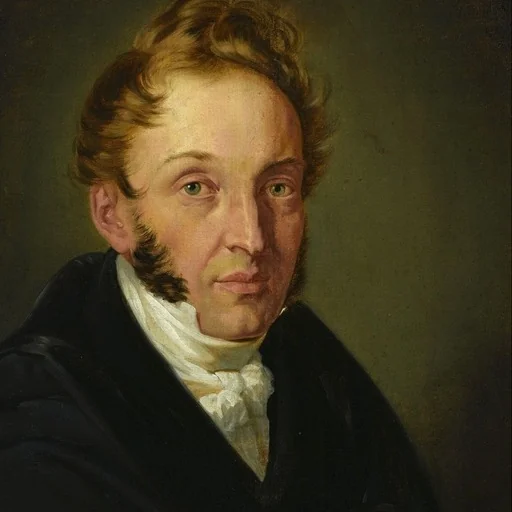
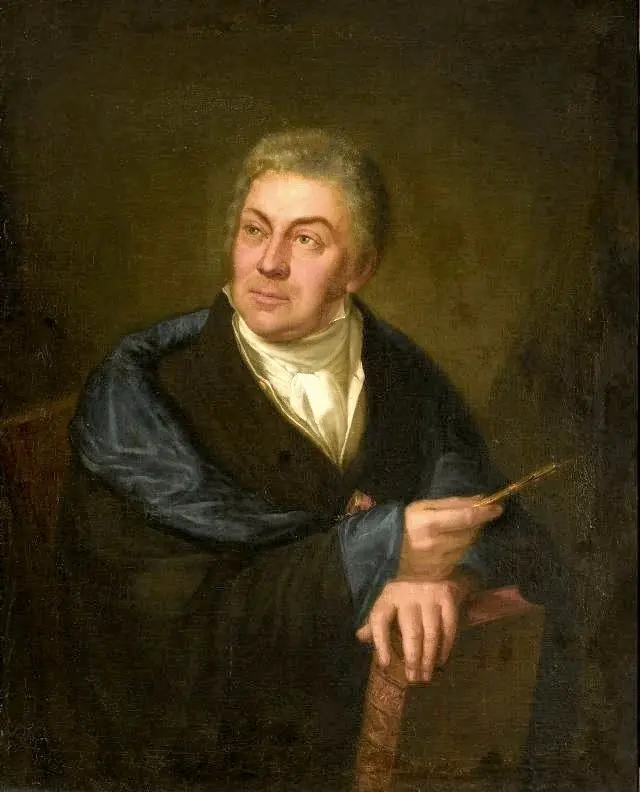
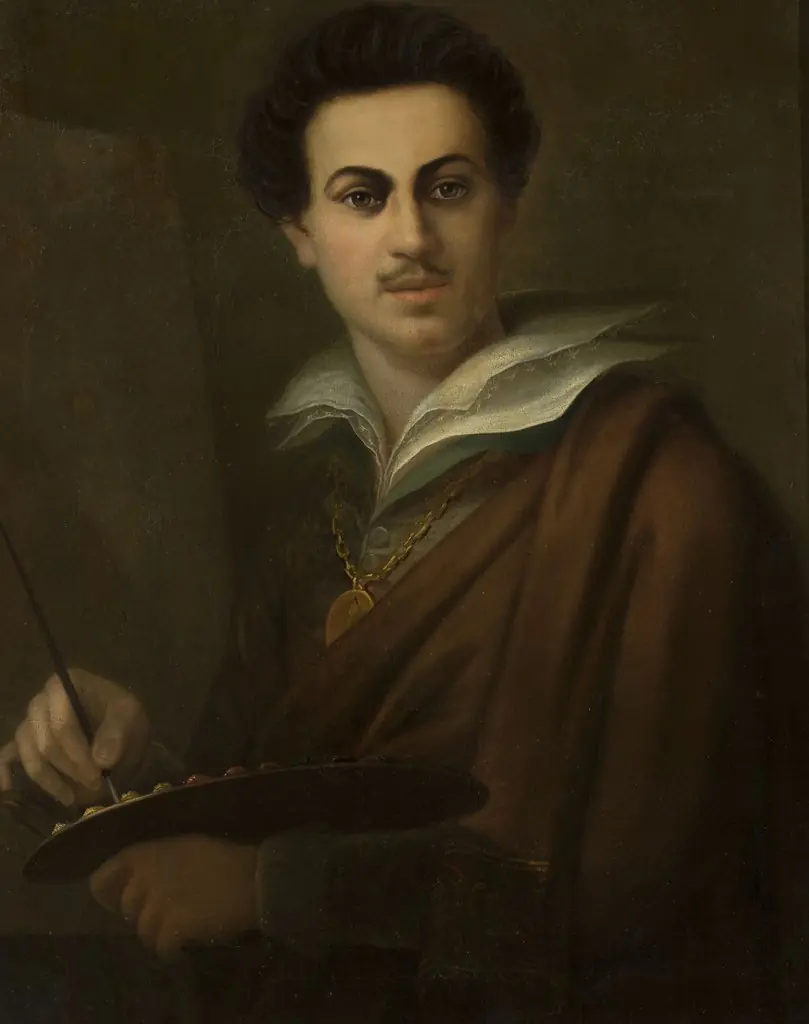
Aleksander Kokular (9 August 1793 – 6 April 1846) was a Polish painter, art collector and teacher.

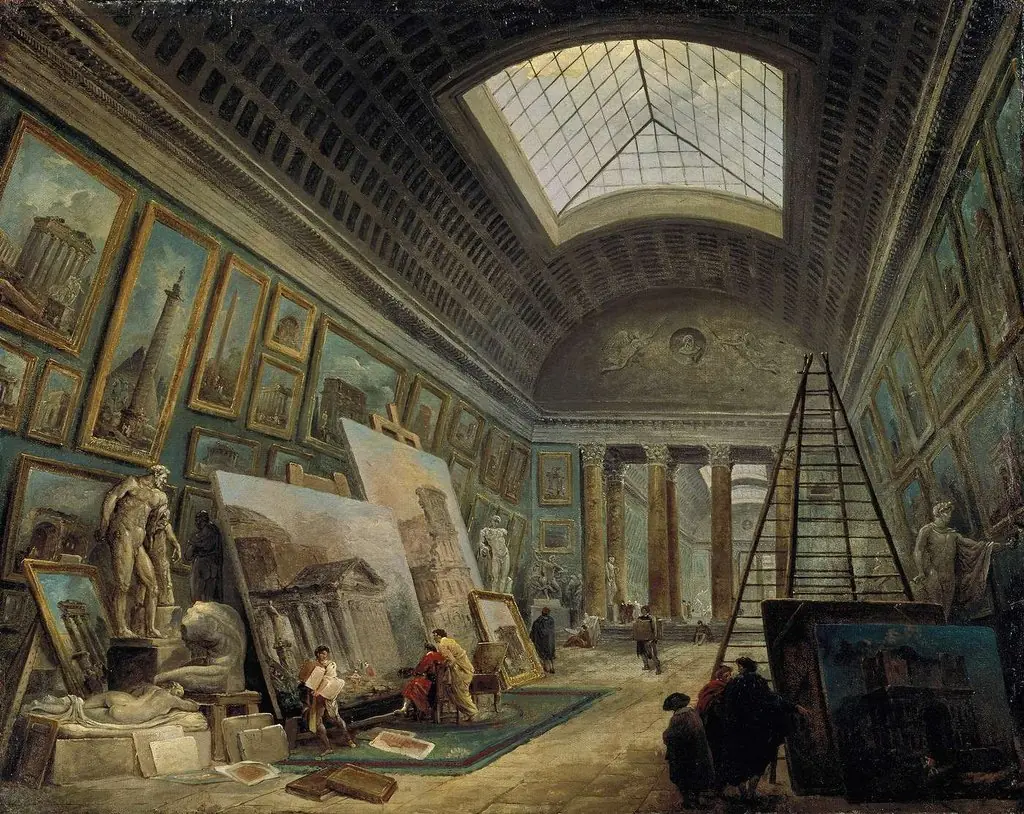
- Imaginary View of the Grande Galerie in the Louvre
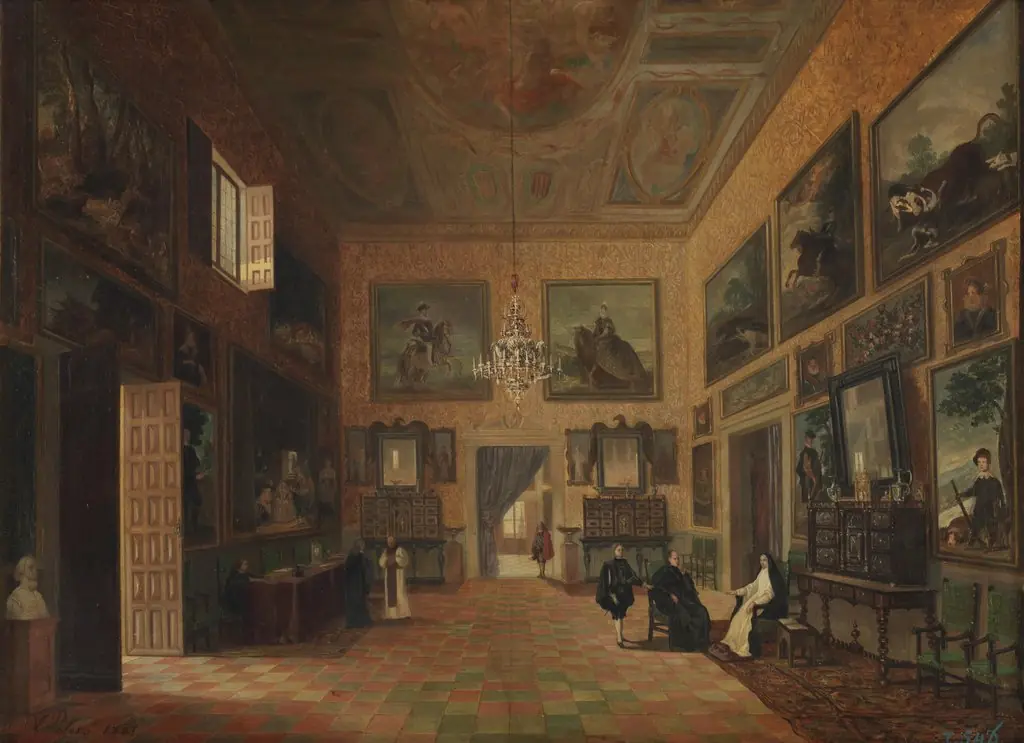 The chamber of Philip IV in the Buen Retiro Royal Palace
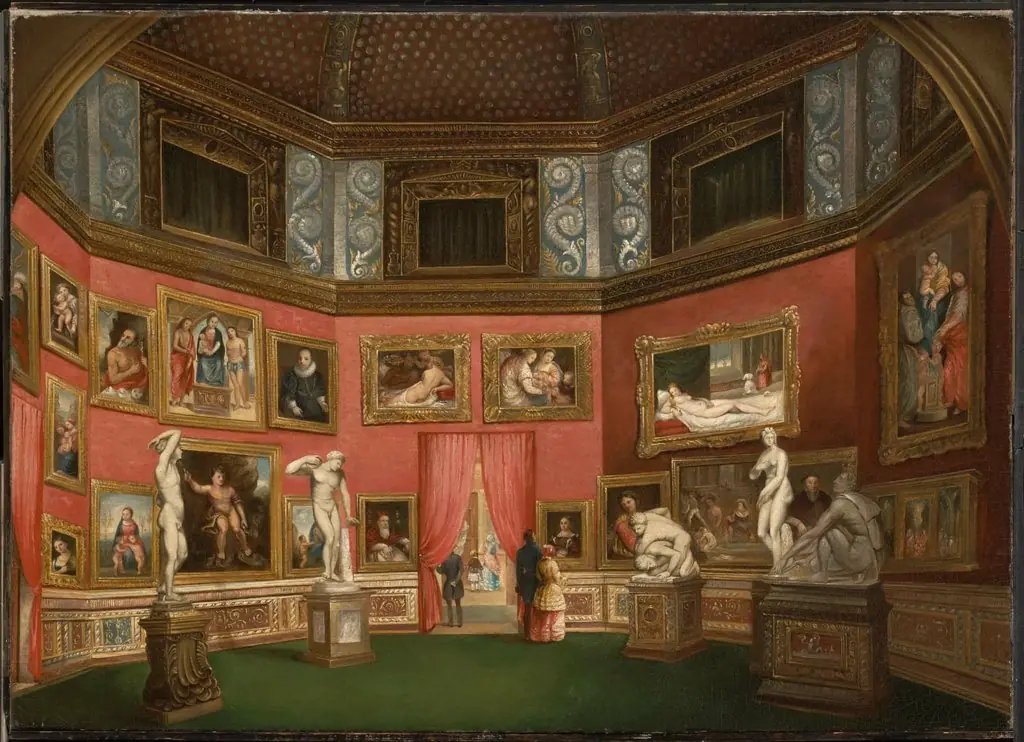 The Tribuna of the Uffizi
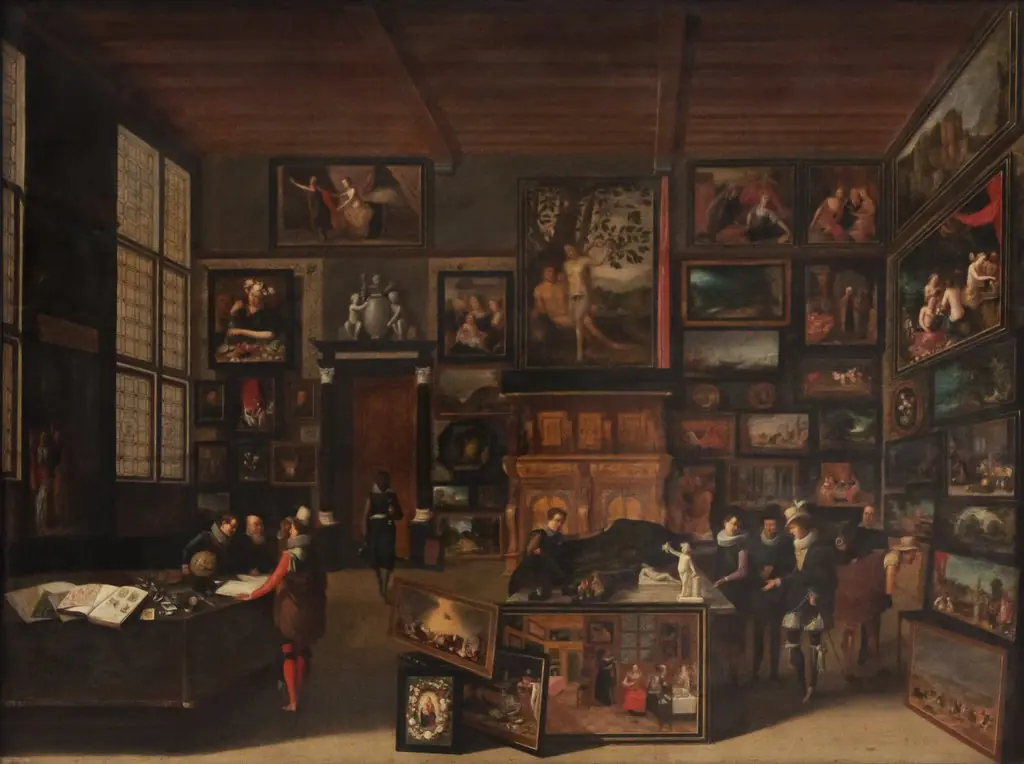 The Art Gallery of Jan Snellinck
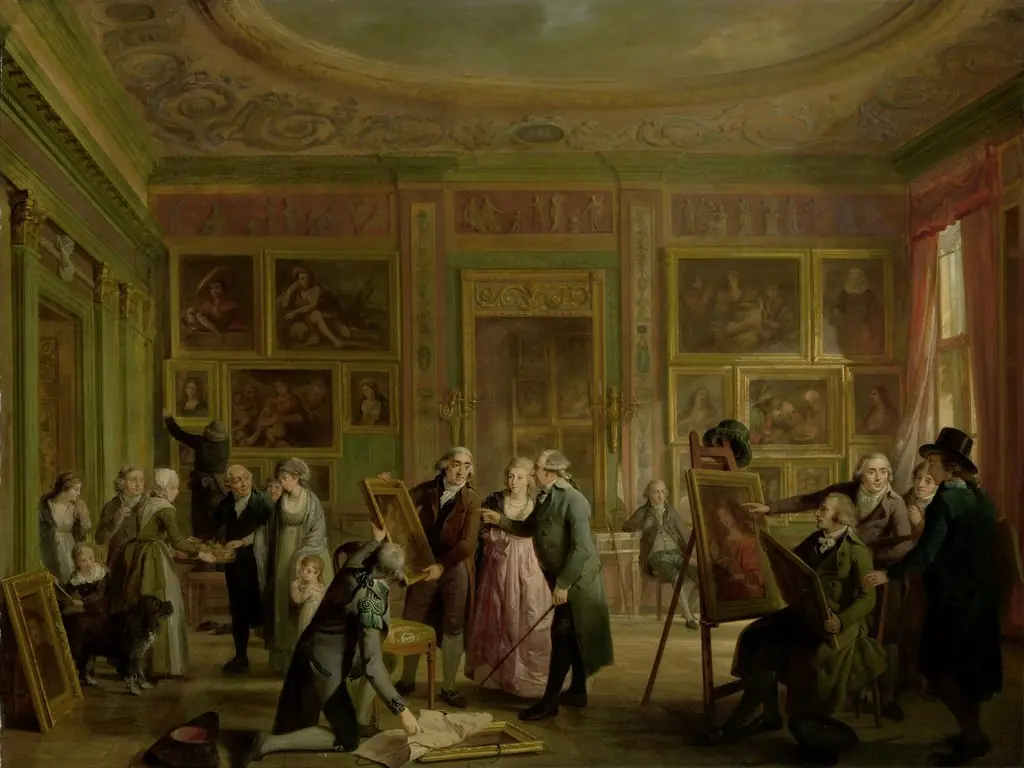 The Art Gallery of Josephus Augustinus Brentano
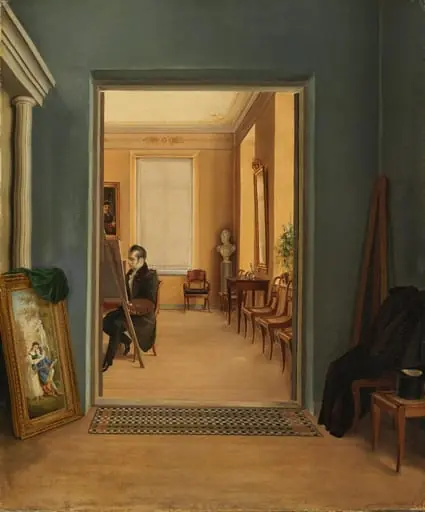 Omakuva pietarilaisessa työhuoneessa
 Interior with a collection of paintings and musicians around a table
 Spinet player in an interior with paintings
 Atelierul pictorului (casa Prager)
 The Gallery at the Browsholme, near Clitheroe
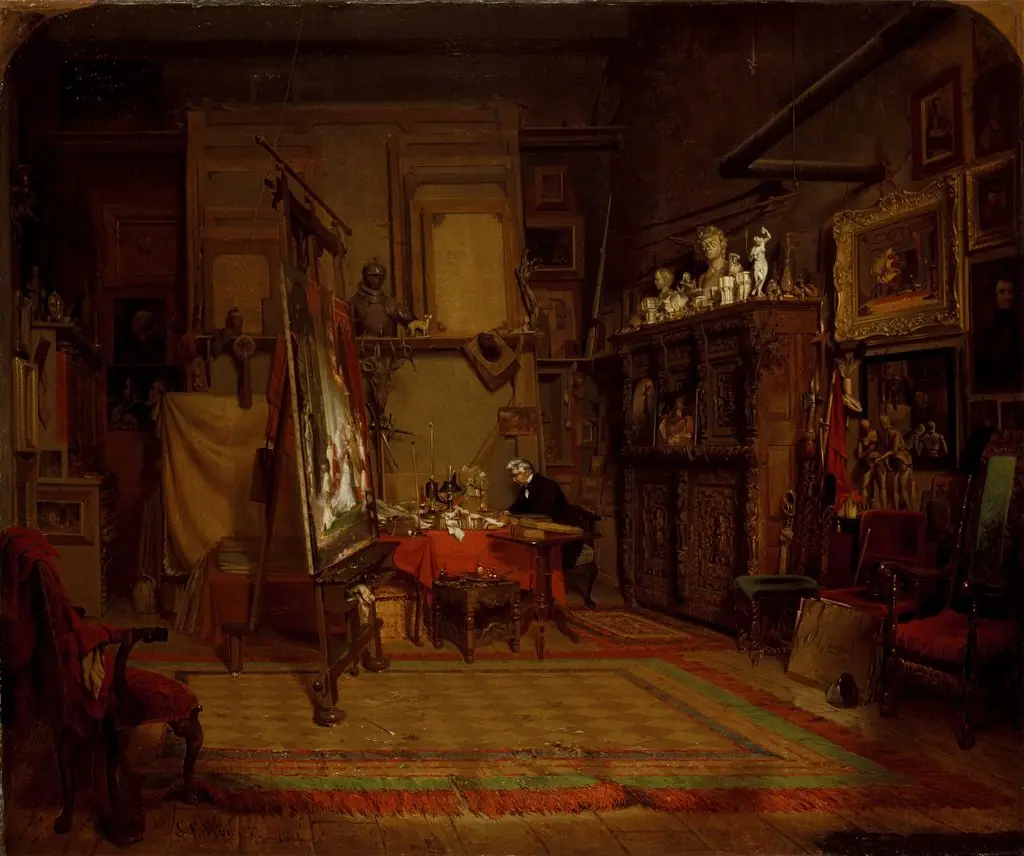 An Artist's Studio
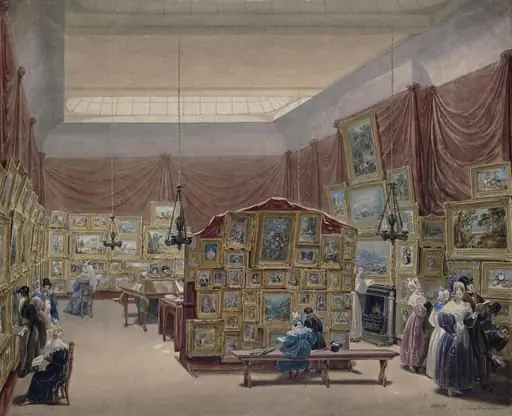 Interior of the Gallery of the New Society of Painters in Watercolours, Old Bond Street