Artwork
Diana and Callisto
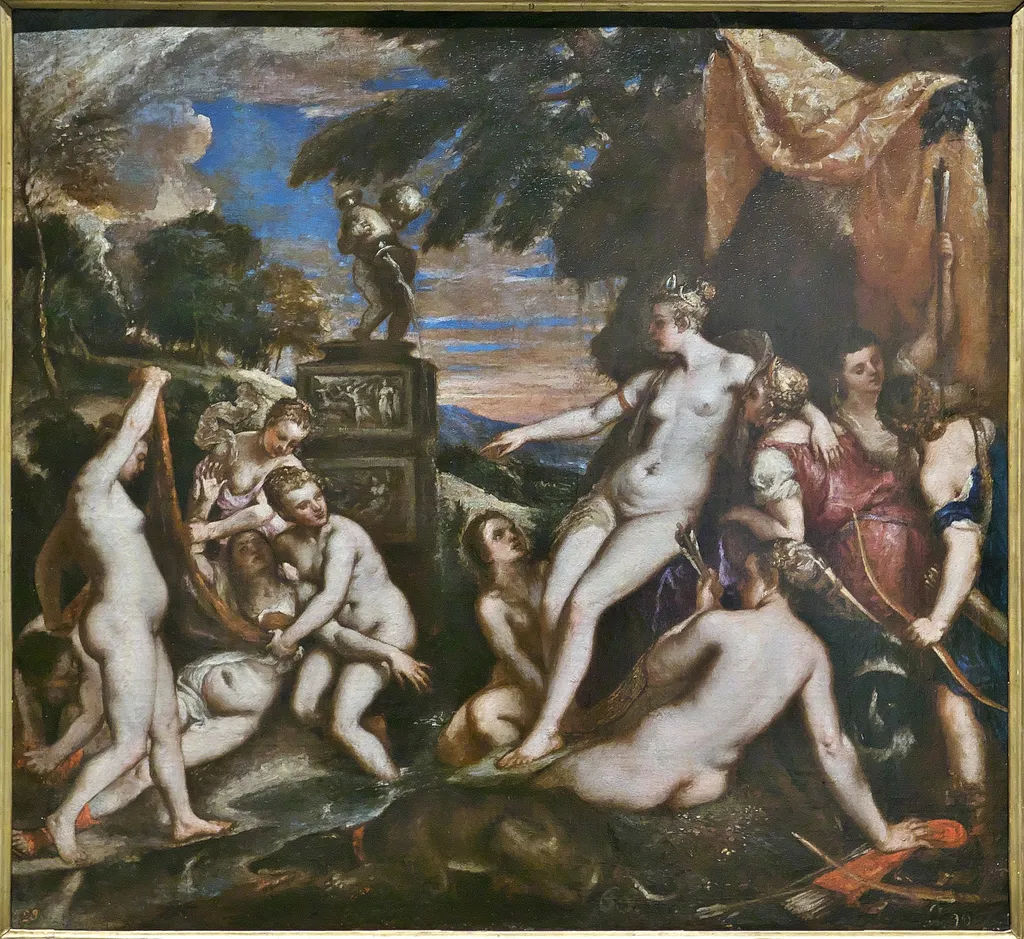
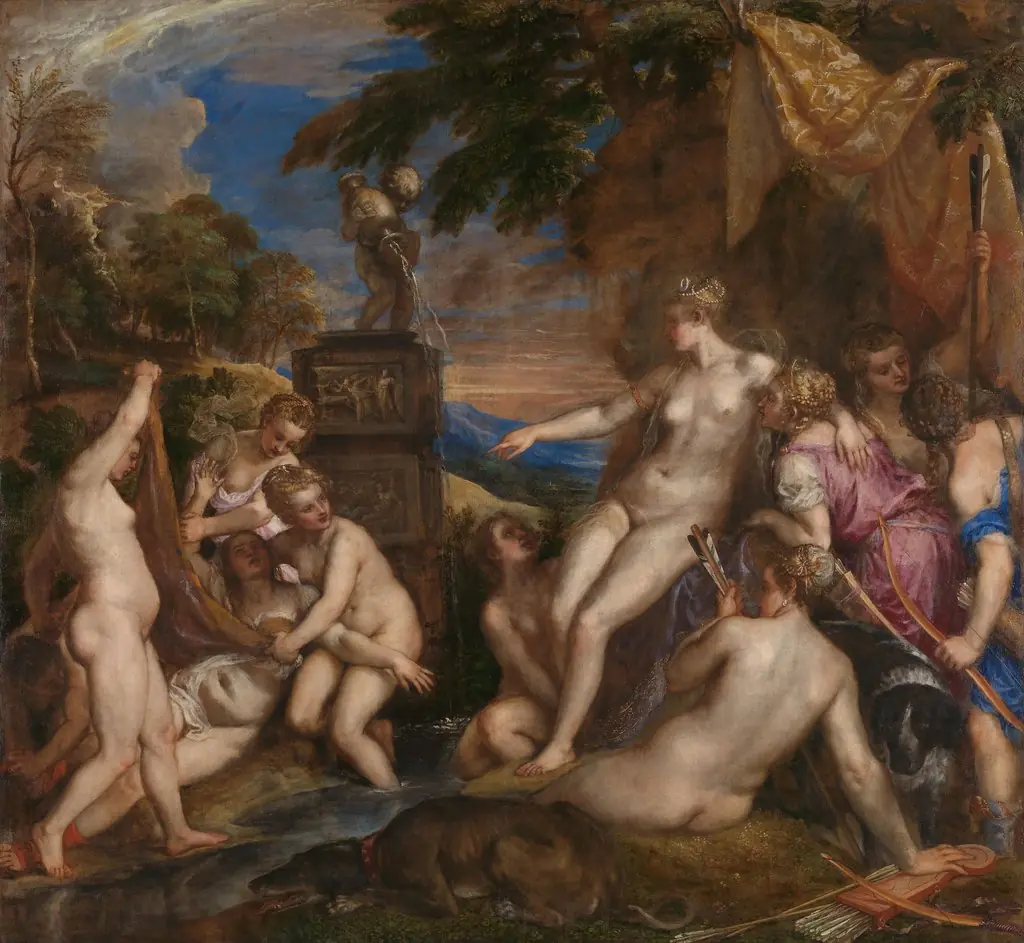
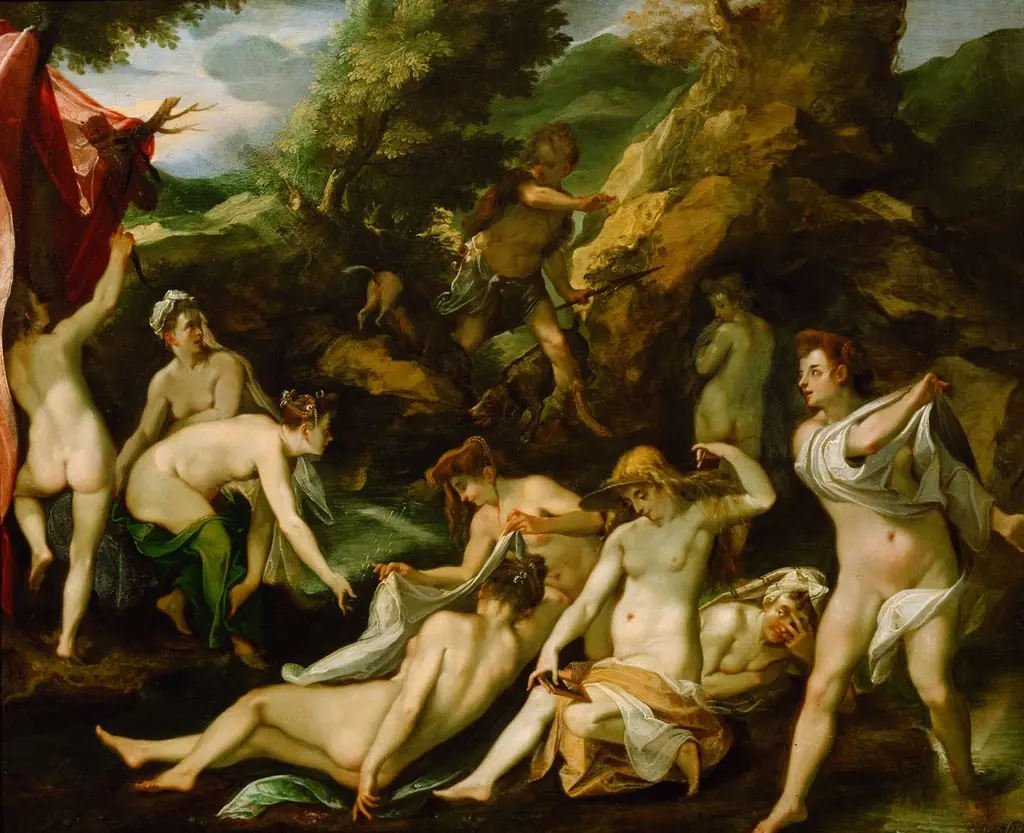
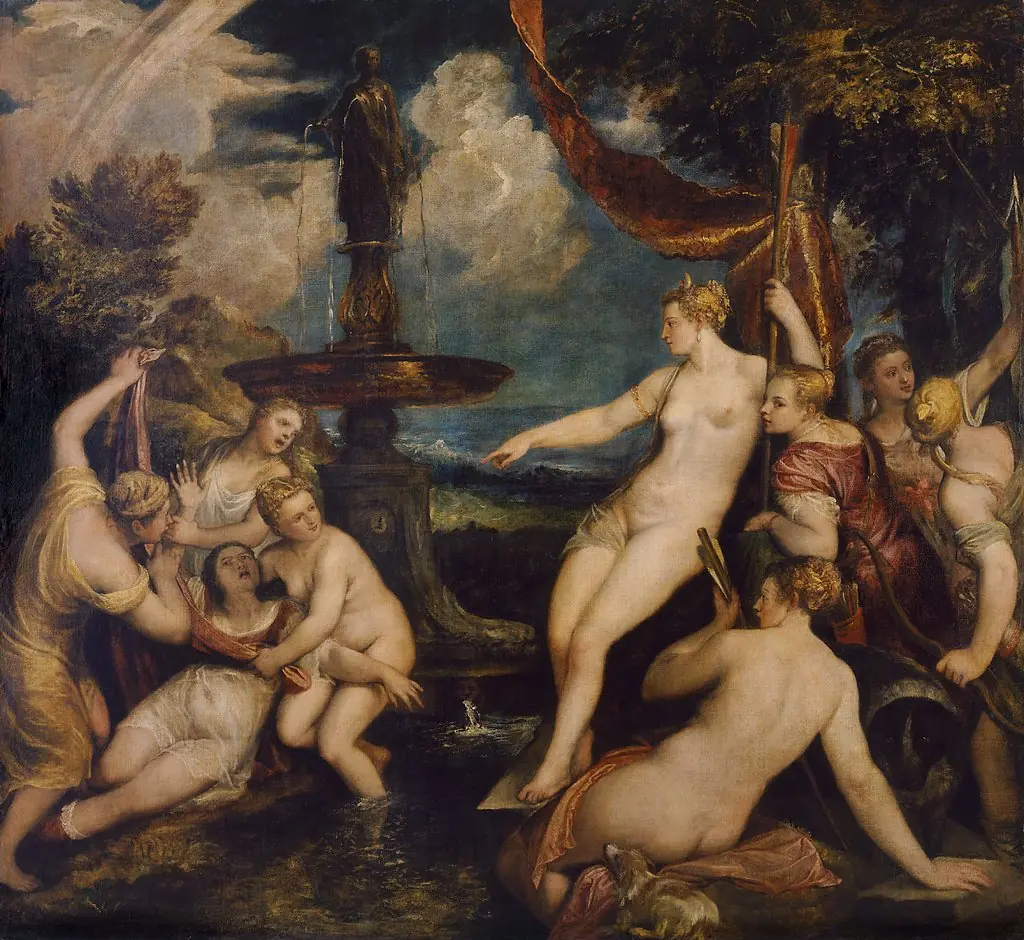
Diana and Callisto is an oil painting by the Early Baroque Italian artist Juan Bautista Martínez del Mazo. It dates from 1650 and is held in the collection of the Museo del Prado.
About this work
Subject & Meaning
Juan Bautista Martínez del Mazo's 1650 oil painting depicts the mythological narrative of Diana and Callisto, a story rooted in classical antiquity.
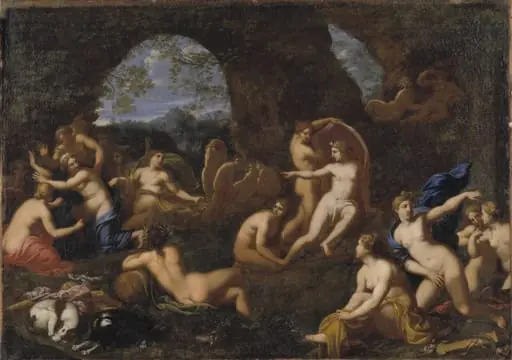
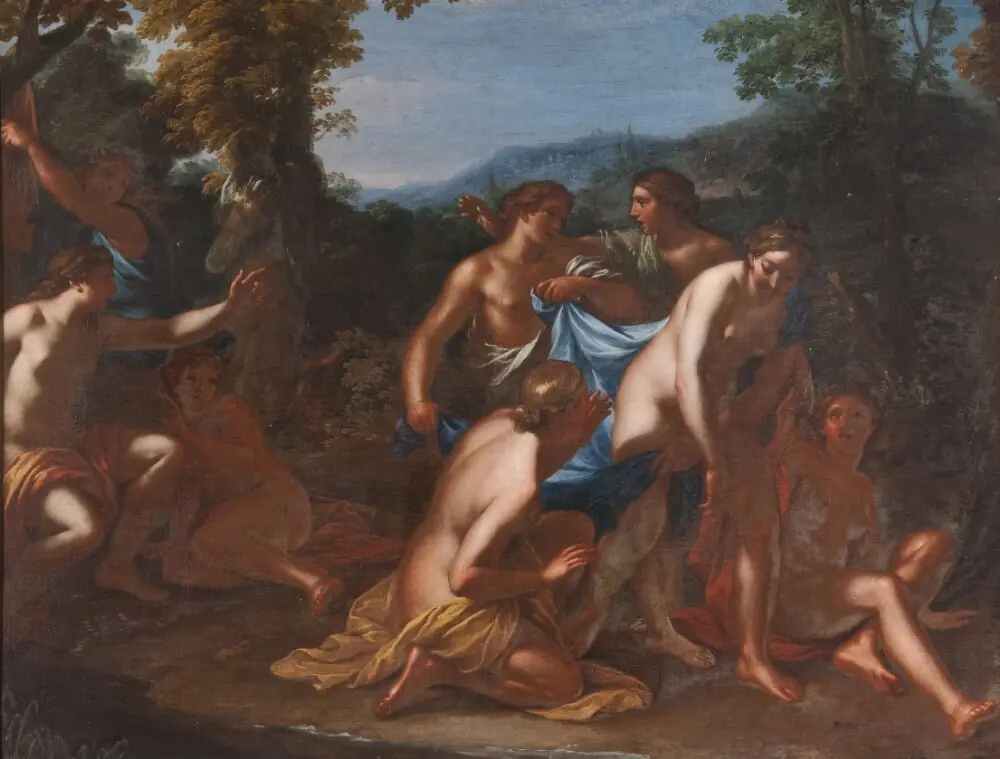
Juan Bautista Martínez del Mazo's 1650 oil painting depicts the mythological narrative of Diana and Callisto, a story rooted in classical antiquity. As a work of mythological genre, the piece illustrates the encounter between the goddess Diana and the nymph Callisto, a central episode in Ovid's Metamorphoses. The iconography focuses on the figure of Diana, the Roman goddess of the hunt, who is traditionally shown discovering Callisto's pregnancy and subsequently banishing her for breaking her vow of chastity.
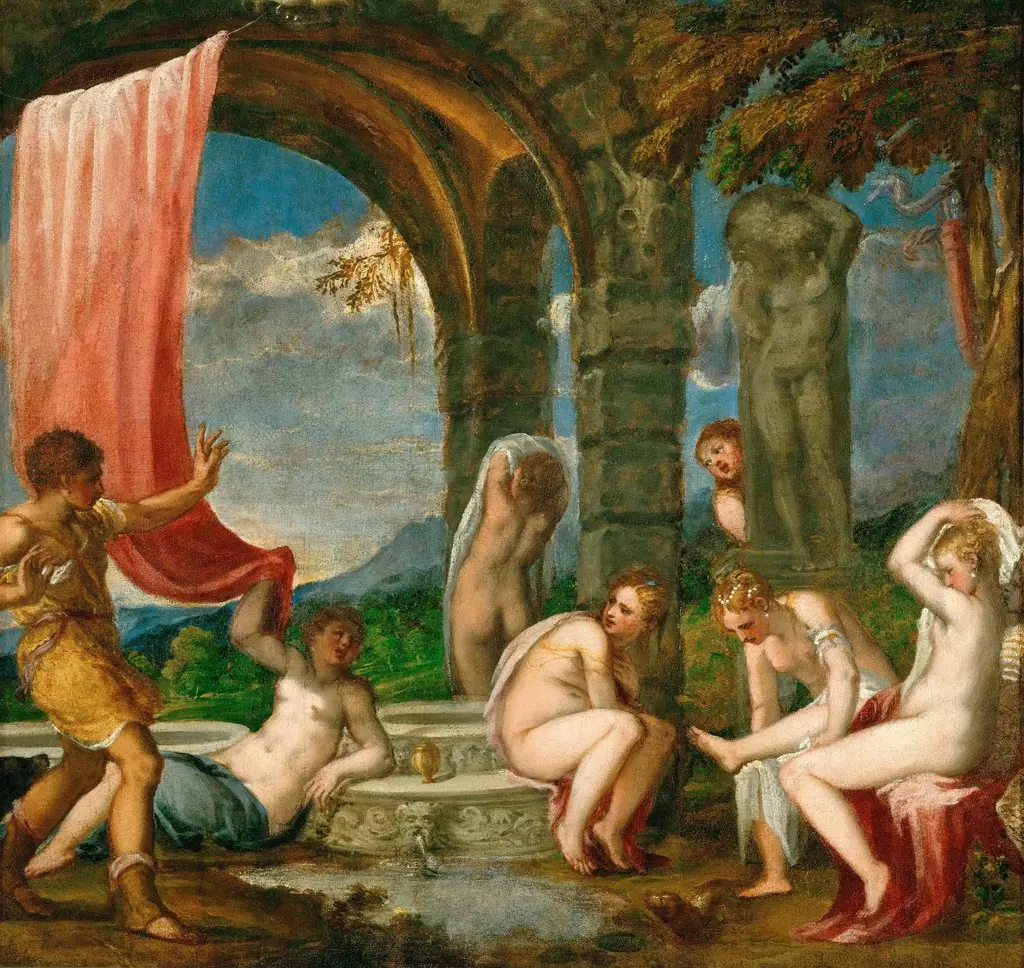
This composition serves as a copy after Titian's famous treatment of the same subject, adapting the Renaissance master's visual language to explore themes of divine justice, betrayal, and the consequences of violated oaths within a mythological framework.
Technique & Style
Created in 1650, Diana and Callisto is an oil painting executed on a canvas support. The work measures 98 cm in height and 107 cm in width. Classified as a mythological painting, it is a replication by Juan Bautista Martínez del Mazo based on an original composition by Titian. The piece depicts the goddess Diana within a narrative scene derived from classical mythology.
History & Provenance
Juan Bautista Martínez del Mazo created Diana and Callisto in 1650 as an oil painting on canvas measuring 98 cm by 107 cm. The work depicts a mythological scene drawn from the story of Diana and Callisto and was produced within the artistic tradition of the Spanish Baroque. After its creation, the painting entered the collection of the Museo del Prado, where it remains on display today. Its provenance traces from the artist’s studio to the Royal Academy of Fine Arts of San Fernando before accession by the museum.
Juan Bautista Martínez del Mazo's 1650 oil painting Diana and Callisto is held in the collection of the Museo del Prado in Madrid. The work is also associated with the Royal Academy of Fine Arts of San Fernando, indicating a shared or historical connection between these two institutions regarding the piece. While specific accession numbers are not provided in the available records, the painting's location is confirmed at the Museo del Prado. The provided sources do not contain details regarding a specific exhibition history for this work.
Context
Juan Bautista Martínez del Mazo's Diana and Callisto, executed in 1650, functions as a mythological painting that explicitly positions itself within the legacy of Titian. As a work created after the Venetian master, the piece reflects the 17th-century Spanish practice of engaging with and reinterpreting canonical Italian compositions. The painting is currently held in the collection of the Museo del Prado, a repository that underscores its significance within the canon of Spanish art history.
By adapting Titian's narrative, Mazo demonstrates the transmission of High Renaissance stylistic elements into the Spanish courtly context of the mid-seventeenth century.
Overview
Juan Bautista Martínez del Mazo, a Spanish painter active in the mid‑17th century and a disciple of Diego Velázquez, produced the oil painting Diana and Callisto around 1650. Executed in the early Italian Baroque idiom, the work now belongs to the collection of the Museo del Prado.
Own this work as a print
Artist & collection
Artist
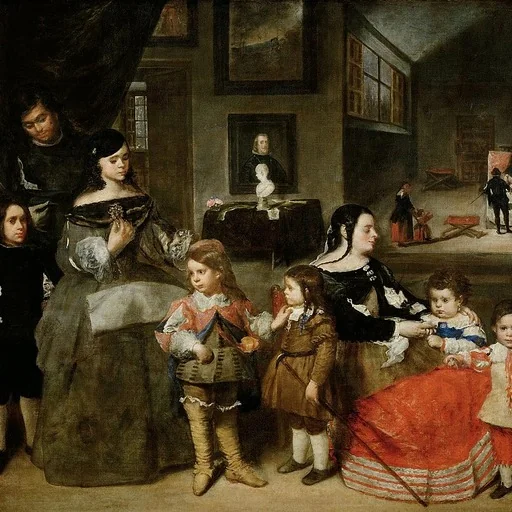
Juan Bautista Martínez del Mazo
Juan Bautista Martínez del Mazo (c.1612 – February 10, 1667) was a Spanish Baroque portrait and landscape painter, the most distinguished of the followers of his father-in-law Velázquez, whose style he imitated more closely than did any…

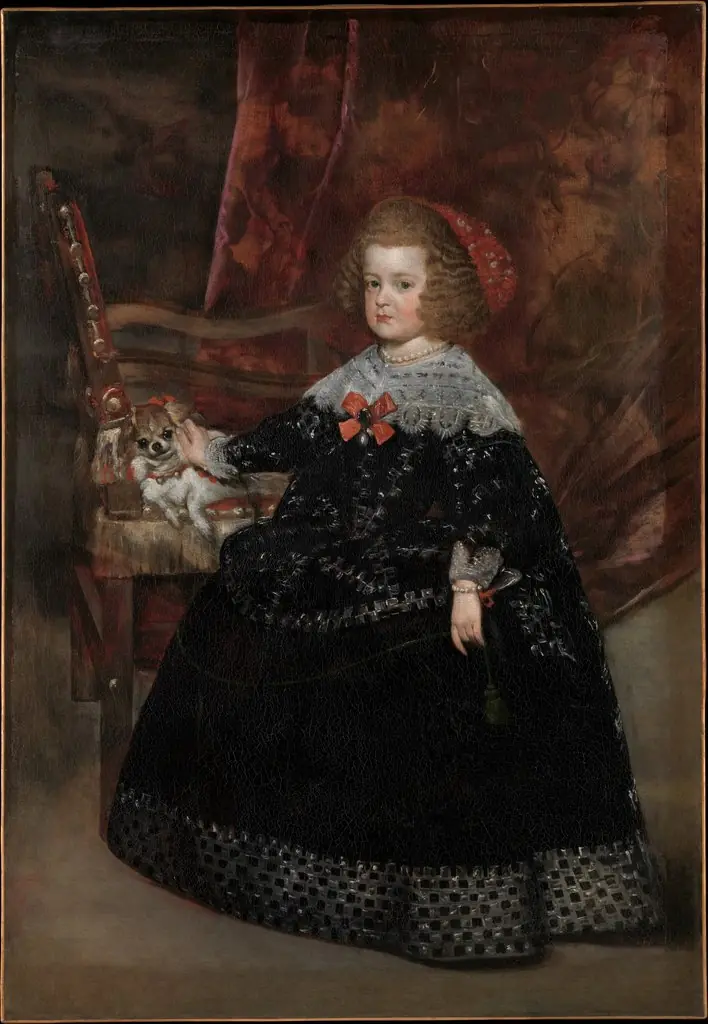 María Teresa (1638–1683), Infanta of Spain
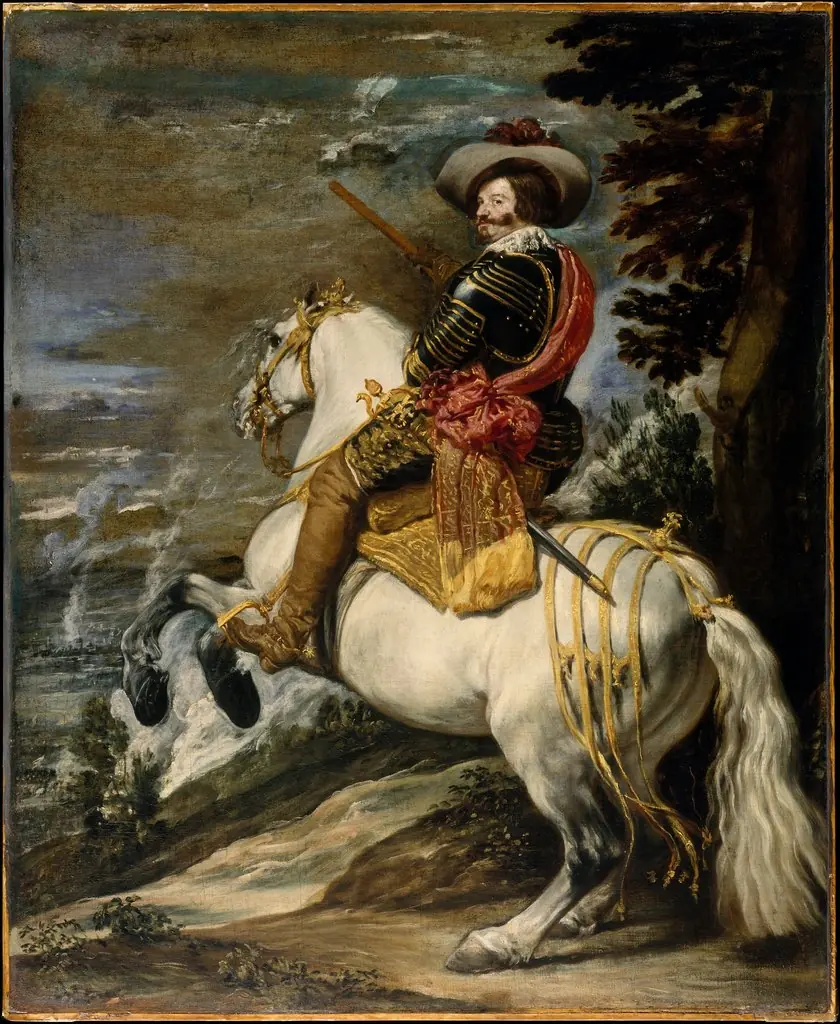 Don Gaspar de Guzmán (1587–1645), Count-Duke of Olivares
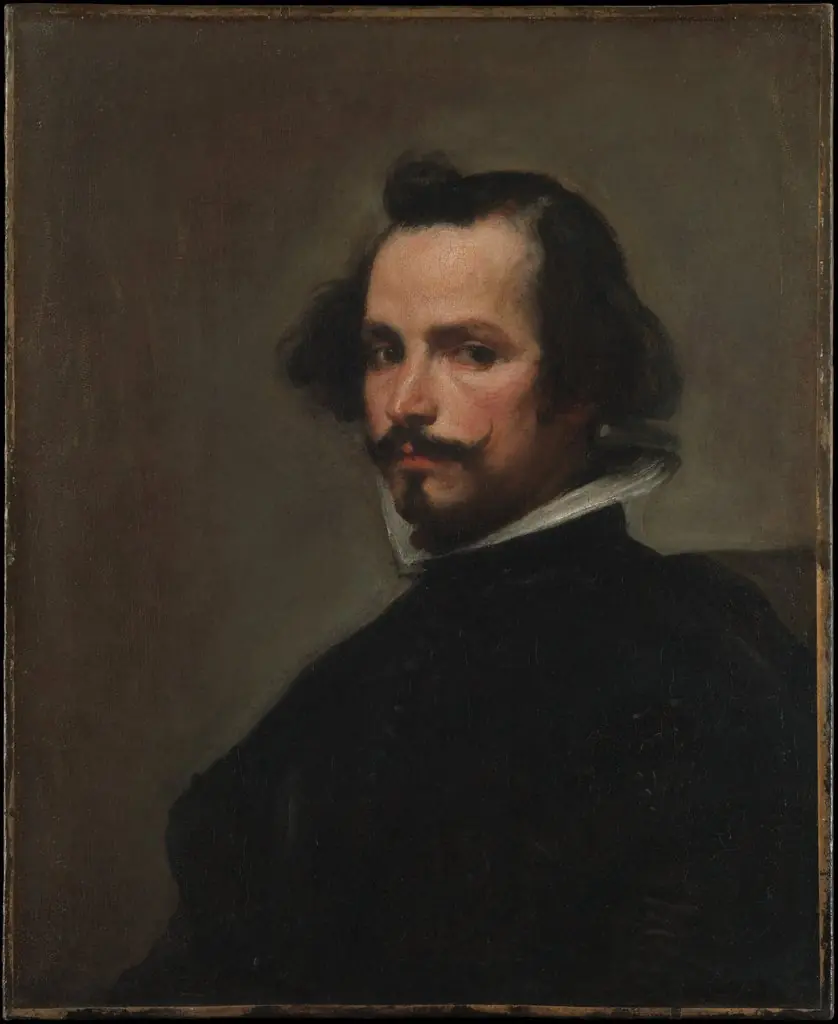 Portrait of a Man
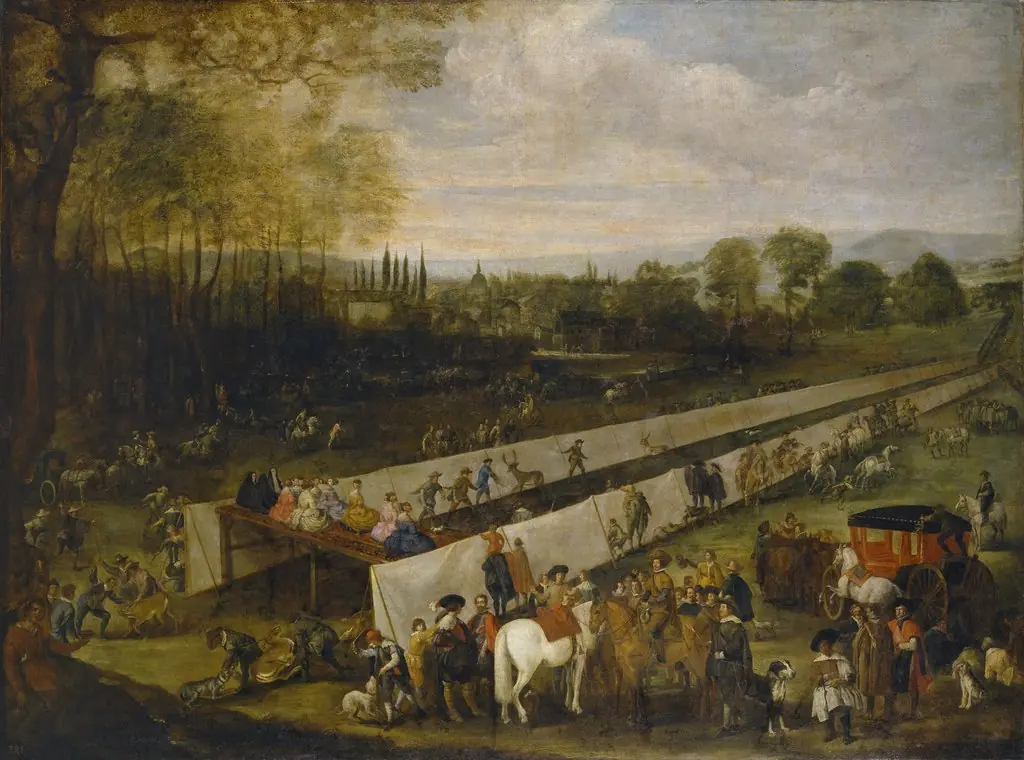 Watching the Hunt in Aranjuez
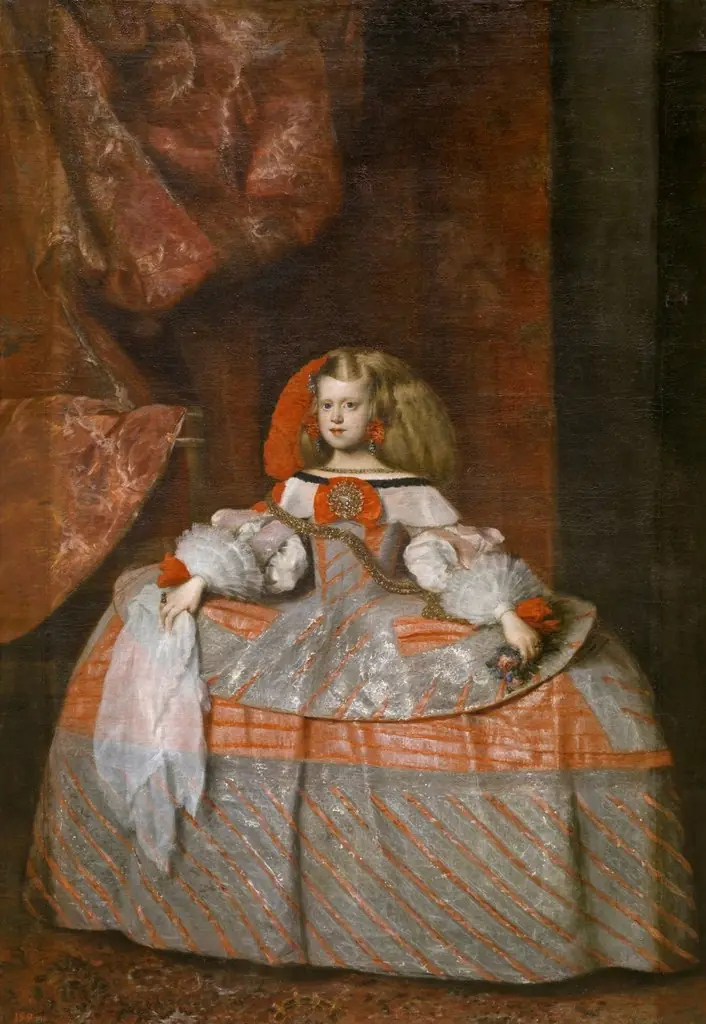 Infanta Margarita Teresa in a Pink Dress
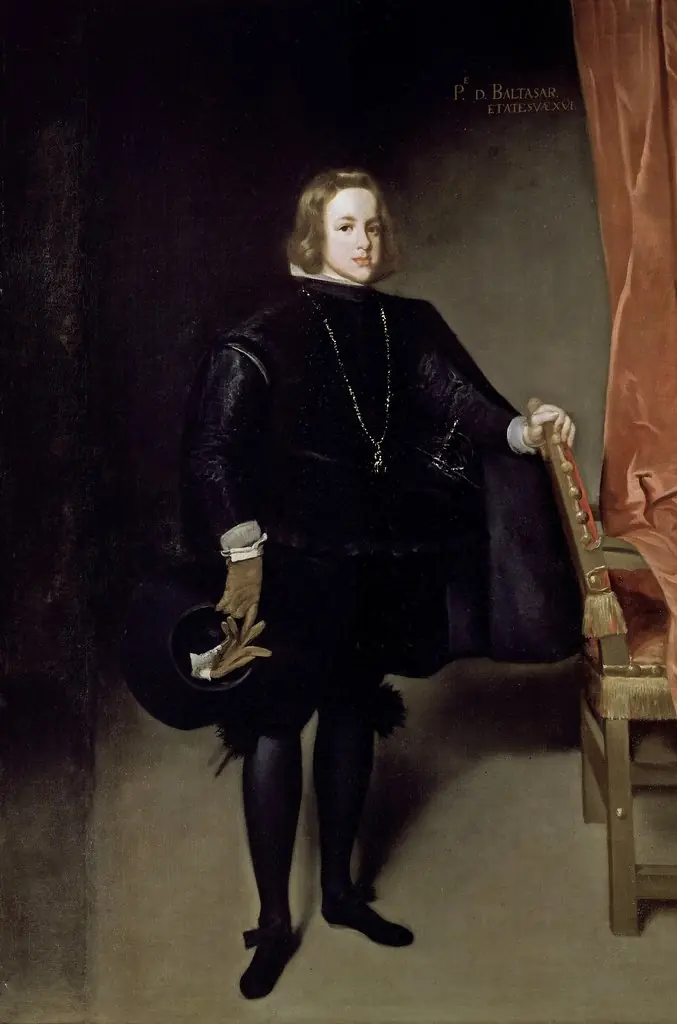 Portrait of Baltasar Carlos of Spain (1629-1646)
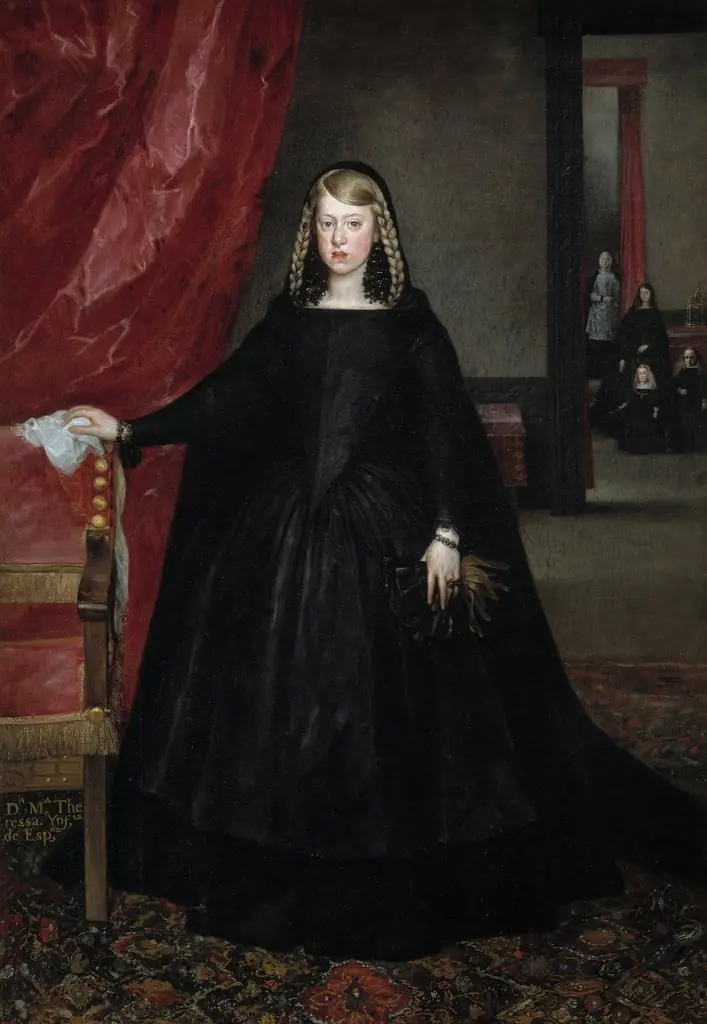 Empress Doña Margarita de Austria in Mourning Dress
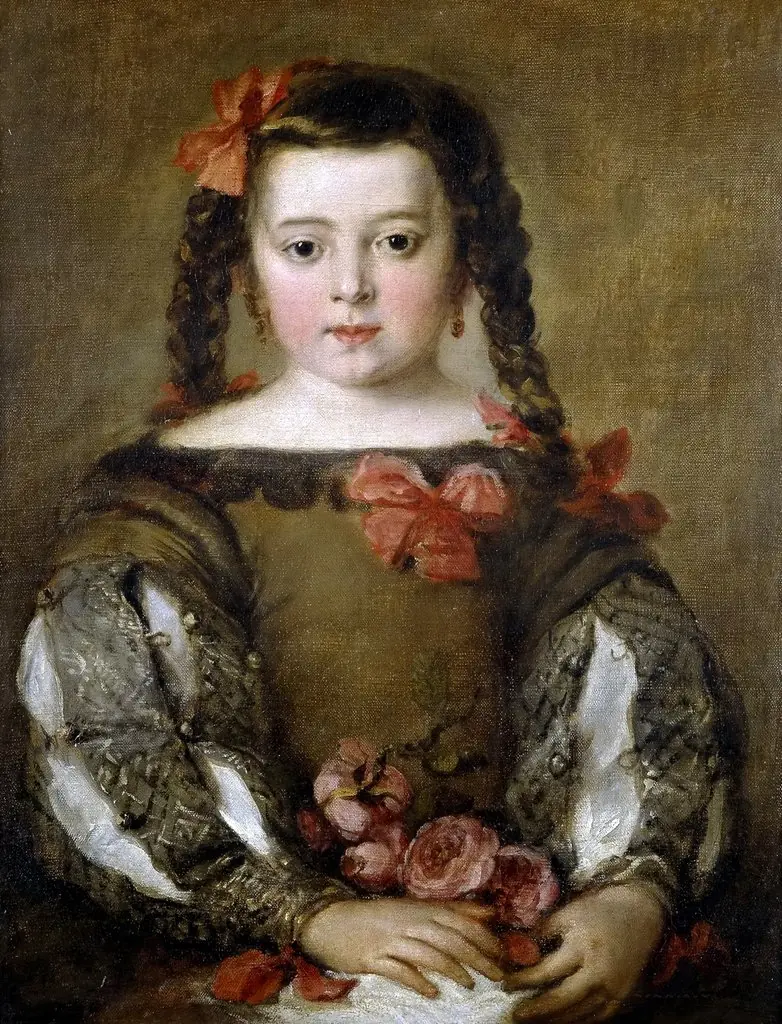 Portrait of a Young Girl