Artwork
Die Muttergottes erscheint dem hl. Antonius
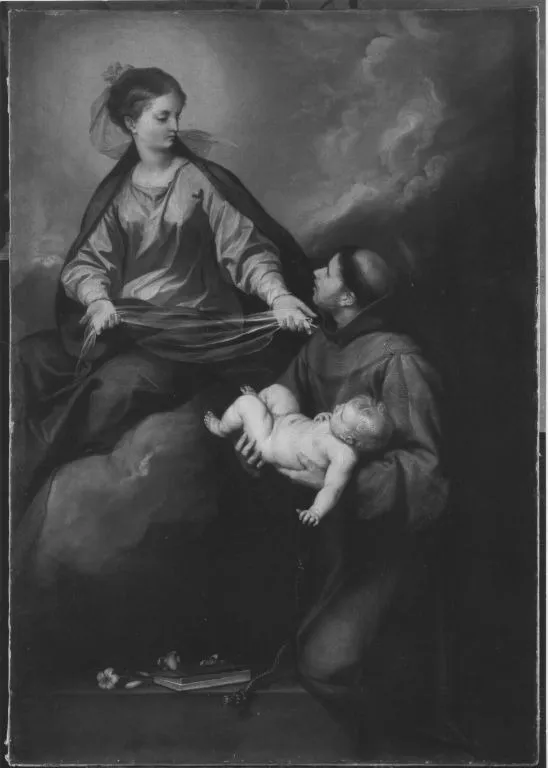
Die Muttergottes erscheint dem hl. Antonius is an unspecified painting by the Early Baroque Italian artist Alonso Cano. It dates from 1648 and is held in the collection of the Bavarian State Painting Collections.
About this work
Subject & Meaning
The depiction anchors the narrative in the spiritual tradition of saintly visions, presenting the interaction as a solemn and sacred occurrence.
This 1648 religious painting by Alonso Cano illustrates the visionary moment when the Virgin Mary appears to Anthony the Great. The work's title and subject matter explicitly identify the two central figures, focusing on the supernatural encounter between the mother of God and the revered hermit saint. As a piece of religious art, the composition serves to visualize this specific hagiographic event, emphasizing the divine favor granted to Anthony through the direct manifestation of the Madonna.
The depiction anchors the narrative in the spiritual tradition of saintly visions, presenting the interaction as a solemn and sacred occurrence.
Technique & Style
Die Muttergottes erscheint dem hl. Antonius is classified as a painting, executed on a support measuring 161 cm in height and 111.3 cm in width. The work is held within the Bavarian State Painting Collections at the Alte Pinakothek.
Beyond its medium and dimensions, the available sources do not document the specific technique, materials, handling, condition, or formal and stylistic qualities of the composition.
History & Provenance
The painting Die Muttergottes erscheint dem hl. Antonius is held by the Bavarian State Painting Collections. Within this institution, the work is located at the Alte Pinakothek in Munich.
The provided sources do not list a specific inventory or accession number for the piece. Additionally, the available documentation contains no record of past or future exhibition history for this artwork.
Overview
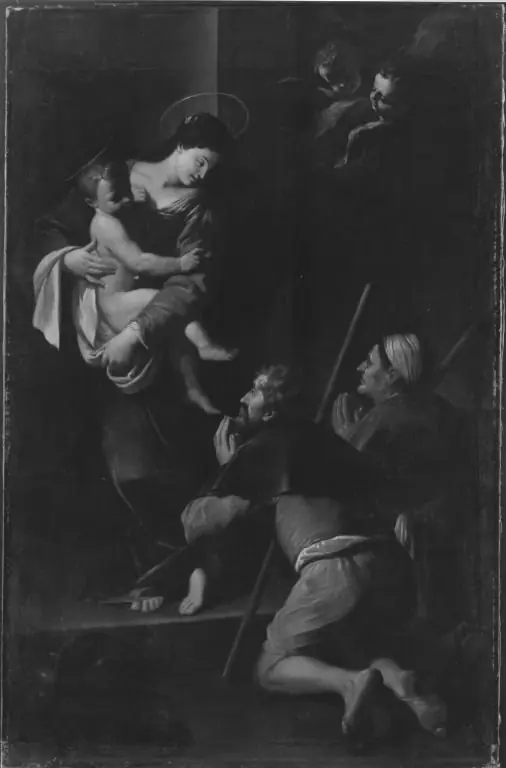
Alonso Cano’s 1648 oil painting, titled Die Muttergottes erscheint dem hl. Antonius, is part of the collection of the Alte Pinakothek in Munich. The work presents a quiet, intimate encounter between a cloistered figure and a child, set against a darkened backdrop that emphasizes the central figures through subtle lighting.
Context
Created during Cano’s mature period, the work reflects the Counter‑Reformation’s emphasis on devotional imagery that encourages personal piety. By portraying a tender, almost domestic scene, the painting aligns with contemporary Spanish religious art that sought to make holy figures accessible to the faithful.
Artist & collection

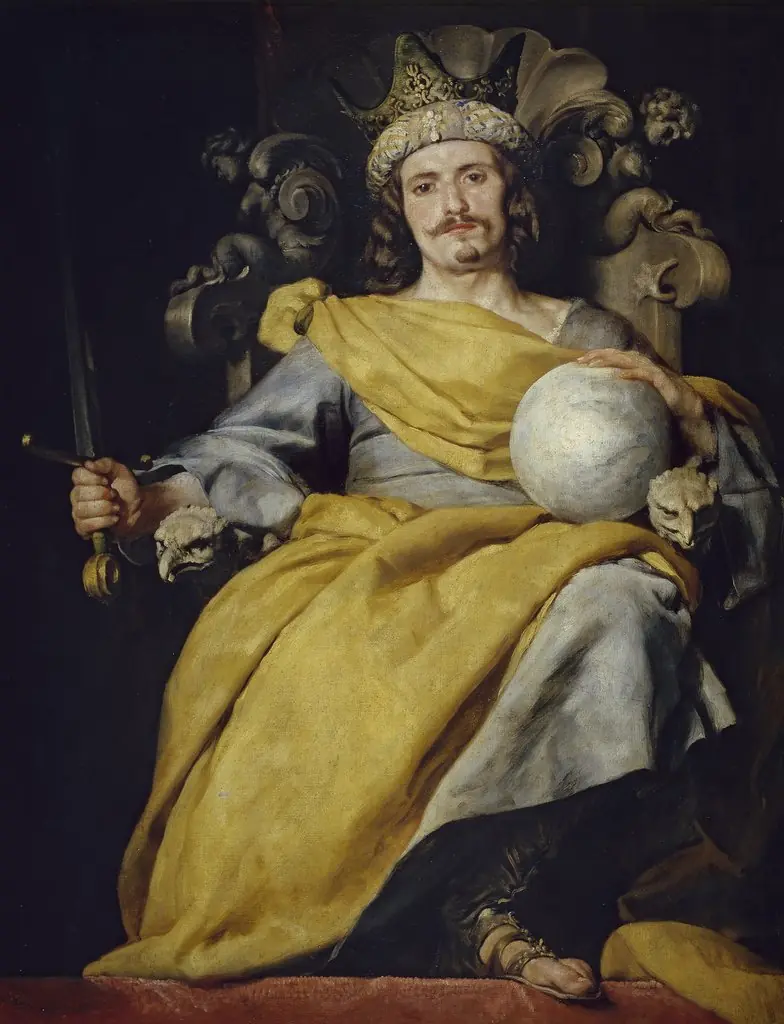
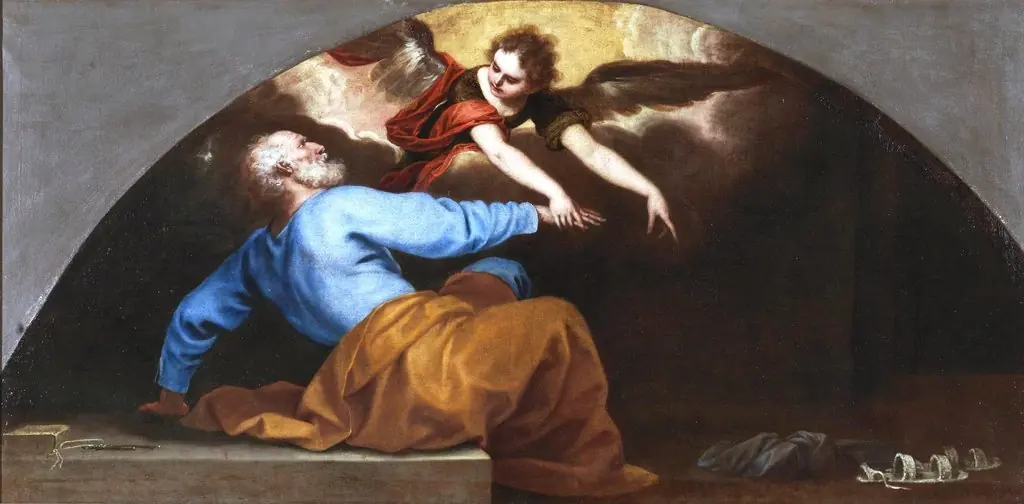
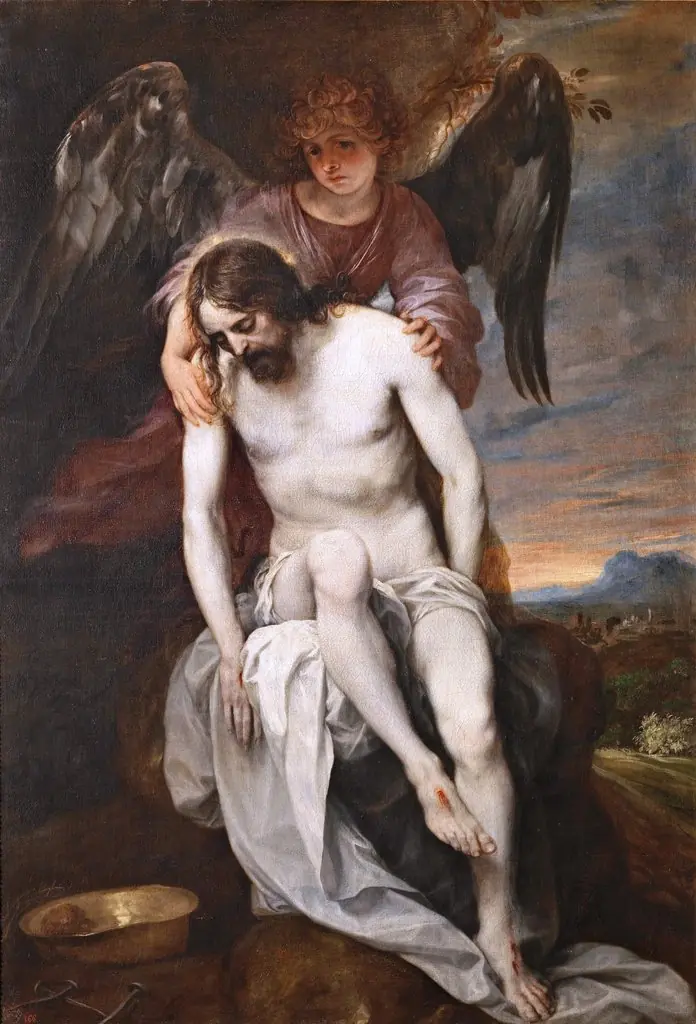
- Vision des hl. Antonius von Padua
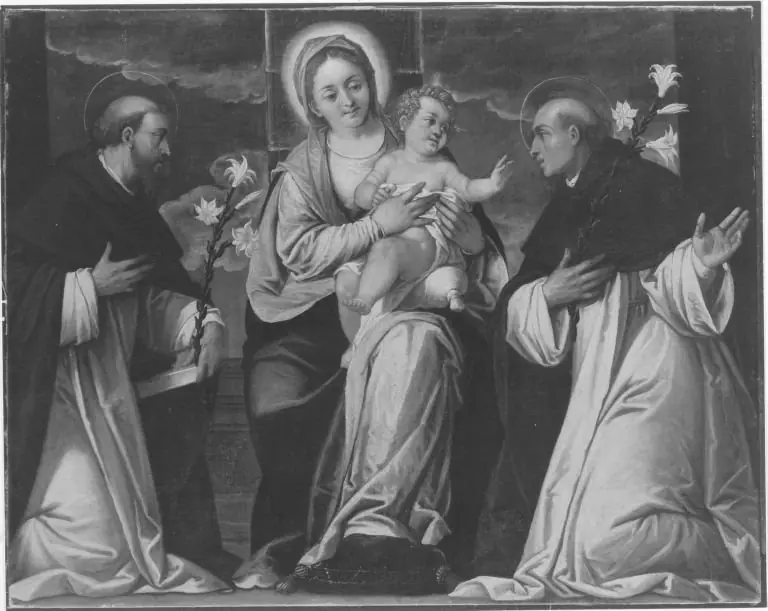 Maria mit Kind und zwei Heiligen
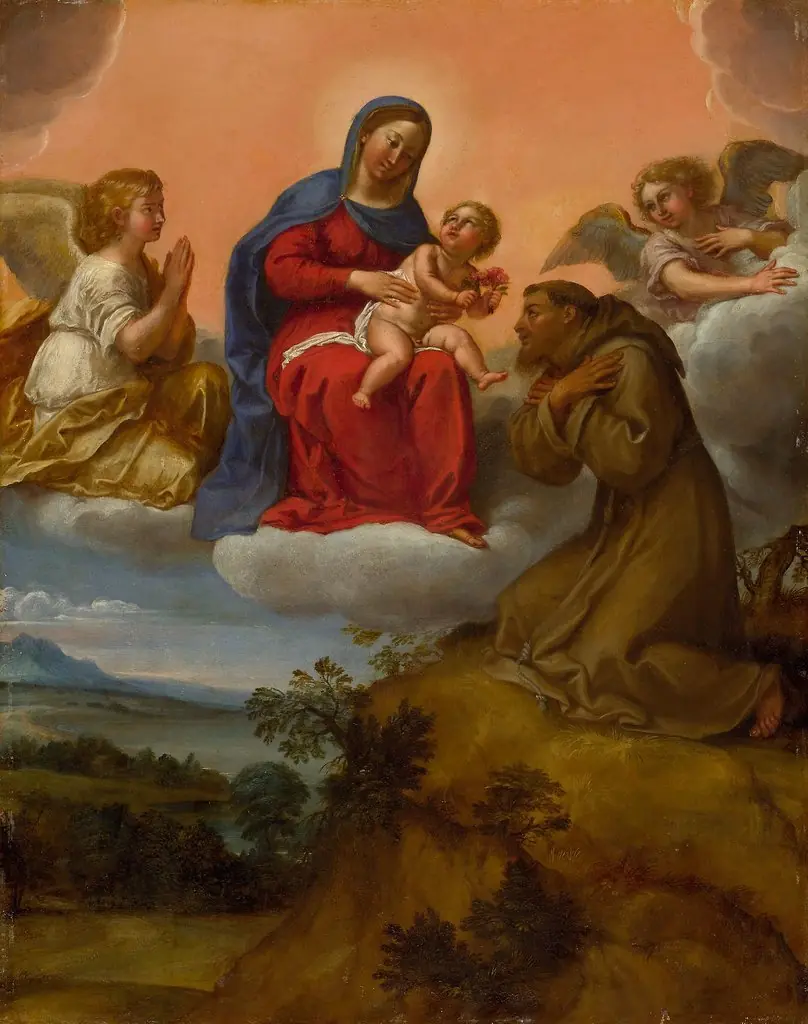 Virgin and Child Adored by Saint Francis
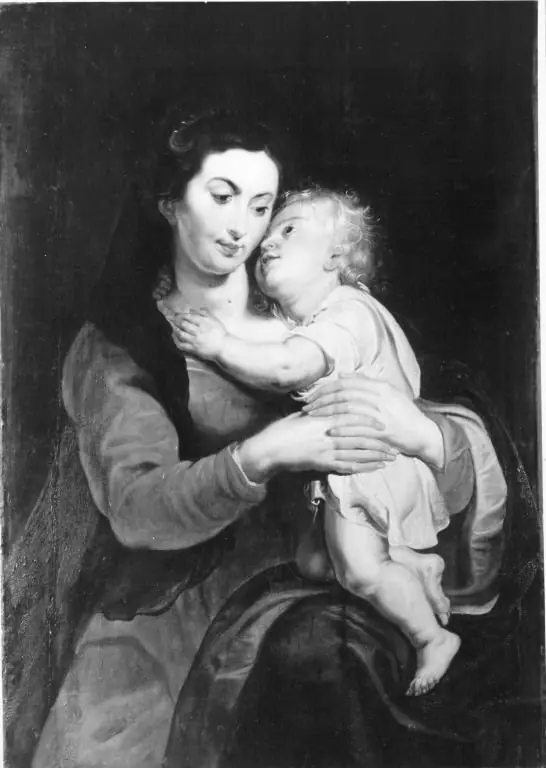 Maria mit Kind
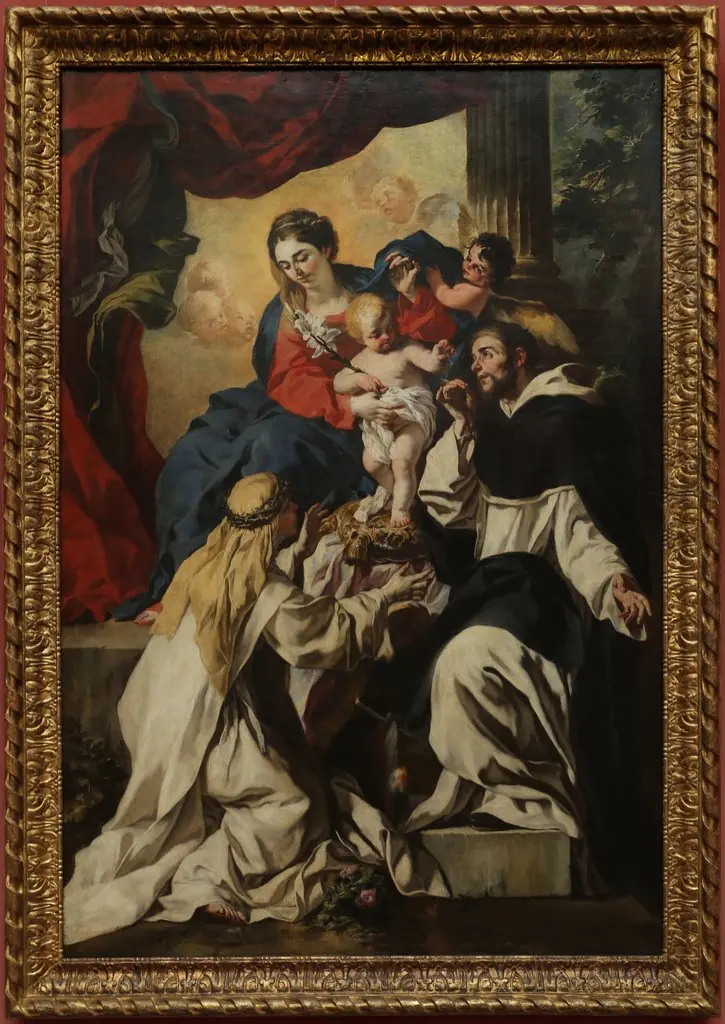 Die thronende Maria mit dem Kind, dem Heiligen Dominikus und der Heiligen Katharina von Siena (Rosenkranzmadonna)
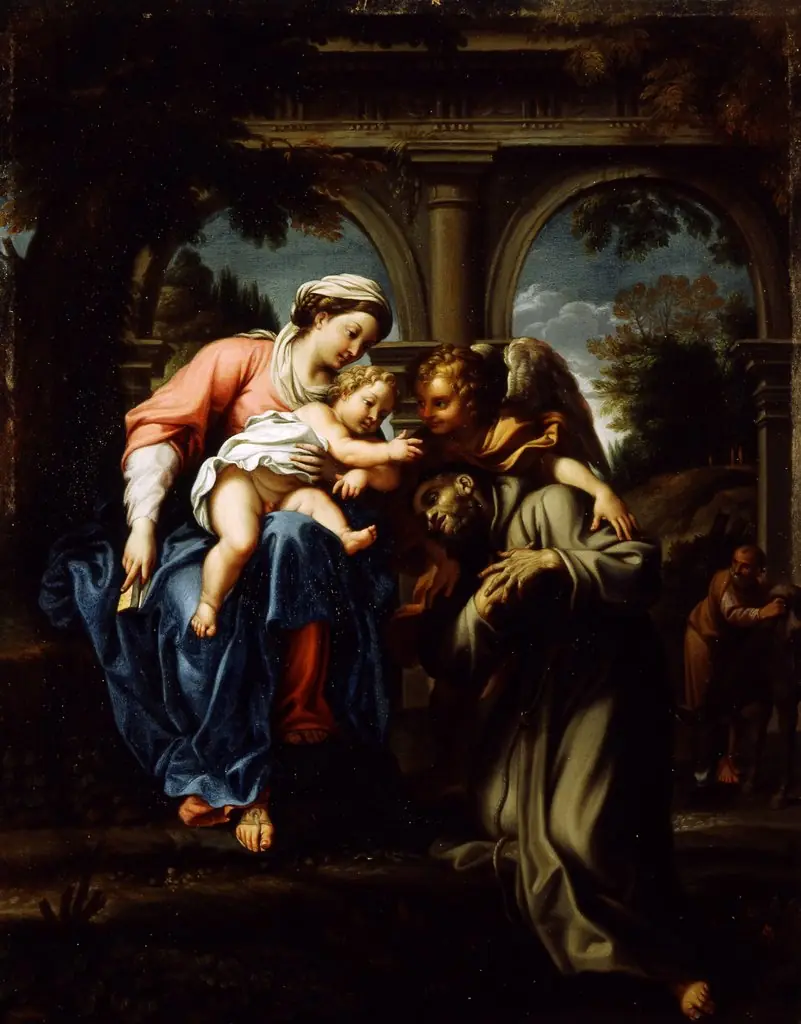 Vision of Saint Francis
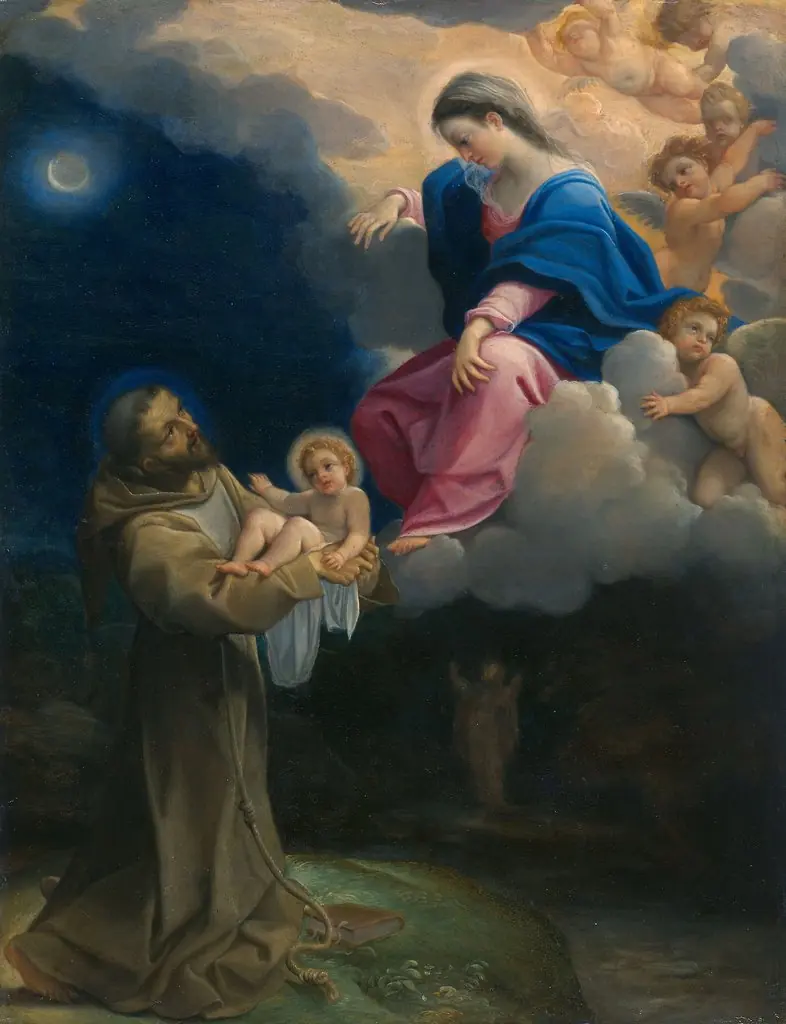 The Vision of Saint Francis
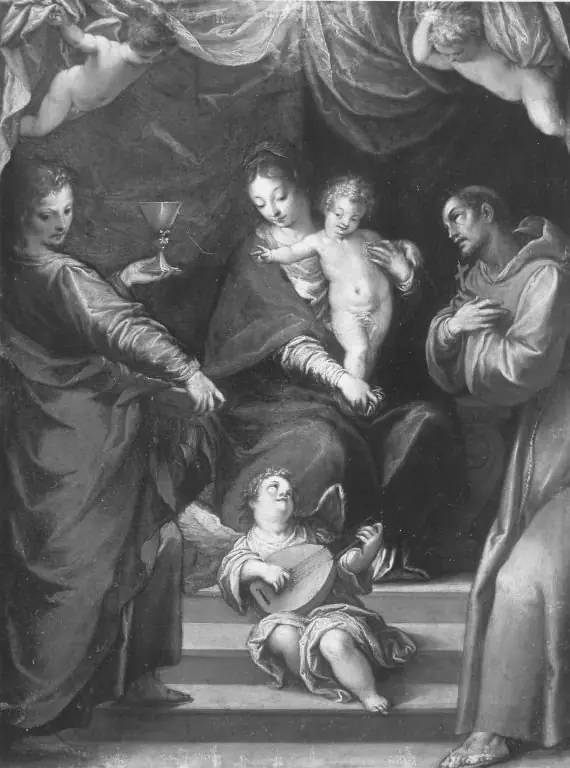 Maria mit Kind und den hll. Johannes der Evangelist und Franziskus
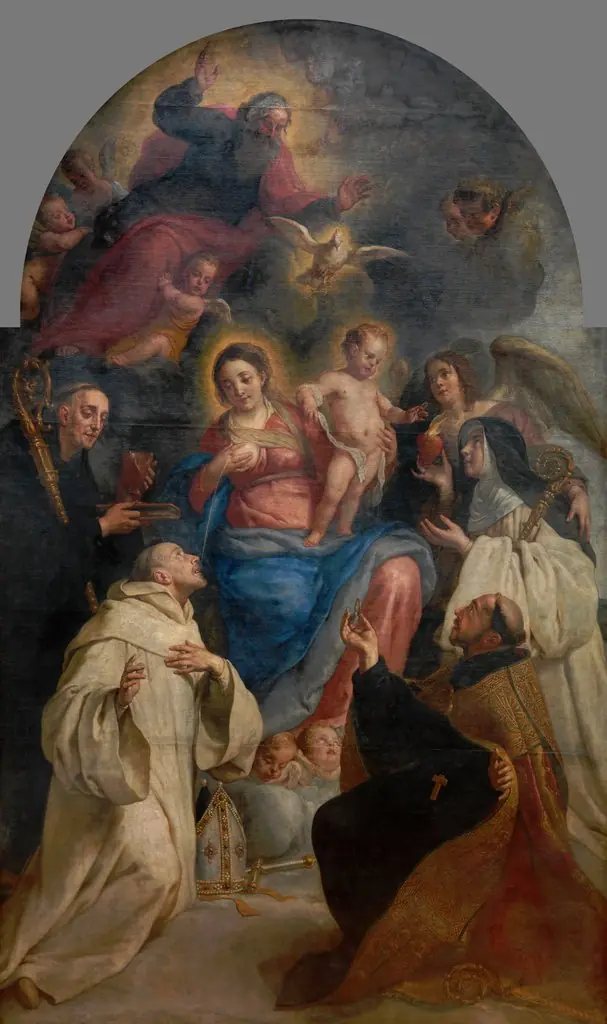 Lactatio of Saint Bernard of Clairvaux
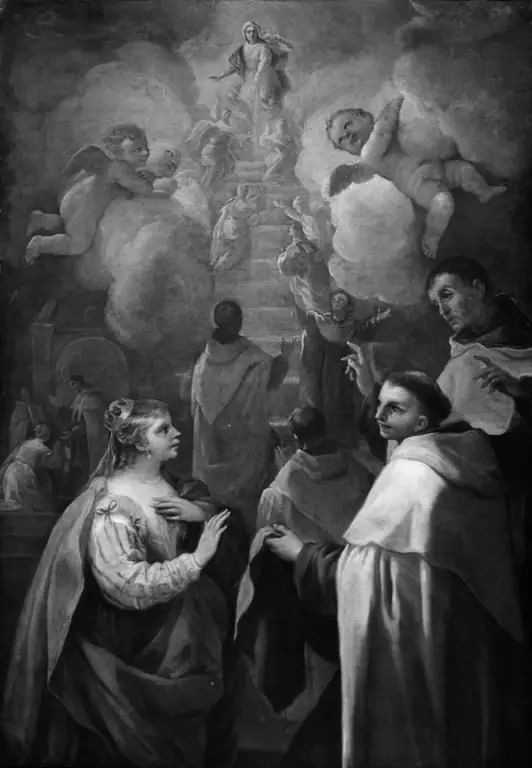 Stairway to Heaven
 Die Madonna erscheint zwei Pilgern (Kopie nach)
 Mary with the child in glory adored by six saints