Artwork
Saint Peter liberated by an Angel
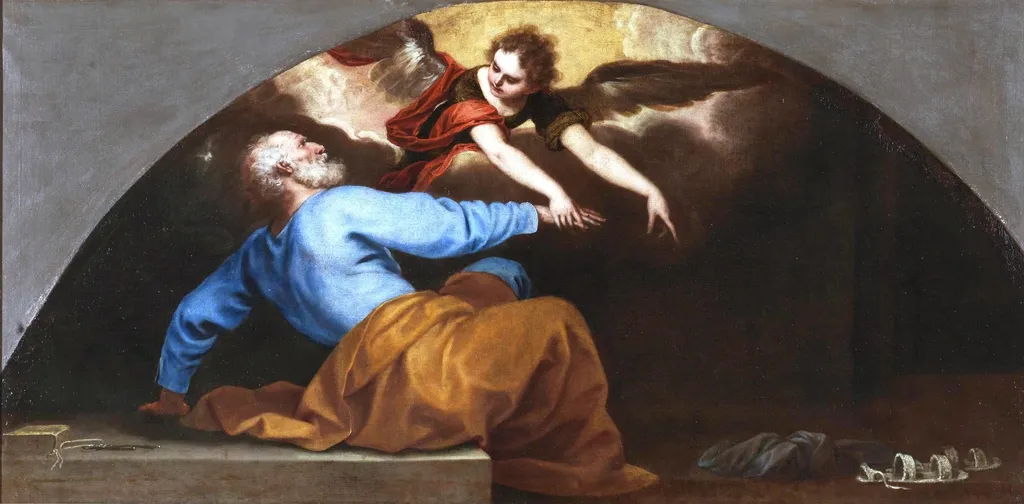
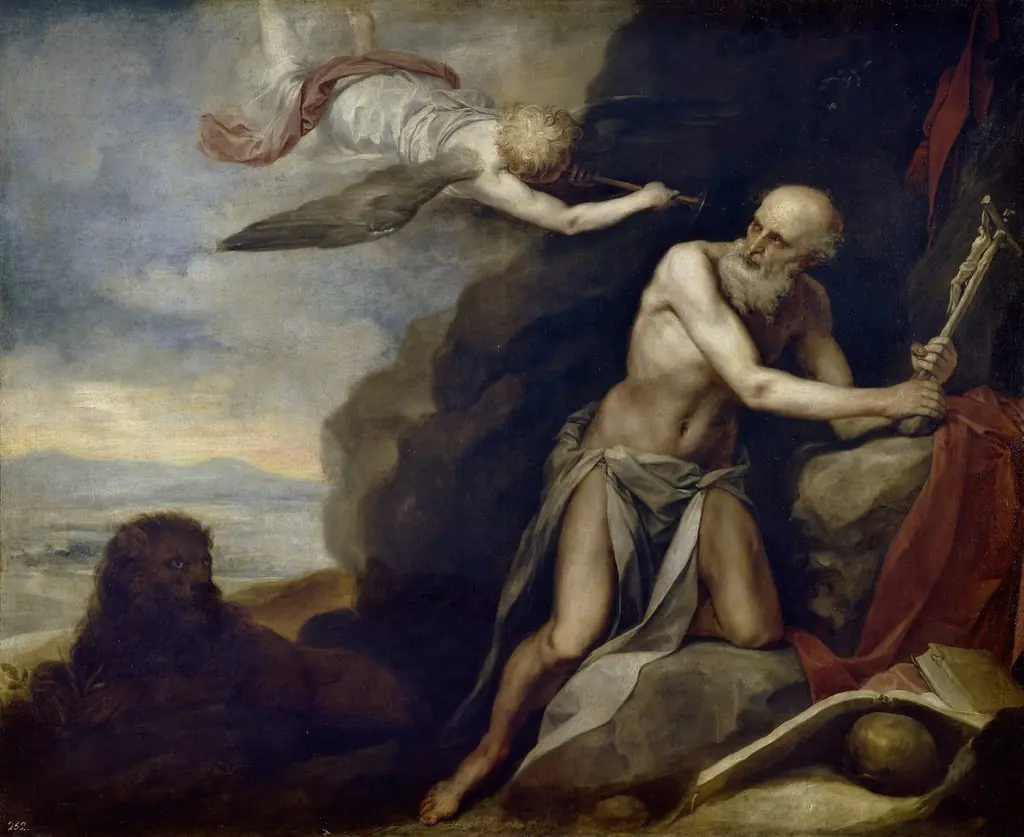
Saint Peter liberated by an Angel is an oil painting by the Early Baroque Italian artist Alonso Cano. It dates from 1652 and is held in the collection of the Museo del Prado.
About this work
Technique & Style
Executed in 1652, this religious painting by Alonso Cano utilizes oil paint applied to a canvas support. The work measures 96 cm in height and 194 cm in width, presenting a horizontal format characteristic of narrative scenes. As a piece of religious art, the composition depicts the figures of an angel and Saint Peter, rendered through the artist's handling of the oil medium on the woven fabric.
History & Provenance
The painting, an oil on canvas work measuring 96 cm in height and 194 cm in width, depicts the biblical scene of an angel freeing Saint Peter from prison.
The painting Saint Peter liberated by an Angel was created by the Spanish artist Alonso Cano in 1652. Executed in oil on canvas, the work measures 96 cm in height and 194 cm in width. The piece was produced as a religious composition depicting the biblical narrative of an angel freeing Saint Peter from prison.
Today, the artwork is held in the collection of the Museo del Prado in Madrid, where it remains part of the institution's permanent holdings.
Alonso Cano's Saint Peter liberated by an Angel, executed in 1652, is held in the collection of the Museo del Prado in Madrid. The painting, an oil on canvas work measuring 96 cm in height and 194 cm in width, depicts the biblical scene of an angel freeing Saint Peter from prison. While the specific inventory or accession number is not provided in the available records, the work is firmly attributed to the artist and dated to the mid-17th century within the museum's holdings.
The provided sources do not contain information regarding the painting's specific exhibition history or a chronological list of public displays.
Context
Alonso Cano's 1652 oil painting Saint Peter liberated by an Angel, housed in the Museo del Prado, was praised by contemporaries for its dynamic composition and emotional intensity, exemplifying Spanish Baroque spirituality. Twentieth-century scholarship, particularly analyses of Cano's late period, highlights the work's synthesis of naturalism and devotional fervor, situating it within the broader trajectory of 17th-century Spanish religious art that bridges the mystical realism of Zurbarán and the compositional clarity of Murillo. Its enduring presence in Prado exhibitions underscores its significance as a devotional image that reinterprets apostolic narrative through intimate human gesture and celestial intervention.
Overview
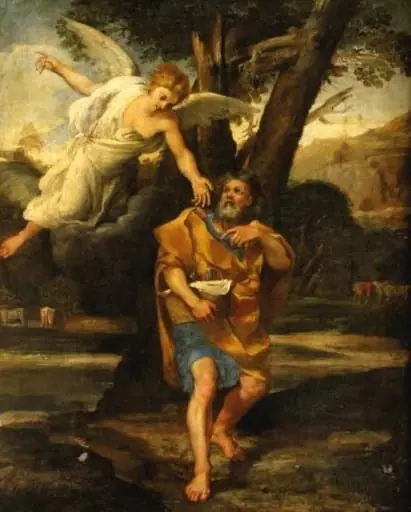
Alonso Cano’s oil painting Saint Peter Liberated by an Angel, executed in 1652, portrays the apostle being assisted by a celestial messenger. The composition is set within a dimly lit interior, where the figure of Peter, dressed in blue and orange, is seated on a stone bench while an angel in a red robe extends a hand to lift him. The work is part of the Museo del Prado’s collection.
Subject & Meaning
The scene references the biblical episode in which an angel frees the imprisoned Peter from the Mamertine Prison, symbolizing divine intervention and redemption. Cano emphasizes the physical support offered by the angel, underscoring the theme of spiritual liberation through heavenly aid. The juxtaposition of earthly confinement and ethereal assistance conveys the triumph of faith over oppression.
Artist & collection