Artwork
Saint Agnes
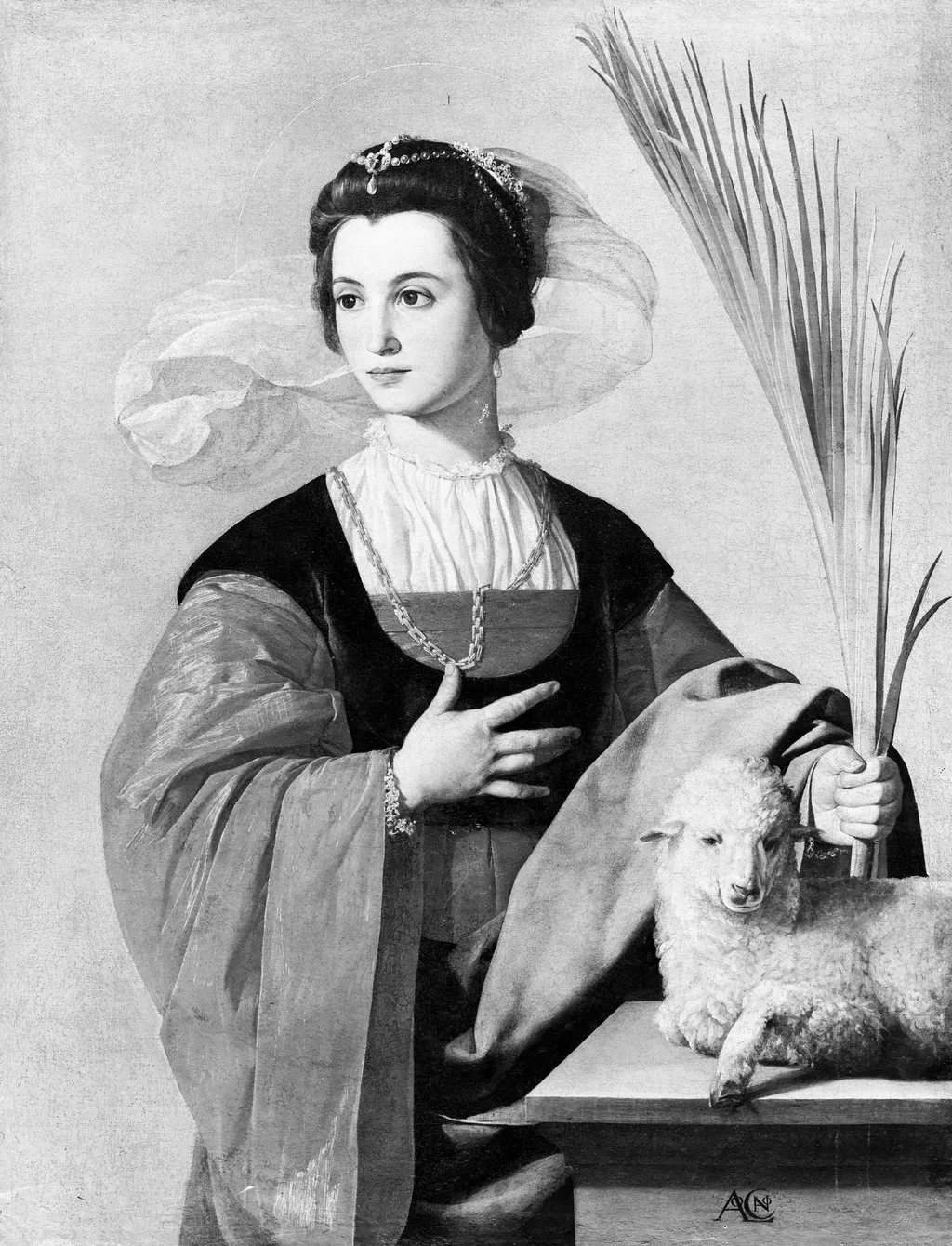
Saint Agnes is a paint painting by the Early Baroque Italian artist Alonso Cano. It dates from 1636 and is held in the collection of the Gemäldegalerie Berlin.
About this work
Overview
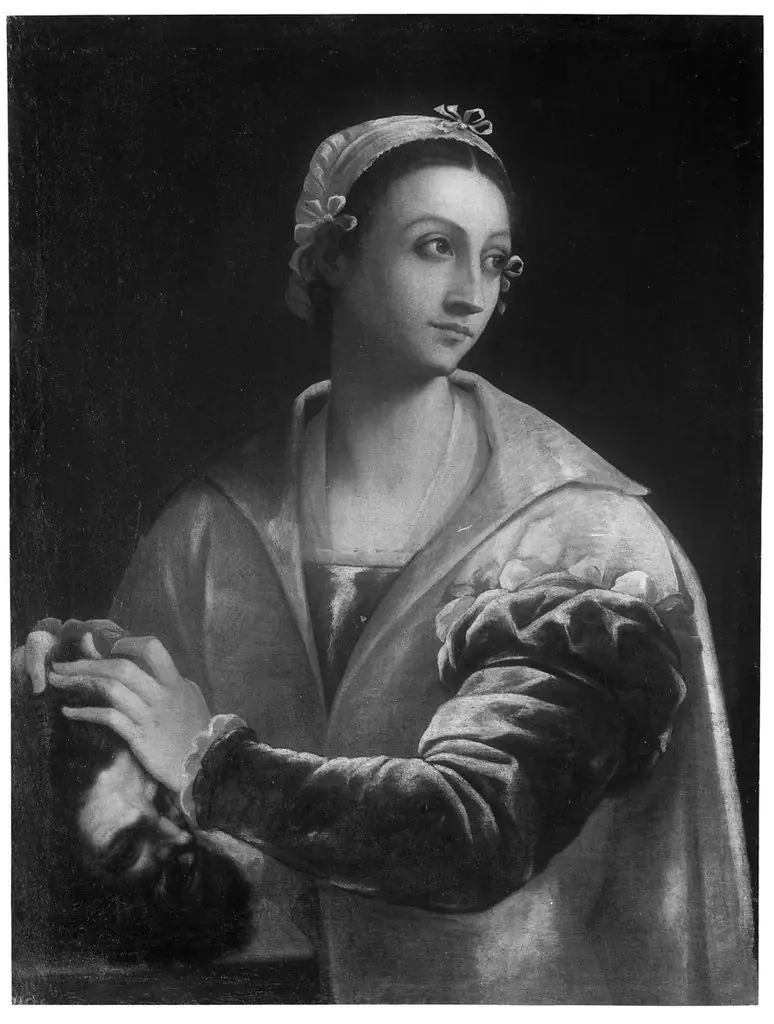
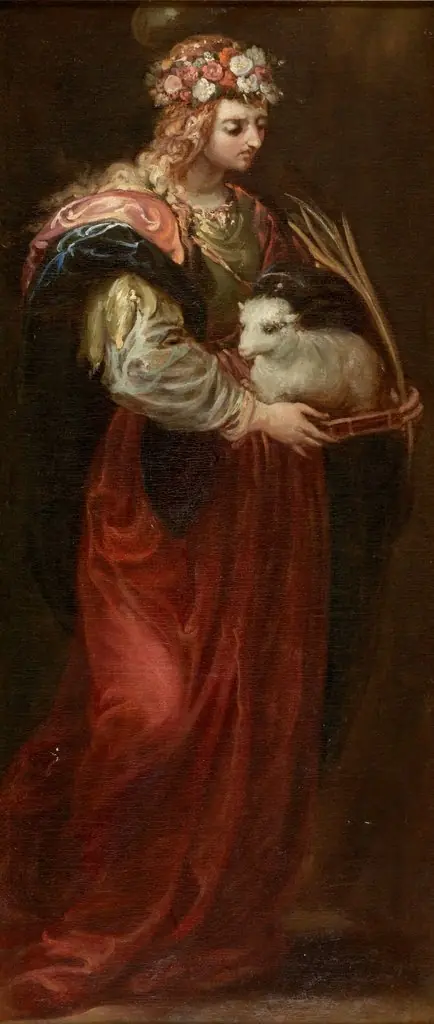
Alonso Cano’s 1636 canvas presents a solitary female figure identified as Saint Agnes of Rome. She is seated against an unadorned backdrop, her dark, draped garments and modest veil drawing the eye to the gentle animal she cradles. The composition is restrained, emphasizing the saint’s quiet devotion through a simple yet focused visual arrangement.
Subject & Meaning
The central motif, a young woman holding a lamb, references Agnes’s traditional association with the animal, a symbol of innocence and martyrdom in Christian iconography. The lamb, nestled in her arms, underscores themes of purity and sacrifice, aligning the saint’s narrative of steadfast faith with the broader theological symbolism of the sacrificial lamb.
Technique & Style
Cano employs a subdued palette of deep hues contrasted with soft, diffused lighting that illuminates the saint’s face and the lamb. The delicate rendering of fabric folds and the smooth modeling of flesh reveal a mastery of chiaroscuro, while the plain background eliminates distractions, allowing the viewer to concentrate on the intimate interaction between figure and animal.
History & Provenance
Created in the early Baroque period, the work entered the collection of the Gemäldegalerie in Berlin, where it remains on display. Its acquisition reflects the museum’s focus on Spanish religious painting, and the piece has been documented in the gallery’s catalogues since the early twentieth century.
Own this work as a print
Artist & collection